For most of modern history, you would have pictured a dinosaur as little more than a colossal, lumbering brute with a brain the size of a walnut. Hollywood certainly didn’t help. The classic image of a T. rex as a mindless eating machine stuck around for decades, and honestly, you couldn’t really blame the scientists of earlier eras for thinking the same. After all, what could a creature that big and that ancient possibly have had going on upstairs?
Quite a lot, it turns out. Over the last few decades, and with particular intensity in the 2020s, breakthroughs in neuroscience, paleontology, and imaging technology have forced a dramatic rethink. What researchers are now uncovering about dinosaur cognition, senses, and social behavior is nothing short of astonishing. Get ready to be surprised by what science has revealed.
1. The Encephalization Quotient Shattered Early Assumptions
For a very long time, you would have judged a dinosaur’s intelligence purely by the size of its brain relative to its enormous body, and the numbers did not look flattering. Early assumptions pegged dinosaurs as unintelligent due to their relatively small brain sizes compared to their bodies, aligning them with reptiles. It was a blunt instrument of measurement, and it painted an unfairly dim picture.
Then came a genuine turning point. Advancements in paleontology, particularly the development of the encephalization quotient (EQ) in the 1970s, shifted these views. The EQ measures brain size relative to body mass, suggesting that some dinosaurs, particularly theropods, might have had intelligence levels comparable to modern birds. Think about that for a second. Some of the very dinosaurs you might picture as dull-witted predators were, by this new metric, closer in cognitive profile to a modern crow or parrot than to a crocodile.
2. CT Scanning Opened a Window Into the Dinosaur Mind
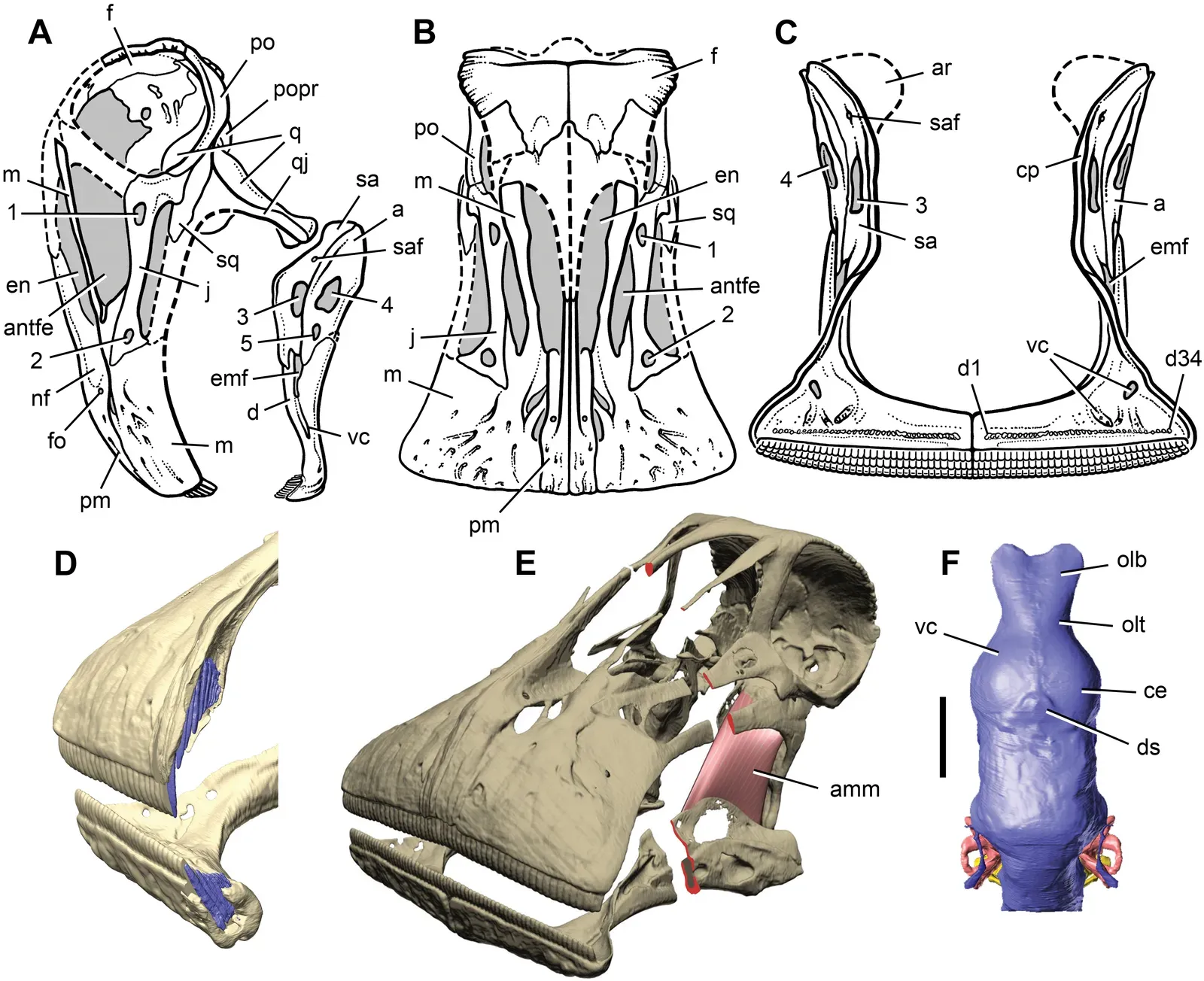
Here’s the thing about dinosaur brains: they don’t fossilize. The soft tissue is simply gone, lost to millions of years of decomposition. It’s a frustrating reality, and for a long time it felt like an insurmountable wall for researchers. The brain is a soft-tissue organ. It doesn’t fossilize and preserve the way bones do. So, the very part of the body that could tell us the most about these animals is the part that has been lost to history.
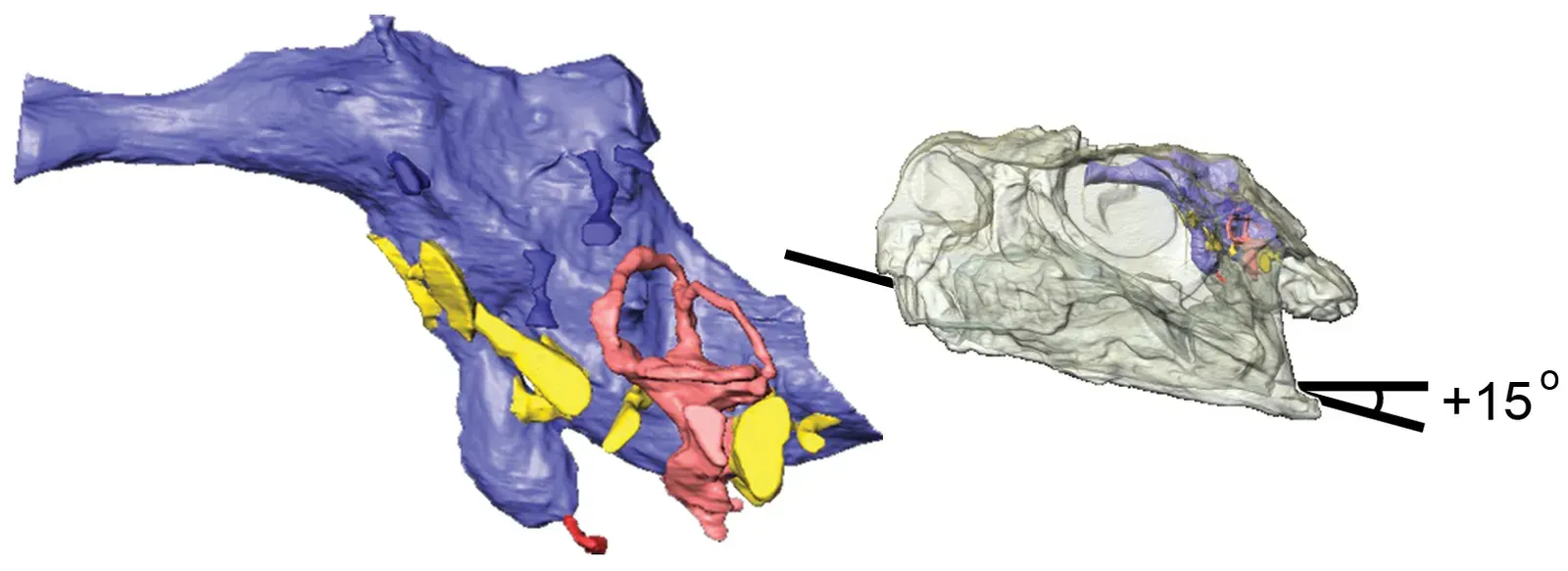
The solution, though, turned out to be sitting right inside the skull. If the fossilization process occasionally provides a replica of a dinosaur’s brain, scientists get something called an endocast. In simplest terms, an endocast is a special rock, where sediment filled in the space of an animal’s brain cavity after death and took on its shape. Recent research utilizing computed tomography (CT) has enabled scientists to create accurate models of dinosaur brains, allowing for more comprehensive analyses of their cognitive capacities. Suddenly, you could look inside a skull that had been sitting in the ground for 66 million years and actually see the shape of a dinosaur’s brain. Remarkable, honestly.
3. Neuron Count Research Rewrote the Story of T. rex
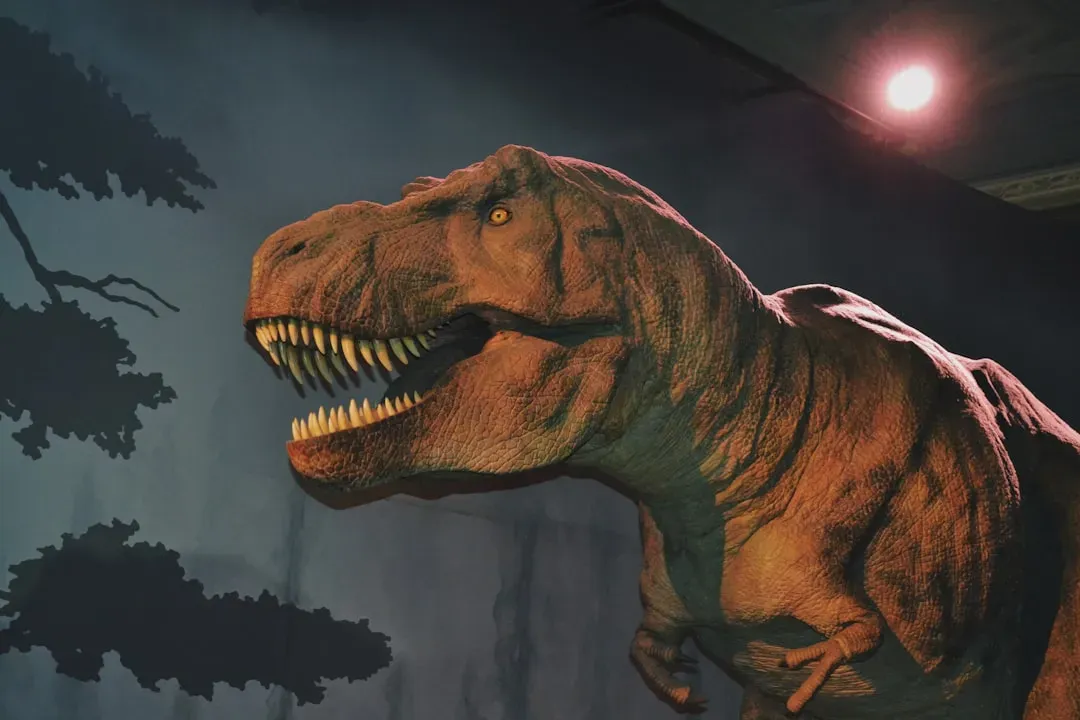
If you thought the EQ was a game-changer, wait until you hear about the neuron density debate. In one landmark study, Suzana Herculano-Houzel of the Vanderbilt Brain Institute calculated the likely number of neurons in dinosaurs’ pallium, a brain structure responsible for advanced cognitive functions that corresponds to the cortex in mammals. She wasn’t guessing wildly. She used a rigorous comparative method, mapping neuron densities from living relatives of dinosaurs to extrapolate what ancient theropods might have possessed.
The results were, putting it mildly, startling. She estimated theropod dinosaurs had over 1 billion pallial neurons, similar to modern primates like baboons, while sauropods had less than 200 million. Herculano-Houzel suggested a high number of pallial neurons indicated that large theropods like T. rex had long lifespans and flexible minds, which would have made them highly skilled predators. Now, to be fair, a follow-up study published in The Anatomical Record pushed back significantly. Dinosaurs were as smart as reptiles but not as intelligent as monkeys, as former research suggested. An international team of palaeontologists, behavioural scientists and neurologists re-examined brain size and structure in dinosaurs and concluded they behaved more like crocodiles and lizards. The debate continues, but you can’t argue that the conversation has never been more alive or more scientifically rigorous.
4. Brain Architecture Revealed Why Intelligence Has Limits
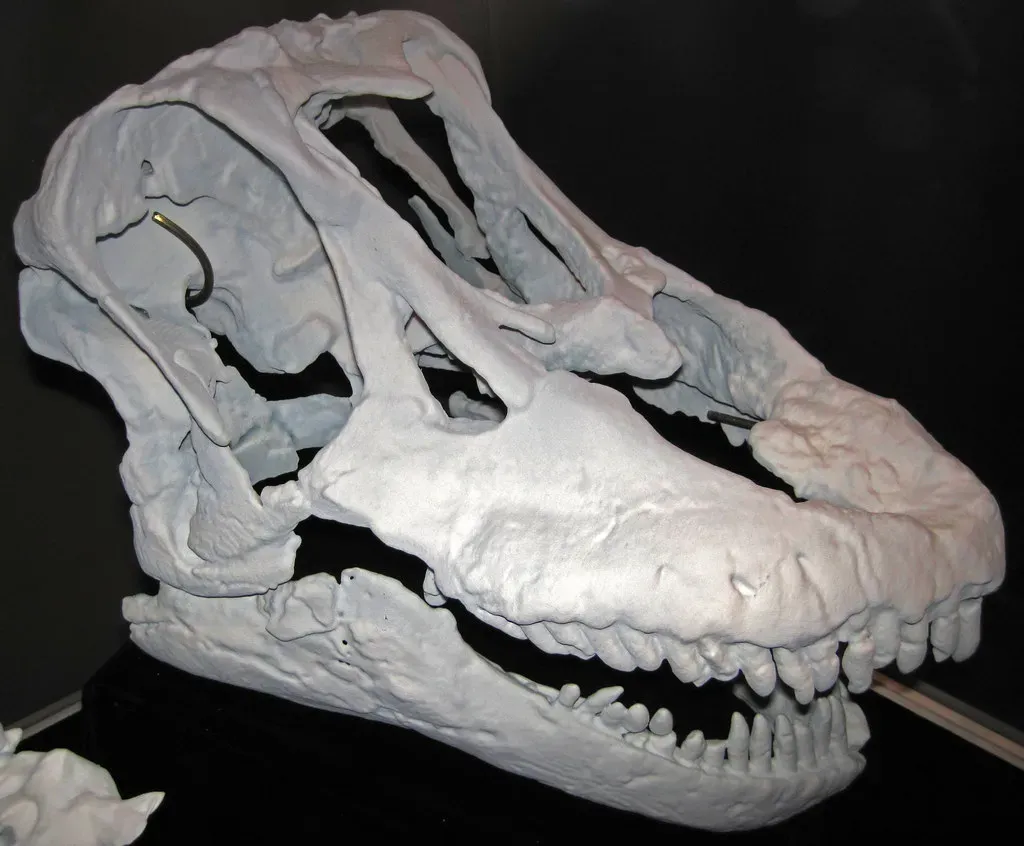
Even if you accept the more optimistic neuron count estimates, a deeper question remains: could a dinosaur’s brain actually use all that neurological firepower efficiently? Researchers started digging into the architecture of dinosaur brains, not just their size. The fundamental argument is that the neocortex is more efficiently wired for information analysis because the neurons that do the critical analysis are close together. In the avian design, and what would have been the dinosaur design, they’re not close together to begin with, and as you add more processing elements, they’re pushed farther and farther apart. That makes that design less efficient.
It’s a bit like comparing a compact, high-speed processor to a sprawling, slower network. More nodes don’t automatically mean more power. The reasons deal with a potential wiring inefficiency inherent to the nuclear pallial plan that would have been exacerbated with the pallial expansion needed to reach a pallial complexity and neuron number equivalent to that in humans. I think what makes this so fascinating is the implication: , whatever its ceiling, was shaped by evolutionary constraints that were baked right into the very structure of their brains. They were working with a fundamentally different blueprint.
5. Fossil Evidence Proved Dinosaurs Lived in Complex Social Groups
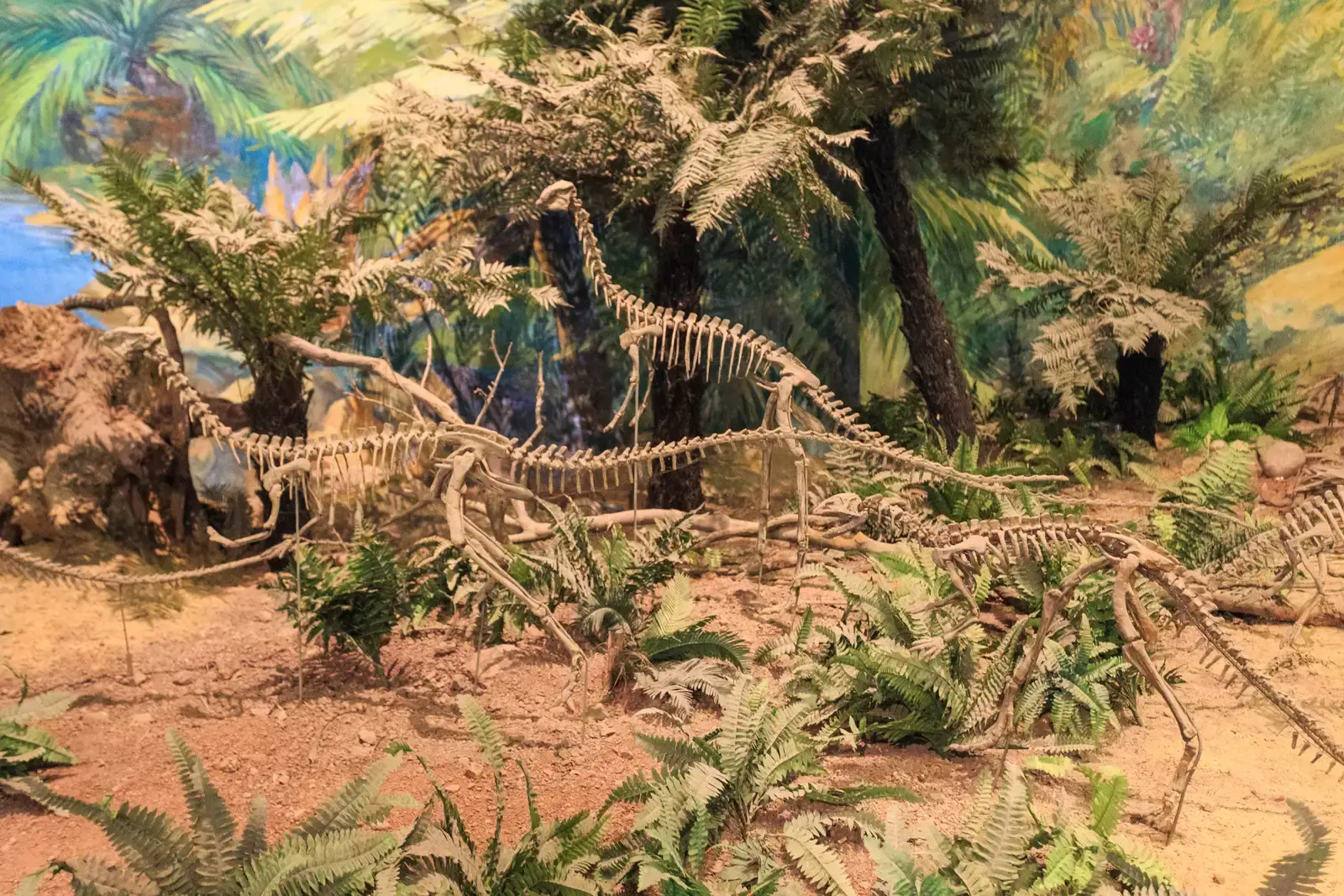
Social behavior is one of the strongest markers of cognitive complexity we know of. And what researchers discovered in Patagonia flipped the script entirely on how you might imagine ancient dinosaur life. Results show that Mussaurus and possibly other dinosaurs evolved to live in complex social herds as early as 193 million years ago, around the dawn of the Jurassic period. Evidence suggests that Mussaurus optimized foraging potentials during the early Jurassic via age-based social partitioning, where neonates, juveniles, and adults apparently foraged, and perished, in age-based groups.
This wasn’t just a loose group of animals wandering in the same direction. New discoveries indicate the presence of social cohesion throughout life and age-segregation within a herd structure, in addition to colonial nesting behaviour. These findings provide the earliest evidence of complex social behaviour in Dinosauria, predating previous records by at least 40 million years. The presence of sociality in different sauropodomorph lineages suggests a possible Triassic origin of this behaviour. Organized, age-segregated herds with colonial nesting. That is not the behavior of a mindless beast. That requires coordination, memory, and something that looks a great deal like community.
6. Mixed-Species Herding Suggested Even More Sophisticated Awareness
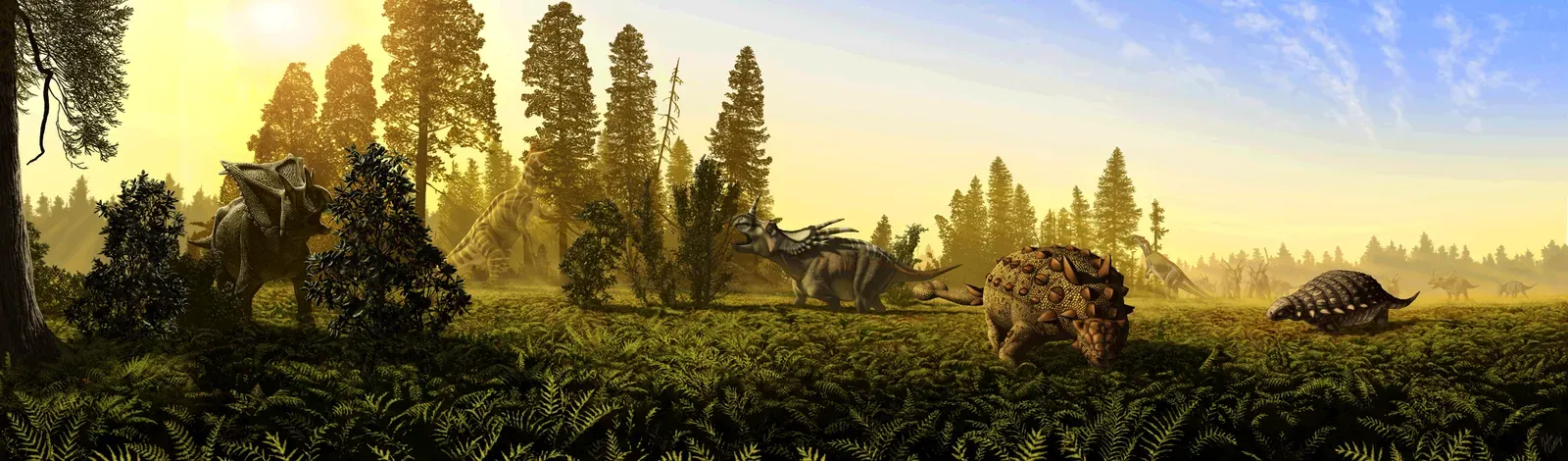
If social herding alone wasn’t enough to impress you, consider what scientists found preserved in 76-million-year-old Canadian mud. A collection of footprints from a group of ceratopsians and an Ankylosaurus could be the first evidence of dinosaur herds that were made up of multiple species. Let’s be real: traveling in a multi-species group isn’t something mindless animals do. It requires some level of recognition, tolerance, and mutual benefit.
The presence of other dinosaur footprints among the ceratopsians has led researchers to believe that these trackways could show the first evidence of mixed-species herding behaviour in dinosaurs, similar to how modern wildebeest and zebras travel together across the African plains. The presence of two T. rex footprints also raises the prospect that multispecies herding may have been a defence strategy against common apex predators. Think about what that implies. Herbivores from different species traveling together, possibly as a shared defensive strategy against predators. That is ecological intelligence in action, the kind of adaptive thinking that goes well beyond simple survival instinct.
7. The Sensory Breakthrough: Smell, Vision, and Hearing Were Far More Advanced Than You Thought
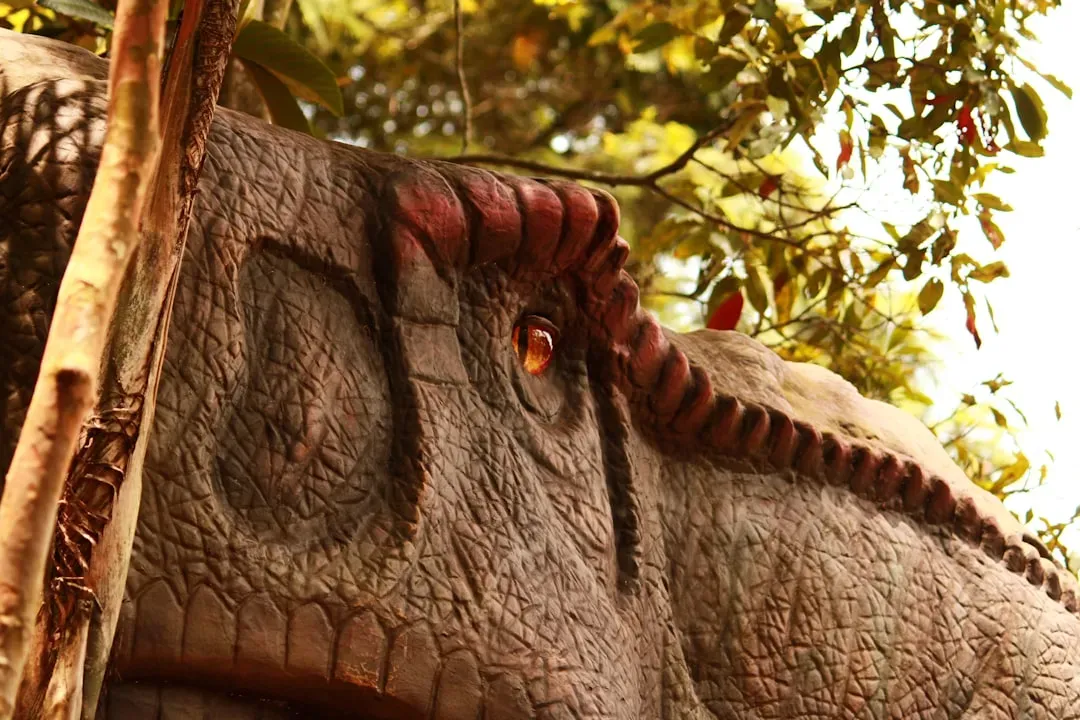
One of the most surprising revelations from modern dinosaur research has nothing to do with raw brain size. It’s about the senses. It has been found that sauropodomorphs, tyrannosaurids, dromaeosaurids, and some hadrosaurids had exceptionally large olfactory bulbs and thus likely a good sense of smell. When researchers looked at T. rex specifically, the numbers were jaw-dropping. When they projected their model of living creatures back to dinosaurs, they found that Tyrannosaurus rex probably had between 620 and 645 genes encoding its olfactory receptors, a gene count only slightly smaller than those in today’s chickens and house cats.
Vision was equally impressive, particularly for predators. An adult T. rex had eyes the size of oranges, the largest of any land animal. As is common in predators, including raptors like hawks and eagles, the eyes of T. rex faced forward. They were also set wide apart, giving T. rex excellent depth perception to aid in pursuit of prey. The eyes were set relatively high on the head, boosting this dinosaur’s ability to see longer distances. Meanwhile, on the hearing front, the tiny theropod Shuvuuia could hunt at night due to excellent hearing and enhanced nocturnal vision. Scientists were able to measure Shuvuuia’s lagena, an organ equivalent to the cochlea in mammals. They found that the lagena of this diminutive dinosaur was about the same size proportionally as that of a barn owl, an incredibly efficient nocturnal hunter.
8. Birds as Living Dinosaurs Transformed Our Understanding of Cognition
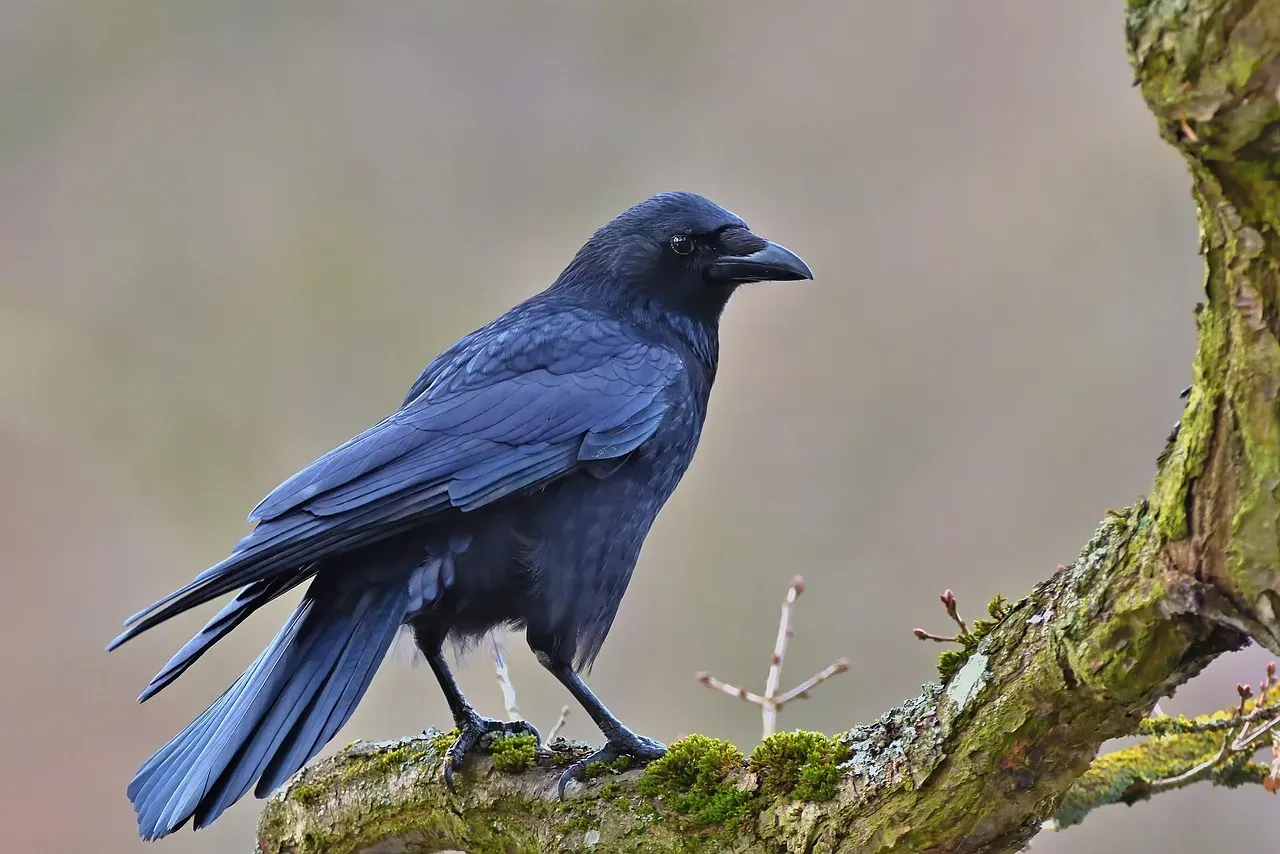
Here’s the breakthrough that arguably ties everything else together. You don’t have to look only at fossils to understand , because dinosaurs never actually went extinct. The fossil record shows that birds are feathered dinosaurs, having evolved from earlier theropods during the Late Jurassic epoch, and are the only dinosaur lineage known to have survived the Cretaceous-Paleogene extinction event approximately 66 million years ago. Every crow problem-solving a puzzle, every parrot mimicking language, every raven using tools is, in a very real sense, a window into what dinosaur cognition might have looked like.
The cerebrum tends to be very large in dinosaurs that are closely related to birds. Research strongly suggests that these ancient avian relatives developed big brains long before flying was in the picture, laying the cerebral foundation that made the eventual development of powered flight possible. Despite having a very small head, birds have more densely packed brain cells than many mammals and so can possess roughly as many neurons as primates. Some birds, such as parrots and corvids, show great cognitive abilities comparable to the smartest non-human mammals. If the descendants of theropod dinosaurs can reason, problem-solve, and even demonstrate what looks like culture, the cognitive roots of that ability stretch back deep into the Mesozoic.
Conclusion
What these eight breakthroughs collectively reveal is something far more exciting than any single discovery on its own. The picture of that is slowly coming into focus is not one of oversized, slow-witted reptiles, but of animals with sophisticated senses, complex social structures, and brain architecture that was genuinely capable of flexible, adaptive behavior. The consensus is that dinosaurs exhibited a range of cognitive abilities, making them some of the most complex animals of their time.
Science still has enormous ground to cover. To reliably reconstruct the biology of long-extinct species, researchers should look at multiple lines of evidence, including skeletal anatomy, bone histology, the behaviour of living relatives, and trace fossils. Every new CT scan, every trackway site, every fossilized nest adds another piece to the puzzle. The deeper researchers dig, the more it becomes clear that these animals were operating on a level of cognitive sophistication that should have us rethinking everything.
So next time you watch a crow solve a multi-step problem or a parrot hold a conversation, remember: you’re not just watching a clever bird. You’re glimpsing an intelligence that has roots stretching back over 200 million years. What does that make you feel about the creatures we’ve so long dismissed as ancient and simple?