Have you ever found yourself completely distracted by a bird outside the window during an important meeting? Or perhaps you’ve paused a nature documentary just to rewind and watch an animal behavior scene twice, convinced you spotted something nobody else would catch? You’re not alone, and it might mean something more significant than you think.
Some people are just wired differently when it comes to the animal world. It’s not simply about liking pets or enjoying a trip to the zoo. It goes deeper than that – into how you observe, think, question, and feel. So let’s dive in and see just how many of these signs resonate with you.
1. You Notice Animal Behavior That Others Simply Walk Past
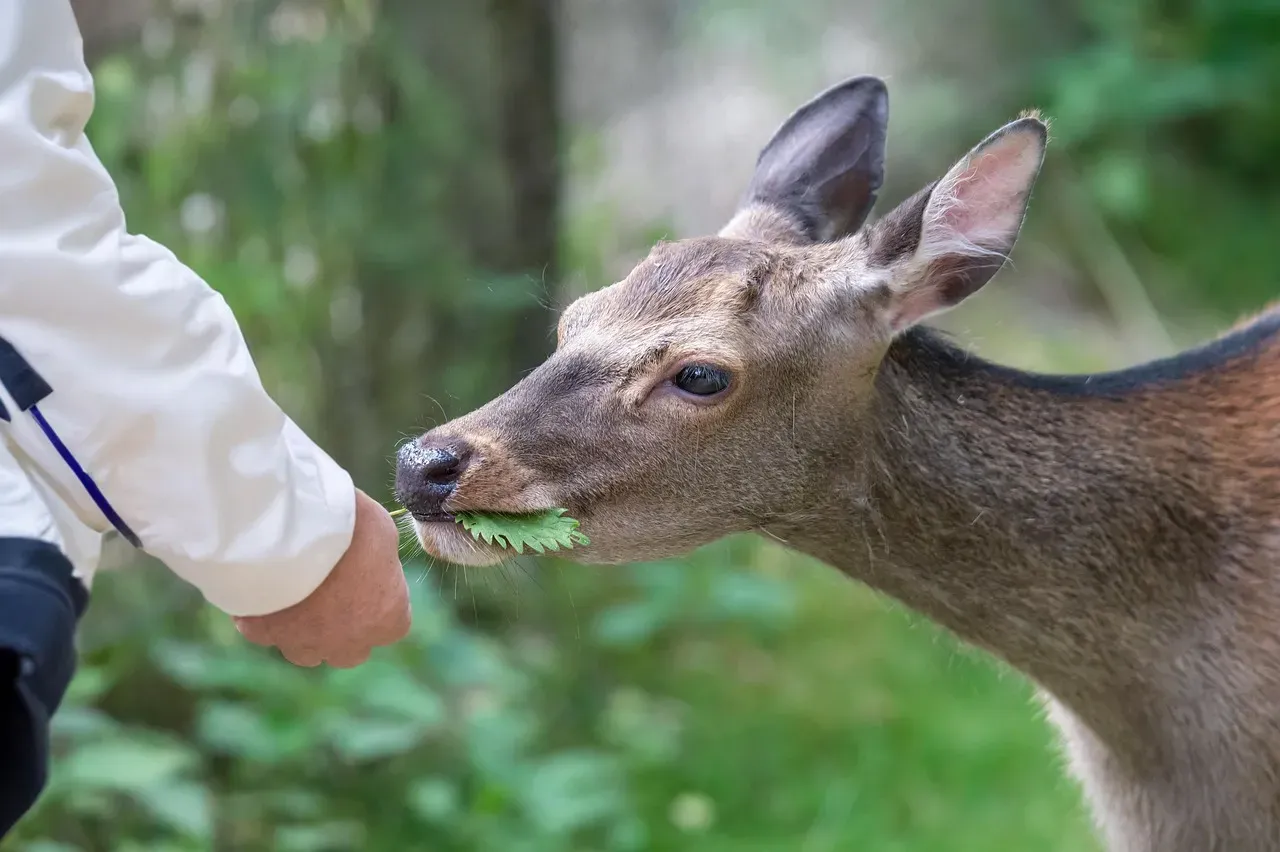
Here’s the thing – most people look at a dog on the street and see a dog. You, on the other hand, notice it favors its left front paw, seems anxious based on its body language, and is probably overstimulated by the noise around it. Attention to detail is one of the defining traits of a zoologist’s mind, specifically the ability to notice changes in an animal’s behavior or appearance. It’s the kind of hyper-awareness that most people never develop unless they’ve spent a long time immersed in the animal world.
This isn’t something you consciously turn on. It just happens naturally, like a switch that was always flipped on. Observation skills are considered essential for anyone working with wildlife, because zoologists must be able to notice slight changes in an animal’s characteristics, such as their behavior or appearance. If this sounds like every single day of your life, that’s a major tell.
2. You Think in Ecosystems, Not Just Individual Animals
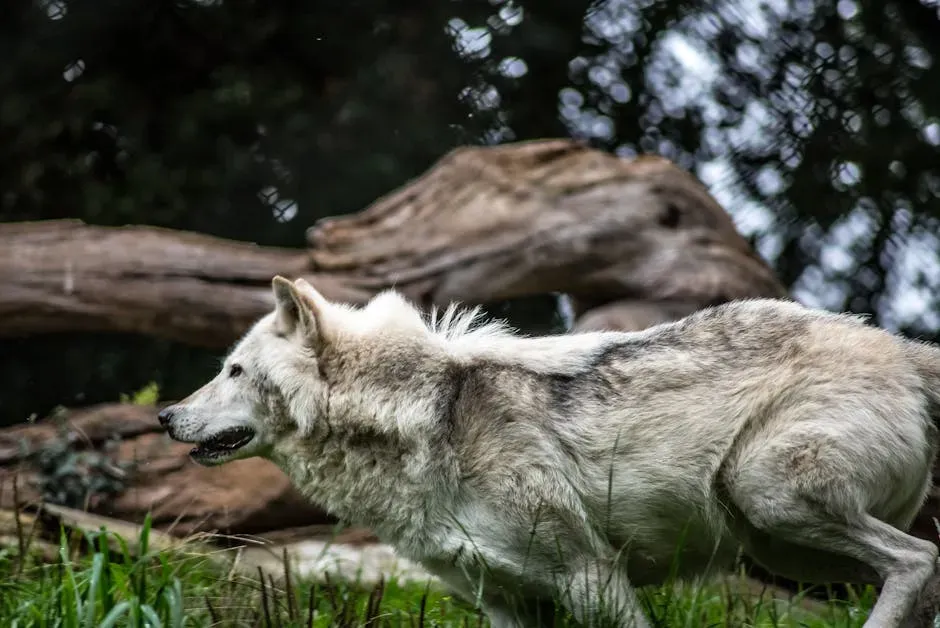
When most people see a wolf, they see one cool animal. When you see a wolf, your brain immediately jumps to its prey species, its territory, how its presence shapes the behavior of deer, what happens to riverbanks when deer overpopulate – the whole picture. Zoologists and wildlife biologists study animals both in captivity and in the wild, focusing on how they interact with their ecosystems, with particular interest in the impact humans have on wildlife and natural habitats. That is a systems-level way of thinking, and it’s rare.
Honestly, thinking in ecosystems is almost like a superpower. You instinctively understand that no creature exists in isolation. A zoologist specializes in the study of animals and their behaviors in both natural habitats and controlled environments, observing and documenting animal behaviors, studying anatomy and physiology of different species, and investigating the ecological roles animals play in their ecosystems. When you naturally think this way without any formal training, something fascinating is going on upstairs.
3. You Are Deeply Driven by Conservation Concerns
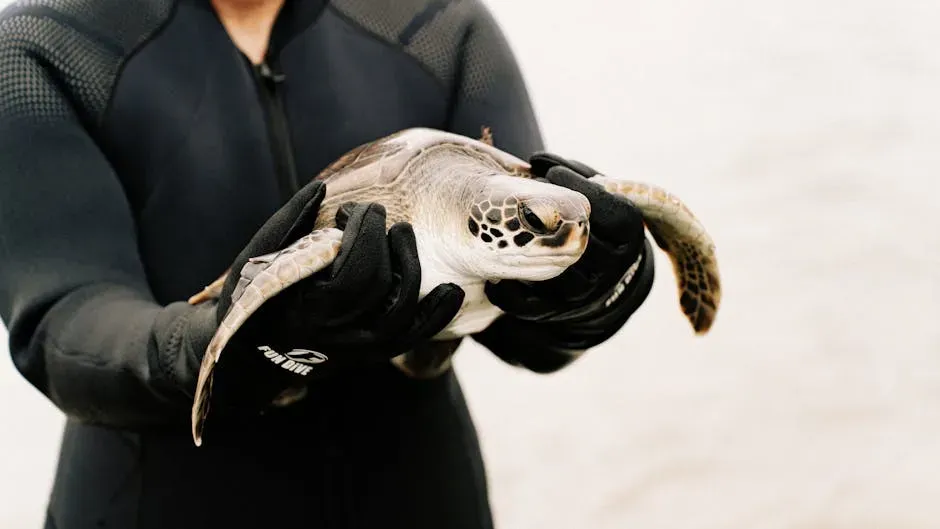
You feel something in your chest when you hear about a species going extinct. It’s not just sadness, it’s urgency. It’s a problem you want to solve, not just mourn. Zoologists play a key role in conservation efforts to protect endangered species, preserve biodiversity, and restore degraded habitats, often working with government agencies, nonprofit organizations, or research institutions to develop and implement conservation strategies. The difference between you and the average person is that your concern doesn’t stop at empathy – it transforms into action-oriented thinking.
You find yourself calculating in your mind: what can realistically be done, which habitats are most at risk, what the root cause of a species’ decline actually is. Zoologists study animal behavior, their interactions with other species, and their environmental reactions, contributing to preserving natural habitats, protecting endangered species, and managing wildlife in terms of climate impacts. If you’ve always felt this kind of passionate, solution-focused response to environmental threats, your brain is operating very much like a conservation zoologist’s.
4. You Have a Natural Talent for Critical Thinking Grounded in Observation

You don’t just accept what you see at face value. When you observe something in the animal world, your mind starts forming hypotheses, testing them against what you know, and looking for contradictions. Critical thinking skills are fundamental to a zoologist’s work, with zoologists and wildlife biologists needing sound reasoning and judgment to draw conclusions from their experiments and observations. Most people think this is an academic skill you only get in a lab. Not quite. It’s a mental habit that shows up long before any formal education.
Think about the last time you watched an animal do something unexpected. Did your brain immediately ask why? Did you start thinking about evolutionary pressures, environmental triggers, or social dynamics? Critical thinking skills involve sound reasoning and judgment to draw conclusions from experimental results and scientific observations. If that internal questioning process feels completely automatic for you, you’re not overthinking – you’re just wired for zoological reasoning.
5. You Have an Unusual Emotional Tolerance for the Difficult Side of Nature
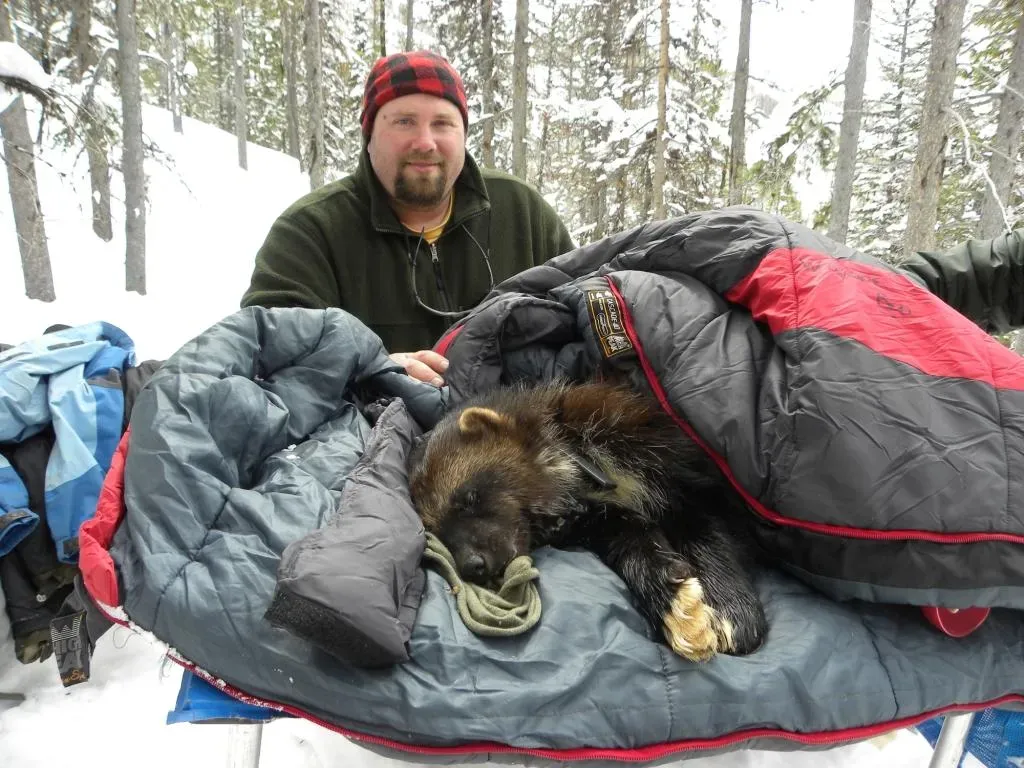
Let’s be real – nature isn’t always a beautiful sunset with dolphins leaping. It’s predators consuming prey, animals suffering from disease, and the sobering reality of extinction. Most people look away. You sit with it, process it, and remain functional. Emotional stamina and stability are recognized traits of effective zoologists and wildlife biologists, who may need to endure long periods of time with little human contact, and for whom emotional stability is important when working with injured or sick animals. That emotional resilience is not coldness – it’s the capacity to care deeply while still doing what needs to be done.
This kind of psychological balance is genuinely rare. Some people collapse under the weight of witnessing animal suffering. Others detach completely, becoming numb to it. You somehow manage to stay in the middle – engaged, empathetic, but grounded. Wildlife biologists and zoologists are curious, patient, and persistent, and while they enjoy working outdoors with wildlife, they are also able to collect, analyze, and interpret facts objectively and skillfully. That emotional and intellectual balance is a hallmark sign.
6. You Instinctively Classify and Categorize Everything You Encounter
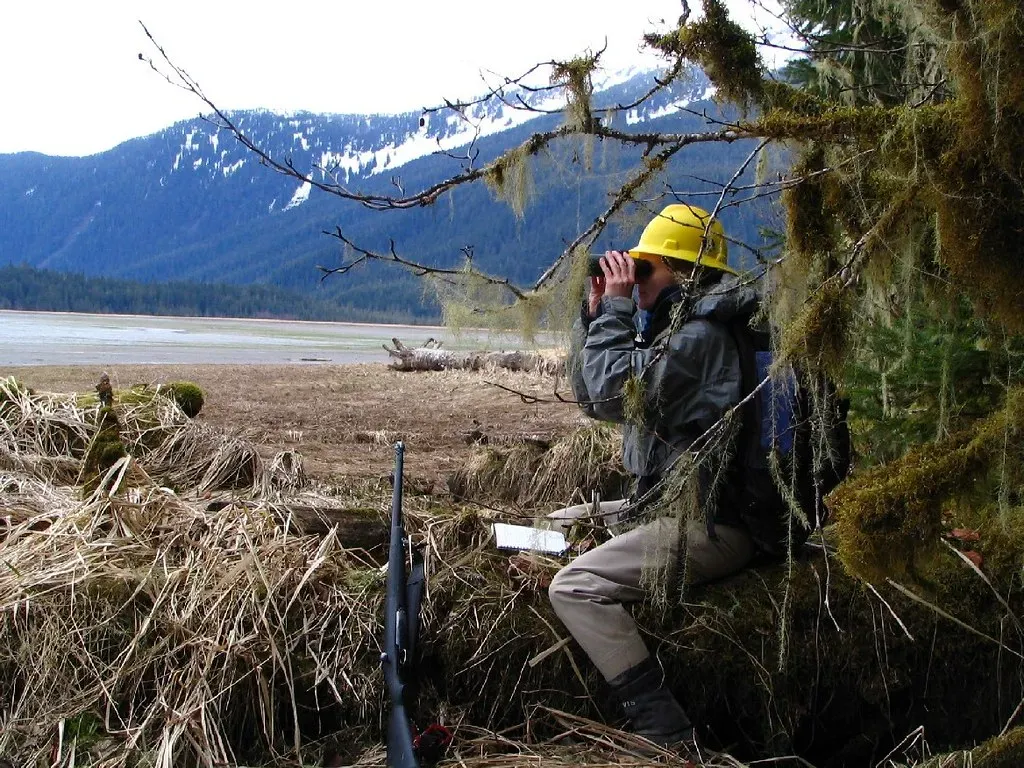
When you come across an unfamiliar insect, plant, or bird call, your brain doesn’t just note it and move on. It starts sorting it. What group does this belong to? What are its distinguishing characteristics? Is this the same species you saw last summer, or something slightly different? Animals are grouped and classified into separate categories based on physical traits, belonging to the kingdom “Animalia,” organized by phylum, class, and order, with the classifying process continuing by sorting animals into additional groups with more specific similar physical traits. This instinct to classify isn’t academic obsession – it’s how a zoological mind naturally organizes the world.
It’s a bit like how a music lover can’t just hear a song without mentally cataloguing its genre, tempo, and influences. Your brain does the same with living things. A zoologist is a scientist who studies animals and their behavior in their natural habitats, conducting research on animal species including their physical characteristics, social interactions, and ecological roles. When you naturally reach for those exact mental frameworks without being taught to, you’re thinking like a trained zoologist from the inside out.
7. You Spot Behavioral Patterns Across Species Without Being Told to Look
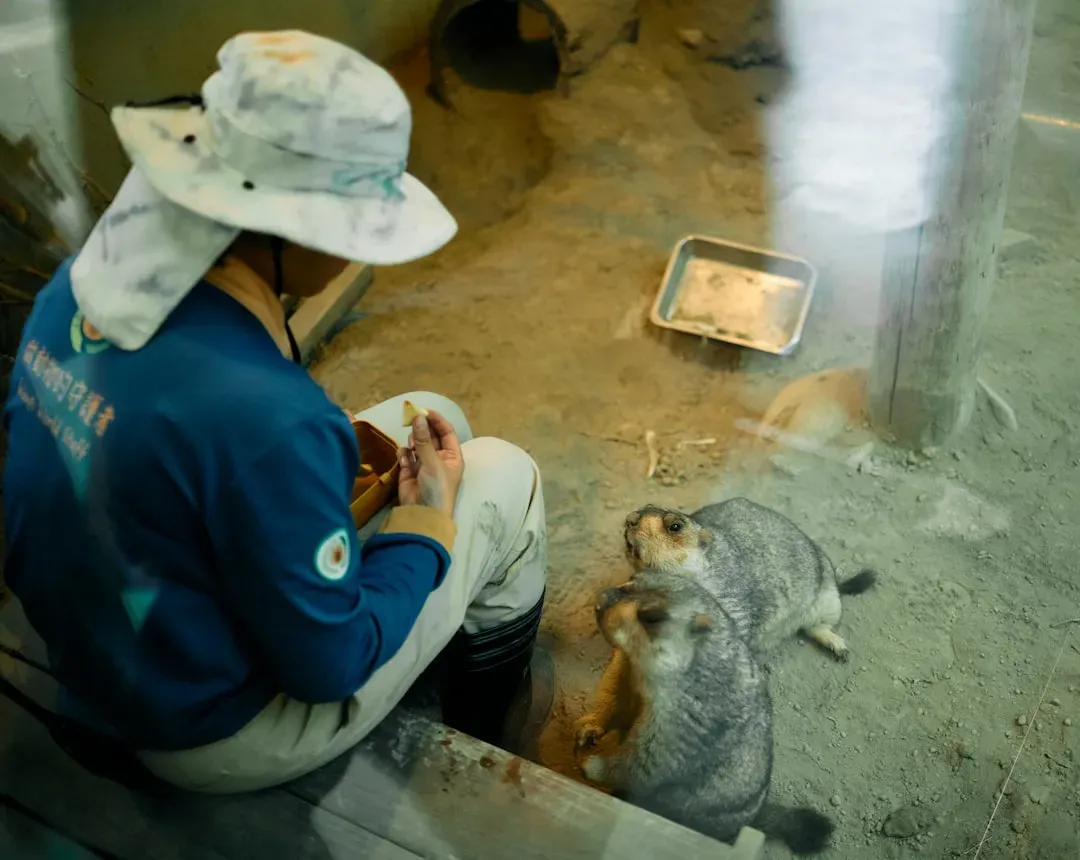
Here’s something fascinating: you’ve probably noticed that a shy cat in a new home behaves in remarkably similar ways to a wild predator scoping out unfamiliar territory. Or that the way a dominant baboon holds its posture is eerily similar to human social hierarchies. All intelligent animals engage in unique behaviors in response to the range of scenarios they face throughout their lives, and while each species behaves differently depending on its nature and needs, animals within a species behave in predictable ways, with behavioral patterns ranging from simple to complex depending on the species. Spotting these cross-species patterns takes a level of observational depth that most people simply don’t possess.
It’s hard to say for sure, but I think this pattern-recognition ability is one of the most underrated signs that someone has a genuinely zoological brain. Ethology, sometimes called behavioral ecology, is the study of animal behaviors as natural or adaptive traits. When you instinctively frame animal actions in this way – asking whether a behavior is adaptive, learned, or innate – you are essentially thinking like a professional ethologist without even realizing it.
8. You Are Passionately Curious and Remarkably Patient in Your Pursuit of Answers
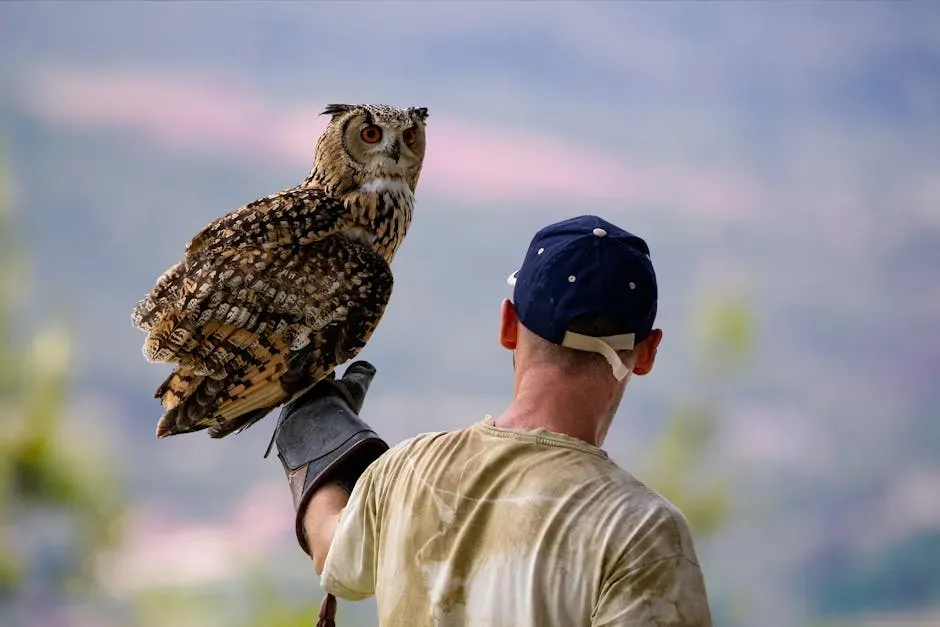
Most people Google something, get a surface-level answer, and move on. You fall down rabbit holes. You go from a question about hummingbird migration to reading about magnetic field navigation in animals, to deep-sea bioluminescence, to convergent evolution – all in one sitting. Successful zoologists typically have key skills such as excellent observation, strong problem-solving ability, clear communication, adept research skills, developed critical thinking, competence with relevant technology, and effective interpersonal skills. That relentless curiosity isn’t distraction – it’s the engine behind every great discovery in zoological science.
Patience is the other half of this equation. Fieldwork can mean sitting in the same spot for hours waiting for a single glimpse of rare behavior. Fieldwork can require zoologists and wildlife biologists to travel to remote locations anywhere in the world, with some spending months at sea on a research ship, and fieldwork can be physically demanding regardless of the climate or conditions. If you find that kind of patient, devoted pursuit of knowledge not only tolerable but genuinely thrilling, your brain is built for it.
Conclusion: The Zoologist in You Has Always Been There
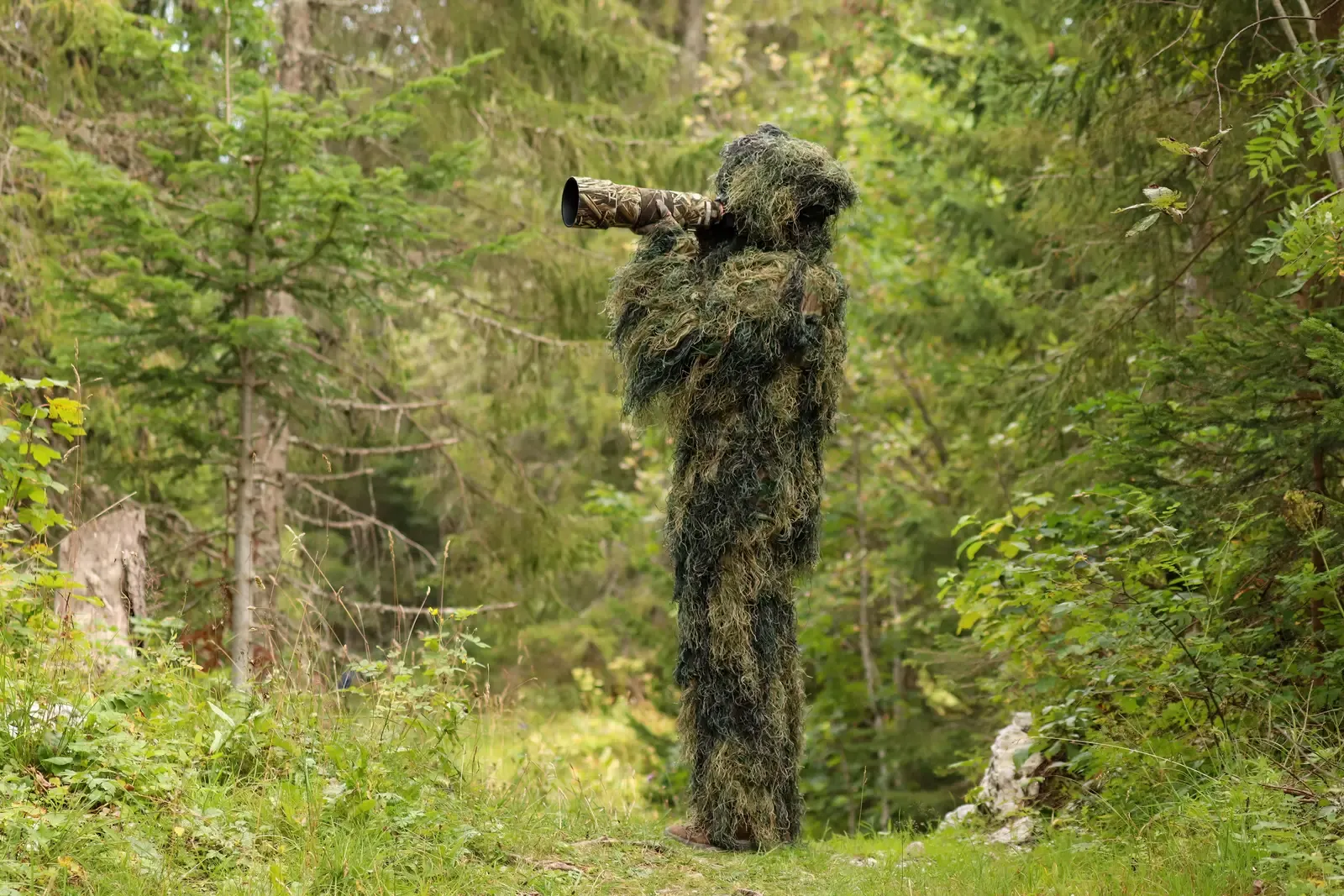
These eight signs are not things you suddenly develop. They’re traits that creep up on you quietly over years of noticing, wondering, and caring about the living world in ways others don’t quite understand. There are a million different kinds of species on this planet, and it’s important for us to study and understand our neighbors. People with a zoologist’s brain feel that truth not just intellectually, but personally.
Whether or not you ever hold a formal degree in zoology, the way your mind works tells its own story. You observe more carefully, question more deeply, feel more passionately, and think more systemically when it comes to the animal world. If we are going to live in harmony with all of the creatures that share this planet, it is important to understand what their needs are. That understanding, it turns out, starts in the brain of someone exactly like you.
So here’s the question worth sitting with: how many of these eight signs did you recognize in yourself? You might be more of a zoologist than you ever gave yourself credit for. What would you do with that realization?