Have you ever walked into a room and instantly felt the tension hanging in the air, even though nobody said a word? Maybe you’ve been told you’re too sensitive, or that you care too much. Perhaps crowds leave you feeling utterly drained, and you need serious alone time to recover. If any of this sounds familiar, you might be wondering whether you’re simply attuned to the world around you, or if there’s something more going on.
The truth is, emotional sensitivity exists on a spectrum. Some folks can breeze through a hospital waiting room without batting an eye. Others walk in and feel every ounce of worry, fear, and grief swirling around them. If you’re someone who experiences emotions at an amplified frequency, you could very well be an empath. Understanding the signs is the first step toward learning how to harness this trait rather than letting it overwhelm you. So let’s dive in.
You Absorb Other People’s Emotions Like a Sponge

You might find yourself absorbing or taking on the emotions of others, often at the expense of your own emotional well-being. It’s like someone else’s sadness, anger, or anxiety seeps into your body, and suddenly you’re carrying feelings that don’t even belong to you. This happens because you pick up on emotions immediately, even if people think they aren’t showing them, and you may actually feel the emotion as if it were your own.
This absorption isn’t just about being compassionate or understanding where someone is coming from. It goes deeper than that. A true empath feels, experiences, and takes on others’ emotions as if they were their own, absorbing the feelings of others like a sponge. You might leave a conversation with a stressed friend and notice your shoulders are tense, your head aches, or you’re suddenly anxious for no clear reason. Learning to distinguish what’s yours from what belongs to someone else becomes essential.
Crowded Spaces Feel Absolutely Overwhelming
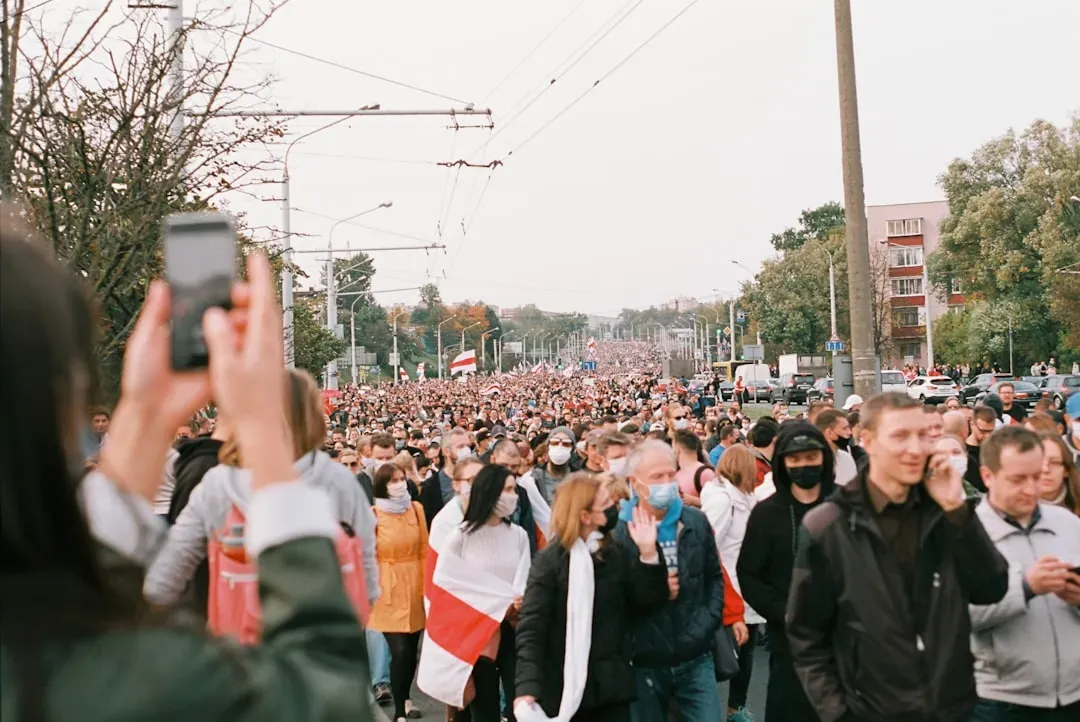
Shopping malls during the holidays? Concerts with thousands of people? These situations can feel like sensory and emotional battlegrounds for you. It can be challenging to go into public spaces because you may suddenly find yourself filled with an emotion that came out of nowhere, or more accurately, from someone else in the area. The sheer volume of emotional energy swirling around can leave you feeling dizzy, exhausted, or desperate to escape.
It’s not that you hate people or want to avoid socializing altogether. Empaths find crowded spaces particularly challenging. The issue is that being in large gatherings means you’re picking up on dozens, sometimes hundreds, of different emotional frequencies at once. Think of it like trying to listen to fifty conversations simultaneously. Eventually, your system overloads, and you need to retreat somewhere quiet just to feel like yourself again.
You’re Highly Sensitive to Sounds, Smells, and Textures

You have high sensitivity, and not only to emotions or how others feel, but also to sights, sounds, smells and textures, which can be triggers for empaths. Maybe certain fabrics against your skin feel unbearable, or the hum of fluorescent lights makes you want to crawl out of your own body. Loud, jarring noises can feel physically painful, leaving you cringing while others barely notice.
This heightened sensitivity extends beyond just emotional awareness. Fragrances and odors affect you more strongly, and jarring sounds and physical sensations may affect you more strongly. You might prefer dimmer lighting, softer music, and calmer environments because intense stimuli genuinely overwhelm your nervous system. It’s not about being picky or difficult – your sensory experience of the world is simply more intense than most people realize.
You Have an Uncanny Ability to Sense What’s Really Going On
You often intuitively understand the feelings of others, sometimes even before the person has communicated them. It’s like having an internal radar that picks up on unspoken tensions, hidden sadness, or suppressed anger. Someone might insist they’re fine, yet you know deep down that something’s wrong. This intuitive knowing can be a powerful gift, though it sometimes makes others uncomfortable when you see through their masks.
Intuition is the filter through which you experience the world. Your gut feelings about people and situations are usually spot-on, even when logic suggests otherwise. You might walk into a meeting and immediately sense that a colleague is struggling, or you could meet someone new and instantly feel uneasy without knowing why. Trusting this inner compass becomes crucial, especially when it comes to protecting your own energy and choosing who you let into your life.
You Need Serious Alone Time to Recharge

After a day of interacting with people, you don’t just want alone time – you desperately need it. Social interactions, even positive ones, drain your energy reserves in ways that other people don’t quite understand. You might retreat to your room, turn off your phone, and need hours of solitude just to feel human again. This isn’t antisocial behavior; it’s essential self-preservation.
When surrounded by peace and calm, you flourish because you take on those qualities internally, and places of beauty can be transformative for empaths. Your home becomes a sanctuary where you can finally let down your guard and stop filtering everyone else’s emotional static. You might gravitate toward quiet activities like reading, gardening, or simply sitting in silence, allowing your nervous system to settle. This downtime isn’t optional – it’s how you reset and restore balance.
You Struggle with Setting Boundaries

Your awareness of the struggles of others makes you feel compelled to help them, but it can be hard not to take on some of those same negative feelings yourself. You might say yes when you want to say no, or find yourself giving more time and energy than you actually have to spare. The thought of disappointing someone feels almost physically painful, so you overextend yourself repeatedly.
Your discomfort with boundary setting may stem from not knowing your needs in the first place, or from fear that the validation you receive for being caring will disappear when you say no. Learning that boundaries aren’t selfish is a game-changer. The paradox is that boundaries actually mean freedom – the freedom to fully feel the beauty of your innermost self and to be who you truly are. Without them, you risk emotional burnout and resentment.
Nature and Animals Have a Profound Effect on You

If people drain you easily, you may connect to animals more intensely and draw deep comfort from this bond. There’s something about being around animals or spending time in nature that feels healing in a way human interactions rarely do. Pets don’t have hidden agendas or complicated emotions, and forests don’t judge. These spaces allow you to simply exist without having to manage anyone else’s feelings.
You might feel most at peace during a walk in the woods, sitting by the ocean, or playing with your dog. Nature has this grounding effect that helps you clear away the emotional residue you’ve picked up from others. Trees don’t ask for anything, and birds don’t need you to solve their problems. This connection to the natural world becomes a vital part of your self-care routine, offering respite from the emotional demands of human relationships.
You Feel Physically Drained After Being Around Certain People

You may feel physically drained, get a headache, brain fog, or become overwhelmed because your nervous system can become overwhelmed with all the information you pick up from people around you. It’s not just emotional exhaustion – your body actually reacts to the energy vampires in your life. After spending time with particularly draining individuals, you might need a full day to recover.
Feeling overwhelmed by multiple emotions at once, especially in places with people or emotionally pressing situations, is one of the most frequent problems empaths might have. You’ve probably noticed that certain people leave you feeling depleted while others energize you. Paying attention to these patterns helps you make conscious choices about who deserves your time and energy. Sometimes protecting yourself means limiting contact with toxic relationships, even when that feels uncomfortable.
Learning to Thrive as an Empath
Thriving as an empath involves practicing self-care, establishing healthy boundaries, and seeking professional help when needed – strategies that help manage heightened sensitivities and maintain emotional well-being. Start by honoring your need for solitude without guilt. Schedule regular alone time like you would any important appointment. Create a quiet space in your home where you can retreat and decompress.
Mindful meditation is a powerful tool that helps create a mental buffer against external stimuli, enhancing self-awareness and emotional regulation, allowing you to distinguish between your own emotions and those of others. Practice grounding techniques like deep breathing, visualization, or spending time barefoot in nature. Mindfulness provides a practical way to regain balance and clarity when you find yourself emotionally flooded. Remember that your sensitivity is a gift, not a curse – learning to protect and channel it wisely makes all the difference.
Conclusion

Being an empath means experiencing the world with extraordinary depth and intensity. The emotions you feel, the connections you make, and the insights you gain are all part of a profound gift that, when properly understood and managed, can enrich your life immeasurably. Yes, it comes with challenges – the overwhelm, the exhaustion, the struggle to maintain boundaries – yet these obstacles become manageable once you develop the right tools.
Your sensitivity allows you to connect with others in meaningful ways, to offer genuine compassion, and to perceive truths that others miss entirely. By prioritizing self-care, establishing firm boundaries, and honoring your need for solitude, you transform from someone who simply survives their empathic nature into someone who truly thrives with it. So tell us, did any of these signs resonate with your own experience? What strategies have you found most helpful in navigating life as an empath?