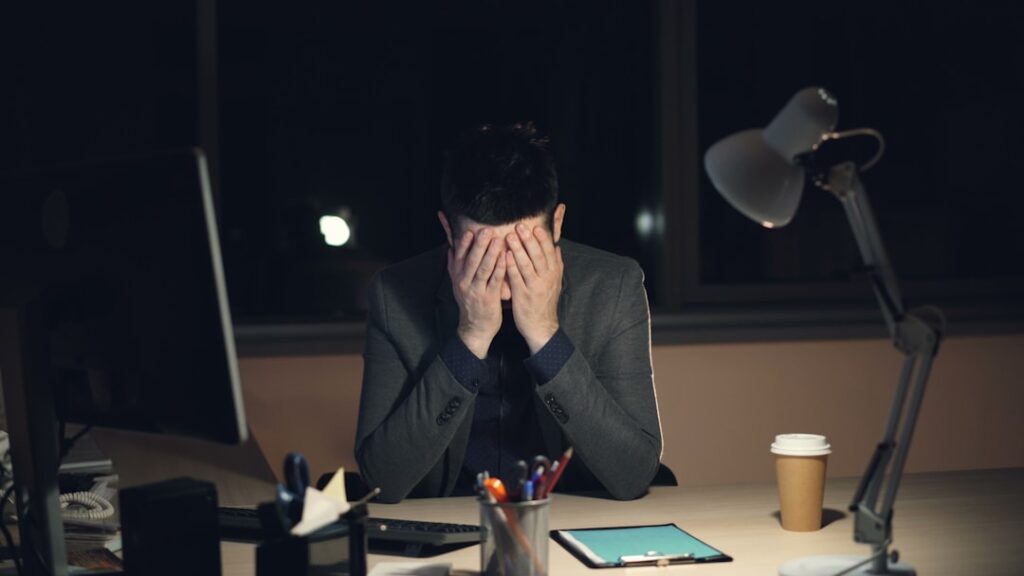
Have you ever felt so drained that even the simplest tasks feel like climbing a mountain? Maybe you’ve noticed yourself snapping at loved ones for no real reason, or perhaps you’ve started dreading Monday mornings more than ever before. Let’s be real here: what you’re going through might not just be regular stress. Burnout is a state of physical, mental, and emotional exhaustion that can occur when you experience long-term stress and feel under constant pressure. Here’s the thing, though: it creeps up slowly, so quietly that you might not even realize what’s happening until you’re completely tapped out. The good news? You’re about to discover the warning signs that shouldn’t be ignored and practical ways to bounce back. So let’s dive in.
You’re Exhausted All The Time, No Matter How Much You Sleep

Fatigue is a key symptom of burnout, and you might feel like sleeping all the time or find that even simple tasks take longer to complete. This isn’t the kind of tiredness that disappears after a good night’s rest or a lazy weekend. It’s bone-deep exhaustion that seems to follow you everywhere, from the moment you wake up to when you finally collapse into bed at night.
What makes burnout fatigue different from regular tiredness is its persistence. This type of exhaustion can manifest in a variety of ways, leaving you feeling drained, overwhelmed, or just emotionally flat, like there’s nothing left in the tank. You might find yourself constantly hitting snooze, relying heavily on caffeine just to function, or feeling like you’re moving through life in slow motion.
You’ve Lost Interest In Things That Used To Matter

Remember when you actually enjoyed your work? Or when hobbies brought you genuine joy? You may experience loss of motivation, with a lack of enthusiasm for work that used to be engaging, along with cynicism and a negative or critical attitude toward the job, colleagues, or the organization. This emotional detachment is one of the most telling signs that burnout has taken hold.
It’s hard to describe this feeling to people who haven’t experienced it. Everything starts to feel pointless, like you’re just going through the motions. You may also notice signs of cynicism and frustration toward work and colleagues. The passion that once drove you forward has been replaced by apathy, and honestly, that’s one of the scariest parts of burnout.
Your Body Is Sending You Distress Signals

Physical burnout symptoms can include feeling greatly fatigued and without energy, getting sick often, having body aches and recurring headaches, losing your appetite, or experiencing insomnia. Your body has a way of screaming when your mind tries to push through, and these physical manifestations shouldn’t be ignored.
Think about it: when was the last time you felt truly healthy? Burnout has also been shown to cause symptoms like back pain and gastrointestinal issues, ranging from constipation to diarrhea. Some people develop tension headaches that just won’t quit, while others notice their immune system seems to have gone on vacation. Your body isn’t failing you; it’s trying to tell you something important.
You’re Becoming Isolated And Withdrawing From Others

Isolation manifests as withdrawing from team interactions or social support. When burnout takes hold, you might find yourself declining invitations, avoiding colleagues during lunch breaks, or simply not having the energy to maintain relationships. Social connections that once felt natural now feel like obligations you can’t possibly fulfill.
Here’s what many people don’t talk about: this isolation creates a vicious cycle. The more you withdraw, the worse you feel, yet reaching out seems impossibly difficult. You may find yourself becoming isolated and withdrawing from people and responsibilities. It’s like being trapped in a bubble where everything feels muted and distant, and breaking out requires energy you simply don’t have.
Your Performance Has Noticeably Declined
Procrastination becomes common, with tasks taking longer to get started or finish. Projects that once took you a few hours now stretch into days. You’re missing deadlines, making uncharacteristic mistakes, or finding it nearly impossible to concentrate on anything for more than a few minutes at a time.
This decline in performance often brings feelings of shame and inadequacy. You know you’re capable of better work, which makes the current situation even more frustrating. You may also experience decreased satisfaction, feeling little to no sense of accomplishment. The quality of your output suffers, and deep down, you’re aware of it, which only adds another layer of stress to an already overwhelming situation.
You Feel Completely Detached And Numb

An employee who has experienced work-related stress to the point of becoming burned out will exhibit symptoms like disengagement and a lack of productivity, due to feeling detached from their work environment. This emotional numbness is different from sadness; it’s more like feeling nothing at all. You’re present physically but checked out mentally and emotionally.
This detachment can be terrifying because it affects every area of your life. You might notice a sense of disconnection from others or the environment, along with a loss of motivation and lack of enthusiasm for work that used to be engaging. It’s like watching your own life from behind a thick glass wall, unable to fully participate or feel genuine emotions about anything happening around you.
Small Problems Feel Like Catastrophes
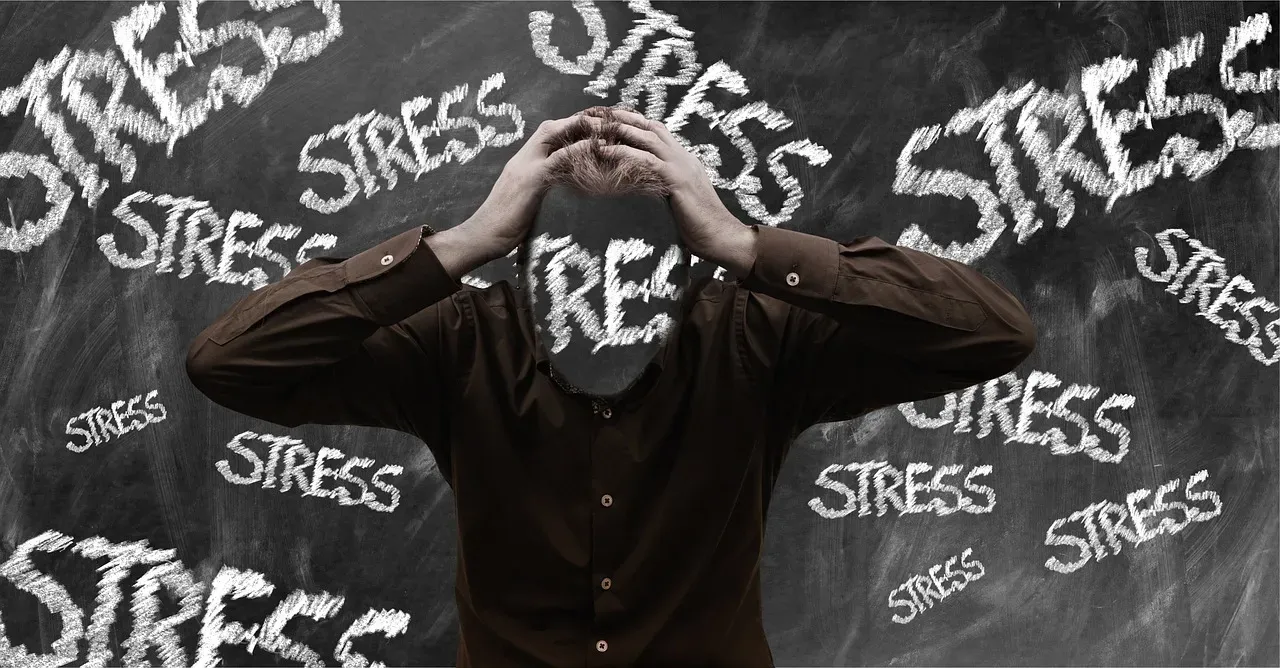
Concentration can slip, and irritability may increase, while physical signs such as headaches, stomach issues, or trouble sleeping can appear. When you’re burned out, your ability to handle stress becomes severely compromised. A minor inconvenience that you’d normally brush off now feels like the end of the world.
Your emotional regulation has essentially gone offline. You might find yourself overreacting to situations, snapping at people you care about, or feeling like crying over things that wouldn’t normally bother you. As a result, you might be sad, angry, irritable or not care. This heightened reactivity makes everything feel harder and more overwhelming than it actually is, creating even more stress in an already difficult situation.
Nothing You Do Feels Good Enough

One of the most demoralizing aspects of burnout is the feeling that no matter what you do, it’s not enough, which is especially common in overload burnout, where people work harder and harder to prove themselves, often at the cost of their health. This relentless sense of inadequacy can be crushing, leaving you feeling like a failure despite your best efforts.
The perfectionism trap becomes particularly dangerous here. You might push yourself even harder, thinking that if you just work a little more or try a little harder, you’ll finally feel satisfied. Other common causes of burnout include perfectionism, a strong sense of responsibility, being under too much pressure, and having trouble setting boundaries. This mindset only accelerates your descent into deeper burnout, creating a self-perpetuating cycle that’s incredibly difficult to break without intervention.
How To Recover Effectively: Taking Your Life Back

Recovery from burnout isn’t about pushing through or simply taking a vacation. The first consecutive step a person needs to take when recovering from burnout is admitting you’re burned out, because you can’t get better if you don’t acknowledge that your current situation needs to change. This acknowledgment might feel like admitting defeat, but it’s actually the first act of self-compassion.
Where possible, try to distance yourself from the people, places, or habits that cause you stress, which might mean delegating tasks at work, taking a short break or vacation, or reevaluating your commitments. Start small with boundaries: maybe that means not checking emails after a certain hour or learning to say no to additional responsibilities. Set work-life boundaries by not checking emails or answering calls after hours, and make sure to use your PTO. Focus on the basics too; sleep, nutrition, and movement aren’t luxuries, they’re necessities for recovery.
Professional support can make a tremendous difference. Recovering from burnout can be much easier with the help of a therapist, and if you’re dealing with any mental health concerns in addition to burnout, like generalized anxiety disorder, your therapist can also help determine if medication might be helpful in your specific case. Remember, it takes an average time of three months to a year to recover from burnout, so be patient with yourself. Recovery isn’t linear, and some days will feel harder than others.
The truth is, burnout doesn’t just disappear on its own. It requires conscious effort, real changes, and often support from others. What matters most is that you’ve recognized what’s happening and you’re taking steps, however small, toward healing. Have you noticed any of these signs in yourself? What’s one boundary you could set this week to protect your energy? Think about it.