
Have you ever noticed how the way you think about something can completely change your experience of it? It’s one of those curious quirks of being human. Whether you’re in your twenties figuring things out, your fifties reassessing priorities, or your seventies embracing wisdom, the lens through which you view life matters more than you might think.
Research shows that mindsets play a significant role in determining life’s outcomes, and by shifting your mindset, you can improve your health, decrease your stress, and become more resilient to life’s challenges. The beauty of psychological shifts is that they’re accessible to everyone, regardless of where you are in life’s journey. So let’s dive in and explore eight powerful ways you can transform your perspective.
Stop Waiting for Perfect Clarity Before You Act

Let’s be real here. How many times have you delayed a decision because you didn’t feel ready? You’re waiting for the perfect moment, the perfect plan, the perfect confidence level to materialize before taking that first step. It’s a trap many of us fall into.
The truth is, clarity doesn’t arrive while you’re standing still. Clarity comes from movement, not standing still, and you learn by doing, by trying, by adjusting along the way. Think of it like learning to swim. You can watch videos and read books about proper technique all day long, yet the real learning happens when you finally jump in the water. Action breeds understanding.
Replace Your Inner Critic with Self-Compassion

Here’s something uncomfortable to admit: we often speak to ourselves in ways we’d never dream of speaking to a friend. That harsh inner voice that tells you you’re not good enough or that you’ve failed again? It’s doing more damage than you realize.
The way you speak to yourself matters, and negative self-talk can significantly impact your mental and physical health, while replacing self-criticism with self-love and self-compassion will not only make you more productive and consistent towards your goals, but will also reduce your stress levels, increase confidence, and build emotional resilience for life’s challenges. It’s hard to say for sure, but I think most of our limitations are self-imposed through these internal conversations we have daily.
Shift from “Yes, But” to “Yes, And”
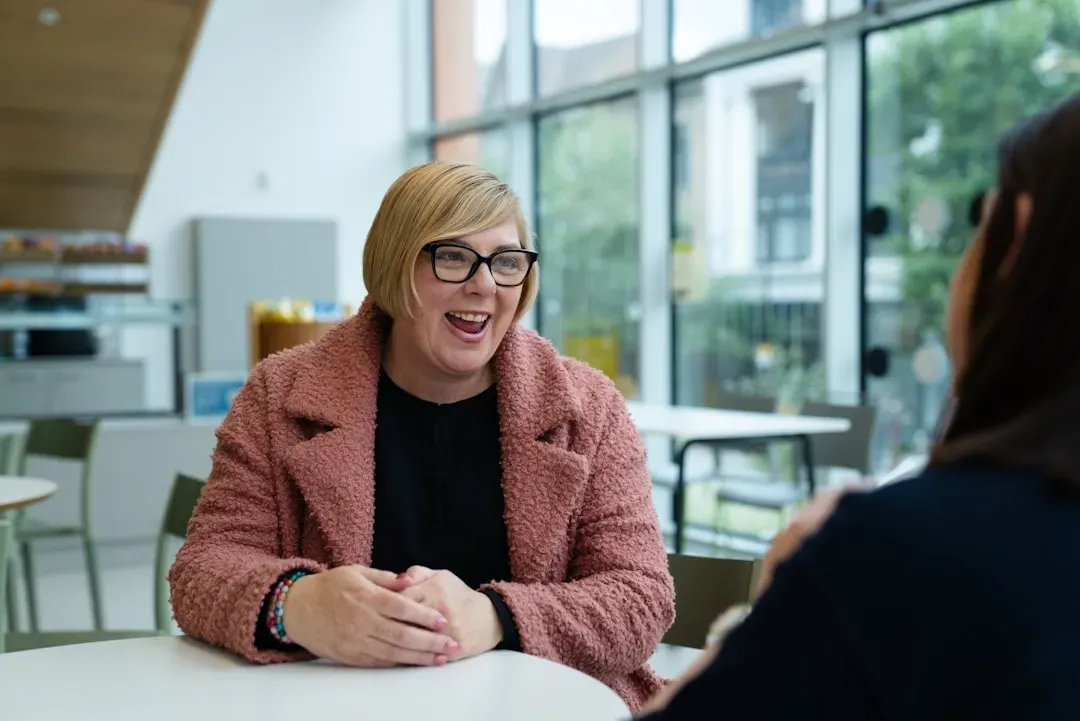
You know that person who responds to every positive comment with a caveat? Maybe you are that person sometimes. Someone compliments your work, you immediately point out its flaws. A friend suggests an opportunity, you list all the reasons why it won’t work.
“Yes, but” is a marker phrase of a negative outlook, and when you see the hole instead of the doughnut, you miss opportunities to build on positives by stopping “Yes, but” and trying “Yes, and” instead. This simple linguistic shift opens doors rather than closing them. Instead of dwelling on limitations, you’re acknowledging possibilities. Try it for one day and watch how conversations transform around you.
Recognize That You Can Outgrow Things Without Guilt

As we move through life, we get off at different stations, and sometimes we overstay our welcome because these life situations are no longer serving you and it’s time to move on, yet it can be very challenging not only to recognize this but to be brave enough to do something about it. That career that once excited you might now feel stifling. The friendship that nourished you years ago might now drain your energy.
This isn’t about being disloyal or ungrateful. It’s about honoring your evolution as a person. One of the greatest gifts of growing older is truly coming into your own, and with time, you’ve gained a deeper understanding of your values, priorities, and what truly brings you happiness. Give yourself permission to change direction when something no longer fits who you’re becoming.
View Challenges as Information, Not Indictments
Failure stings. There’s no way around it. When something doesn’t work out, the immediate reaction is often to personalize it, to make it mean something about your worth or abilities. What if you could see setbacks differently?
Shifting your mindset to see failure and setbacks as valuable learning experiences rather than personal shortcomings or permanent defeat can be transformative, encouraging resilience, risk-taking, and the ability to bounce back stronger from setbacks. Every successful person you admire has a trail of failures behind them. The difference is they extracted lessons instead of letting those experiences define them. When you stumble, ask yourself what the situation is teaching you rather than what it says about you.
Embrace the Power of Incremental Progress
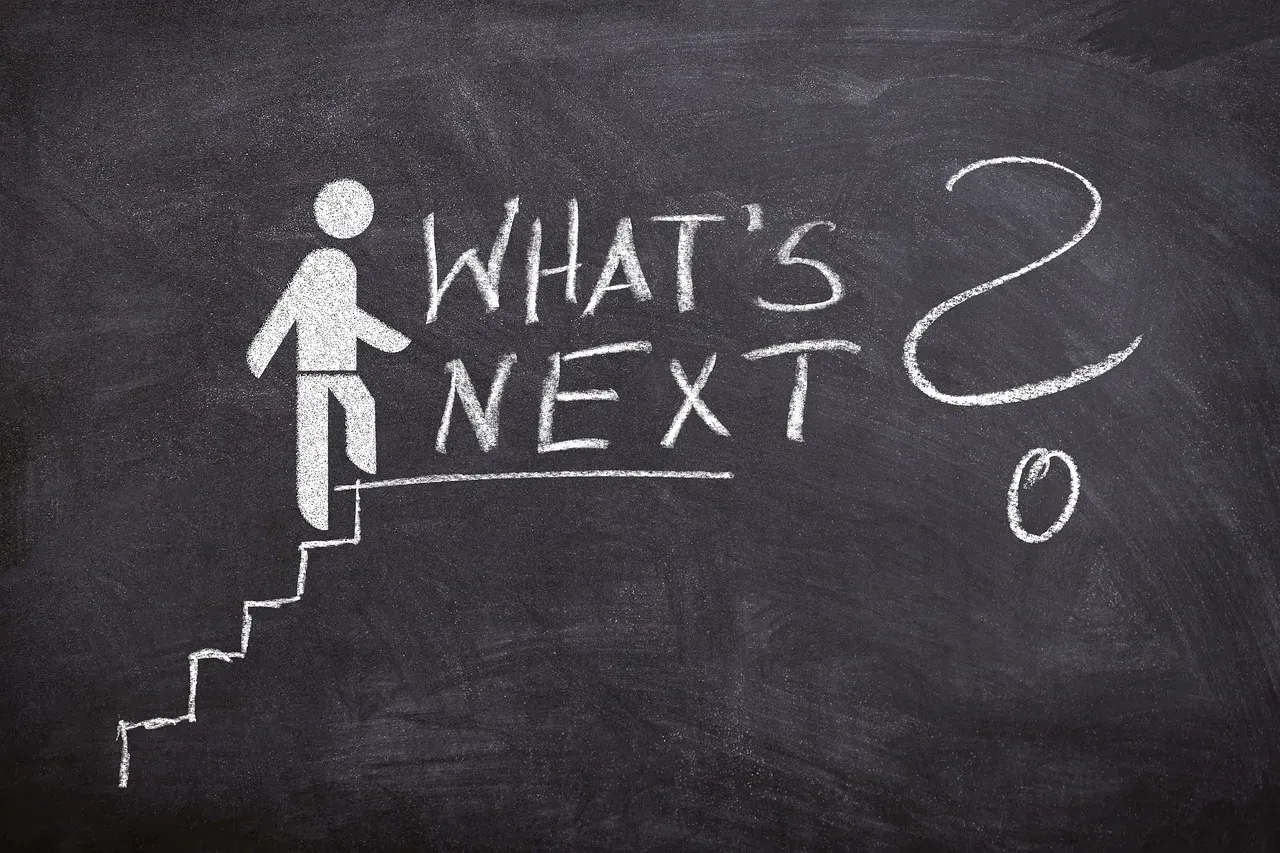
There’s this pervasive belief that if you can’t do something perfectly or completely, it’s not worth doing at all. You skip the gym because you only have fifteen minutes instead of an hour. You don’t start the project because you can’t devote your full attention to it right now.
A little bit is better than nothing at all, and if you’re ever feeling unmotivated, this belief can make all the difference in your consistency and, therefore, your results, because getting up and trying is still better than nothing at all. Small actions compound over time in ways that are honestly remarkable. Those five minutes of stretching, that single page of writing, that brief phone call to a friend – they all add up to create momentum that carries you forward.
Stop Treating Worry Like a Productive Activity

Be honest with yourself for a moment. How much time do you spend replaying worst-case scenarios in your head? How many times in your life have you worried or spun up about things that ultimately had zero impact on you, with multiple fears getting triggered and, in fact, nothing terrible happening?
Worry feels like we’re doing something useful, like we’re preparing ourselves or maintaining control. In reality, it’s just giving yourself a giant dose of stress hormones. Being mindful of where you focus your attention matters because choices have long-lasting impacts, and your conscious awareness shifts your perspective and is life-changing. When you catch yourself spiraling into anxiety, pause and ask whether this mental exercise is genuinely helping you gather information or just poisoning your present moment with imagined futures.
Cultivate an Abundance Rather Than Scarcity Mindset

Shifting from a scarcity mindset, where you believe there’s a limited amount of resources, opportunities, or success available, to an abundance mindset, where you believe there’s enough for everyone, can open up possibilities and attract positive experiences into your life. When you operate from scarcity, every opportunity someone else gets feels like something stolen from you. Every success around you becomes a reminder of your own lack.
Honestly, it’s exhausting to live that way. An abundance mindset doesn’t mean being naive about competition or challenges. It means recognizing that someone else’s win doesn’t automatically mean your loss. There’s room for multiple people to thrive. One of many great positive mind shifts is to hope for others’ success while working on yourself. When you genuinely celebrate others’ achievements, you create space for your own growth without the weight of comparison dragging you down.
Conclusion: Your Mindset Is Your Most Renewable Resource

The remarkable thing about these psychological shifts is that mindsets are absolutely changeable throughout your entire life. By challenging yourself with new experiences and perspectives, you can form new neural connections or mindsets at any point in life, and even a fixed mindset is not set in stone. You’re never too young to benefit from a fresh perspective, and you’re never too old to reshape how you see the world.
These eight shifts aren’t about completely overhauling who you are overnight. They’re about making small, intentional adjustments to how you interpret your experiences and respond to life’s inevitable ups and downs. Some will resonate immediately, while others might take time to integrate. What matters is starting somewhere.
Your outlook shapes your reality more than any external circumstance ever could. Which of these shifts speaks to you most right now? What would change in your life if you started seeing things just a little bit differently today?