Picture this for a moment. You’re standing on what we now call Montana, except it’s roughly 75 million years ago. Instead of Big Sky Country, you’re looking up at an enormous pterosaur soaring overhead, its wingspan wider than a small airplane. The sky was a very different place back then, and Montana’s prehistoric skies were downright terrifying.
Montana’s fossil record tells a jaw-dropping story about the flying reptiles that once dominated the air above this region. These weren’t dinosaurs, by the way. That’s a common misconception. They were pterosaurs, a completely separate branch of reptiles that evolved flight long before birds even existed. What makes Montana so special is its incredible rock formations from the Cretaceous period, which have preserved some of the most remarkable flying creature fossils ever discovered. So let’s dive in and meet the stunning aerial rulers that once called Montana’s skies home.
Quetzalcoatlus: The Airplane-Sized Giant
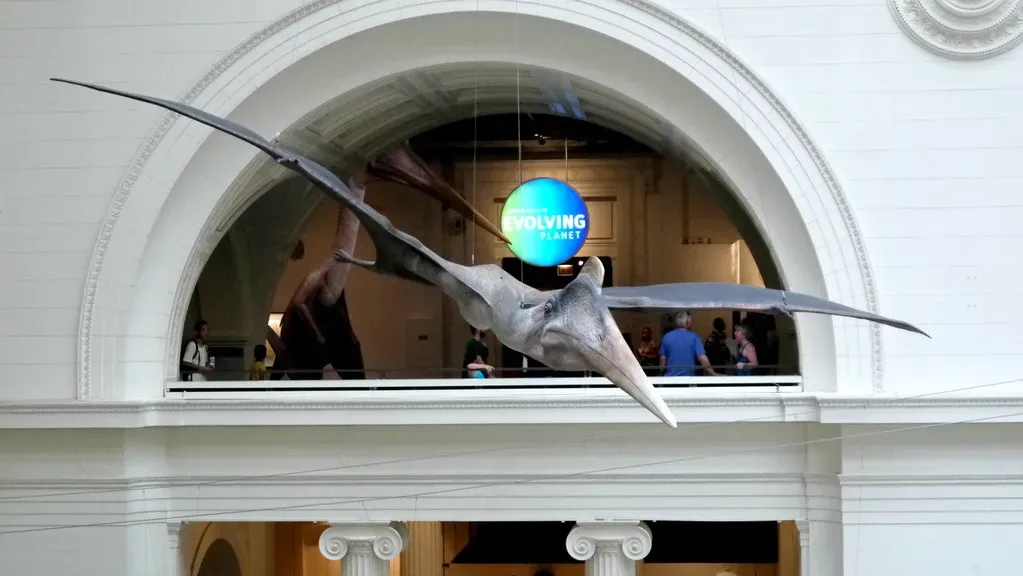
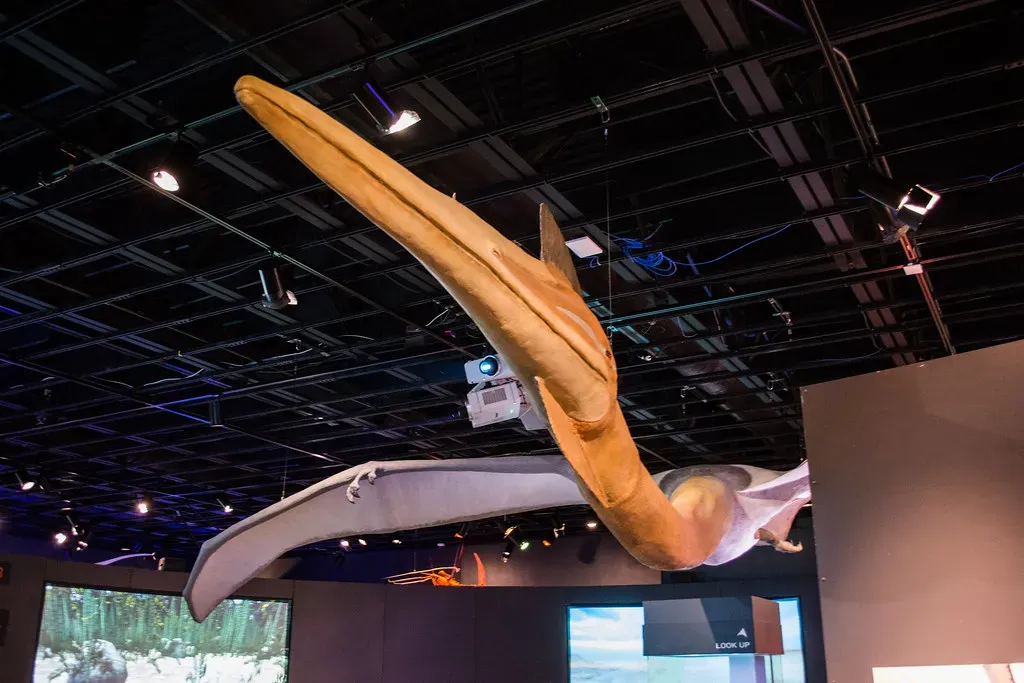
When you think about the largest flying creatures ever to exist, Quetzalcoatlus immediately comes to mind, with its wingspan reaching somewhere between 10 to 12 meters. That’s about the size of a small airplane, honestly. Standing on the ground, this massive pterosaur was as tall as a giraffe, towering more than five meters high and weighing around 250 kilograms.
Specimens of Quetzalcoatlus have been found from Texas to Montana, indicating this giant ruled Late Cretaceous North American skies. It dominated the skies at the end of the Dinosaur Age and flew high over such famous creatures as Tyrannosaurus and Triceratops. The sheer thought of encountering one of these beasts is mind-boggling. These pterosaurs soared across the sky instead of birds, making them the undisputed masters of Montana’s ancient airways.
Pteranodon: The Iconic Crested Flyer
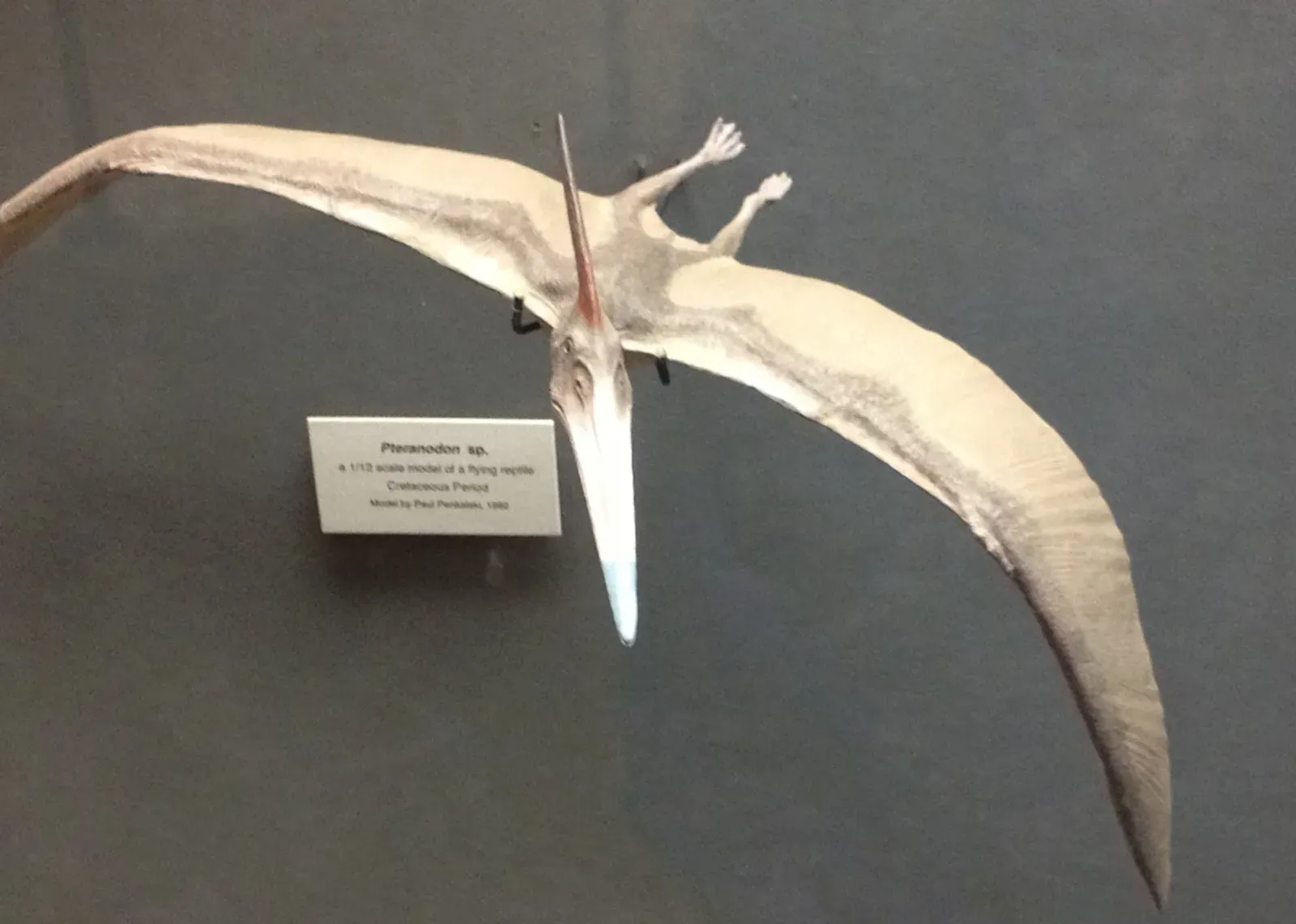
Let’s be real, when most people think of prehistoric flying reptiles, Pteranodon is what comes to mind. This fascinating creature had a wingspan of around 18 feet, almost as long as a car. The name translates to “winged and toothless,” which is fitting because one of its distinguishing characteristics is its lack of teeth.
Several species of large Pteranodon lived during the Cretaceous period in North America, featuring a large crested head, huge wingspan of some 20 to 25 feet, and a comparatively small body. Despite appearing bulky, the entire animal probably weighed only about 25 pounds. Pteranodon soared over the shallow seas of what is now central and western North America during the Late Cretaceous, roughly 86 to 84.5 million years ago. These creatures likely nested in colonies along ancient Montana coastlines, much like modern seabirds do today.
Montanazhdarcho: Montana’s Very Own Flying Reptile
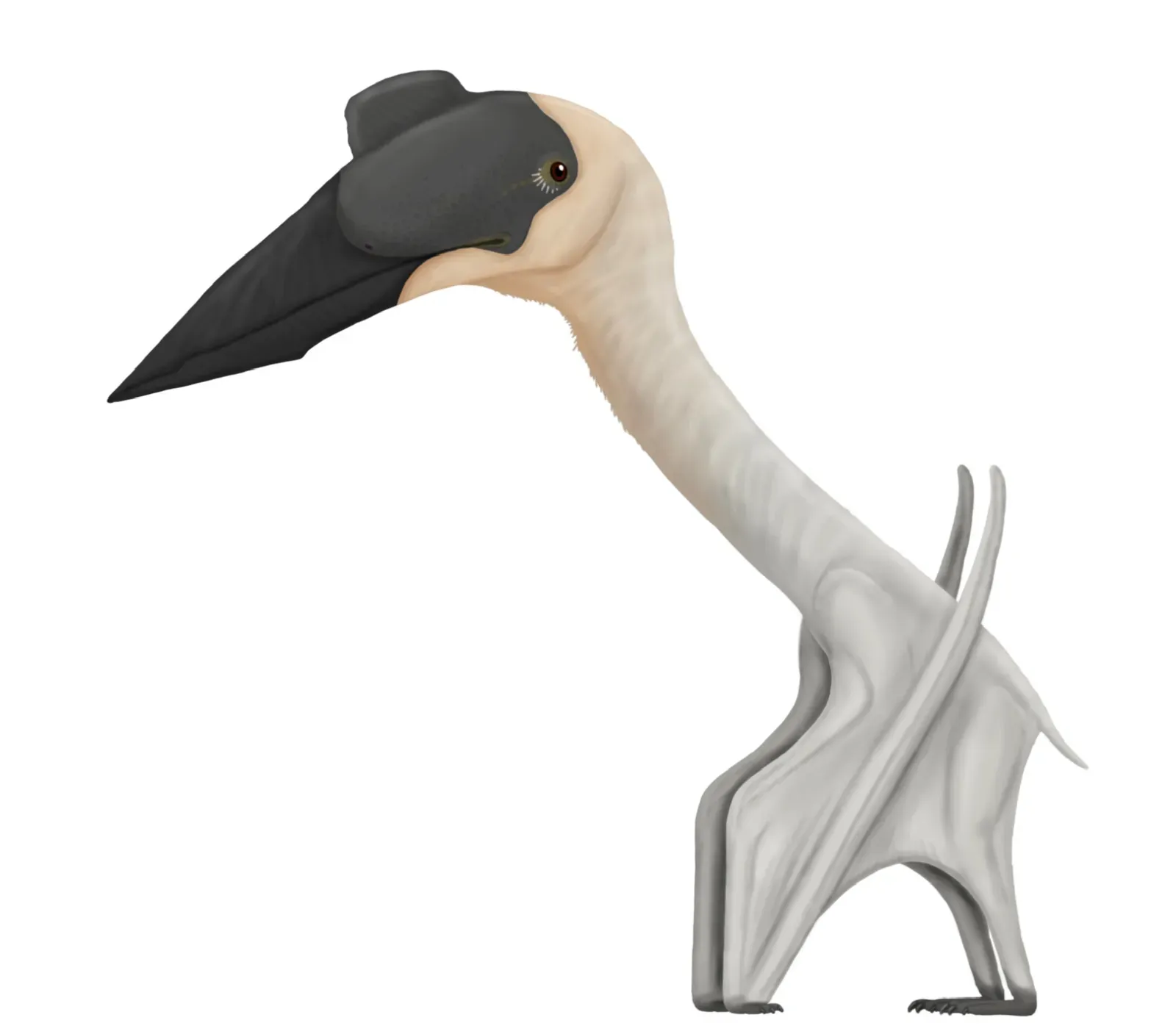
Here’s the thing about Montana’s paleontology scene. The state has yielded so many unique discoveries that it even has pterosaurs named after it. A humerus from the Two Medicine Formation in Montana was provisionally assigned to various species before being identified as belonging to Montanazhdarcho.
This medium-sized azhdarchid was part of a diverse group of toothless pterosaurs that specialized in terrestrial hunting. While we don’t have complete skeletons yet, fossil evidence suggests these creatures stalked the Two Medicine Formation’s coastal plains roughly 77 million years ago. The animals roamed a broad flat coastal plain along the edge of the Cretaceous Interior Seaway. It’s hard to say for sure, but Montanazhdarcho likely hunted small animals and possibly scavenged along the water’s edge.
Cryodrakon: The Northern Giant
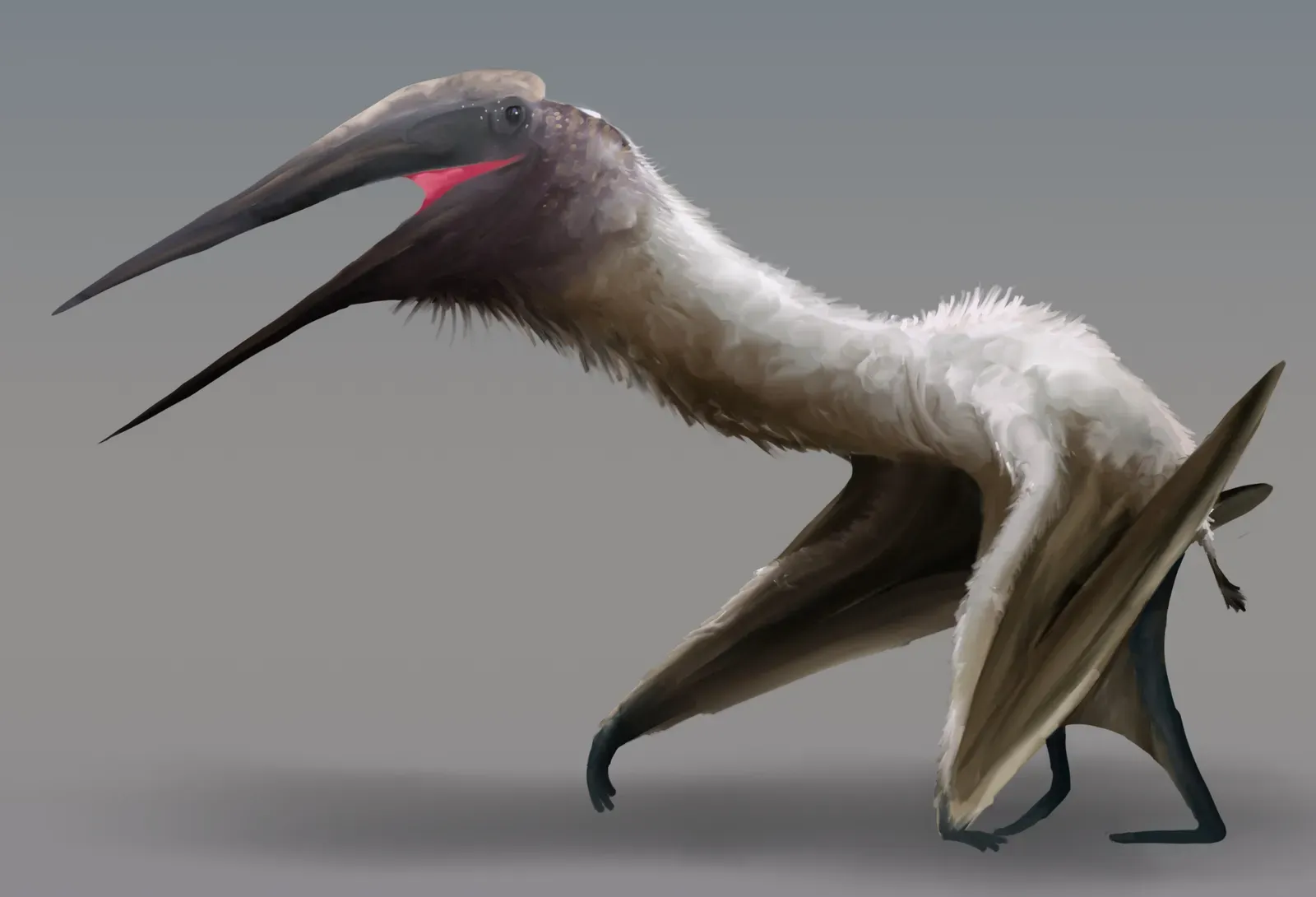
Initially confused with Quetzalcoatlus, azhdarchid remains from formations near Montana were eventually revised and named as the new genus Cryodrakon in 2019. The name literally means “frozen dragon,” which sounds absolutely epic.
Cryodrakon was another massive azhdarchid, though slightly smaller than its cousin Quetzalcoatlus. This pterosaur lived in what is now Alberta, Canada, just north of Montana, during the Campanian age. Given the proximity and similar environments, it’s entirely plausible that Cryodrakon also frequented Montana’s skies. These creatures likely employed similar hunting strategies to other azhdarchids, stalking prey on the ground with their long necks and powerful beaks. Their hollow bones made them remarkably light for their size, allowing them to achieve the seemingly impossible feat of sustained flight.
Pterodactylus: The Original Discovery
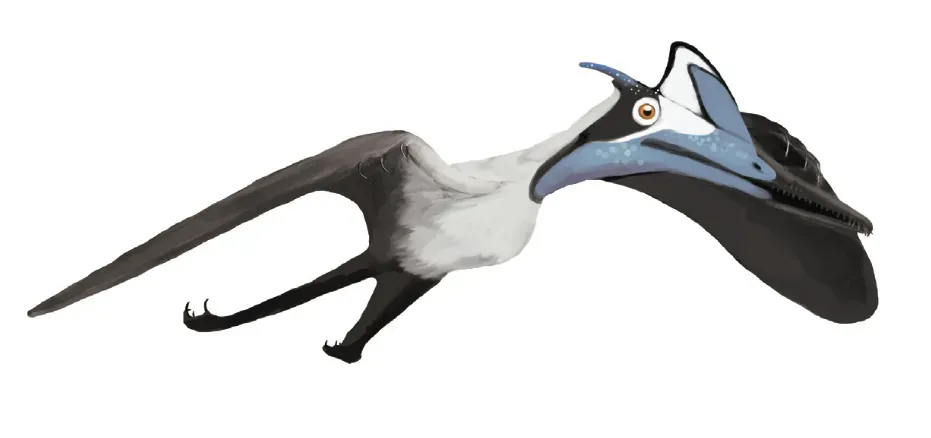
The first pterosaur ever discovered was Pterodactylus, identified in 1784, though French naturalist Georges Cuvier proposed the creatures could fly in 1801. While most famous specimens come from Europe, related species have been found across North America, including Montana.
Pterodactylus had a relatively small wingspan of around 3 to 4 meters with a long, toothless beak and a relatively short tail, featuring wings supported by a very elongated fourth finger and a robust, lightweight body. Though smaller than the giants we’ve discussed, Pterodactylus was no less impressive in its aerial capabilities. Like other pterosaurs, it was likely a fish eater, hunting in coastal areas and possibly scavenging or foraging near the shorelines. Imagine flocks of these creatures swooping down to snatch fish from Montana’s ancient inland sea.
Dsungaripterus-Like Forms: The Shell Crushers
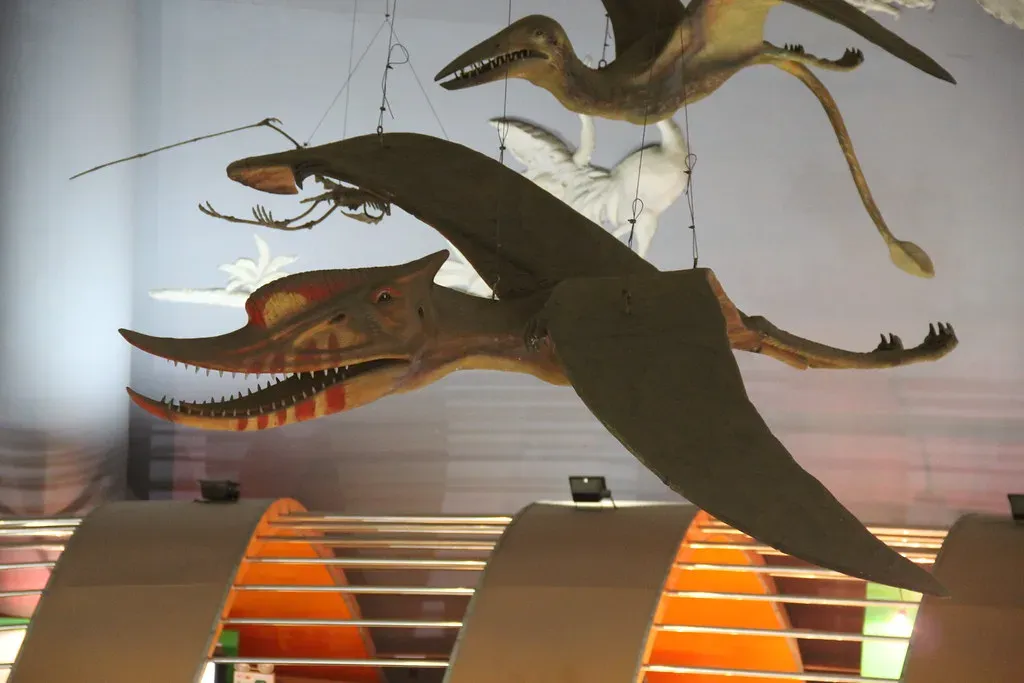
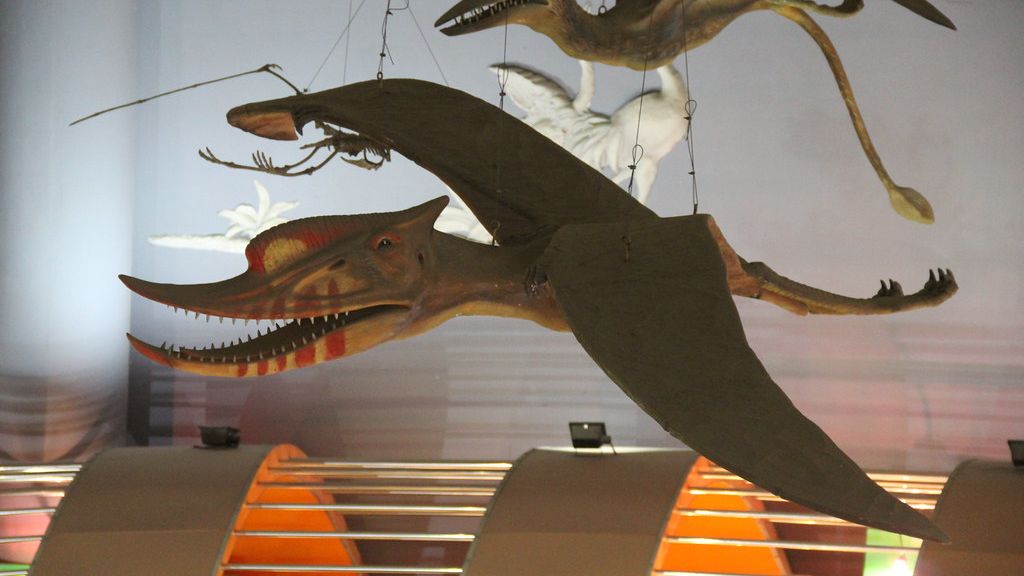
Some pterosaurs discovered in Montana had upturned, pincer-like jaws and chunky teeth further back in the mouth that may have helped crush hard-shelled organisms. These features are characteristic of Dsungaripterus and related species.
These pterosaurs had robust, large jaws with specialized teeth likely used to feed on hard-shelled prey such as crustaceans or mollusks, suggesting a specialized diet. Montana’s Cretaceous seas were teeming with shellfish and other invertebrates, providing an abundant food source. Their strong jaws and beaks adapted to crush mollusk shells, and their ability to fly over coasts and rivers allowed them to explore different environments in search of food. These specialized hunters occupied a unique ecological niche that few other flying creatures could exploit.
Nyctosaurus: The Bizarre Crested Hunter
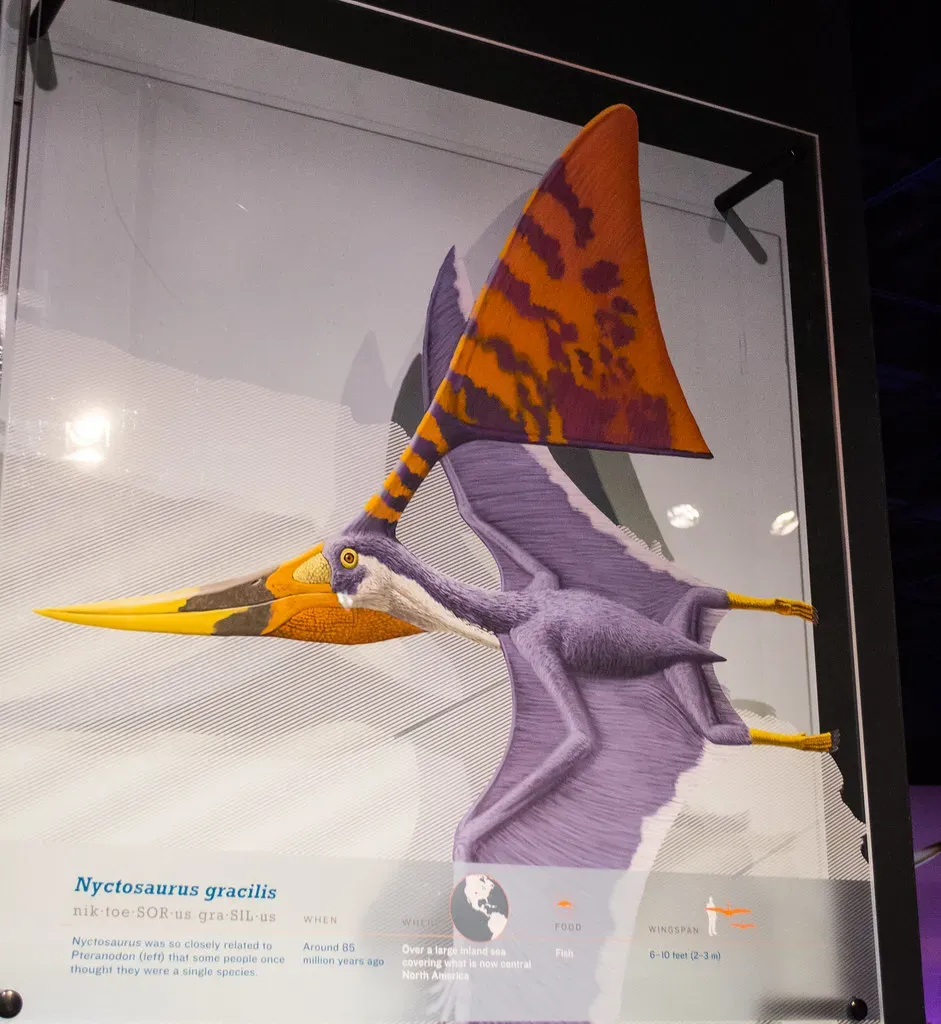
Nyctosaurus lived during the late Cretaceous period and is known for its bizarre head crest, which stood out among other pterosaurs and looked similar to an antler. This has to be one of the strangest looking creatures to ever take flight.
The crest’s function remains debated among paleontologists. Was it for display? Navigation? Temperature regulation? We may never know for certain. With long wings and lightweight skeletons, these creatures were well-adapted for efficient flight and likely fed primarily on fish and small marine organisms. Montana’s fossil record suggests that multiple pterosaur species coexisted, each occupying slightly different ecological niches. Nyctosaurus would have been a common sight over the Western Interior Seaway that once covered much of Montana.
Small Pterosaur Species: The Agile Hunters
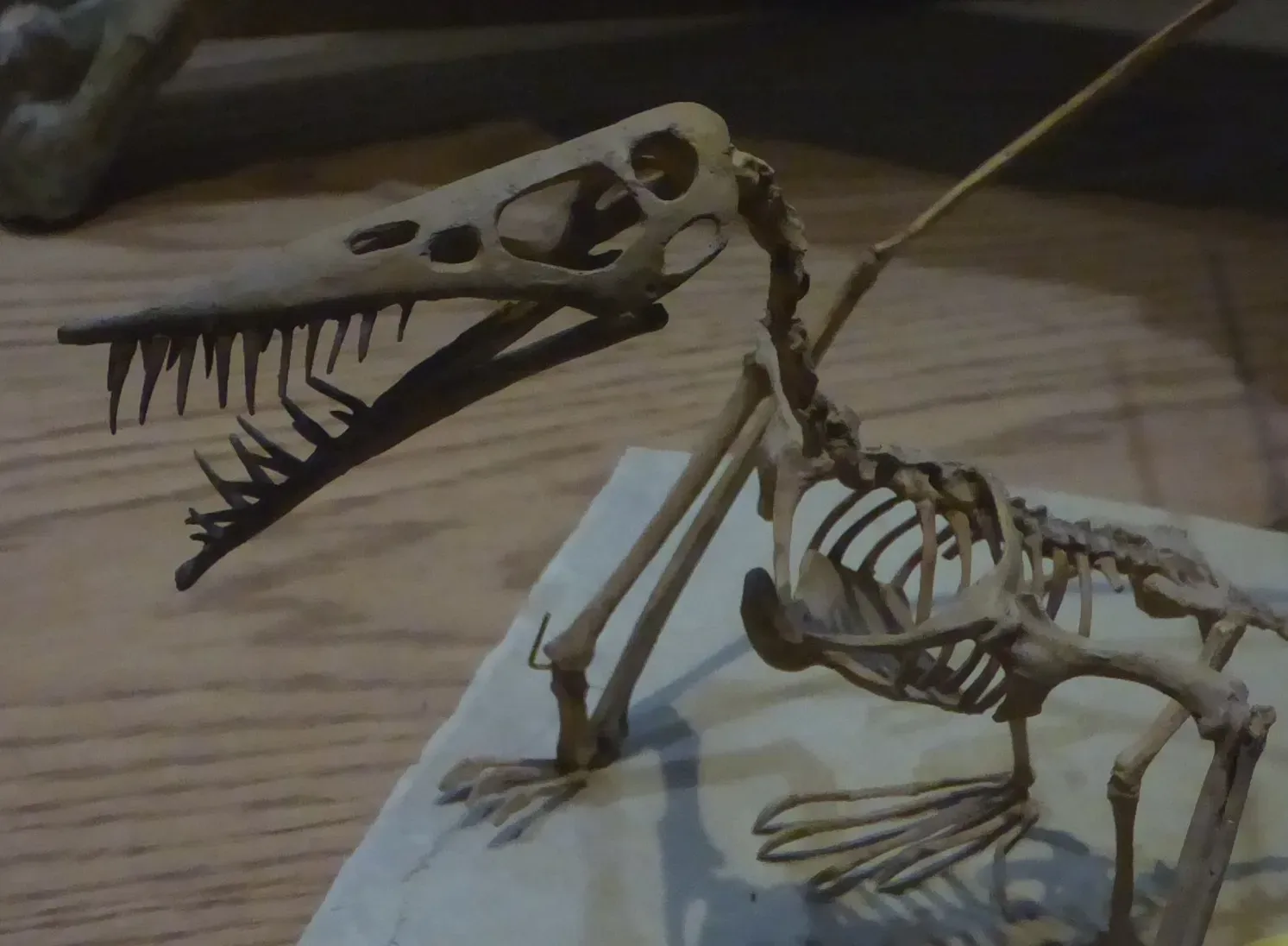
The Egg Mountain locality in Montana has produced remains of adult and embryonic Troodon and adult Orodromeus, as well as remains of cretaceous mammals, lizards, and pterosaurs. Not all of Montana’s flying reptiles were giants.
Smaller pterosaurs with shorter wings would likely have been much more agile in the air, capable of quick turns and rapid acceleration that the giants couldn’t match. These smaller species filled an important ecological role, hunting insects and small vertebrates that larger pterosaurs ignored. Think of them as the fighter jets compared to the bombers. Pterosaurs had a variety of lifestyles, including hunters of land animals, insectivores, fruit eaters and even predators of other pterosaurs. Montana’s diverse prehistoric ecosystem supported a remarkable range of flying reptiles, from tiny insect hunters to massive apex predators.
Conclusion: Montana’s Lost Sky Kingdom
Montana’s prehistoric skies were nothing short of spectacular. These weren’t just random creatures passing through. They were permanent residents of an ecosystem vastly different from anything we see today. Paleontologists have discovered 75 different species of dinosaurs in Montana, more than any other state in America, and the pterosaur diversity was equally impressive.
The next time you gaze up at Montana’s endless blue sky, try to imagine it filled with these remarkable flying reptiles. From the giraffe-sized Quetzalcoatlus to the bizarre Nyctosaurus with its antler-like crest, Montana was once home to some of the most extraordinary aerial creatures ever to exist. These stunning pterosaurs remind us that Earth’s history is filled with chapters far stranger and more wonderful than any fiction we could create.
What do you think it would have been like to witness these magnificent creatures in flight? The fossil record gives us glimpses, but the full spectacle of Montana’s prehistoric skies remains one of paleontology’s most captivating mysteries.