You might think you know ancient Earth pretty well. Dinosaurs roamed lush jungles, fossils are everywhere just waiting to be found, and maybe you remember something about an asteroid from science class. Let’s be honest, though, most of what we picture comes from movies and childhood books rather than actual scientific understanding.
Here’s the thing: paleontologists spend their careers uncovering truths about our planet’s deep past that often contradict popular beliefs. The ancient world was stranger, more complex, and far more fascinating than Hollywood typically portrays. From atmospheric conditions that would leave you gasping to misconceptions about extinction events, the real story of Earth’s history contains surprises at every layer of rock. Are you ready to discover what scientists actually know about the world millions of years before humans existed?
It’s Not Just About Dinosaurs
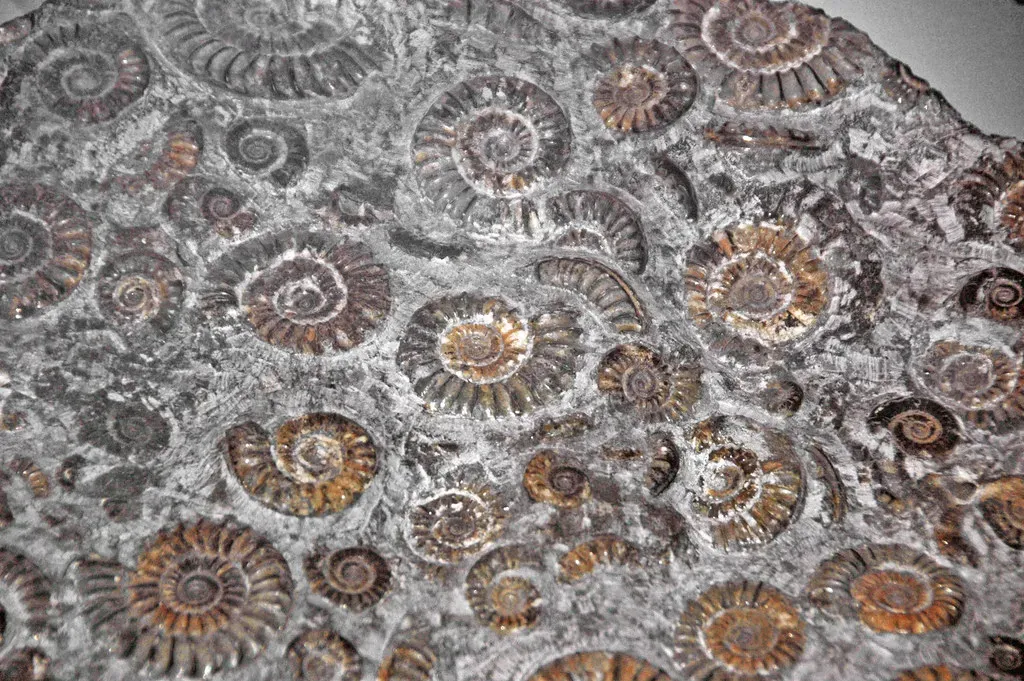
Many people assume paleontology is exclusively the study of dinosaurs, when in reality, these creatures represent only one group that paleontologists examine. Paleontology encompasses the study of ancient life spanning more than 10,000 years ago, and while dinosaurs lived for approximately 172 million years, that represents merely a tiny fraction of Earth’s life history.
Think about all the organisms that never made headlines. Paleontologists study leaves, wood, mammoths, saber-toothed cats, pollen, birds, fish, fungi, bacteria, and even fossilized feces. In fact, some of the most groundbreaking discoveries involve microscopic organisms that fundamentally changed Earth’s chemistry billions of years before dinosaurs existed. The field reaches back to the very dawn of life itself, examining how single-celled organisms eventually led to the incredible diversity we see in the fossil record today.
Ancient Earth’s Atmosphere Was Shockingly Different
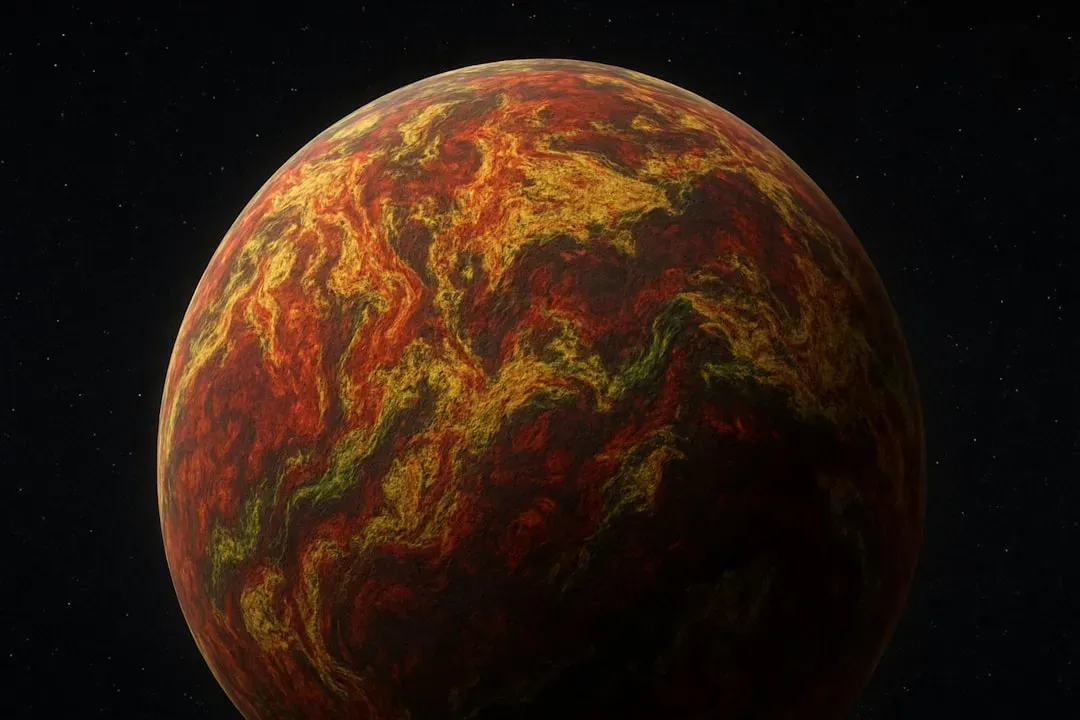
Earth’s early atmosphere had extraordinarily low oxygen concentration, probably less than 0.001% of present day levels, before a dramatic shift occurred around 2.45 billion years ago during the Great Oxygenation Event. Honestly, if you could travel back in time, you’d suffocate immediately in that ancient air. The first atmospheric oxygen came from cyanobacteria that used photosynthesis, but for which oxygen was actually an unwanted byproduct that had to be discarded for the organisms to thrive.
During later periods like the Carboniferous, atmospheric oxygen rose above 15% during the Devonian and reached approximately 25-35%, compared to today’s 21%. These elevated oxygen levels had profound effects on life. Over 300 million years ago, increased oxygen led to the evolution of massive insects, including two-meter millipedes, dragonflies the size of owls, and spiders the size of cats. Imagine encountering a millipede taller than most people.
Fossilization Is Ridiculously Rare
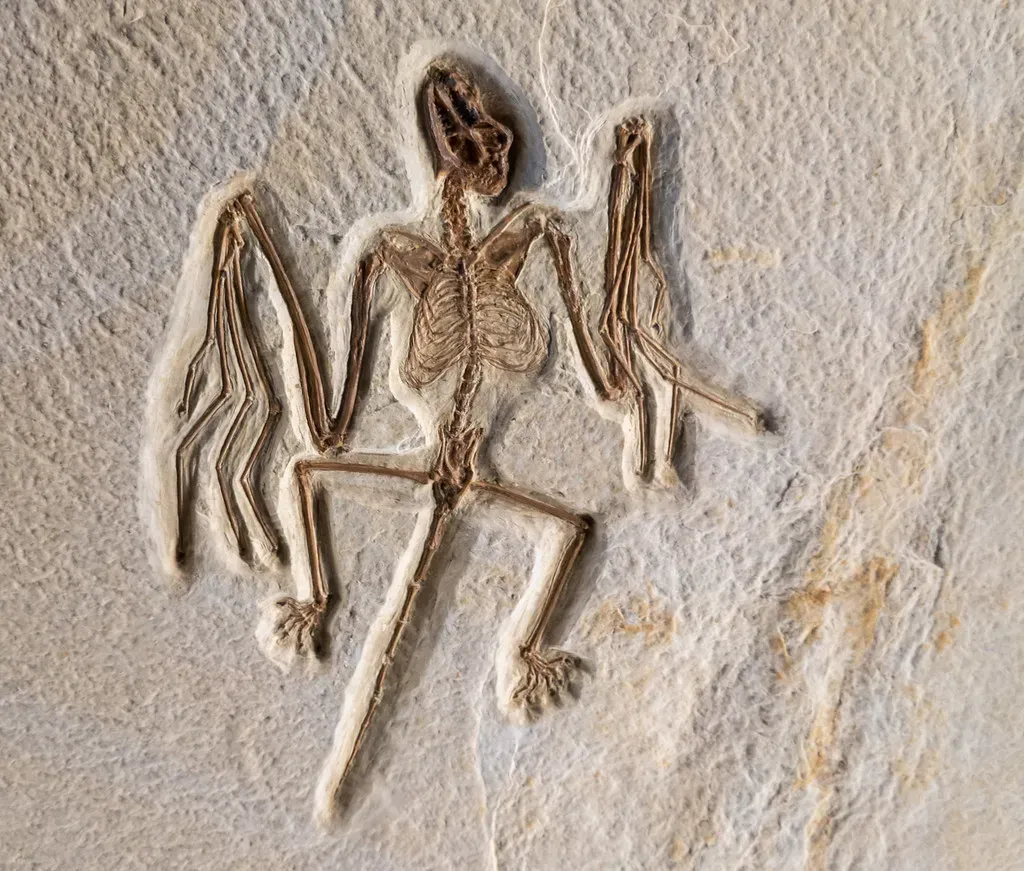
Fossilization is a very rare process, and of all the organisms that have lived on Earth, only a tiny percentage of them ever become fossils. Picture an animal dying in the wild today. Most of its body is quickly eaten by scavengers, the remaining flesh consumed by insects and bacteria, and as years pass, bones scatter and fragment into small pieces, eventually turning into dust and returning nutrients to the soil, making it rare for any remains to be preserved as a fossil.
Two factors greatly increase the odds of fossilization: rapid burial by sediment soon after death, which prevents decomposition and scavenging, and the presence of hard parts like shells, bones, teeth, and wood, which are far more durable than soft tissues. Aquatic animals are more likely to be preserved than terrestrial animals because water ecosystems have greater preservation potential, especially in low oxygen environments and locations with high sedimentation rates. Most organisms simply vanish without a trace, making every fossil discovery something of a miracle.
The Asteroid Impact Really Did Kill the Dinosaurs
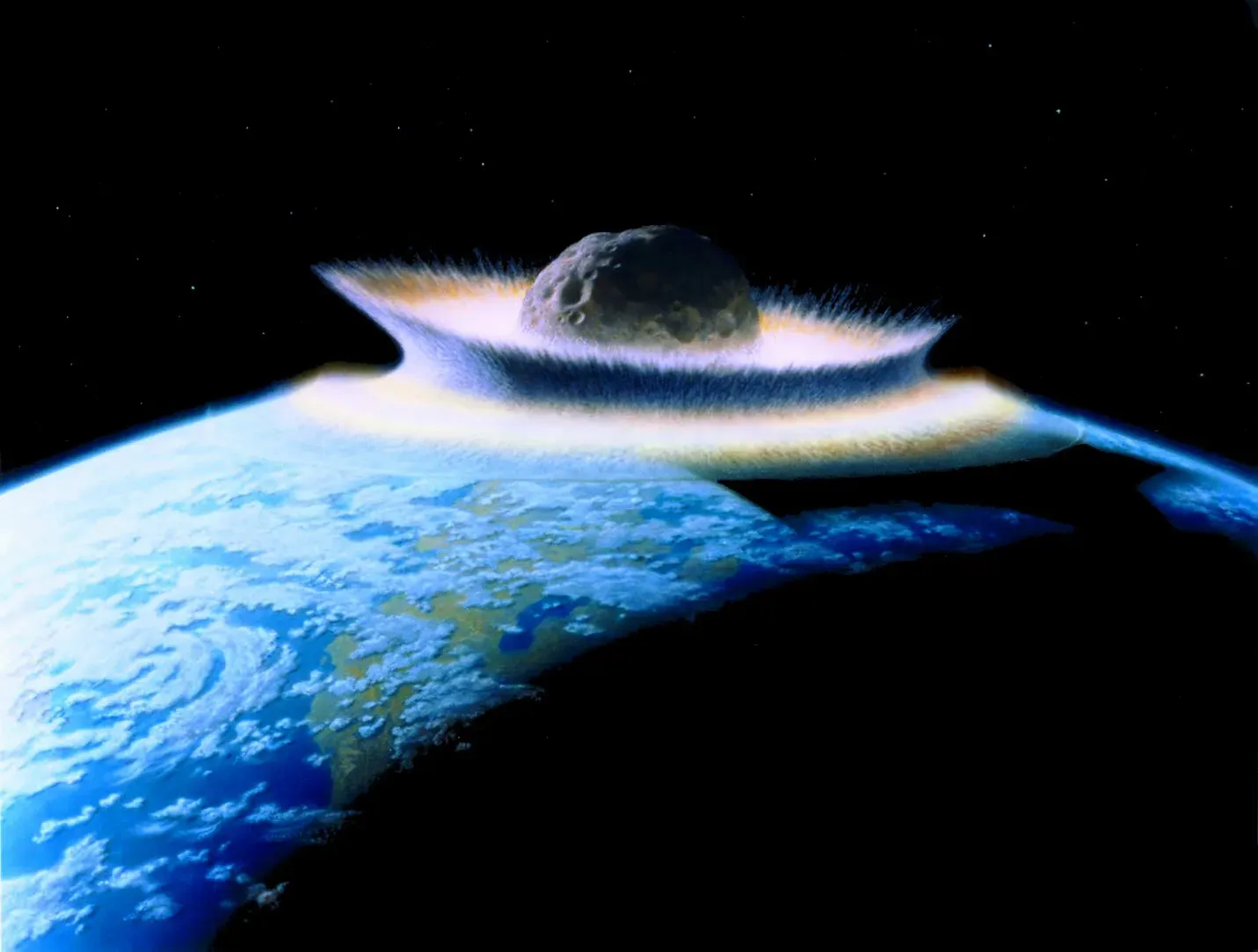
A massive asteroid approximately 10 to 15 kilometers wide struck Earth 66 million years ago, creating the Chicxulub impact crater and devastating the global environment. For decades, scientists debated whether dinosaurs were already declining or if some other catastrophe caused their demise. In 2010, an international panel of 41 scientists reviewed 20 years of scientific literature and endorsed the asteroid impact as the cause of extinction, ruling out other theories such as massive volcanism.
The asteroid hit at high velocity, effectively vaporizing and creating a huge crater with total devastation in the immediate area, sending a blast wave, heatwave, and throwing vast amounts of material into the atmosphere, including soot that traveled around the world and reduced sunlight reaching Earth’s surface. It is estimated that 75% or more of all animal and marine species on Earth vanished. The dust kicked up by impact circulated in the atmosphere for no more than a couple of decades, which helps time how long extinction took, with some researchers arguing it all happened within a couple of decades, essentially how long it takes for everything to starve to death.
Dinosaurs Didn’t Actually Go Extinct
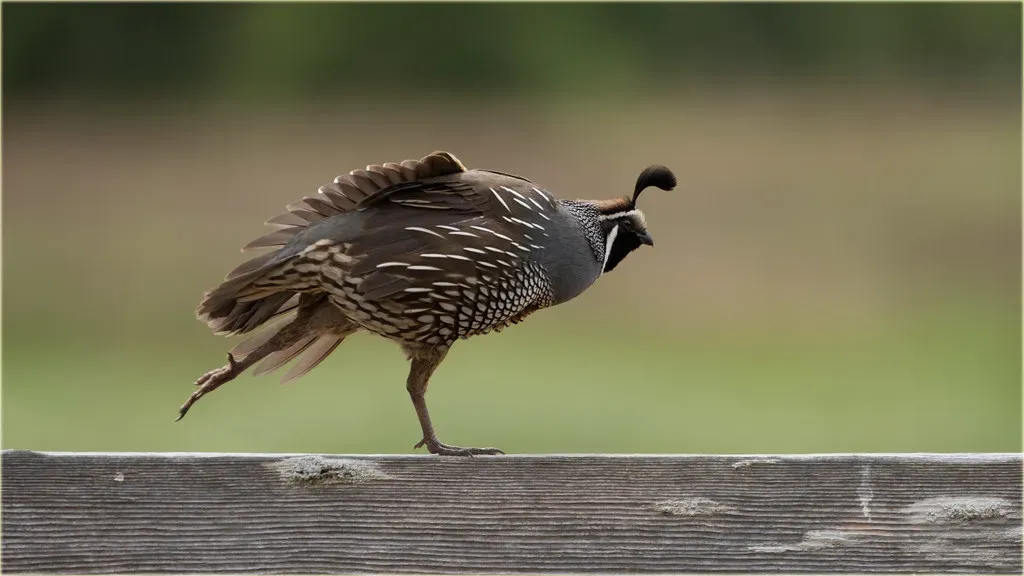
This might sound contradictory, but stay with me. Dinosaurs didn’t go extinct completely; birds are indeed dinosaurs, and you’ve likely seen one in your lifetime. All of the non-bird dinosaurs died out, but dinosaurs survived as birds, with some types of birds going extinct while the lineages that led to modern birds survived.
In the 1870s, British scientist Thomas Henry Huxley proposed the connection between dinosaurs and birds, but it wouldn’t be for another 120 years that this view was widely accepted. Every sparrow hopping across your lawn, every hawk circling overhead, carries the genetic legacy of creatures that walked alongside Tyrannosaurus rex. The next time you see a chicken, remember you’re looking at a living dinosaur descendant.
There’s Way More Time Between Some Dinosaurs Than Between Dinosaurs and Us
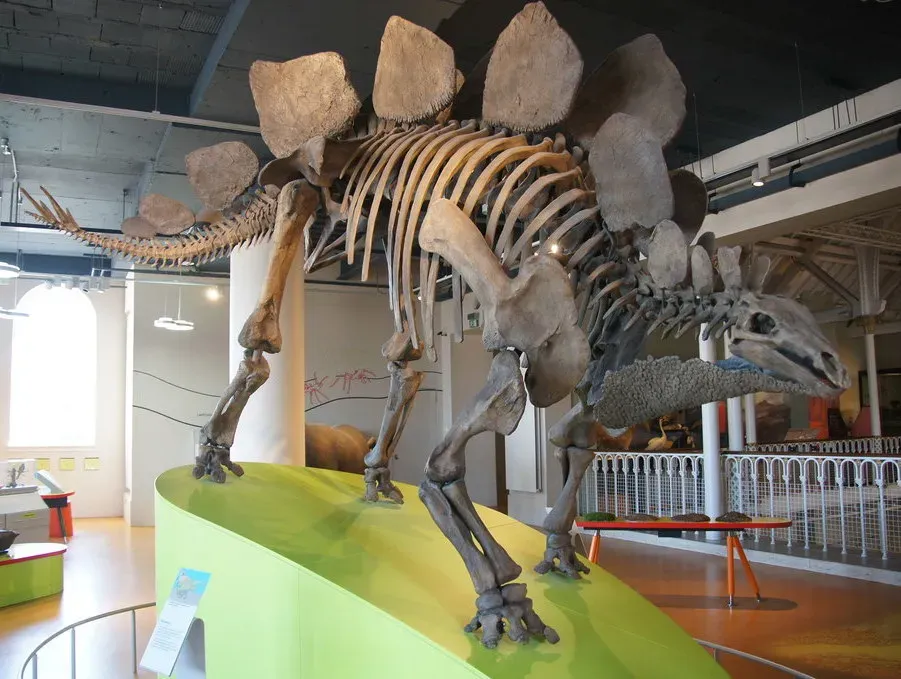
There is more time separating the evolution of Stegosaurus and Tyrannosaurus than there is between Tyrannosaurus and us. Think about that for a moment. When T. rex looked at fossils of Stegosaurus, those remains were more ancient to the tyrannosaur than T. rex fossils are to humans living today. The “age of dinosaurs” spanned such an incomprehensibly vast period that dinosaurs themselves experienced ancient history.
This temporal distance challenges our tendency to lump all dinosaurs together into one era. Around 1,400 dinosaur species are now known from more than 90 countries, with the rate of discovery accelerating in the last two decades, and 2025 has so far seen the discovery of 44 new dinosaur species, nearly one a week. Each of these species existed in radically different time periods, climates, and ecological contexts. The dinosaur world was constantly evolving, not some static prehistoric tableau.
Most Mass Extinctions Were Worse Than the One That Killed Dinosaurs
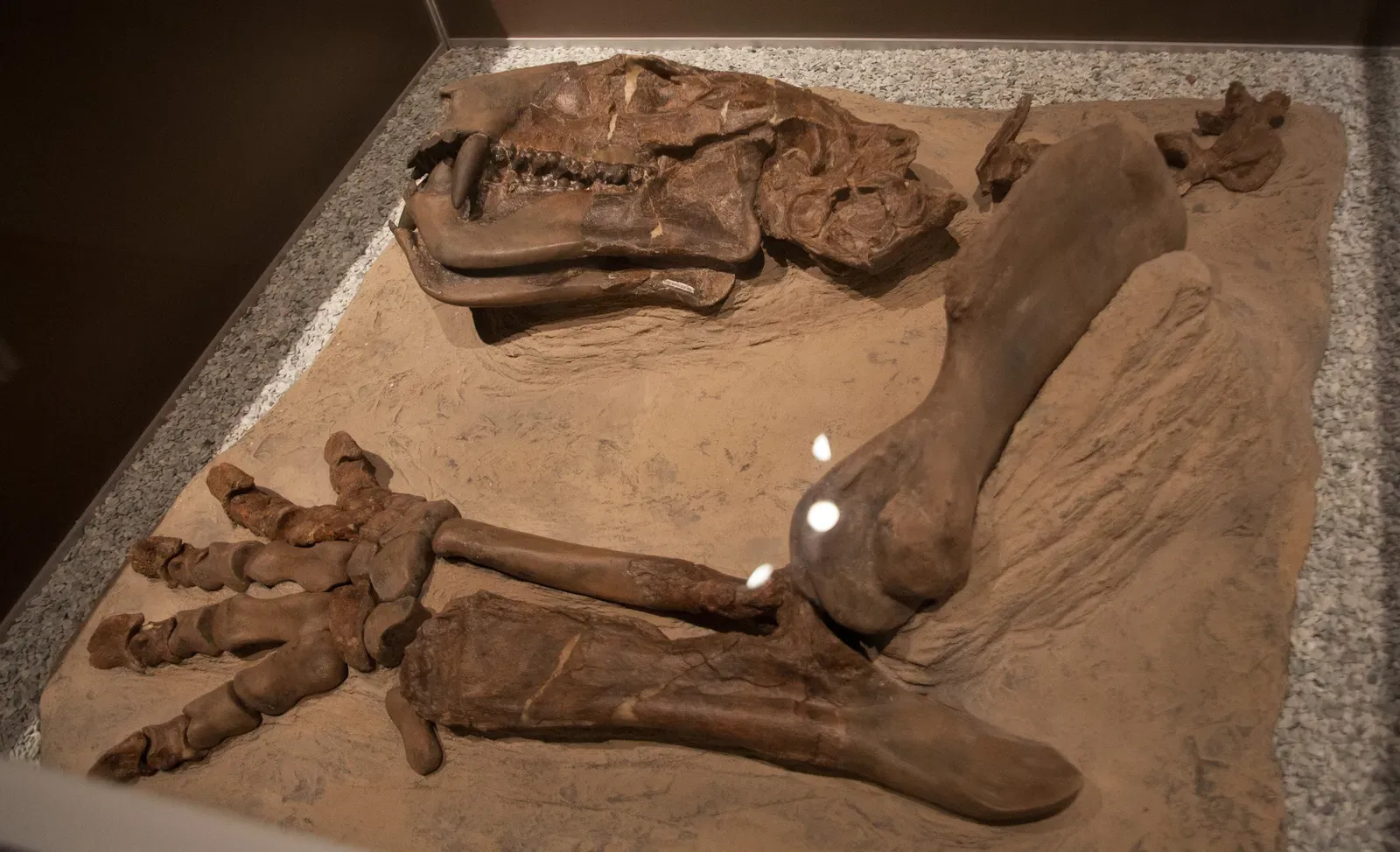
While the end-Cretaceous extinction is our planet’s most famous mass-extinction event, it killed approximately 75% of all life on Earth, whereas the Permian extinction killed 95% of all life. At least five mass extinction events are recognized to have occurred during Earth’s history, and it is also possible that Earth is currently undergoing a sixth extinction as a result of human activity.
The Permian extinction, occurring roughly 252 million years ago, nearly ended complex life on our planet entirely. Life clung on by the thinnest of margins, with only a handful of species surviving to repopulate the world. Yet this catastrophe remains relatively unknown outside scientific circles, overshadowed by the more photogenic demise of dinosaurs. Earth has faced apocalypses that make the asteroid impact look merciful by comparison.
Continental Positions Completely Rewrote Life’s Distribution
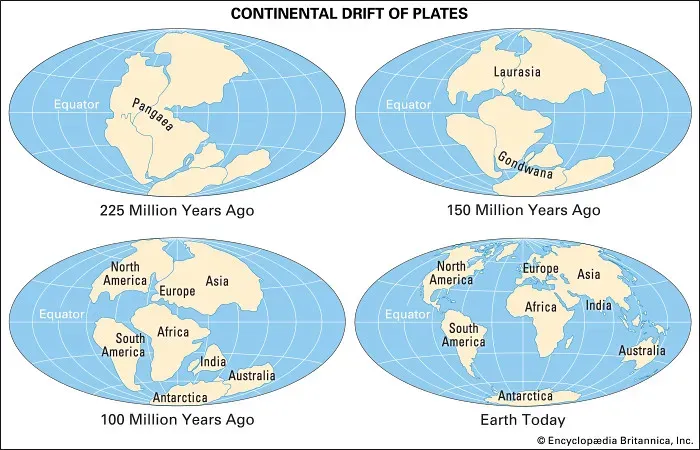
Continental drift was confirmed in part by the abundance of Lystrosaurus fossils in Antarctica, Madagascar, India, and Africa, proving there must have been a connection at some point. Camels, while only found in Asia and Africa today, actually evolved in North America. These geographical puzzles reveal how radically Earth’s surface has changed.
During much of dinosaur history, continents were arranged completely differently than today. The continents were drifting around and splitting apart from each other, creating bigger oceans, which changed ocean and atmosphere patterns around the world and had a strong effect on climate and vegetation. Species that evolved on one landmass could migrate freely across what we now consider separate continents. Understanding ancient geography is just as important as understanding ancient biology when reconstructing past ecosystems.
Conclusion
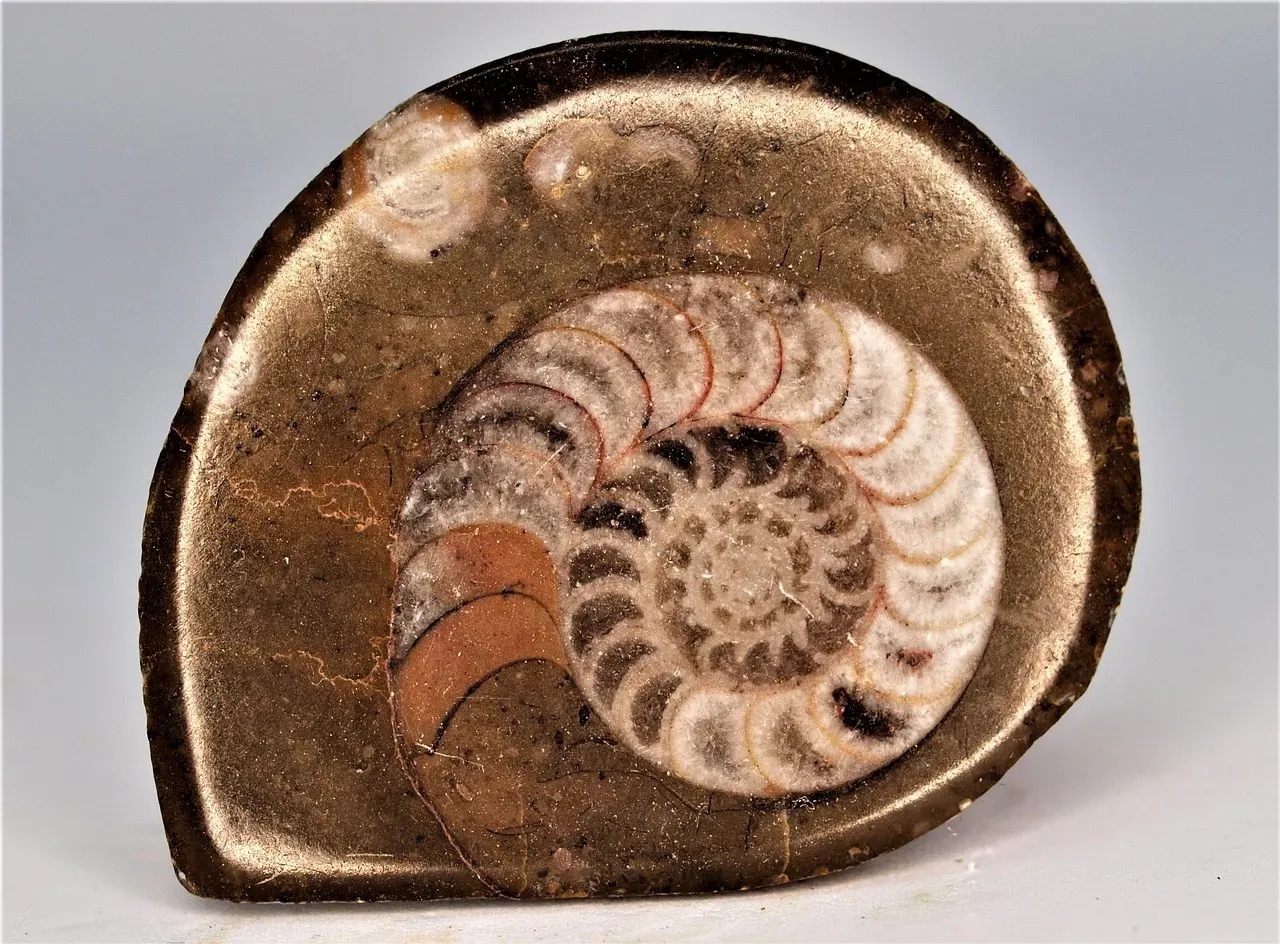
Ancient Earth was a world almost beyond imagination. From an atmosphere you couldn’t breathe to continents arranged in alien configurations, from oxygen levels that spawned giant insects to extinction events that nearly ended all life, our planet’s deep past constantly challenges our assumptions.
Paleontologists continue making discoveries that reshape our understanding of this ancient world. 2025 was a memorable year for paleontology, not just for incredible new dinosaurs described, but also for many amazing scientific discoveries. Every fossil uncovered adds another piece to the puzzle of how life evolved and adapted over billions of years.
The story of ancient Earth reminds us that our world is constantly changing, has survived catastrophes we can barely comprehend, and harbors mysteries we’re only beginning to unravel. What surprises do you think paleontologists will uncover next?