
Have you ever walked away from a conversation feeling like something was off about the person you just met? Maybe you couldn’t quite put your finger on it, but certain behaviors left an impression. Here’s the thing: class isn’t really about money or designer labels.
It’s about how you present yourself to the world. Psychology tells us that subtle behaviors can dramatically influence how others perceive us. These aren’t always obvious red flags like rudeness or poor hygiene. Sometimes they’re the small, almost invisible patterns that trigger our subconscious alarm bells. So let’s dive into what research reveals about the behaviors that instantly make someone appear low class.
Treating Service Staff With Disrespect

When someone speaks condescendingly to servers, retail workers, or administrative staff, they’re broadcasting their own insecurity and need to assert dominance over others. You might think snapping your fingers at a waiter or talking down to a cashier displays importance. People watching this behavior instantly recognize it differently.
Truly sophisticated and emotionally intelligent people of any background know that treating everyone with respect is the marker of genuine class. The way you treat someone who can do nothing for you reveals everything about your character. Psychologically speaking, rudeness and condescension often stem from a place of insecurity. It’s less about the person you’re speaking to and more about what you’re trying to prove to yourself and everyone watching.
Constantly Flaunting Wealth and Status

Let’s be real: the loudest people in the room are rarely the most secure. Research published in the Journal of Consumer Research found that those most likely to prominently display luxury logos or drop brand names are typically those trying to signal a class position they haven’t securely achieved. Think about it. Someone truly comfortable with their social position doesn’t feel the urge to remind everyone constantly.
Psychological studies show people with real confidence and financial security rarely feel the need to broadcast it. The more someone brags about possessions, vacations, or connections, the more it looks like overcompensation. Real class whispers. Insecurity screams.
Never Taking Accountability for Mistakes

When a man shirks responsibility, blames others for his mistakes, or simply refuses to acknowledge his faults, it speaks volumes about his character. We’ve all worked with someone who twists themselves into logical pretzels rather than admit they were wrong. The inability to say “I don’t know” or “I was mistaken” reveals deep insecurity.
Psychology tells us that those who struggle with accountability often have a fear of failure or rejection. Owning up to your mistakes and taking responsibility for your actions is a sign of strength and maturity. People who constantly shift blame come across as emotionally immature, regardless of their actual status or achievements. True class includes intellectual humility.
Chronic Gossiping and Boundary Violations

Talking about other people’s private business quickly damages your own reputation. Even if what you say is true, it signals that you can’t be trusted. Think about how you feel when someone shares intimate details about a mutual friend. You’re probably thinking: if they’re talking about that person, what are they saying about me?
When a man constantly intrudes on personal space, or disregards others’ comfort levels, it can make him come across as sketchy and low class. Whether it’s physical proximity, inappropriate comments, or unsolicited advice, disrespecting boundaries shows a fundamental lack of social awareness. People who understand class dynamics know that discretion and respect for privacy are non-negotiable.
Always Trying to One-Up Others

One-upmanship is when a person always needs to top someone else’s story or accomplishment with their own. You share good news about a promotion, and suddenly they’re talking about how they were promoted twice in one year. According to psychology, this behavior is often driven by an underlying need for validation or a fear of being seen as inferior.
Here’s what happens: instead of elevating their stature, it makes them look insecure and tactless. Authentic confidence doesn’t come from belittling others’ achievements but from recognizing and celebrating them. Someone with genuine class can be happy for others without feeling diminished. They understand that someone else’s success doesn’t erase their own worth.
Displaying Excessive Negativity and Complaining
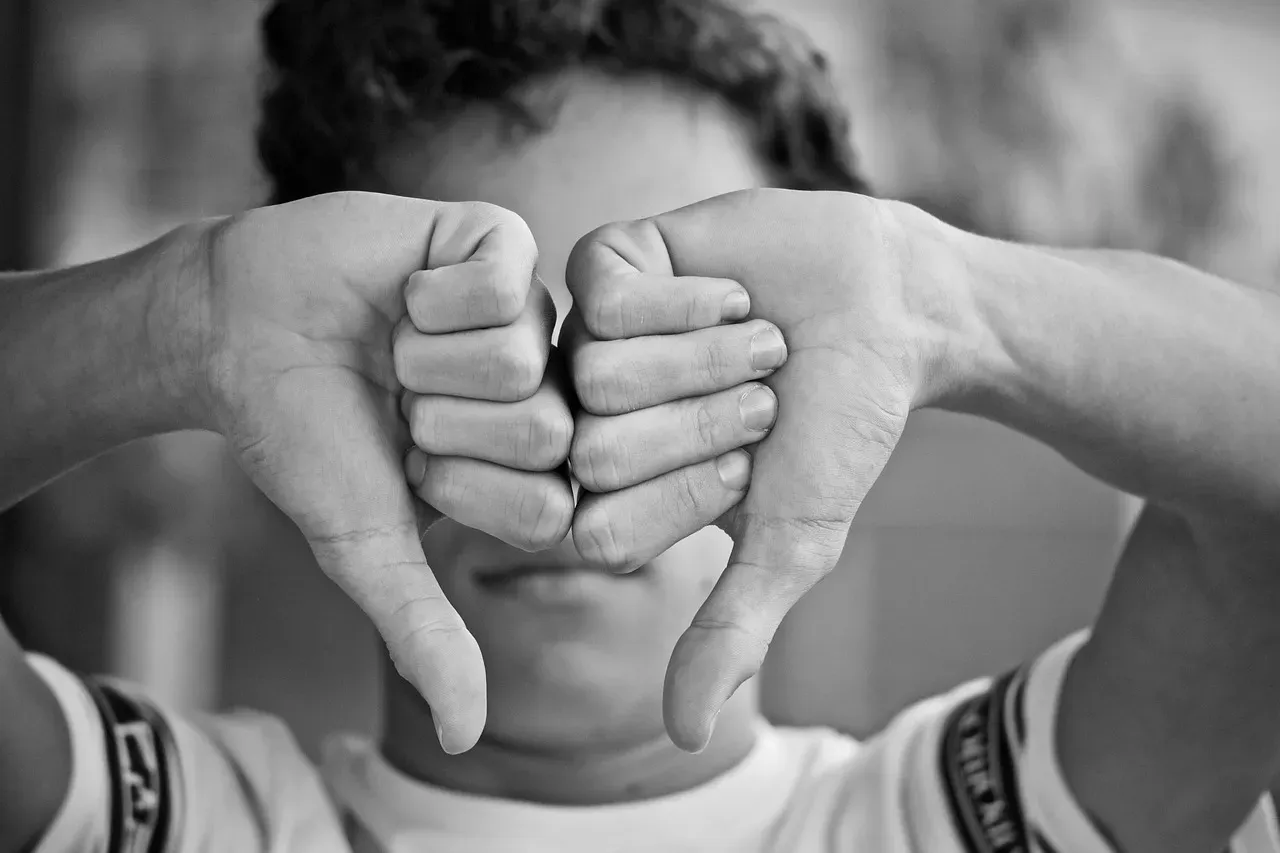
We all have bad days. Life gets overwhelming. According to psychology, chronic negativity is often a sign of underlying issues such as depression or anxiety. It’s when negative talk becomes a habit that it becomes a concern. Someone who constantly plays the victim or complains about every situation projects an image of someone lacking resilience and maturity.
Playing the perpetual victim not only hinders personal growth but can also make you seem lower class, even if you’re not. People are drawn to those who take ownership of their circumstances and find solutions rather than dwelling on problems. Emotional maturity means recognizing when life is difficult but choosing how you respond to those difficulties.
Poor Language Choices and Communication Style
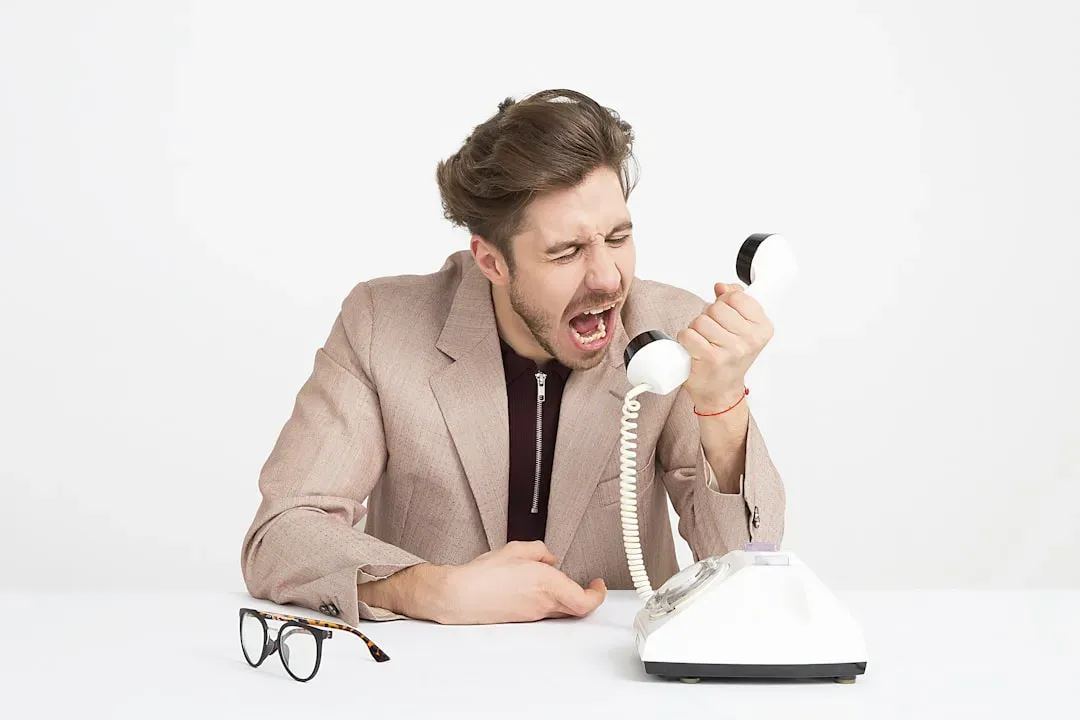
Using inappropriate language, constantly swearing, or relying heavily on slang can instantly give off a lower-class vibe. It can be perceived as a lack of education or refinement, and can quickly tarnish your image. I’m not suggesting you need to speak like royalty. It’s about reading the room and adjusting your communication appropriately.
Speaking at full volume in public draws the wrong kind of attention. Restaurants, stores, and public transport aren’t the place for broadcasting your conversation. Whether it’s talking loudly on your phone in a quiet space or dominating every conversation, poor communication awareness signals low emotional intelligence. People notice when you’re inconsiderate of the environment and those around you.
Lacking Basic Self-Control in Public Settings

Psychologists say people who can’t self-regulate are seen as immature. This isn’t just about overindulging in alcohol at social events. It’s any behavior showing a lack of self-control, from loud opinions to inappropriate emotional displays. Drinking too much at social or professional events can turn attention from your personality to your behavior, and not in a good way.
Emotional maturity is a magnet, while chaos is a repellant. People who know their limits and respect them are more memorable than those who constantly push boundaries. Setting standards for yourself shows discipline, and discipline is magnetic. The most impressive individuals understand when to stop and gracefully bow out.
Conclusion

Social class perception has less to do with your bank account and more to do with how you carry yourself through the world. Subtle differences in the ways in which people behave toward and even speak about the haves and have nots of society are perceived rapidly and accurately. The behaviors we’ve explored reveal fundamental truths about character, emotional intelligence, and self-awareness.
Here’s what really matters: respect for others, accountability for your actions, and the ability to control your impulses. These aren’t expensive qualities. They don’t require privilege or education. They simply require awareness and a willingness to grow. The good news? These behaviors are entirely within your control to change. What do you think? Have you noticed these patterns in your own interactions?