Paleontology has a way of pulling the rug out from under us just when we think we’ve figured things out. You study bones, piece together a picture of ancient life, and then someone digs up something in a Montana field or a Moroccan quarry that makes entire textbooks obsolete overnight. That’s the beauty and the madness of this science.
From feathered monsters to asteroid craters to dinosaurs that cared for their babies like devoted parents, the story of prehistoric life keeps getting stranger, richer, and more surprising. If you thought you knew what a dinosaur looked like, how it behaved, or even where it came from, some of these discoveries might genuinely shock you. Let’s dive in.
The Bone Wars and the First Complete Skeletons That Changed Everything
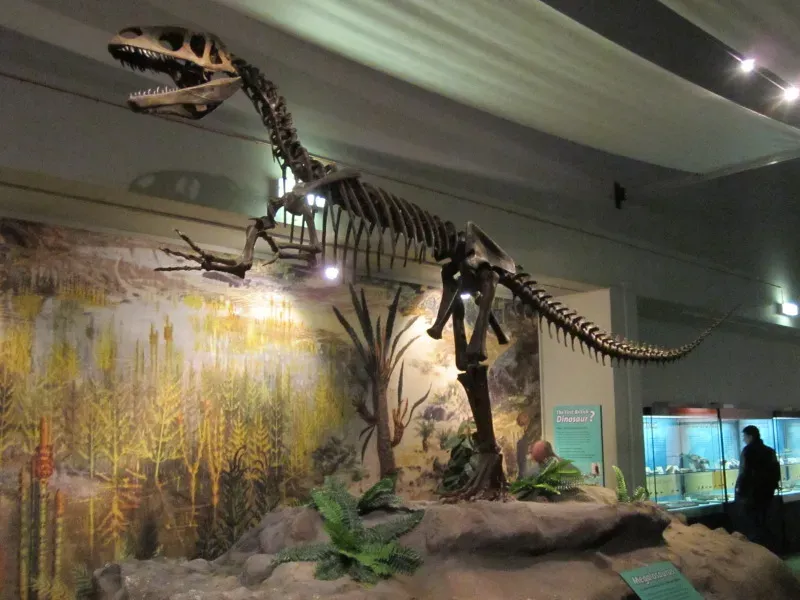
Picture this: you’re a scientist in the 1800s, and the only thing you know about dinosaurs is a handful of broken bones dug up in England. Then, suddenly, the American West explodes with fossils. Since the first dinosaur was formally named over two centuries ago, during a meeting of the Geological Society of London in 1824, scientists made considerable progress revealing the fascinating and complex lives of these ancient reptiles. Megalosaurus was the first dinosaur to be described by scientists. That was the spark. What followed would grow into an all-out scientific war.
The discoveries in the American West gave scientists, in many cases, the first examples of substantially complete dinosaur skeletons. Europe had been yielding fragments for fifty years, but most were still fairly incomplete. During the Bone Wars, enormous amounts of material were brought back that gave a more complete picture of what many of these animals actually looked like, with a knock-on effect for understanding their biology and how they are related to each other. Honestly, it’s hard to overstate how foundational this era was. Without it, you might still be picturing dinosaurs as vague, monstrous lizards with no real shape to them.
Megalosaurus and the Birth of “Dinosauria”
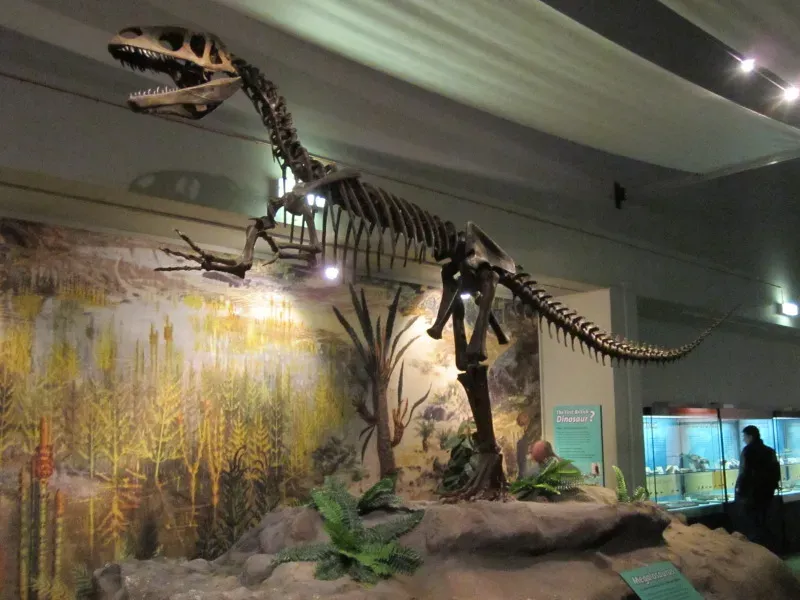
Scientists deduced that certain bones belonged to a gigantic reptile unlike anything previously seen. Over the next decade and a half, more large fossil reptile bones were recovered in England and reviewed by the British anatomist Richard Owen. In 1842, Owen decided these fossils were so utterly different from any known reptiles that they deserved classification as a completely new group: Dinosauria, meaning “terrible, or fearfully great, reptiles.” Just let that sink in. Before 1842, the entire concept of dinosaurs did not exist.
Prior to 1842, nobody had heard of dinosaurs. The rest is, in essence, history. It’s one of those rare moments where you can point to a single year and say: this is when the world changed. The discovery of new fossils and the development of new techniques to study them have enabled scientists to delve into the fascinating lives of these ancient reptiles like never before. Some of these discoveries have been so significant that they drastically changed how we look at dinosaurs. And it all started with a jaw in an Oxford museum.
Maiasaura: The Discovery That Proved Dinosaurs Were Devoted Parents
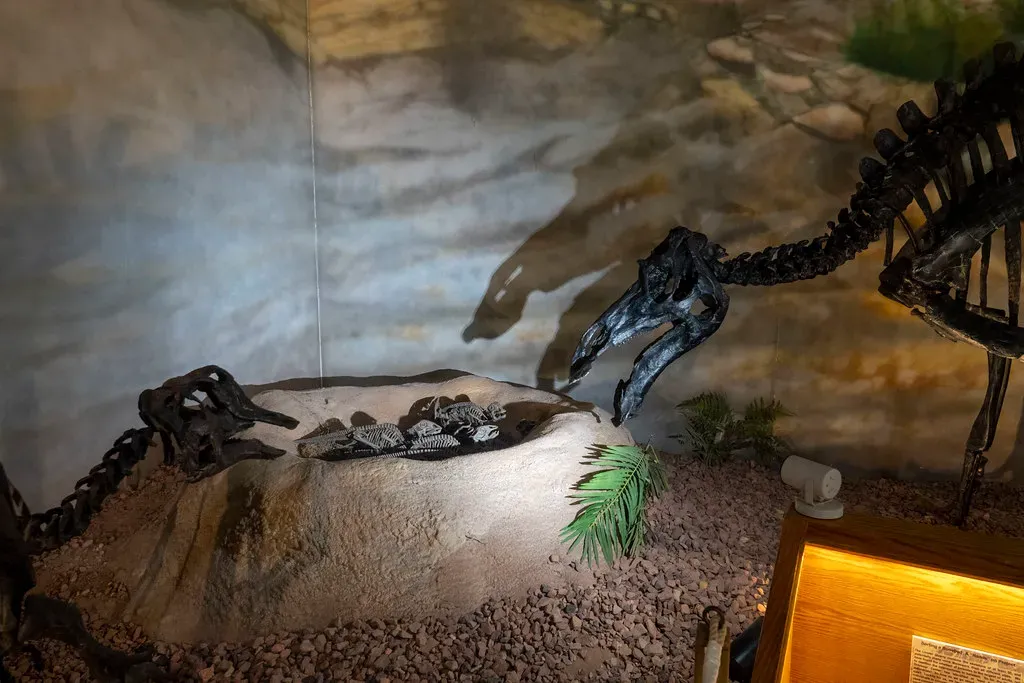
Here’s the thing. For most of the 20th century, the image of a dinosaur was a cold, solitary, emotionally indifferent killing machine or an equally indifferent plant muncher. Then Jack Horner came along. In 1978, Marion Brandvold led Jack Horner and Bob Makela to a site where she had found the remains of a baby Maiasaura. Fifteen other baby dinosaurs were discovered at the same site, all preserved in a depression that looked like a giant salad bowl. All the bones showed signs of immaturity, with parts of the backbone and limb bones unfused, and the ends of the limb bones spongy.
Based on all this evidence, Horner and Makela determined they had found the nest of a Maiasaura, whose babies had to be taken care of and fed while in the nest. This was the first ever evidence for parental care in dinosaurs. Think about what that means. The extraordinary find included not just adult specimens, but also eggs, hatchlings, and juveniles of various ages, all preserved in what appeared to be a massive communal nesting ground. The site, later known as Egg Mountain, contained hundreds of nests arranged in a pattern suggesting these dinosaurs nested in colonies, much like many modern birds. This revolutionary discovery provided the first definitive evidence that at least some dinosaur species engaged in complex parental behaviors previously thought impossible for reptilian creatures. I think it’s safe to say nobody saw that coming.
Deinonychus and the Dinosaur Renaissance Nobody Predicted
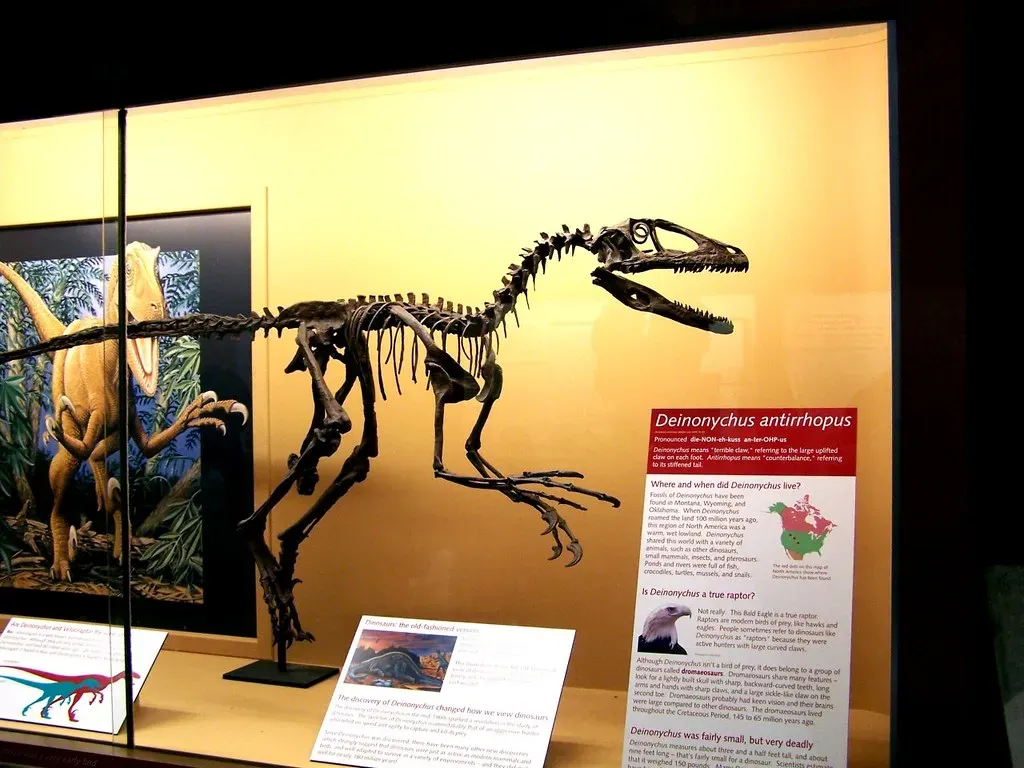
After the initial wave of dinosaur mania during the 19th century, interest began to die down throughout the early 1900s. Interest grew again in the 1960s, however, when the link between dinosaurs and birds began to gather momentum. This new dinosaur renaissance was sparked by the discovery in 1964 of Deinonychus antirrhopus by palaeontologist John Ostrom. He noticed the fossils were bird-like in appearance, particularly their hands and hips. This was a seismic shift in scientific thinking.
The agile Deinonychus helped change the prevailing view that dinosaurs were large, lumbering lizards. You have to appreciate just how radical this idea was at the time. Scientists had spent decades imagining dinosaurs as essentially overgrown crocodilians dragging themselves sluggishly across prehistoric swamps. Deinonychus was athletic, fast, and eerily bird-like. This and subsequent discoveries demonstrated the validity of Ostrom’s work, and we now know that many, though not all, dinosaurs were feathered, and that some were capable of flight and some were indeed the progenitors of modern birds. Everything changed after this one skeleton.
The Alvarez Asteroid Hypothesis: A Rock From Space Killed the Dinosaurs
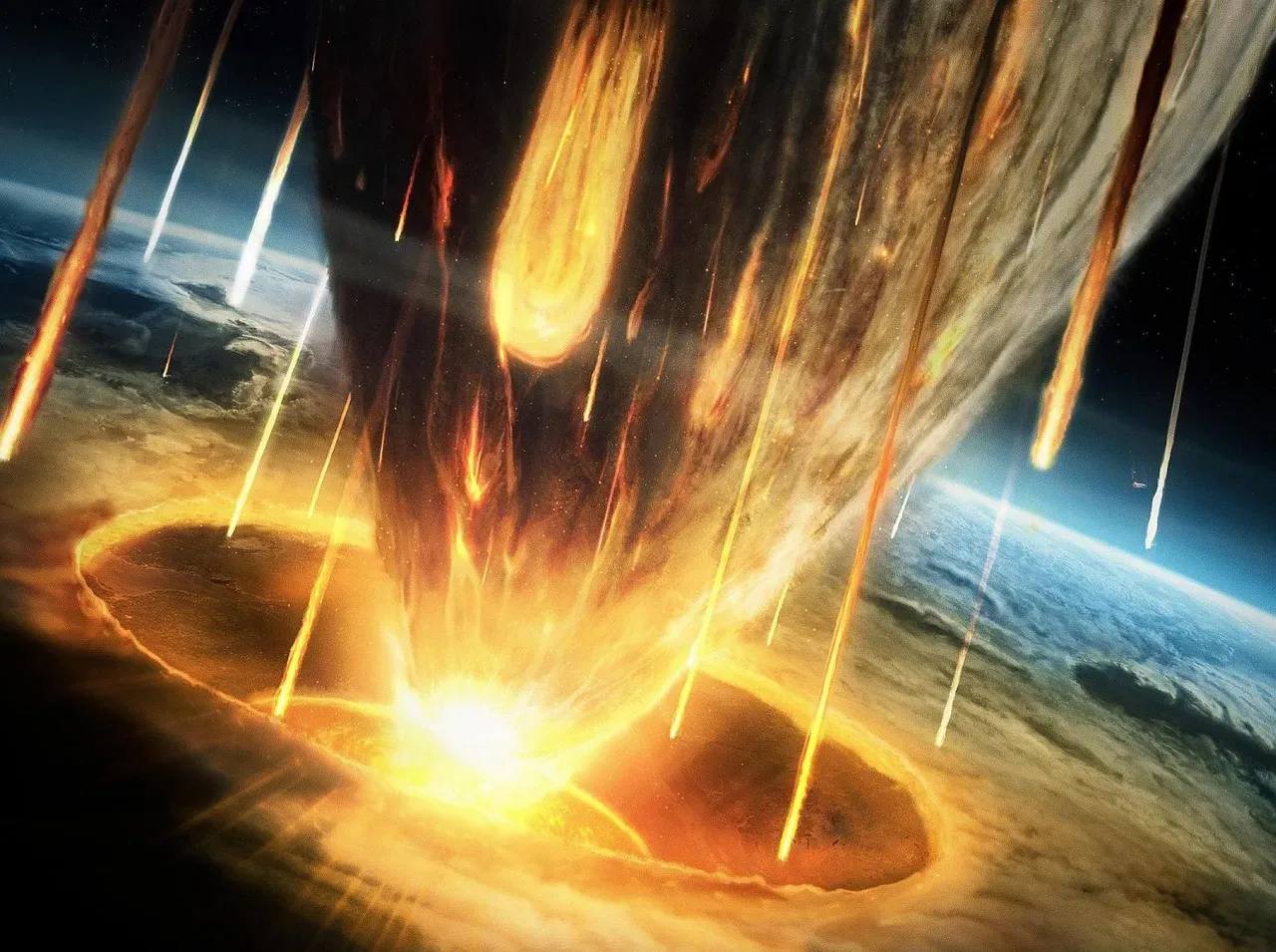
Until the 1980s, the general consensus among professional geologists was that the mass extinction was the result of significant but gradual environmental changes that were too severe for many animals to survive. In 1980, a hypothesis put forth by four scientists at the University of California, Berkeley, revolutionized and revitalized the study of the Cretaceous extinction. Luis Alvarez, Walter Alvarez, Frank Asaro, and Helen Michel published a landmark paper presenting data suggesting the extinction was caused by the impact of a large asteroid. It sounds almost like something from a science fiction novel, doesn’t it?
A team of researchers led by Nobel prize-winning physicist Luis Alvarez, his son geologist Walter Alvarez, and chemists Frank Asaro and Helen Vaughn Michel, discovered that sedimentary layers found all over the world at the Cretaceous-Paleogene boundary contain a concentration of iridium hundreds of times greater than normal. It is now widely accepted that the devastation and climate disruption resulting from the impact was the primary cause of the Cretaceous-Paleogene extinction event, a mass extinction of roughly three quarters of plant and animal species on Earth, including all non-avian dinosaurs. The discovery of the Chicxulub crater in Mexico sealed the case. One rock, about the size of a city, ended the age of the dinosaurs. Humbling, to say the least.
Patagotitan Mayorum: The Largest Animal to Ever Walk the Earth
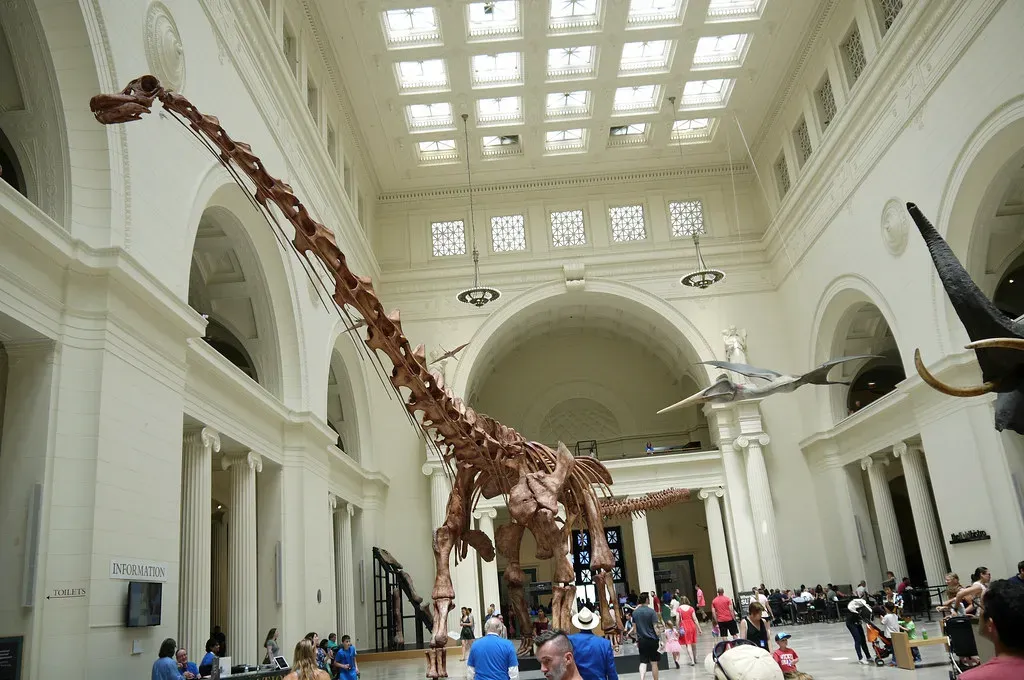
Every few years, someone announces they’ve found the biggest dinosaur ever. Most of the time, the claim is a little overblown. Patagotitan mayorum is not one of those times. In Patagonia, paleontologists uncovered the remains of Patagotitan mayorum, a massive titanosaur that quickly became a contender for the title of the largest land animal ever discovered. Estimated to exceed 120 feet in length and weigh around 69 tons, this colossal sauropod offered new insight into the size limits of terrestrial vertebrates.
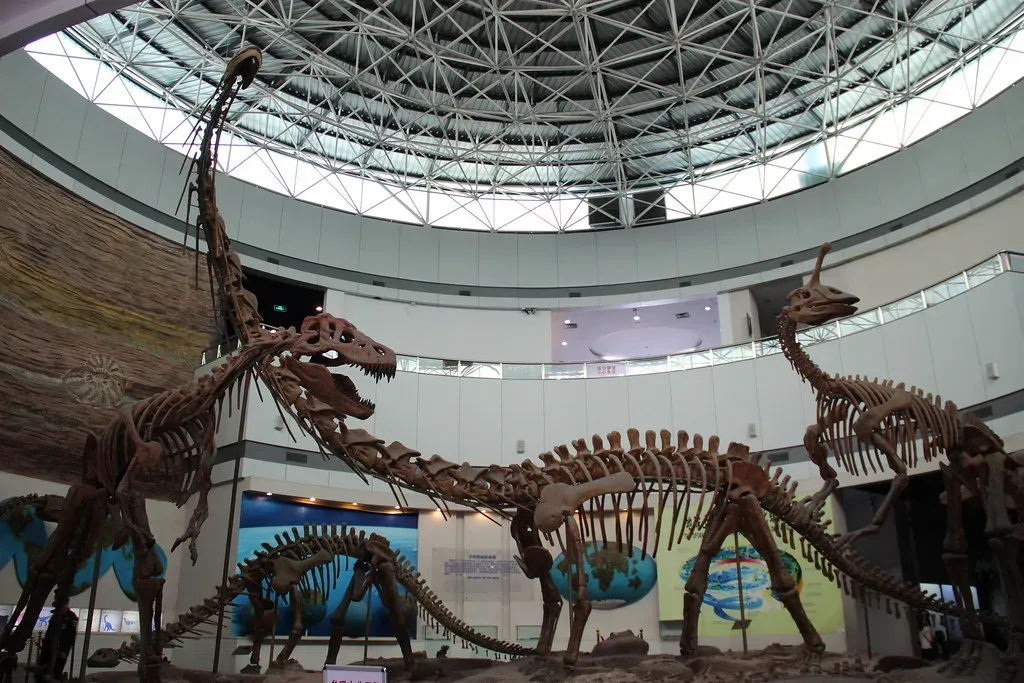
The exceptional completeness of the fossilized skeletal remains enabled scientists to reconstruct better how titanosaurs supported their immense bulk and how these giants evolved in South America. To give you a sense of scale, 69 tons is roughly the weight of ten or eleven large African elephants stacked together. The idea that something that heavy could walk on land, eat enough to sustain itself, and thrive for millions of years is genuinely staggering. Breakthrough fossils unearthed across Asia, South America, North America, and Europe have dramatically expanded our understanding of dinosaur evolution, biology, and behavior. These finds, remarkable for their preservation, size, or scientific implications, showcase how much remains to be uncovered about life in the Mesozoic. Patagotitan sits at the top of that list.
Nanotyrannus: The Discovery That Put T. Rex’s Story in Question
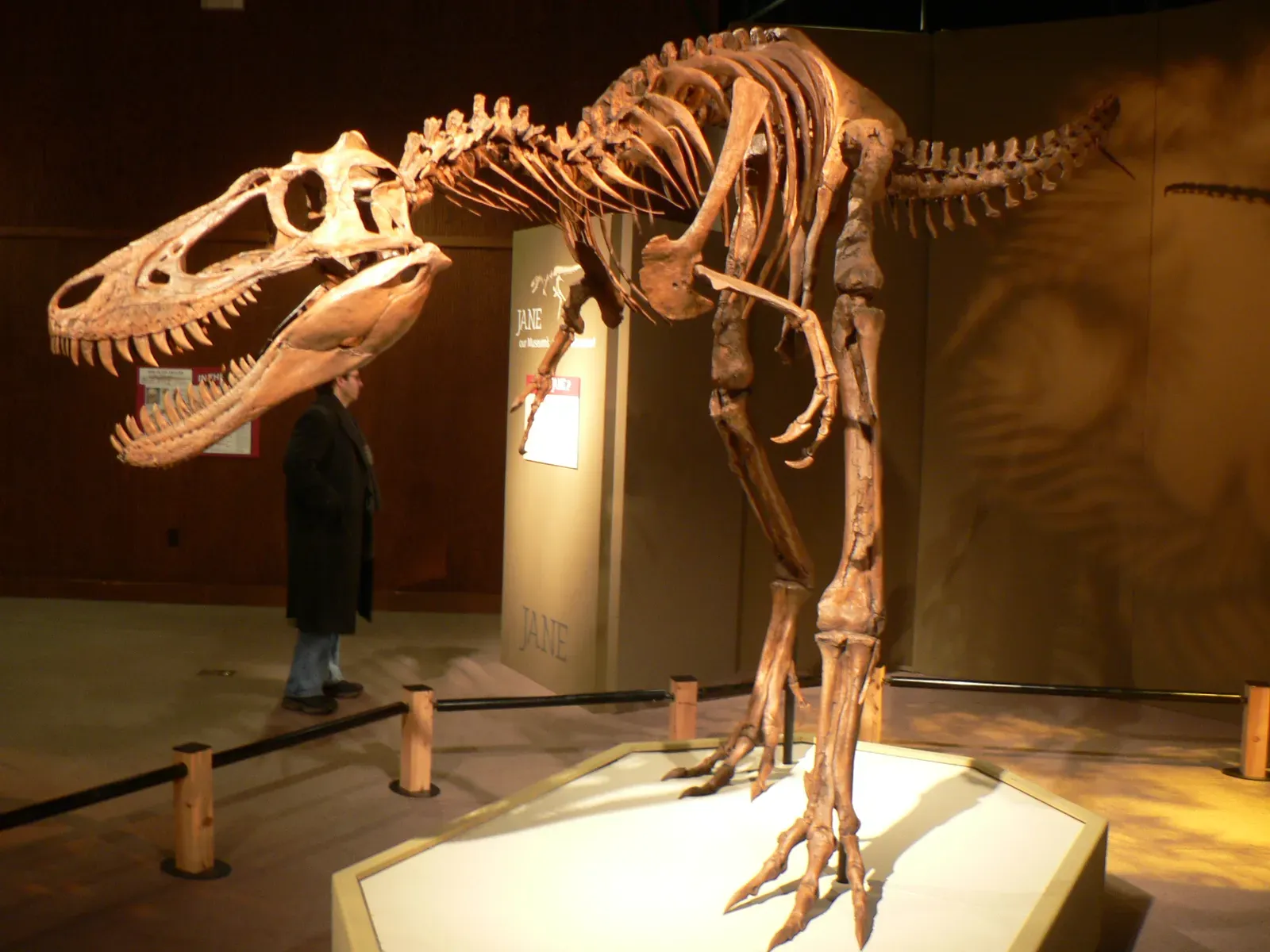
Since a predatory creature was first named in 1988, paleontologists argued over whether medium-sized tyrannosaur fossils found in the same rocks as the iconic Tyrannosaurus rex were juvenile T. rex or a unique and distinct predator called Nanotyrannus. In recent years, the bulk of the evidence appeared to favor the juvenile T. rex hypothesis, as none of the supposed Nanotyrannus fossils available for study carried conclusive evidence of a distinct species. That all changed with the Dueling Dinosaurs specimen.
The fossil, part of the legendary Dueling Dinosaurs specimen unearthed in Montana, contains two dinosaurs locked in prehistoric combat: a Triceratops and a small-bodied tyrannosaur. That tyrannosaur is now confirmed to be a fully grown Nanotyrannus lancensis, not a teenage T. rex as many scientists once believed. This discovery completely reframes the idea that T. rex was the lone predator of its time, challenging long-held assumptions about Late Cretaceous ecosystem dynamics. We now know multiple tyrannosaur species coexisted in the last million years before the asteroid impact, suggesting a richer, more competitive ecosystem than previously imagined. Decades of research on T. rex growth and behavior now have to be reconsidered. That is enormous.
Spicomellus and the Armored Dinosaur That Defied Its Own Timeline
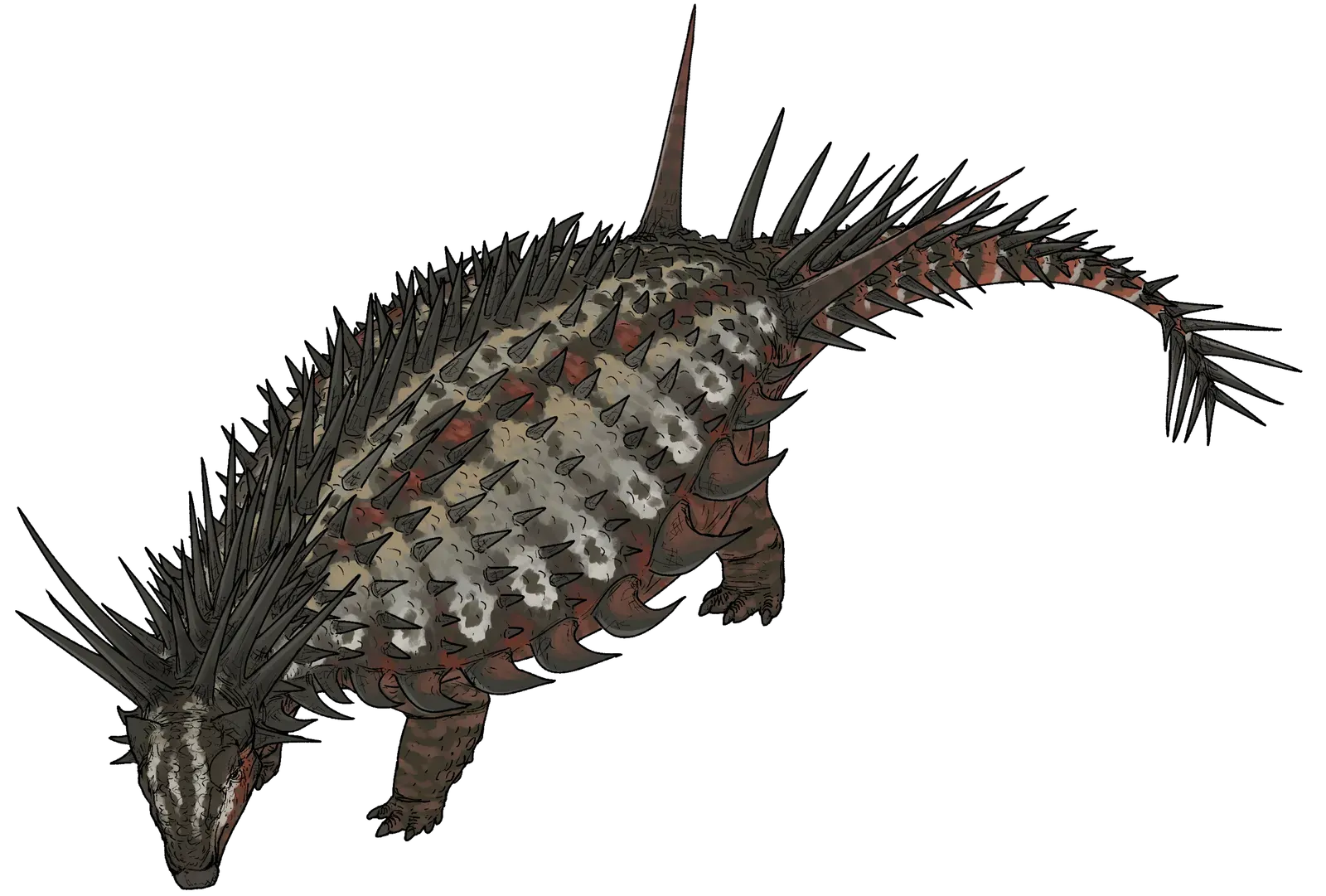
While the bones of Spicomellus afer were already unlike any known animal, newly discovered fossils revealed that its entire skeleton was covered in extraordinary bone spikes measuring up to a metre long. An incredible dinosaur from Morocco reveals that the extensive defences of the ankylosaurs evolved much earlier than first thought. This is one of those discoveries where even seasoned researchers had to do a double take. At 165 million years old, Spicomellus is the oldest known ankylosaur.
The armored dinosaur was more than 165 million years old and yet had large spikes and a tail club normally associated with ankylosaurs that lived tens of millions of years later. The dinosaur’s anatomy demonstrated that ankylosaurs evolved extremely spiky armor very early in their history, which apparently was lost or modified only to later converge on a similar array of armor in the Cretaceous. Spicomellus upended how paleontologists thought ankylosaurs evolved. It’s like finding out the earliest version of a technology was more advanced than the versions that came after it. Nature, it turns out, had already solved the armored defense problem long before scientists expected it to. Every time paleontology thinks it has a group of dinosaurs figured out, a single fossil from an unexpected corner of the world rearranges the entire picture.
Conclusion
There’s a pattern running through all eight of these discoveries. Each one arrived with the quiet confidence of hard evidence and promptly dismantled something scientists thought was settled. Dinosaurs were cold and reptilian until they weren’t. T. rex was the only large tyrannosaur of its time until it wasn’t. Ankylosaur armor was a late evolutionary development until it wasn’t.
What makes paleontology so endlessly compelling is that the Earth is still hiding things. Not only does evidence suggest dinosaurs were spinning off new species right until the end, but the identification of several dinosaur communities on the same continent hints that undiscovered dinosaurs may still be lying in rocks that date to just before the mass extinction. You’re not just looking at the past when you study these fossils. You’re looking at a story that’s still being told, one extraordinary dig at a time.
Which of these discoveries surprised you the most? Drop your thoughts in the comments below.