The world of paleontology has always been shrouded in mystery, where every fossil tells a story millions of years in the making. But what happens when even the most brilliant minds encounter something that defies all known scientific understanding? Throughout cinema, literature, and television, we’ve witnessed fictional paleontologists come face-to-face with creatures that challenge everything they thought they knew about prehistoric life. These encounters don’t just test their scientific knowledge—they shake the very foundations of their understanding of evolution, extinction, and the natural world itself.
Dr. Alan Grant’s First Encounter with Living Dinosaurs
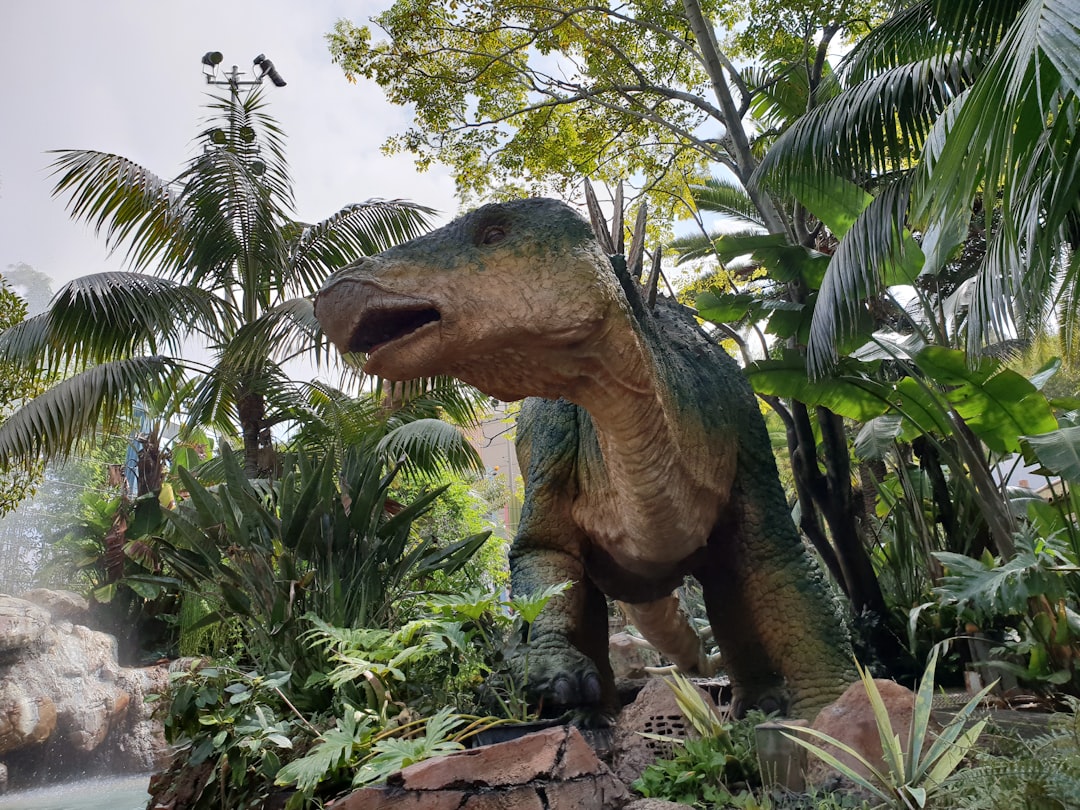
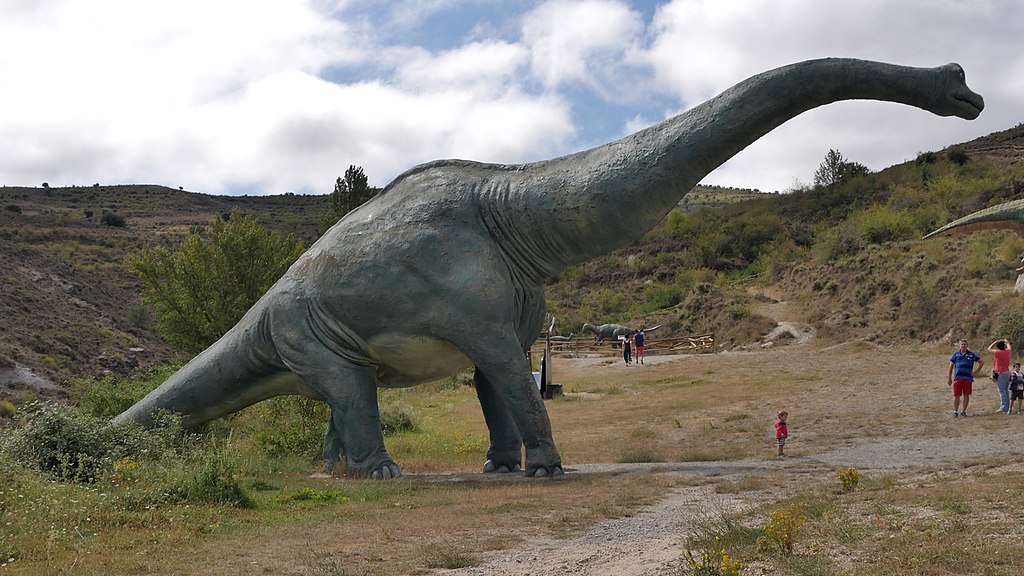
When renowned paleontologist Dr. Alan Grant first stepped onto Isla Nublar in Jurassic Park, he experienced something no scientist could have prepared for. His entire career had been built on studying fossilized remains, piecing together behaviors and characteristics from bones that were millions of years old. The moment he witnessed a living, breathing Brachiosaurus, his scientific worldview shattered completely.
Grant’s expertise in dinosaur behavior, developed through years of studying skeletal remains and trace fossils, suddenly became both invaluable and inadequate. The creatures he observed didn’t always match his theoretical models. The Velociraptors displayed intelligence levels that surpassed his wildest academic theories, while the Dilophosaurus exhibited behaviors that contradicted everything he thought he knew about theropod hunting patterns.
This encounter represents every paleontologist’s ultimate fantasy and nightmare rolled into one. Grant had to rapidly adapt his understanding while navigating life-threatening situations, proving that sometimes the greatest scientific discoveries come with the highest stakes.
Professor Challenger’s Confrontation with Lost World Survivors
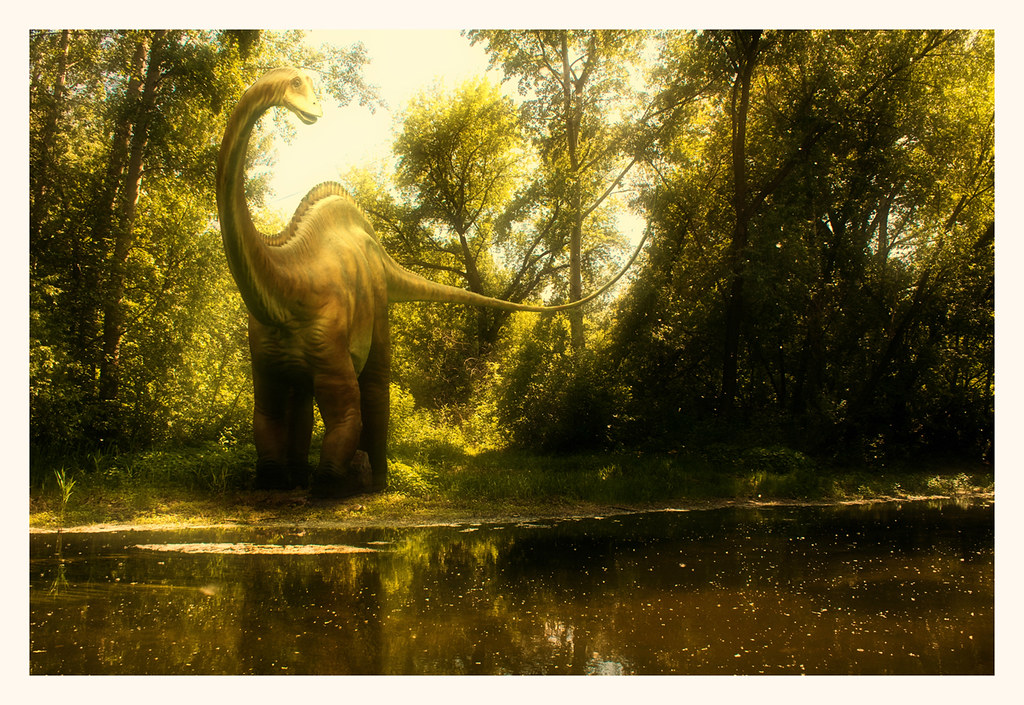
In Arthur Conan Doyle’s “The Lost World,” Professor George Edward Challenger faced creatures that shouldn’t exist according to all known scientific principles. His expedition to South America’s mysterious plateau revealed an isolated ecosystem where prehistoric life had continued evolving in complete isolation. The professor’s rigid Victorian-era scientific beliefs were challenged by dinosaurs, pterosaurs, and other creatures that had supposedly vanished millions of years ago.
Challenger’s predicament went beyond simple species identification. These weren’t just living fossils—they were creatures that had continued evolving in ways that contradicted established evolutionary theory. The professor had to grapple with the implications of finding advanced civilizations of ape-men alongside creatures from the Mesozoic Era.
His struggle represents the classic conflict between established scientific doctrine and revolutionary discoveries. Challenger knew that bringing proof back to London would revolutionize paleontology, but he also understood that the scientific community might reject evidence that seemed impossible.
Dr. Ian Malcolm’s Theoretical Nightmare Becomes Reality
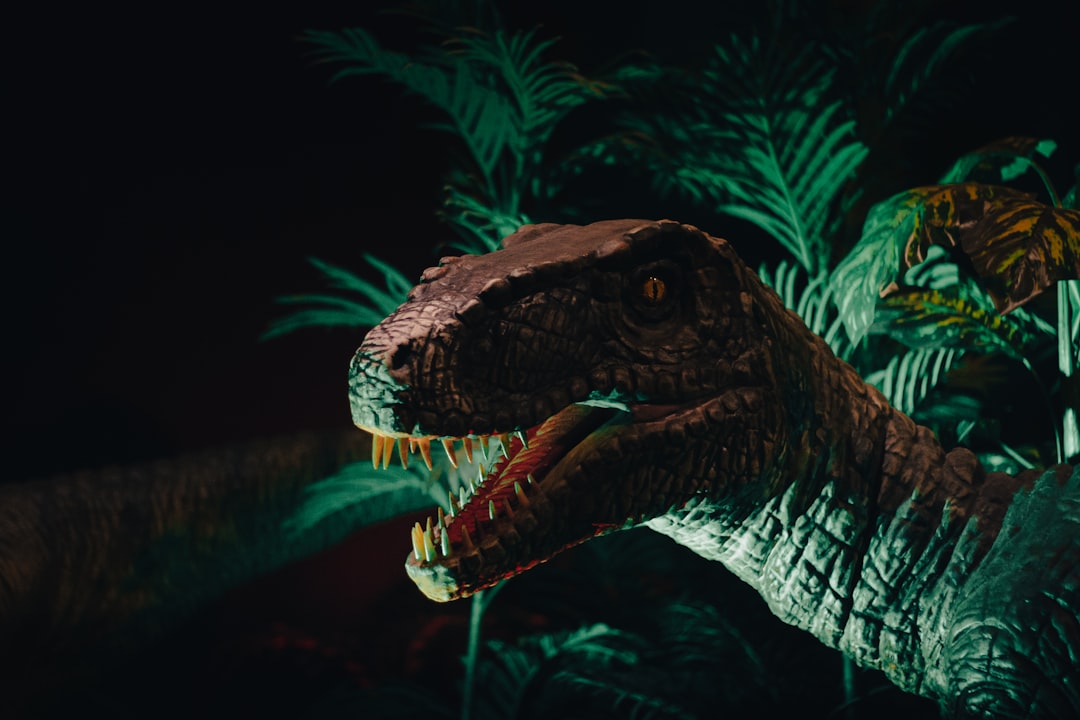
Dr. Ian Malcolm, the chaos theorist with a background in paleontology, found himself in a unique position during the Jurassic Park incident. Unlike Grant’s field experience, Malcolm’s expertise lay in mathematical models and theoretical frameworks. When confronted with genetically resurrected dinosaurs, he faced the terrifying reality that his chaos theory predictions about complex systems were playing out in real time.
Malcolm’s horror wasn’t just about the dangerous creatures—it was about witnessing the inevitable collapse of a system he had predicted would fail. His mathematical models had suggested that Jurassic Park’s ecosystem would spiral into chaos, but seeing raptors systematically testing fences and T-Rex breaking containment exceeded even his worst-case scenarios.
The mathematician-turned-survivor had to confront the fact that his theoretical understanding of complex systems, while accurate in predicting failure, couldn’t prepare him for the visceral reality of facing apex predators that had been extinct for 65 million years.
Professor Summerlee’s Scientific Skepticism Crumbles

Professor Summerlee, Challenger’s rival in “The Lost World,” represented the scientific establishment’s skepticism toward extraordinary claims. His journey to the plateau was initially motivated by a desire to debunk Challenger’s seemingly impossible discoveries. However, when faced with living pterodactyls and massive dinosaurs, his methodical approach to scientific verification became both his strength and his weakness.
Summerlee’s meticulous documentation habits, honed through years of academic research, proved invaluable when cataloging species that defied classification. Yet his rigid adherence to established scientific principles made it difficult for him to accept what he was witnessing. The professor found himself torn between his scholarly integrity and the undeniable evidence before his eyes.
His transformation from skeptic to believer illustrates the profound impact that revolutionary discoveries can have on even the most conservative scientific minds. Summerlee had to abandon decades of certainty to embrace a reality that challenged everything he thought he knew about extinction and evolution.
Dr. Sarah Harding’s Behavioral Mysteries on Site B
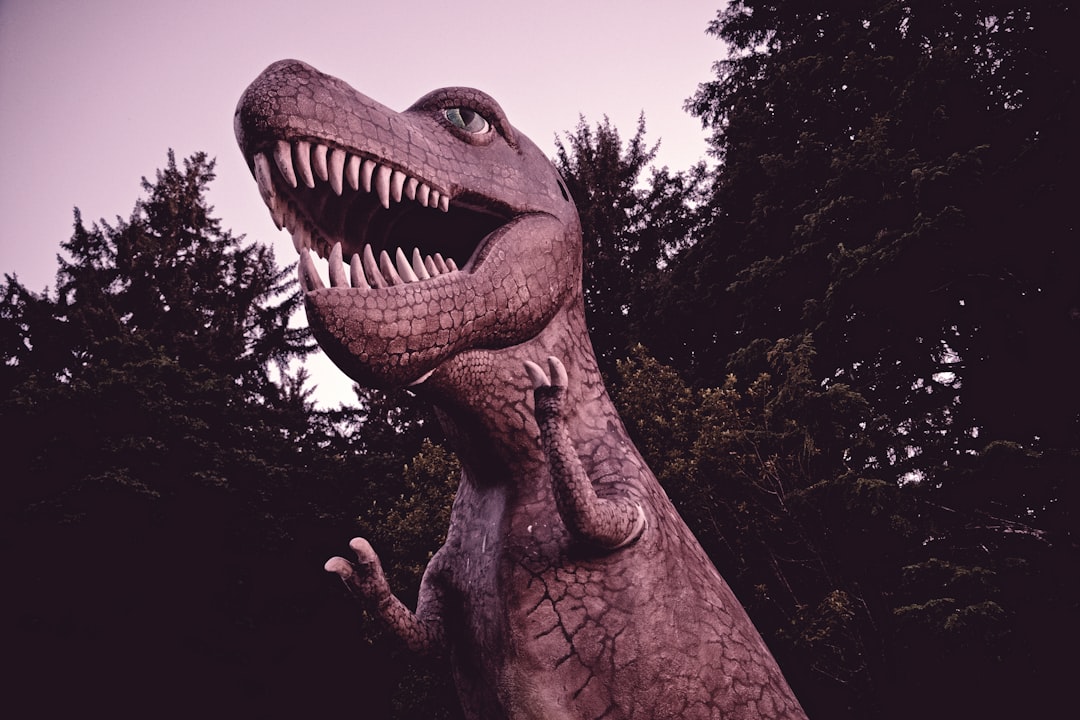
Dr. Sarah Harding, the behavioral paleontologist in “The Lost World: Jurassic Park,” faced challenges that went far beyond traditional fossil analysis. Her expertise in predicting dinosaur behavior based on modern animal analogies became both crucial and insufficient when dealing with genetically modified prehistoric creatures. The dinosaurs on Site B displayed behaviors that didn’t match any known patterns from either the fossil record or modern animals.
Harding discovered that these creatures had developed social structures and hunting strategies that seemed to blend characteristics from multiple species. The velociraptors showed pack coordination that surpassed even modern wolves, while the T-Rex family unit displayed protective behaviors that contradicted theories about theropod parenting.
Her fieldwork revealed that genetic engineering had created behavioral anomalies that no amount of traditional paleontological study could have predicted. These creatures were evolutionary wildcards, operating outside the normal parameters of natural selection and adaptation.
The Paleontologist’s Dilemma in “The Beast from 20,000 Fathoms”
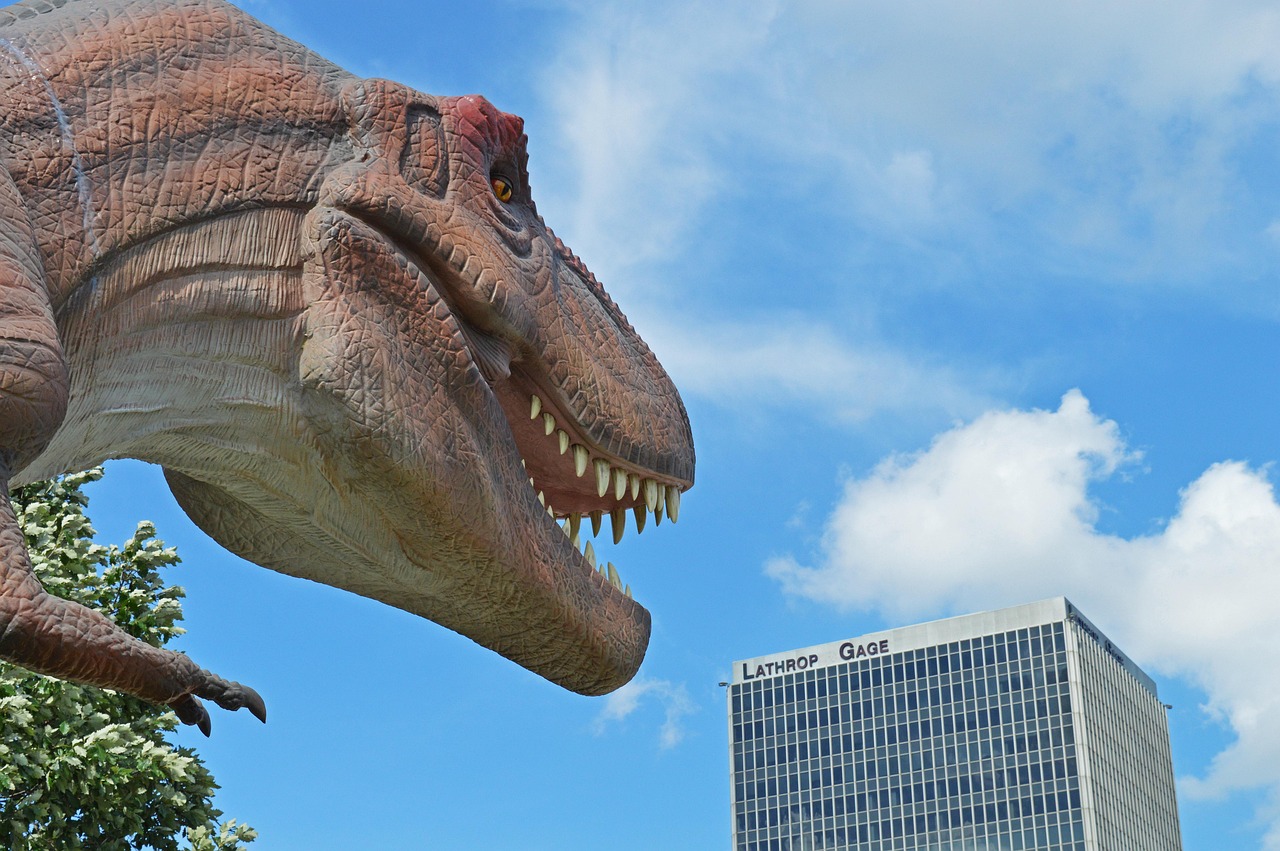
In the classic monster film “The Beast from 20,000 Fathoms,” paleontologist Dr. Thurgood Elson faced the ultimate challenge of identifying a creature that seemed to defy classification. The beast, awakened from Arctic ice by nuclear testing, displayed characteristics that didn’t match any known prehistoric species. Elson’s expertise in comparative anatomy became crucial as he attempted to understand this creature’s origins and predict its behavior.
The doctor’s struggle went beyond simple species identification. This creature showed adaptations that suggested it had survived in suspended animation for millions of years, raising questions about metabolic processes and cellular preservation that challenged basic biological principles. Elson had to rapidly develop new theories about prehistoric survival mechanisms.
His race against time to understand the creature’s weaknesses while it terrorized New York City represents the ultimate pressure test for any paleontologist. Academic knowledge had to be applied in real-world, life-or-death situations.
Cave Expedition Discoveries in “The Descent”
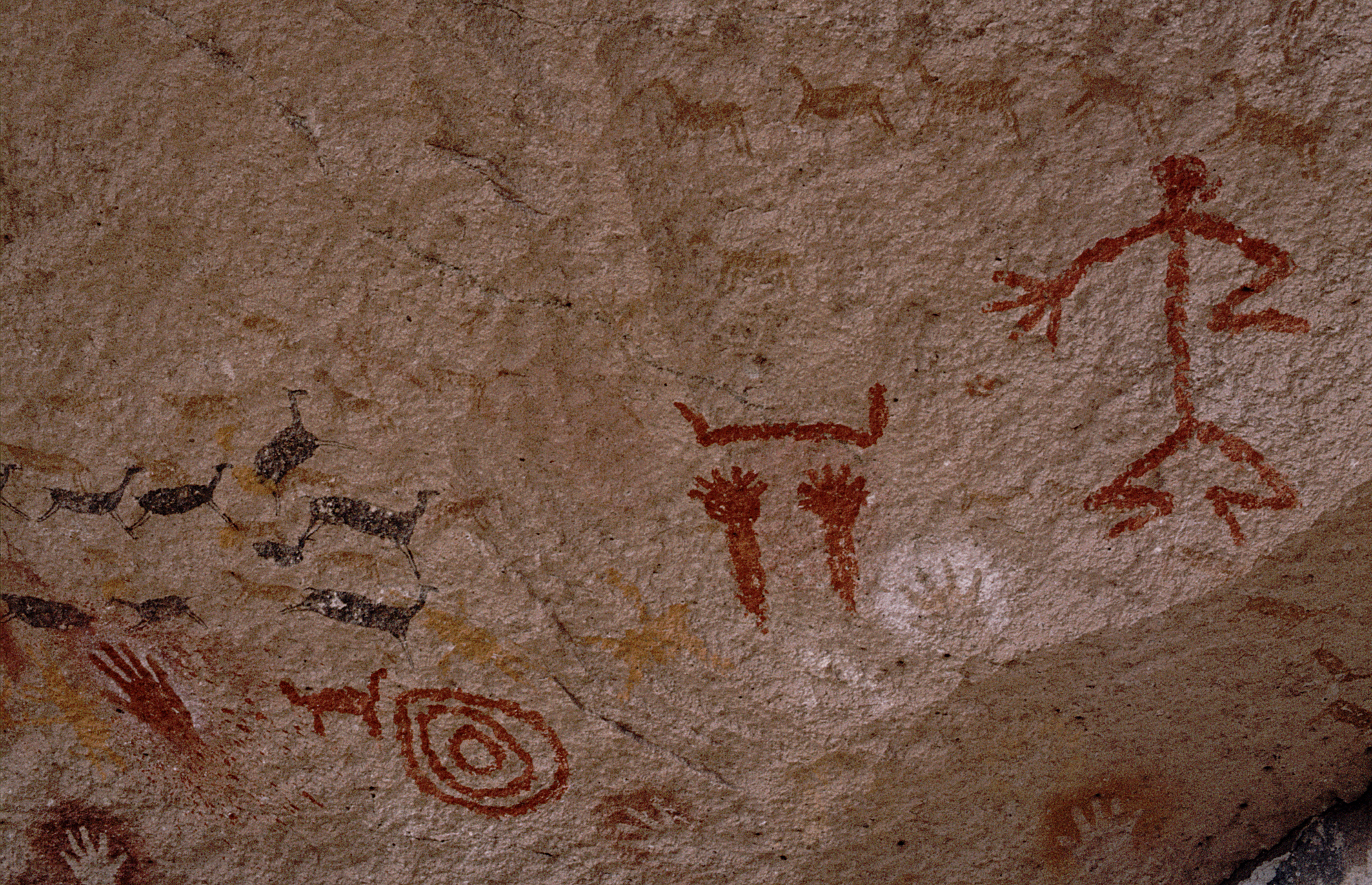
While not strictly paleontologists, the characters in “The Descent” encountered creatures that would have baffled any expert in prehistoric life. The cave-dwelling humanoids they discovered represented a potential evolutionary branch that had developed in complete isolation. These creatures displayed adaptations that suggested millions of years of underground evolution, creating a living fossil situation that defied conventional understanding.
The creatures’ enhanced senses, particularly their echolocation abilities and light sensitivity, indicated evolutionary pressures that had shaped them in ways that traditional paleontology couldn’t explain. Their social structures and hunting behaviors suggested intelligence levels that challenged assumptions about early human evolution.
Any paleontologist studying these creatures would have faced questions about human evolutionary branches that mainstream science had never considered. The discovery would have required completely rewriting the human family tree.
Underground Ecosystem Revelations in “The Cave”

The biologists and spelunkers in “The Cave” discovered an entire underground ecosystem that had evolved in isolation for millions of years. The creatures they encountered represented evolutionary adaptations that pushed the boundaries of what biologists thought possible. The parasitic organisms that could alter host DNA challenged basic principles of genetics and evolution.
These creatures displayed rapid adaptation abilities that suggested accelerated evolutionary processes. Their capacity to incorporate genetic material from different hosts created hybrid characteristics that defied traditional taxonomic classification. Any paleontologist studying these organisms would have questioned fundamental assumptions about genetic stability and species boundaries.
The ecosystem’s complexity, with its intricate predator-prey relationships and symbiotic partnerships, represented millions of years of isolated evolution. Understanding these relationships would require developing entirely new frameworks for studying prehistoric ecosystems.
Time Travel Complications in “Sound of Thunder”

In the time travel story “A Sound of Thunder,” paleontologists faced the ultimate challenge of studying creatures in their natural prehistoric environment. However, the time travel element introduced complications that no traditional paleontologist could have anticipated. The hunters discovered that their presence in the past could create ripple effects that altered the evolutionary timeline.
The expedition members had to grapple with the realization that their observations might be changing the very creatures they were studying. This created a paradox where the act of paleontological research was potentially altering the fossil record they would later discover.
The story highlights the theoretical nightmare of any paleontologist: discovering that their understanding of prehistoric life might be fundamentally flawed due to unknown variables affecting the evolutionary process.
Genetic Engineering Mysteries in “Carnosaur”
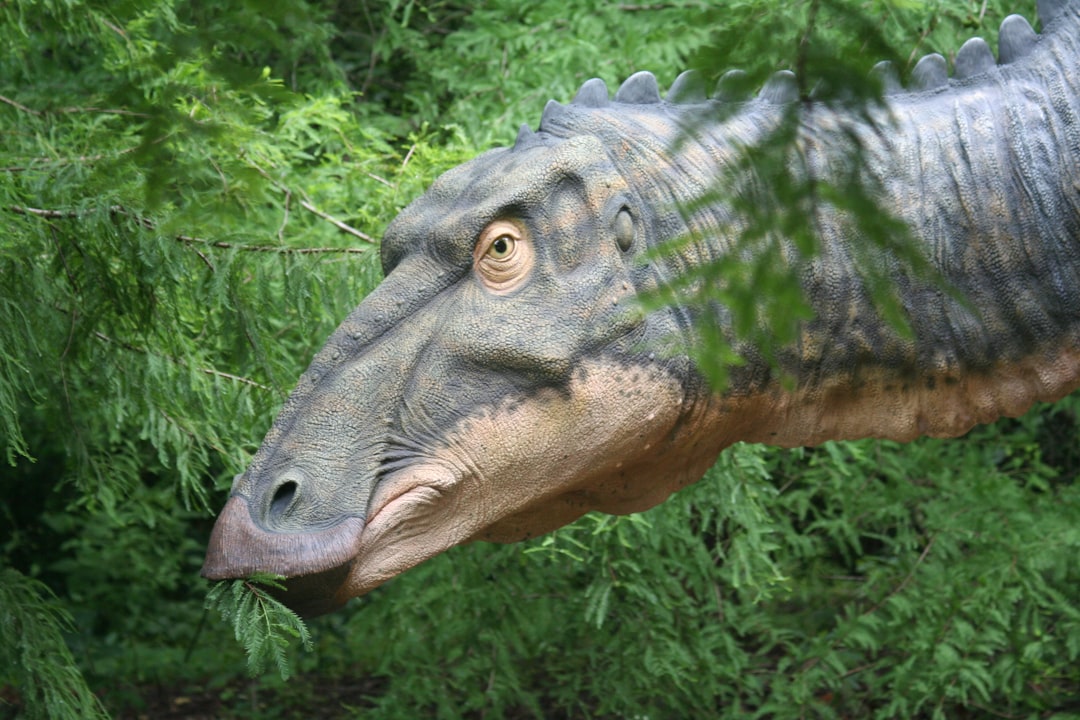
In the “Carnosaur” series, paleontologists faced creatures that were products of genetic engineering rather than natural evolution. Dr. Jane Tiptree’s work with dinosaur DNA created beings that combined characteristics from multiple species, resulting in creatures that defied traditional classification systems. These hybrid dinosaurs displayed behavioral patterns that couldn’t be predicted using standard paleontological methods.
The genetically modified creatures exhibited enhanced intelligence and aggression levels that surpassed their natural ancestors. Their ability to adapt quickly to modern environments suggested genetic modifications that had accelerated their evolutionary capabilities.
Any paleontologist studying these creatures would have faced the challenge of separating natural characteristics from artificial enhancements, making it impossible to draw conclusions about authentic prehistoric behavior.
Antarctic Mysteries in “The Thing”
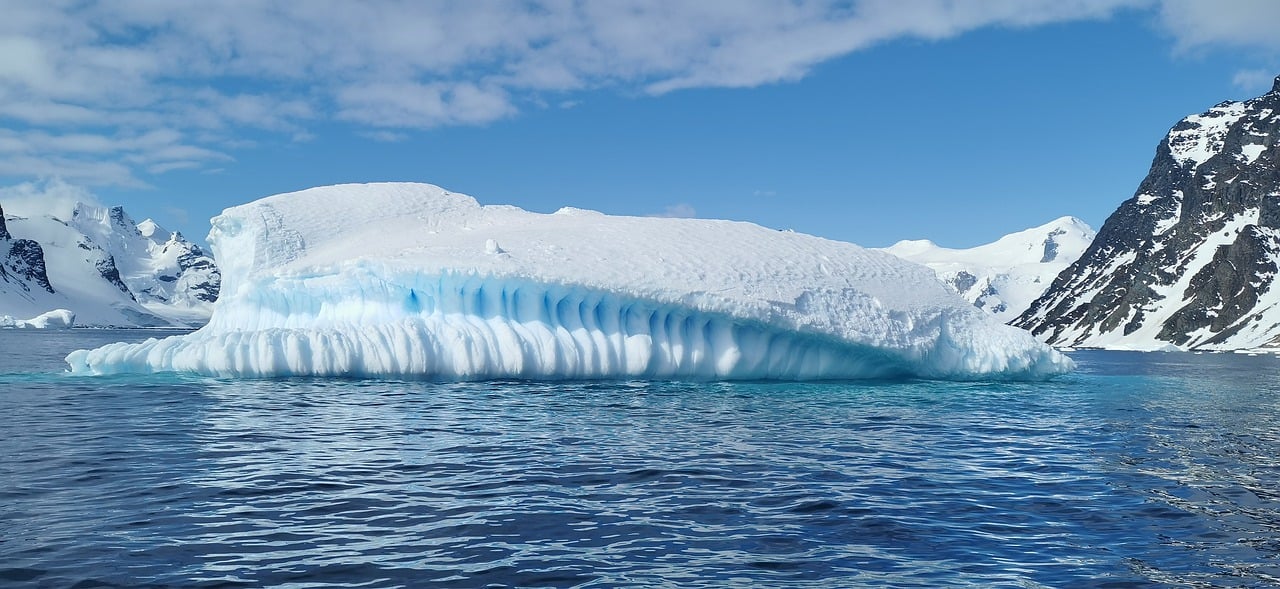
While primarily a horror story, “The Thing” featured paleontologists who discovered a creature that challenged every assumption about prehistoric life. The alien organism’s ability to perfectly mimic other life forms suggested biological capabilities that exceeded anything in Earth’s evolutionary history. The creature’s cellular structure and reproductive methods defied classification within any known taxonomic system.
The paleontologists’ attempts to study the creature using traditional methods proved futile, as it operated according to biological principles that didn’t exist on Earth. Its ability to assimilate and replicate other organisms suggested genetic manipulation capabilities that were beyond current scientific understanding.
The discovery forced the researchers to question whether similar organisms might exist in Earth’s fossil record, potentially explaining evolutionary anomalies that had puzzled scientists for decades.
Deep Sea Discoveries in “The Meg”
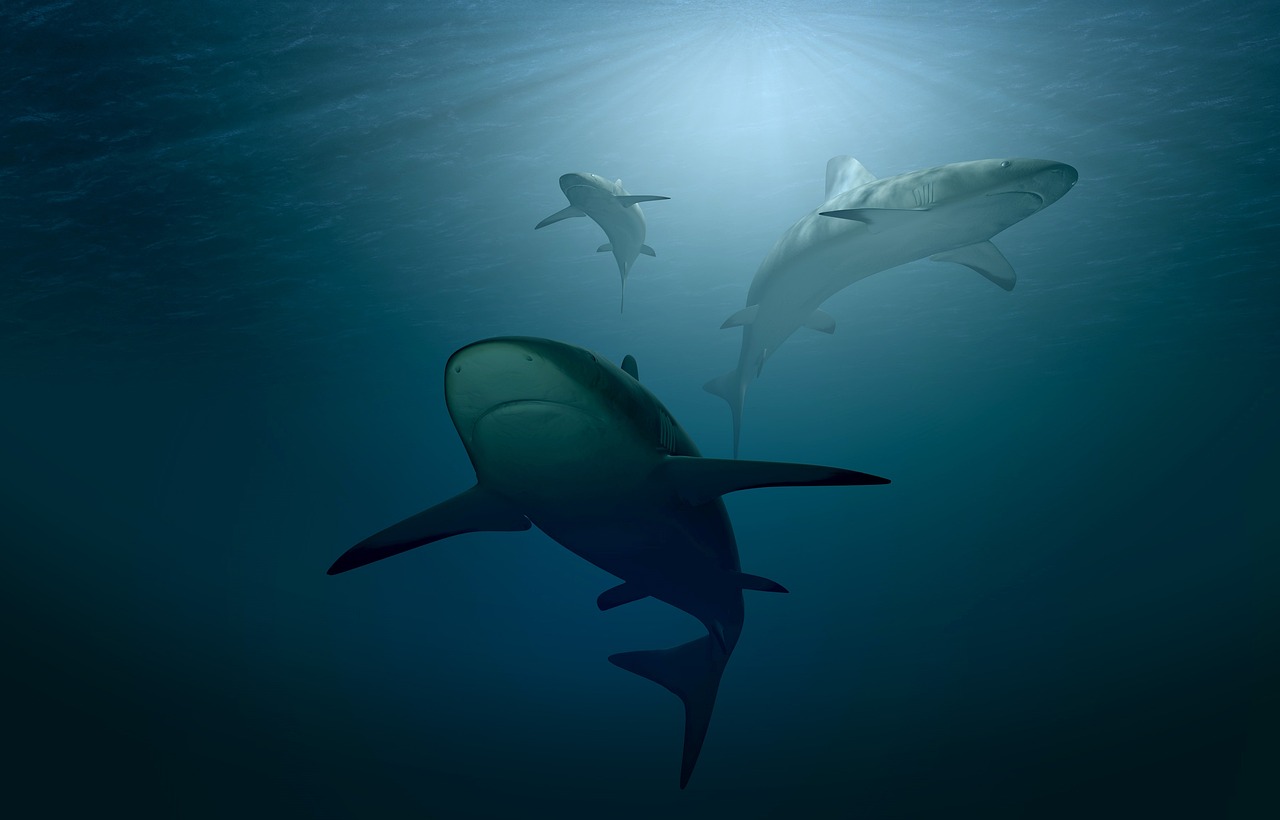
The paleontologists in “The Meg” faced the shocking reality that Megalodon, the massive prehistoric shark, had survived in the deepest parts of the ocean. This discovery challenged fundamental assumptions about extinction patterns and deep-sea ecosystems. The creatures’ ability to survive in extreme pressure environments suggested adaptations that weren’t evident in the fossil record.
The living Megalodons displayed behaviors and characteristics that fossil evidence had never suggested. Their intelligence levels and social structures exceeded what paleontologists had theorized about prehistoric sharks based on skeletal remains alone.
The discovery raised questions about what other “extinct” species might be thriving in unexplored environments, forcing scientists to reconsider their understanding of extinction events and species survival strategies.
Arctic Revelations in “The Last Winter”
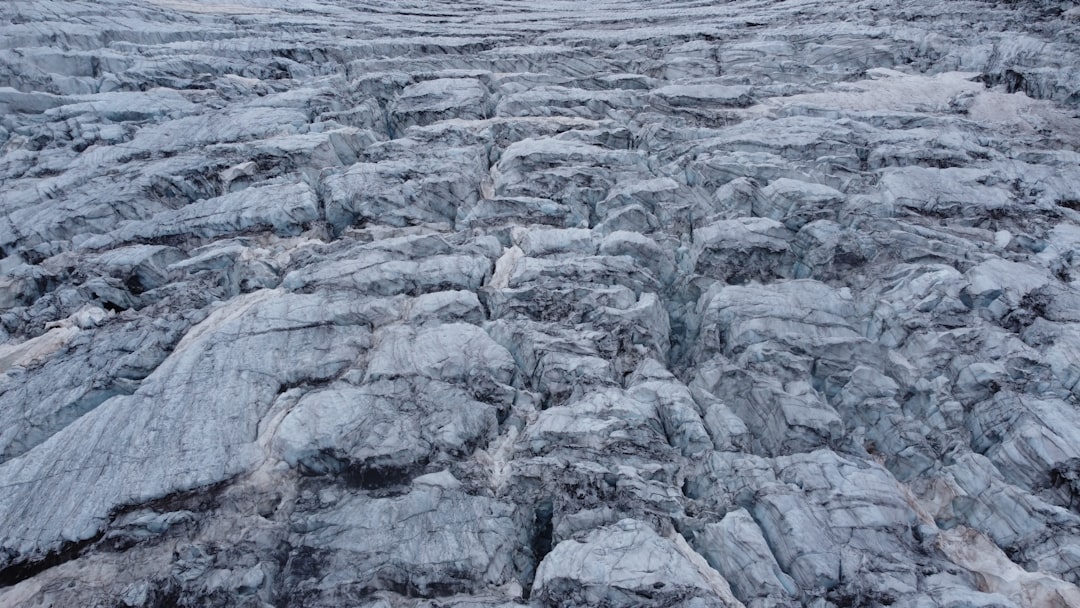
In “The Last Winter,” researchers encountered creatures that seemed to emerge from melting permafrost, suggesting that climate change was releasing prehistoric organisms that had been preserved in ice for millions of years. These creatures displayed characteristics that challenged understanding of how life could survive in suspended animation for geological time periods.
The organisms’ ability to remain viable after millions of years of freezing contradicted established principles of cellular biology and preservation. Their rapid adaptation to modern atmospheric conditions suggested metabolic processes that were unknown to contemporary science.
Any paleontologist studying these creatures would have faced questions about how many other prehistoric organisms might be preserved in ice, waiting to be released by changing climate conditions.
Volcanic Island Mysteries in “King Kong”
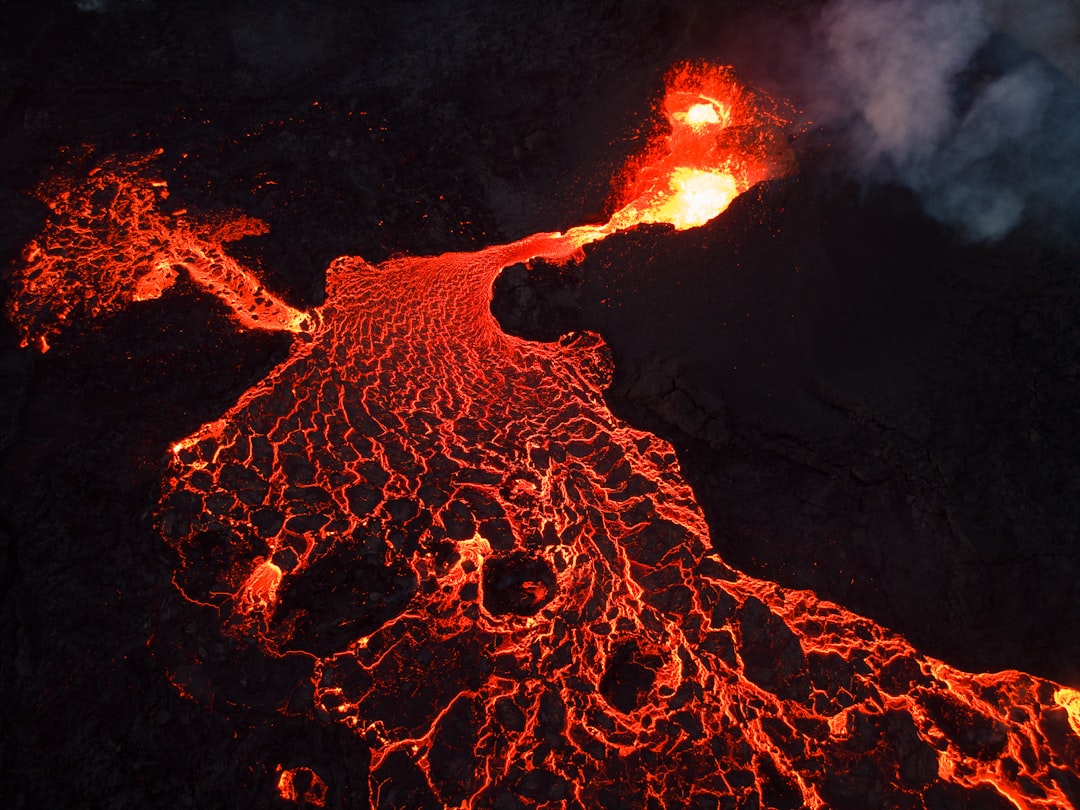
The expedition to Skull Island in various “King Kong” adaptations revealed an ecosystem where prehistoric creatures had continued evolving in isolation. The island’s unique geological features had created evolutionary pressures that produced creatures unlike anything in the fossil record. Kong himself represented a primate evolution that had taken a completely different path from known hominid development.
The island’s diverse ecosystem included dinosaurs, giant insects, and other creatures that had developed characteristics not seen in their mainland ancestors. The isolation had created evolutionary experiments that challenged standard theories about species development and adaptation.
Paleontologists studying Skull Island would have discovered that geographic isolation could produce evolutionary outcomes that were impossible to predict based on continental fossil records alone.
Conclusion: When Science Meets the Impossible

These fictional encounters reveal a fascinating pattern: when paleontologists face creatures that defy explanation, they’re forced to abandon their preconceived notions and adapt their understanding in real time. Whether dealing with living dinosaurs, genetically modified organisms, or evolutionary anomalies, these scenarios highlight the limitations of studying life through fossils alone.
The common thread in these stories is the humbling realization that our understanding of prehistoric life is built on incomplete information. Every fossil tells only part of the story, and the behavior, intelligence, and adaptability of these creatures often exceeded what bones and trace fossils could reveal.
These tales serve as reminders that science progresses through constant questioning and revision of established theories. Even in fiction, the greatest discoveries come to those who remain open to possibilities that challenge everything they thought they knew. What mysteries might be waiting in the depths of our oceans, frozen in polar ice, or hidden in unexplored corners of our planet?