Dinosaurs have fascinated us for nearly two centuries. You’ve seen them in blockbuster films, museum halls, and children’s books. You think you know them. Yet, here’s the honest truth: for all the bones we’ve dug up, all the teeth we’ve analyzed, and all the scans we’ve run, paleontologists are still scratching their heads over some of the most fundamental questions about these creatures. The Age of Dinosaurs lasted an almost incomprehensible stretch of time, and the fossil record, for all its richness, is riddled with gaps.
Some of these mysteries are more surprising than you’d expect. We’re not just talking about minor details. We’re talking about big, foundational questions: questions about how they sounded, whether they were warm-blooded, and even where the very first dinosaur came from. Dinosaurs may be long extinct, but recent years have made it abundantly clear that they’re anything but settled science. New fossils, reanalyses of famous specimens, and the use of increasingly sophisticated tools have continued to upend what we thought we knew about how these animals lived, moved, fed, and evolved. Let’s dive in.
Where Did the Very First Dinosaur Come From?
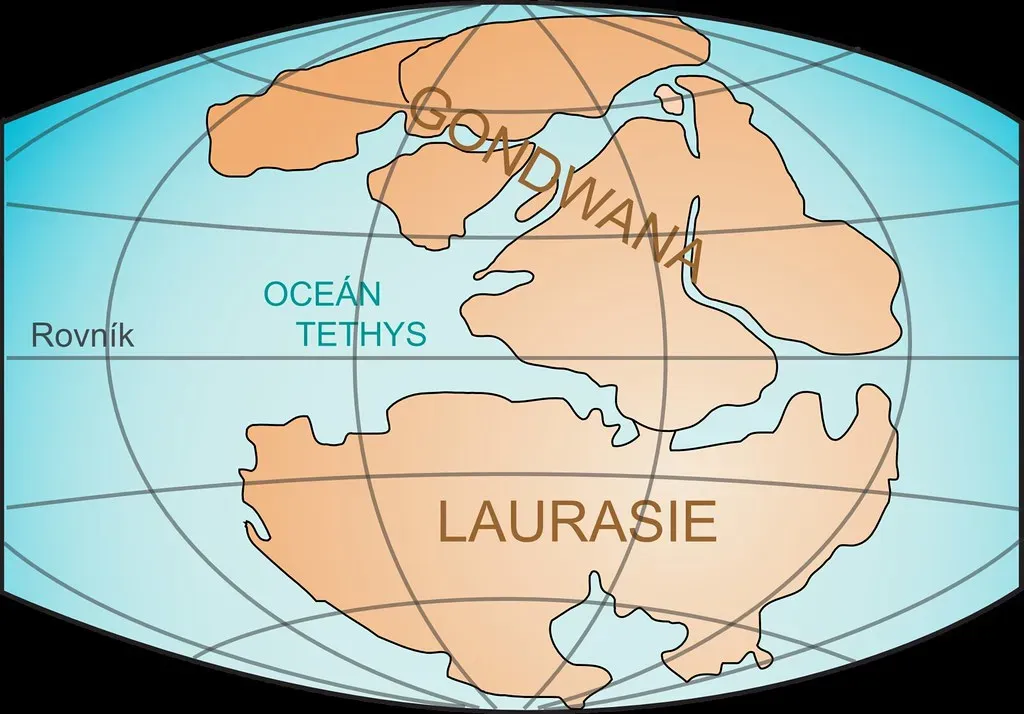
You’d think that after more than 150 years of fossil hunting, we’d at least know where dinosaurs originated. Spoiler: we still don’t, not with any real certainty. The remains of the earliest dinosaurs may lie undiscovered in the Amazon and other equatorial regions of South America and Africa, suggests a new study. That’s a humbling thought. We’ve been looking in all the wrong places, possibly for decades.
Using historical biogeographic estimation methods, some researchers consider low-latitude Gondwana to be the most likely area of origin of dinosaurs. Others have studied the biogeography of Late Triassic dinosaurs and interpreted the fossil record as consistent with a South American origin, followed by simultaneous dispersals into Laurasia and east Gondwana. The debate is very much alive. This interpretation was reassessed by other researchers who recognized that methodological issues in the original analysis, including inadequate search parameters and matrix design, render its conclusions about dinosaur origins unreliable. Science, as always, is a messy process of revision and re-revision.
Were Dinosaurs Warm-Blooded, Cold-Blooded, or Something Else Entirely?
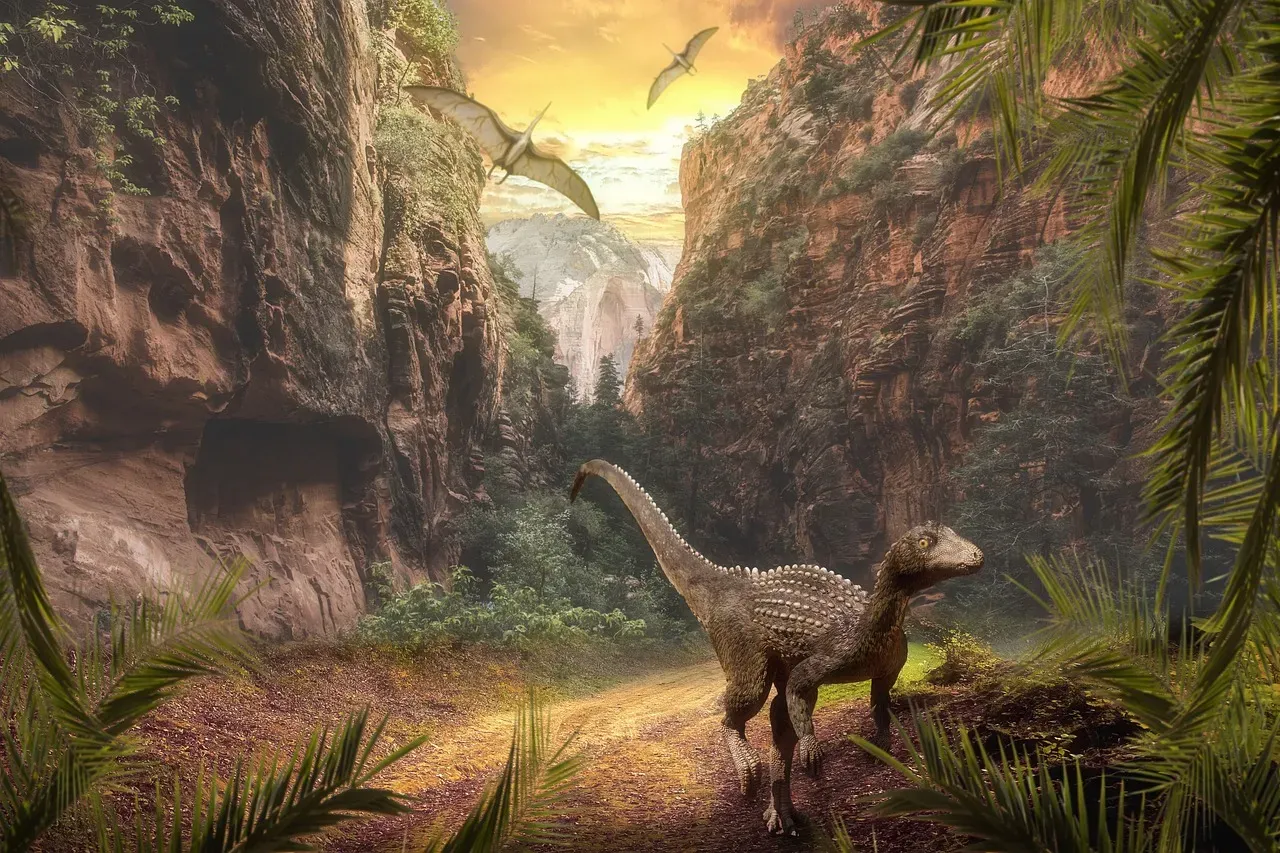
This might be the single most debated question in all of paleontology. Were dinosaurs cold-blooded like modern reptiles, baking in the sun to warm up? Or were they hot, fast, and internally regulated like birds and mammals? For decades, paleontologists have debated whether dinosaurs were warm-blooded, like modern mammals and birds, or cold-blooded, like modern reptiles. Knowing whether dinosaurs were warm or cold-blooded could give us hints about how active they were and what their everyday lives were like. The answer, it turns out, is far more interesting than either option.
The debate stakes out a rare middle ground in the long-running controversy: were dinosaurs cold-blooded ectotherms, which use the environment to adjust their internal temperature, or warm-blooded endotherms, which regulate their body temperature from within? A third possibility, called mesothermy, has emerged as a leading theory. Researchers concluded that many iconic dinosaurs such as Tyrannosaurus rex and the giant sauropods were warm-blooded, but that cold-bloodedness later emerged in some dinosaurs such as Stegosaurus. So the answer might not be one-size-fits-all. Different dinosaurs, different metabolisms. Honestly, that makes a strange kind of sense when you consider they ruled the Earth for over 160 million years.
What Did Dinosaurs Actually Sound Like?
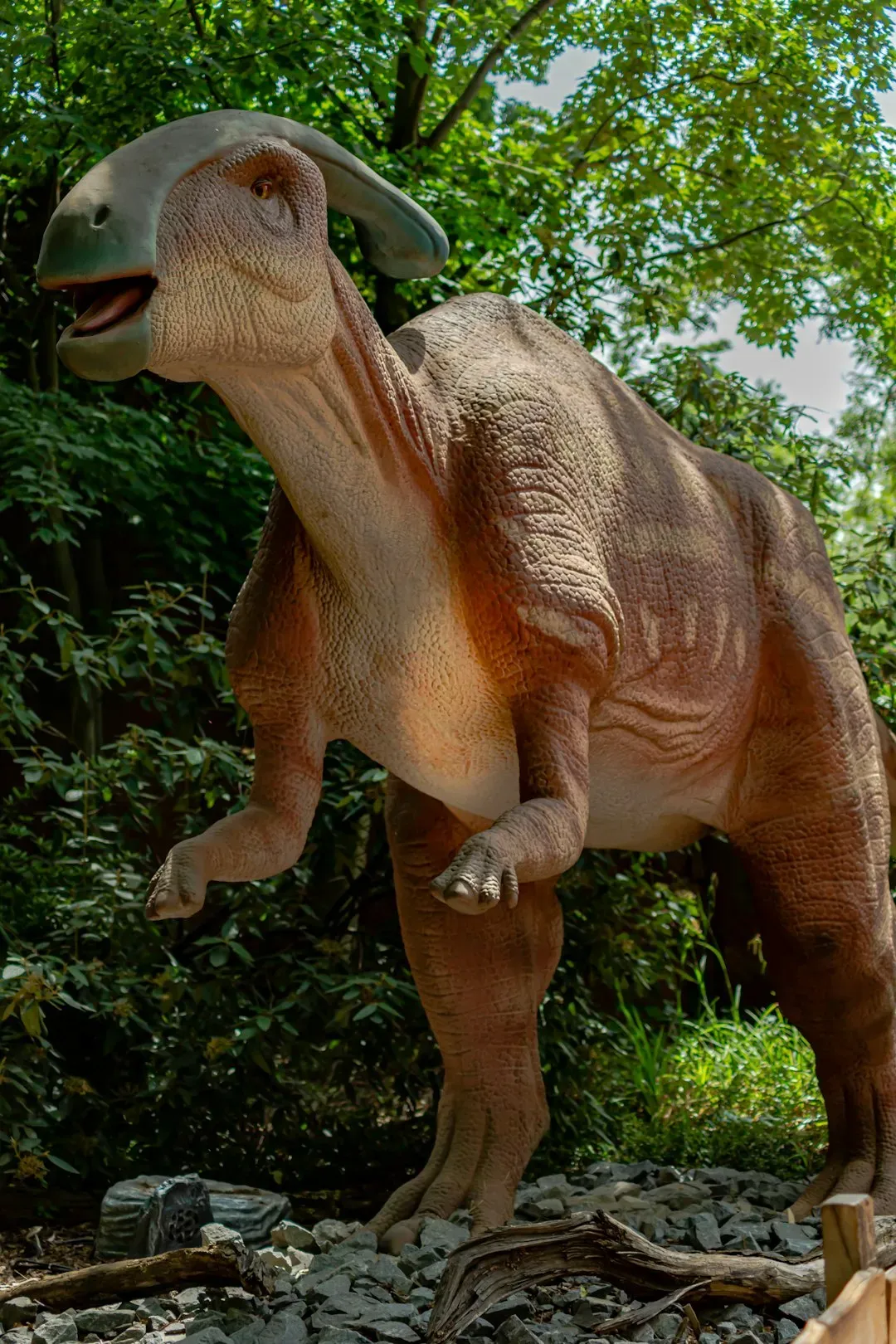
Forget everything you’ve heard in the movies. Those iconic roars you grew up with? Almost certainly fiction. Dinosaur vocalization is notoriously difficult to reconstruct. The sound-producing organs of their bodies generally decay soon after death, and relatively few species had bony features related to sound. It’s one of those tantalizing mysteries that the fossil record simply cannot answer directly.
Without preserved soft tissues, the nuances of the dinosaur vocal range remain out of earshot. Dinosaurs would have been able to make noise in other ways, possibly hissing, clapping jaws together, grinding mandibles against upper jaws, rubbing scales together, or using environmental materials like splashing against water. Meanwhile, some dinosaurs may have used their anatomy in surprisingly musical ways. Researchers suggest that crests like those of Parasaurolophus functioned as resonating chambers, amplifying and modifying sounds generated by the dinosaur’s vocal cords, and that Parasaurolophus could produce a range of low-frequency calls possibly used for territorial claims, mating rituals, or maintaining social cohesion within herds. Think of it less like a Hollywood roar and more like a deep, haunting foghorn echoing through a prehistoric jungle.
What Colors Were Dinosaurs?
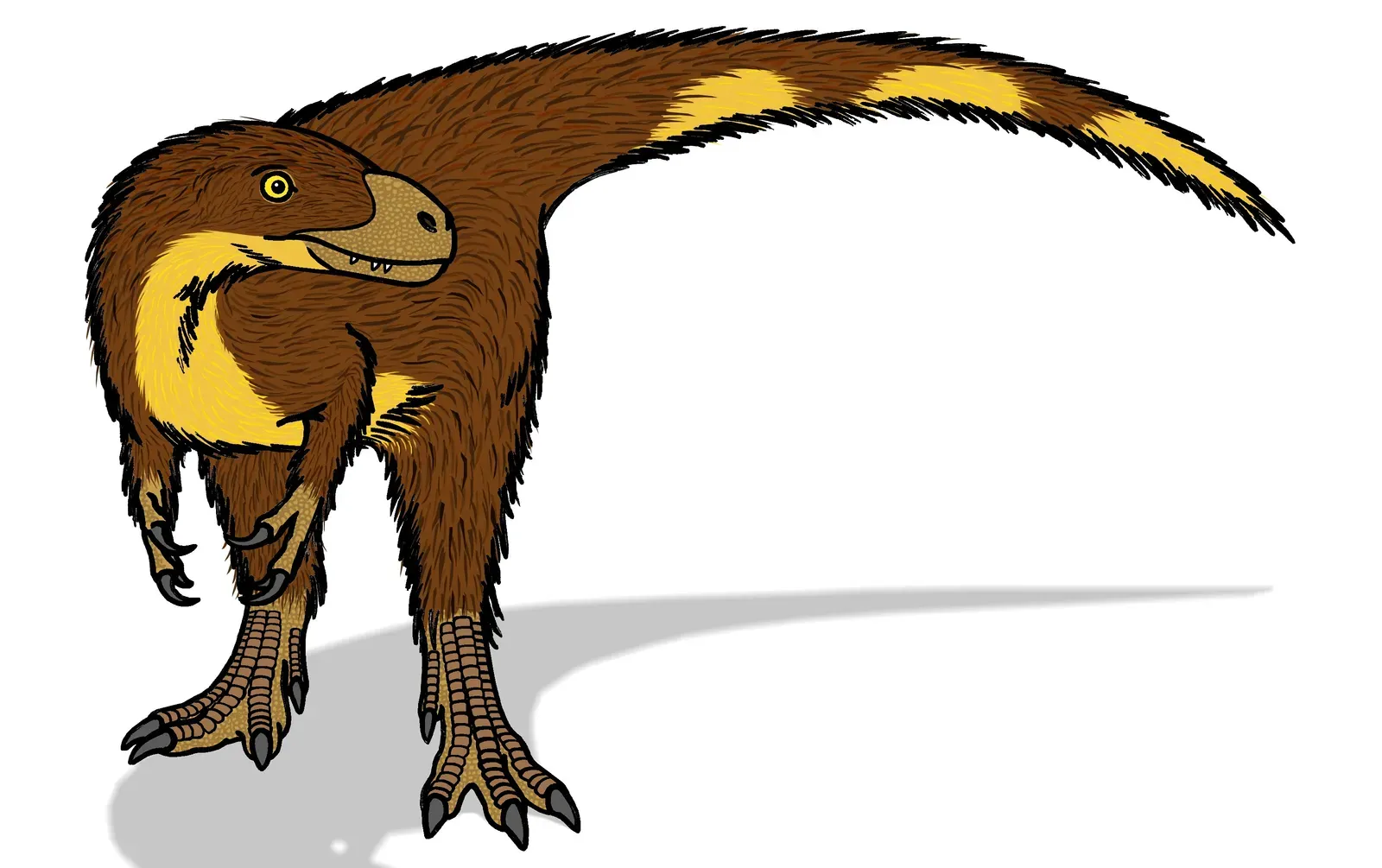
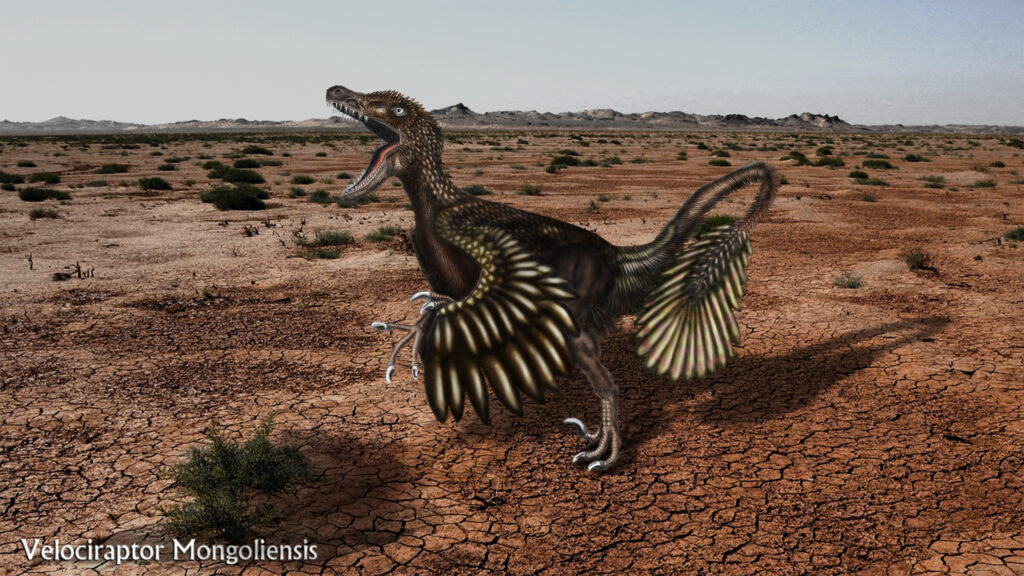
For most of paleontology’s history, dinosaur color was pure guesswork. Artists painted them grey, green, or brown because, well, nobody really knew. That began to change in a spectacular way. Paleontologists have recently pieced together the colors and patterns of some feathered dinosaurs, using electron microscopes to see tiny preserved structures that used to contain the pigments of the animals in life. This is something that scientists used to think was probably impossible. It’s one of those moments that makes you stop and appreciate how clever modern science really is.
In the case of Borealopelta, with a pattern of rusty red on top and light on the bottom, the shading might have been a way for the low-slung dinosaur to hide from the tyrannosaurs of the time. Other dinosaurs were flashier. The candy-cane tail of Sinosauropteryx was likely a social signal, used by these dinosaurs to communicate with each other when they met. Still, the color story is far from complete. Studying more specimens of the same species could reveal if males and females were the same colors or if they differed, and whether feathers underwent seasonal changes. Perhaps they turned white in winter as camouflage, or maybe feathers were different colors in different regions. You could spend a career just unraveling that one thread.
How Did Dinosaurs Reproduce and Care for Their Young?
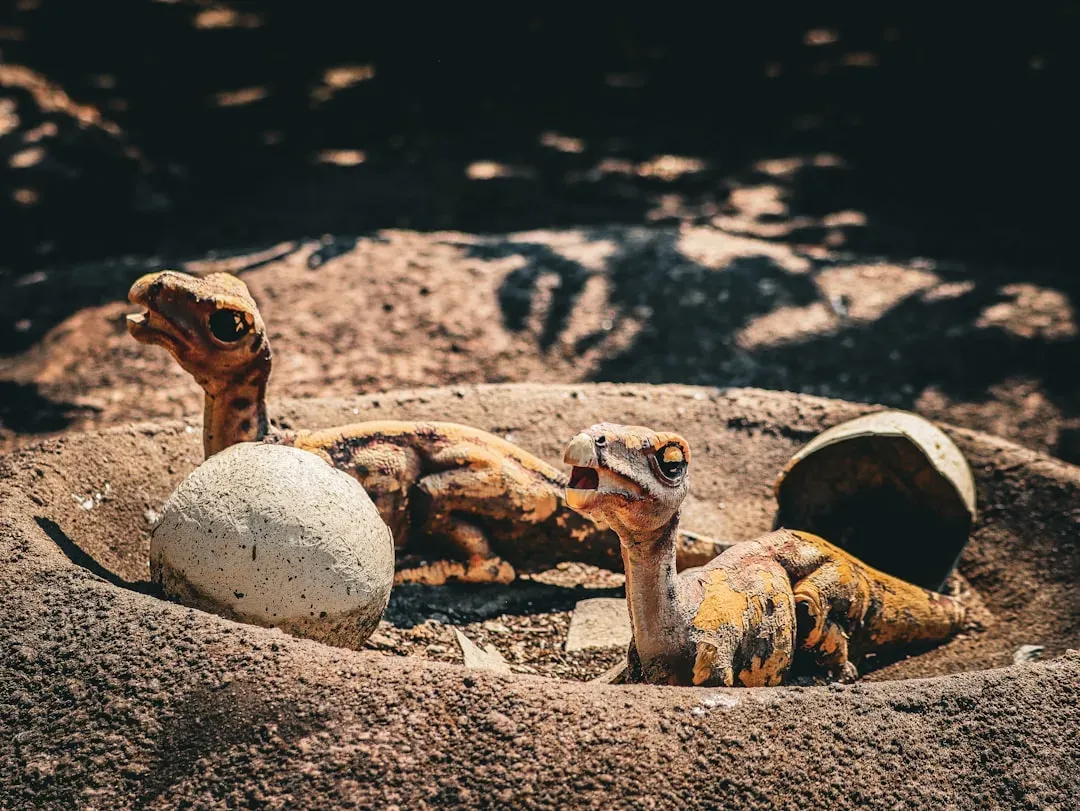
Every dinosaur hatched from an egg. That much is settled science. Everything beyond that gets complicated fast. Dinosaur eggs provide a crucial window into ancient reproductive behaviors and developmental biology. However, many details remain mysterious, such as embryonic preservation and the specific identification of species based on eggshell morphology. Think of it like trying to understand an entire species’ family life from a single cracked eggshell.
Many details remain mysterious, and recent advancements in imaging technology are allowing scientists to decode embryonic development stages, but many questions about nesting behaviors and parental care remain unsolved. There is, however, some tantalizing evidence of parenting. Researchers found that ancestors and early relatives of dinosaurs evolved a longer region of the inner ear called the cochlea, associated with hearing high-frequency sounds. The most likely reason proposed is that this adaptation allowed adult animals to hear the squeaks and chirps of their hatchlings, similar to the attentive parenting of modern-day alligators and crocodiles. So some dinosaurs may have been remarkably devoted parents, an image quite different from the lone, monstrous predators of popular imagination.
Why Did Non-Avian Dinosaurs Go Extinct While Birds Survived?
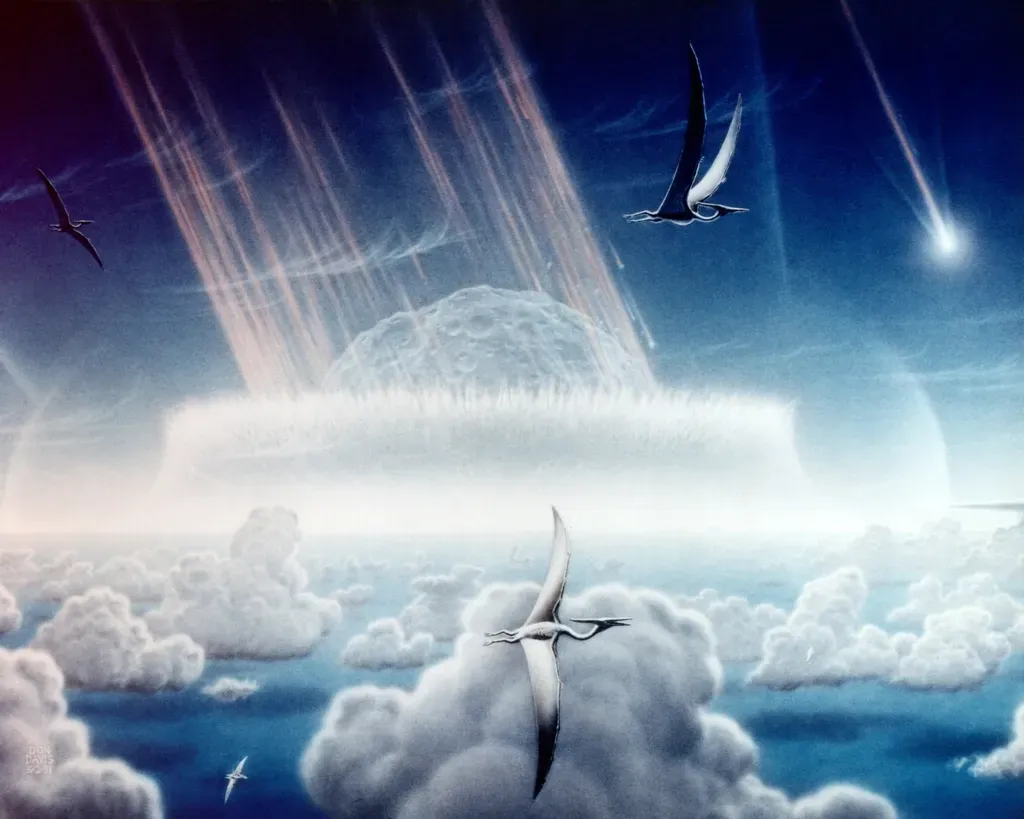
The asteroid theory is the most widely accepted explanation for the mass extinction that ended the Age of Dinosaurs. You probably already know that. Here’s the thing though: that theory still leaves a gaping, uncomfortable question wide open. As a theory, it leaves one big question unanswered. If the asteroid extinguished dinosaurs, why did birds, mammals, and crocodiles survive? That’s not a trivial question. It’s actually a profound one that gets to the heart of what made certain life forms resilient.
When it comes to why non-bird dinosaurs became extinct about 65 million years ago, the honest answer is: we don’t know. That question is unanswerable based solely on the fossil record. Various ideas have been proposed over the decades. The asteroid theory wasn’t always widely accepted. Previous generations of scientists put the extinction of dinosaurs down to gradual climate change and volcanic activity. What we do know is that new evidence suggests dinosaurs were spinning off new species right until the end, hinting that undiscovered dinosaurs may still be lying in rocks that date to just before the mass extinction. They weren’t a species in decline. Whatever hit them, it hit fast.
Who Were the Very Biggest Dinosaurs, and How Big Were They Really?
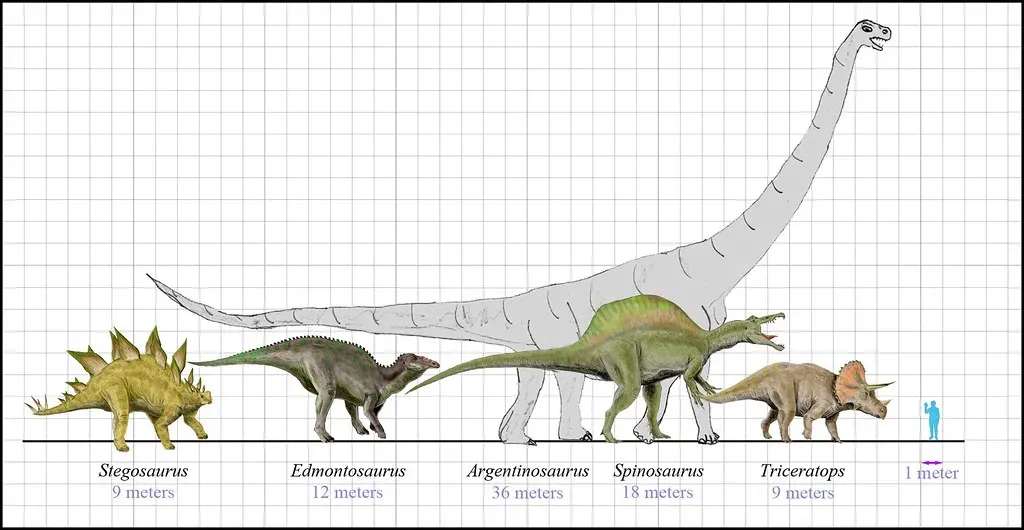
You might assume we have a definitive answer on which dinosaur was the largest animal to ever walk the Earth. We don’t. Not even close. There’s so much leeway in our estimates because the biggest dinosaurs are only known from partial skeletons, typically less than half of a skeleton down to maybe one part of a single bone. That means paleontologists have to rely on smaller, more complete cousins of the giants to come up with size estimates, and these figures are often revised as researchers unearth new fossils. Every few years, somebody digs up something bigger, and the leaderboard shifts.
With so many huge dinosaurs topping out at around the same size, we need more complete fossils for a definitive size check. Given how many times hefty sauropods evolved, along with the amount of fossil outcrops that are yet unexplored, the biggest one could still be awaiting discovery. It’s a bit like trying to rank the tallest people in history when most of their medical records have been lost. Researchers have reviewed methods used to estimate body mass of extinct animals and presented new estimates of body segment mass properties for dozens of non-avian dinosaurs. Even the science of measuring them is still being refined.
How Did Dinosaurs Learn to Fly?
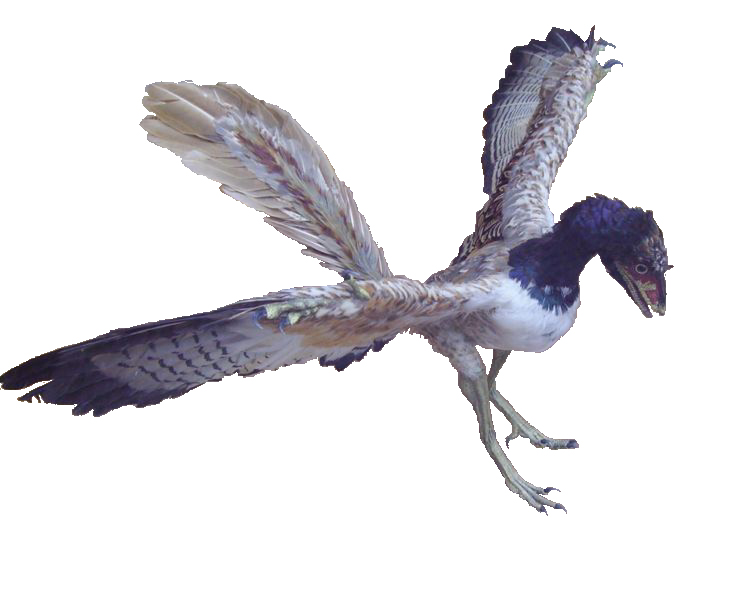
This is arguably one of the most spectacular unsolved puzzles in all of evolutionary biology. You know that birds descended from dinosaurs. What you might not realize is that the exact sequence of steps that turned a ground-dwelling theropod into a creature capable of powered flight is still hotly contested. How dinosaurs evolved into birds capable of powered flight remains deeply uncertain. Fossils like Archaeopteryx show transitional forms, yet the sequence of adaptations from feathers for insulation or display to their use in flight is still under debate. Multiple flight models, including the “trees-down” versus “ground-up” hypotheses, complicate the story. It’s one of those problems that keeps generating new research precisely because no single answer has yet stuck.
The “trees-down” hypothesis, now out of favor, envisioned arboreal dinosaurs that could glide before they started flapping. The more popular “ground-up” scenarios suggest that dinosaurs started flapping on the ground, perhaps to better run up inclined surfaces or pin down prey, as a run-up to becoming airborne. Ongoing aerodynamic research on feathery dinosaurs is starting to provide a new look at when and how dinosaurs learned to fly, but for the moment, the details are waiting to be teased out of the fossil record. Think about that. The most abundant bird life you see every day, from the sparrow on your windowsill to the hawk circling overhead, owes its existence to a transition we still haven’t fully mapped. It’s humbling, if you really sit with it.
Conclusion: The More We Dig, The More Questions We Unearth
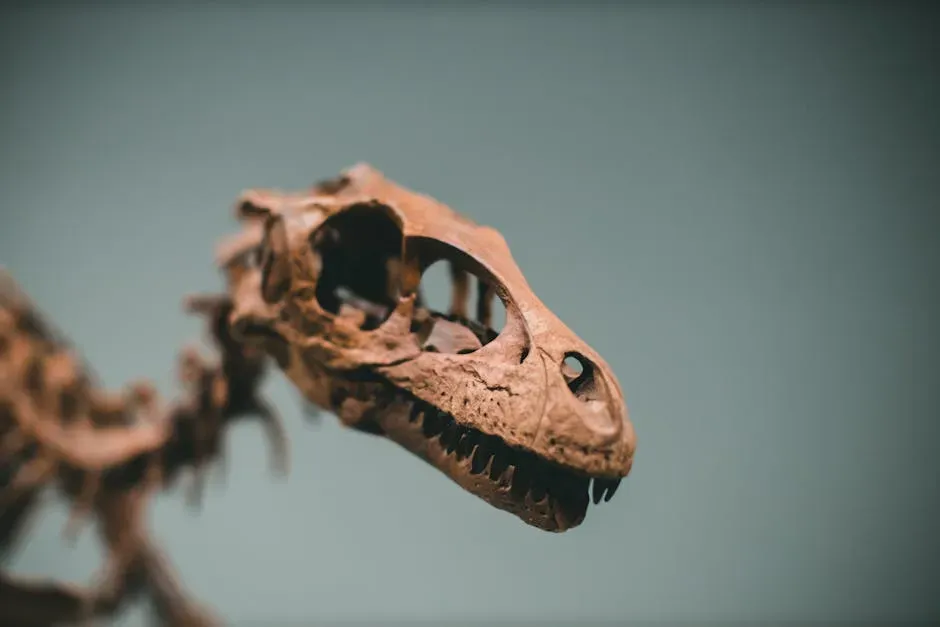
Here’s what strikes me most about all of this: we live in an era of extraordinary scientific tools. CT scanners, isotopic analysis, electron microscopes, advanced 3D modeling. And yet, some discoveries filled in long-missing gaps in the fossil record, while others forced researchers to confront the uncomfortable reality that a few long-held assumptions were simply wrong. From reinterpretations of iconic predators to ancient trackways that capture fleeting moments of Jurassic life, research continues to show how much information is still locked inside bones, teeth, and footprints that have been studied for decades.
The Age of Dinosaurs lasted far longer than humans have even existed. It’s almost unreasonable to expect that a handful of centuries of digging could ever fully decode 165 million years of life. Our understanding of dinosaurs is evolving all the time, but there are still many things we don’t know. This is partly because our knowledge mostly comes from the fossil record, those ancient bones preserved in rock, and the fossil record is, by definition, incomplete. Perhaps that’s not frustrating, though. Perhaps that’s exactly what makes paleontology one of the most thrillingly open-ended sciences alive today.
Every shovel of dirt could contain the answer that rewrites everything. What question about the dinosaur age surprises you most? Tell us in the comments.