
Have you ever wondered why some days feel heavier than others? Why does it seem like no matter what you do, happiness remains just out of reach? Sometimes the answer isn’t in some grand life event or dramatic circumstance. It’s hiding in plain sight, embedded in the daily routines you barely notice anymore.
Your everyday habits have more power over your emotional wellbeing than you might realize. The connection between daily habits and mental health is stronger than most people realize. Think of your habits as tiny investments, either deposits into your happiness account or quiet withdrawals that leave you emotionally bankrupt. The tricky part is that these withdrawals often feel harmless in the moment. So let’s dive in and uncover which patterns might be draining your joy without you even knowing it.
Scrolling Your Way Into Sadness

The problem arises when social media use becomes compulsive, when you find yourself scrolling for hours without purpose, or when your self-worth becomes tied to likes and comments. You know the drill. You pick up your phone to check one thing, and suddenly an hour has vanished while you’ve been deep in someone else’s highlight reel. Every perfectly filtered photo, every carefully crafted caption, every seemingly perfect life can chip away at your sense of self.
Evidence is mounting that there is a link between social media and depression. In several studies, teenage and young adult users who spend the most time on Instagram, Facebook and other platforms were shown to have a substantially (from 13 to 66 percent) higher rate of reported depression than those who spent the least time. The constant comparison creates a toxic environment where you’re always measuring yourself against an impossible standard. The constant comparison, curated perfection, and fear of missing out create a toxic well-being for mental well-being.
Skipping Movement and Staying Put

Research indicates that individuals who do not engage in regular exercise are at a higher risk of developing mood disorders. Lack of movement can lead to lethargy, decreased motivation, and hopelessness. Your body is designed to move, not to spend hours glued to a chair or couch. When you exercise, something almost magical happens inside your brain.
When you exercise, your body releases endorphins, which can make you feel happy and calm. If you choose to sit instead of engaging in movement, you miss a chance to experience these chemicals, which can worsen feelings of depression and anxiety. It’s hard to stay motivated when you’re already feeling down, I know. The couch feels safe and comfortable. However, that comfort is a trap. Exercise is nature’s mood enhancer – just 30 minutes of moderate activity three to five times per week can significantly reduce depression and anxiety symptoms.
Feeding Your Body Junk and Feeling Like Junk
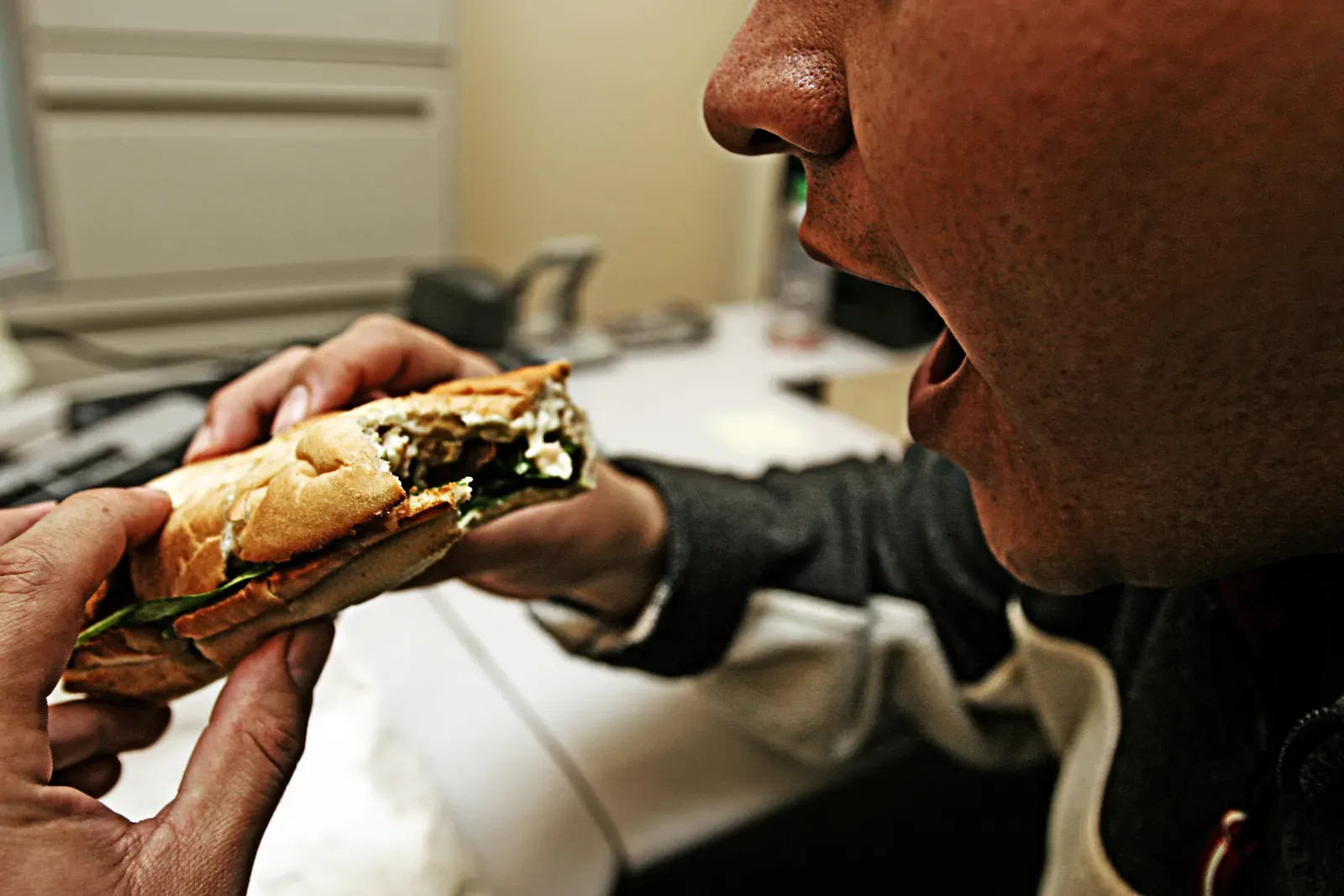
You’ve probably heard the phrase “you are what you eat” about a million times, right? Turns out, there’s real science behind it. Studies have shown that diets high in processed foods and sugar are associated with melancholy, anxiety, and cognitive impairment. When you consistently fuel your body with processed snacks, sugary treats, and fast food, you’re not just affecting your waistline.
When we fill our bodies with processed foods that contain sugars and carbs, we are depleting our bodies and brains of necessary nutrients and creating an “inflamed brain” Inflammation in our nervous systems can have a drastic effect on our mood, as our gut health and brain health are tightly connected. Think about how you feel after eating a heavy meal loaded with grease and sugar. Sluggish, foggy, maybe a bit irritable? That’s your brain chemistry responding to what you just ate. Your mood depends on neurotransmitters like serotonin and dopamine, and poor nutrition directly interferes with their production.
Chasing Perfection Until It Breaks You

Striving for excellence is admirable. Honestly, it’s what drives people to achieve remarkable things. Yet there’s a fine line between healthy ambition and toxic perfectionism. Striving for excellence can be a positive trait, but it can become detrimental when it transforms into perfectionism. Perfectionists set impossibly high standards, then beat themselves up when reality inevitably falls short.
But when you try too hard to be perfect the wrong way, it can worsen your anxiety and stress and break your healthy boundaries. It’s easy to get lost when we only care about being perfect and have no idea how to get there. The irony is that perfectionism doesn’t actually lead to better outcomes. It leads to paralysis, procrastination, and a constant sense of failure. You’re so terrified of making a mistake that you either don’t start at all or you torture yourself over every tiny flaw. Let’s be real here, perfection is an illusion. Nobody has it all figured out, no matter what their social media suggests.
Carrying Yesterday’s Mistakes Like Bricks

With daily practice, regret can turn into lifelong rumination over what could have been. A habit of regret can lead to depression, anxiety, sleep problems, and difficulty concentrating. Everyone has moments they wish they could take back. Words said in anger, opportunities missed, relationships that ended badly. The question is whether you learn from these experiences or whether you let them define you.
When you constantly replay past mistakes in your mind, you’re essentially stuck in a time machine that only travels backward. When you don’t let go of guilt, you keep feeling wrong about things that happened long ago. Guilt has a way of stopping you from moving forward. Here’s the thing about regret: it’s useful only if it teaches you something and helps you grow. Otherwise, it’s just emotional quicksand. Productive regret leads to learning and changed behavior. You regret a mistake, understand what went wrong, and commit to doing better next time. Destructive regret keeps you stuck in the past, and you can’t change scenarios.
Drowning Problems Instead of Solving Them

Daily alcohol contributes mightily to unhappiness because, among other things, it’s a depressant and leads to a ton of negative outcomes. Using substances to escape difficult emotions might provide temporary relief, but it creates a vicious cycle. You feel bad, so you drink or use substances to numb the pain, which ultimately makes you feel worse, which drives you to use even more.
According to an evidence-based study published in Global Health in 2017, individuals with depression are likelier to smoke, consume alcohol, and live a sedentary lifestyle. Researchers believe that one of the reasons is that these individuals use these unhealthy coping mechanisms to numb their symptoms of depression. These harmful factors are also known to lead to depression over time. It’s a trap that’s frighteningly easy to fall into. The relief feels real in the moment, but it’s borrowed happiness that comes with interest. Eventually, the bill comes due in the form of worsened mental health, damaged relationships, and physical consequences.
Robbing Yourself of Rest

According to the National Alliance on Mental Illness, 60 to 90 percent of patients with depression also struggle with insomnia. More than half of all insomnia cases link directly to depression, anxiety, or psychological stress. Sleep isn’t a luxury or something to sacrifice when you’re busy. It’s a fundamental biological need, as essential as food and water.
Ignoring your body’s signals to sleep can cause a lot of damage to your mental health because you don’t have the energy to deal with mental strife. Life is hard, and not having enough energy to deal with the curveballs makes it harder. Make sure you’re getting enough sleep every night to replenish your energy and let your brain and body rest from the stress you undergo every day. When you consistently skimp on sleep, you’re essentially running your brain on empty. Everything becomes harder. Your emotions are more volatile, your thinking is foggy, and your ability to cope with stress plummets. Poor sleep patterns can lead to mental health issues. Lack of sleep can cause mood swings, anxiety, and depression. It can also impair cognitive functions like memory and concentration.
Putting Everyone Else First Until There’s Nothing Left

Habits of co-dependency include sacrificing yourself to take care of another person and putting someone else’s desires ahead of your needs. While caregiving can be noble, co-dependency robs you of your individuality while endangering your health, welfare, and safety. There’s a difference between being kind and generous versus completely erasing yourself to please others. When you constantly prioritize everyone else’s needs above your own, you’re not being selfless, you’re setting yourself up for burnout and resentment.
You might struggle to set boundaries, people responsible for other people’s emotions, or derive your self-worth primarily from helping others. This pattern often stems from deep insecurities or past experiences, and it’s surprisingly common. You might feel guilty saying no, worry excessively about disappointing people, or believe your worth comes solely from what you do for others. The truth is that taking care of yourself isn’t selfish. You can’t pour from an empty cup, as they say. Breaking free from co-dependency often requires professional help. Therapists and counselors can help you identify unhealthy relationship patterns, learn to set appropriate boundaries, and develop a stronger sense of self-worth that doesn’t depend on others’ approval or needs.
Conclusion

Breaking free from these unhealthy habits isn’t about transforming your entire life overnight. It’s about recognizing the patterns that are keeping you stuck and making small, intentional changes. Focus on one habit at a time – trying to change everything at once usually leads to failure. Pick the habit causing the most distress and work on that first. Maybe you start by putting your phone away an hour before bed, or taking a short walk around the block, or saying no to one request that would stretch you too thin.
The beautiful truth is that you have far more control over your happiness than you might think. These habits aren’t permanent fixtures in your life, they’re patterns you’ve learned, and patterns can be unlearned. It takes time, patience, and self compassion, but change is absolutely possible. Sometimes the most radical act of self care is simply paying attention to how your daily choices affect your wellbeing.
What habit will you tackle first? Remember, even the smallest step forward is still progress. Your future self will thank you for starting today.