When you think about the creatures that ruled the ancient seas, your mind might jump straight to massive sharks or terrifying sea monsters from movies. Yet the reality is far more fascinating than fiction. Millions of years before humans ever set foot on Earth, the oceans were home to some of the most bizarre and powerful reptiles ever to exist.
These weren’t dinosaurs, though they lived alongside them. They were something altogether different. From sleek, dolphin-like hunters to armored shellfish crushers, these marine reptiles adapted to oceanic life in ways that still puzzle scientists today. Let’s dive into the depths of prehistory and discover eight of the most unique creatures that once dominated the ancient seas.
Ichthyosaurs: The Dolphin Mimics of the Mesozoic
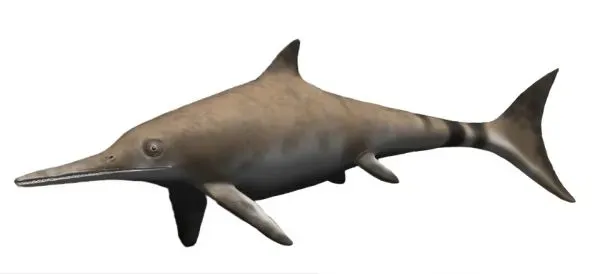
Ichthyosaurs evolved from land reptiles that returned to the sea during the Early Triassic epoch, in a remarkable case of convergent evolution that made them resemble modern dolphins and whales. Think about that for a moment. Completely different animals, separated by millions of years, evolved nearly identical body shapes because the ocean demanded it.
These reptiles had remarkably large eyes for deep diving, with some species like Ophthalmosaurus possessing eyes over nine inches across that allowed them to see in dim, low-light conditions and dive to depths exceeding 2,000 feet. They even developed blubber beneath their skin, an insulating layer of fat that helped them maintain warm, constant body temperatures. Based on fossil evidence, ichthyosaurs first appeared around 250 million years ago and at least one species survived until about 90 million years ago, into the Late Cretaceous.
Plesiosaurs: The Long-Necked Lords of Ancient Seas
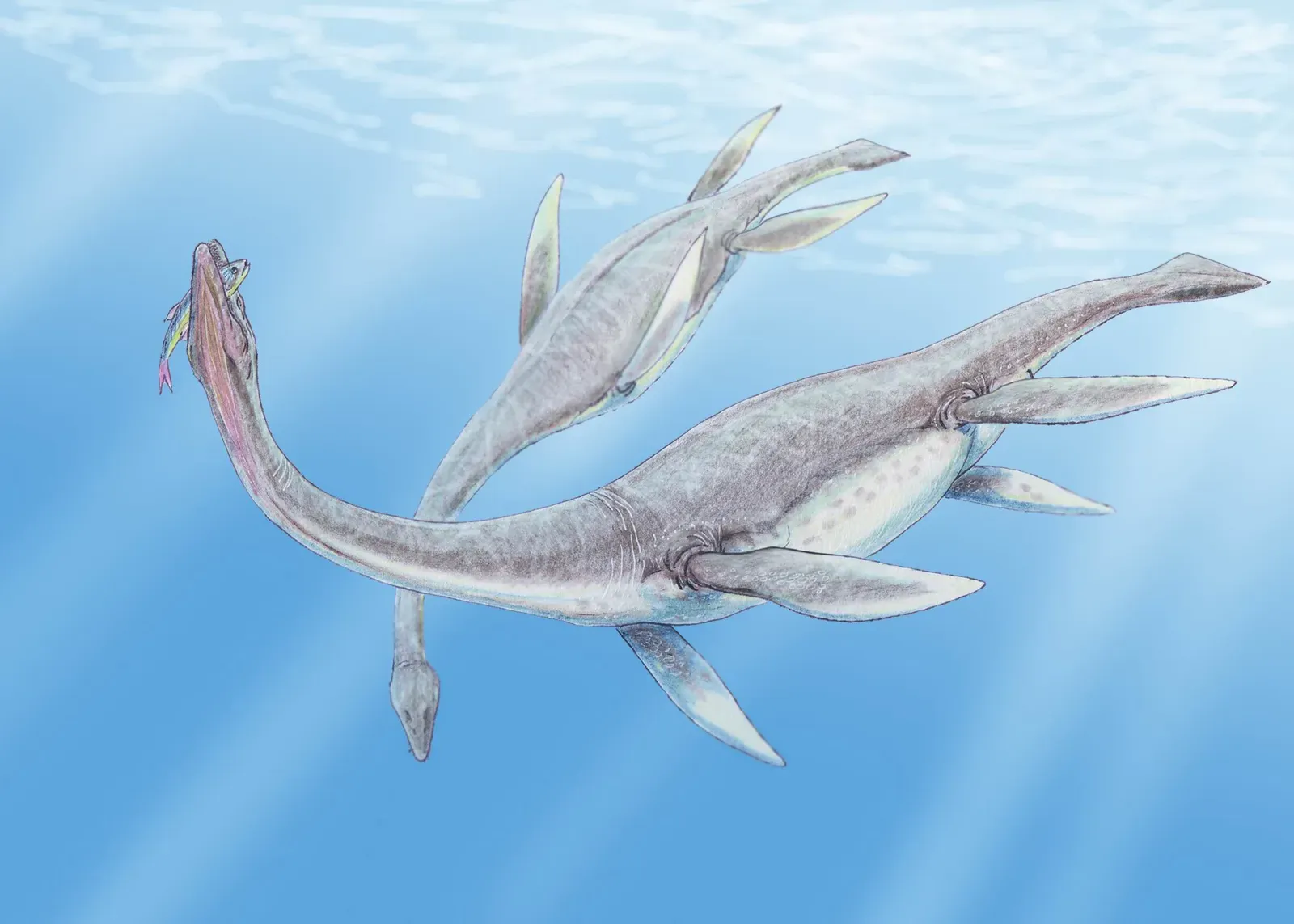
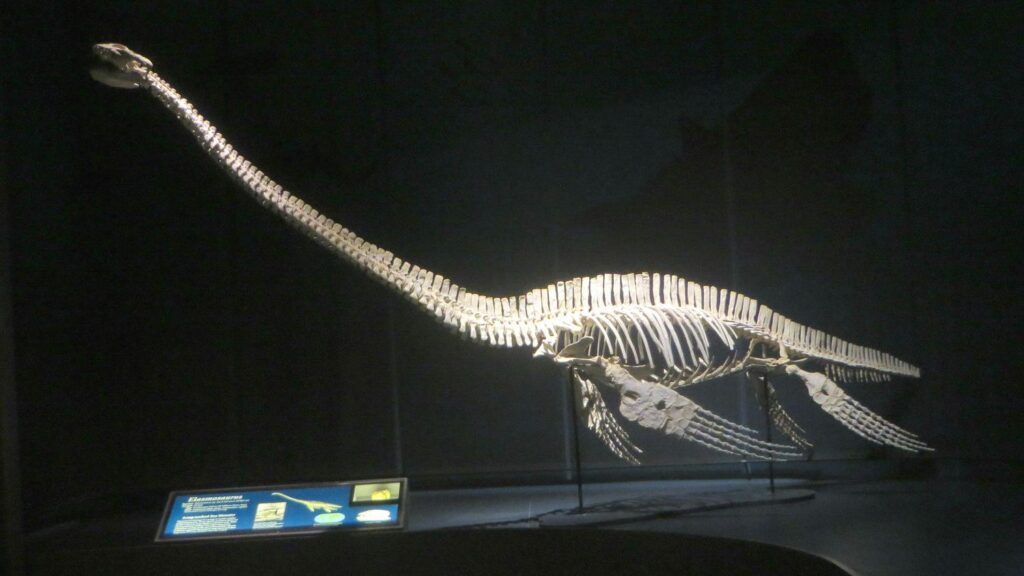
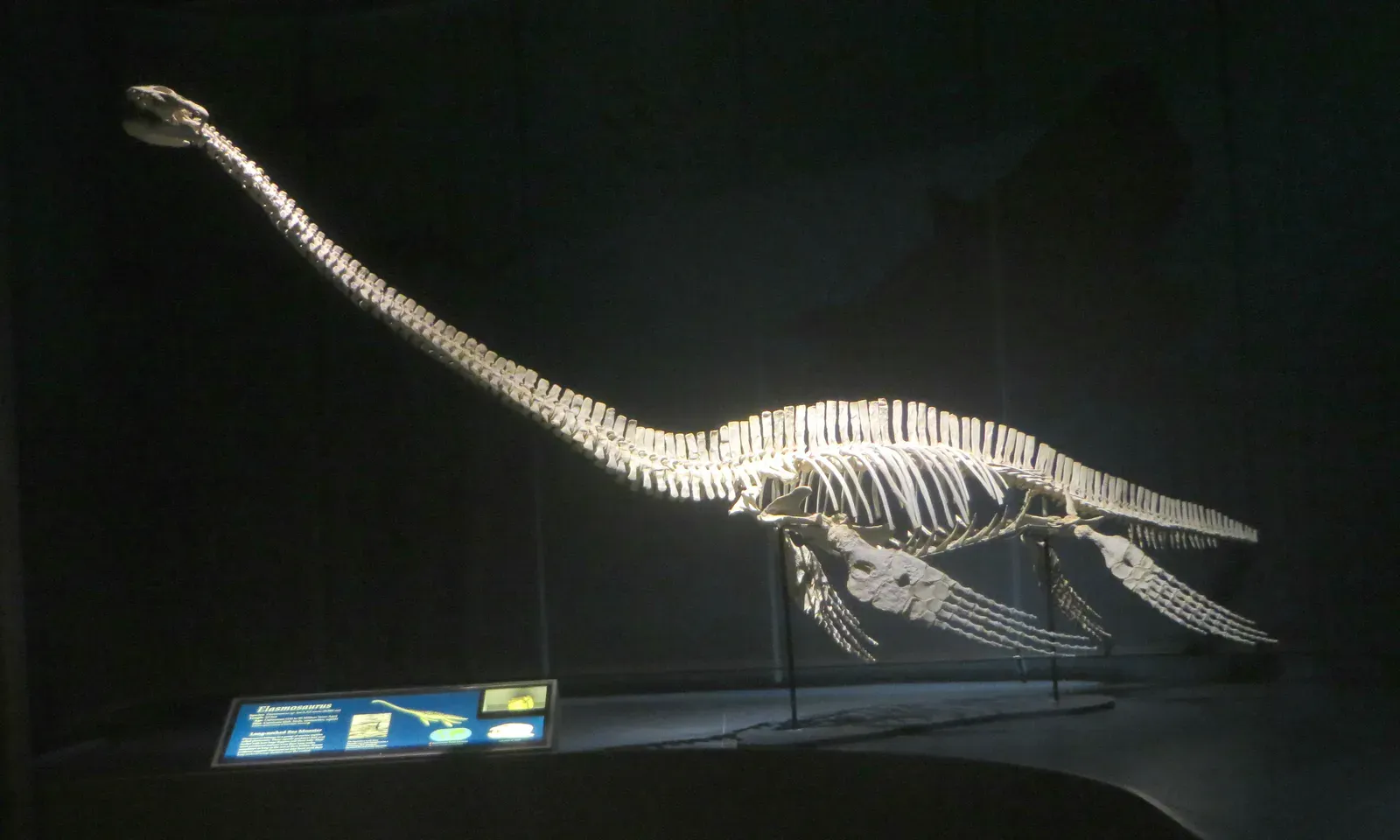
Few prehistoric creatures capture the imagination quite like plesiosaurs. They ruled the oceans for over 135 million years, surviving multiple extinction events and diversifying into one of the most successful groups of marine reptiles in Earth’s history. Picture this: a creature with a body like a sea turtle, four massive paddle-like flippers, and a neck so absurdly long it defied logic.
Some species, particularly the Elasmosauridae, reached up to fifteen meters in length due to extraordinarily long necks containing as many as 76 vertebrae, more than any other known vertebrate. Recent fossil discoveries reveal that plesiosaurs had smooth skin on their bodies and small scales on their flippers, which could have helped the appendages cut through the water and given the plesiosaur better grip when dipping down to the sea bottom. Their fossils have been found on every continent, even Antarctica, revealing that they thrived in oceans that once connected the globe.
Mosasaurus: The Late Cretaceous Ocean Tyrant
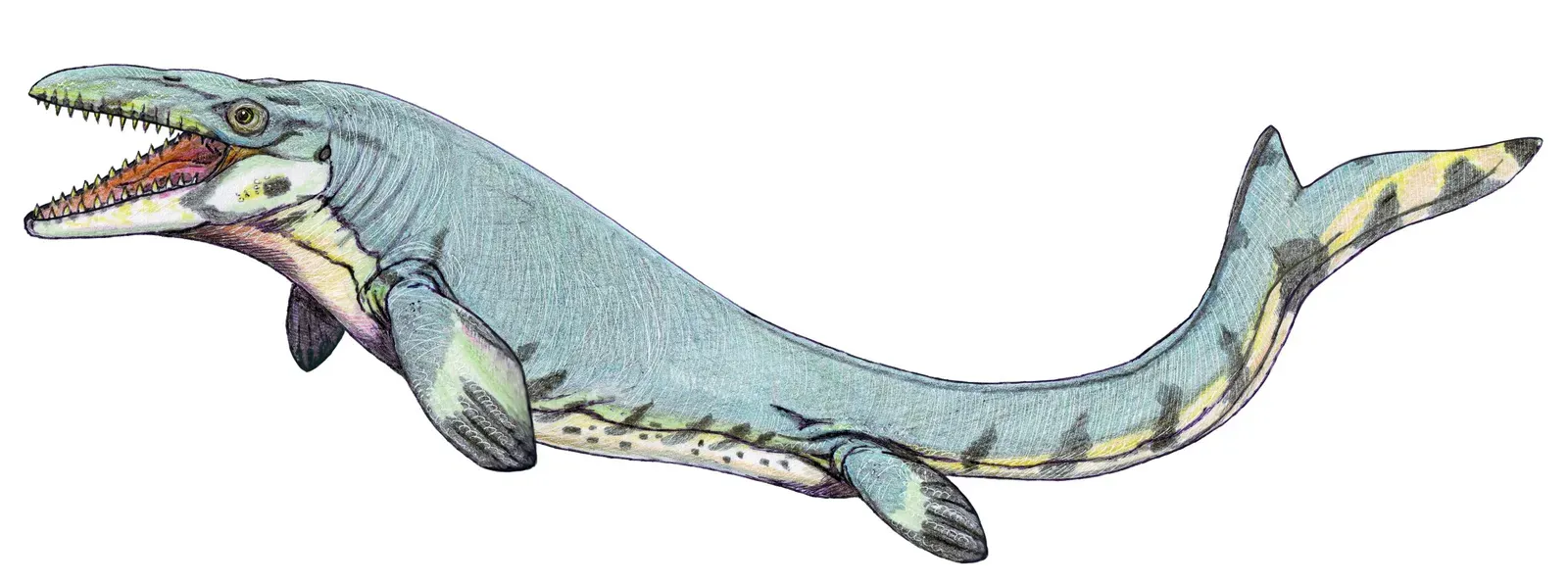
Mosasaurs first emerged during the Cretaceous period 90 million years ago, and became the oceans’ dominant predators with the extinction of the ichthyosaurs and decline of plesiosaurs. These weren’t just big lizards that learned to swim. They were sophisticated apex predators that evolved from land-dwelling monitor lizard relatives into something altogether more terrifying.
The type species, Mosasaurus hoffmannii, is one of the largest marine reptiles known, though knowledge of its skeleton remains incomplete as it is mainly known from skulls. Mosasaurus could reach 50 feet long and is estimated to have weighed 15 tons. Research on fossilized melanosomes in skin impressions shows these prehistoric aquatic reptiles were at least partially dark colored in life, with mosasaurs containing so much pigment they would have been very dark in color, similar to a sperm whale. The reasoning? Better camouflage when deep diving and improved thermoregulation.
Nothosaurs: The Triassic Coastal Predators
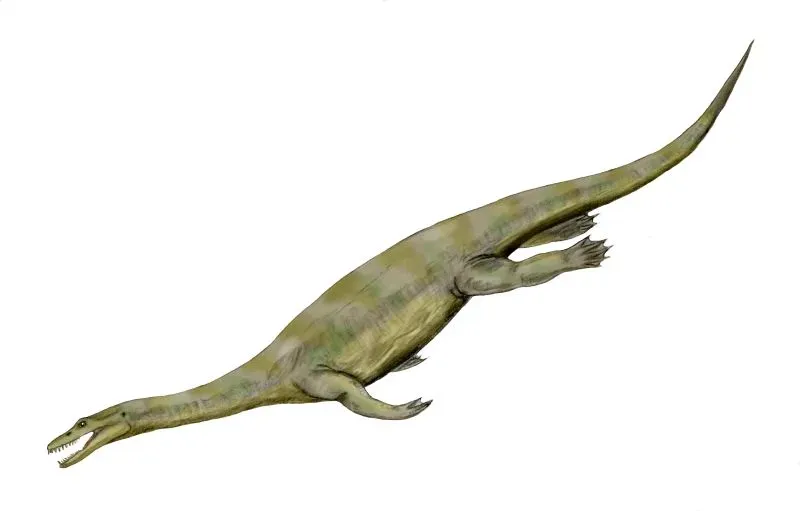
Nothosaurs were Triassic marine reptiles that bridged land and sea, with a semi-aquatic lifestyle thriving along coasts and hunting fish in shallow waters. If plesiosaurs were the fully committed ocean dwellers, nothosaurs were still testing the waters, so to speak. They represent a fascinating transitional form.
Nothosaurs averaged 4 meters in length, with some species reaching up to 7 meters, and possessed slender, interlocking teeth that formed a trap-like mechanism used to catch fish. Honestly, the variety in body plans among these early marine reptiles is staggering. Triassic eosauropterygians, which included nothosaurs, can be broadly divided into three groups: Pachypleurosauria, Nothosauroidea, and Pistosauroidea. Nothosaurs likely spent significant time on land as well as in water, making them versatile hunters in multiple environments.
Placodonts: The Shell-Crushing Oddities
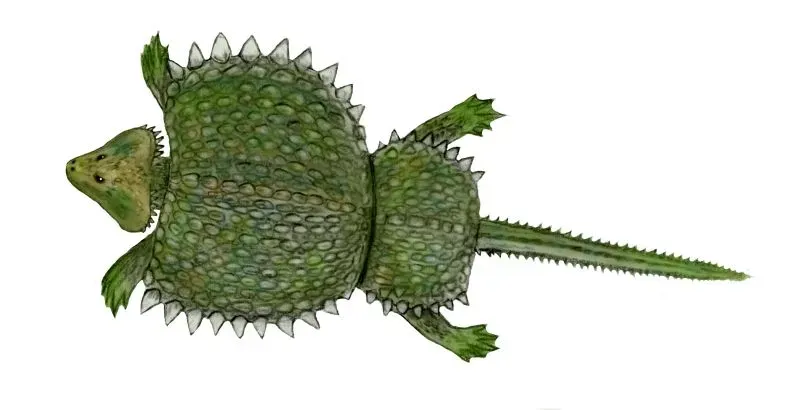
Here’s where things get really weird. Placodonts were an extinct order of marine reptiles that lived during the Triassic period, were part of Sauropterygia alongside plesiosaurs, and were generally between 1 and 2 meters in length, with some of the largest measuring 3 meters long. What made them unique? Their teeth.
Unlike the marine iguana which feeds on algae, placodonts ate molluscs and had flat, tough teeth to crush shells, with large, flat, often protruding teeth used to crush the molluscs and brachiopods they hunted on the sea bed. As other carnivorous reptiles like ichthyosaurs and nothosaurs began colonizing the seas, later placodonts developed bony plates on their backs for protection, and by the Late Triassic, these plates had grown so much that placodonts resembled modern sea turtles more than their ancestors. Evolution sometimes takes the strangest paths.
Thalattosaurs: The Downturned Snout Specialists
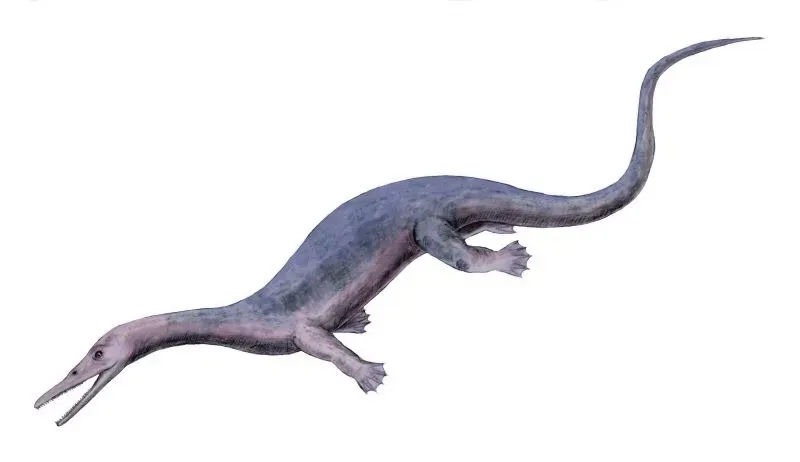
Thalattosauria was an extinct order of marine reptiles that lived during the Triassic Period, and thalattosaurs were diverse in size and shape, divided into two superfamilies: Askeptosauroidea and Thalattosauroidea. These creatures remain somewhat mysterious, even to paleontologists who study them.
Thalattosauroids were more specialized for aquatic life and most had unusual downturned snouts and crushing dentition, lived along the coasts of both Panthalassa and the Tethys Ocean, and were most diverse in China and western North America, with the largest species growing to over 4 meters in length. Thalattosauriformes stands out because of their unusual and highly disparate cranial, dental and skeletal morphology. Unlike ichthyosaurs and sauropterygians, there is no evidence that thalattosaurs fully adapted to a pelagic life out in the open ocean; instead they probably all lived in warm waters close to the coast.
Kronosaurus: The Australian Pliosaur Terror
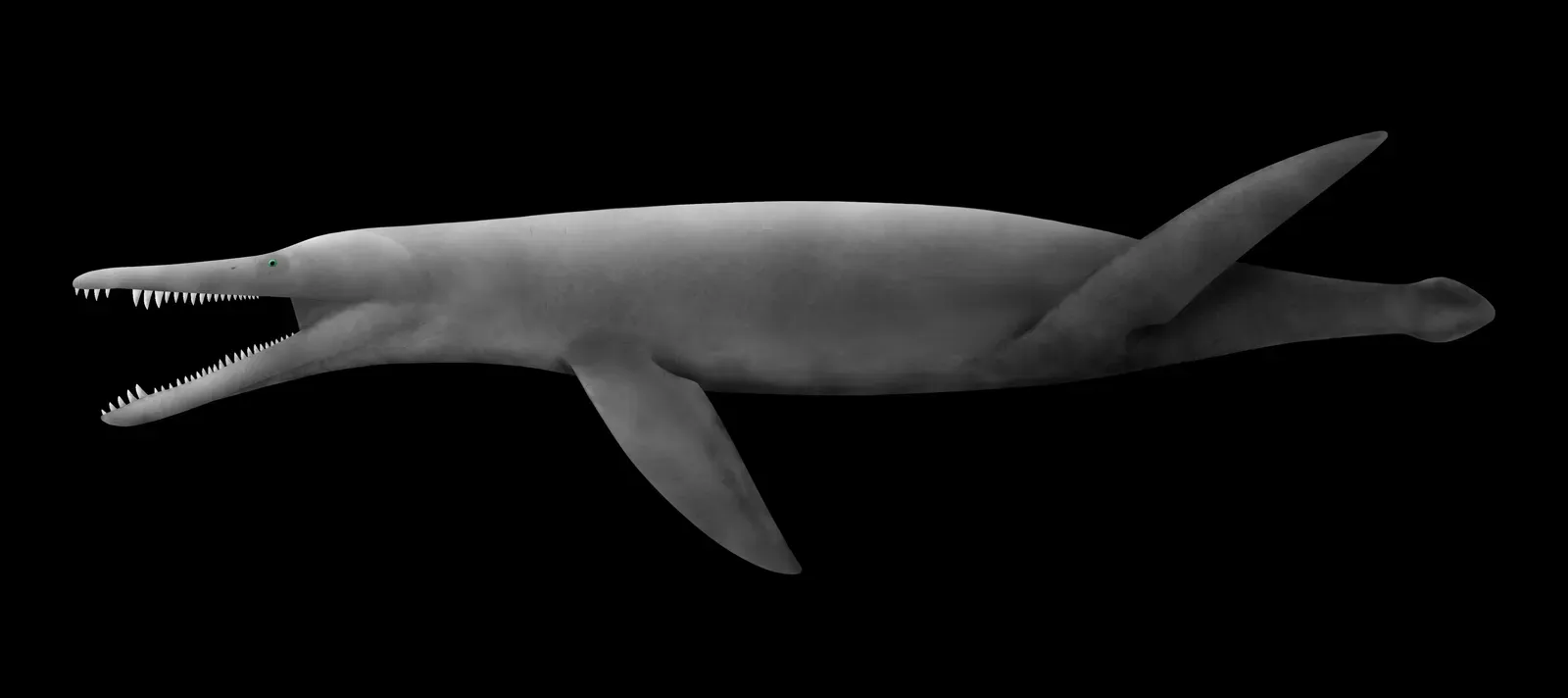
Kronosaurus was a Cretaceous apex predator from Australia’s ancient seas that dominated as a 9 to 10 meter pliosaur with a 2.7 meter skull, and its conical, 30 centimeter teeth, smooth and un-serrated, hinted at a diet of smaller prey swallowed whole or larger victims torn apart via crocodile-like rolls. This was essentially the great white shark of its time, except it breathed air.
Fossilized bite marks on Eromangasaurus skulls suggest Kronosaurus targeted long-necked plesiosaurs, decapitating them in brutal attacks, and while initially overestimated at 13 meters, revised studies placed Kronosaurus as the largest confirmed pliosaur. It’s hard to say for sure, but the sheer power required to bite through another massive marine reptile is mind-boggling. Fossils from Kronosaurus have been found only in Australia and Colombia, but the fact that their bones were found on two continents so far apart suggests they lived worldwide, and the lack of fossil evidence further points to Kronosaurus living in deep waters rather than shallow.
Tylosaurus: The Ramming Mosasaur
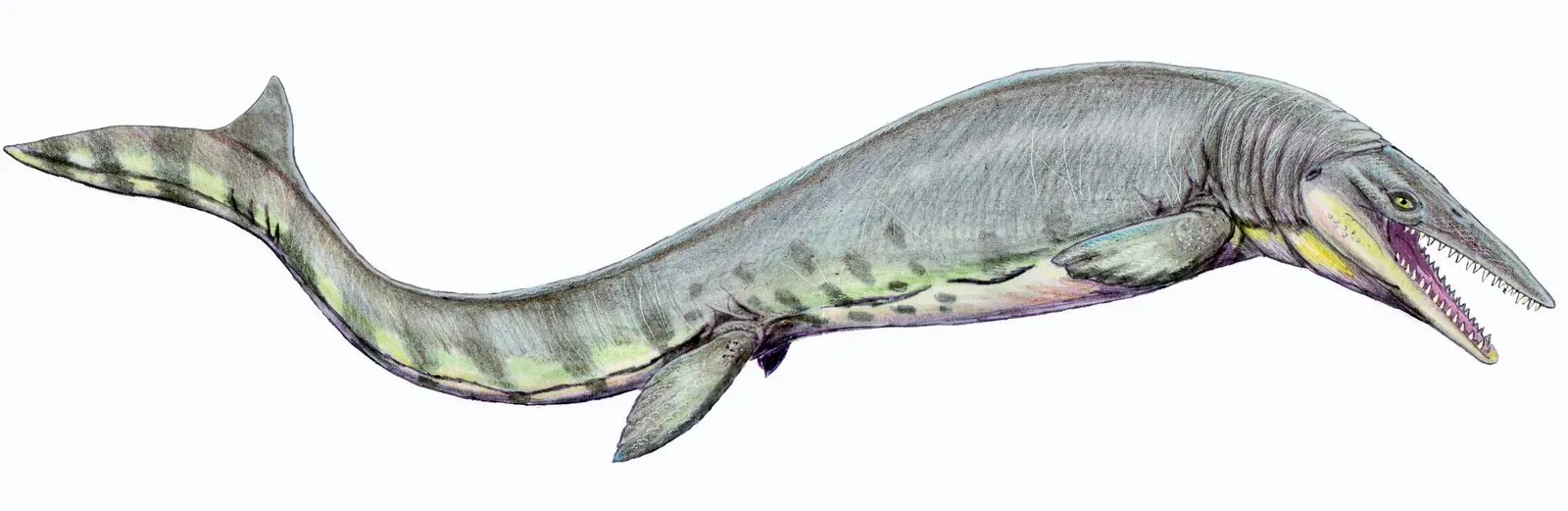
Tylosaurus emerged from the chaos of the Bone Wars and was named by Othniel Marsh in 1872 after a tangled history of misclassifications, with fossils from North America’s Western Interior Seaway revealing a 15 meter apex predator. What sets this mosasaur apart from its relatives is its bizarre hunting strategy.
Tylosaurus was hydrodynamic and sleek, relying on a muscular, lobed tail for speed and steering with paddle-like flippers, and possessed a reinforced, toothless snout often bearing impact damage that hints at ramming tactics to stun prey, similar to the behavior of some modern dolphins. Extraordinarily preserved skin from one Tylosaurus fossil shows that mosasaurs had black skin, and they might have been totally black, hiding them in dark waters as they hunted, or the black skin might have been part of a larger pattern for camouflage or signaling. Let’s be real: a 50-foot black sea monster that rams you before eating you is the stuff of nightmares.
Conclusion
The ancient oceans were far stranger and more dangerous than most people imagine. These eight marine reptiles represent just a fraction of the incredible diversity that once filled prehistoric seas. From the dolphin-like ichthyosaurs to the armored placodonts, each group found its own unique way to thrive in the marine environment.
What’s truly remarkable is that none of these creatures were dinosaurs, despite living during the same era. They followed their own evolutionary paths, independently conquering the oceans with adaptations that rivaled and sometimes surpassed modern marine mammals. The extinction of most marine reptile groups at the end of the Cretaceous opened ecological niches that whales, dolphins, and seals would eventually fill millions of years later. Which of these ancient ocean dwellers surprised you the most?