When you think of ancient history, you probably picture the pyramids of Egypt, the marble columns of Greece, or the grandeur of Rome. Those names dominate the conversation. They always have. Yet sitting just outside the spotlight, there were other societies, older and sometimes just as sophisticated, quietly shaping the world in ways that still ripple through our lives today.
Here’s the thing: history is written by those who survive long enough to tell their story. Many of these civilizations vanished, were conquered, or were simply overlooked by generations of scholars more dazzled by bigger, more familiar empires. Let’s change that. Be surprised by just how much was already happening long before you thought civilization truly began.
1. The Caral-Supe Civilization: The Americas’ Forgotten Mother City
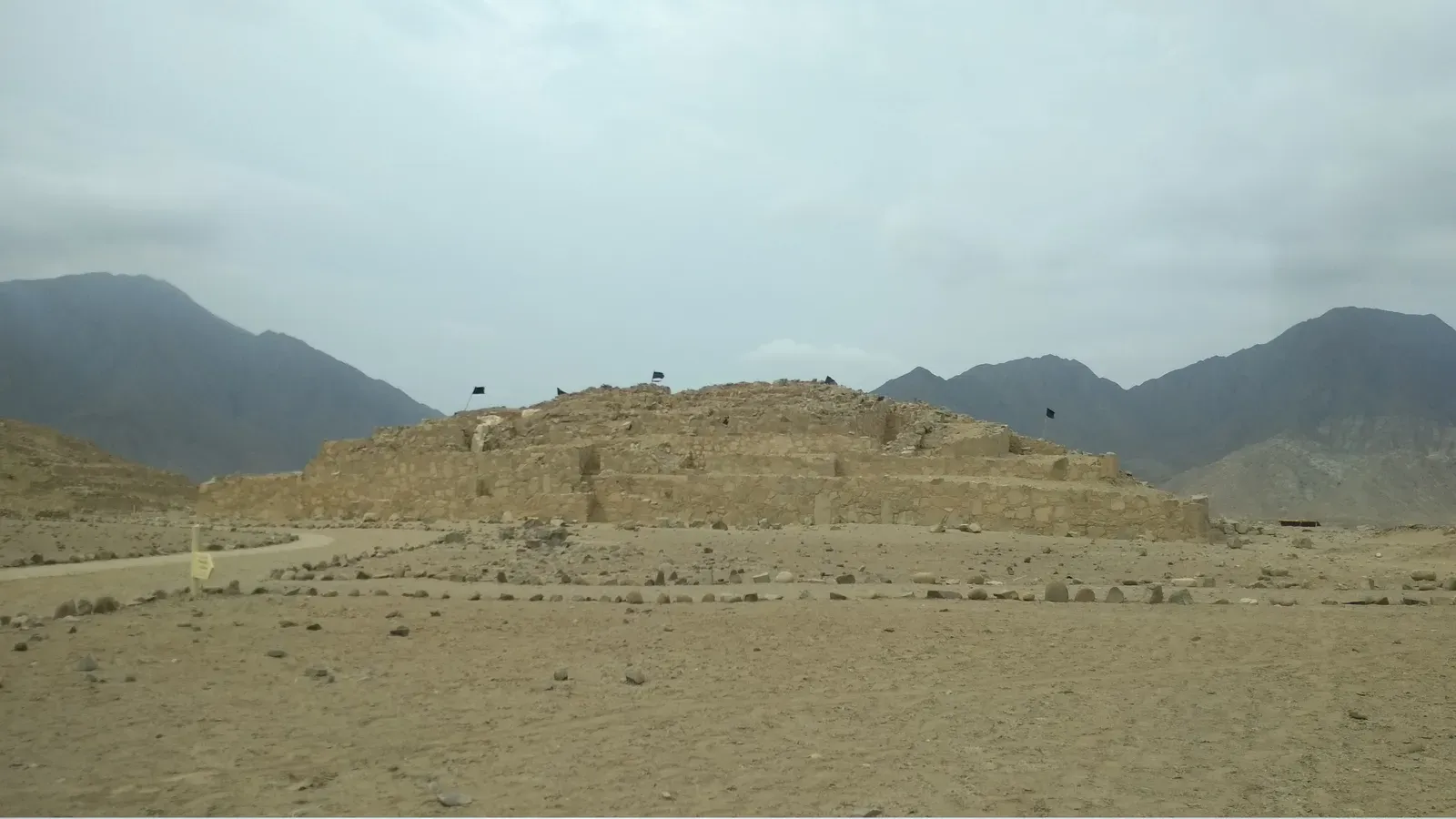
You probably know Egypt built its famous Step Pyramid around 2650 BCE. What you might not know is that somewhere in a Peruvian desert, an equally stunning city was already thriving at almost exactly the same time. Radiocarbon dating at the site of Caral has revealed its architecture to be roughly between 4,000 to 5,000 years old, making it as old, if not older, than the Step Pyramid of Saqqara. Think about that for a moment. Two completely separate civilizations, building massive structures on opposite sides of the world, simultaneously.
Caral has been established as the oldest known civilization in the Americas and as one of the six sites where civilization separately originated in the ancient world. It flourished between the 30th and 18th centuries BCE, arising a millennium after Sumer in Mesopotamia, contemporaneous with the Egyptian pyramids, and predating the Mesoamerican Olmec by nearly two millennia. What makes this even more remarkable? There are no documented records of any formal writing system or even pottery at Norte Chico. There is also a lack of evidence that this civilization engaged in violence or warfare. Yet it made remarkable architectural achievements, with several large pyramids and platform mounds still in evidence today.
The Norte Chico people built an intricate irrigation system and concocted ancient mathematical instruments called quipu made of alpaca and llama hairs. The Norte Chico quipu is thought to be the predecessor to the one fine-tuned and utilized later on by the Incas. In other words, the record-keeping technology that powered the Inca Empire centuries later likely started right here. Since discovering the Norte Chico civilization, researchers have been rethinking the timeline of ancient societies, theorizing that Norte Chico architecture inspired the builds of future communities. The Mayans and Incans are two civilizations whose architecture shows similarities to the builds found in Norte Chico, and researchers theorize that the Norte Chico influence spread beyond their borders into the greater Andes Mountains.
2. The Kingdom of Kush: Africa’s Forgotten Pharaohs
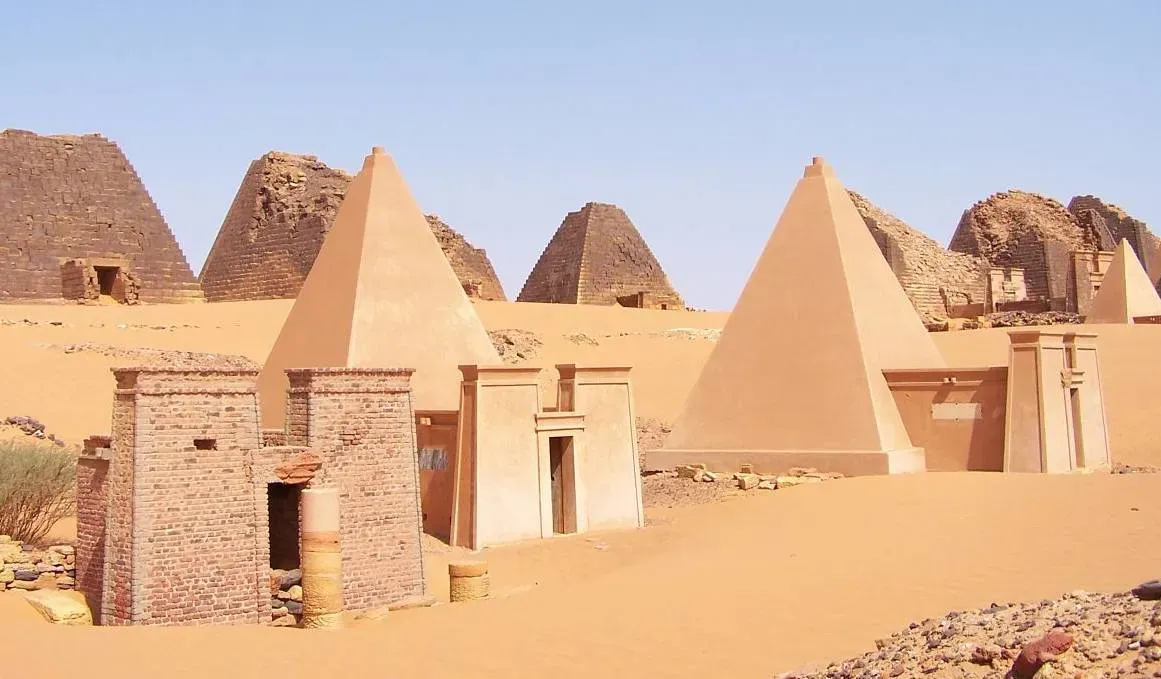
If you’ve ever stood in front of a pyramid, chances are you imagined Egypt. But here’s a genuinely astonishing fact: there is actually a country today with more pyramids than Egypt. That country is Sudan, and the civilization responsible was the Kingdom of Kush. Perhaps their grandest achievements are the more than 200 pyramids built at the necropolis at Meroë, giving Sudan more pyramids than all of Egypt. This is not a footnote in history. This is a civilization that conquered Egypt itself.
The Kingdom of Kush, which flourished from 1070 BCE to 350 CE, left a lasting legacy in the history of Africa and the ancient world. Its unique blend of Egyptian, African, and Mediterranean influences created a distinct culture that continues to inspire wonder and awe. The Kushite pyramids, temples, and artifacts remain an important part of Africa’s cultural heritage, while the kingdom’s strategic position as a bridge between Egypt and sub-Saharan Africa facilitated the exchange of ideas, goods, and innovations. Kush was not simply a copy of Egypt. Although Egyptianized in many ways, the culture of Kush was not simply Egyptian civilization in a Nubian environment. The Kushites developed their own language, expressed first by Egyptian hieroglyphs and then by their own script. They worshipped Egyptian gods but did not abandon their own. They buried their kings in pyramids but not in the Egyptian fashion.
Honestly, one of the most inspiring aspects of Kush is something you rarely hear discussed in mainstream history classes. In Ancient Kush, gender roles were relatively fluid, with women playing significant roles in politics, trade, and religion. One notable example is Queen Amanirenas, who ruled from around 20 BCE to 10 BCE and led a successful military campaign against the Romans in 20 BCE. She was known for her bravery and strategic leadership. A woman leading armies against Rome. That’s not a minor detail. That’s extraordinary.
3. The Olmec Civilization: Mesoamerica’s True Mother Culture
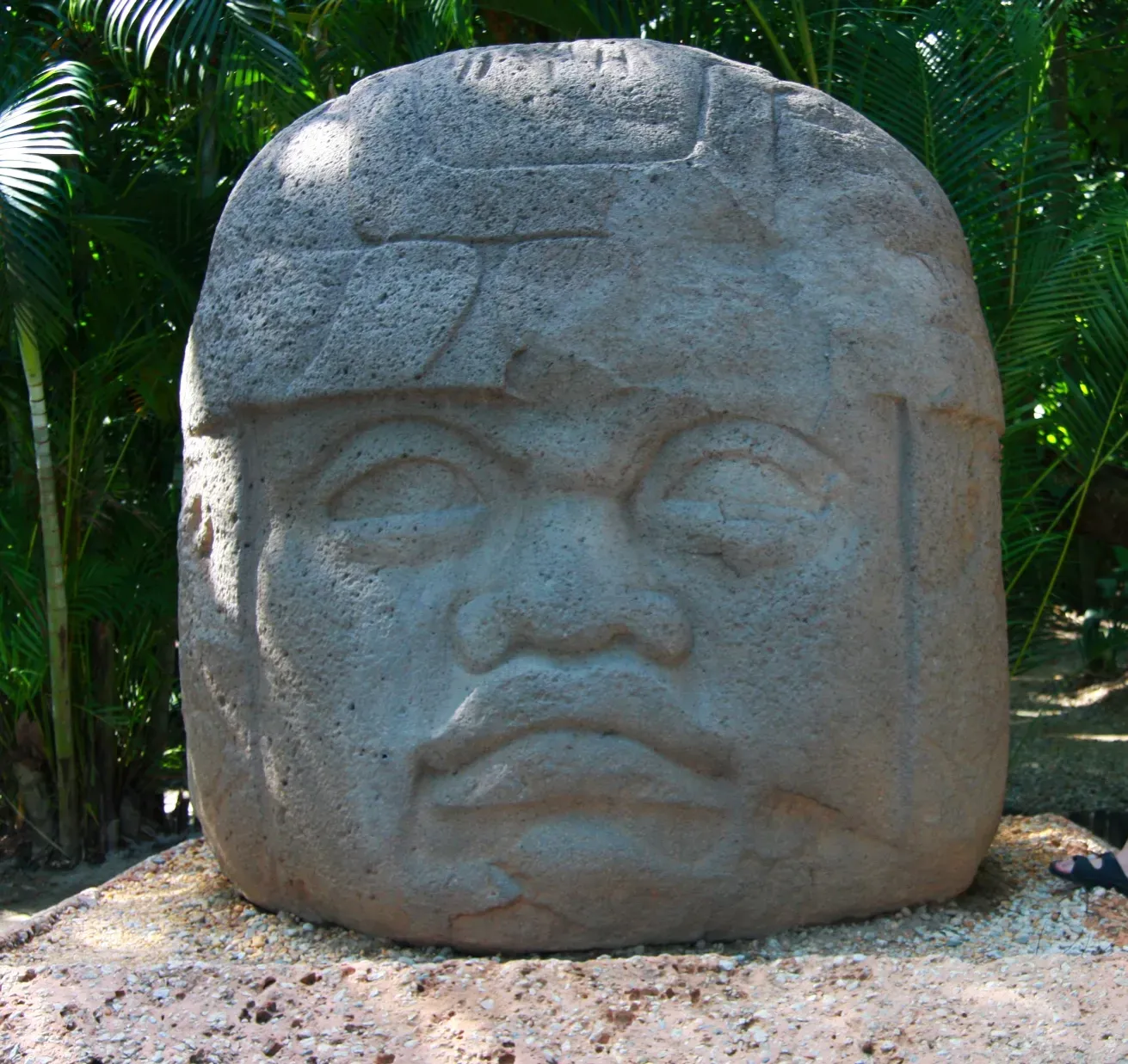
Spend enough time reading about the Maya or the Aztecs, and you will inevitably hear about the Olmec. Yet most people have never actually heard the word “Olmec” outside of a history class. The Olmecs were an ancient Mesoamerican civilization that inhabited what is now the Gulf Coast states of Veracruz and Tabasco in Mexico between 1200 BC and 400 BC. Their most striking legacy? Giant stone heads. We’re talking about sculptures carved from single boulders, some standing nearly three meters tall, hauled over enormous distances without the wheel.
Often regarded as the “mother culture” of Mesoamerica, the Olmec civilization introduced monumental stone heads and influential iconography. Their artistic and architectural innovations set the stage for subsequent cultures like the Maya and Aztecs. That is a staggering amount of influence for a civilization most people have never properly studied. The Olmec writing system was mainly used for recording their calendar, both of which influenced later Mesoamerican cultures. After the decline of the Olmecs, other civilisations in Mesoamerica either arose or emerged from the Olmec shadow, including the Mayans, the Zapotecs, and Teotihuacan. Think of the Olmec as a root system that you never see, but without which none of the visible tree grows at all.
4. The Hittite Empire: The Forgotten Rival of Egypt
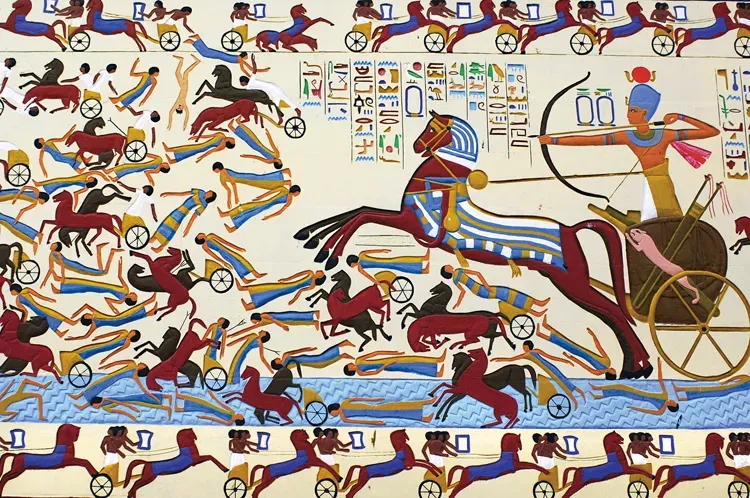
Most people have heard of Ramesses II of Egypt, one of history’s most celebrated rulers. Far fewer people know the name of the civilization that actually defeated him in battle. The Hittites were a formidable force in the Near East for a long time. They rivaled the Egyptian kingdom at the height of their power, which they defeated on multiple occasions. However, they soon vanished from the historical stage after being conquered by the Assyrians. Vanished, but not without leaving an enormous footprint.
The Hittite Empire played a significant role in shaping the political and cultural landscapes of the ancient Near East, engaging in diplomatic relations, military conflicts, and cultural exchanges with neighboring civilizations like Egypt, Mesopotamia, and the Mycenaean Greeks. What makes the Hittites genuinely groundbreaking from a historical perspective is the Battle of Kadesh, fought around 1274 BCE. The Battle of Kadesh, fought around 1274 BCE between the Hittites and the Egyptians under Ramesses II, is one of the earliest well-documented battles in ancient history. The intricate reliefs and accounts of this battle provide insights into the military tactics, weapons, and strategies employed by these two powerful empires, making it a pivotal event in understanding ancient warfare and diplomacy. Beyond the battle itself, what followed is arguably even more important. The resulting peace treaty between the Hittites and Egypt is considered one of the oldest surviving international peace agreements in human history.
5. The Dilmun Civilization: The Persian Gulf’s Hidden Trading Empire
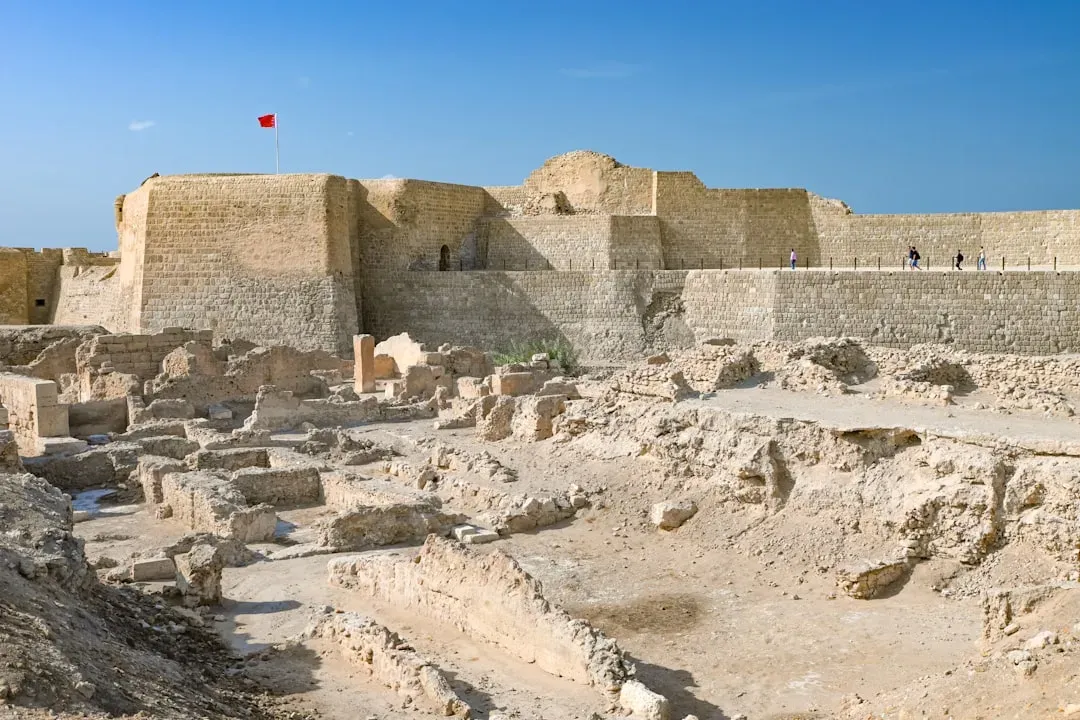
Here is a civilization most people have never encountered at all. No famous monuments. No dramatic battles in popular films. Just a remarkably sophisticated trading network sitting at one of the ancient world’s most strategically important crossroads. Dilmun, also known as Telmun, was an ancient civilization that spoke an East Semitic language and was present in Eastern Arabia from the 3rd millennium BC. Evidence suggests that it was located in the Persian Gulf, near trade routes connecting Mesopotamia and the Indus Valley civilization, and close to the sea and artesian springs. Dilmun included regions that are now Bahrain, Kuwait, and eastern Saudi Arabia.
Dilmun played a significant role as a trading hub from the late fourth millennium until 800 BC. It reached its peak as a major power when it had control over the trade routes in the Persian Gulf. I think this is where people underestimate what trade actually meant in the ancient world. It wasn’t just the exchange of goods. It was the exchange of ideas, technologies, religious concepts, and agricultural knowledge. When Dilmun connected Mesopotamia to the Indus Valley, it wasn’t just moving copper and cloth. It was moving civilization itself from one place to another. Without Dilmun, the ancient world would have been considerably more fragmented than it already was.
6. The Indus Valley Civilization: The Urban Planners Nobody Talks About
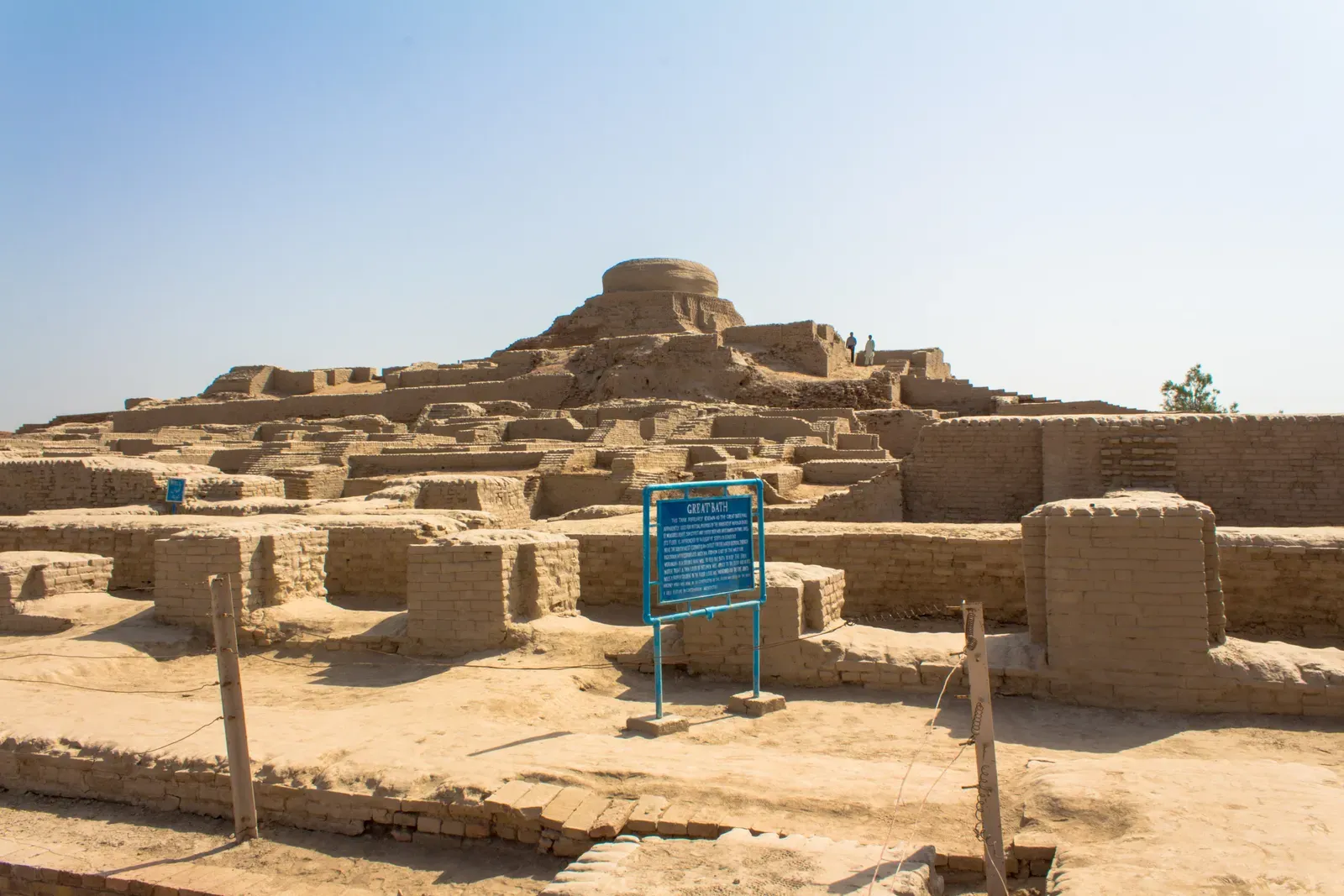
Let’s be real: if you built a city with a functioning sewage system, planned street grids, and public baths thousands of years before most of Europe had those things, you would expect to be famous. The Indus Valley Civilization did exactly that, and most people still couldn’t point to it on a map. Flourishing around 3300 to 1300 BCE in modern-day Pakistan and northwest India, the Indus Valley Civilization boasted well-planned cities like Harappa and Mohenjo-Daro. Renowned for its advanced urban planning, sophisticated drainage systems, and enigmatic script, it remains one of the world’s great unsolved mysteries.
The Indus, also known as the Harappans, developed sewage and drainage systems for their cities, built impressive walls and granaries, and produced artifacts like pottery and glazed beads. They even had dental care: scientists found 11 drilled molars from adults who lived between 7,500 to 9,000 years ago in the Indus Valley, according to a study published in 2006 in the journal Nature. That detail stops me in my tracks every time I think about it. Dental drilling, nine thousand years ago. The Indus Valley people were operating at a level of sophistication that genuinely defies our assumptions about the ancient world. The Indus valley people shared some developments with the people of Sumer, including complex irrigation and drainage systems and the art of writing. However, the people of the Indus valley also developed a unique cultural style of their own.
7. The Minoan Civilization: Europe’s First Great Civilization
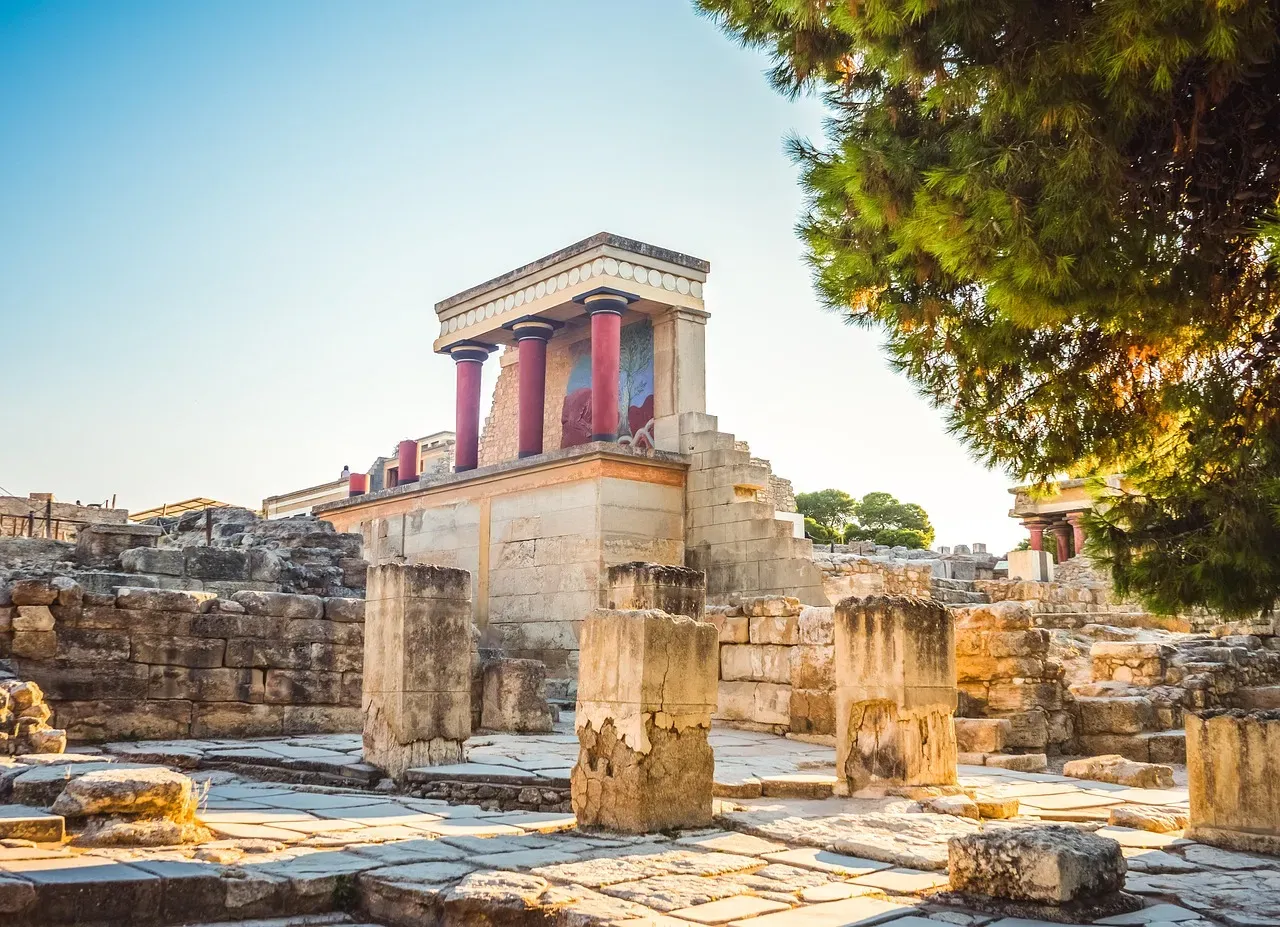
Before Greece became the cultural powerhouse of the ancient world, there was a civilization blooming on the island of Crete that many historians consider to be Europe’s very first true civilization. On the island of Crete, the Minoan Civilization, dating from around 3000 to 1100 BCE, is celebrated for its vibrant art, palatial complexes, and sophisticated maritime trade networks. Their enigmatic script, Linear A, and breathtaking frescoes hint at a culture that valued beauty, innovation, and peaceful exchange. Linear A, their writing system, remains undeciphered to this day. It’s hard to say for sure what secrets it still holds, but that mystery alone should make the Minoans far more famous than they currently are.
The Minoans had a picture-writing system, as had other ancient peoples. The Minoan religion seems to have centered on a mother goddess and on the figures of the bull and the snake. The Minoans are known for their beautiful and colorful wall paintings and their fine pottery. Their influence on later Greek civilization was considerable. Think of the mythology you already know: the story of the Minotaur, the Labyrinth, the legend of Theseus. All of it takes place on Crete. These were Minoan settings absorbed into Greek storytelling. Around 1400 BC, Minoan civilization began to decline. The end was hastened by invasions from mainland Greece. In a strange twist of history, the very civilization they influenced eventually helped bring them down.
8. The Vinča Culture: Europe’s Neolithic Enigma
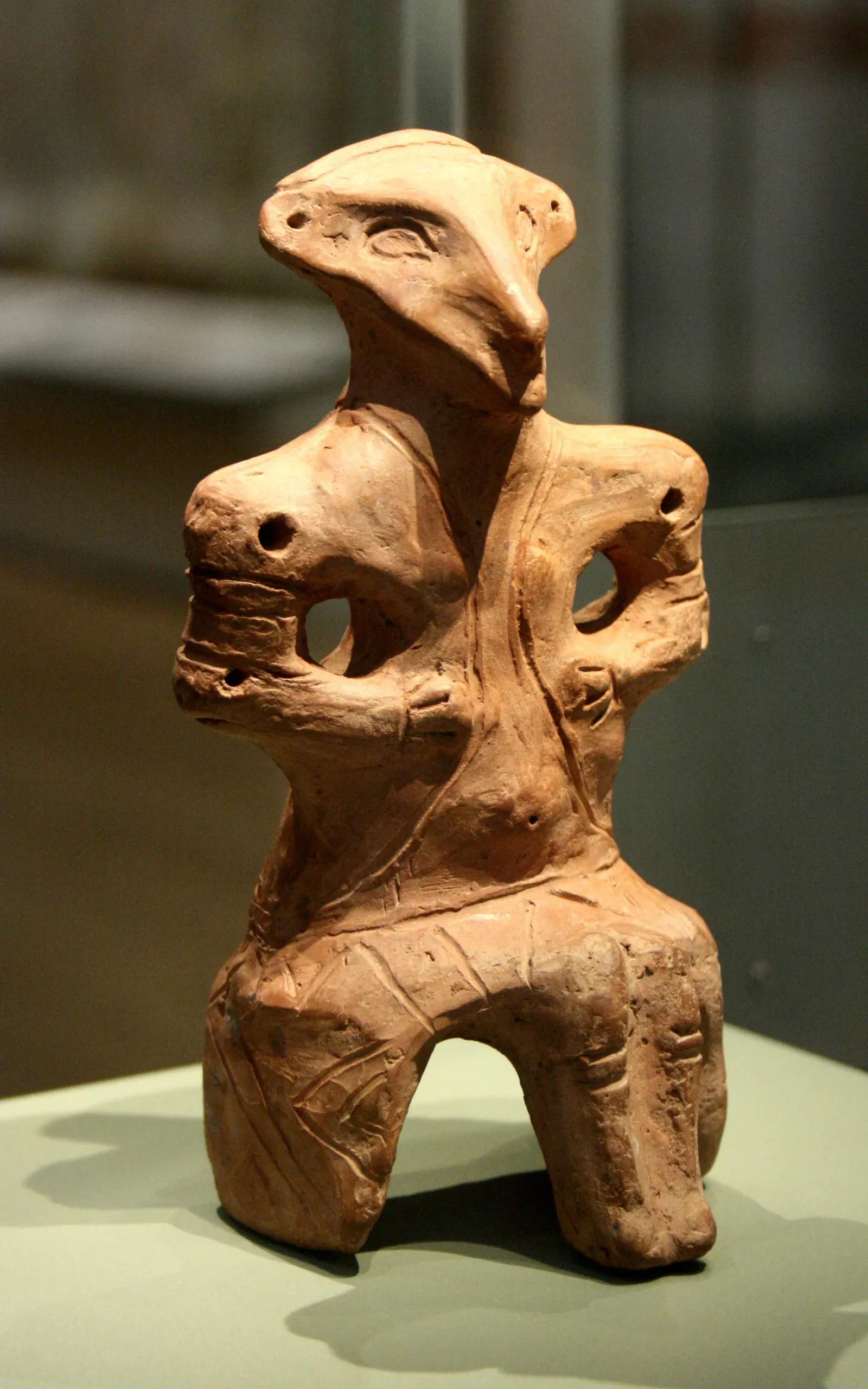
Here is perhaps the most obscure entry on this list, and arguably one of the most fascinating. While Egypt and Mesopotamia tend to monopolize early conversations about writing and symbolic communication, there was a Neolithic culture in southeastern Europe that may have been experimenting with symbolic notation far earlier than most people realize. The Vinča culture, also known as the Turdas culture, belonged to an ancient Neolithic civilization, dated to between 5,700 and 4,500 BCE and located in the Balkans of southeastern Europe. That places it firmly in a period when most of Europe was still deeply pre-urban.
These lesser-known ancient civilizations have been cloaked in obscurity for several reasons. They are rarely the focus of mainstream media attention, and therefore only grab the attention of a niche audience of historians. In some cases, these civilizations were eclipsed or conquered by their neighbors. In other cases, the historical and archaeological records may be too sketchy to build a comprehensive picture of their achievements. The Vinča culture is a perfect example of this pattern. It is not known why the Vinča Civilization vanished, but when they did, they seem to have taken their knowledge and their innovations with them. That haunting absence is what makes ancient history so endlessly captivating. What we don’t know is often more thrilling than what we do.
Conclusion: The History You Were Never Fully Told
It’s easy to think of human history as a tidy progression from a handful of well-known empires to the modern world. But that picture misses so much. Our world would look a lot different today if these civilizations had never existed. Their influence is in nearly every one of our modern fields, including sports, science, finance, engineering, politics, agriculture, and social development. These eight civilizations were never footnotes. They were foundations.
The Caral-Supe people were building pyramid cities while Egypt was doing the same, with neither knowing the other existed. The Kingdom of Kush was running an empire more sophisticated than most textbooks admit. The Olmec, the Hittites, the Dilmun traders, the Indus Valley urbanists, the Minoans, and the Vinča culture were each quietly weaving threads into the fabric of everything that came after them. From Sumerian ziggurats to the vanished Maya, these ancient cultures have shaped how humans interact with each other and with technology. Humans are inextricably linked to these ancient peoples, who were far ahead of their time. It is humbling to recognize how these early dwellers took steps that resonated across centuries to influence everyday life today.
The real question isn’t why these civilizations were forgotten. The real question is: who else is still waiting to be discovered? What do you think? Drop your thoughts in the comments below.