Imagine wandering through ancient forests where massive beasts tower over ferns and cycads, their footsteps shaking the ground. These weren’t the flashy predators stealing the spotlight. No, the real architects of the Mesozoic were the herbivores, quietly transforming landscapes by cropping vegetation and fertilizing soils with their dung.
Yet most folks fixate on T. rex or Velociraptor. Here’s the thing: these plant-munchers kept ecosystems balanced, from polar thickets to river floodplains. Ready to meet the unsung crew that made it all possible? Let’s dive in.[1][2]
Kentrosaurus: The Spiked Guardian of Rivers
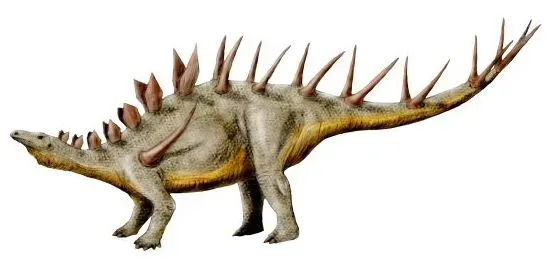
You’d spot Kentrosaurus along lush riverbanks in Late Jurassic Tanzania, its pairs of spikes ready to fend off threats. This stegosaur relative browsed low ferns and horsetails, keeping undergrowth in check and preventing overgrowth that could choke waterways. Its presence likely encouraged diverse plant regrowth, supporting smaller critters in the ecosystem.[3]
Honestly, these mid-sized herbivores acted like living lawnmowers, their defensive tails ensuring they stuck around to shape verdant floodplains. Without them, predators might have dominated emptier terrains. Picture the balance they maintained, spike by spike.[4]
Amargasaurus: Neck-Spined Floodplain Forager
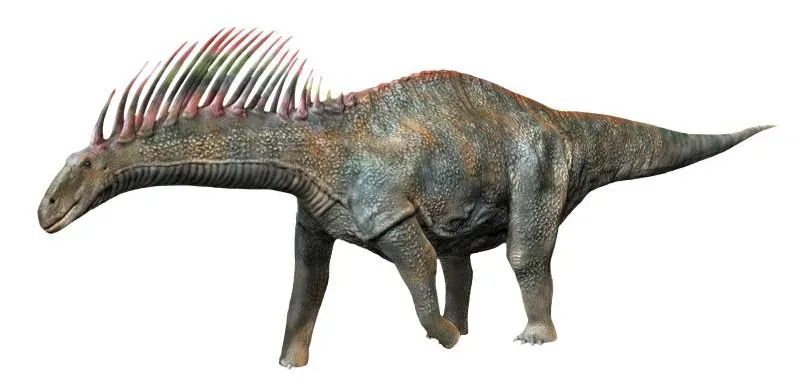
Envision Amargasaurus in Early Cretaceous Argentina’s braided rivers, its bizarre neck spines possibly shading or signaling amid the heat. As a sauropod, you grazed conifers and cycads at mid-levels, partitioning food niches with fellow long-necks to avoid competition. This kept vegetation layers healthy, promoting lush floodplain biodiversity.[5]
Climate shifts challenged them, yet their adaptations let them thrive, dispersing seeds via dung across wet landscapes. I think their unique sails made them keystone players in dynamic river systems. They turned potential wastelands into thriving hubs.[6]
Nigersaurus: The Mesozoic Lawnmower
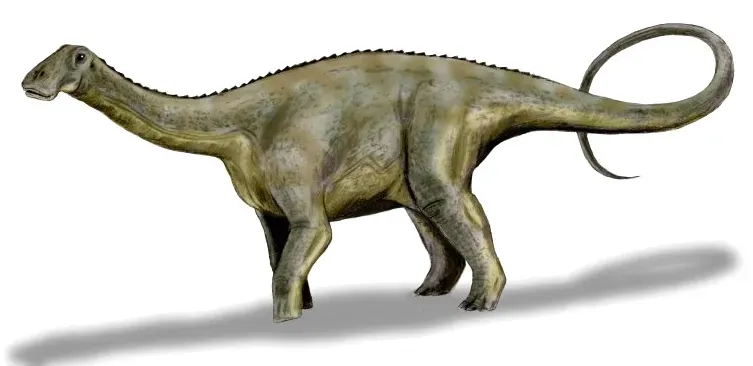
Picture Nigersaurus vacuuming low ferns in Early Cretaceous African floodplains, its wide mouth and 500 replacing teeth perfect for ground-level grazing. Abundant in its habitat, you cleared vast swaths of soft plants, fertilizing soils and spurring new growth cycles. This megaherbivore role prevented monocultures, fostering richer understories.[7]
Let’s be real, without these “mesozoic cows,” theropods like Suchomimus might have starved in overgrown flats. Their efficiency shaped predator-prey dynamics too. It’s wild how one weird jaw changed entire ecosystems.[8]
Ouranosaurus: Wetland Weed Whacker
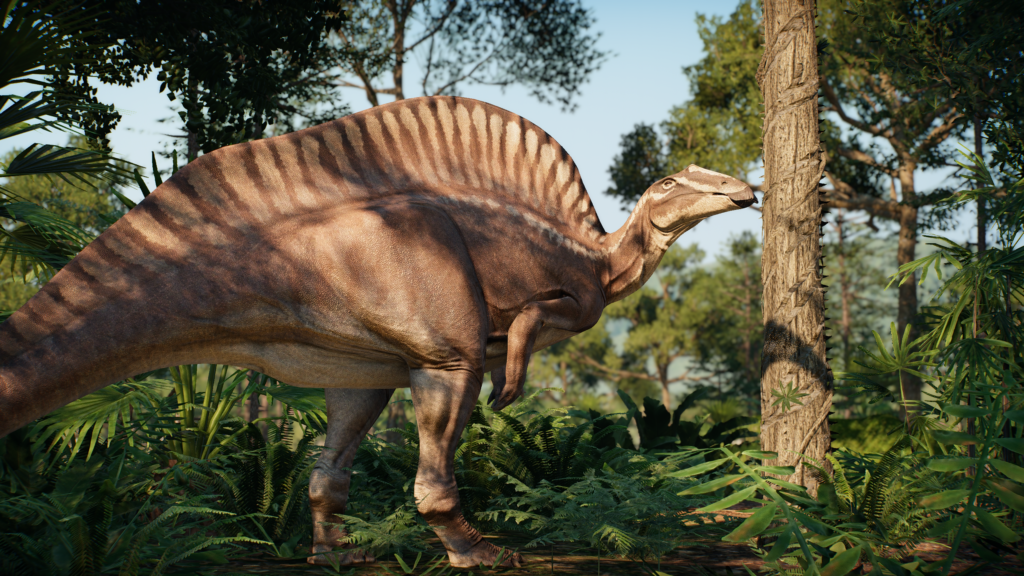
You’d find Ouranosaurus in North African river deltas during the Early Cretaceous, sail-backed and beaked for tough plants like conifers. This iguanodont stripped low vegetation in watery zones, creating open paths that aided smaller animals’ movement. Its herds likely boosted seed spread in soggy terrains.[9]
The sail? Maybe for display or thermoregulation, helping it endure steamy wetlands. They coexisted with spinosaurs, balancing the food web by keeping plants dynamic. No wonder these guys were ecosystem stabilizers.[10]
Shunosaurus: Club-Tailed Low Browser
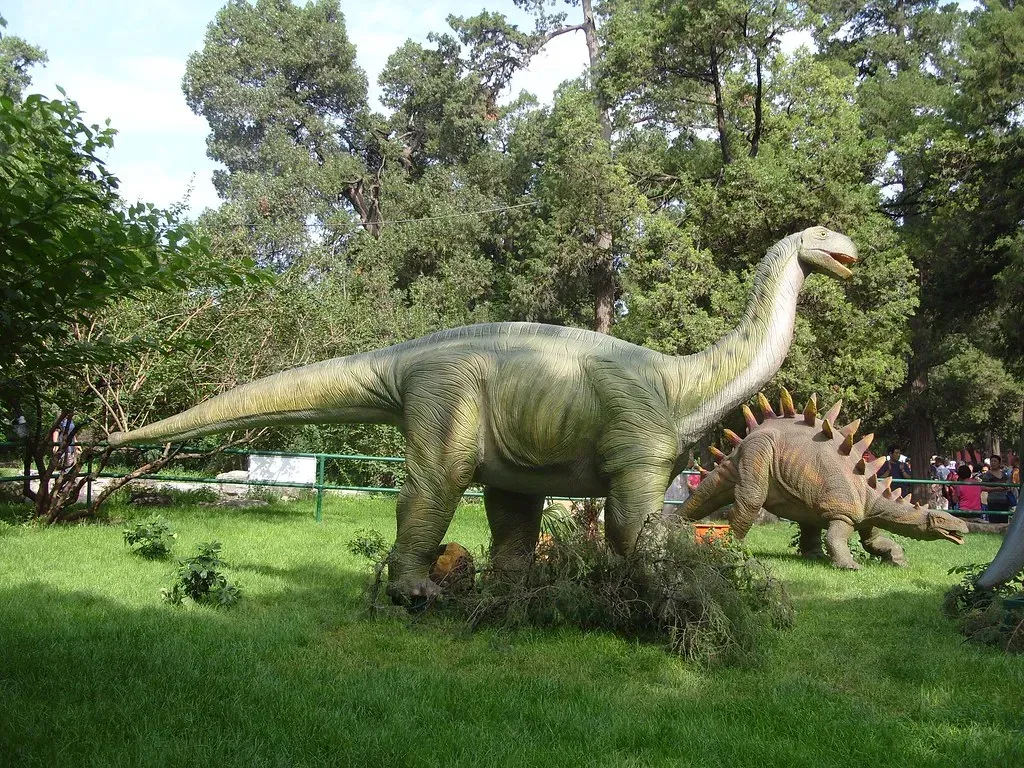
In Middle Jurassic China’s forests, Shunosaurus lumbered with a short neck for ground plants and a tail club like an ankylosaur’s. You munched ferns close to the dirt, deterring predators while maintaining forest floors. This basal sauropod’s defenses let it dominate understories, aiding fungal and plant diversity.[11]
Their longevity, over 120 years, meant steady grazing pressure that sculpted habitats long-term. Imagine the paths they cleared for pack hunters. Truly, these underdogs engineered woodland balance.[12]
Muttaburrasaurus: Aussie Outback Shaper
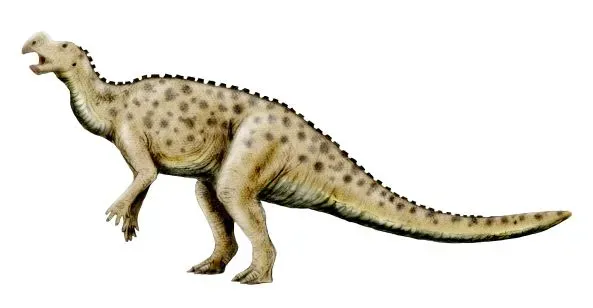
Down under in Early Cretaceous Queensland, Muttaburrasaurus roamed with a nasal boss, chomping coastal plants. As one of Australia’s best-known skeletons, you browsed in open woodlands, your herds trampling trails and enriching soils. This iguanodont filled a vital mid-sized herbivore niche Down Under.[13]
Locally iconic, globally overlooked, they prevented bush overgrowth, supporting unique Gondwanan life. Their robust build handled tough Aussie flora, keeping ecosystems vibrant. What a hidden gem for continental balance.[14]
Leaellynasaura: Polar Twilight Survivor
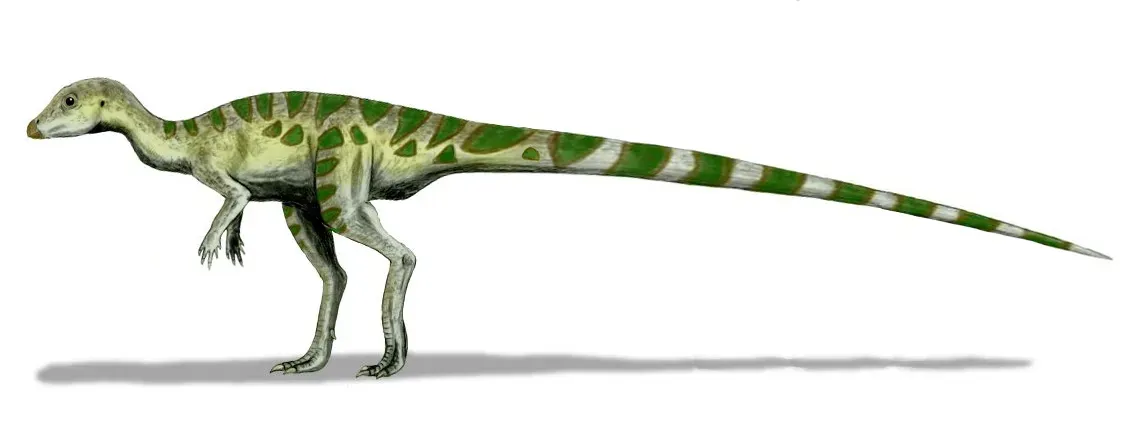
Deep in Early Cretaceous Antarctic forests, tiny Leaellynasaura endured months of darkness, nibbling low shrubs. You huddled perhaps with fluffy coverings, browsing evergreens to survive polar winters. This ornithopod proved herbivores could conquer extremes, diversifying cold-edge ecosystems.[15]
Their resilience expanded dino range, influencing global plant distributions via migration. It’s mind-blowing how such small fry shaped icy frontiers. They redefined what’s possible for plant-eaters.[16]
Hypsilophodon: Fleet-Footed Forest Nibbler
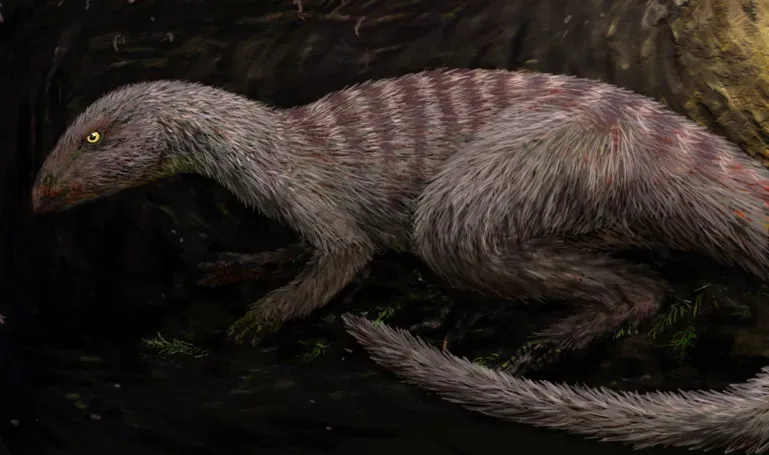
Zipping through Early Cretaceous English woodlands, Hypsilophodon snatched leaves with grasping hands and sharp beaks. Agile and bipedal, you darted from predators, cropping shrubs to open forest canopies. This speedster promoted understory variety, vital for insect and small vertebrate booms.[17]
Packs of them likely created mosaics of regrowth, fueling food chains up. Overlooked but essential, they kept island ecosystems humming. Speed and smarts made all the difference.[18]
Why These Heroes Matter Today
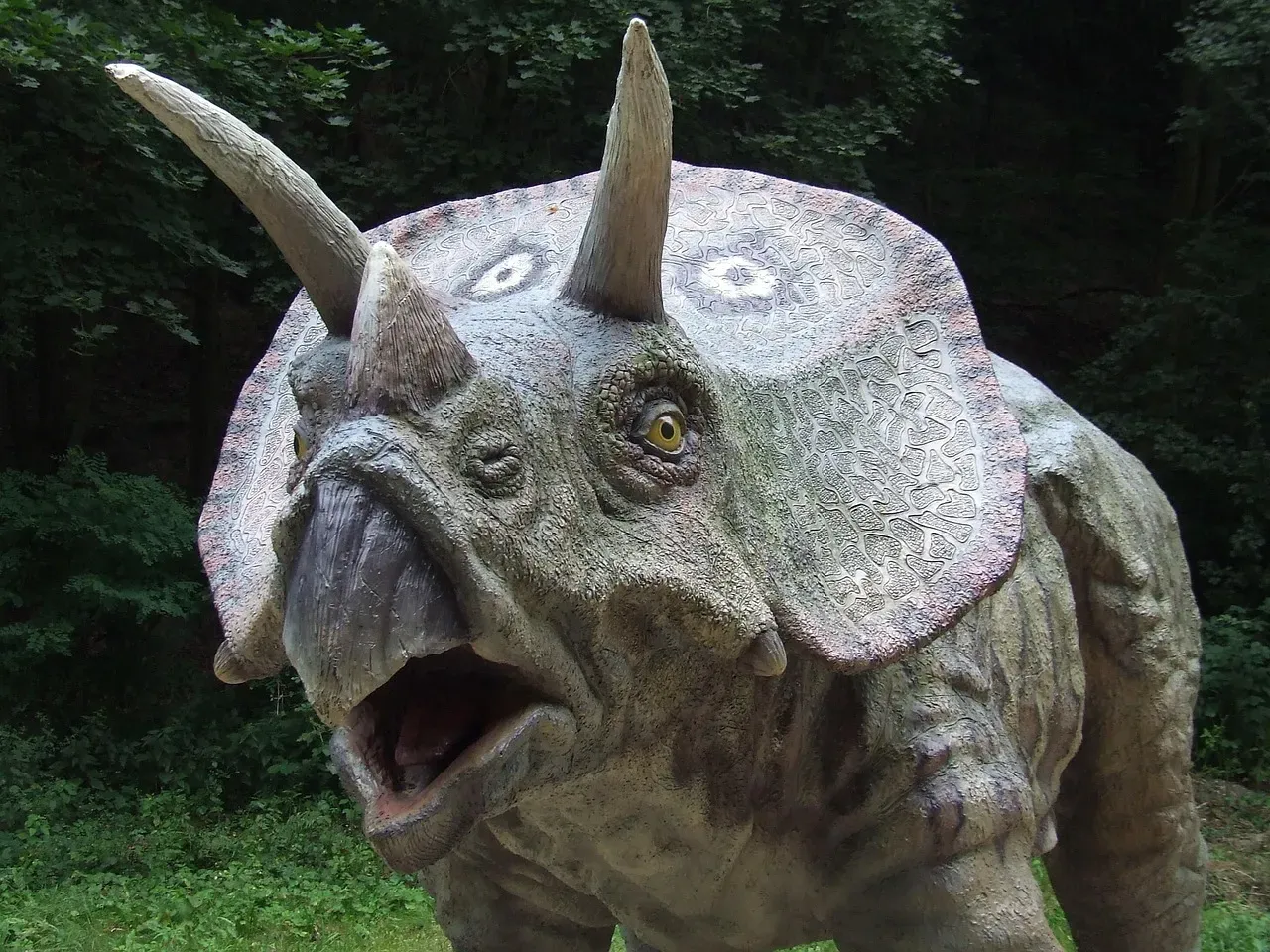
These eight remind us herbivores weren’t sidekicks; they built the Mesozoic stage. From polar nibblers to vacuum sauropods, each carved niches that let life flourish. Their legacies echo in modern grazers shaping savannas.
Next time you hear dino tales, champion the plant-eaters. What unsung hero surprises you most? Share in the comments.[19]