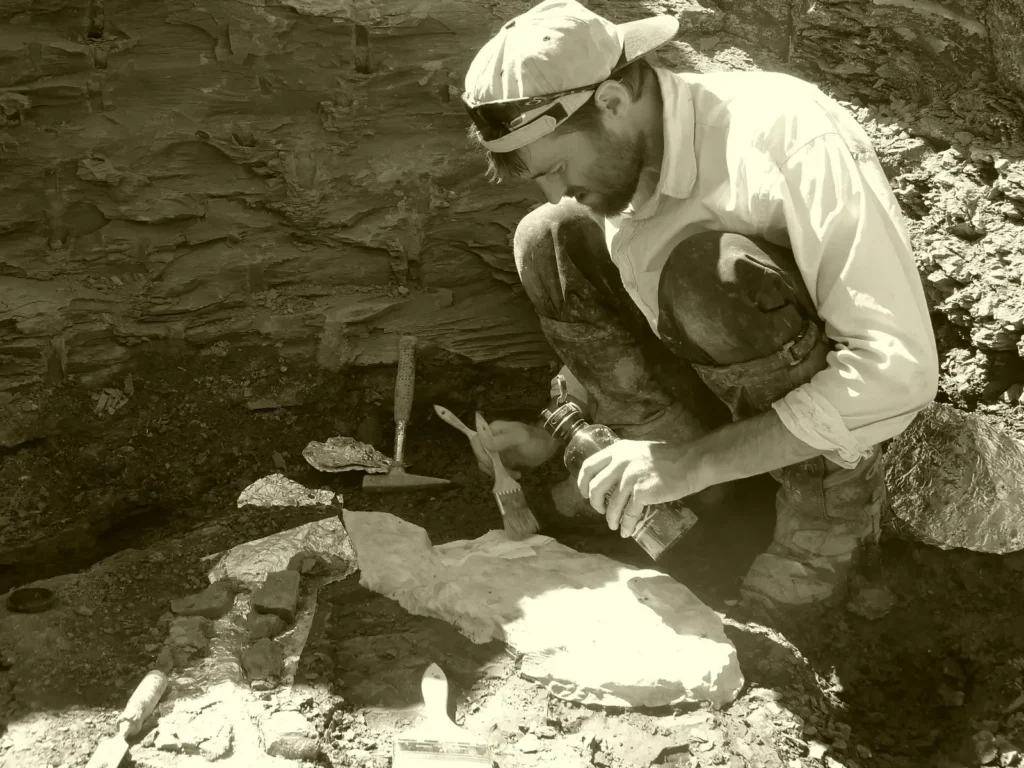
Think you know the story of how we discovered dinosaurs? Let’s be real, when most people imagine fossil hunters, they picture grand expeditions led by famous names etched into museum plaques. The truth is far more interesting.
Behind every mounted skeleton and groundbreaking theory, there are individuals whose contributions have been whispered about in academic circles but rarely shouted from the rooftops. Some faced prejudice because of their gender or social class. Others simply worked in the shadow of more flamboyant colleagues. A few made discoveries so ahead of their time that the scientific community needed decades to catch up. These are the unsung heroes whose tireless work fundamentally changed what we know about prehistoric life. So let’s dive in.
Mary Anning: The Fossil Hunter Who Changed Everything
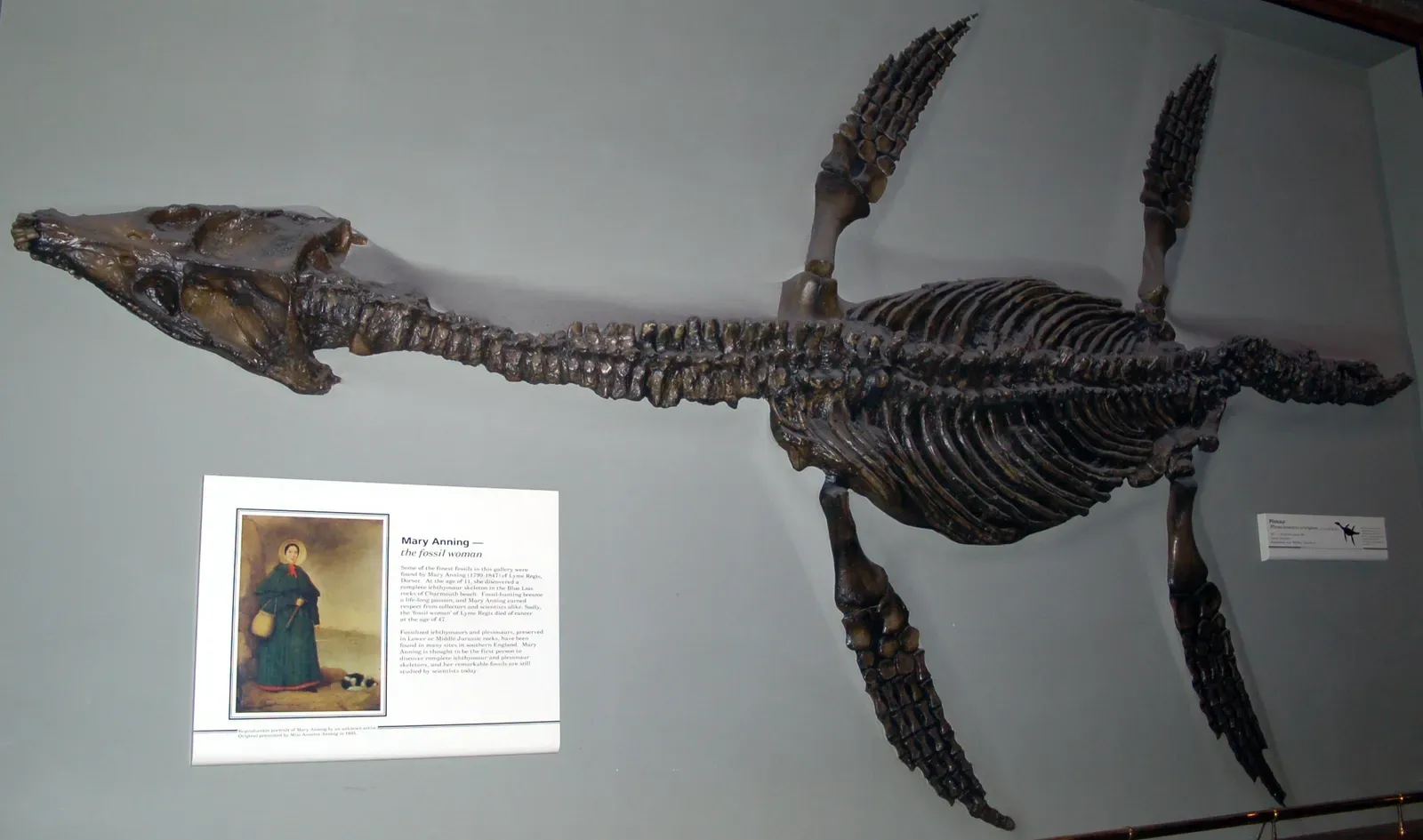
You probably haven’t heard her name in school textbooks, yet Mary Anning was an English fossil collector whose discoveries in Jurassic marine fossil beds along the English Channel at Lyme Regis fundamentally changed scientific thinking about prehistoric life. When she was just twelve years old, she spent months carefully uncovering the first Ichthyosaurus skeleton described as such in London. Her meticulous work set a standard for fossil excavation that professionals still admire.
She went on to discover the first complete Plesiosaurus, and Britain’s first Pterodactylus, the first pterosaur ever discovered outside Germany. The majority of her finds ended up in museums like the Natural History Museum in London, but she remained unsung as she found fossils while others got the credit. Male scientists who frequently bought the fossils Mary would uncover, clean, prepare and identify often didn’t credit her discoveries in their papers, and the Geological Society of London refused to admit her since they didn’t allow women to become Fellows until 1908. Despite the injustice, her legacy endures as one of the most important figures in early paleontology.
Barnum Brown: Mr. Bones and the T. Rex Discovery
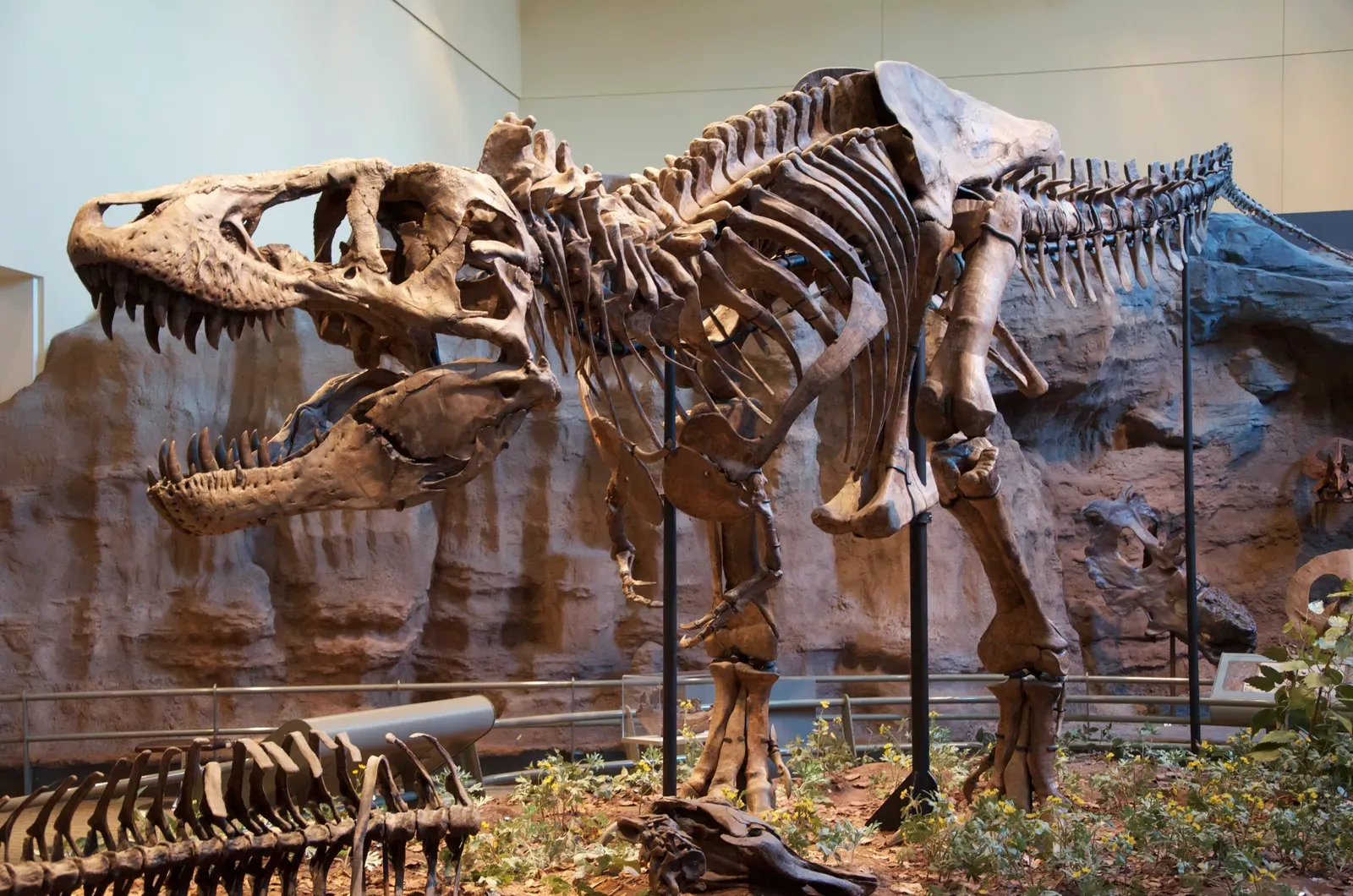
Commonly referred to as Mr. Bones, Barnum Brown was an American paleontologist who discovered the first documented remains of Tyrannosaurus during a career that made him one of the most famous fossil hunters from the late Victorian era into the early 20th century. He led an expedition to the Hell Creek Formation of southeastern Montana, where in 1902 he discovered and excavated the first documented remains of Tyrannosaurus rex. That find alone would have secured his place in history.
What makes Brown’s story remarkable is his consistency. He found the first Tyrannosaurus skeleton in 1902, and if that were not enough, he found the second one as well, an even better specimen, in 1908. After ten years of hunting in Montana, Brown moved on to the Red River area of Alberta, Canada, where in 1912 he found a new kind of hadrosaur with an elaborate crest on its head, which resulted in its name: Corythosaurus, the helmeted dinosaur. His discoveries filled museum halls and sparked public fascination with dinosaurs that continues today. Yet outside paleontological circles, his name doesn’t ring the same bells as the creatures he unearthed.
Ernst Stromer: The Paleontologist Whose Life’s Work Turned to Ash
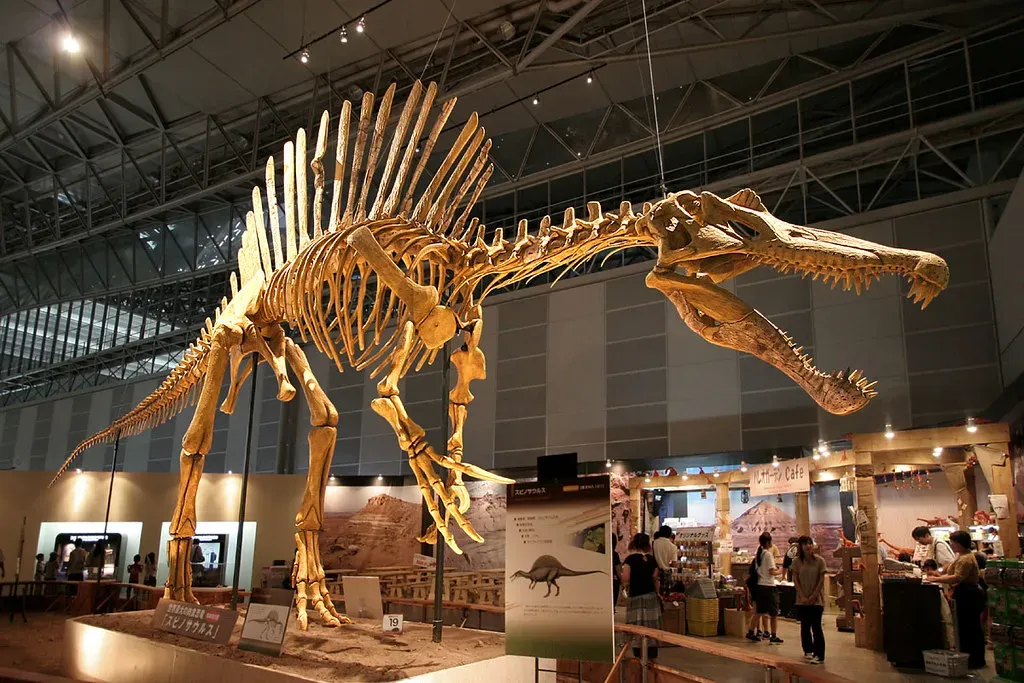
German paleontologist Ernst Stromer visited Egypt in 1910 and 1911 in pursuit of extinct mammal remains, collecting numerous fossils from various sites on his long expeditions, with the Bahariya region and its Cretaceous-age fossils being especially productive, ending up naming several large dinosaurs. The species with which he is most associated is Spinosaurus, that bizarre sail-backed predator that continues to fascinate researchers.
Any modern impacts pale into insignificance compared to those felt by Stromer, whose life’s work had been turned to ash as a careful, meticulous, and skilled paleontologist who faded from renown following the war, though his legacy was finally revived and his contributions to paleontology celebrated at the turn of the 21st century. Allied bombing during World War II destroyed the Munich museum housing his precious Spinosaurus specimens. Eighty years after their destruction, no comparable Spinosaurus material from Egypt has been found that replicates these lost data. His story serves as a haunting reminder of how fragile scientific knowledge can be.
Charles Sternberg: The Frontier Fossil Collector
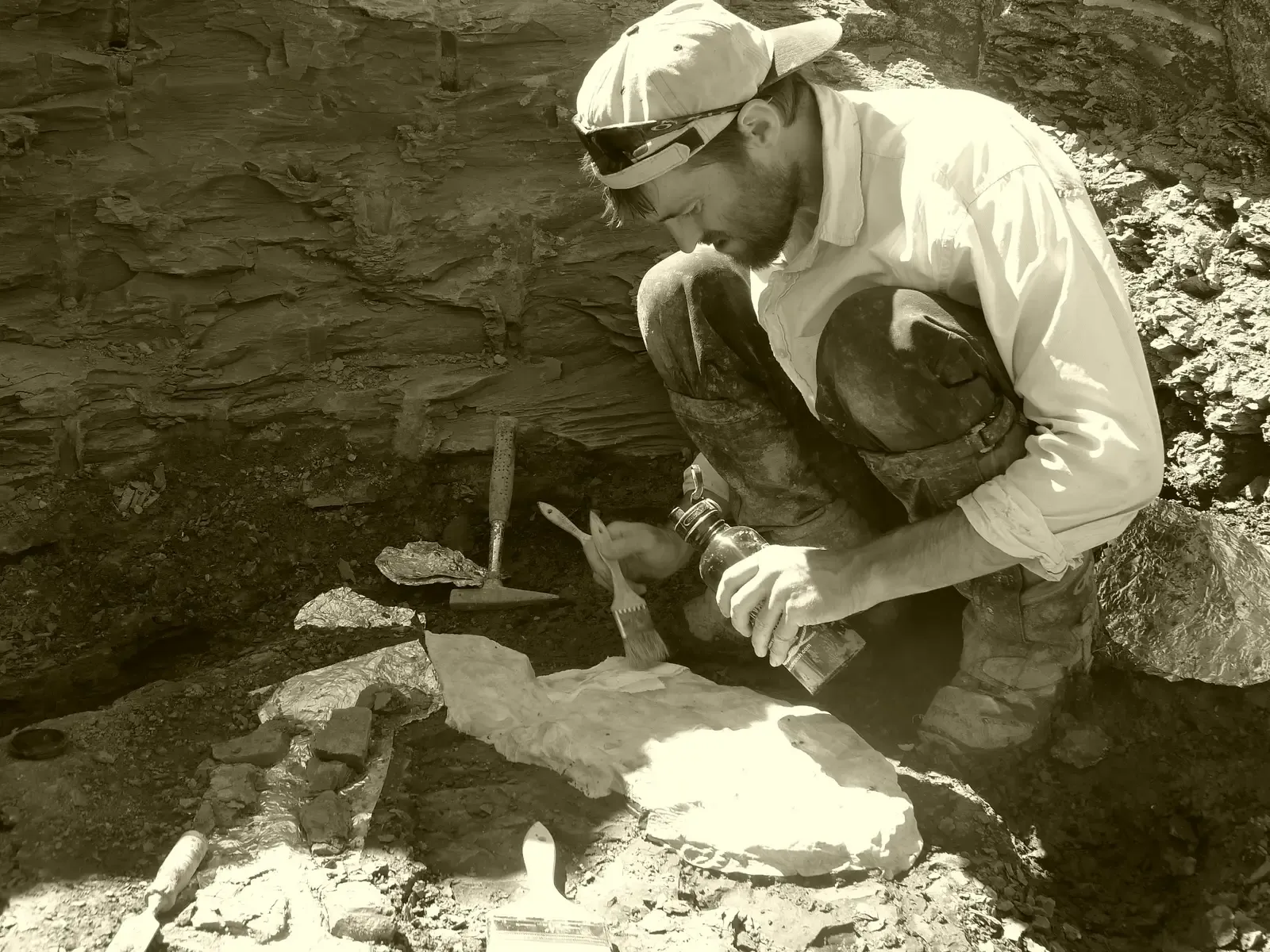
As a teenager Charles Sternberg joined his brother on a western Kansas ranch, fell in love with fossils, and went on to be one of the century’s most successful paleontologists, with work under Marsh’s direction leading to discoveries that together were a long stride toward confirming Darwin’s ideas. Working during the great age of American fossil exploration, Sternberg collected specimens across the western United States.
His contributions extended beyond his own finds. The Sternberg family became a dynasty of fossil hunters, with Charles training his sons in the meticulous art of excavation and preparation. Their combined efforts recovered countless specimens that helped fill gaps in our understanding of North American dinosaurs. Honestly, without the Sternberg family’s dedication to fieldwork, many museum collections would be far less impressive. Yet their name rarely appears in popular accounts of dinosaur discovery.
Joan Wiffen: New Zealand’s Self-Taught Dinosaur Pioneer
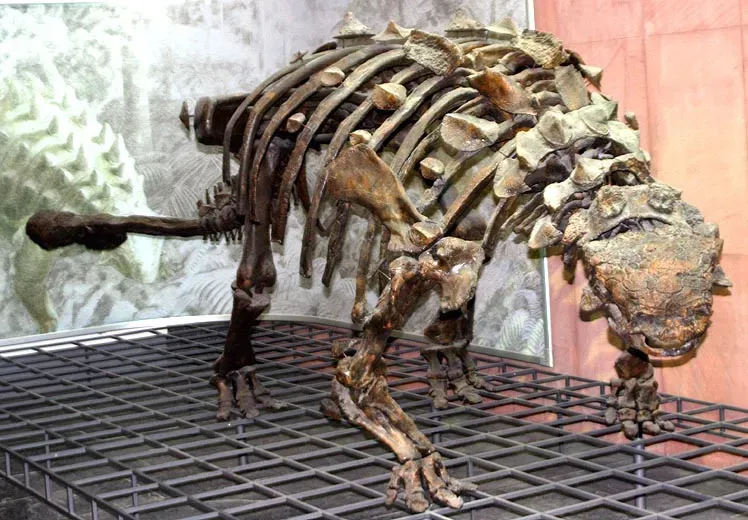
Joan Wiffen is a self-trained amateur paleontologist who pioneered dinosaur hunting in New Zealand, and her discoveries beginning in 1974 greatly changed scientists’ views of New Zealand’s paleontological history by discovering fragmentary fossils of late Cretaceous period dinosaurs, as these are the first dinosaurs found in New Zealand where it had been previously thought that no dinosaurs had lived. Here’s the thing: she proved an entire scientific consensus wrong.
Wiffen didn’t let lack of formal training stop her from making groundbreaking discoveries. She discovered fossils including an ankylosaur, a carnosaur, and a sauropod. Her work opened an entirely new chapter in understanding how dinosaurs spread across ancient landmasses. The scientific establishment initially doubted her findings simply because New Zealand seemed too isolated. She persisted, collected evidence, and ultimately rewrote the paleontological map of the Southern Hemisphere.
Roland T. Bird: The Trackway Detective
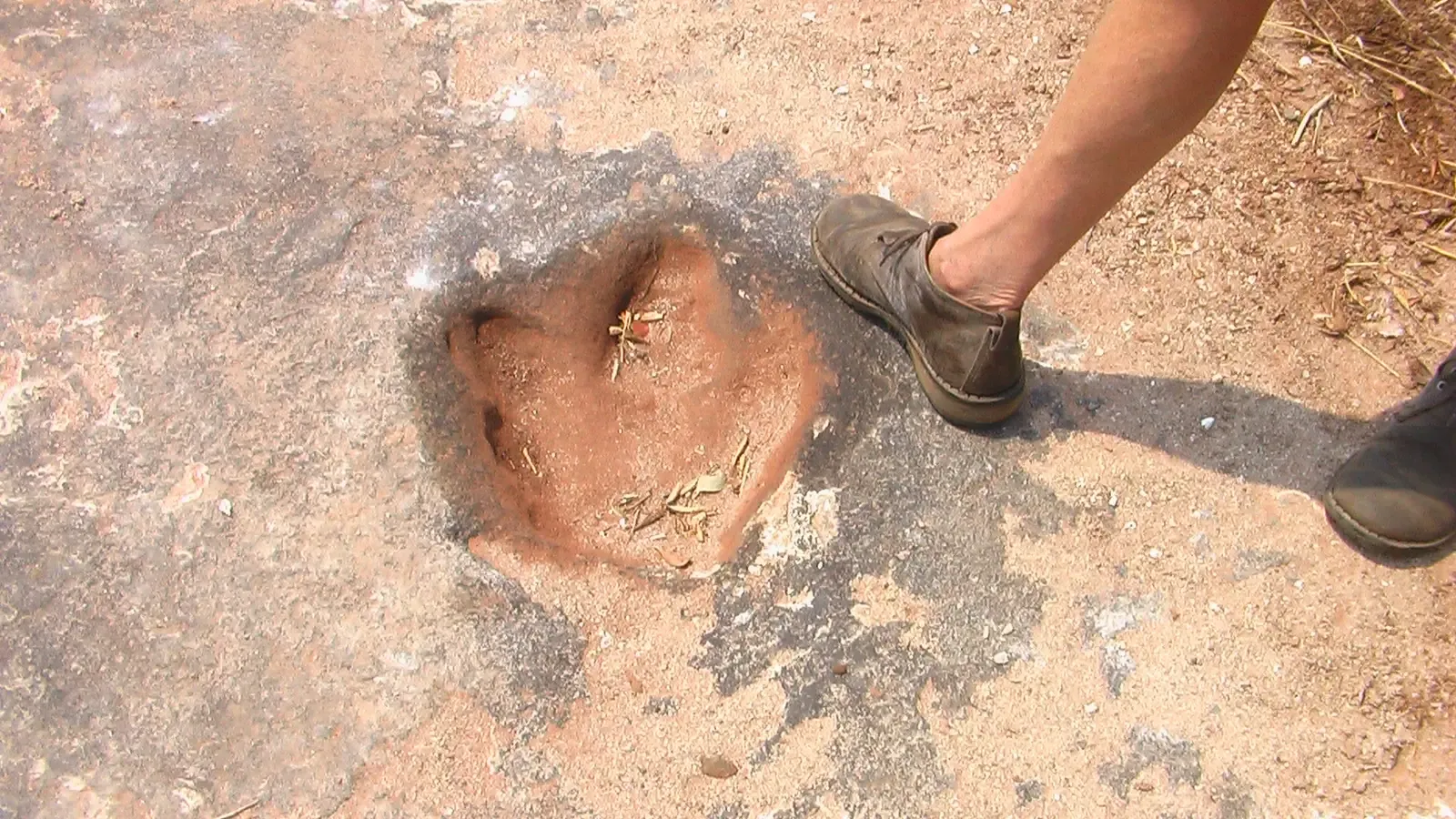
Working as assistant to Barnum Brown, Roland T. Bird made discoveries that changed how we understand dinosaur behavior rather than anatomy. His crowning achievement was the discovery, collection, and interpretation of gigantic Cretaceous dinosaur trackways along the Paluxy River near Glen Rose and at Bandera, Texas, with a trackway from Glen Rose on exhibit at the American Museum and the Texas Memorial Museum in Austin. These weren’t just footprints; they were frozen moments of prehistoric life.
His interpretation of these trackways demonstrated that a large carnosaur had pursued and attacked a sauropod, that sauropods migrated in herds, and that contrary to then-current belief, sauropods were able to support their own weight out of deep water, with these behavioral interpretations anticipating later dinosaur studies by at least two decades. His chart of the Howe Quarry in Wyoming, a massive sauropod boneyard, is one of the most complex paleontological charts ever produced and a work of art in its own right. Bird’s meticulous documentation methods set new standards for paleontological fieldwork, even though his name isn’t widely known outside specialist circles.
Henry Fairfield Osborn: The Museum Builder
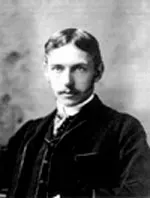
Henry F. Osborn was a US paleontologist who found and named many dinosaurs in Mongolia and the US in the early 1900s, serving as curator of the American Museum of Natural History starting in 1891, and did extensive research on brontotheres. Osborn named and described Albertosaurus, Asiatosaurus, Ornitholestes, Oviraptor, Pentaceratops, Prodeinodon, Psittacosaurus, Saurornithoides, Struthiomimus, Tyrannosaurus, and Velociraptor. That’s an extraordinary roster of famous dinosaurs.
What made Osborn particularly influential was his vision for public paleontology. For 25 years Osborn was president of the American Museum of Natural History, which led to the museum’s research programs and facilities expansion. He understood that dinosaurs could capture public imagination and drive support for scientific research. His leadership transformed museums from dusty repositories into dynamic centers of discovery. Still, when people think of dinosaur hunters, they rarely picture the administrator behind the scenes making expeditions possible.
John Ostrom: The Dinosaur Renaissance Pioneer
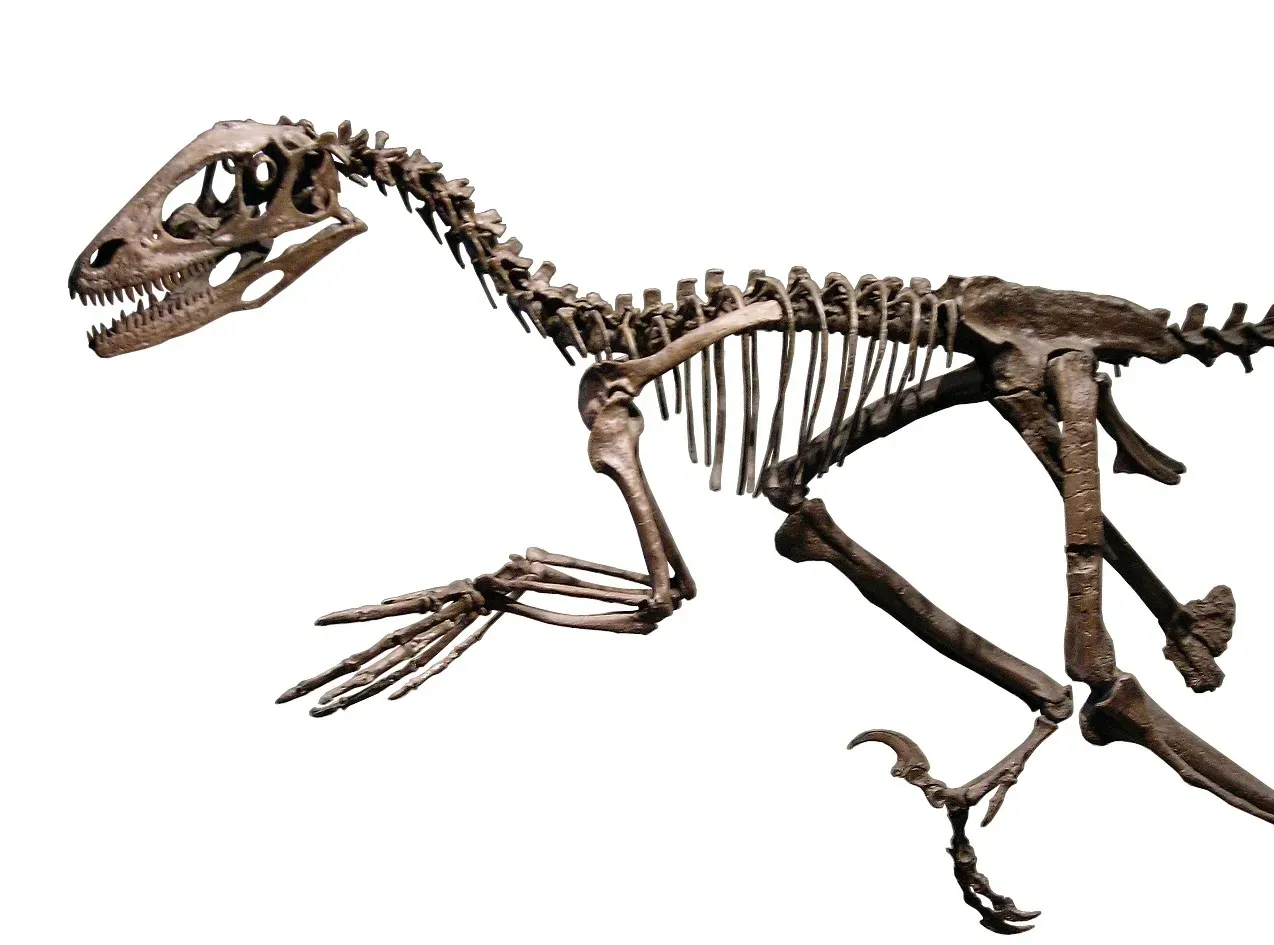
John H. Ostrom is a US paleontologist and author who found and named Deinonychus in 1964 and 1969, also naming Microvenator, Sauropelta, and Tenontosaurus in 1970, and has championed the theory that birds arose from theropod dinosaurs. His work on Deinonychus fundamentally challenged how scientists viewed dinosaurs, suggesting they were active, warm-blooded creatures rather than sluggish reptiles.
Ostrom’s research sparked what became known as the dinosaur renaissance of the 1970s, completely transforming paleontology. His insights into the connection between dinosaurs and birds opened entirely new avenues of research that continue today. I think it’s fascinating how one scientist’s careful observations can shift an entire field’s perspective. Despite this revolutionary impact, Ostrom remains relatively unknown compared to the flashier fossil hunters who preceded him, even though his intellectual contributions arguably changed the science more profoundly.
Conclusion
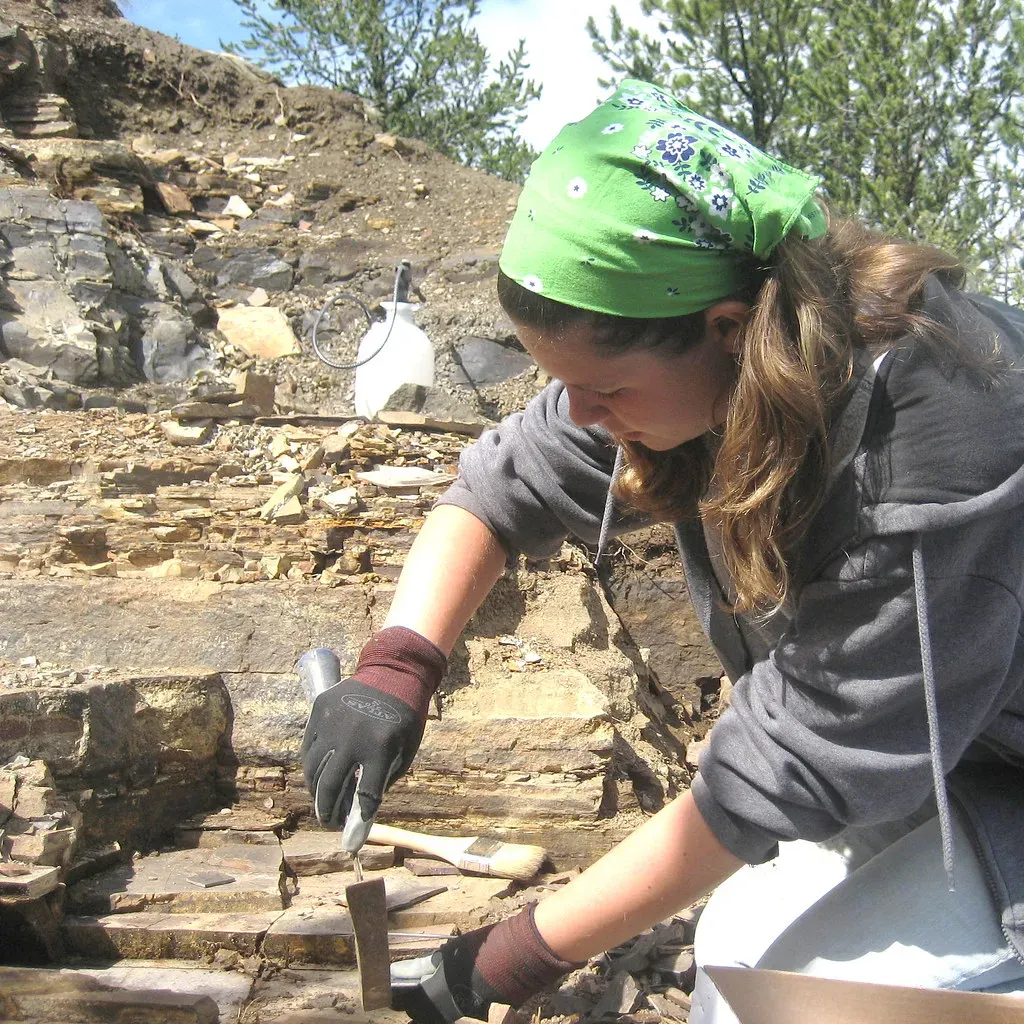
The story of paleontology is really a tapestry woven by countless individuals, many of whom history has overlooked. From Mary Anning’s childhood discoveries on storm-battered English cliffs to John Ostrom’s paradigm-shifting insights about dinosaur biology, these unsung heroes fundamentally shaped what we know about prehistoric life. Some faced barriers of gender, class, or lack of formal education. Others simply worked quietly while colleagues claimed the spotlight.
Their legacies remind us that scientific progress depends on more than famous names. It requires meticulous fieldwork, careful documentation, bold ideas, and persistence in the face of skepticism. Next time you marvel at a dinosaur skeleton in a museum, remember the person who spent weeks excavating it from solid rock, the researcher who challenged conventional wisdom, or the self-taught enthusiast who proved experts wrong. What do you think about these forgotten pioneers? Do their stories change how you see the dinosaurs they helped us discover?