
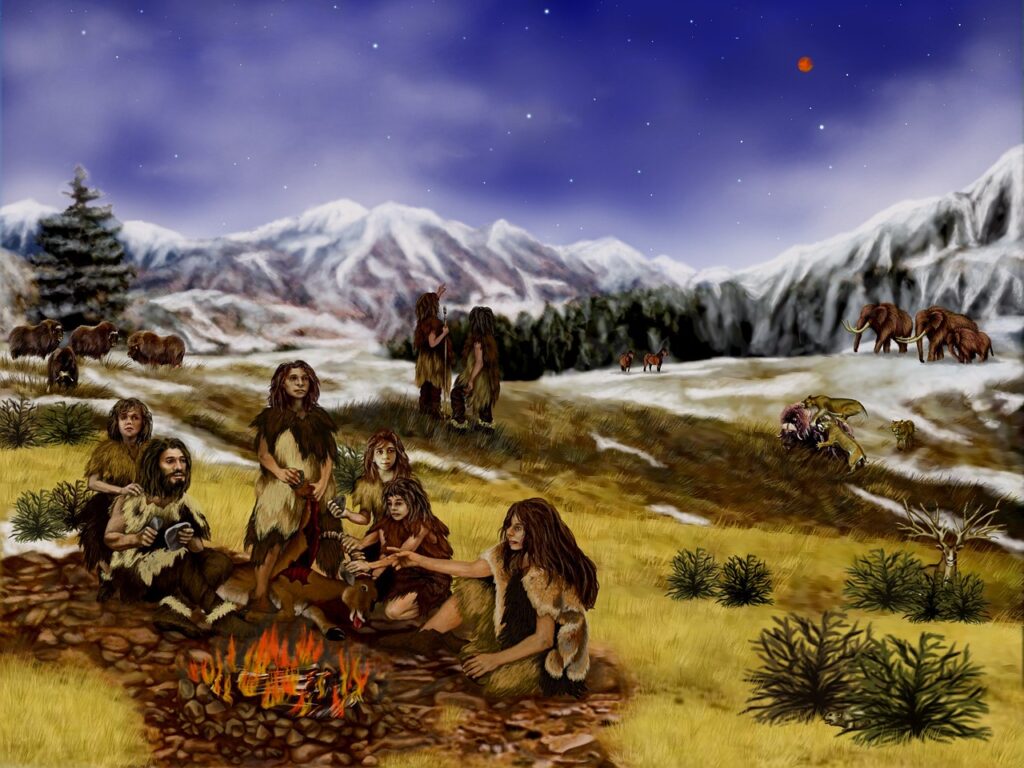
Humans evolved in comfortable-looking documentaries: golden savannas, soft sunsets, people strolling with spears in slow motion. Reality was much harsher. Our ancestors walked straight into ice sheets, deserts, megadroughts, volcanic winters, and sudden cold snaps that would kill an unprepared modern camper in hours. And yet, against all odds, they made it – not with gadgets or air conditioning, but with creativity, stubbornness, and a scary level of adaptability. If you zoom out over the last few hundred thousand years, you see the same pattern again and again: climate swings hard, ecosystems shift, and instead of folding, humans pivot. We tinker with fire, clothing, migration routes, food strategies, and social rules until the environment becomes survivable. The story is less about brute strength and more about relentless problem‑solving. Here are eight of the most powerful – and what they quietly reveal about us today.
1. Mastering Fire: Portable Climate Control
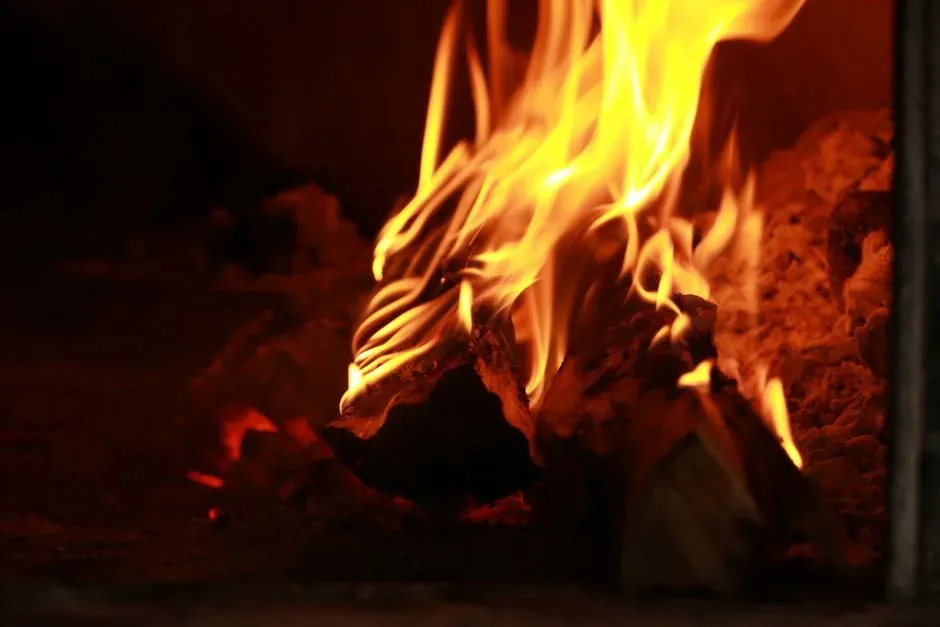
Imagine sitting on an open plain where the night temperature drops below freezing and predators can smell you from far away. For early humans, controlling fire was like inventing a force field and a heater at the same time. Archaeological sites hundreds of thousands of years old show repeated use of hearths, burned bones, and heat‑altered tools, hinting that people weren’t just using fire occasionally – they were building their lives around it.
Fire changed the game in at least three ways: warmth, safety, and food. In brutally cold or damp environments, a constant fire meant you could sleep, heal, and care for children without freezing. Flames and smoke helped keep big predators at bay and extended waking hours after sunset, turning long, dangerous nights into productive time for toolmaking, storytelling, and planning. Cooked food was easier to digest and safer, which probably gave people more energy and better health, a quiet advantage when every calorie and every illness could mean the difference between life and death.
2. Clothing, Shelter, and the Art of Making Microclimates
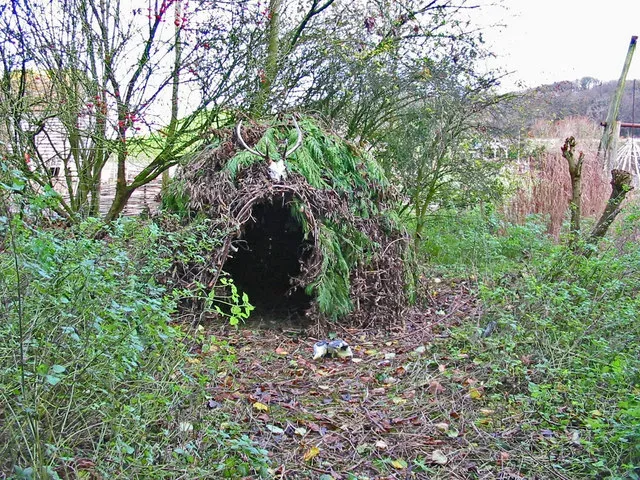
We like to think of clothing as fashion, but for most of human history it was survival engineering. Evidence of worked hides, bone needles, and tailored garments suggests that ancient people living in Ice Age Europe and Asia were not wandering around half‑naked; they were wrapping themselves in layered, fitted clothing that trapped warm air close to the skin. Fur, leather, and later plant fibers turned fragile bodies into walking insulation systems, turning a deadly blizzard into something just barely manageable.
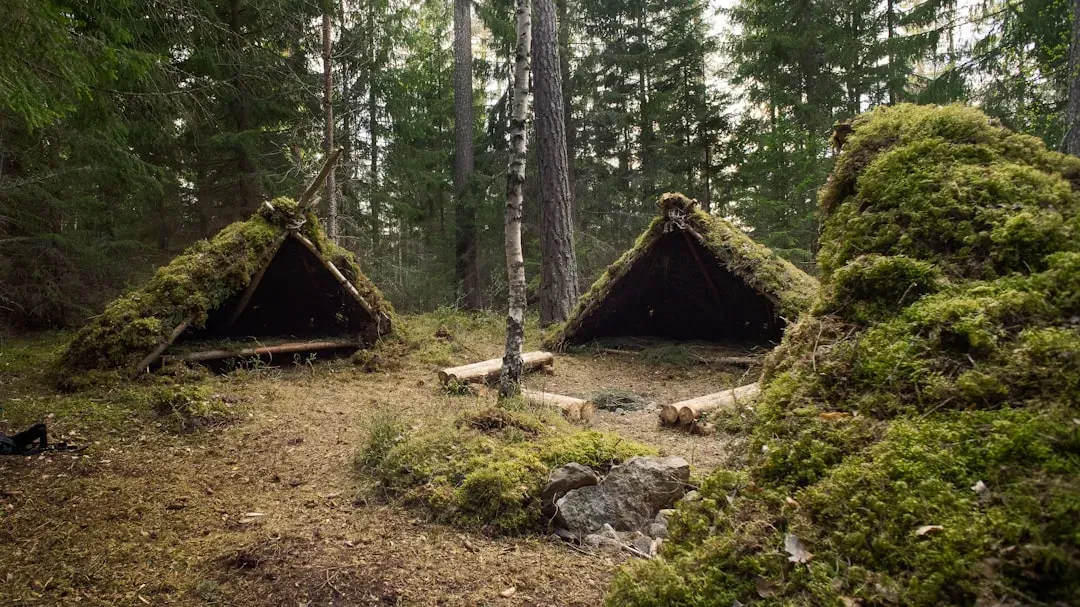
Shelter pushed this even further. Caves and rock overhangs are the obvious examples, but many groups built windbreaks, semi‑subterranean houses, and seasonal huts from wood, bone, turf, and animal skins. Think of these structures as hand‑made climate bubbles: inside, the temperature and airflow were different enough from the outside world to protect babies, elders, and the sick. Once you can build your own microclimate, you are not just enduring weather anymore; you are negotiating with it on your own terms.
3. Following the Seasons: Migration as a Survival Strategy
![3. Following the Seasons: Migration as a Survival Strategy (Skin colour and vitamin D: An updateProvided under Creative Commons free license (p.1, with link to Attribution 4.0 International (CC BY 4.0) page)"This is an open access article under the terms of the Creative Commons Attribution License, which permits use, distribution and reproduction in any medium, provided the original work is properly cited. © 2020 The Authors. Experimental Dermatology published by John Wiley & Sons Ltd" [1], CC BY-SA 4.0)](https://nvmwebsites-budwg5g9avh3epea.z03.azurefd.net/dinoworld/5c0caa84ff9b200276143667595846ed.webp)
When the climate refuses to cooperate, you have two broad options: build around it, or move. Ancient humans did both, but migration was one of their boldest tools. Over tens of thousands of years, small bands walked out of Africa, spread across Eurasia, crossed into Australia, and eventually reached the Americas. They were not just wandering randomly; they were following animal herds, plant growing seasons, and shifting coastlines that offered reliable water and food.
In some regions, people developed almost clockwork‑like seasonal rounds, moving between highlands and lowlands, river valleys and drier plateaus, depending on rainfall and temperature. That kind of mobility was its own kind of climate tech. If a drought hammered one area, you could fall back on another part of your annual route. In a way, their map was also their survival manual. Today, when most of us are tied to one location by jobs or infrastructure, it is easy to forget that for a huge chunk of human history, the smartest response to an extreme season was simply to leave.
4. Eating the Landscape: Flexible and Creative Diets
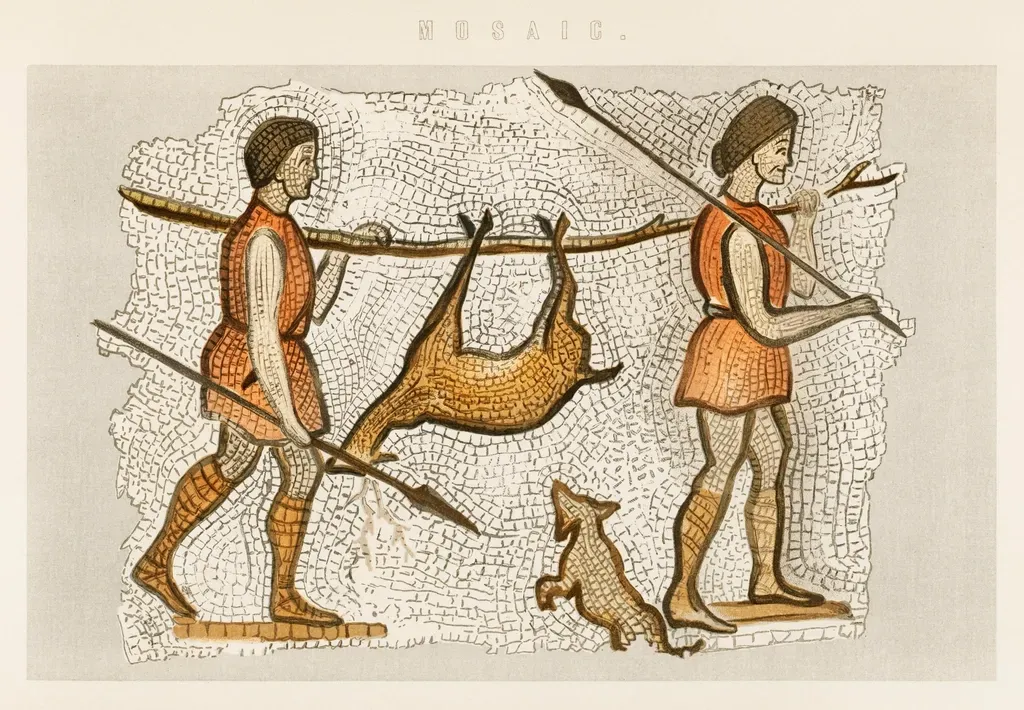
Surviving extreme climates is not just about staying warm or cool; it is about keeping your body fueled when the environment keeps shifting the menu. Ancient humans were remarkably opportunistic eaters. Fossil evidence, residues on tools, and wear patterns on teeth all suggest a wild mix: large game when available, smaller animals and fish, roots, bulbs, nuts, fruits, seeds, and even insects. In a drought‑stricken region, hardy underground tubers might become vital; in a frozen landscape, high‑fat animal meat and marrow could carry people through months of scarcity.
What really stands out is how quick people were to learn new foods and processing tricks. Grinding stones, roasting pits, and fermented or dried stores show that they were not stuck eating only what was easy and obvious. In deserts, they learned to exploit drought‑tolerant plants and time their movements with rare water sources. In cold coasts, marine resources like seals, fish, and shellfish became the backbone of survival. The more extreme the climate, the more it rewarded groups who could expand their definition of “food” and squeeze calories from unlikely places.
5. Tools and Technology: Turning Harsh Environments into Resource Banks
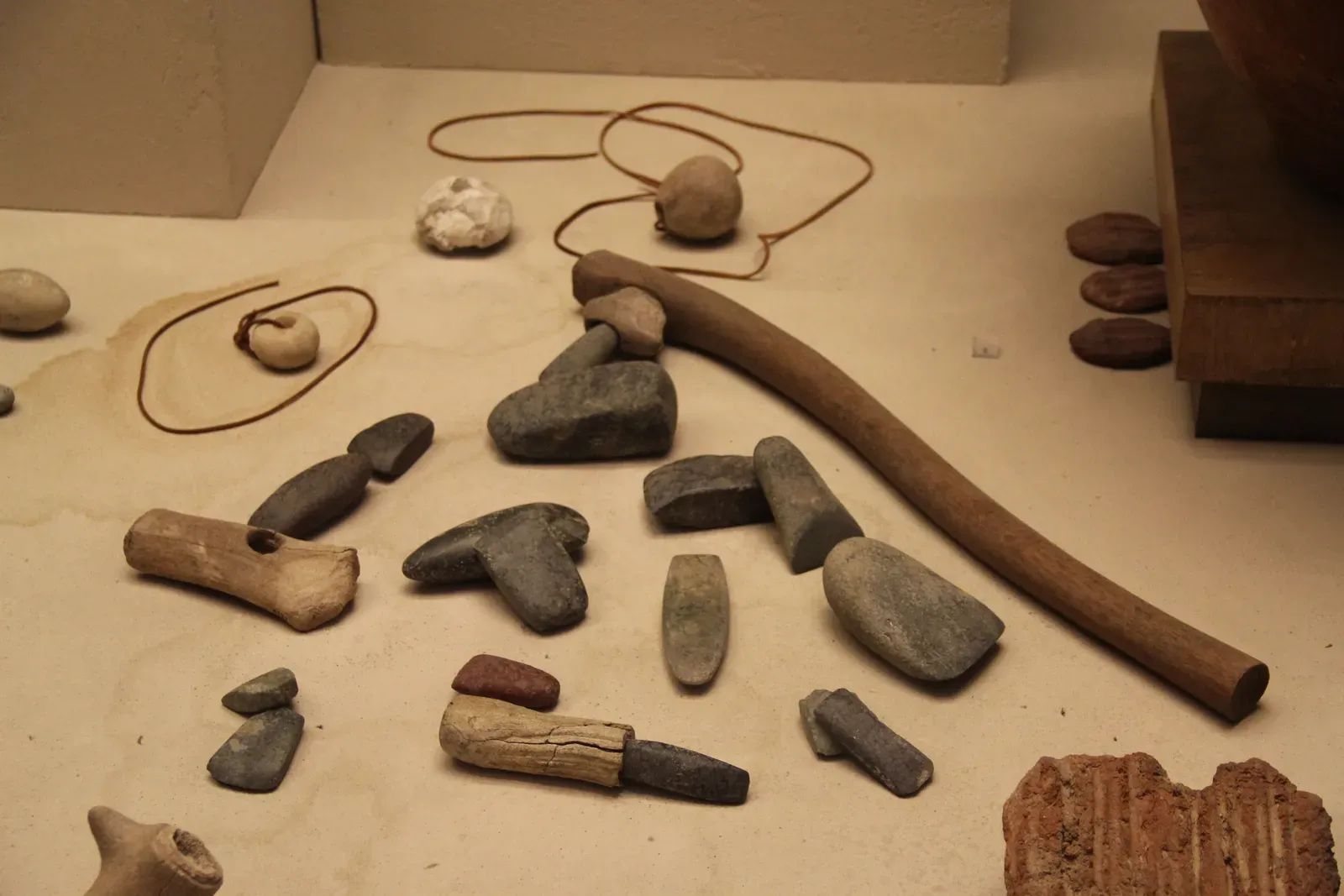
At first glance, an ice‑covered valley or a dry steppe looks like a nightmare. But with the right tools, it becomes a pantry and a workshop. Ancient humans refined stone tools from simple choppers to finely crafted blades, scrapers, and points that were specialized for butchering, hide working, woodworking, and fishing. Bone, antler, and later composite materials let them make harpoons, hooks, needles, and barbed points that opened up new food sources in both frozen seas and parched rivers.
The more specialized the tools, the more efficiently people could use whatever their climate offered. In very cold places, hunting large herbivores like mammoths or reindeer was only possible with well‑made weapons and cooperative tactics. In coastal or icy waters, sophisticated harpoons and floats turned the ocean into a steady supply of fat‑rich meat. Technology did not cancel out the danger of extreme climates, but it tilted the odds. A harsh landscape became less of a wall and more of a puzzle waiting to be solved with the right gear.
6. Social Bonds, Shared Knowledge, and Collective Memory
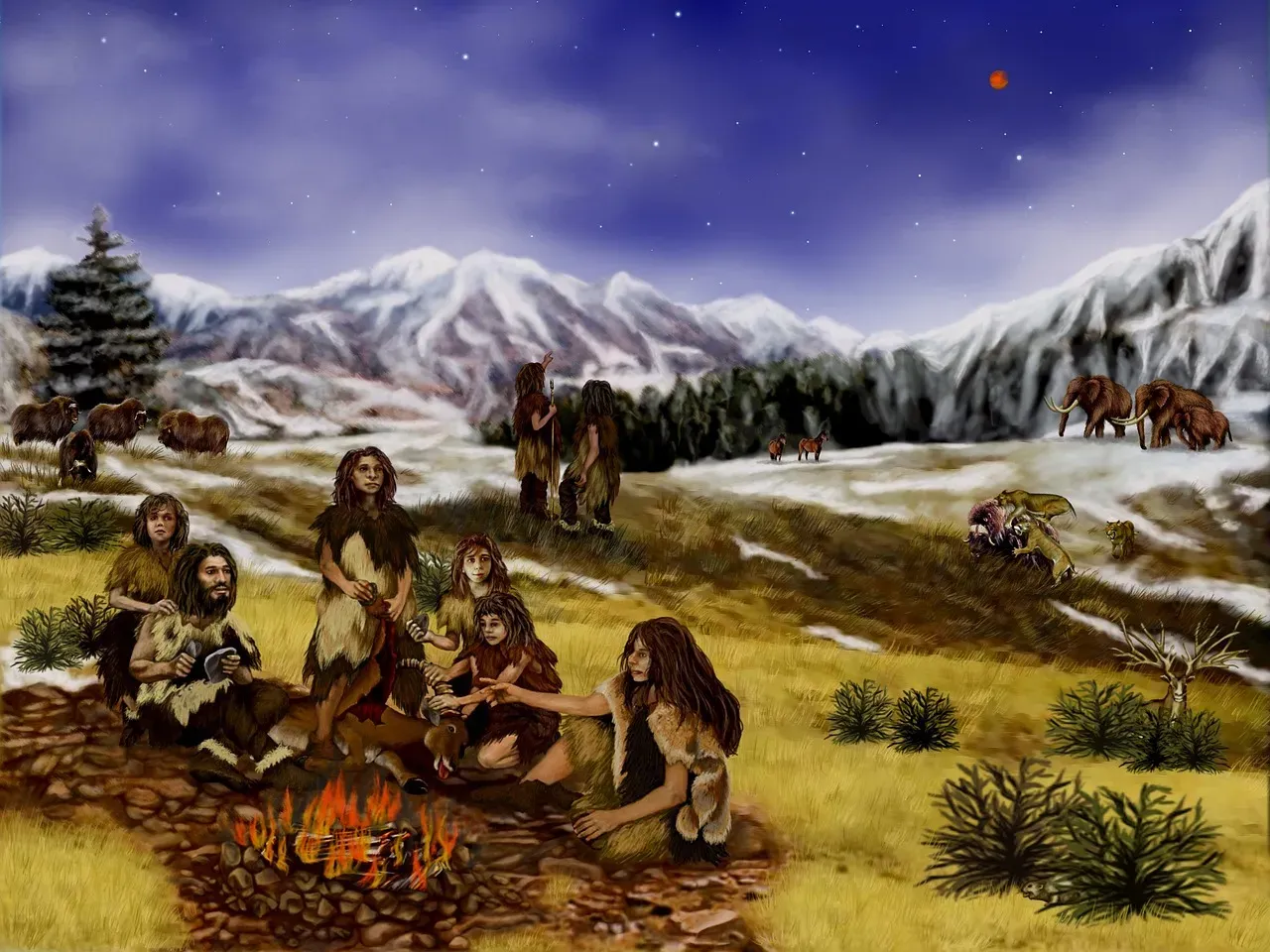
When we talk about survival, we often picture a lone rugged individual battling the elements, but that image is mostly fantasy. Real because they cooperated. Larger, more connected groups could share food when one family’s hunt failed, care for injured hunters who would have died alone, and pool childcare so adults could focus on gathering or building. In a blizzard or heatwave, an extra set of hands and another point of view could literally save a life.
Just as important was shared knowledge. Over generations, people built up mental maps of where to find water in a drought, how to read the sky for incoming storms, and when animals would migrate through a valley or cross a frozen river. That information did not sit in books; it lived in stories, teaching, and daily practice. A kid gathering wood or watching elders prepare food was also learning a deeply tested survival script. In my opinion, this collective memory was one of humanity’s strongest climate tools – a living, constantly updated database that no single person could ever have built alone.
7. Adapting Bodies and Brains: Biological and Behavioral Flexibility
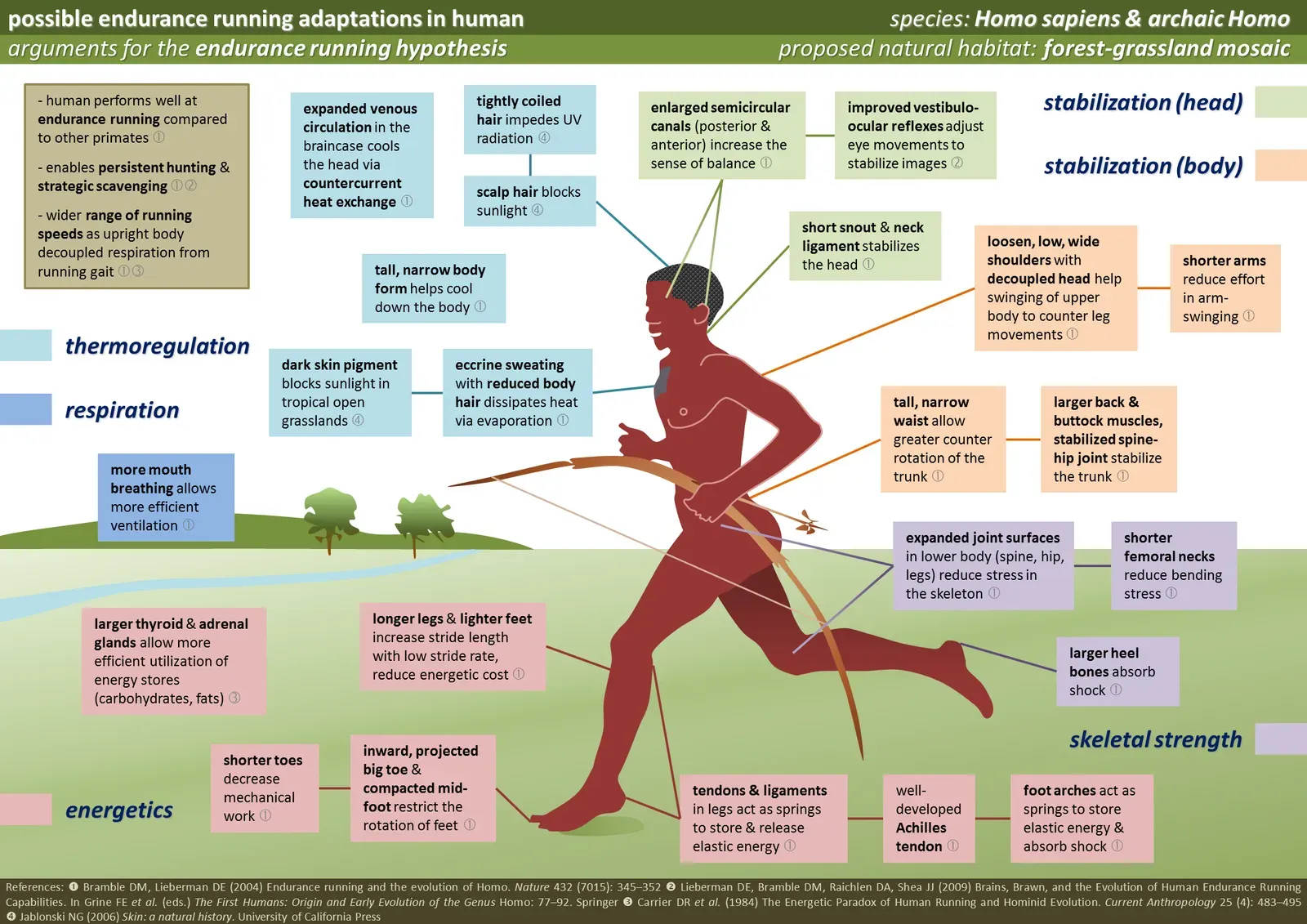
Over long timescales, climate leaves marks on the body. Populations living in very cold regions tend to develop stockier builds with shorter limbs that conserve heat slightly better, while those from hot climates more often show leaner forms that shed heat more easily. Skin pigmentation has also shifted over millennia, balancing protection from intense sunlight with the need to produce enough vitamin D in lower‑light environments. These are not overnight changes, but they show that our species has not just changed its tools and habits – it has reshaped itself.
Even more striking, though, is our behavioral flexibility. Compared with other animals, humans can overhaul their daily routines, social rules, and long‑term strategies in response to climate pressure. They can decide to hunt at night instead of day, to store food rather than eat it immediately, to switch from mostly hunting to mostly gathering or fishing, or to form alliances with neighboring groups instead of competing. It is almost like our real superpower is not toughness, but the ability to rewrite the way we live when the weather or landscape demands it.
8. Storytelling, Meaning, and the Psychology of Endurance
There is a quieter piece of climate survival that does not show up in bones or tools: how people held themselves together mentally when conditions were terrifying. Facing months of darkness, relentless drought, or sudden freezes without forecasts or scientific explanations is a kind of psychological pressure most of us never experience. Ancient humans leaned heavily on shared stories, rituals, and meaning‑making to cope. Storms, seasons, and disasters became part of larger narratives that helped people make sense of suffering and stay motivated to keep going.
I think this is one of the most underrated survival strategies our species has ever used. When you believe your struggle fits into a bigger pattern – whether sacred, ancestral, or simply communal – it is easier to endure another freezing night, to rebuild after a flood, or to migrate into the unknown. In a very real way, their mindset was as important as their tools. That same psychological resilience is something we still draw on today, even if the threats now come with graphs, reports, and headlines instead of sudden ice storms and advancing deserts.
Conclusion: What Ancient Survival Tactics Say About Our Future
Looking at how , one lesson jumps out: they did not wait for comfort, guarantees, or perfect information. They adapted early and often. They experimented with fire and clothing, moved when they had to, reinvented their diets, sharpened their tools, and doubled down on cooperation and shared knowledge. In my view, the romantic idea that they were at the mercy of nature is only half true; the other half is that they kept hacking nature’s rules just enough to stay in the game.
Today, as we face our own era of climate disruption, it is tempting to think technology alone will save us or, on the flip side, to feel doomed. But the deeper story is more complicated and more hopeful: we are descended from people who were relentlessly resourceful in far worse conditions than most of us will ever see. The uncomfortable truth is that we do not lack the capacity to adapt; we mostly lack the will to change our habits, systems, and expectations as decisively as they did. The real question is not whether humans can survive extreme climates – that has already been proven – but whether we will choose to act with the same courage and creativity they did when the world started to shift under their feet.