
Have you ever wondered why some people seem completely fine on the surface, yet you find out later they were struggling all along? It’s more common than you might think. We live in a world where showing vulnerability often feels risky, where admitting you’re not okay can seem like admitting weakness. So we develop strategies, little tricks our minds play to keep the pain hidden, even from ourselves sometimes.
Here’s the thing: masking emotional pain isn’t always a conscious choice. Sometimes you genuinely don’t realize you’re doing it. Your brain, in its infinite wisdom, creates protective barriers to shield you from feelings that seem too overwhelming to face. Let’s dive into the subtle ways people hide their suffering without even knowing they’re doing it.
Perfecting Everything to Distract from Inner Chaos

You might find yourself demanding perfection in every aspect of life, whether it’s work, personal appearance, or even hobbies. When everything on the outside looks flawless, it creates an illusion of control. The truth? This drive for perfection often stems from a fear of criticism or rejection, which can feel particularly intense when you’re already carrying hidden emotional wounds.
Think about it like this: if you’re constantly busy making sure every detail is perfect, you don’t have time to sit with uncomfortable feelings. Research has found that individuals with perfectionistic tendencies often experience interpersonal problems, suggesting this behavior might actually be a response to painful experiences. The irony is that while you’re trying to avoid pain through perfection, you might be creating more of it.
Becoming the Comedian Who Never Gets Serious

Humor can be a wonderful coping tool, honestly. Yet there’s a difference between finding lightness in dark moments and using jokes as a shield. This defense uses humor or deflection to avoid discomfort, with emotions disguised behind sarcasm, wit, or cheerfulness.
When expressing vulnerability felt unsafe, you may have learned to make people laugh or redirect conversations to avoid depth. You know someone like this, right? Maybe you are someone like this. The person who always has a witty comeback, who can turn any serious moment into a laugh. Underneath the joke, the pain remains unprocessed. Eventually, those feelings have to go somewhere.
Withdrawing Into Your Own Private World
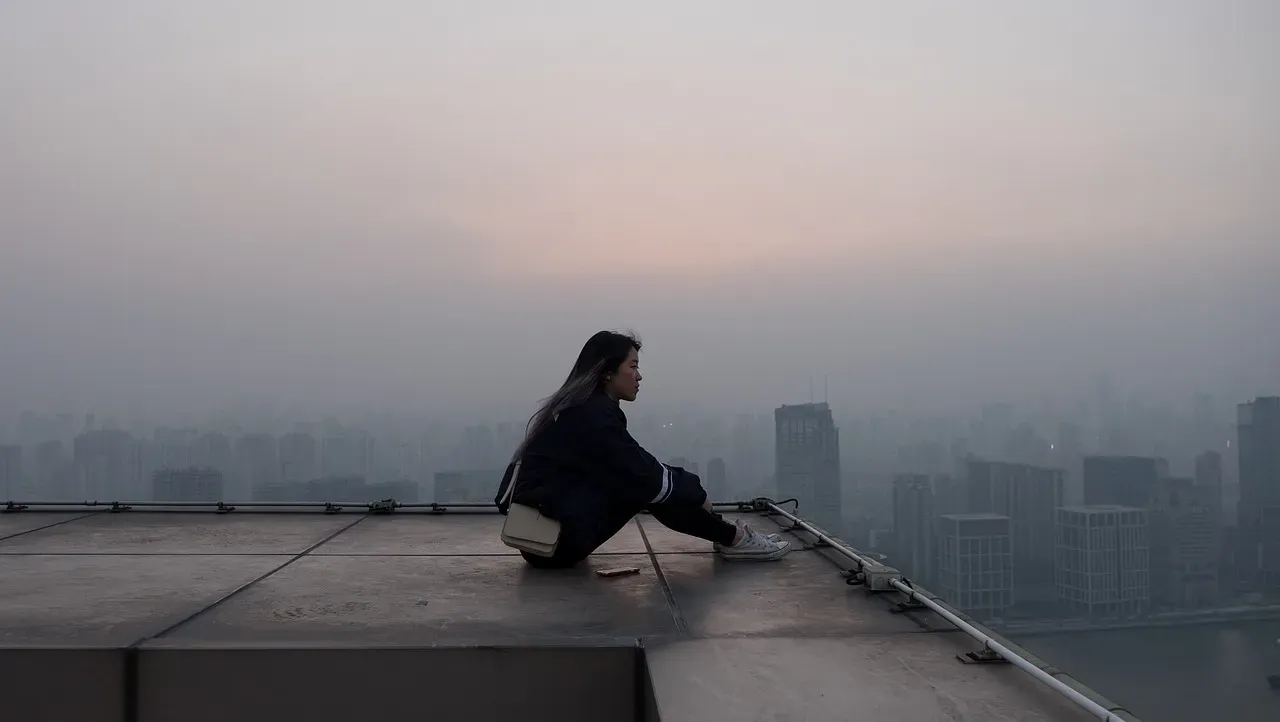
The most telling sign of hidden emotional pain is withdrawal, as people’s instinctual response when hurting is to retreat and isolate themselves. This doesn’t always mean physically disappearing from social situations. Sometimes withdrawal is more subtle than that.
You might be present in body, but absent in mind and spirit, seeming distant and lost in your own world. Friends and family might notice you’re there at gatherings, but something essential is missing. People often retreat into their own world, disconnecting from social activities as a way of coping, creating a safe haven where they don’t have to put on a brave face. It’s easier to be alone than to pretend everything’s fine, even though the loneliness might make things worse.
Always Listening, Never Sharing

This one’s particularly sneaky. People in emotional pain but who hide it well often tend to be exceptional listeners, which can be a double-edged sword. On one hand, your ability to truly hear others makes you a wonderful friend. People probably come to you with their problems all the time.
Here’s what’s really happening: You may use this skill as a means of deflecting attention away from your own issues, focusing on the problems of others to avoid discussions about your emotional state. It feels safer to carry everyone else’s burdens than to acknowledge your own. If someone is always willing to lend an ear but seldom shares their own feelings, it might be because they’re dealing with hidden emotional pain.
Overthinking Instead of Feeling

Some people escape into their heads when emotions get too intense. Intellectualizers escape emotion by staying in the realm of logic, analysis, or overthinking, especially if they were taught that emotions were irrational or were punished for expressing them.
You analyze everything. You create elaborate explanations for why you feel a certain way, but you never actually let yourself feel it. Intellectualization involves trying to set aside your emotional view of a stressful situation by dealing with the issue in a more logical and cerebral way. I know it sounds contradictory, but you can understand something deeply on an intellectual level while remaining completely disconnected from it emotionally. You can’t heal what you won’t feel, and emotional avoidance leads to isolation, indecision, and disconnection from intuition.
Appearing Perpetually Cheerful Despite Inner Turmoil

There’s a strong paradox associated with appearing really happy while suffering from emotional pain internally, as those struggling might have a successful career or thriving social life while contending with feelings of despair, worthlessness, or inadequacy. This phenomenon is sometimes called smiling depression.
The scariest part? Smiling depression often goes unnoticed and undiagnosed because it doesn’t fit traditional stereotypes. You might convince everyone around you that you’re thriving. You might even convince yourself for a while. Yet masking depression can create a false sense of stability, making it challenging for loved ones and professionals to identify how you feel inside. The exhaustion from maintaining this facade eventually catches up with you.
Downplaying Your Struggles and Comparing Suffering

Let’s be real: how many times have you caught yourself saying things like “others have it worse” or “it’s not that bad”? You might discount, deny, or dismiss the impact of life experiences that caused pain, with some people saying what happened to them was no big deal because much worse things have happened to other people.
People in emotional pain but who hide it well often struggle to ask for help, fearing being a burden or feeling the need to deal with pain independently, insisting they’re fine despite their inner turmoil. This comparison game is dangerous. Pain isn’t a competition. Your suffering doesn’t become invalid just because someone else might be experiencing something different or seemingly worse.
Showing Physical Exhaustion While Denying Emotional Distress
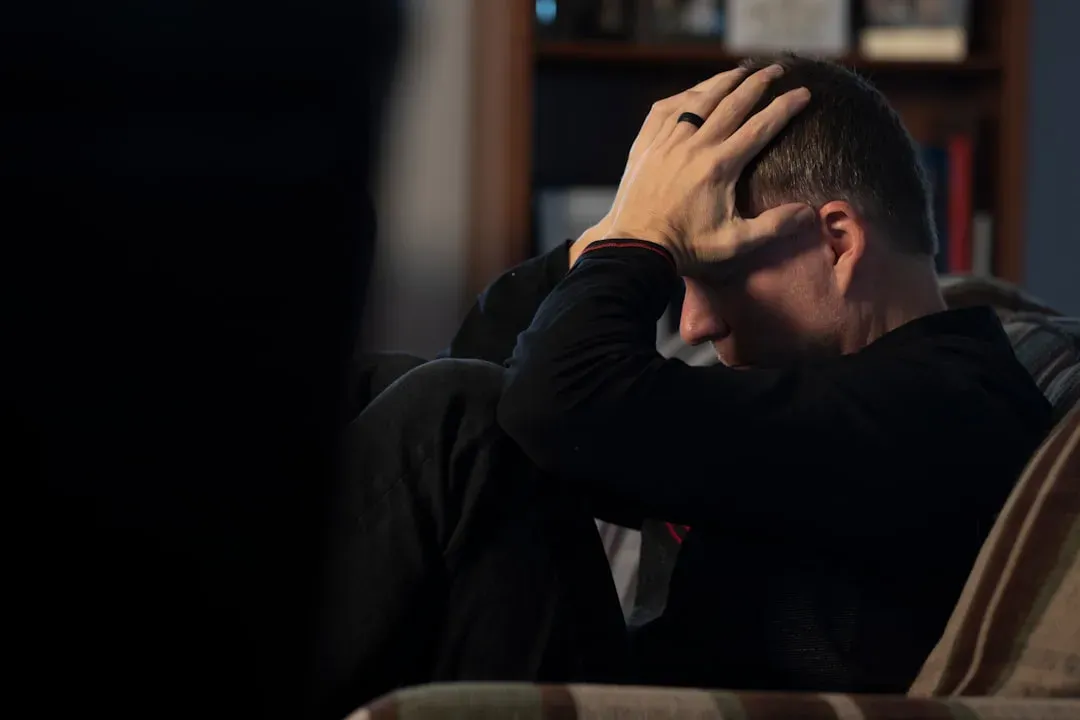
People in emotional pain but who hide it well often exhibit signs of emotional exhaustion, seeming constantly tired, less enthusiastic, or simply run down, with their spark dulled and laughter not as bright. You might attribute this to being busy, poor sleep, or stress at work.
However, suppressing emotions doesn’t make them disappear; instead, they often manifest in other ways, such as increased anxiety, depression, or even physical symptoms like fatigue, headaches, or digestive issues. Your body keeps the score even when your mind tries to ignore what’s happening. The connection between emotional pain and disrupted sleep patterns is significant, and frequently mentioning sleep issues could be a subtle sign of hidden emotional pain. The exhaustion isn’t just physical; it’s the weight of carrying unprocessed emotions.
Conclusion: The Weight of Invisible Armor

The longer someone masks their struggles, the heavier the toll on their mental well-being, as suppressing emotions manifests in increased anxiety, depression, or physical symptoms. These protective mechanisms we develop might help us survive difficult moments, yet they can also trap us in cycles of disconnection and loneliness.
It’s crucial to remember that emotional pain isn’t always visible, as people can be masters at hiding their true feelings even when wrestling with deep internal struggles. Recognizing these patterns in yourself or others is the first step toward healing. One of the most damaging effects of masking is the sense of loneliness it creates, as hiding struggles means missing out on support and understanding from trusted friends, family, or professionals.
So what did you think about these ways we unconsciously hide our pain? Did any of them hit close to home? Remember, acknowledging that you’ve been masking doesn’t make you weak. It actually takes tremendous courage to look honestly at the walls you’ve built and ask yourself why they’re there in the first place.