Have you ever wondered why some relationships just click while others feel like an uphill battle? The truth is, your personality plays a bigger role than you might think. It shapes how you communicate, handle conflict, and even express love. By the time you finish reading this, you might finally understand why your last argument went the way it did or why your partner’s habits either charm or frustrate you.
Let’s be real, relationships are complicated. They demand work, patience, and a whole lot of self-awareness. What many folks don’t realize is that understanding your personality type can be like holding up a mirror to your relationship dynamics. Think of it as getting the instruction manual you never knew existed.
Your Communication Style Reflects Your Inner World
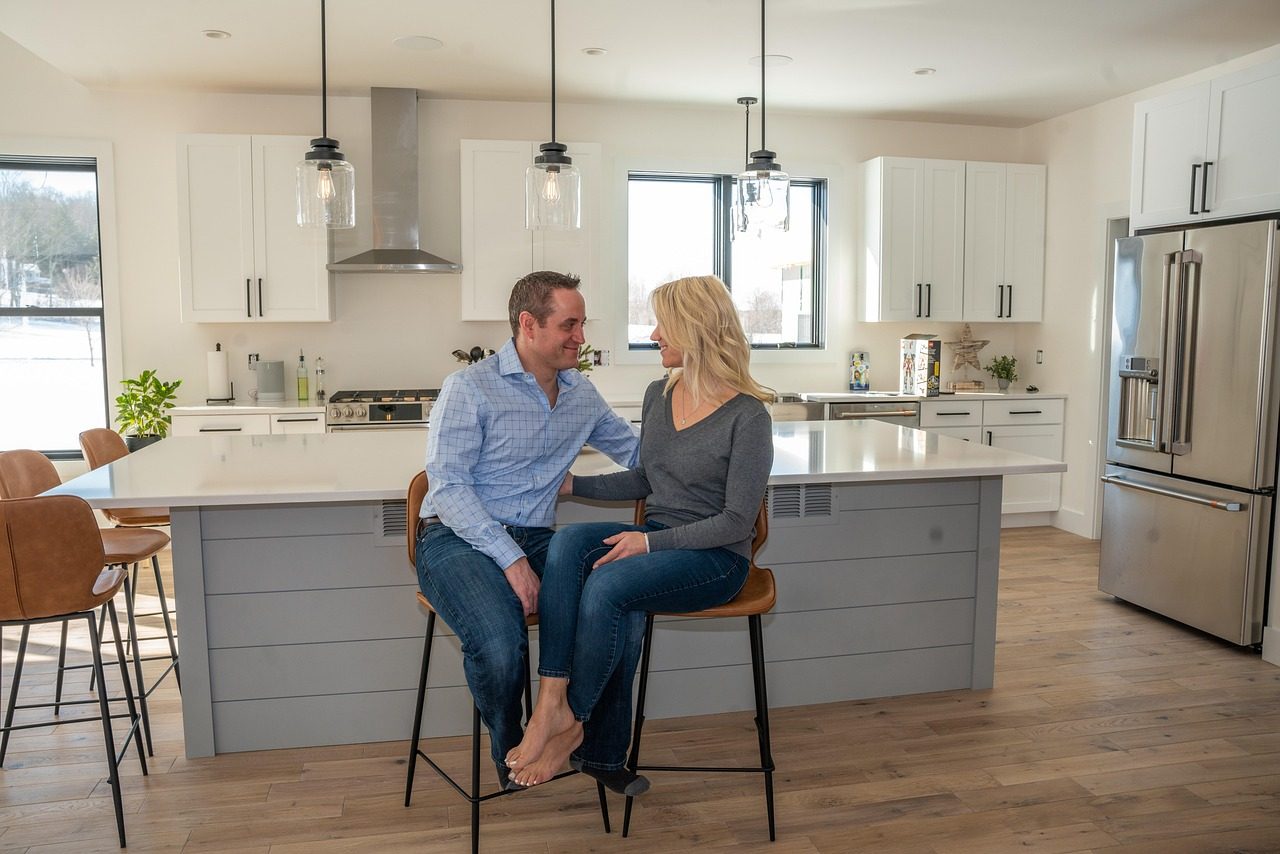
Your personality type drastically improves communication and empathy with your partner. If you’re naturally introverted, you likely process thoughts internally before speaking. This means you might need time to reflect before discussing something important with your partner. Introverts often retreat and withdraw during emotional moments, which can frustrate extroverted partners trying to navigate the relationship.
On the flip side, extroverts tend to think out loud. Extroverts tend to discuss first when they’re upset or problem-solving, while introverts tend to think about an issue on their own first and then come to you with a complete thought set. Understanding these differences isn’t just helpful, it’s essential. When you recognize that your partner isn’t ignoring you but rather processing in their own way, suddenly those silent moments don’t feel like rejection anymore.
Conflict Resolution Depends on Your Temperament
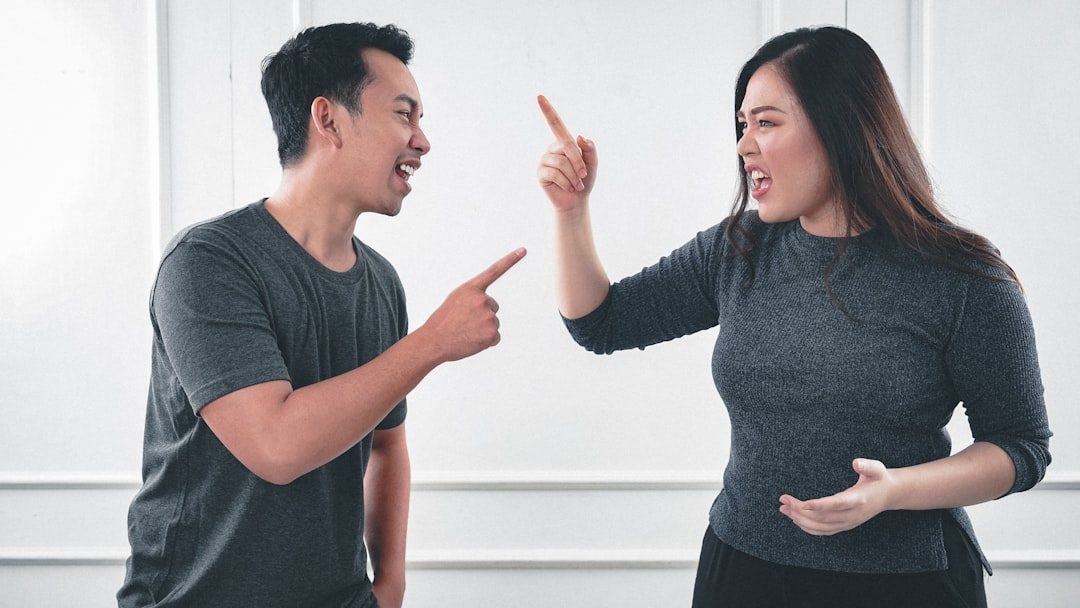
Your approach to disagreements says volumes about your personality. Each personality trait has specific strengths and weaknesses that influence how individuals approach conflict, and couples should tailor their strategies to their respective traits. Some people charge headfirst into arguments, wanting immediate resolution. Others need space to cool down and gather their thoughts.
Neuroticism is the Big Five trait that is most associated with negative outcomes in marriages. If you’re someone who experiences anxiety or pessimism frequently, conflicts might feel more intense for you. Your partner might say something mildly critical, and your brain amplifies it into a catastrophe. Recognizing this tendency helps you pause before reacting. Maybe that comment wasn’t as harsh as it felt in the moment.
Highly agreeable people, on the other hand, might avoid conflict altogether. They’d rather keep the peace than rock the boat, which sounds nice until resentment starts building up. Finding middle ground means being honest about your conflict style and learning when to push through discomfort for the sake of honesty.
Emotional Needs Vary Wildly Across Personality Types

Introverts might value quiet, meaningful moments, while extroverts seek excitement and shared experiences. Think about what recharges your batteries. For some, it’s a quiet evening at home with a good book. For others, it’s a night out surrounded by friends and laughter.
Extroverts get recharged by being with people, and when stressed, their initial impulse is to get with people, preferably in person. Meanwhile, introverts find clarity and comfort in solitude. These aren’t preferences you can just ignore or wish away. They’re wired into who you are. When your partner understands this about you, they’re less likely to take it personally when you need alone time or when they need social interaction.
The tricky part? Learning to meet in the middle without losing yourself. Compromise is essential for all relationships, but especially ones with both an introvert and extrovert, as partners sometimes make assumptions with too much confidence. You might need to attend that party even though you’d rather stay home, just as your extroverted partner might need to skip an event occasionally to give you space.
How You Express and Receive Love Is Personality-Driven

Your personality influences not just what you need from a relationship, but how you show up for your partner. Personality traits affect how couples communicate, resolve conflicts, and express love, leading to varying levels of closeness and connection. Some people express love through acts of service, cooking dinner or fixing things around the house. Others need words of affirmation or physical touch to feel connected.
Agreeable people have better relationships because they trust in their partner’s affection, and their tendencies to serve, love, and trust can be a valuable asset in maintaining a secure, happy relationship. If you’re naturally agreeable, you probably go out of your way to make your partner happy. You anticipate their needs and genuinely enjoy making them smile.
On the other end, highly conscientious individuals express love through reliability and follow-through. They remember important dates, keep promises, and create structure in the relationship. The key is recognizing that your way of loving isn’t universal. Your partner might not value the same gestures you do, and that’s okay. What matters is learning each other’s love language and adapting accordingly.
Social Preferences Can Make or Break Relationship Harmony

Let’s talk about Friday nights. You’ve had a long week, and all you want is to curl up on the couch. Your partner, however, is buzzing with plans to meet friends downtown. Sound familiar? Introverts and extroverts may feel dissimilar about going on a double date, as the extrovert may love the idea while the introvert may need time to be alone.
The extrovert is energized by public gatherings while the introvert will shy away, and they can make things work by reducing public engagements while the introvert tries to suggest outings occasionally. It’s honestly about negotiation and understanding. Neither of you should feel dragged into situations that drain you constantly.
Here’s the thing: you both need what you need. Different needs make time spent apart essential for the longevity of the relationship, especially important when living together. Give each other permission to pursue what energizes you individually. Your relationship will be stronger for it.
Openness to Experience Shapes Relationship Adventures

People with high openness thrive on variety and change, which can make relationships exciting and dynamic or create tension if one partner craves adventure and the other seeks routine. If you’re someone who loves trying new restaurants, traveling to unfamiliar places, and shaking up routines, you bring a sense of excitement to your relationship. Your partner probably never knows what spontaneous plan you’ll suggest next.
Openness in partners may decrease negative interactions, and as an open person, your acceptance of new experiences can make for a fun, spontaneous relationship full of memorable shared experiences. You create stories together, those “remember when we” moments that become relationship gold.
But what happens when your partner prefers predictability? Tension can arise when one person wants to book a last-minute trip and the other has every weekend planned for the next three months. It doesn’t mean you’re incompatible. It means you need to find balance between novelty and stability, between adventure and comfort. Sometimes compromise looks like one spontaneous weekend trip a month and three weekends of cozy routine.
Conscientiousness Affects Daily Relationship Functions

Conscientious people are super organized, dependable, and goal-driven, making them reliable partners, but clashes can occur when one person is always on top of things and the other is more spontaneous. If you’re highly conscientious, you probably have a color-coded calendar and a five-year plan. You pay bills on time, remember to call your mother-in-law on her birthday, and never run out of toilet paper.
Your partner might admire this about you, or they might find it a bit rigid. Conversely, if you’re with someone who’s highly conscientious and you’re more go-with-the-flow, you might feel like they’re constantly nagging or micromanaging. High Conscientiousness is associated with greater relationship satisfaction, so there’s definitely value in this trait.
The trick is appreciating what each person brings to the table. The organized partner keeps life running smoothly, while the spontaneous one reminds everyone to actually enjoy the life they’re organizing. When both people respect these differences rather than trying to change each other, daily life becomes less about conflict and more about complementary strengths.
Extraversion Influences Relationship Energy and Stability

Extraversion has a complex role in romantic relationships, affecting social skills and relationship stability in both good and bad ways. If you’re extroverted, you bring energy, enthusiasm, and social confidence into your relationship. Extroverted individuals enjoy social interaction and are typically assertive and positive, and the positive energy they bring helps them adjust better to marriage and experience higher satisfaction.
Even though extraversion boosts social connections, it can also challenge long-term relationships as extraverted people might crave new experiences and excitement, which can make them restless. That constant desire for stimulation can sometimes translate into relationship restlessness if not channeled properly.
The beautiful part about introvert-extrovert pairings? The complementary nature means introverts can provide a calming, grounding influence while extroverts bring excitement and adventure, creating a dynamic and fulfilling partnership. You balance each other out. The extrovert pulls the introvert into new experiences, while the introvert reminds the extrovert to slow down and be present.
Personality Similarity Versus Complementary Traits

Here’s something that surprises most people: Only about 10% of couples share all four MBTI preferences. That means the vast majority of us are partnered with someone at least somewhat different from ourselves. On some level, we seem drawn to our partners precisely because of our differences, and while differences can be challenging, they also bring balance and personal growth.
Sharing values and lifestyle choices is more important than matching personalities, and even though people often choose partners with similar traits, it doesn’t always lead to happiness. You don’t need someone who’s your personality twin. You need someone who shares your core values, who’s willing to grow with you, and who appreciates your unique quirks.
Similar personalities may communicate more easily, but that doesn’t mean they’re a better match, as too much similarity can lead to blind spots, while differences offer unique opportunities for growth. Think of it like this: if you’re both conflict-avoidant, who’s going to address problems when they arise? If you’re both highly spontaneous, who’s making sure the bills get paid?
The best relationships aren’t about finding your clone. They’re about finding someone whose strengths complement yours, whose differences challenge you to grow, and whose values align with what matters most to you. That’s the real magic.
Your personality isn’t destiny, but it’s definitely a roadmap. Understanding your own patterns, along with your partner’s, gives you the tools to navigate the inevitable bumps with more grace and less frustration. Relationships require effort no matter who you are, but knowing why you do what you do makes that effort so much more effective. What do you think most? Share your thoughts in the comments.