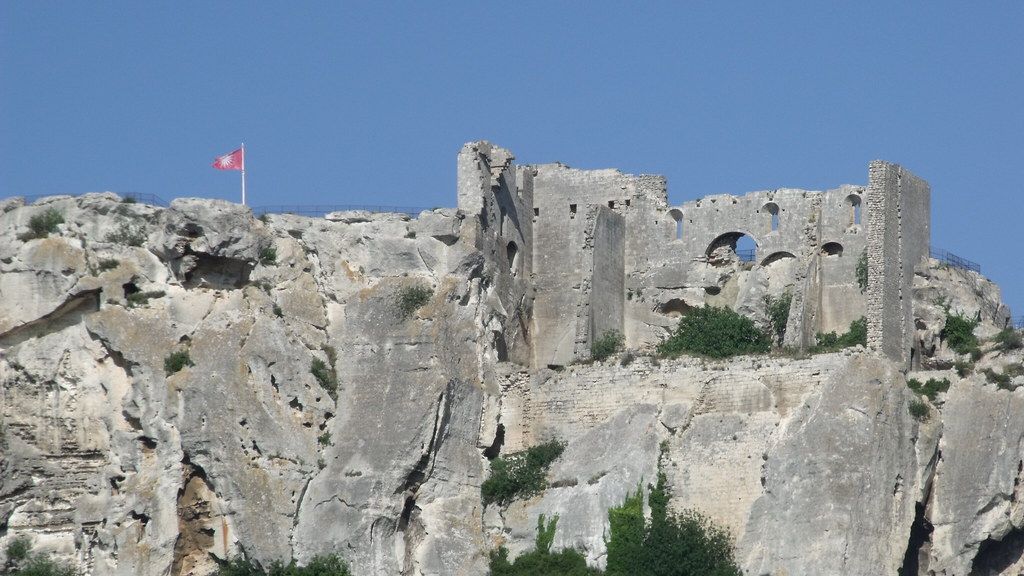
Picture standing at the edge of a cliff, looking up at an entire city carved into solid rock hundreds of feet above your head. You might wonder if you’re hallucinating. Yet throughout history, ancient civilizations achieved exactly this kind of audacity, constructing thriving communities in places that defy both logic and gravity. These weren’t temporary shelters or eccentric experiments.
They were permanent settlements where generations of people lived, worshipped, and prospered against all odds. From mountaintops shrouded in clouds to vertical cliff faces that would make modern rock climbers nervous, our ancestors refused to let extreme geography dictate where they could build their homes. What drove them to such extremes? Sometimes it was spiritual devotion, other times defensive necessity, and occasionally just sheer human stubbornness.
Petra, Jordan: The Rose City Carved in Desert Stone
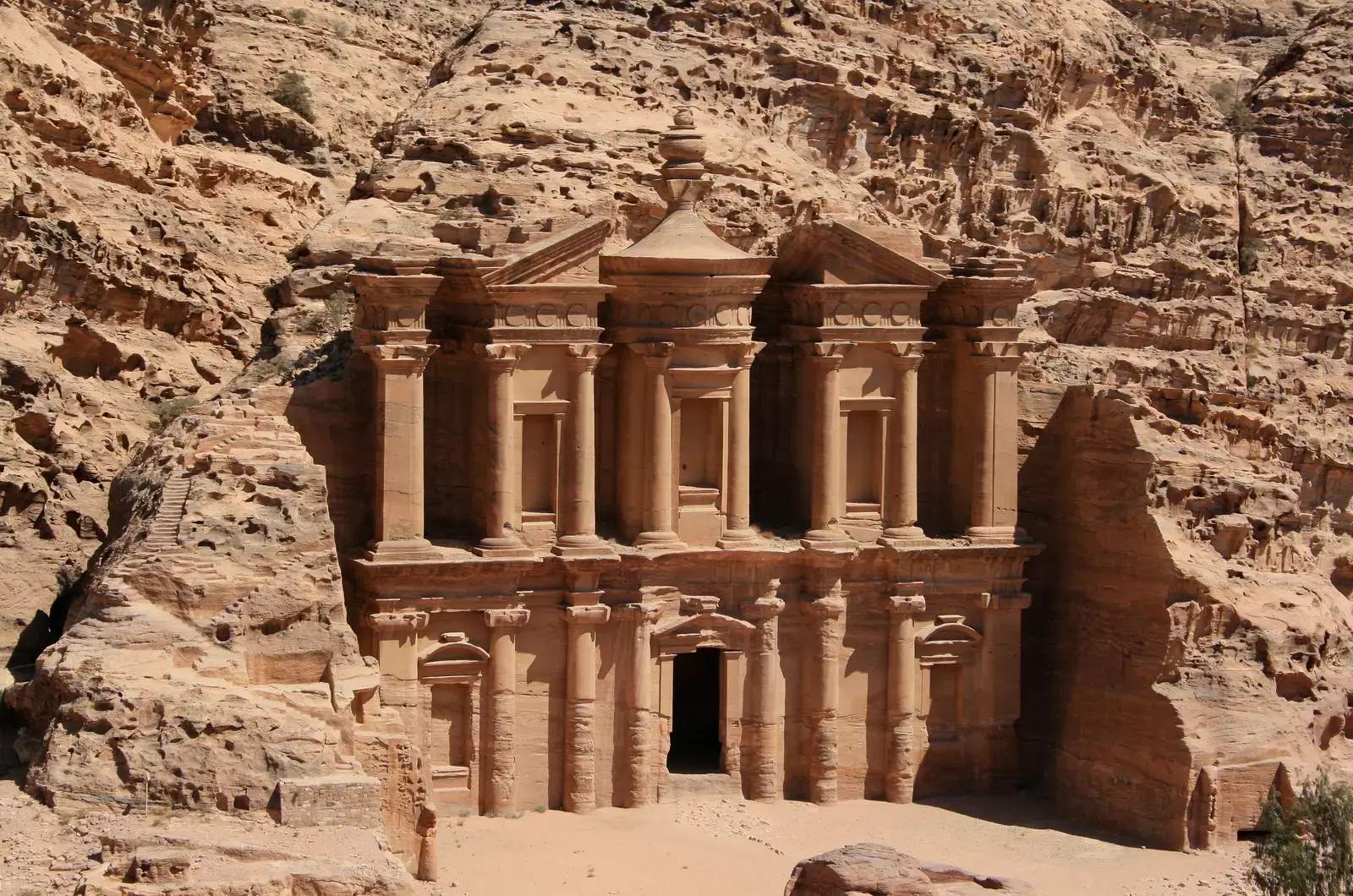
The ancient Nabataeans carved an entire city directly into rose-colored sandstone cliffs, creating one of the most breathtaking architectural achievements in human history. Walking through the narrow Siq canyon and emerging to see the Treasury facade for the first time is genuinely jaw-dropping. The Treasury and other famous facades are hollow shells carved into solid rock faces, with rooms and passages extending deep into the mountains, and water channels cut so precisely they still function thousands of years later.
Here’s the thing though: Petra wasn’t just pretty architecture. The city’s water management system, carved into the rock itself, allowed thousands of people to live comfortably in the middle of the desert. The Nabataeans were engineering geniuses who understood how to harness every precious drop of rainfall in an environment where water meant survival. They built an urban center that thrived for centuries where most people today wouldn’t last a week without modern conveniences.
Machu Picchu, Peru: The Cloud City of the Incas
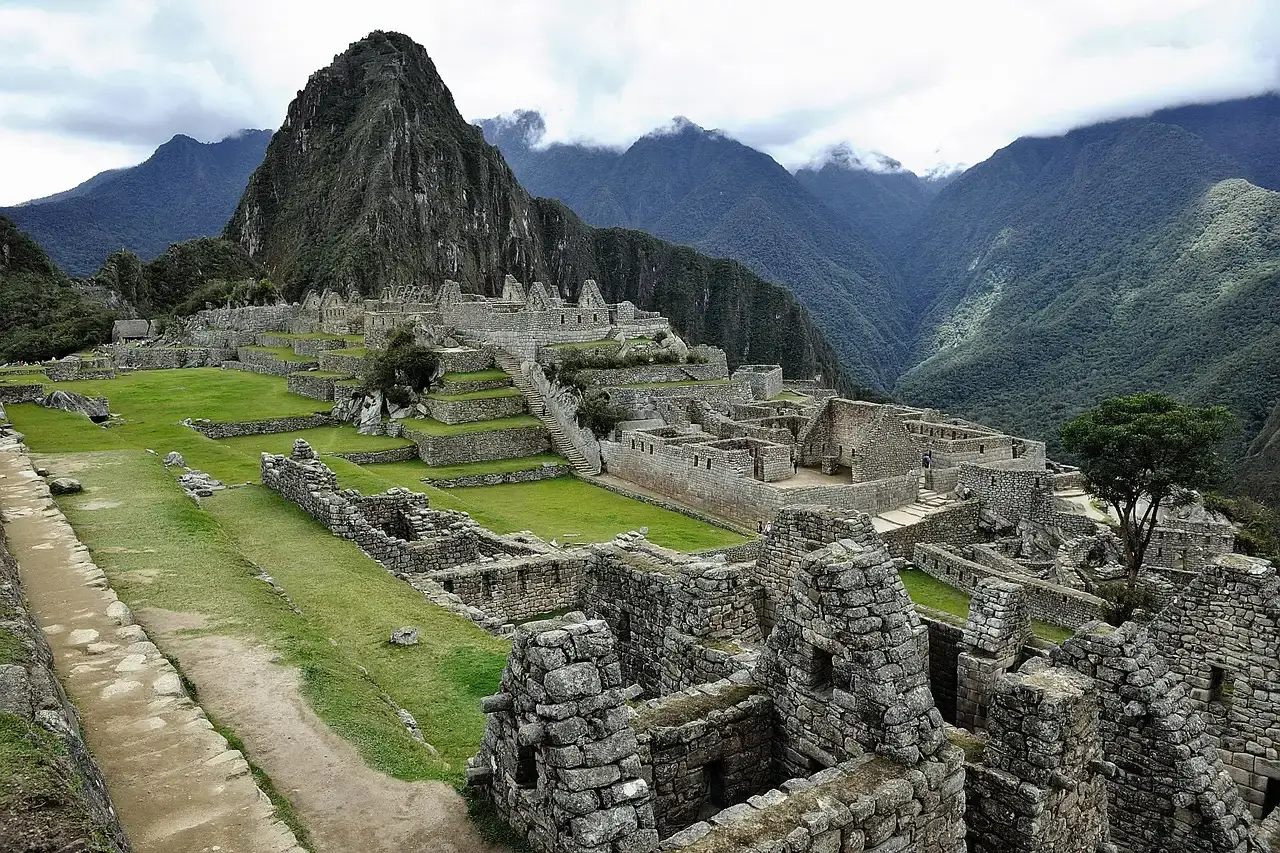
Machu Picchu was built over roughly 90 years, between 1450 and 1540, on a crest of the Peruvian Andes by people that knew neither metal tools nor the wheel. Let that sink in for a moment. The buildings were given walls of drastically different sizes, each made up of stones that had been stacked with impeccable accuracy, and despite not having any mortar to hold them together, there has been no significant erosion or any other change.
The construction method they used is frankly mind-blowing. This construction method, called ashlar or dry stone masonry, allowed the Incan buildings to survive the frequent earthquakes that would rock the region, as the masonry might sway and move but wouldn’t topple, always settling back into place. Modern engineers still struggle to replicate this technique with all our advanced technology. The Incas built something in the clouds that dances with earthquakes rather than collapsing from them.
Mesa Verde, Colorado: America’s Ancient Cliff Dwellings
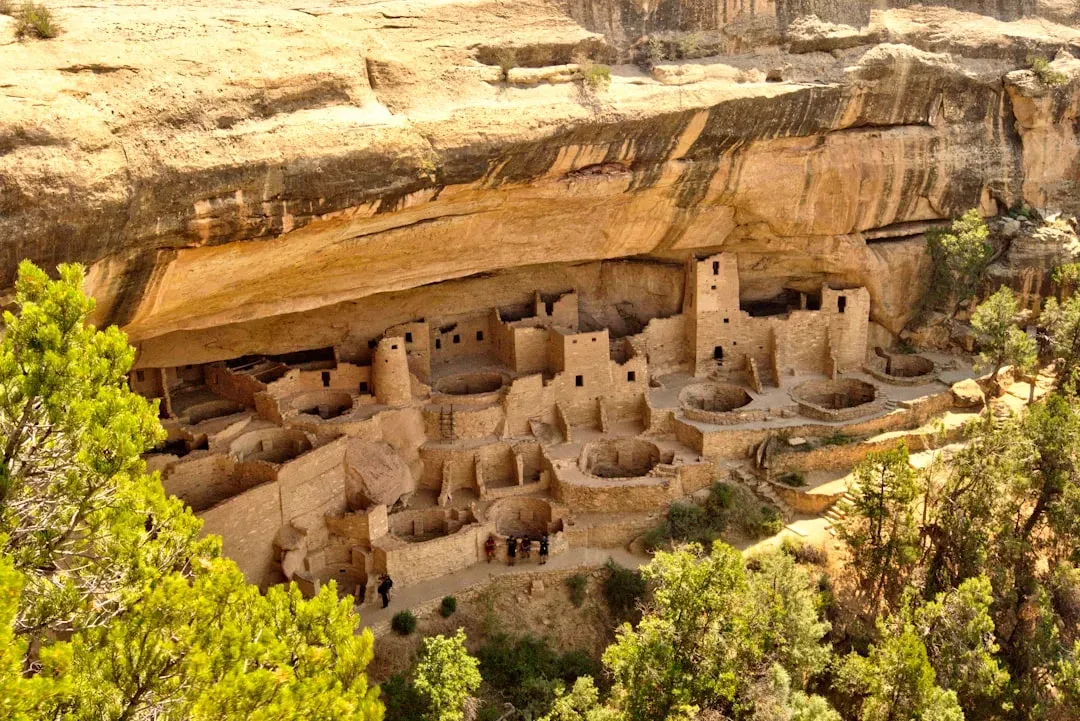
Built in the 13th century, the Cliff Palace in Colorado is the largest cliff dwelling in North America, constructed by the Ancestral Puebloans who built the palace into the sandstone cliff to escape the changing climate of Colorado. These weren’t simple caves with a few modifications. Cliff Palace has about 150 rooms and more than twenty circular rooms, creating an entire community tucked into a natural alcove.
The builders demonstrated remarkable ingenuity in how they used every available space. Mug House, a typical cliff dwelling of the period, was home to around 100 people who shared 94 small rooms and eight kivas built against each other and sharing many of their walls, with builders maximizing space in any way they could. The cliff dwellings were built to take advantage of solar energy, with the angle of the sun in winter warming the masonry and the air being 10 to 20 degrees warmer in the canyon alcoves than on the top of the mesa.
Meteora, Greece: Monasteries Suspended Between Earth and Sky
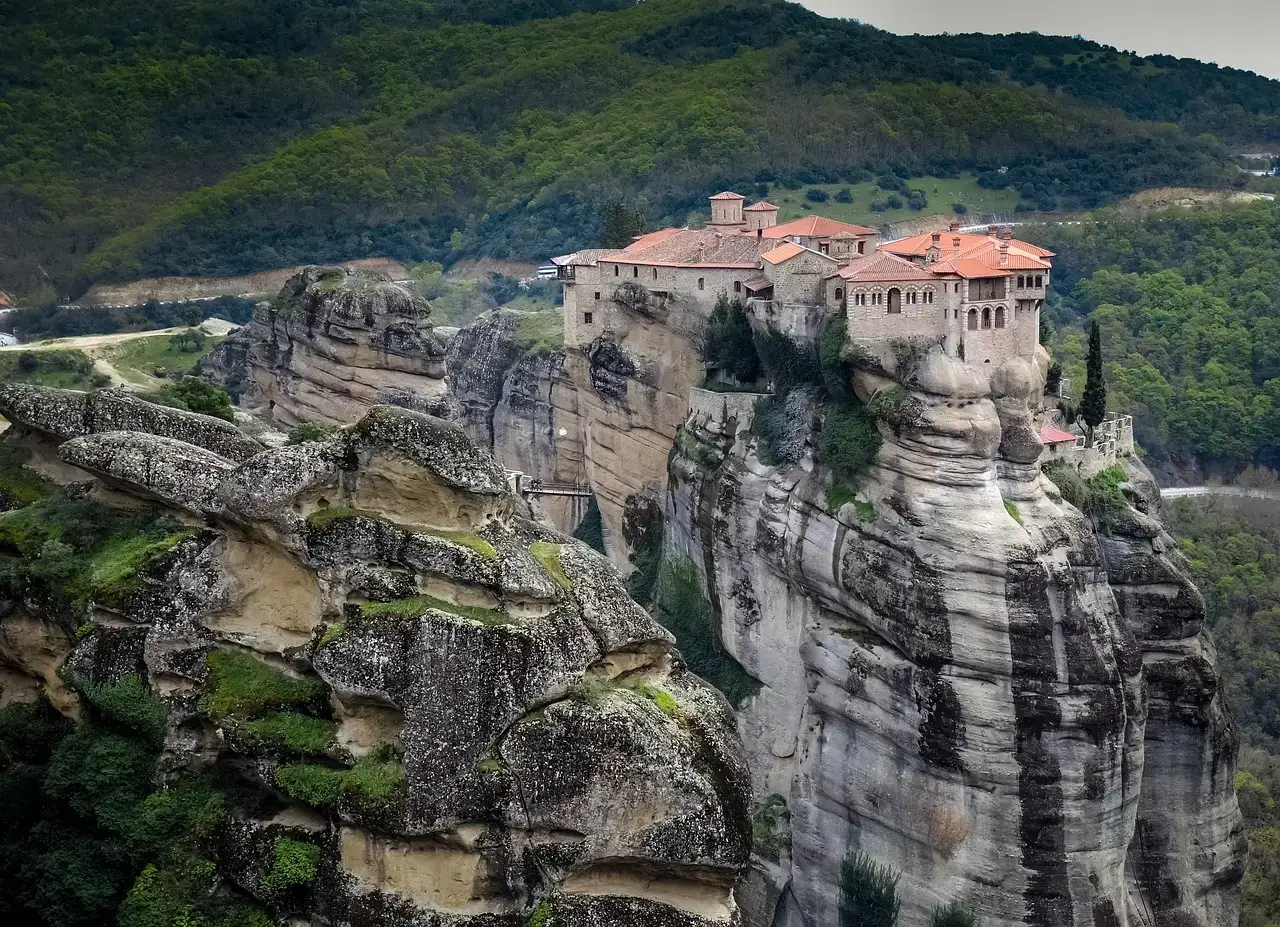
Monks settled on these “heavenly columns” from the 11th century onwards, and twenty-four of these monasteries were built, despite incredible difficulties, at the time of the great revival of the hermitic ideal in the 15th century. Imagine deciding that the best place to build your monastery is on top of a towering rock pillar that rises nearly 2,000 feet into the air. That’s exactly what happened at Meteora.
Access to the monasteries was originally deliberately difficult, requiring either long ladders that were latched together, or large nets that were used to haul up both goods and people. The monks didn’t just accept this difficulty; they embraced it as part of their spiritual practice. Varlaam built three churches by hoisting materials up the face of the cliffs, and later two brothers from Ioannina spent twenty-two years hoisting materials to the top of the rock formation. Twenty-two years of hauling building supplies up a cliff face shows dedication that most of us can barely comprehend.
Lalibela, Ethiopia: The New Jerusalem Carved from Living Rock
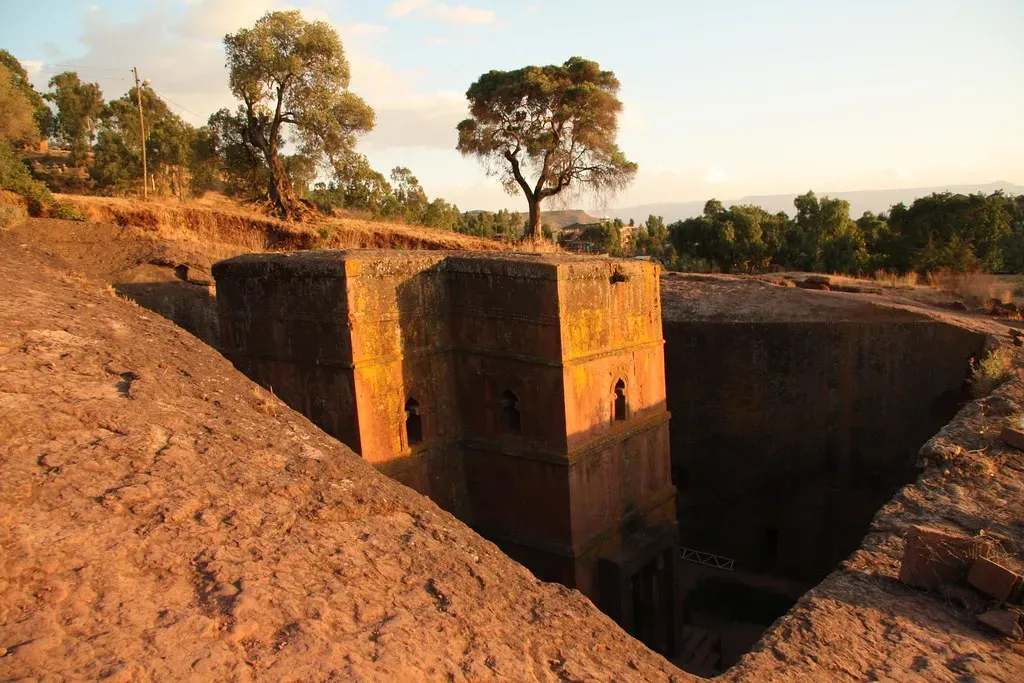
There are 11 rock-hewn churches in the city of Lalibela that were built during the reign of King Gebre Meskel Lalibela from 1181 to 1221, with 7 of the churches being free-standing and 4 carved into the mountain. King Lalibela wanted to recreate Jerusalem in his own kingdom, and he succeeded in creating something truly extraordinary.
A 16th-century visitor described what he witnessed with obvious awe. The churches are cut out of the living rock and are each excavated with its pillars, its altars, and its vaults, out of a single rock, with no mixture of any outside stone. Honestly, even seeing photographs of these structures doesn’t quite prepare you for understanding the scale of ambition required to carve entire churches downward into solid rock. You’re not building up; you’re excavating down while creating ornate architectural details.
Matera, Italy: The Ancient City of Caves
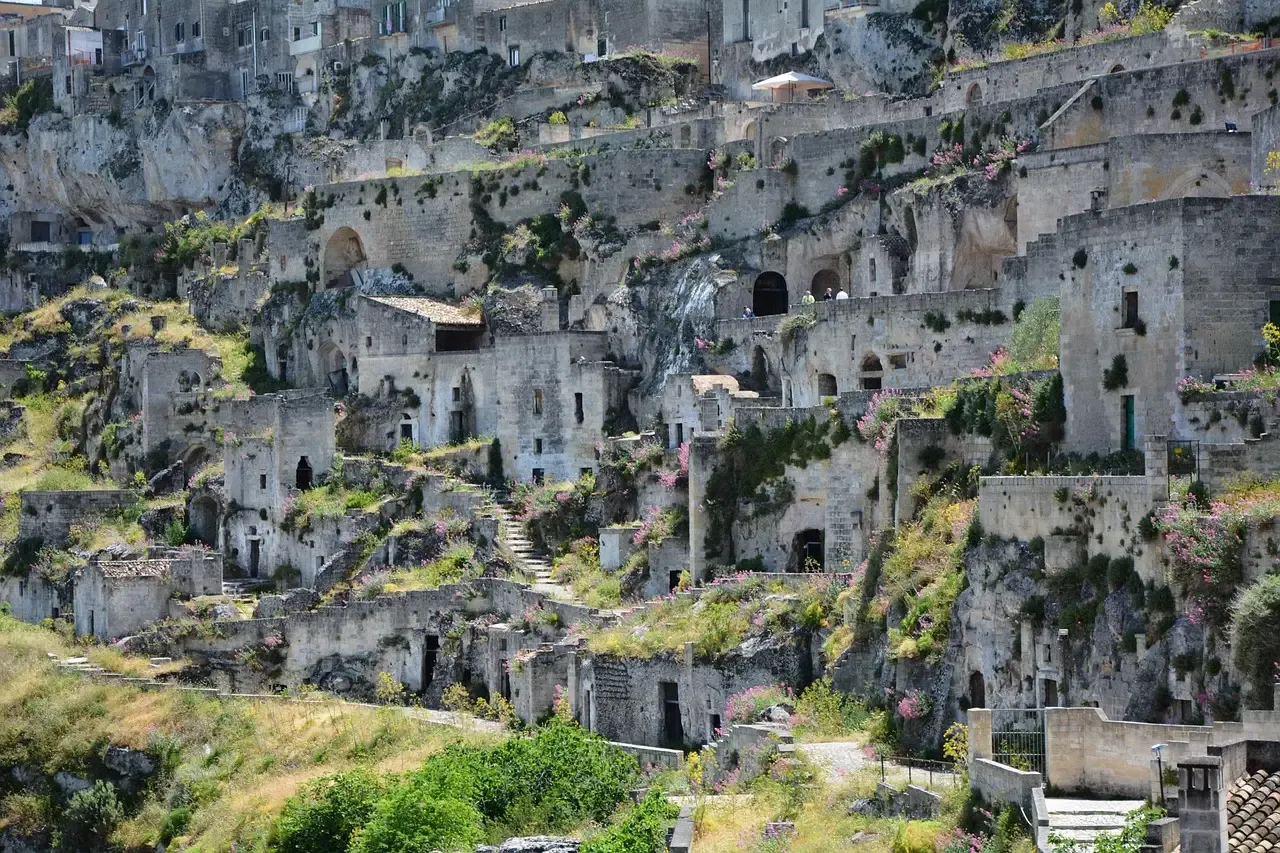
The area of Matera has been occupied since the Paleolithic period, and settlers started building houses, known as the Sassi, into the rocks around 9,000 years ago, making it one of the oldest examples of continuous inhabitation in the world. Nine thousand years is almost incomprehensible when you think about it. Generations continued to renovate the town, building caverns, homes, churches and tombs.
This ancient city consists of cave dwellings carved into limestone cliffs, creating a remarkable honeycomb of human habitation, and once considered the ‘shame of Italy,’ these restored sassi now house boutique hotels and restaurants while preserving their unique architectural heritage. The transformation from poverty-stricken slum to UNESCO World Heritage Site represents one of history’s greatest urban revivals. The caves that once symbolized backwardness now showcase extraordinary human adaptability.
Al Hajjara, Yemen: The Fortress Village in the Mountains
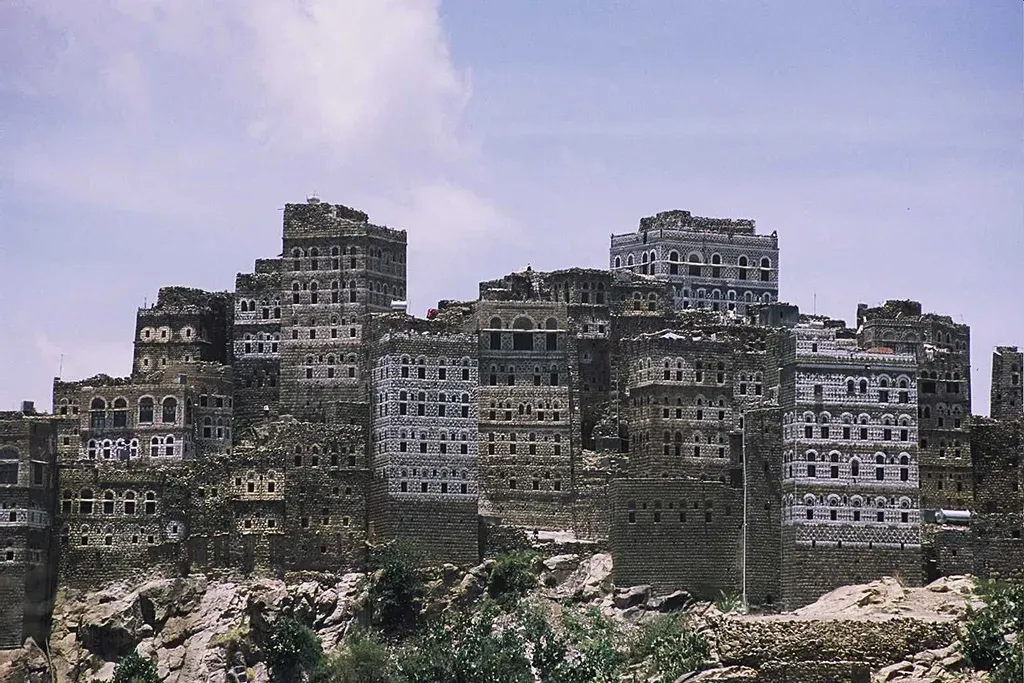
Al Hajjara is a historical cliff city in Yemen’s Haraz Mountains situated west of Manakhah, and the village was literally built into the mountain with quarried stone from the mountainside nearby, dating from the twelfth century. This isn’t a village that happens to be near mountains; it’s a village that becomes part of the mountain itself.
Its fortified houses are made with massive blocks of unmortared stone that cluster to form an uninterrupted rampart, and a series of granaries and cisterns have made it possible for this village to withstand a long siege. Every architectural choice served multiple purposes: beauty, yes, but also defense and survival. The people who built Al Hajjara understood that in their environment, your home had to be your fortress, and the mountain itself became their strongest ally.
Sigiriya, Sri Lanka: The Lion Rock Fortress
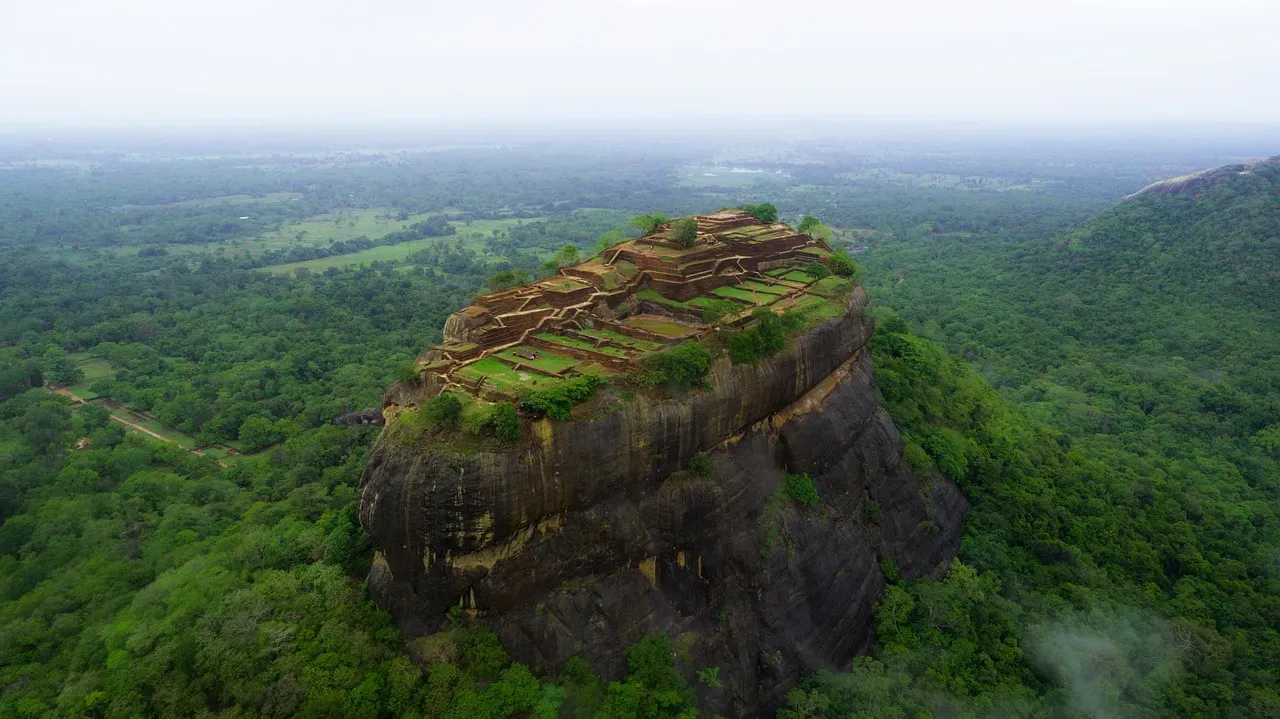
Rising dramatically from the central plains, the enigmatic rocky outcrop of Sigiriya features near-vertical walls that soar to a flat-topped summit containing the ruins of an ancient civilization, thought to once have been the epicenter of the short-lived kingdom of Kassapa. This massive rock rises abruptly from perfectly flat jungle, creating one of the world’s most dramatic silhouettes.
This ancient city was constructed high on a ridge, invisible from below, with water flowing in channels through fountains, and its sophisticated terraces have kept it from sliding down the mountain even after centuries of earthquakes. The hydraulic engineering alone represents a stunning achievement for the 5th century. Gardens, pools, and fountains all functioned at the summit of what’s essentially a massive stone tower. Walking up those ancient stairs carved into the rock face, you can’t help but marvel at the king who chose this location.
Bandiagara Cliff, Mali: The Dogon People’s Sacred Landscape
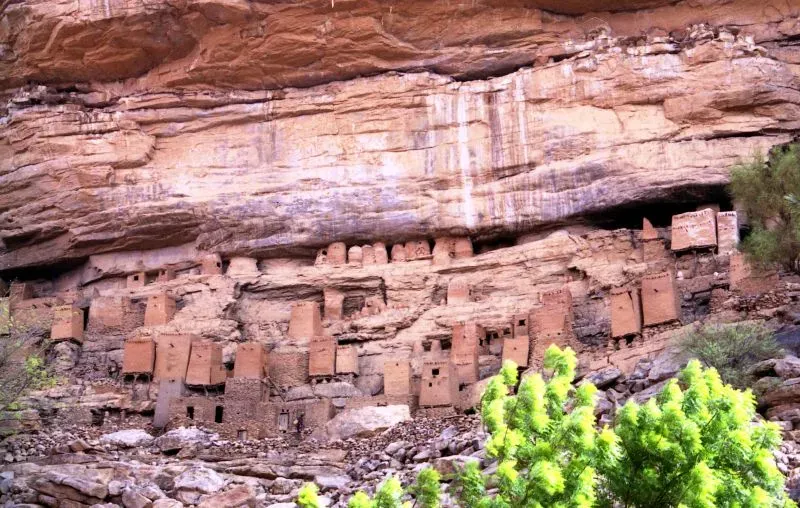
The Cliff of Bandiagara is a sandstone cliff which reaches up 500 meters and continues for over 150 kilometers, said to have been occupied for at least 2,000 years as the site of villages, mud-built granaries, altars, rock art and ritual customs of the Dogon people, and the Tellem and Toloy people before them. This isn’t just one settlement but an entire civilization built along and within a cliff face stretching for nearly 100 miles.
These cliffs are dotted with ancient cave dwellings where the Tellem people carved their caves into the cliffs so that their dead could be buried high above the flash floods common to the area, building dozens of villages along the cliffs above the caves, until in the 14th century the Dogon people drove out the Tellem and remain the inhabitants to this day. The cliffs served simultaneously as home, cemetery, and spiritual center for successive cultures who recognized the unique advantages of this vertical landscape.
Conclusion
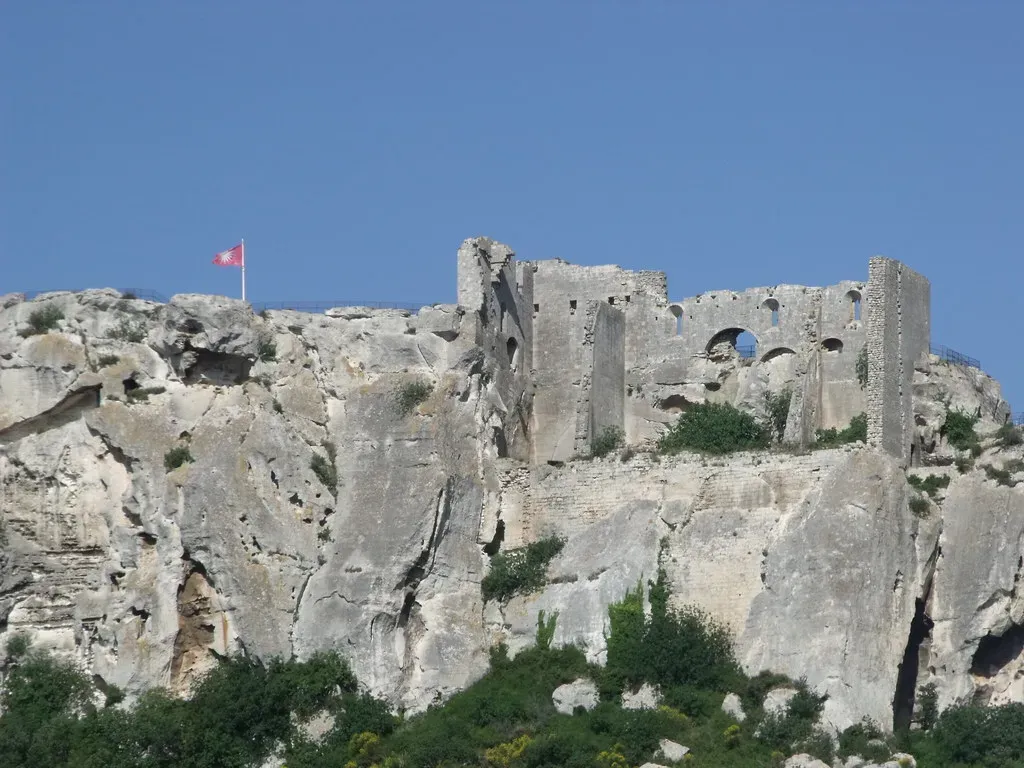
These nine remarkable settlements prove that geography was never really a barrier to human ambition. Whether driven by spiritual devotion, defensive necessity, or simple determination to thrive where others saw only obstacles, ancient builders created lasting monuments to human ingenuity. Today we marvel at skyscrapers and suspension bridges, yet somehow these ancient achievements carved into cliffsides and perched on impossible peaks feel even more miraculous. They remind us that long before modern engineering, people found ways to build homes, temples, and entire cities in places that still take our breath away.
What’s your take on these gravity-defying ancient cities? Which one surprises you most?