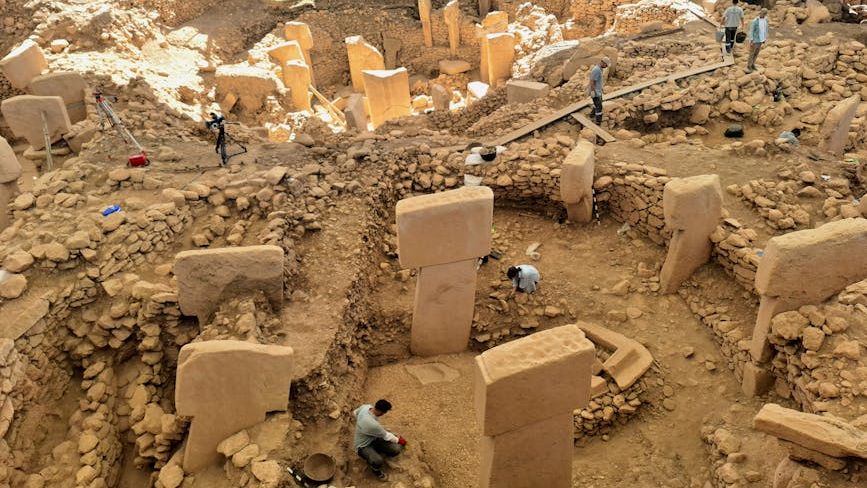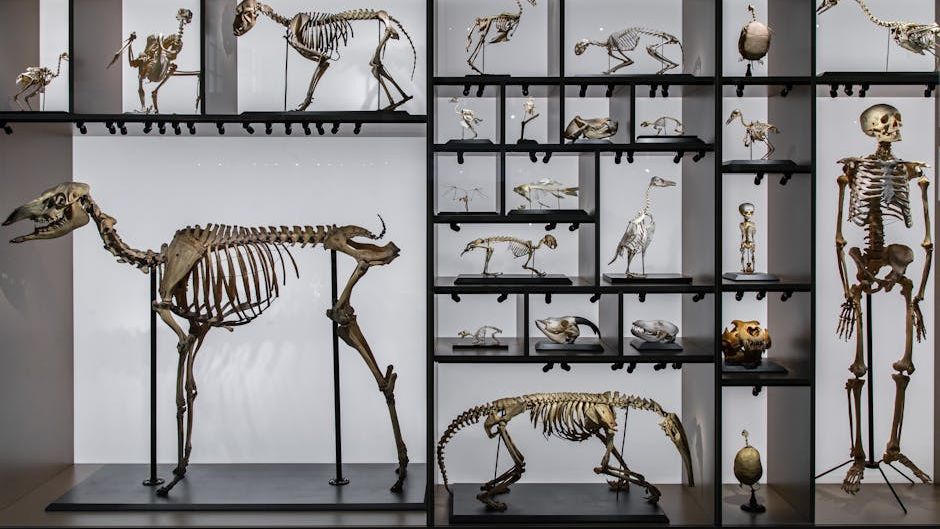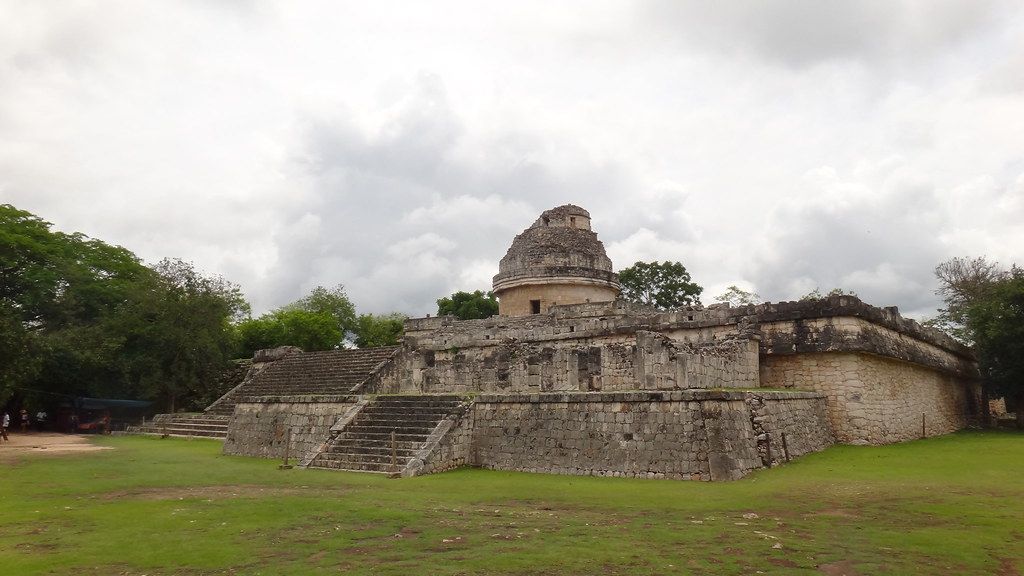
Imagine building a city with indoor plumbing, a working writing system, and a population that rivals entire modern nations – and then just… disappearing. No farewell note. No surviving king’s decree. No clear explanation for what went wrong. History is full of these haunting blank spaces, and honestly, they are far more fascinating than anything a textbook will tell you in a straightforward chapter.
You might think you know the broad strokes of human history, but there are entire civilizations that rose to extraordinary heights and then vanished in ways that still confound archaeologists and historians today. Some left behind colossal sculptures. Some left carved cities. Some left nothing but questions carved into stone. Let’s dive into nine of the most compelling cases of civilizations that slipped through history’s fingers.
1. The Indus Valley Civilization: A City Planner’s Dream Gone Silent
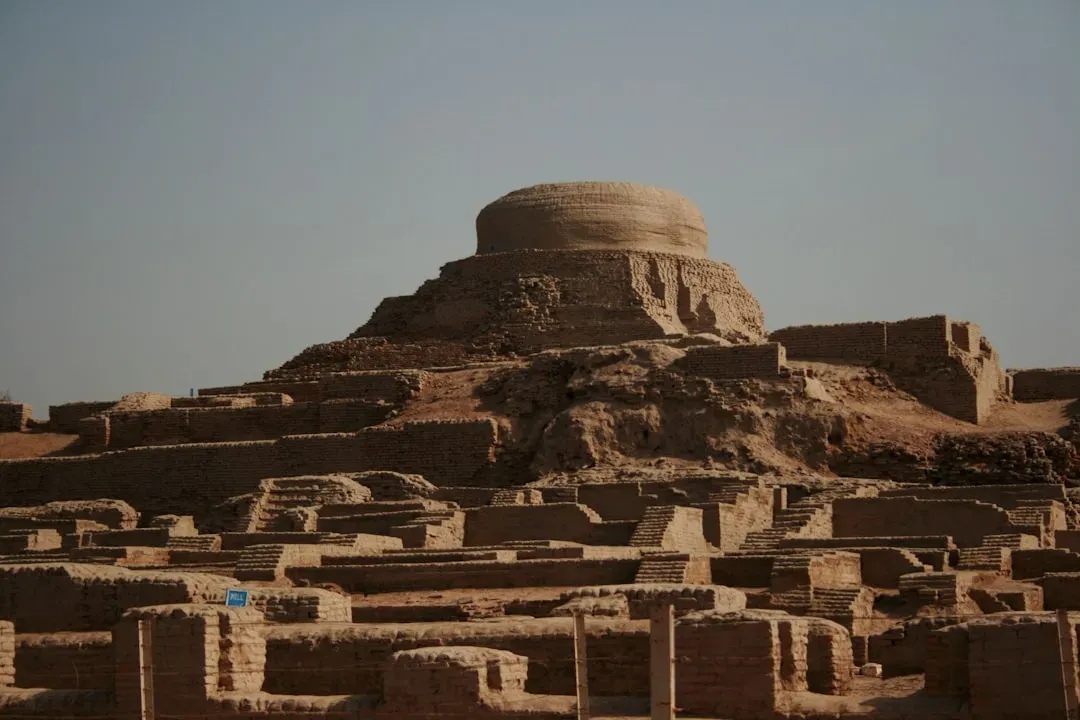
The Indus people began building settlements in present-day India and Pakistan as early as 8,000 years ago, making them one of the earliest civilizations. By the third millennium B.C., they occupied over 386,000 square miles of territory, far more than their better-known contemporaries in Egypt and Mesopotamia, and they accounted for an estimated tenth of the world’s entire population. Let that sink in for a moment. This was not a small village. This was a civilization of staggering scale.
They also developed a writing script that’s still yet to be deciphered, and their cities contained sanitation systems that remained unequaled until Roman times. Then, around 1900 BCE, it all began to unravel. A series of century-scale droughts may have quietly reshaped this great urban civilization. New climate reconstructions show that the Indus Valley Civilization endured repeated long dry periods that gradually pushed its people toward the Indus River as rainfall diminished. These environmental stresses coincided with shrinking cities, shifting settlements, and eventually widespread deurbanization. It wasn’t a bang. It was a long, slow fade.
2. The Minoans: Europe’s First Great Civilization Swept Into Legend
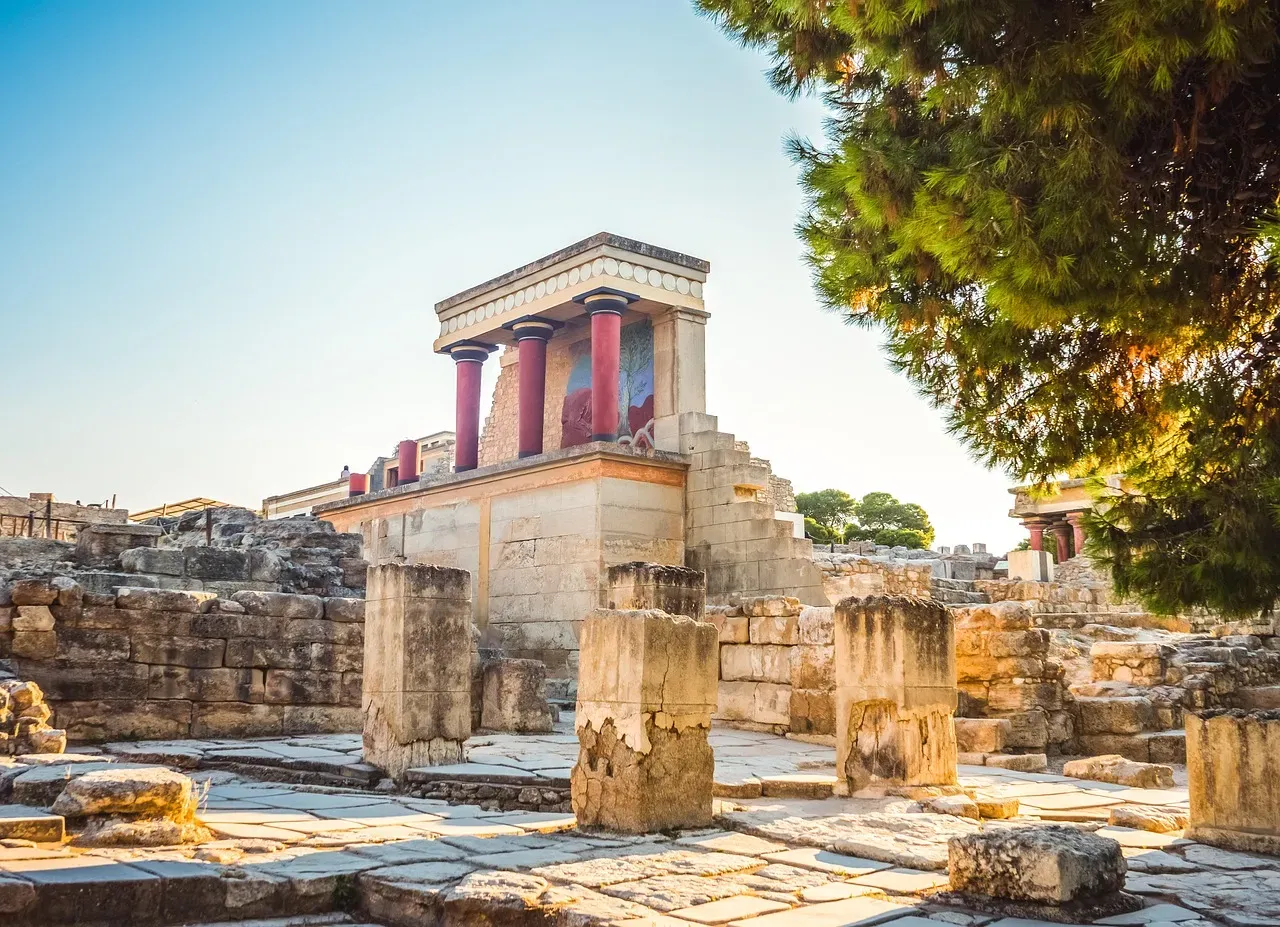
Long dismissed as mere legend, the Minoan civilization was rediscovered in the early 20th century by archaeologist Sir Arthur Evans, who excavated the palace of Knossos on Crete. What he uncovered was astonishing: a sophisticated culture that flourished between 3000 and 1200 BCE, complete with multi-storied architecture, advanced plumbing, vibrant frescoes, and complex trade networks. You could honestly argue that Europe’s cultural clock started ticking right here, not in Athens, not in Rome.
Their writing system, which was called Linear A, has yet to be completely deciphered, making it a mystery to this day. As for their collapse, one popular theory connects their downfall to the eruption of the volcano on Thera, also known as Santorini. This supposedly weakened the Minoans so much that the Mycenaean Greeks attacked and conquered them. However, the Minoan eruption has been dated to the 17th century BCE by many modern studies, primarily using ice core dating techniques. This suggests that there was an enormous length of time between the Minoan eruption and the Mycenaean conquest of Crete. Hence, it would appear that the two events cannot have been connected. The mystery, then, endures.
3. The Olmecs: The Forgotten Mother of Mesoamerica
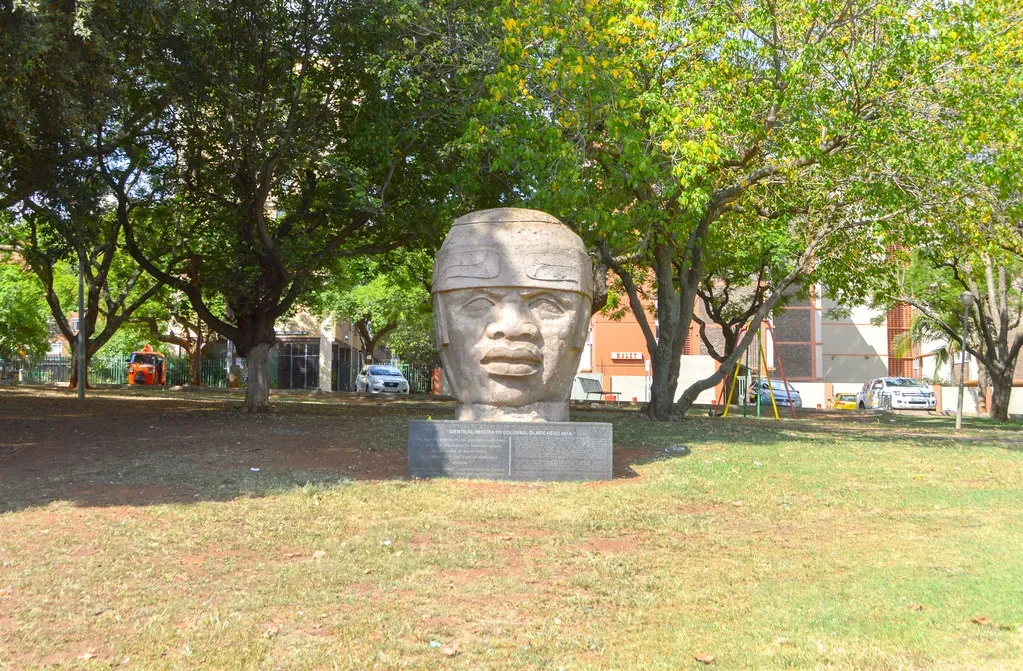
The Olmecs, often called the “mother culture” of Mesoamerica, flourished from 1500 to 400 BCE along the Gulf Coast of Mexico. They left behind colossal stone heads and other artifacts that showcase their advanced artistic and engineering skills. Here’s something truly incredible: the Olmecs are often credited with popularizing such cultural staples as a calendar, the concept of zero, and even a basic ballgame. They laid the intellectual foundation for every great Mesoamerican civilization that came after them.
By 400 BCE, major Olmec cities were deserted. Archaeological layers show sudden abandonment, with little evidence of violence. Some experts believe environmental changes, like river shifts or floods, drove people out. Others suggest social upheaval or the rise of competing powers. With no written records, only colossal sculptures and sparse ruins remain to tell their story. Think about that. A civilization that gave birth to so much of what followed left behind no written account of its own ending. It’s like a great author writing an epic novel with no final chapter.
4. The Maya: Abandoned Jungle Cities and Unanswered Questions
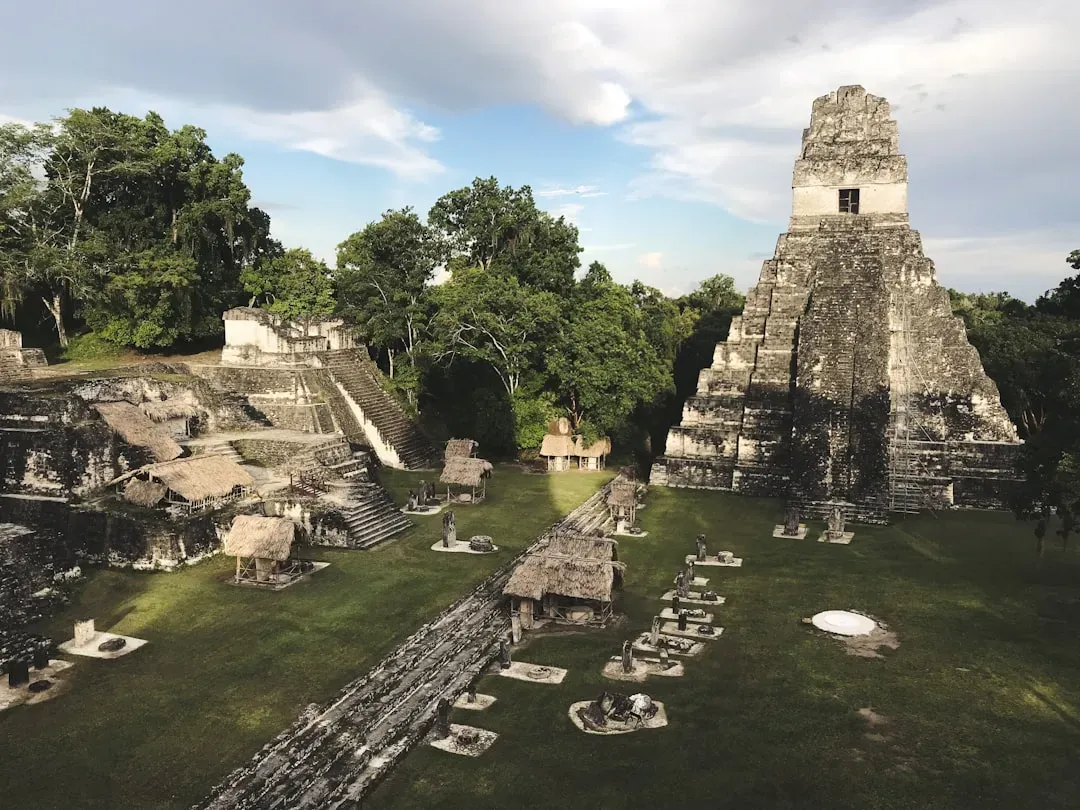
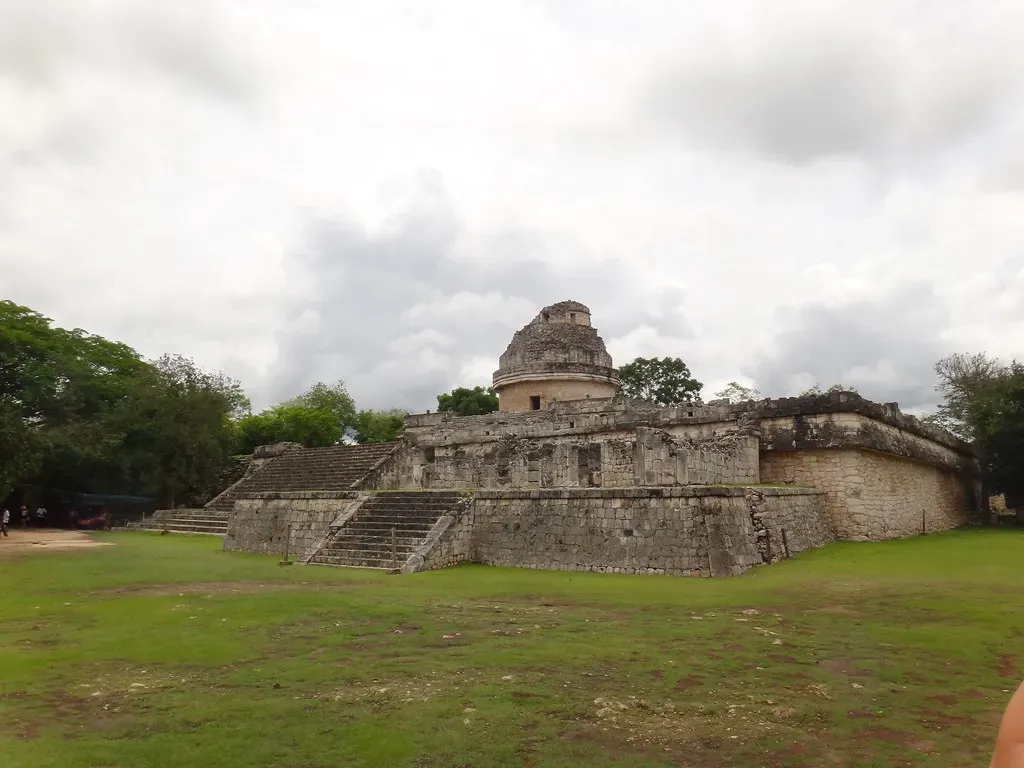
Arguably the New World’s most advanced pre-Columbian civilization, the Maya carved large stone cities into the jungles of southern Mexico and Central America, complete with elaborate plazas, palaces, pyramid-temples, and ball courts. Known for their hieroglyphic writing, as well as their calendar-making, mathematics, astronomy, and architecture skills, the Maya reached the peak of their influence during the Classic Period, from around A.D. 250 to A.D. 900.
At the end of the Classic Period, in one of history’s great enigmas, the populace suddenly deposed its kings, abandoned the cities, and ceased with technological innovation. Dozens of theories have been put forth to explain what happened. The latest scientific evidence adds weight to the climate argument. Chemical evidence from a stalagmite in Mexico has revealed that the Classic Maya civilization’s decline coincided with repeated severe wet-season droughts, including one that lasted 13 years. Thirteen consecutive years without reliable rain. You don’t need to be a historian to understand how devastating that would be for an agricultural society.
5. The Ancestral Puebloans: Cliff Dwellers Who Walked Away
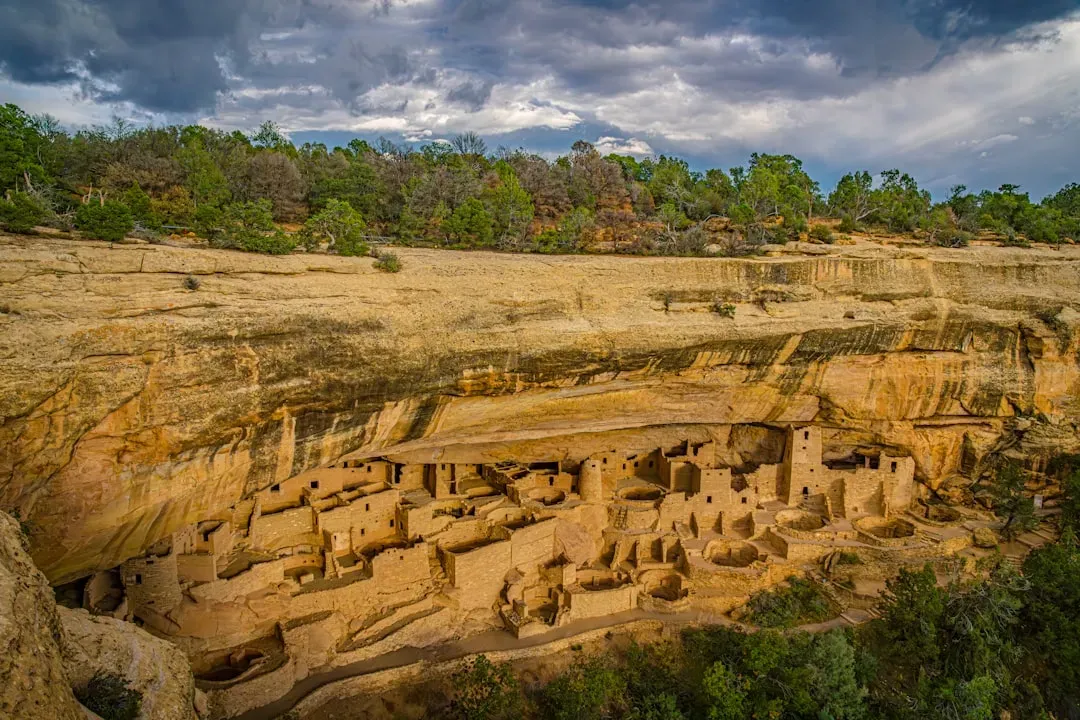
In the arid landscapes of the American Southwest, ancestral Puebloan communities built remarkable stone dwellings tucked into cliffs and canyons. Sites such as Mesa Verde and Chaco Canyon reveal complex societies that flourished between roughly 900 and 1300 CE. Chaco Canyon, in present-day New Mexico, was a ceremonial and trade center featuring massive stone buildings known as great houses. These multi-story structures were aligned with astronomical events, suggesting advanced knowledge of the sky.
Quite suddenly, these settlements were abandoned. Tree-ring data shows that the region suffered severe droughts during this time, likely making farming unsustainable. Archaeologists also find signs of social tension, with burned buildings and defensive structures suggesting conflict. Some believe the people migrated to new areas, blending into other Pueblo cultures. Their disappearance remains a puzzle, with each discovery deepening the story rather than solving it. I find that last part particularly haunting. Every answer seems to open three new questions.
6. The Rapa Nui: Stone Giants and a Civilization on the Edge of the World
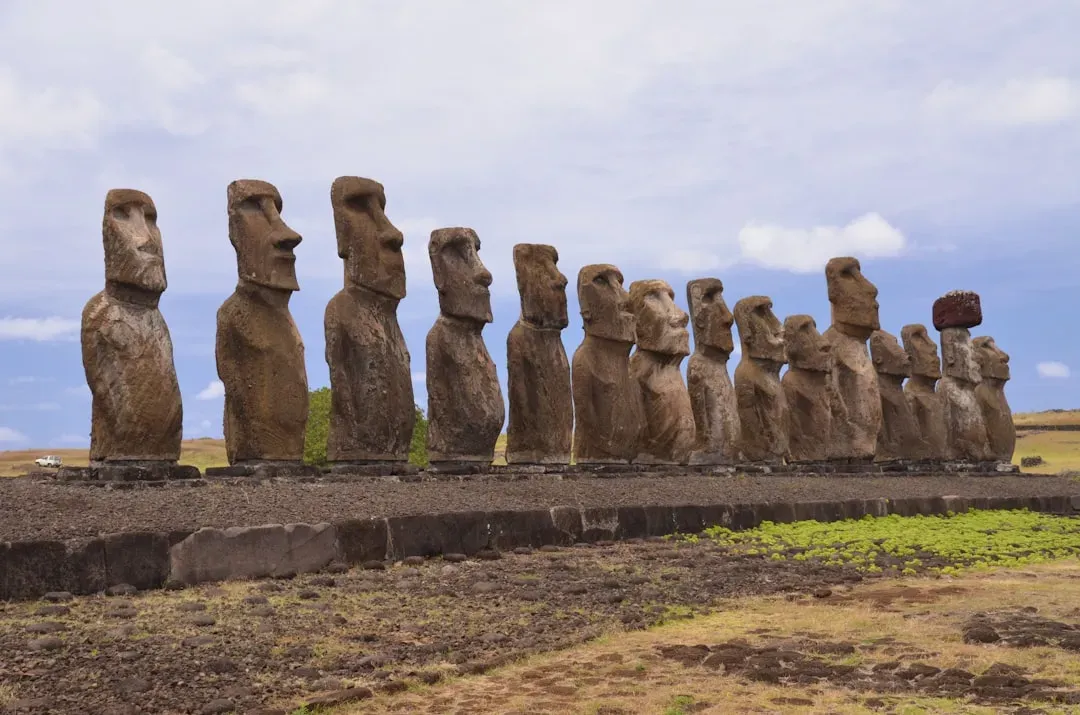
Some 800 years ago, a small band of Polynesians sailed thousands of miles across the Pacific to settle one of the world’s most isolated places, a small, previously uninhabited island they named Rapa Nui. There, they erected hundreds of “moai,” or gigantic stone statues that now famously stand as emblems of a vanished civilization. The Moai statues average 13 feet in height and weigh around 14 tons, carved from compressed volcanic ash.
The story of their decline has been fiercely debated. The older narrative blamed environmental self-destruction, but newer research complicates that picture significantly. A study published in Nature Communications found that while the Rapa Nui people did suffer environmental and climatic changes, they didn’t suddenly dwindle in number but rather maintained stable and sustainable communities on the island up until the point they encountered Europeans. Recent research also suggests that European contact and introduced diseases accelerated the collapse. In other words, the villains of this story may not be who you were told they were.
7. The Nabataeans: Desert Architects Who Carved a Kingdom From Stone
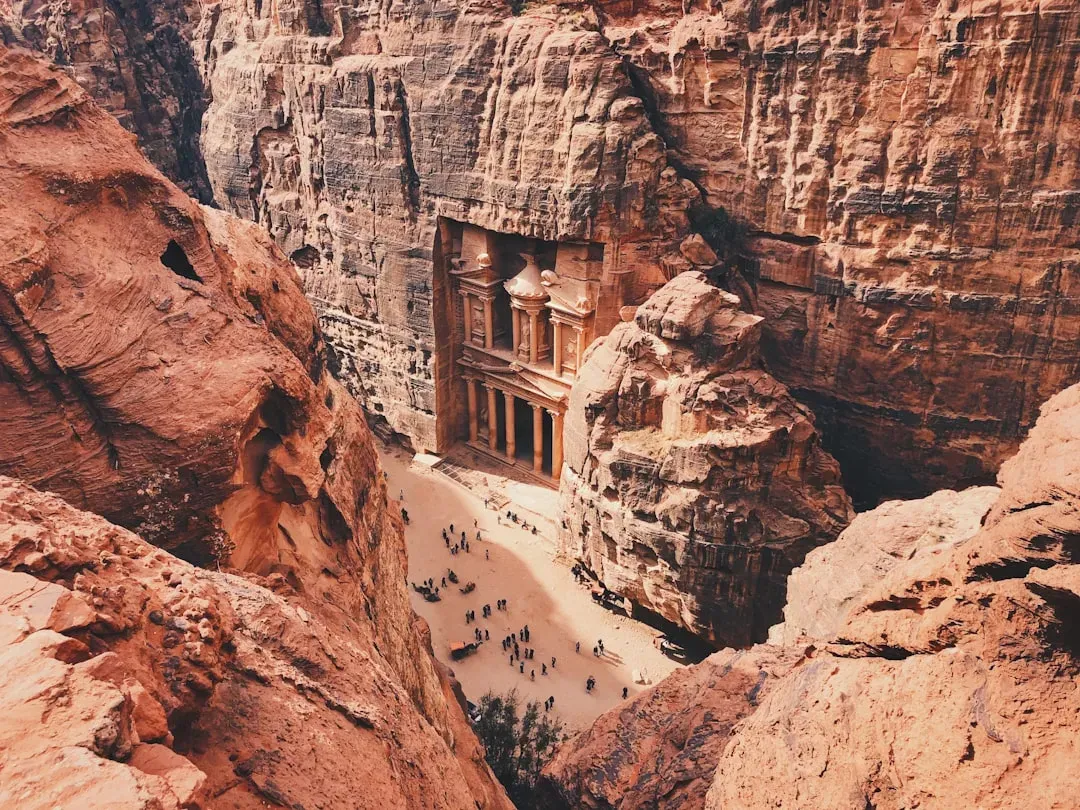
The Nabataeans were an ancient Arab people renowned for their skill in trade and hydraulic engineering. They carved the magnificent city of Petra into rose-red cliffs, a testament to their advanced architectural prowess. Nestled in present-day Jordan, Petra was a thriving hub of commerce, connecting the East and West through intricate trade routes. These were people who turned a desert into an empire, which is genuinely remarkable when you think about it.
Best known for building the rock-cut city of Petra in modern-day Jordan, the Nabataeans were skilled traders and engineers. Their kingdom thrived through control of caravan routes but began to fade after Roman annexation in 106 CE. Over time, they lost their cultural identity and merged with surrounding populations. Despite their once-great cities, little is known about their language or literature. When Swiss explorer Johann Ludwig Burckhardt rediscovered Petra in 1812, it astonished the modern world. The Nabataeans had not vanished without leaving physical traces, but their story had nearly disappeared from written history.
8. Cahokia: The City That Was Bigger Than London, Then Disappeared
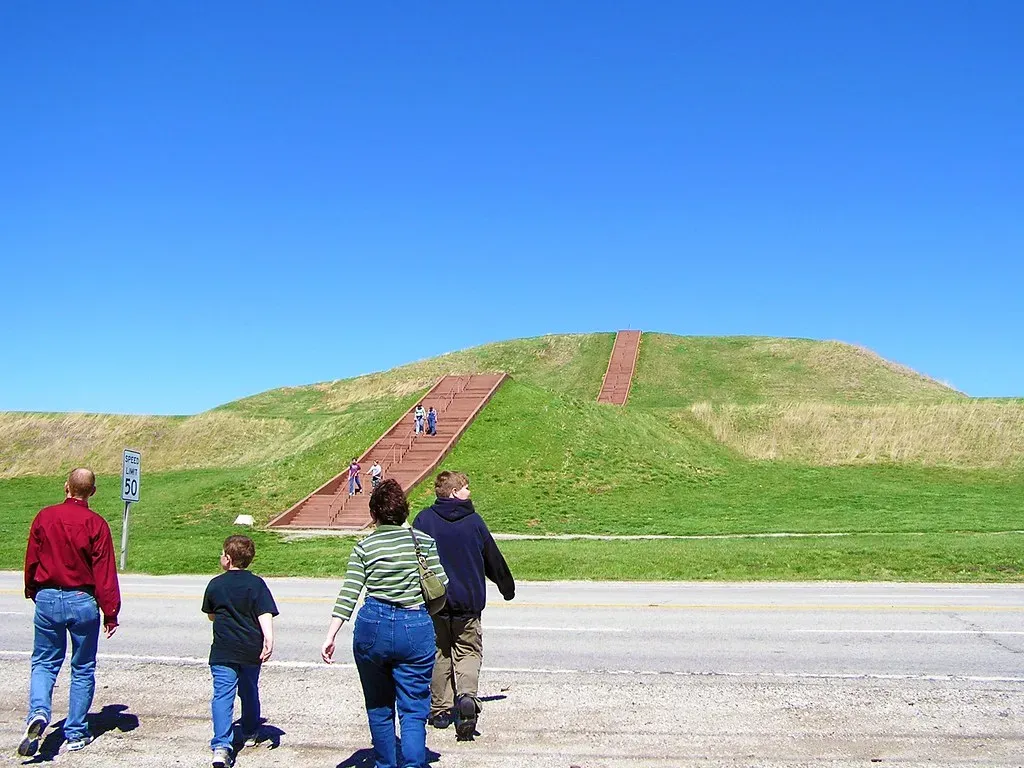
Near present-day St. Louis in the United States, a vast urban center rose around 1050 CE. Known as Cahokia, it was the largest pre-Columbian city north of Mexico. At its peak, Cahokia may have had tens of thousands of inhabitants. Its most prominent feature is Monks Mound, a massive earthen structure larger at its base than the Great Pyramid of Giza. The city included plazas, wooden palisades, and astronomical alignments known as woodhenges. Cahokia was a hub of trade, connecting communities across North America.
Climate change in the form of back-to-back floods and droughts played a key role in the 13th century exodus of Cahokia’s Mississippian inhabitants. Pollen samples suggest climate change led to crop failures, while signs of violence and malnutrition hint at social breakdown. Disease might have spread along trade routes as well. Though the earthworks remain, the people and their stories faded, leaving behind only enigmatic mounds and fragments of pottery. A city that dwarfed medieval London in size and yet almost no one today has heard of it. That, honestly, is one of history’s greatest oversights.
9. The Sanxingdui: China’s Bronze Age Mystery Nobody Talks About
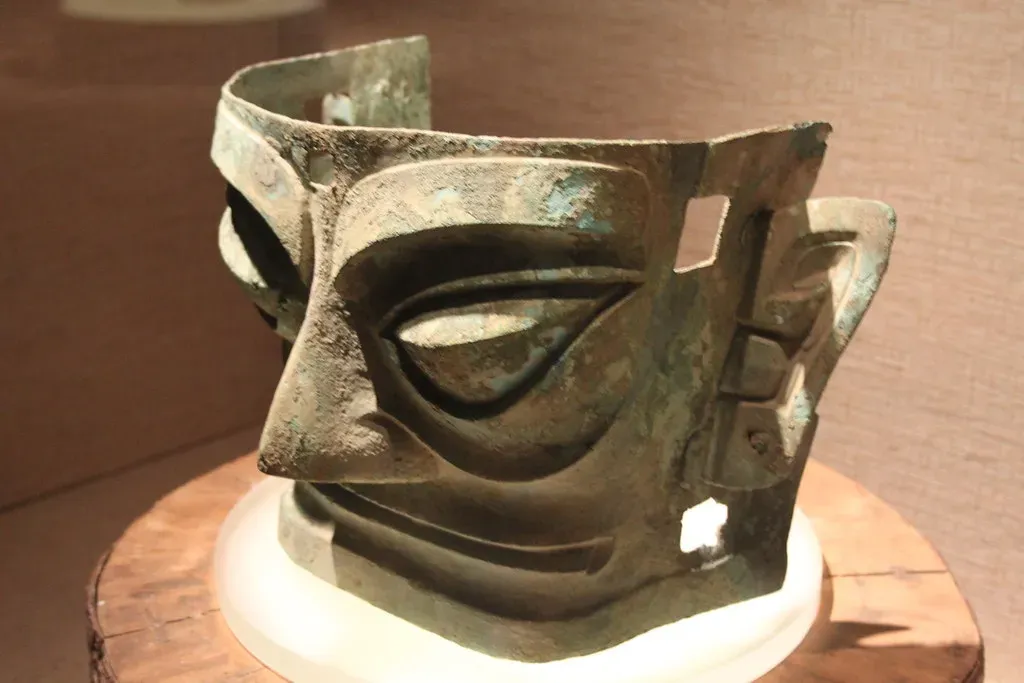
This Bronze Age culture in China created sophisticated bronze masks and sculptures unlike anything else from ancient China. Their artworks feature strange zoomorphic designs and eye-catching protruding pupils that seem almost alien. The culture vanished suddenly around 1200 BCE, with recent evidence suggesting a massive earthquake may have diverted the river their civilization depended upon. Discovered only in the 20th century, the Sanxingdui completely upended assumptions about ancient Chinese civilization.
It’s hard to say for sure what happened to them, but what makes this case particularly gripping is just how unlike anything else the Sanxingdui artifacts are. They belong to no recognized tradition. The Sanxingdui bronze-makers simply stopped, leaving archaeologists to piece together fragments of lives lived fully, then ended mysteriously. No predecessor culture to trace them back to. No successor culture that clearly continues their work. They appeared, they created breathtaking art, and they were gone. It’s the kind of discovery that makes you realize how much of our ancient past we have simply not yet found.
Conclusion: What History’s Vanishing Acts Are Really Telling You
The mysterious disappearance of these civilizations reminds us that even the most innovative societies remain vulnerable to environmental changes, resource limitations, and social pressures. When you look at all nine of these cases together, you start to see the recurring threads: climate stress, resource exhaustion, shifting trade routes, and the kind of internal pressure that builds silently until it breaks everything at once.
There is something deeply humbling about standing in front of a wall that someone built four thousand years ago, not knowing their name, not knowing their language, not knowing what made them laugh. These civilizations remind us that our own civilization, for all its global reach and technological prowess, remains as vulnerable to the tides of time as Petra, Cahokia, or Harappa. Every empire has believed itself permanent. None of them were. What do you think – does looking back at these lost worlds change how you see the world we’re building today? We’d love to hear your thoughts in the comments below.