Throughout human history, we’ve been utterly fascinated by the idea that someone, somewhere, could glimpse the future. Ancient prophets, seers, and mystics made bold claims about events yet to come, and some of those predictions seem eerily accurate when you look back at them. Whether these were genuine visions, lucky guesses, or clever interpretations of natural patterns remains one of the most intriguing debates of our time.
Some of these ancient prophecies feel almost supernatural in their specificity. Others are vague enough that people have twisted them to fit whatever narrative they want. Let’s be real, humans are excellent at finding patterns even when none exist. Yet when you dig into certain predictions, you can’t help but pause and wonder if there’s something more to them. What follows are nine ancient prophecies that, according to many researchers and historians, seemed to predict major world events with startling accuracy. Did these seers genuinely see into the future, or were we simply determined to make their words come true?
The Fall of Babylon Foretold by Isaiah
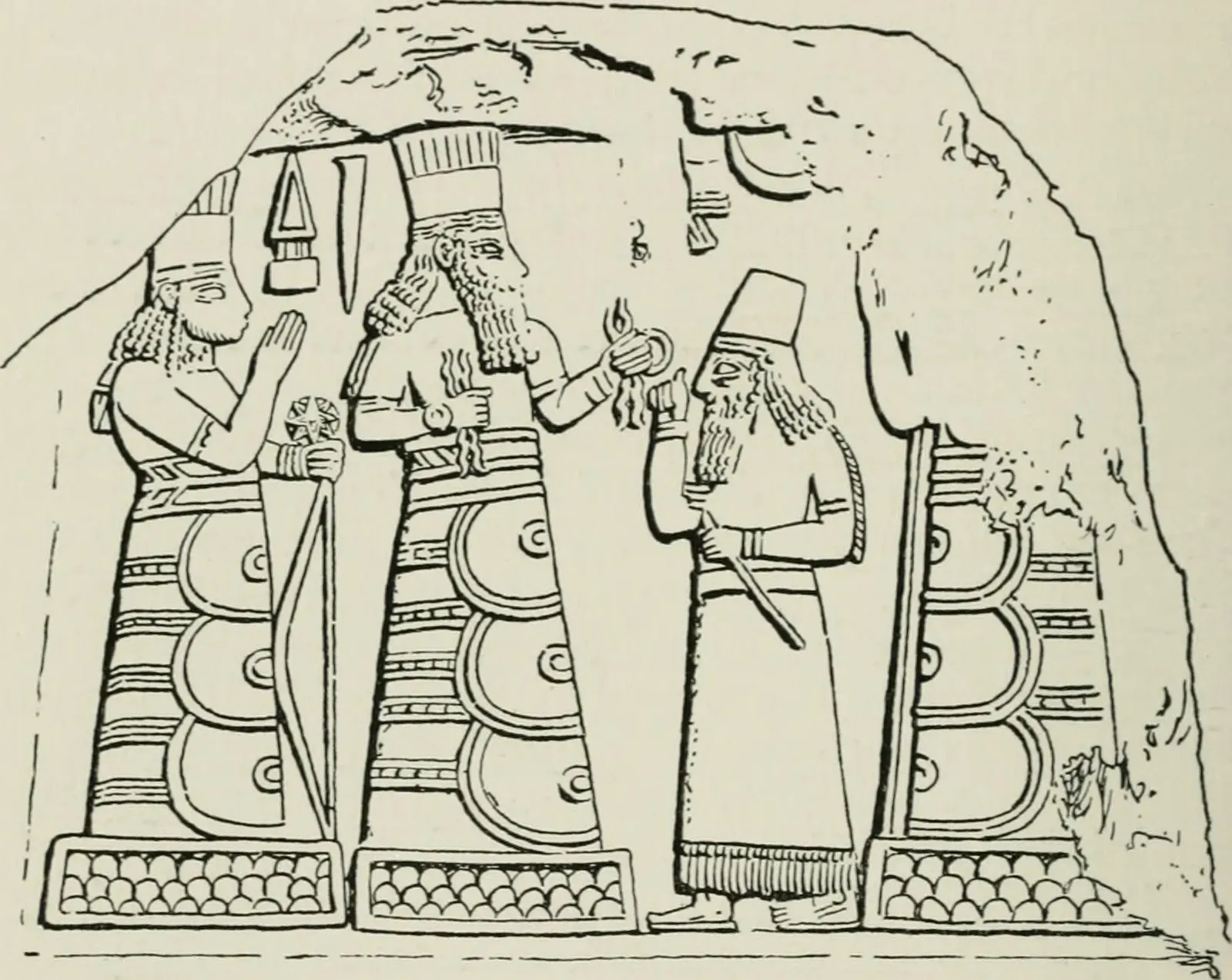
The biblical prophet Isaiah, writing around 700 BCE, detailed the future conquest of Babylon by the Persians under Cyrus, naming Cyrus specifically and describing how the mighty city would fall when the Euphrates River was diverted – precisely the strategy Cyrus employed in 539 BCE. Here’s what makes this truly remarkable: Isaiah made this prediction nearly two centuries before it happened.
About 200 years in advance, Isaiah mentioned Cyrus by name, and according to the Greek historian Herodotus, the army of Cyrus diverted the waters of the Euphrates River, which flowed through the city of Babylon. It’s hard to dismiss this as mere coincidence when the prophet named the conqueror and the exact method of conquest generations before Cyrus was even born. Skeptics argue the text was written after the fact, yet many scholars maintain the prophecy’s early origin remains credible.
Nostradamus and the Death of King Henry II
It wasn’t long after Nostradamus published his book that his predictions began to come true, with just four years after the publication of La Propheties, in the summer of 1559, King Henry II of France meeting a gruesome death in a fashion eerily similar to one of Nostradamus’ predictions. The famous French seer had warned of a young lion overcoming an older one, piercing his eyes through a golden cage.
Henry challenged Gabriel de Lorges, the Count of Montgomery, to a joust, and when de Lorge’s lance struck Henry’s helmet, it splintered into two shards, which shot through Henry’s eye and into his brain. The king suffered for ten agonizing days before dying. This was one of Nostradamus’s most famous correct predictions, though critics point out his quatrains are deliberately vague enough to apply to many similar incidents throughout history.
The Oracle of Delphi and the Persian Wars
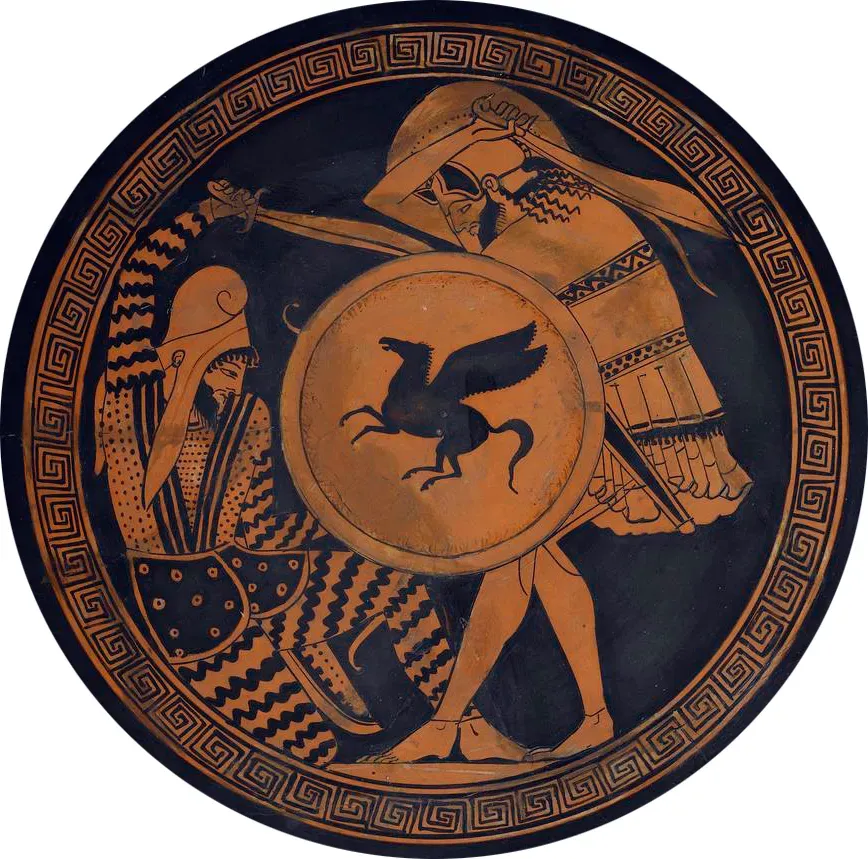
Initially, the Athenians were unhappy when the Oracle told them to retreat, but consulting her again, the Pythia referred to Zeus as providing the Athenians with a “wall of wood,” which the Athenians eventually decided meant they should ensure they had a sizable fleet of wooden ships to defend them from the Persian invasion. This prophetic advice proved decisive in the Persian Wars.
The Oracle predicted that the Persians would defeat the Spartans at the Battle of Thermopylae, and they were, and she also famously predicted the defeat of the Spartan army by the Persians at that battle. Meanwhile, the Athenians followed the Oracle’s cryptic maritime guidance and ultimately secured their naval victory at Salamis. Whether divine inspiration or shrewd political advice, the Oracle’s words shaped the course of Western civilization.
The Mayan Long Count and Astronomical Precision
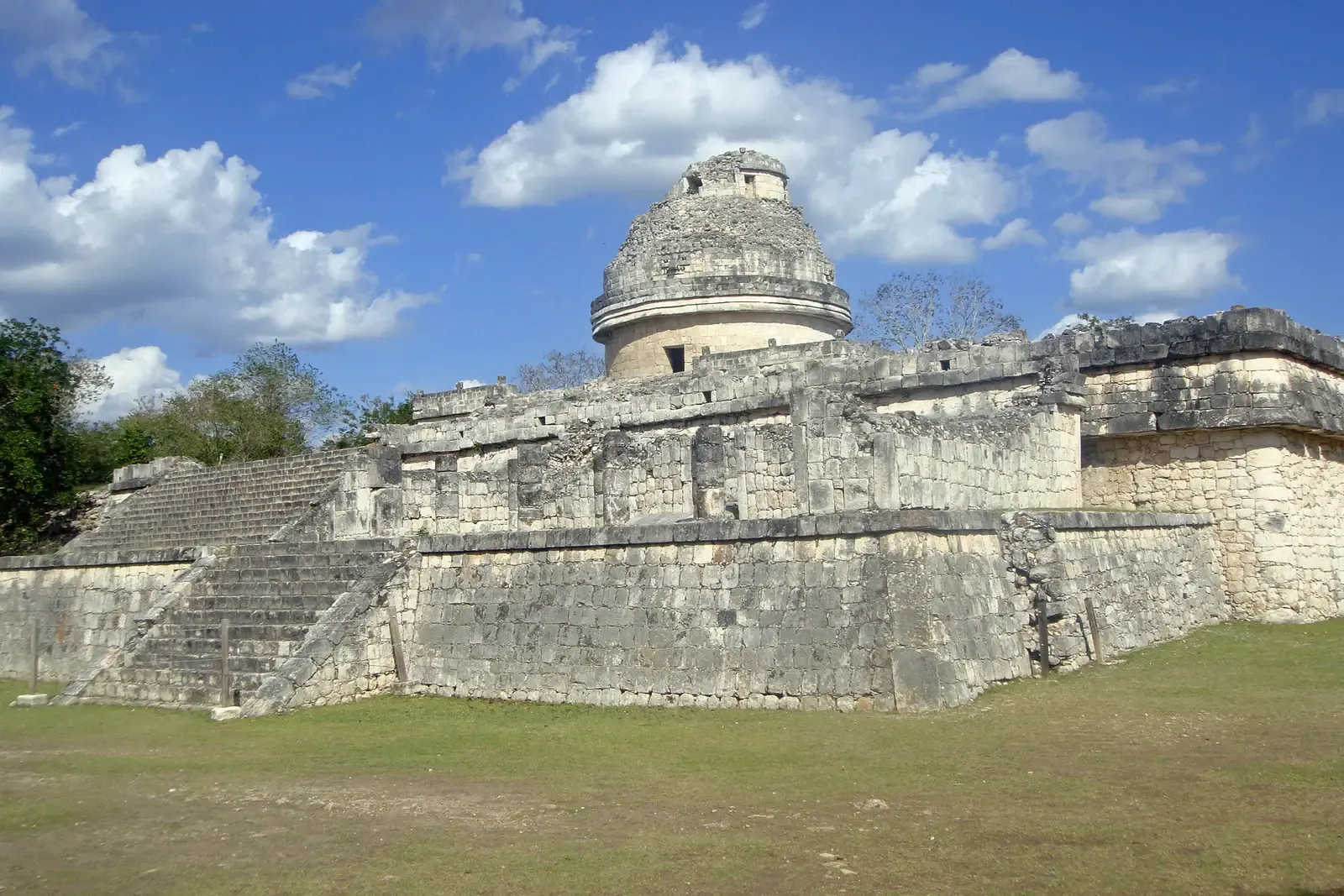
The Mayan calendar was able to predict lunar and solar eclipses centuries in advance despite having no fancy technology, and according to archaeoastronomer Ismael Arturo Montero García, the Maya accurately forecasted about 55% of all eclipses. Their mathematical and astronomical sophistication rivals anything we’ve achieved with modern instruments.
These ancient astronomers’ precision extended to predicting celestial events far into the future, demonstrating a sophisticated understanding of time cycles, though the popular interpretation that they predicted the world’s end in 2012 was a modern misunderstanding. The Maya weren’t apocalyptic doomsayers. They were brilliant scientists tracking cosmic patterns with jaw-dropping accuracy, creating prophecies rooted in observation rather than mysticism.
Croesus and the Ambiguous Oracle
The oracle told Croesus if he invaded Persia, he would destroy a great empire, and indeed the destruction of a great empire took place, but it was not the empire of Persia – instead, it was Croesus who was defeated. This story from the 6th century BCE demonstrates both the power and the danger of prophetic interpretation.
King Croesus was wealthy beyond measure and confident in his military might. When the Oracle delivered her prophecy, he assumed victory was guaranteed. The twist came when he realized too late that the great empire destined to fall was his own. This cautionary tale reminds us that prophecies often contain layers of meaning we fail to recognize until events unfold. Honestly, it’s a masterclass in how ambiguity protects the prophet’s reputation regardless of outcome.
Daniel’s Vision of Successive Empires
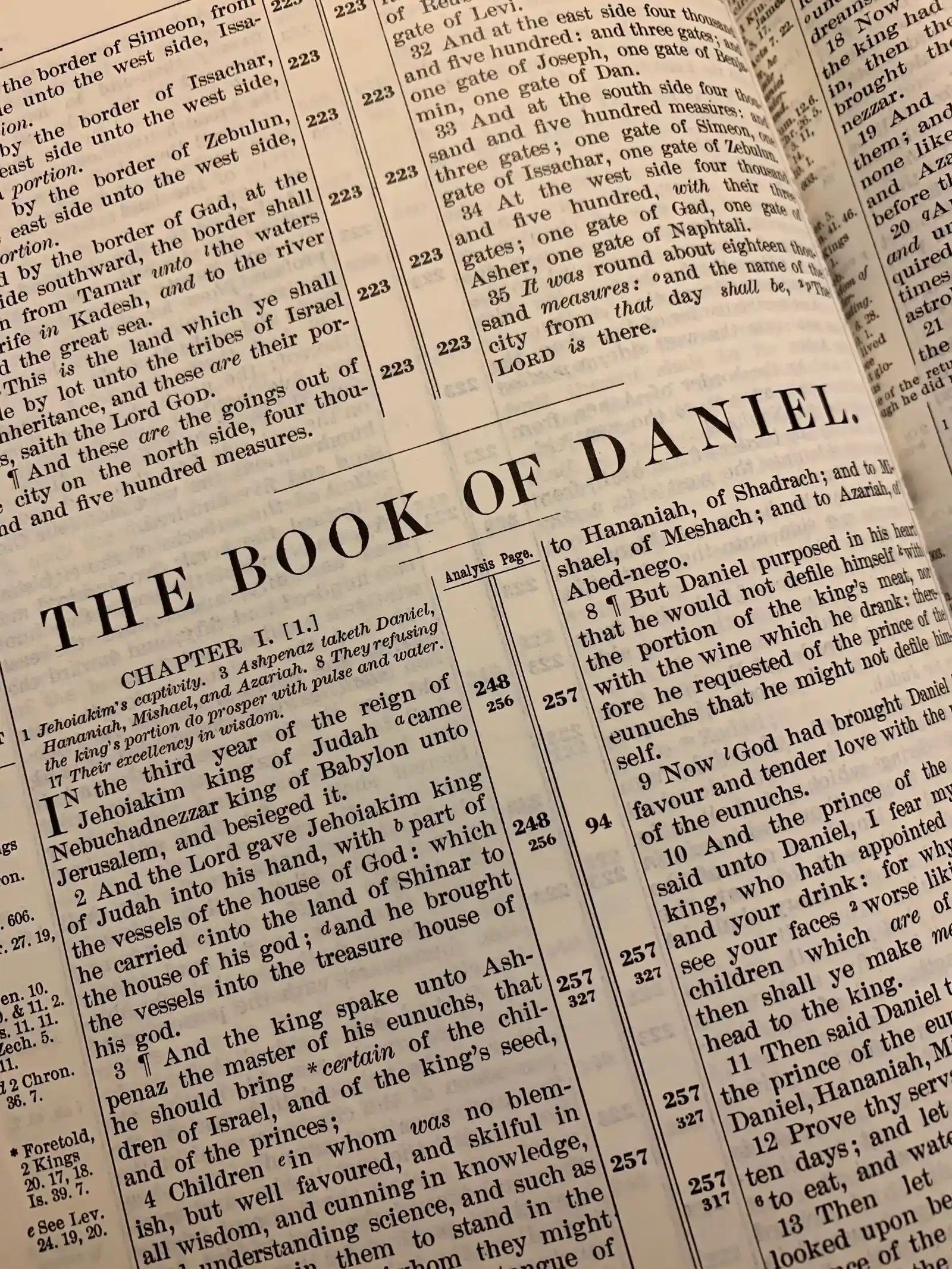
Biblical prophecy from the Book of Daniel accurately predicted world empires 2600 years ago, as Nebuchadnezzar’s dream revealed Babylon, Persia, Greece, Rome and modern Europe. This prophetic timeline mapped out the rise and fall of civilizations centuries before they came to power.
Daniel talked about four great empires rising and falling: the Babylonians, Persians, Greeks, and Romans. The precision of this prophecy has fascinated historians and theologians for millennia. Even skeptics struggle to explain how an ancient text could outline the succession of world powers with such remarkable accuracy. Some argue it was written after the events occurred, but evidence suggests otherwise.
Mother Shipton and the Great Fire of London
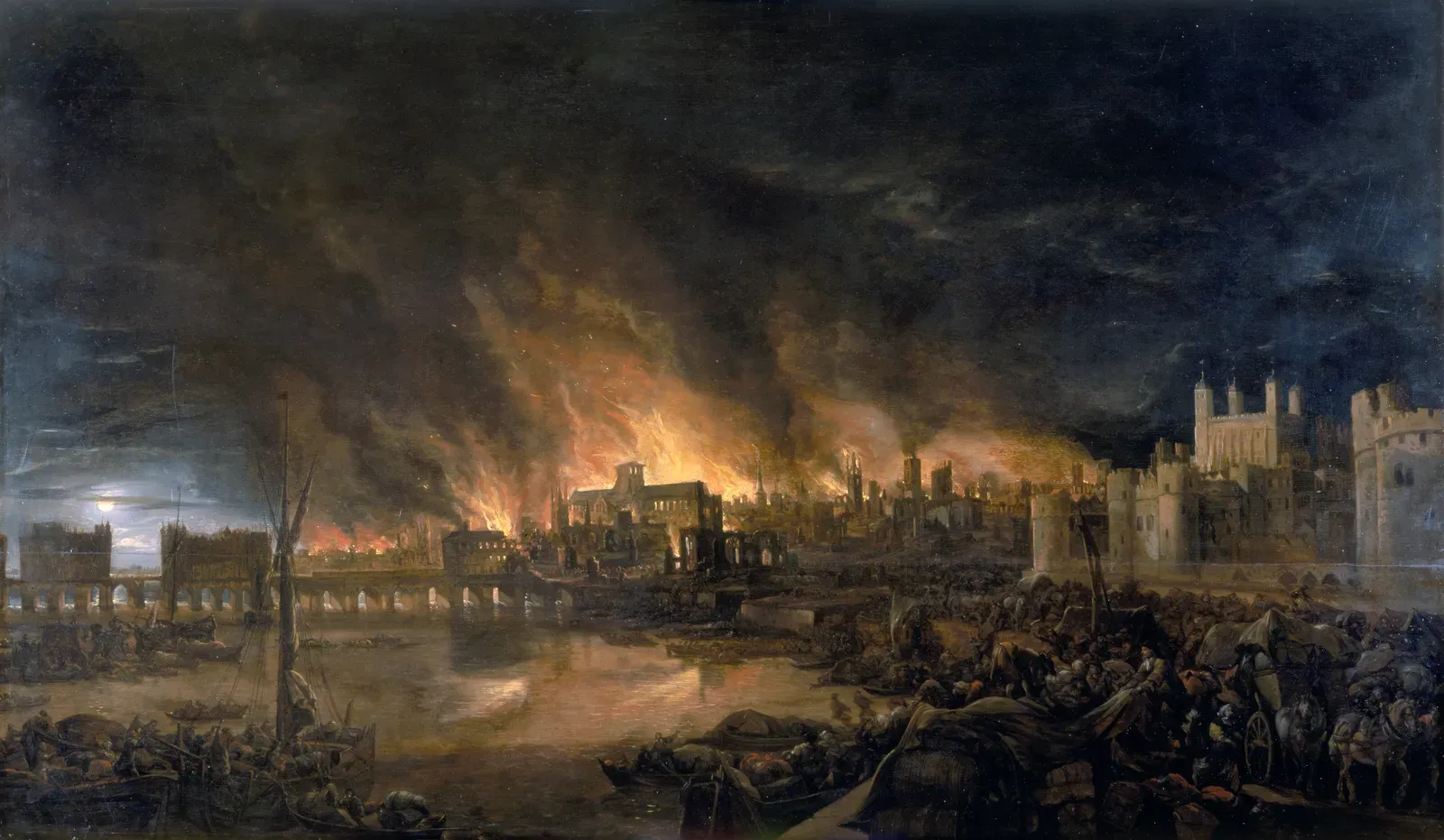
The prophecy of the Great Fire of London was predicted by the 17th-century seer Mother Shipton, who allegedly foresaw a fire that would devastate London, which occurred in 1666, centuries after her death, and her predictions about the fire were so specific that they remain part of the lore. This English prophetess gained legendary status for her apparent foresight.
London was actually burned by a considerable fire that lasted for three days and more or less destroyed the city in 1666. The timing and scale matched her predictions remarkably well. Yet historians remain divided on whether her prophecies were genuine or later fabrications attributed to her posthumously. The line between legend and historical fact blurs considerably when dealing with prophecies recorded long after they were supposedly uttered.
Nahum’s Prophecy of Nineveh’s Drunken Downfall
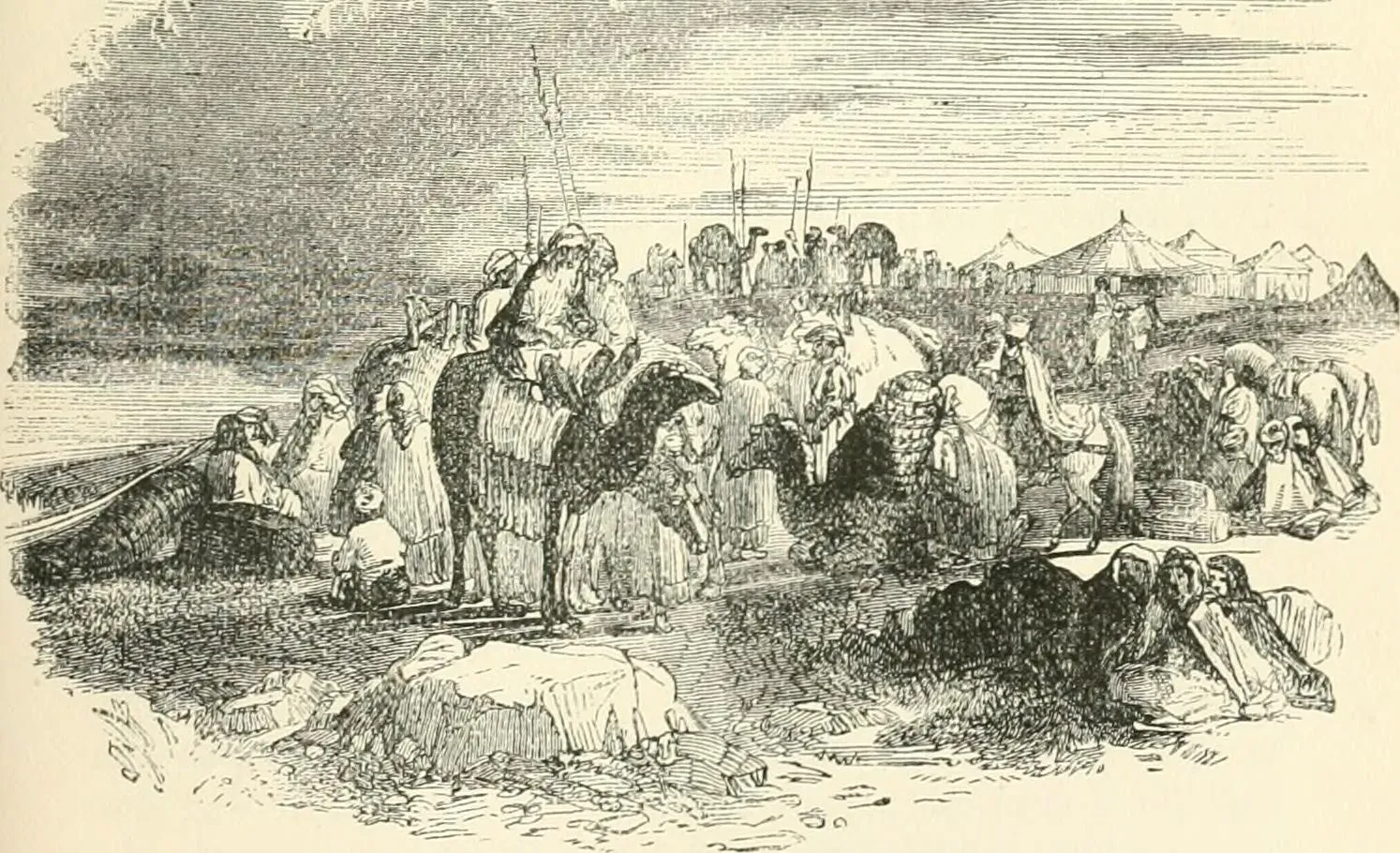
In Nahum 1:10, written around 614 BC, Nahum predicted the condition of the Ninevites at the time of their demise, saying that the Ninevites would be drunk during their final hours, and there is evidence this prophecy was actually fulfilled. This biblical prediction was remarkably specific about the circumstances of the city’s fall.
According to the ancient historian Diodorus Siculus, “The Assyrian king gave much wine to his soldiers. Deserters told this to the enemy, who attacked that night”. Siculus compiled his historical record about 600 years after the fall of Nineveh, independently confirming the biblical account. It’s hard to say for sure whether this was prophetic vision or insider knowledge of military vulnerabilities, but the accuracy remains undeniable.
The Egyptian Nile Flood Predictions
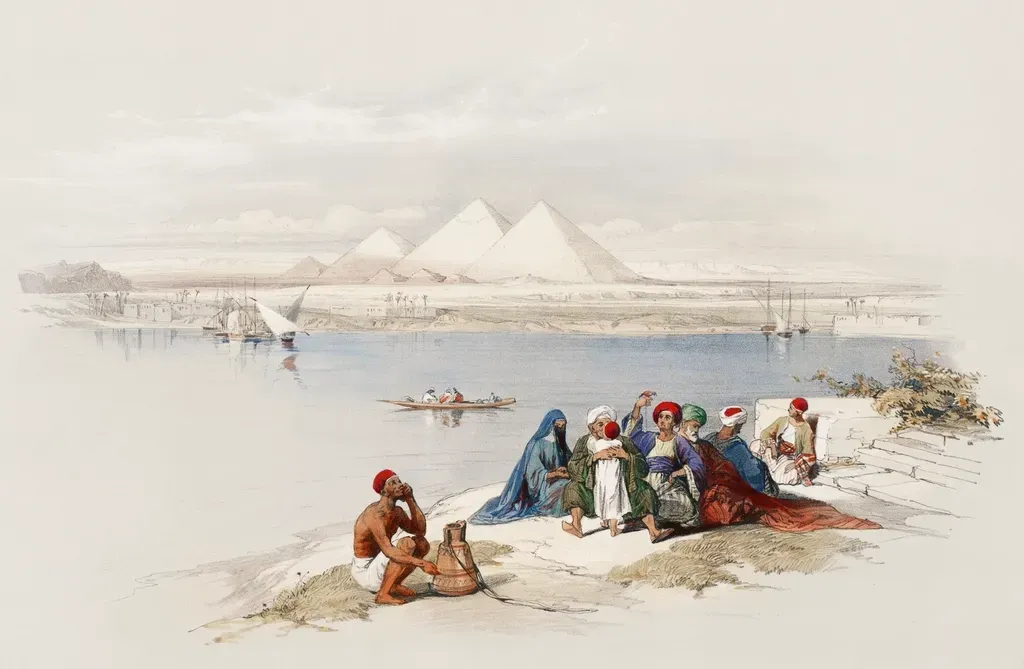
This wasn’t mysticism – it was scientific calculation, as ancient Egyptians tracked stars and shadows to predict the Nile’s annual flood with jaw-dropping accuracy, and maybe real prophecy is simply reading patterns before the rest of us catch on. The Egyptians mastered the art of prediction through careful observation.
Their priests calculated when the life-giving floods would arrive each year, ensuring agricultural success and preventing famine. This predictive ability seemed magical to outsiders but was rooted in astronomical observation and mathematical precision. The ancient world didn’t always distinguish between science and prophecy. Perhaps that’s the real lesson here: the best predictions have always come from those who paid closest attention to natural patterns rather than waiting for divine revelations.
Conclusion
These nine prophecies represent some of the most compelling examples of ancient predictions that appeared to come true. Whether they resulted from genuine supernatural insight, extraordinary pattern recognition, lucky guesses, or retroactive interpretation remains an open question. What’s undeniable is that these prophecies shaped history, influenced major decisions, and continue to fascinate us centuries later.
The human need to understand and control the future hasn’t diminished one bit since ancient times. We’ve simply replaced oracles and prophets with data analysts and artificial intelligence. Perhaps the ancients weren’t so different from us after all – just people trying to make sense of an uncertain world, seeking any glimpse of what tomorrow might bring. What do you think? Were these seers tapping into something beyond our understanding, or were they simply master observers of human nature and historical cycles?