Long before scientific instruments, before textbooks, and certainly before Google Maps, ancient people were already reading the land beneath their feet with extraordinary precision. Mountains spoke. Rivers remembered. Volcanoes warned. And out of that constant, intimate relationship between humans and their raw, prehistoric environments came some of the most elaborate, emotionally powerful mythologies the world has ever known.
What is truly astonishing is that many of these stories were not simply invented around campfires. Scholars now believe some of them encode real geological events, actual floods, eruptions, and coastline shifts that happened thousands of years before writing was even a thing. Human myths, it turns out, can endure far longer than written history, with recent research across disciplines including geology, linguistics, and oral tradition studies uncovering mythological narratives that may trace back eight millennia or more. Let’s dive in.
1. The Aboriginal Australians: Dreamtime as Living Geological Memory
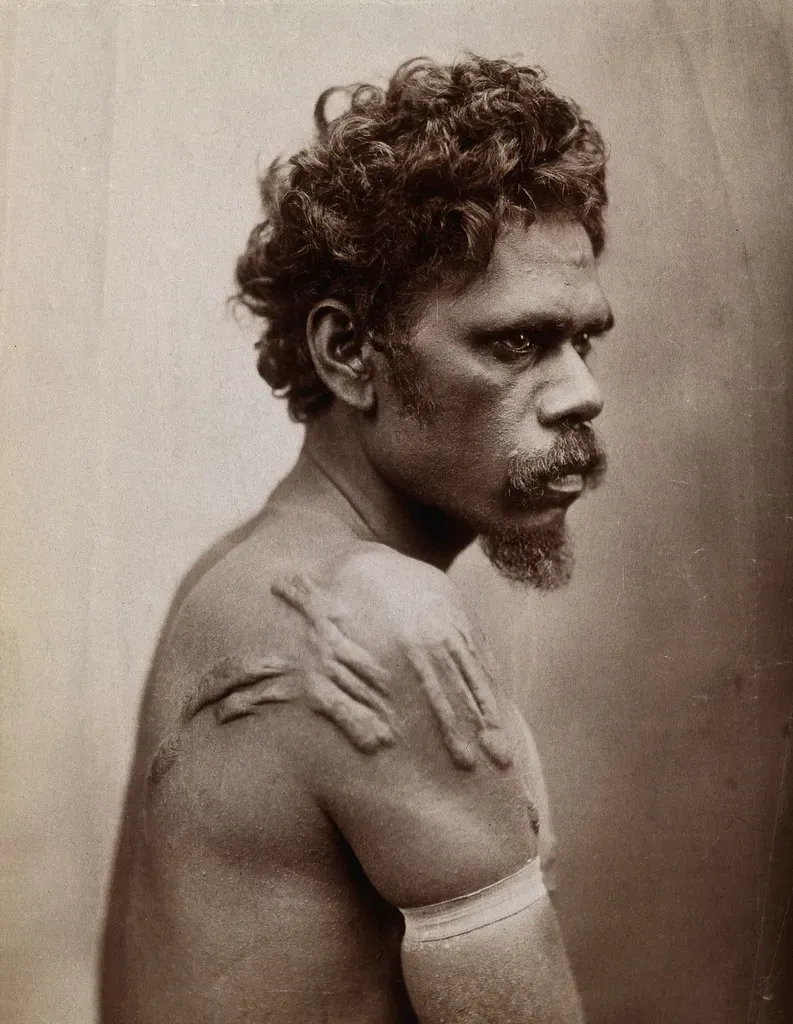
You could spend years studying this and still feel like you’ve barely scratched the surface. The Aboriginal Australians are widely regarded as one of the oldest continuously surviving cultures on the planet, and at the center of their entire worldview sits a concept known as the Dreamtime. The Dreaming is used to represent Aboriginal concepts of “Everywhen,” during which the land was inhabited by ancestral figures, often of heroic proportions or with supernatural abilities. Think of it not as a story about the past, but as a living layer of reality mapped directly onto the physical world around you.
Aboriginal myths generally describe the journeys of ancestral beings, often giant animals or people, over what began as a featureless domain, with mountains, rivers, waterholes, animal and plant species, and other natural resources coming into being as a result of events which took place during these Dreamtime journeys. What makes this even more breathtaking is the geological accuracy embedded in these tales. Australian linguist R. M. W. Dixon, recording Aboriginal myths in their original languages, encountered coincidences between landscape details described in certain myths and scientific discoveries about the same landscapes. In the case of the Atherton Tableland, myths tell of the origins of specific crater lakes, and geological research dated the formative volcanic explosions described by Aboriginal myth tellers as having occurred more than 10,000 years ago. That is not a metaphor. That is a memory.
2. The Klamath Tribe: The Mountain That Fell from the Sky
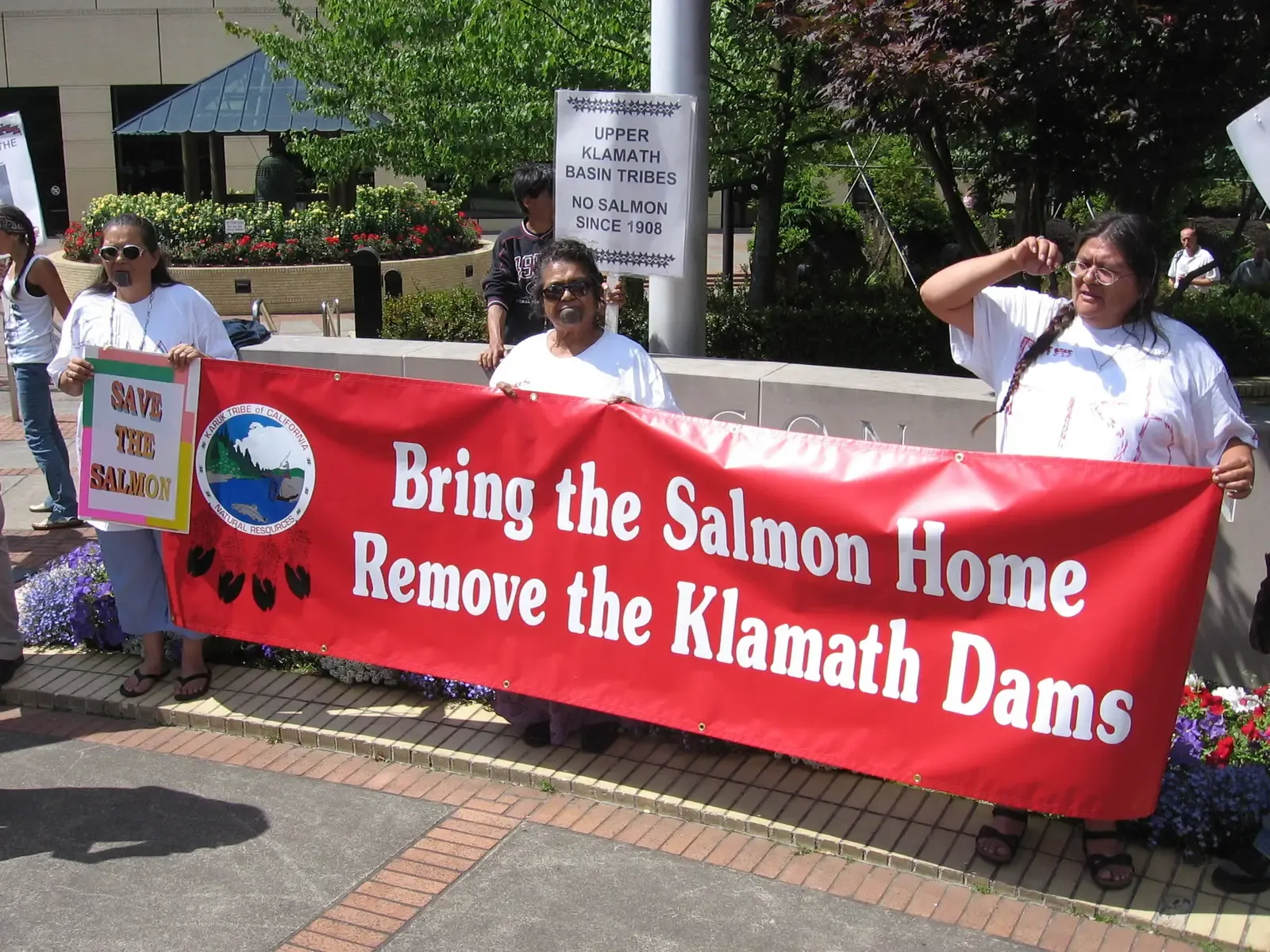
Here is one of the most staggering examples of mythology and geology intertwining in all of human history. The Klamath people of what is now Oregon in the northwestern United States carry a sacred story about a ferocious battle between two great spiritual forces, and when you line it up against what we know from modern earth science, it stops you cold. The Klamath have a sacred story about a titanic battle between the sky god Skell and the underworld god Llao, which caused Llao’s fiery mountain to collapse and form a deep crater filled with water, and this aligns precisely with the cataclysmic eruption of Mount Mazama roughly 7,700 years ago, which indeed collapsed to create Crater Lake.
Recent research in the Klamath Basin has shown that rock art and landscape are intimately connected, mutually informed by indigenous notions of sacred places, and modeling this landscape has been possible through an understanding of Klamath-Modoc myth, leading some researchers to derive general interpretations of rock art that are largely in agreement with Klamath-Modoc spiritual beliefs. Honestly, when you think about it, this tribe was doing something that no modern culture has quite replicated. They preserved a literal scientific observation of a volcanic catastrophe inside a sacred story, and passed it down for nearly 80 centuries without losing its essential truth.
3. The Norse Vikings of Iceland: Fire, Ice, and the End of the World
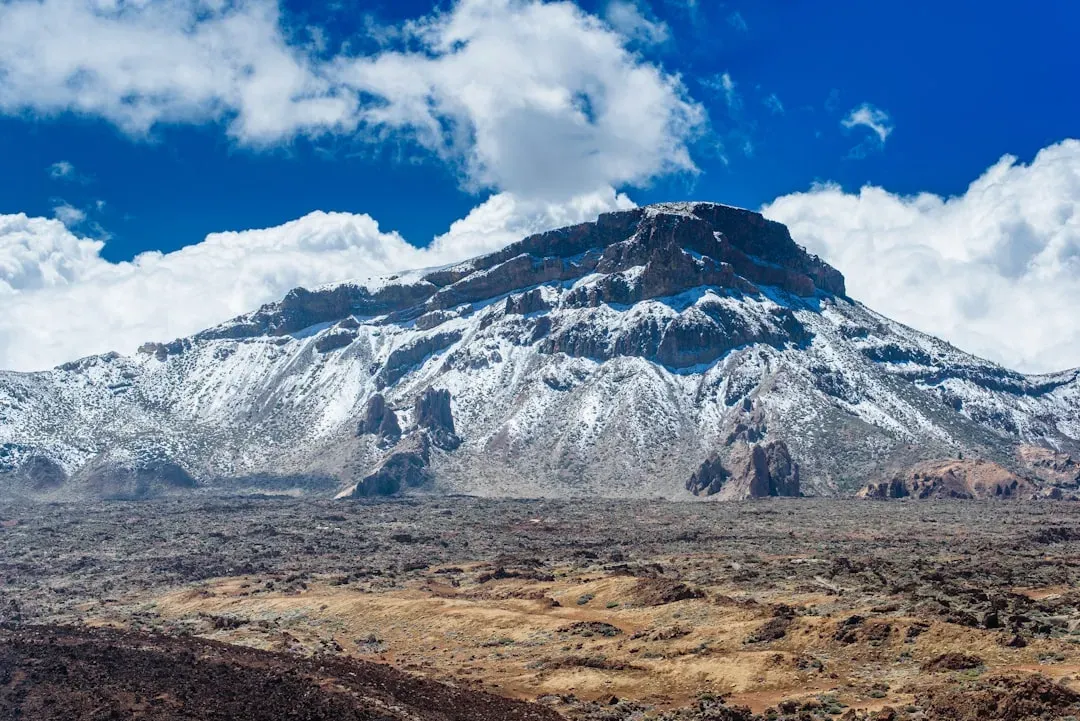
Iceland is a landscape so extreme and alien that it practically writes its own mythology. When Norse settlers arrived on the island around 870 AD, they encountered a terrain unlike anything in mainland Scandinavia. Viking Age Icelanders, migrating from Scandinavia to a new and volcanically active environment, used Old Norse mythology to understand and negotiate the hazards of the island. The result was one of the most dramatic and fatalistic mythological systems ever created. On either side of the primordial void of Ginnungagap emerged the fiery realm of Muspelheim and the icy world of Niflheim, and since Iceland’s landscape was marked by both ice and fire in the form of volcanoes, it was thought to either be, or at least resemble, the primordial realms from which all life emerged.
Scholars have found that the tales in Norse mythology contain a number of passages that appear to be descriptions of volcanic eruptions, and one of the most famous passages, the description of Ragnarok in the Prophecy of the Völva, is Norse mythology’s tale about the end of the world, with researchers believing that several passages in its description are actually symbolic of the different phases of volcanic eruption. Norse mythology, with its grim and foreboding tone, reflects the harsh realities of life in the cold, unforgiving landscapes of Scandinavia, steeped in concepts of fate and inevitability, with the gods themselves destined to meet their end during Ragnarok, indicative of a society that lived in close proximity to the forces of nature, where survival was often a daily struggle.
4. The Lakota Sioux: Sacred Plains, Sacred Beings
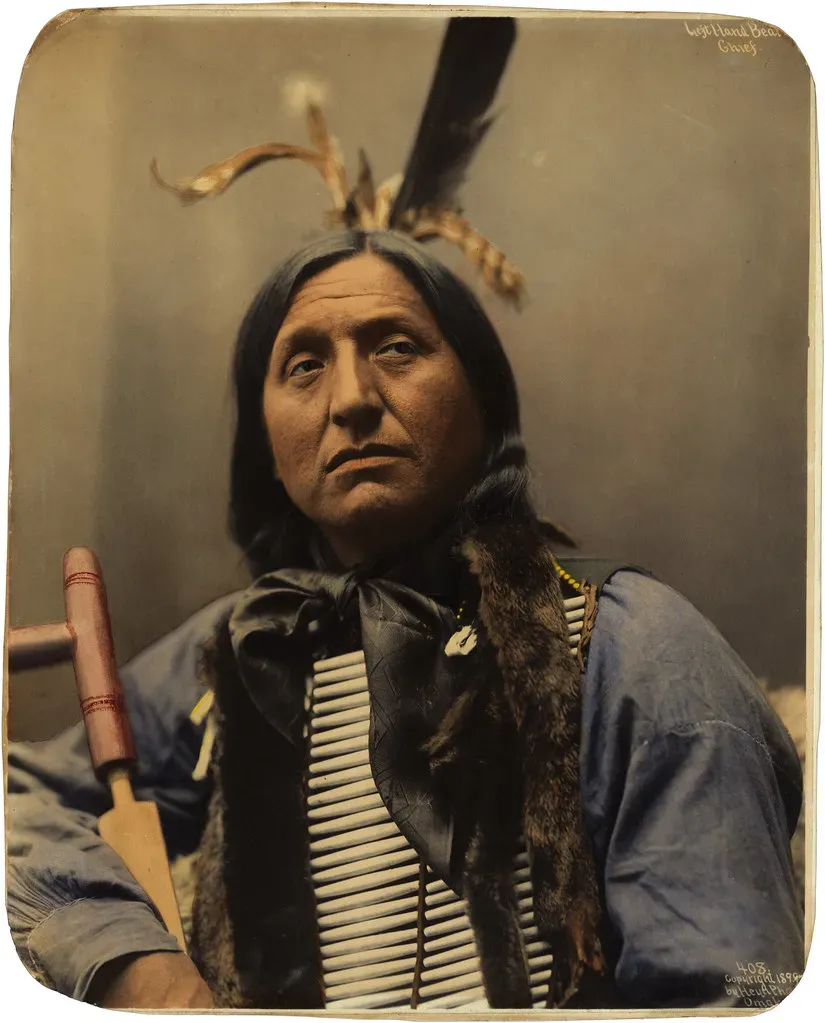
Stretch your imagination across the vast, windswept Great Plains of North America and you begin to understand why the Lakota Sioux developed one of the most spiritually rich mythological traditions on earth. Stories unique to the Great Plains feature buffalo, which provided the Plains peoples with food, clothing, housing and utensils, and in some myths they are benign, in others fearsome and malevolent. The Sun is an important deity, other supernatural characters include Morning Star and the Thunderbirds, and a common theme is the making of a journey, often to a supernatural place across the landscape or up to the parallel world in the sky. Every element of their physical environment found its direct counterpart in their spiritual universe.
The Lakota Sioux myth of White Buffalo Calf Woman teaches the importance of gratitude, respect, and the sacredness of the earth and its creatures. This legend, which tells of a divine figure who brings sacred knowledge and rituals to the people, underscores the belief in the interconnectedness of all life and the need to live in accordance with the natural world. The open sky above the Plains was not empty space to the Lakota. It was a living scripture, written in wind, migration patterns, and the behavior of animals that the land itself had shaped over millennia.
5. The Hopi of Arizona: Emerging from the Underworld
The Hopi people of what is now Arizona occupy one of the most ancient continuously inhabited regions of North America, and their mythology is inseparable from the dramatic geology of the American Southwest. The emergence theory is central to Hopi beliefs, explaining how they came into being as a people. They believe that they emerged from underground tunnels after passing through different worlds until they finally arrived at their current location, and this belief is reflected in many of their rituals and ceremonies. Think about how fitting that is. The Southwest is defined by its canyon depths, its layered rock, its underground water systems. The landscape itself looks like layers of different worlds stacked on top of each other.
Multi-sensory experiences are prominent in Ancestral Pueblo ceremonial rituals; for example, to evoke a paradisiacal realm, Chacoan people would perform sensorial ceremonies using exotic artifacts such as turquoise, shell, cacao, copper bells, and macaws. Hopi prophecy and symbolism are integral parts of their culture, with many stories passed down through generations about the importance of certain symbols and signs. For example, rainbows are considered sacred because they represent harmony between the physical world and the spirit realm, while the blue corn plant represents spiritual strength and white corn symbolizes purity. Every color, every plant, every formation of rock carried meaning in this landscape-saturated mythology.
6. The Inuit Peoples: Gods Born from Arctic Extremes
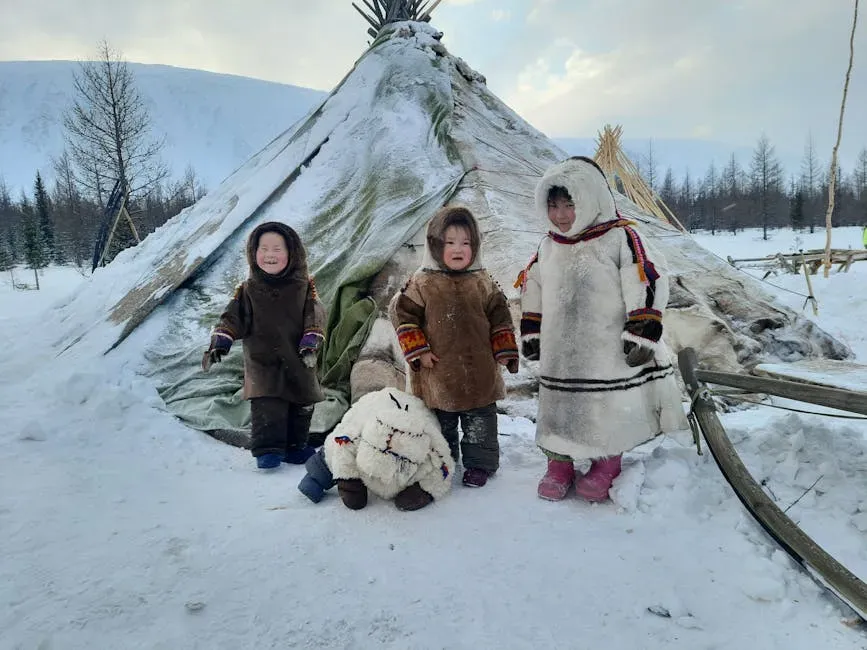
If you have ever stood on arctic tundra in deep winter, you would understand instinctively why Inuit mythology is what it is. The Inuit faced a world of near-total darkness for months at a time, where survival depended on reading ice, sea, and sky with almost supernatural precision. The myths of the Arctic region are strongly set in the landscape of tundra, snow, and ice, with memorable stories featuring the winds, the moon, and the giants. Their gods did not live in warm, sunlit palaces. Their gods lived in the freezing ocean and the howling atmosphere, because that is what the land demanded.
In the eastern part of the Arctic region, the myths of the Inuit people focus on Sedna, a deity known as the mistress or mother of sea animals. In the western Arctic, tales about Igaluk, the moon god, and trickster stories are common. It’s hard to say for sure, but I think no other mythology on earth is as directly calibrated to physical survival as that of the Inuit. Every story taught something essential about the environment. The sea was not just water. It was Sedna herself, and how you treated her determined whether you ate or starved.
7. The Cherokee: Mountains, Rivers, and the Creator God
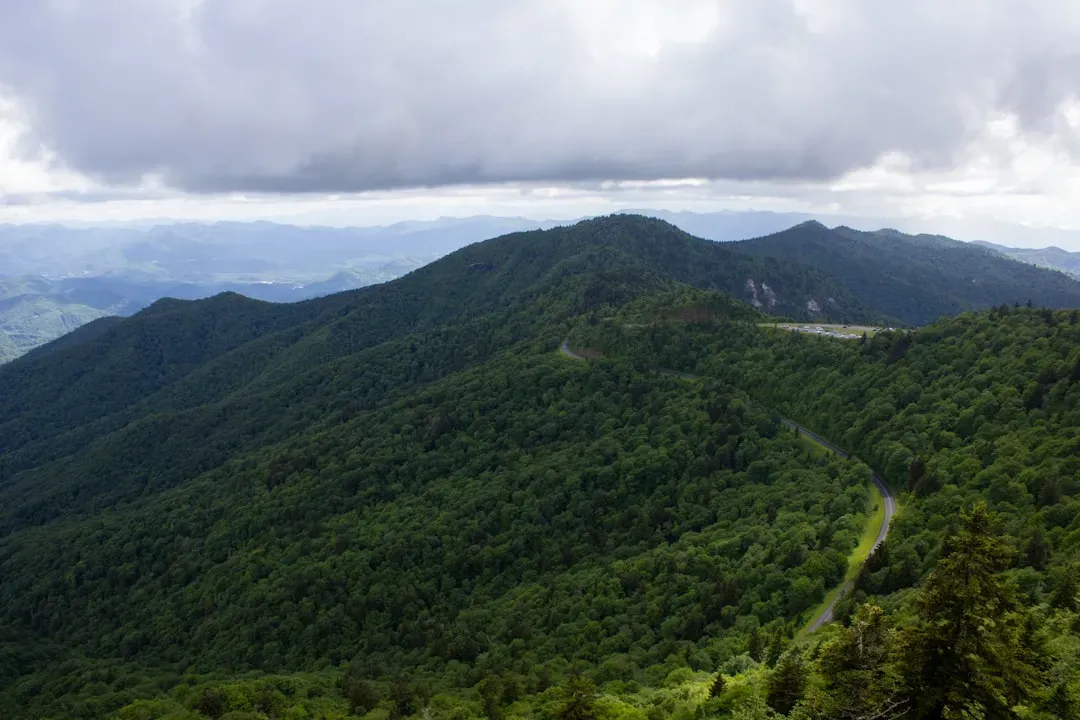
The Cherokee people of the American Southeast occupied a breathtaking landscape of ancient mountains, dense forests, and winding rivers, and their mythology reflects every contour of that terrain. Cherokee mythology is a rich and complex system of beliefs and stories passed down through generations. The Cherokee people are one of the largest indigenous groups in North America, with a history spanning thousands of years, and their mythology reflects their deep connection to nature and their reverence for the spiritual world. That reverence was not abstract. It was carved directly from the ridgelines and river gorges they called home.
One of the most significant figures in Cherokee mythology is the creator god, Unetlanvhi. According to legend, he created the world by first separating the earth from the sky and then creating mountains, rivers, animals, and humans. Mythology, religion, history, and ritual were not separate things for the Cherokee and other Native American peoples. They were strands woven together in the various tales and stories that defined people’s identity and gave order and meaning to their lives. The Appalachian Mountains, some of the oldest on earth, were not obstacles in Cherokee culture. They were the very architecture of the sacred.
8. The Pacific Northwest Tribes: Ravens, Coastlines, and Parallel Worlds
Uploaded by Elitre, CC BY 2.0)
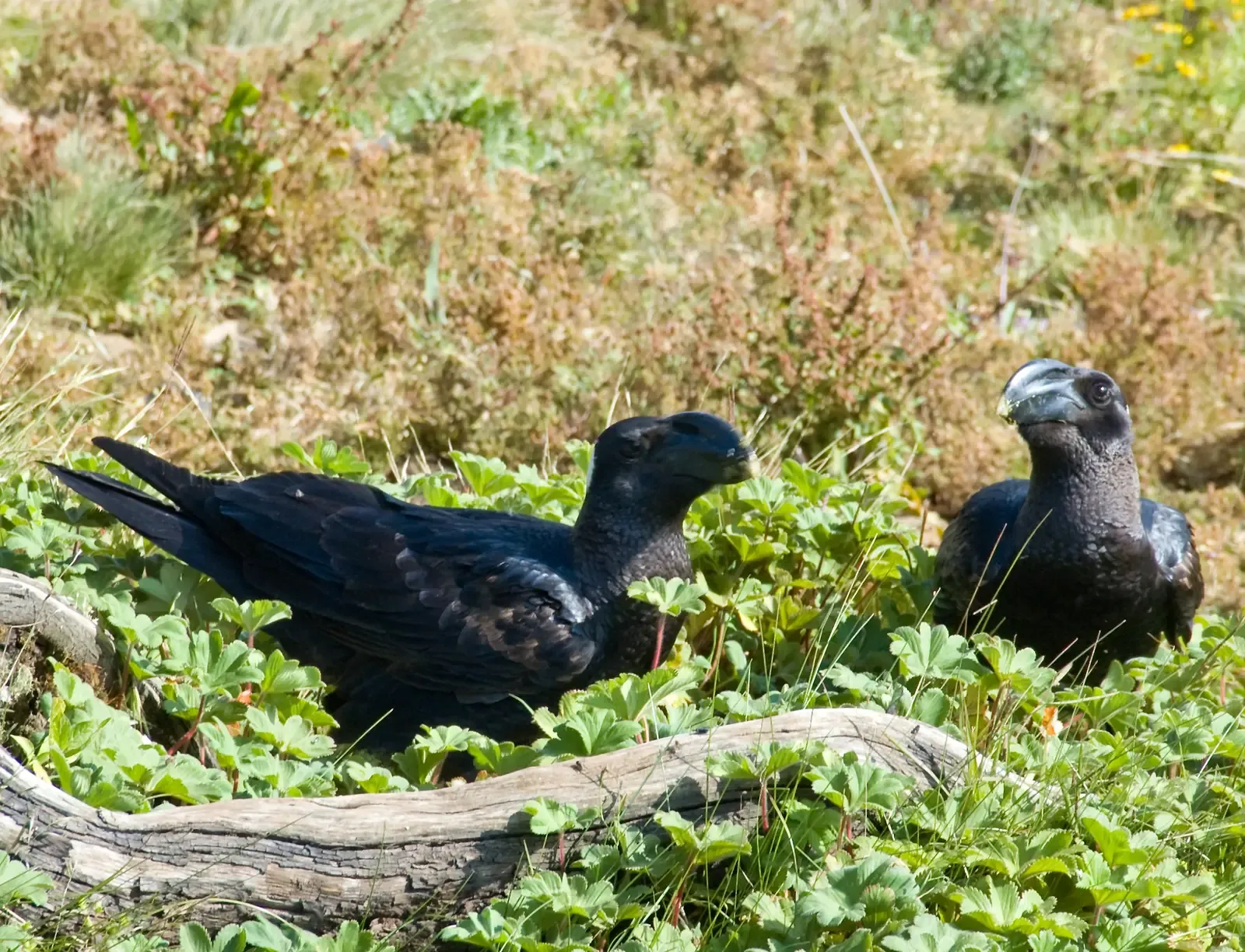
The Pacific Northwest coast is a world unto itself. Towering forests, fjord-cut coastlines, rivers thick with salmon, and a sky perpetually shrouded in mist. It is the kind of landscape that makes you believe in other worlds without much effort. In Native American mythology of the Pacific Northwest, the dominant sacred trickster is Raven, who brought daylight to the world and appears in many other stories. Myths explore the people’s relationship with the coast and rivers, and there are stories of visits to parallel worlds beneath the sea and up in the sky. The Raven is not random. This bird thrives in coastal forests, scavenges, outwits, adapts. The tribes simply watched the land and translated what they saw into the spiritual realm.
A common group of myths among these peoples are myths of the origin of nature and landscape. Landscape mythology is used in various totemic peoples to explain the origin of various occurrences in nature, such as the shapes and names of mountains and rivers, with similar myths explaining the origins of various animal and plant species, especially those tied to survival. Most stories talk about the living beings within a specific tribe’s homeland, like the raven of the Pacific Northwest, and they speak about spiritual and mythical origins within real, physical landscapes, outlining the original laws of how to live in balance with creation. That balance was not a philosophy. It was a survival manual written in myth.
9. The Ancestral Pueblo People: Stone Cities and Sacred Skies
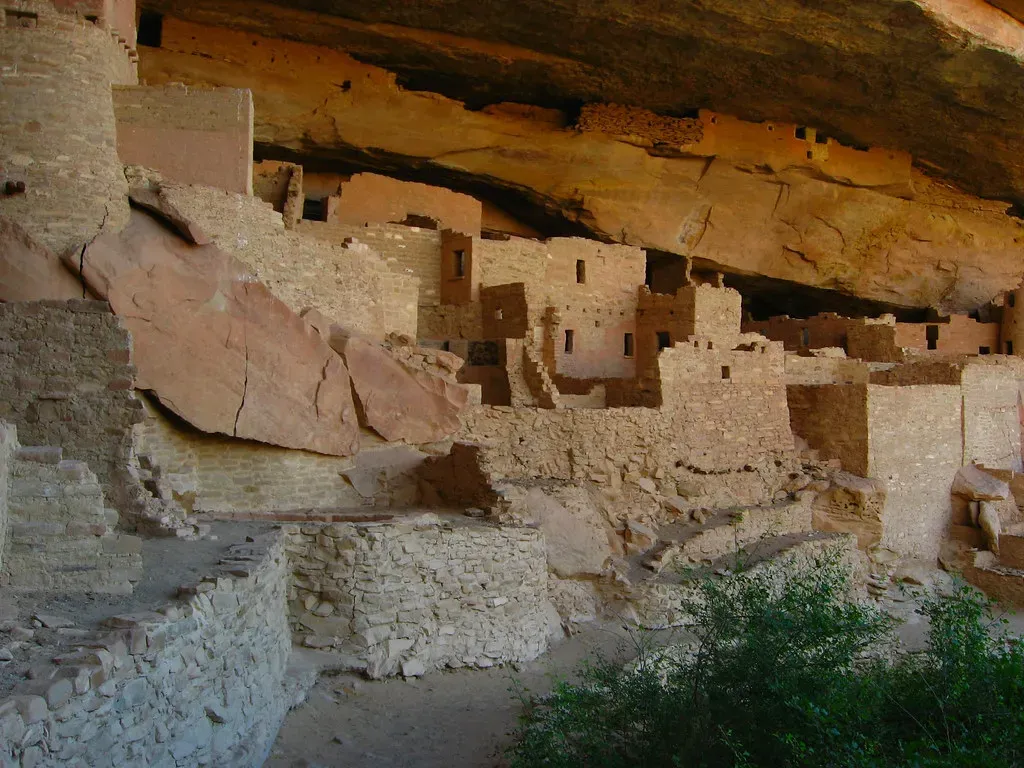
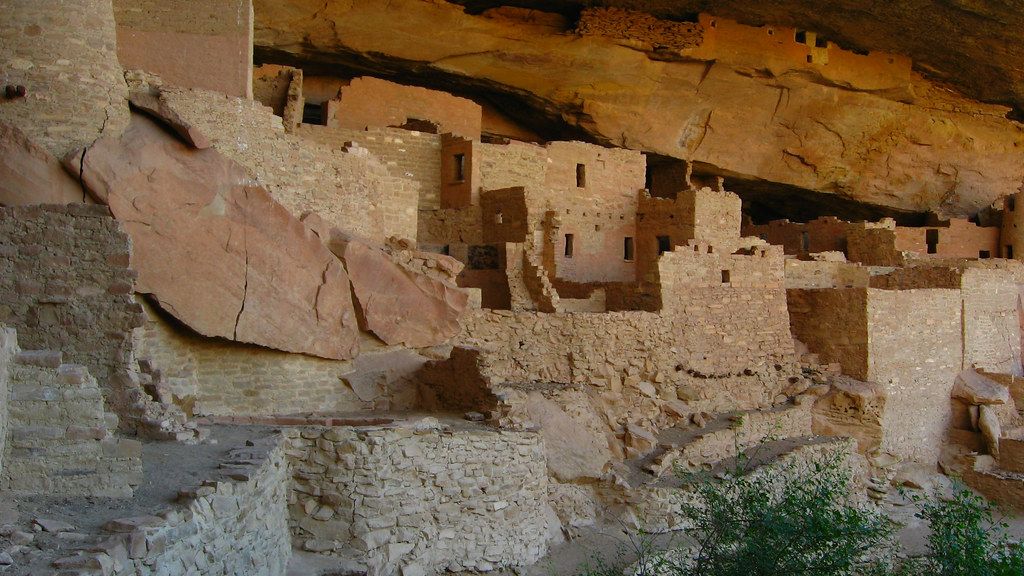
Here is a tribe whose very architecture was their mythology made solid. The Ancestral Pueblo people, sometimes called the Anasazi, built their homes into cliff faces and atop mesas throughout the Colorado Plateau, and everything about how they lived reflected the sacred geometry of their landscape. In Native American mythology of the Southwest, myths tell how the first human beings emerged from an underworld to the Earth, with themes including the origins of tobacco and corn, horses, and a battle between summer and winter, while some stories describe parallel worlds in the sky and underwater. The dramatic seasonal changes of the desert Southwest, blazing summers and bitter winters, were not merely weather. They were cosmic warfare played out across the land.
Despite the immense variety of Native American mythologies, underlying all the myths is the idea that spiritual forces can be sensed throughout the natural world, including clouds, wind, plants, and animals, which they shape and sustain, and many stories explain how the actions of gods, heroes, and ancestors gave the earth its present form. Research provides compelling evidence that myths and folktales follow the movement of people around the globe, revealing that certain tales probably date back to the Paleolithic period, when humans developed primitive stone tools, and spread together with early waves of migration out of Africa. The Ancestral Pueblo people left their cliff dwellings behind, but the mythology they encoded into the landscape remains there still, written in stone.
Conclusion: The Land Has Always Been Telling Stories
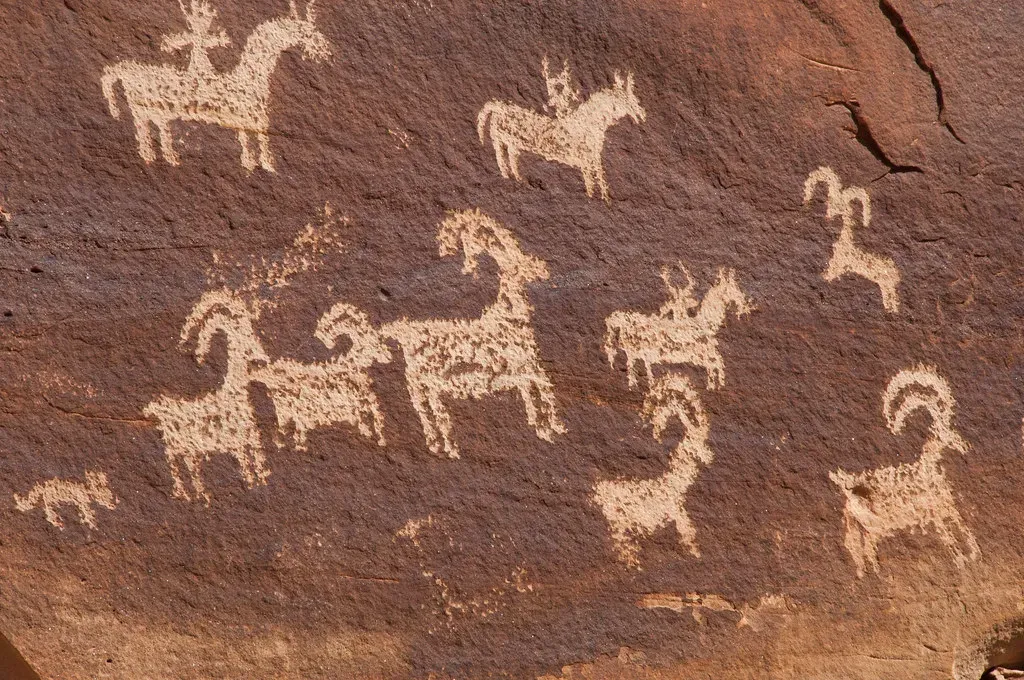
What ties all nine of these ancient tribes together is something deeply human and surprisingly universal. They were not primitive. They were perceptive. They looked at volcanoes, glaciers, canyons, arctic seas, and ancient forests, and rather than fearing the unknown, they transformed it into something profound, something that taught them how to survive and how to belong. Phylogenetic studies offer insights into the origins of these myths by linking oral stories and legends passed down from generation to generation to motifs that appear in Paleolithic rock art images, ultimately offering a glimpse into the mental universe of our ancestors.
The stories were never just stories. They were encyclopedias. Navigation charts. Geological records. And moral codes, all rolled into one. Myths were not merely stories for entertainment. They were the collective memories and wisdom of a people, passed down orally through generations before eventually being recorded in written form. These tales helped explain the mysteries of the natural world, provided a framework for understanding human existence, and established moral codes for behavior. Next time you stand at the edge of a canyon, or hear thunder roll across open plains, or watch a volcano smolder in the distance, ask yourself what story you would tell. Because for these ancient peoples, that story was everything.
What part of the world do you think hides the oldest undiscovered mythological memory? Tell us in the comments.