You’ve probably been told that humanity evolved slowly, stumbling its way toward intelligence. That our ancient ancestors were primitive. Ignorant. Limited.
Well, prepare to have that narrative challenged. Recent archaeological breakthroughs are forcing us to reconsider everything we thought we knew about the intellectual capacity of people who lived thousands of years ago. From complex surgical procedures to astronomical computations that rival modern technology, evidence is mounting that ancient civilizations possessed knowledge and skills that seem impossibly advanced for their time. These discoveries don’t just fill in historical gaps. They fundamentally shift our understanding of human ingenuity.
Let’s dive in.
They Performed Successful Brain Surgery Over 7,000 Years Ago
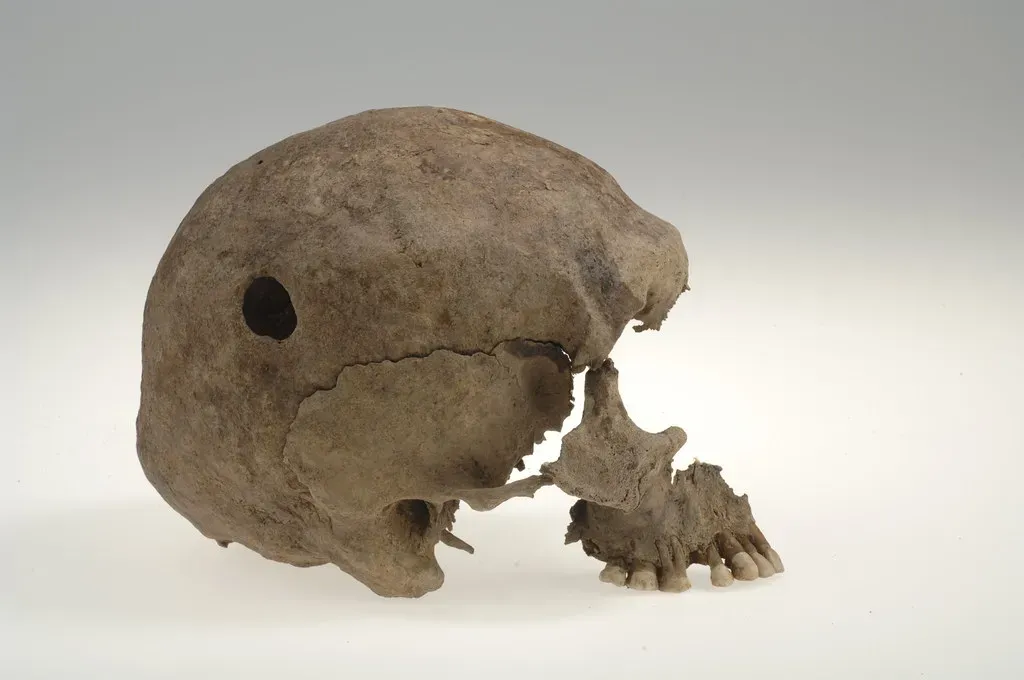
Evidence of trepanation has been found in prehistoric human remains from Neolithic times onward. Think about that for a moment. People who lived before writing, before cities, before the wheel in many cases, were drilling into human skulls with precision. An archaeological site in France dated 6500 BCE with forty instances of trepanation has been discovered, showcasing the widespread practice.
Here’s the truly mind-blowing part. By the time of the Incas, circa 1400 to 1500 C.E., survival rates from such operations reached an amazing 75 or 80 percent. That’s a higher success rate than some military field hospitals achieved during the American Civil War. These ancient surgeons used basic stone tools, obsidian blades, and copper implements to relieve pressure on the brain from swelling or fractures. The fact that patients survived, healed, and lived for years afterward is documented in skulls showing bone regrowth around surgical sites.
They Built Structures That Tracked Celestial Movements With Stunning Precision

By the 5th millennium BC, the peoples in Nabta Playa had fashioned an astronomical device that accurately marks the summer solstice. Located in what is now southern Egypt, this stone circle predates Stonehenge by roughly a thousand years.
The precision achieved by these ancient builders raises serious questions. How did they manage these alignments without telescopes, without computers, without even basic surveying equipment as we understand it? Its alignment with celestial events suggests significant astronomical knowledge at Stonehenge, where massive stones are positioned to mark solstices with mathematical accuracy. From Newgrange in Ireland to megalithic structures across Asia and the Americas, ancient peoples demonstrated sophisticated understanding of Earth’s relationship to the cosmos. This wasn’t luck or coincidence. It was applied science.
They Engineered Concrete That Outlasted Modern Formulas
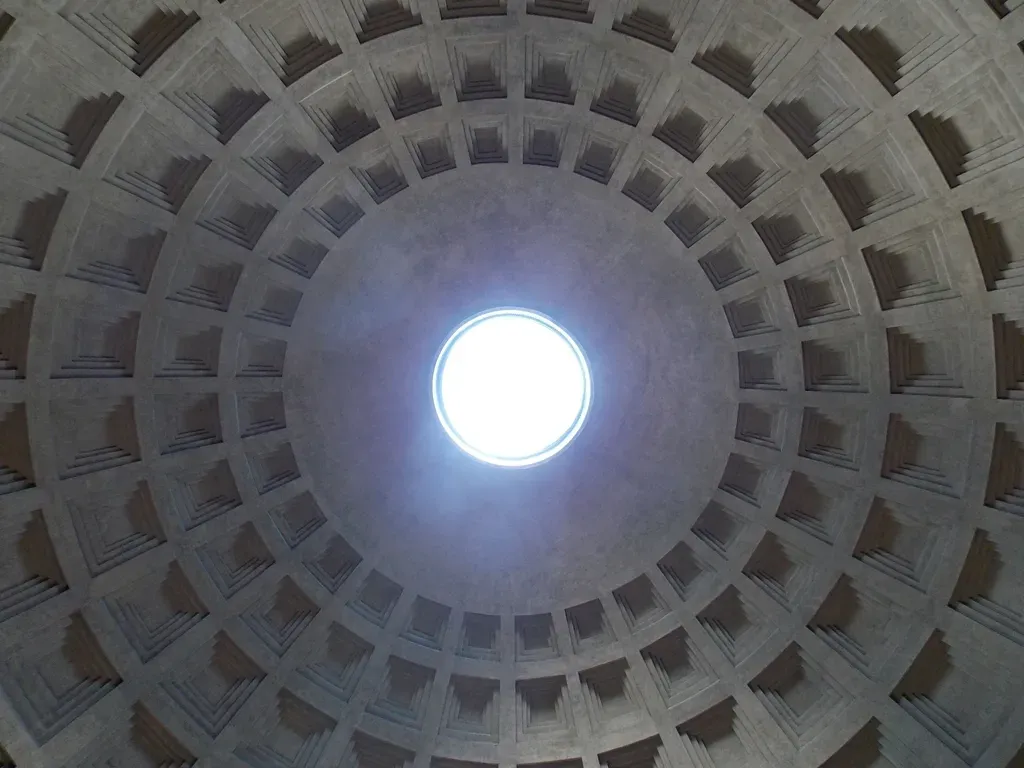
Roman concrete has baffled materials scientists for decades. Roman concrete was a hydraulic-setting cement mix consisting of volcanic ash and lime that, in the words of Pliny the Elder, bound rock fragments into “a single stone mass” and made them “impregnable to the waves and every day stronger.”
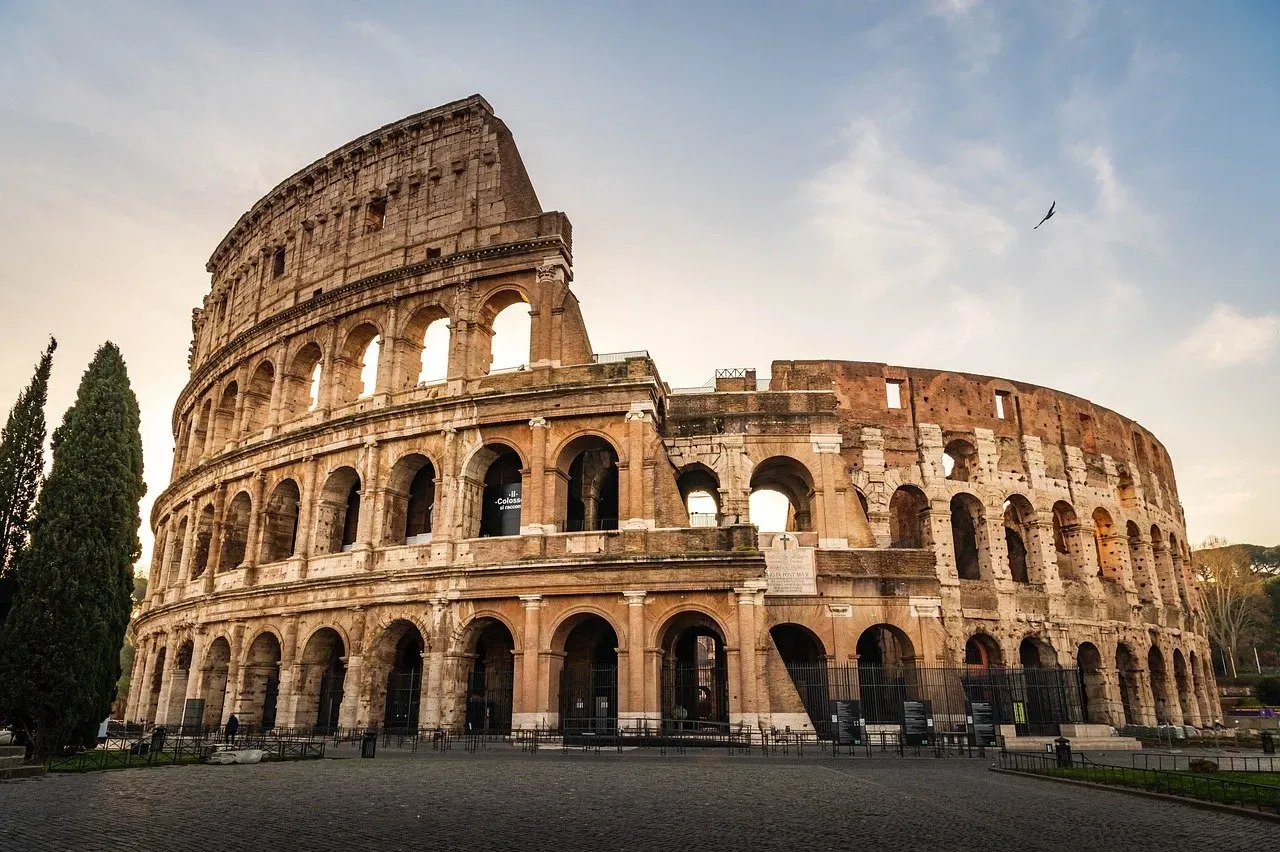
Let’s be real. Modern concrete structures start showing wear after a few decades. The Pantheon’s unreinforced dome has stood for nearly two thousand years. Some of their buildings have lasted 2000 years, to the present day. Scientists are only now beginning to understand the chemical reactions that made Roman concrete self-healing when exposed to seawater. Ancient engineers developed this through experimentation and observation, continuously refining their mixtures to create material that literally got stronger with age.
They Moved Massive Stone Blocks With Unknown Technology
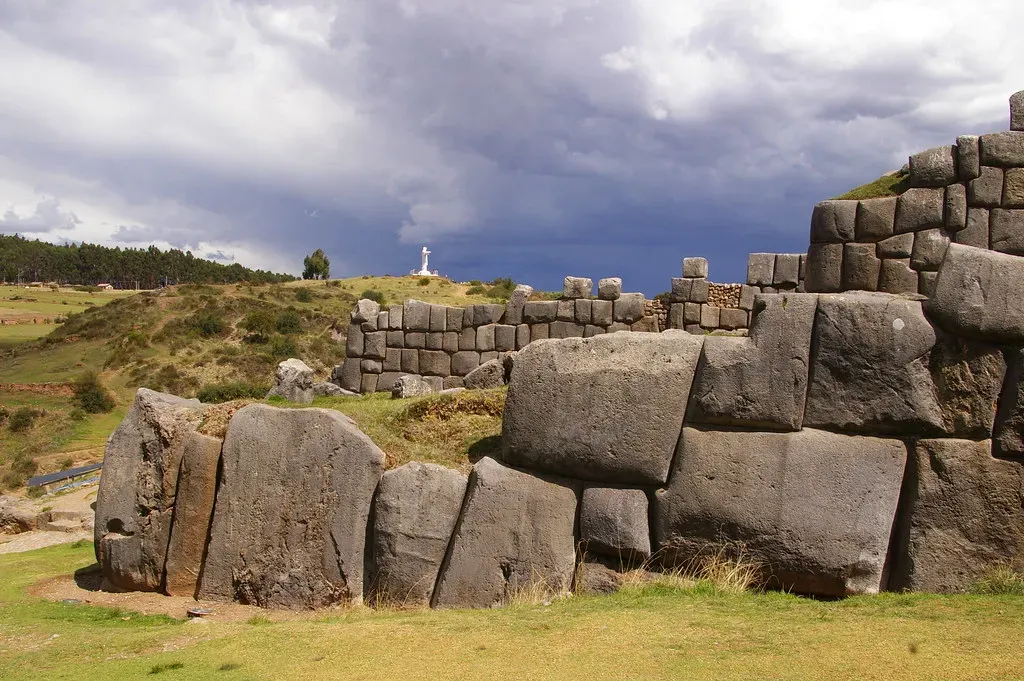
The stone boulders were excavated from a quarry located three kilometers away and moved to their current location using an unknown transportation system/technology. The boulders are huge and heavy with the largest tipping the scales at about 120 tons. This refers to the fortress of Saksaywaman in Peru, where stones fit together with such precision that you can’t slip a piece of paper between them.
The Egyptians moved blocks weighing up to 80 tons to build the pyramids. Easter Island’s inhabitants transported massive moai statues across the island. Yet we still don’t have definitive answers about how they accomplished these feats. Modern engineers have tried to replicate these methods and found them extraordinarily challenging even with contemporary equipment. The precision achieved in the placement of these massive stones, some weighing over 80 tons, is a feat that still baffles experts and demonstrates the sophisticated construction methods of the time.
They Created the World’s First Analog Computer
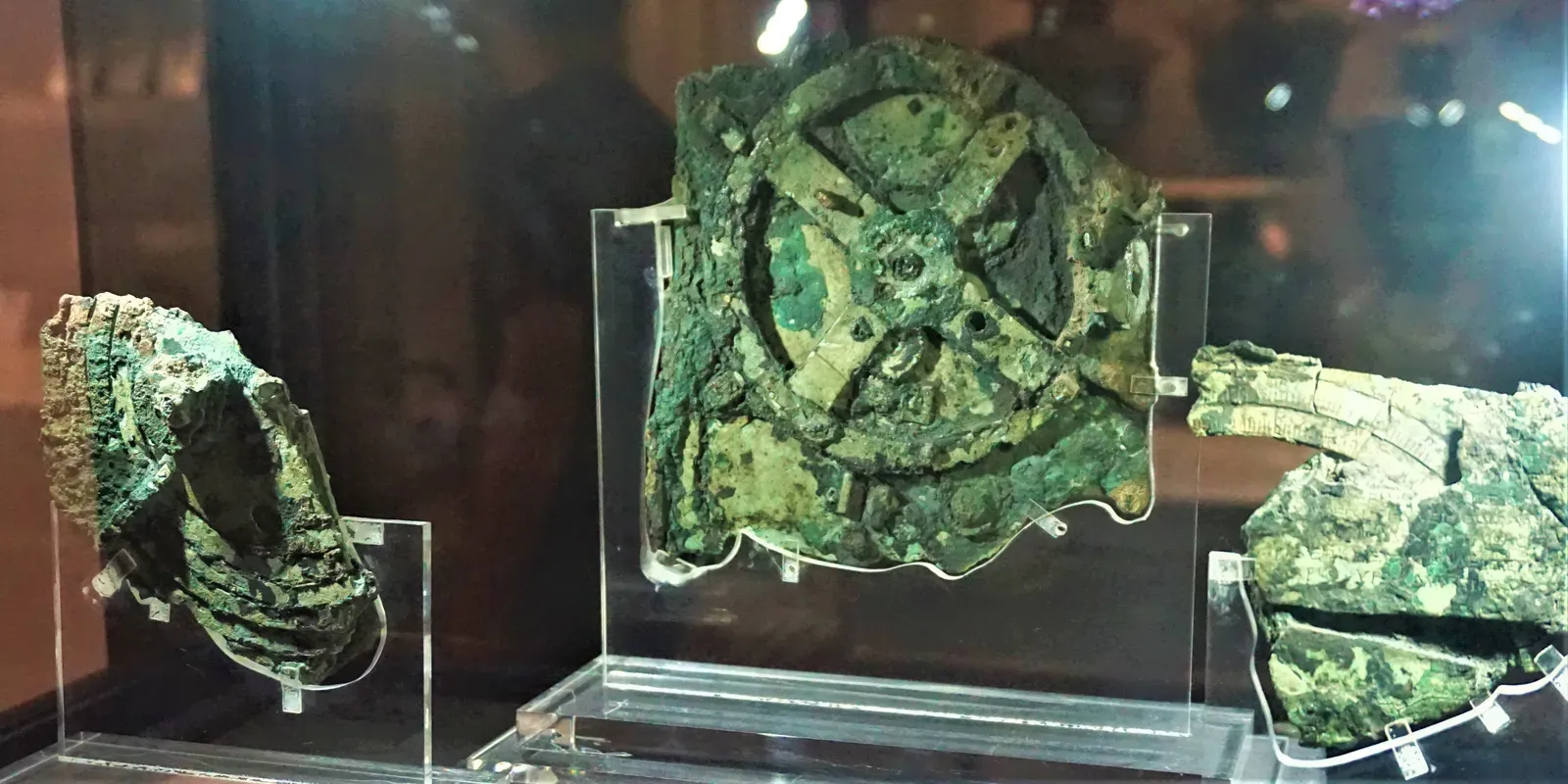
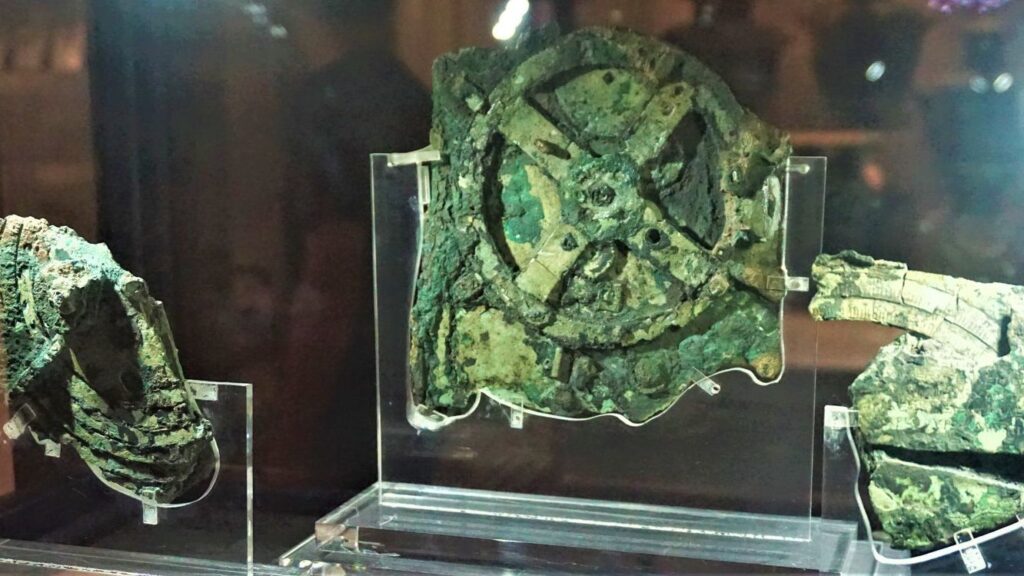
Discovered in 1901 off the coast of the Greek island of Antikythera, this mechanism is considered the world’s first analogue computer. This wouldn’t be so strange, if the mechanism wasn’t dated to 100 BC! The Antikythera mechanism featured intricate bronze gears housed in a wooden case.
What did it do? Composed of more than 30 bronze gears housed in a wooden frame, this ancient computer was able to model the cycles of the solar system, track the movements of the planets, and predict lunar phases. With mind-boggling accuracy, the mechanism was able to predict astronomical positions and eclipses. Nothing remotely this complex appears again in historical records for over a thousand years. The device demonstrates mathematical and mechanical sophistication that historians had assumed didn’t exist in the ancient world.
They Built Roads That Still Function After Millennia
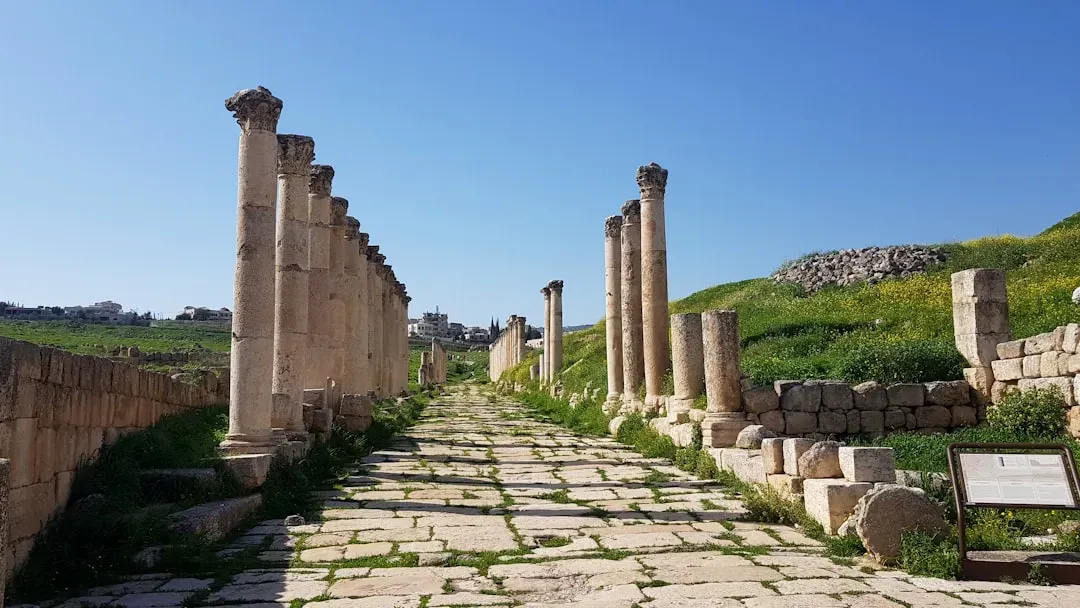
They were strong, precise and built to last. In general, Roman roads were about 3 feet (0.9 meters) thick and enormously resistant to the ravages of time. Many Roman roads are still in use today, carrying modern traffic on foundations laid two thousand years ago.
The Romans engineered multi-layer road systems with drainage, stable foundations, and surfaces designed to handle heavy loads. When a road encountered an obstacle, the Romans preferred to engineer a solution to the obstacle rather than redirecting the road around it: bridges were constructed over all sizes of waterway; marshy ground was handled by the construction of raised causeways with firm foundations; hills and outcroppings were frequently cut or tunneled through rather than avoided. Their approach to infrastructure planning and execution would be impressive by modern standards.
They Developed Sophisticated Water Management Systems
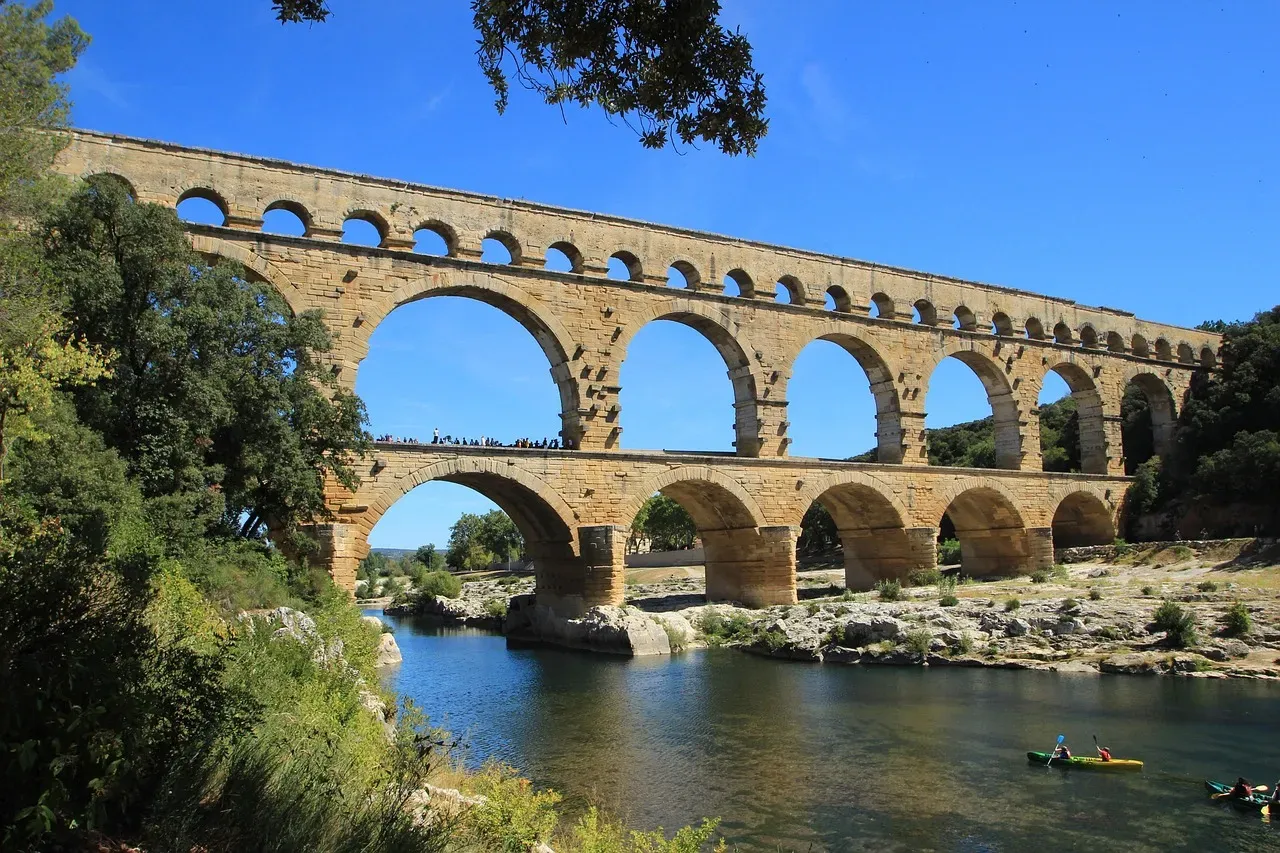
A thousand cubic metres (260,000 US gal) of water were brought into Rome by eleven different aqueducts each day. Per capita water usage in ancient Rome matched that of modern-day cities like New York City or modern Rome. That’s not a typo. Ancient Romans had access to water at levels comparable to modern metropolitan areas.
The engineering required was staggering. Aqueducts stretched for miles, maintaining precise gradients to keep water flowing using only gravity. These aqueducts carried fresh water from springs and rivers far outside city boundaries directly into urban centers, supplying fountains, public baths, households, and even lavish gardens. They built inverted siphons to cross valleys, developed filtration systems, and created distribution networks that would make modern civil engineers nod in respect. The Incas and other ancient civilizations developed similarly impressive irrigation and water management technologies independently.
They Understood Advanced Mathematics and Geometry
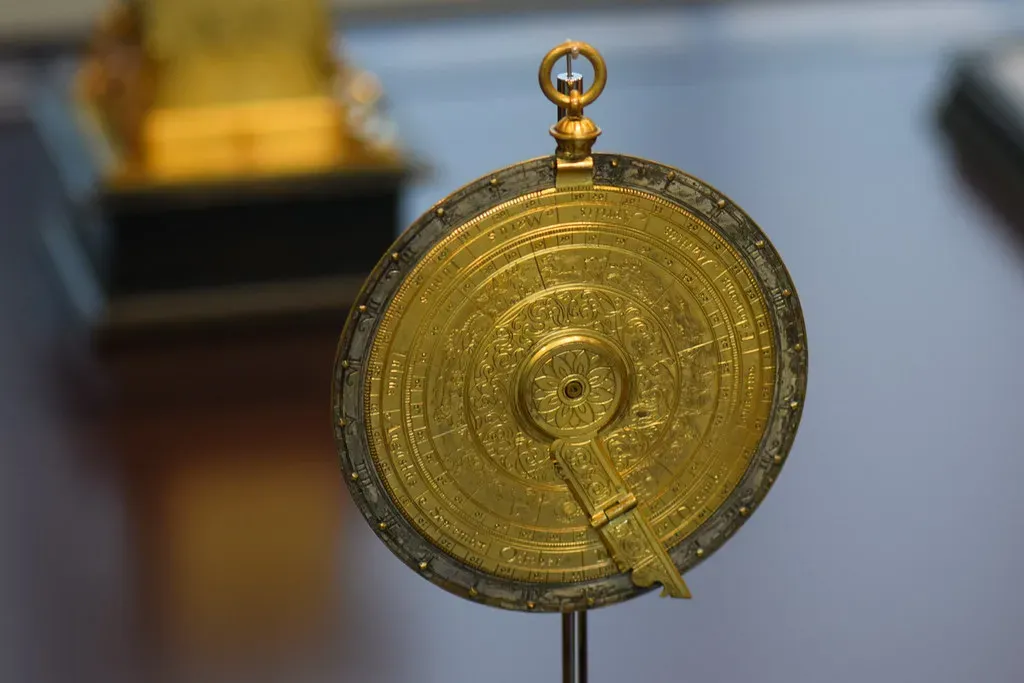
Development of zero, decimal system, and sophisticated mathematics emerged from ancient India, fundamentally changing human capacity for calculation. Meanwhile, the precision of megalithic structures demonstrates practical application of complex geometry.
Many megalithic structures demonstrate advanced mathematical understanding, particularly in geometry and astronomy. The layout of stone circles often reflects precise measurements and alignments. The Great Pyramid’s dimensions encode mathematical constants like pi. Ancient Babylonian tablets show sophisticated algebraic concepts. Greek mathematicians developed principles that underpin modern science. These weren’t isolated geniuses working alone. They were products of cultures that valued and cultivated mathematical knowledge across generations.
They Created Earthquake-Resistant Architecture
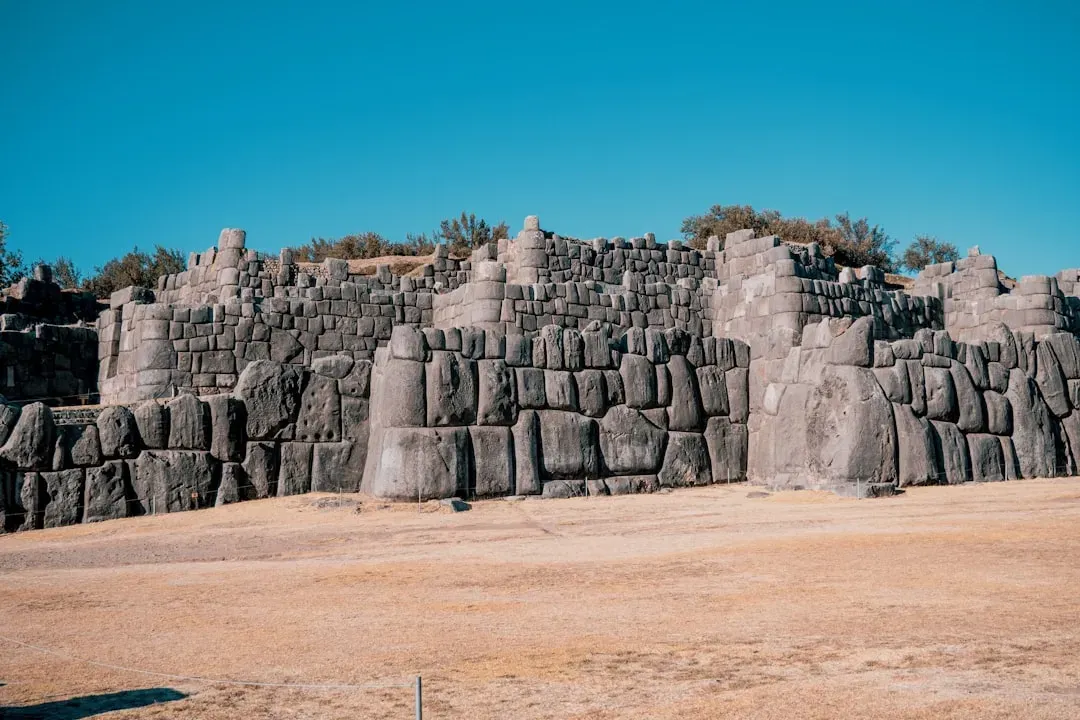
They produced advanced engineering including above ground and underground aqueducts, quake-proof masonry, artificial lakes, dykes, ‘fountains,’ pressurized water, road ways and complex terracing. Ancient Incan builders developed interlocking stone techniques that allowed structures to move slightly during seismic activity without collapsing.
The engineering principles are elegant. Stones cut to fit together without mortar, trapezoidal doorways and windows that distribute stress, and foundations that account for ground movement. Earthquake-resistant techniques, column design, precise stone cutting were incorporated into Greek architecture. These weren’t accidents. Ancient builders in seismically active regions observed, learned, and developed construction methods specifically designed to withstand earthquakes. Many of these structures still stand while modern buildings crumble during tremors.
What Ancient Ingenuity Really Tells Us
These discoveries challenge comfortable assumptions about progress. We like to imagine innovation as a straight line from primitive to sophisticated. Reality is far messier and more interesting.
Ancient civilizations are usually underestimated. History shows us that they repeatedly demonstrated incredible ingenuity and engineering prowess, even in the most distant past. People five thousand years ago weren’t less intelligent than we are. They simply worked with different tools and knowledge systems. Given the resources and social organization available to them, their achievements are arguably more impressive than our own.
The next time you see an ancient monument or read about a prehistoric discovery, resist the urge to underestimate. Our ancestors solved problems we’re still trying to understand. They encoded knowledge in stone that has outlasted empires. They pushed the boundaries of what was possible with tools we’d consider hopelessly primitive. Maybe the real question isn’t how smart ancient people were but how much knowledge we’ve lost and are only now beginning to recover. What do you think about these ancient achievements? Does it change how you view human history?