Imagine standing in a dense, steamy forest more than 300 million years ago. The air is thick, the vegetation towers over your head like cathedral columns, and overhead something enormous cuts through the canopy. Not a bird. Not a bat. An insect. Bigger than your head, casting a shadow you’d feel before you’d see it. It sounds like something pulled straight from science fiction, but this was Earth’s reality for millions of years before feathered creatures ever existed.
Insects were the first animals to evolve powered flight and dominated the air for hundreds of millions of years. Long before the first bird ever spread a wing, these extraordinary creatures had already built, refined, and perfected aerial dominance. What follows is a look at nine of the most incredible prehistoric insects to ever own the skies – creatures that will make you see every buzzing dragonfly in a very different light. Let’s dive in.
Meganeura: The Original Sky Ruler
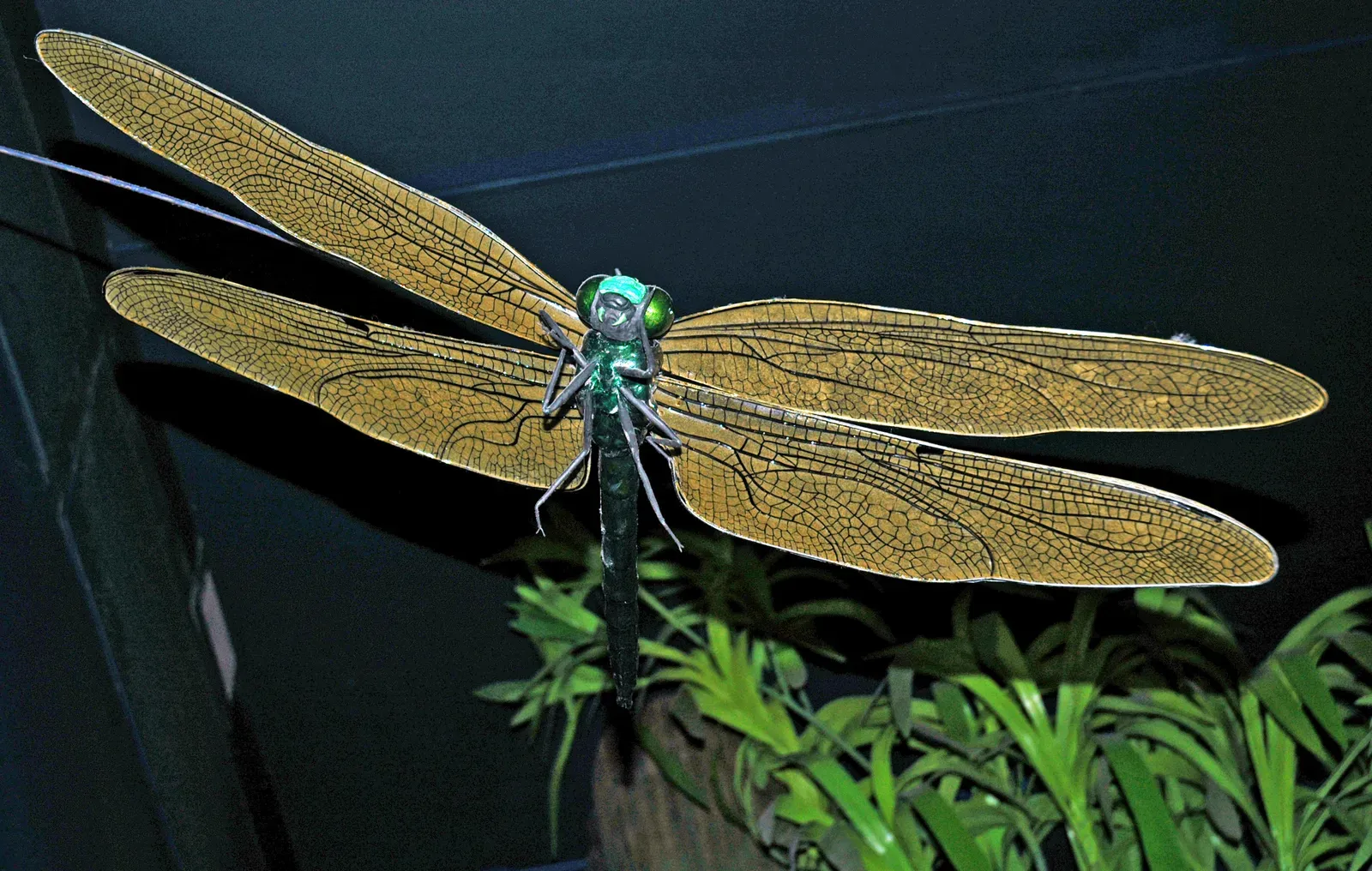
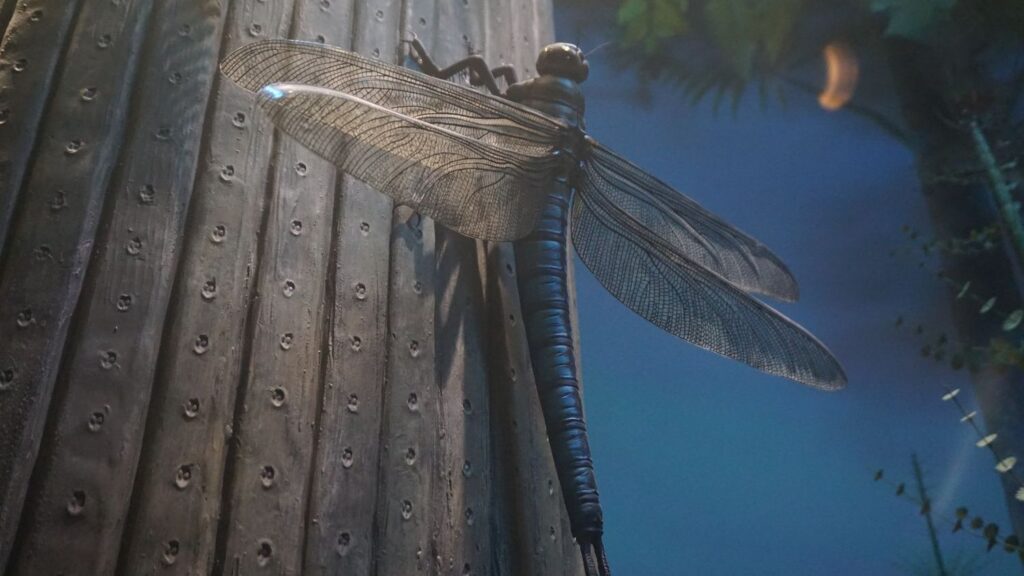
Over 300 million years ago, during the Carboniferous Period, the skies were ruled by one of the most impressive flying insects to ever exist – the Meganeura. Often described as a giant prehistoric dragonfly, it was one of the largest known flying insects in Earth’s history. Let’s be real – “giant” doesn’t quite do it justice. You’re talking about a creature with a wingspan wider than a modern crow and the predatory instincts to match.
Meganeura was a carnivorous predator, feeding mainly on other insects and possibly even small amphibians. It used its sharp jaws and spiny legs to catch prey while flying. Its keen eyesight helped it detect movement from great distances, allowing it to ambush smaller flying insects in mid-air. The hunting style of Meganeura was remarkably similar to that of modern dragonflies, making it one of the earliest examples of aerial predation in the fossil record.
Meganeuropsis: The Biggest Insect That Ever Lived
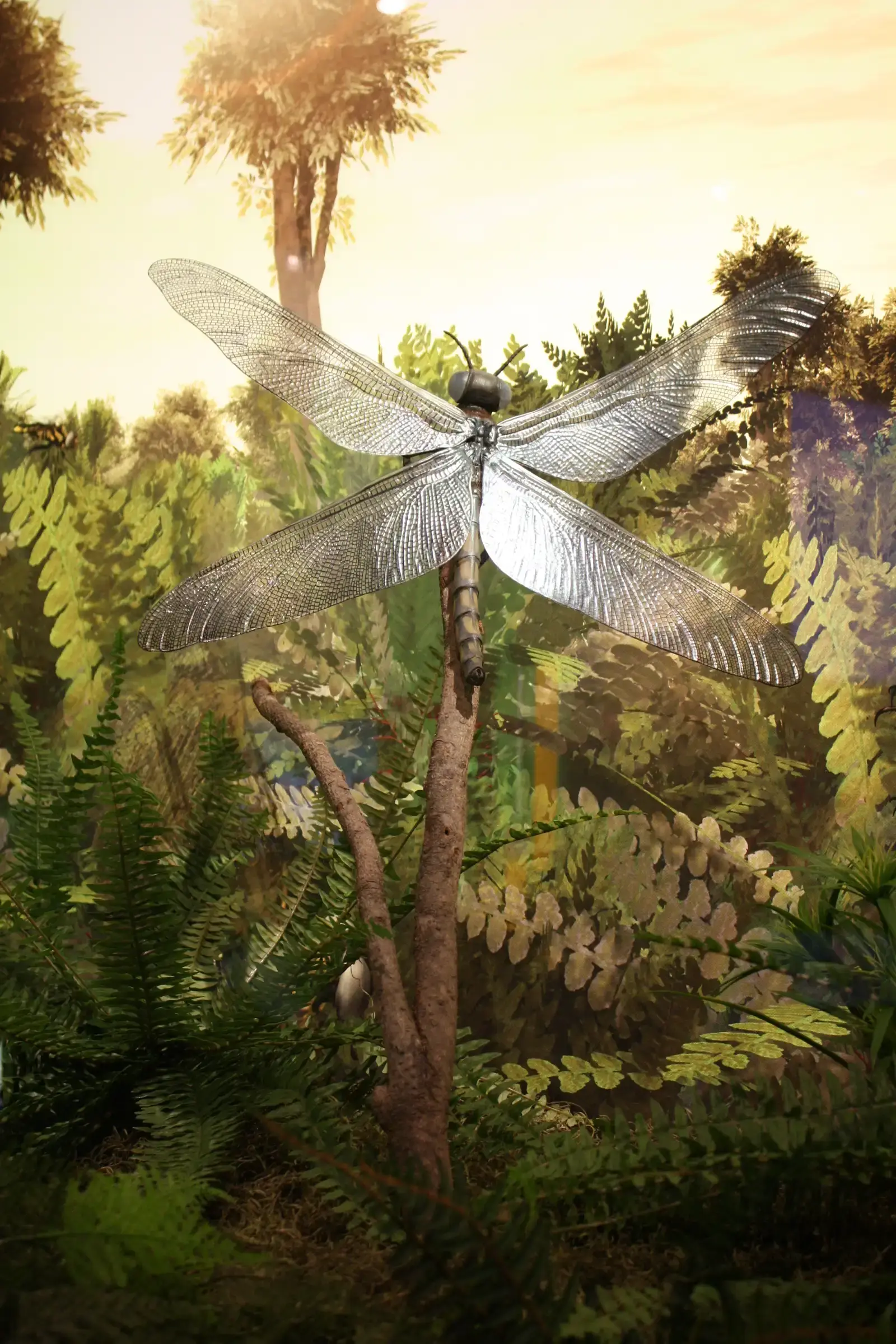
Meganeuropsis was a large griffinfly that lived back in the Permian Period, about 290 million years ago. With a wingspan of up to 28 inches and a weight of over one pound, this insect was about the same size as a modern crow. Meganeuropsis is considered the largest insect to have ever lived and is also the largest flying invertebrate. That’s not a detail you brush past lightly. The single largest flying invertebrate. Ever. In the entire history of life on this planet.
Meganeuropsis had a wingspan roughly the same as a common kestrel’s. It lived in what is now the US during the Permian, between 290 and 283 million years ago. It buzzed around ponds and slow-moving rivers as it hunted other flying insects and even some small, lizard-like vertebrates. It’s thought Meganeuropsis used its spiny front limbs as a trap to ensnare its prey. Honestly, the image of a kestrel-sized insect hovering over a prehistoric river is both magnificent and deeply unsettling.
Palaeodictyoptera: The Six-Winged Plant Piercers
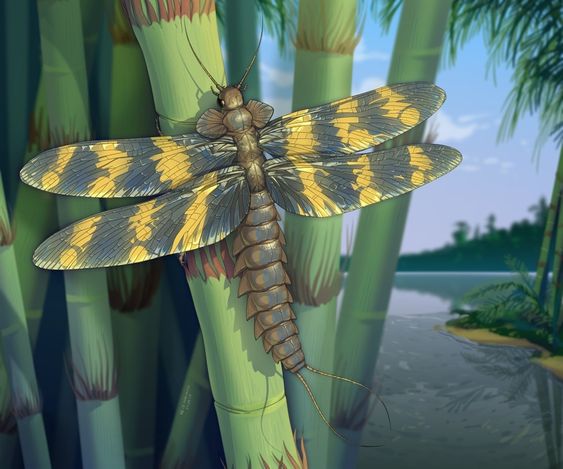
The Palaeodictyoptera were an extinct order of medium-sized to very large, primitive Palaeozoic insects. They were characterized by beak-like mouthparts, used to pierce plant tissues for feeding. Here’s the thing that makes these insects genuinely strange even by prehistoric standards – they didn’t settle for the usual four wings that most insects use.
There is a similarity between their fore- and hindwings, and an additional pair of winglets on the prothorax, in front of the first pair of wings. They are known as “six-winged insects” because of the presence of a pair of wings on each of the thoracic segments. Their winglets provide clues to the origins of the first insect wings. Scientists have even found fossil plant leaves bearing damage that matches the shape of their piercing mouthparts, giving us a surprisingly direct window into their feeding habits. It has been theorized that a change in plant life during Permian time led to the extinction of the Palaeodictyoptera, as their mouthparts suggest they fed on liquid food of plant origin and during the end of the Permian the vegetation changed drastically.
The Griffinflies (Meganisoptera): Nature’s First Apex Air Predators
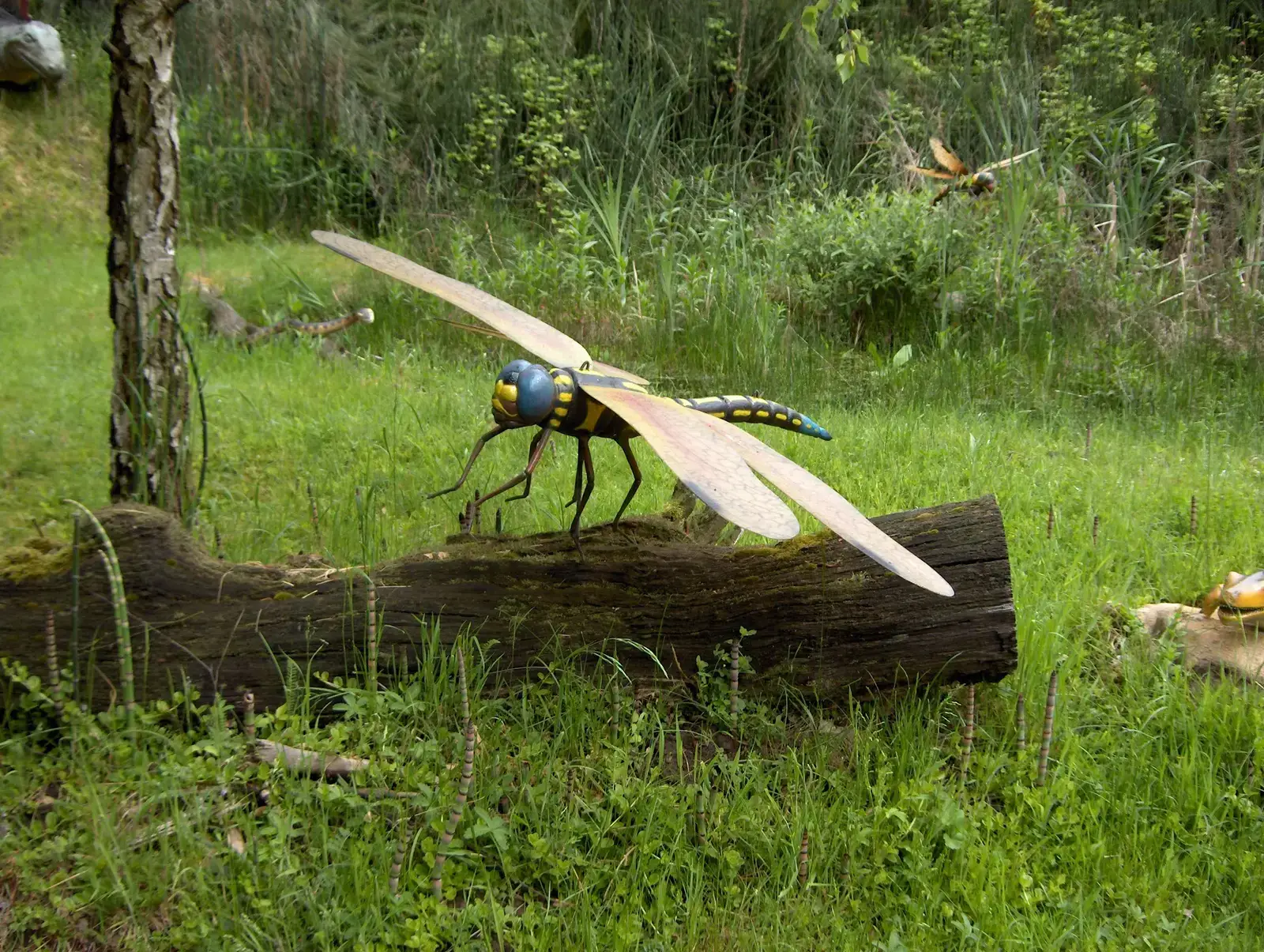
Most popular textbooks make mention of “giant dragonflies” that lived during the days before the dinosaurs. This is only partly true, for real dragonflies had still not evolved back then. Rather than being true dragonflies, they were the more primitive “griffinflies” or Meganisopterans. The distinction matters. These were older, wilder, and arguably more fearsome than anything flying today.
Griffinflies like the late Carboniferous Meganeura monyi and the even larger Permian Meganeuropsis permiana had wingspans of up to 71 centimetres. They were probably the top predators for some 100 million years and far larger than any present-day insects. Think about that number for a moment. A hundred million years of uncontested aerial dominance. By comparison, modern birds have only been around for roughly 150 million years total. Griffinflies had a number of features suggesting a highly predaceous lifestyle. Among these was a pair of toothed and powerful mandibles for tackling large, struggling prey. They also had very spiny front limbs. Griffinflies were also possibly very maneuverable in the air, just as much as their living relatives are.
Titanomyrma: The Giant Flying Ant
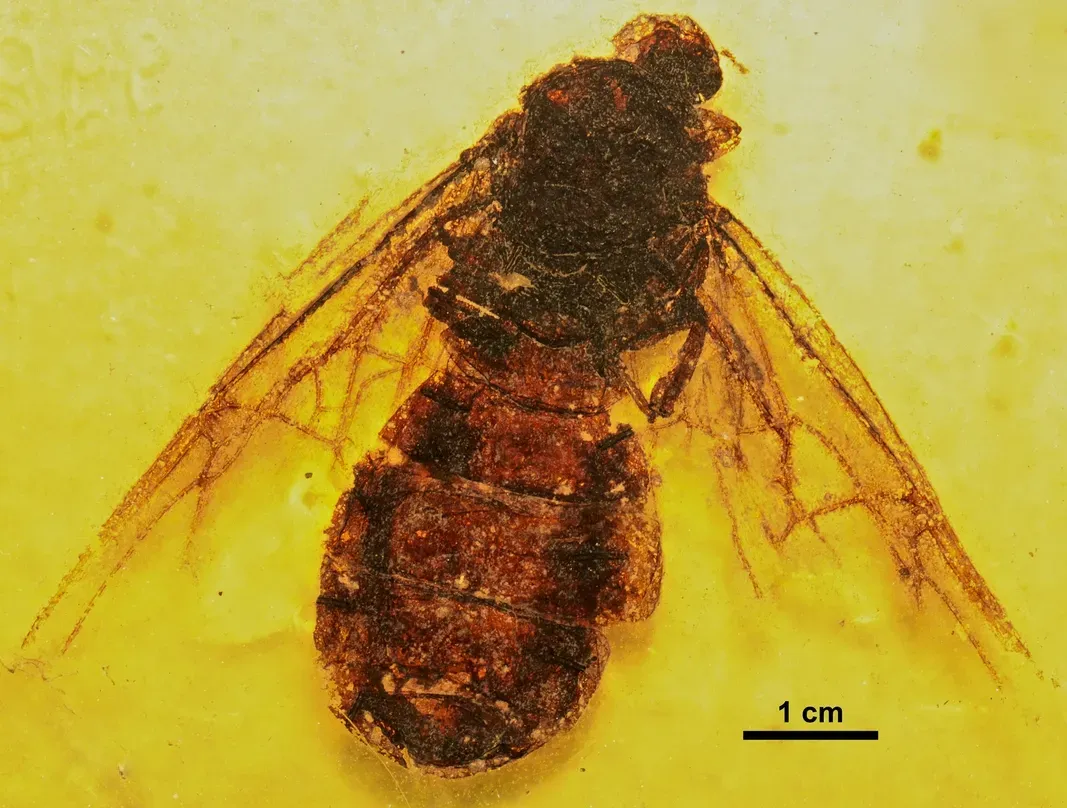
As ants go, Titanomyrma was a giant and perhaps the largest to ever live. While workers maxed out at sizes of roughly 3 centimetres, queens reached colossal sizes of 7 centimetres and sported wings that measured 16 centimetres across, making them comparable in size to today’s hummingbirds. Let that sink in. A flying ant the size of a hummingbird. It sounds like a Halloween nightmare, but it was prehistoric reality.
Titanomyrma is known from a collection of exceptional fossils that have even preserved the delicate wings of queens. From studies of these fossils, researchers have deduced that Titanomyrma, unlike the majority of modern ant species, didn’t have a stinger and instead sprayed formic acid from its digestive tract as a defence mechanism. It may have also been carnivorous, feeding on other insects and small, already-dead animals. Titanomyrma lived during the Eocene, around 47 million years ago, and fossils of it and its close relatives have been found in both Germany and North America. That cross-continental fossil mystery still puzzles researchers today – how exactly did these giant ants make it across an ocean?
Mazothairos: The Overlooked Carboniferous Giant
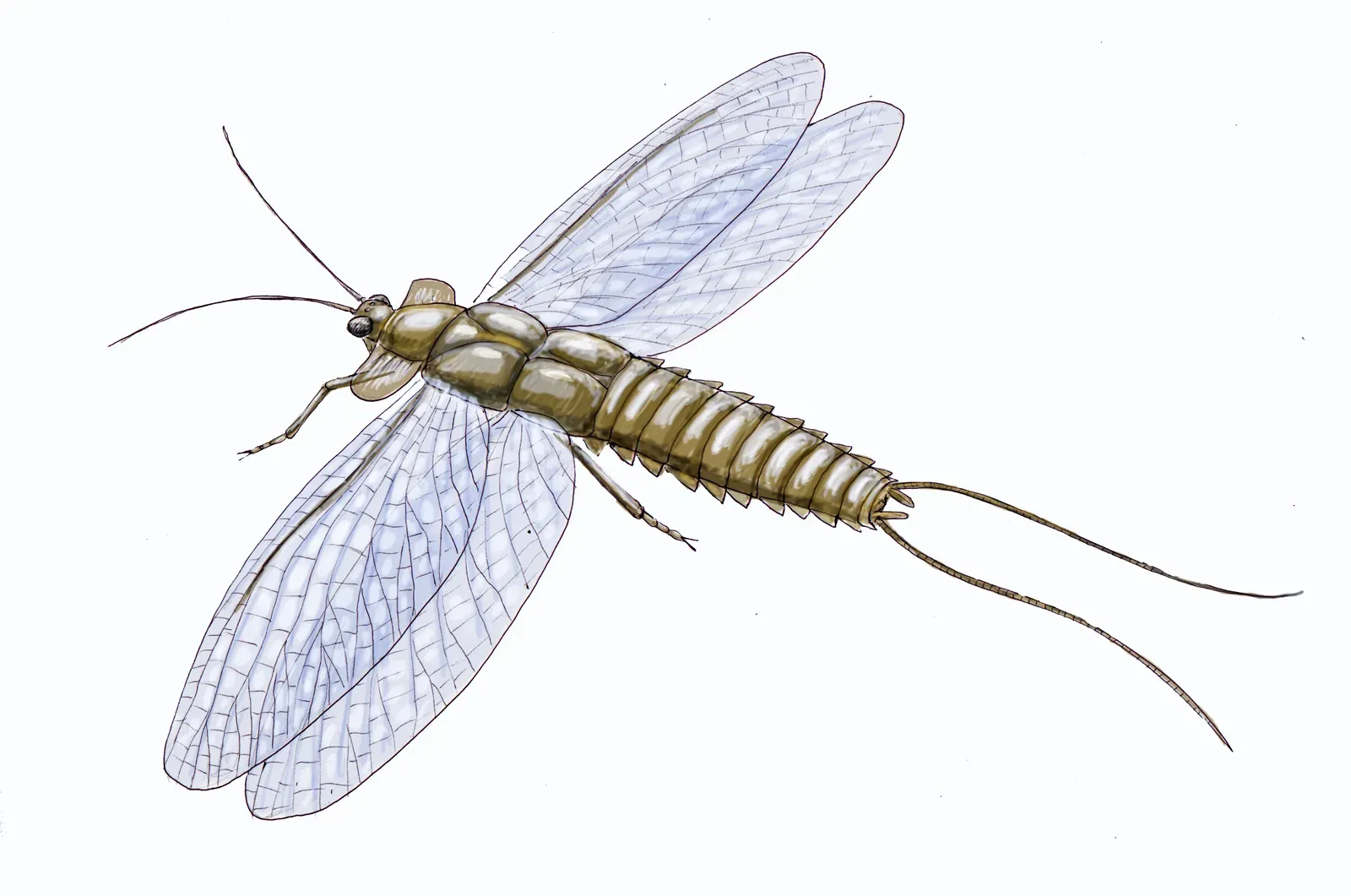
Mazothairos belongs to a diverse group of insects known as palaeodictyopterans, some of which would have been prey for the likes of Meganeuropsis and Meganeura. What makes Mazothairos and other palaeodictyopterans unique amongst insects are their sharp, piercing mouthparts, which they may have used to suck the liquids out of plant tissues, and their six wings. Mazothairos doesn’t get nearly enough attention in popular science, and that feels like a genuine oversight.
Most other insects have four wings, or two pairs, but palaeodictyopterans had an extra pair just below their heads. These were more “winglets” than “wings” and weren’t actually used for flight, but they have told researchers a lot about how wings may have evolved in insects. Mazothairos lived during the Carboniferous, around 309 million years ago, in what is now Illinois, US. It’s a strange thought – that the quiet cornfields of modern Illinois were once home to six-winged aerial giants drifting through prehistoric forests the size of skyscrapers.
Delitzschala Bitterfeldensis: The Oldest Winged Insect Known to Science
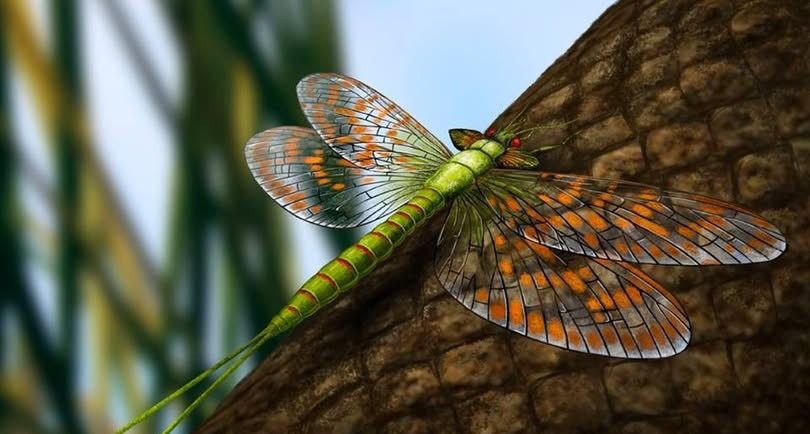
The oldest known winged insect is a griffinfly from 325 million years ago called Delitzschala bitterfeldensis. This species is part of the now-extinct order Palaeodictyoptera, which has more than 30 families. You’d be forgiven for never having heard of it. It doesn’t have the celebrity status of Meganeura, but scientifically speaking, Delitzschala might actually be more significant.
One of the earliest fossils found where wings are actually visible is the stunning Delitzschala bitterfeldensis, a so-called Palaeodictyopteran that lived 320 to 323 million years ago. Delitzschala looks very similar to a dragonfly, but unlike the dragonflies, it is not a predator but a plant eater, a herbivore. The fact that this creature still had visible wing patterns preserved in fossil form after more than 320 million years is, in itself, astonishing. Where insect wings came from is still debated and there are competing theories about how wings evolved. Some researchers think they might have evolved from the gills of aquatic insect larvae because freshwater insects are the oldest evolutionary branch. Another more recent theory is that insect wings evolved from the legs of their crustacean ancestors.
Giant Prehistoric Cicadas: The Aerial Arms Race Survivors
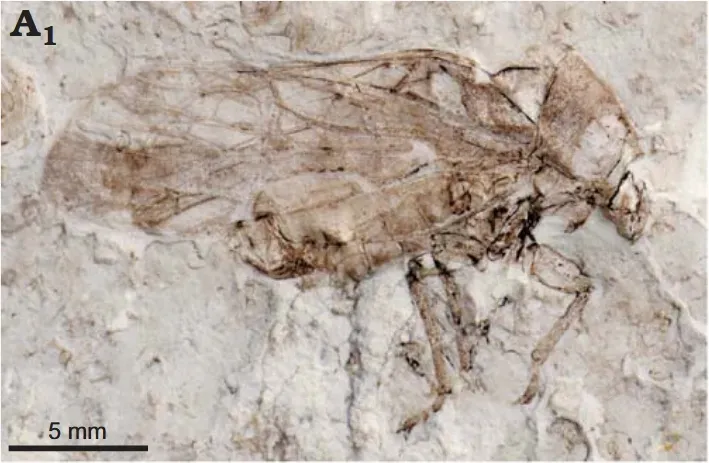
Giant cicadas were a group of insects that lived from the Middle Triassic to the Late Cretaceous, with early group members appearing millions of years before the evolution of the first birds. What makes them remarkable isn’t just their size – it’s what they did when things got dangerous. They adapted. Fast.
Giant cicadas were stout, tree-dwelling, plant-sucking bugs, with wingspans up to 15 centimetres across, and could have provided a substantial meal for flying predators. They appeared in the Triassic and evolved a marked increase in flight capability, including speed and manoeuvrability, by the end of the Jurassic and the beginning of the Cretaceous periods. This coincided with the rise of birds from the Late Jurassic. In other words, when birds showed up and started hunting them, these insects didn’t just go extinct – they fought back through evolution. Researchers found distinct changes in the wings and bodies of the giant cicadas towards the end of the Jurassic, which would have likely increased flight performance. They suspect this was in direct response to the evolution of birds at this time.
The Atmospheric Oxygen Giants: Why They Got So Big and Why They Vanished
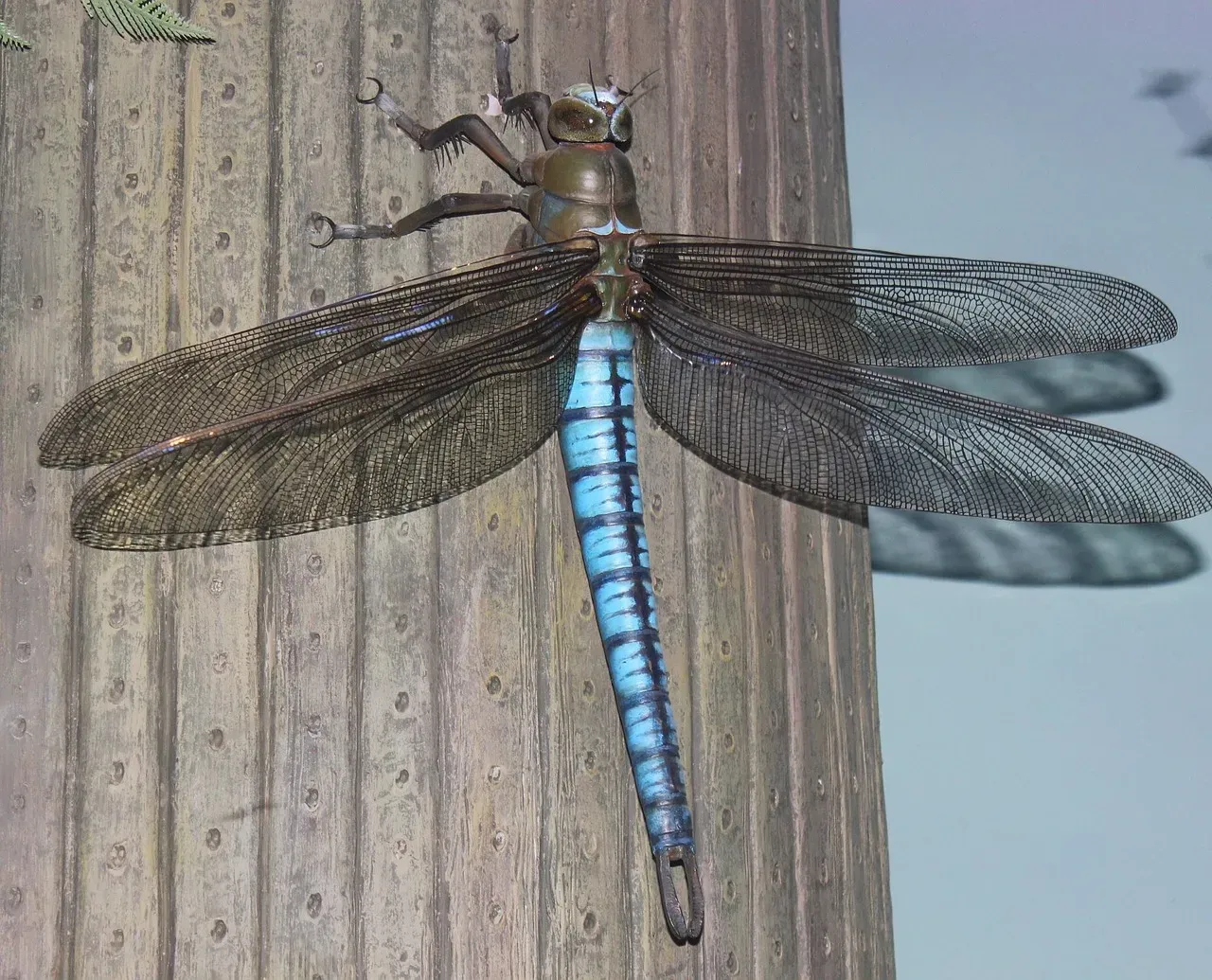
Insects reached their biggest sizes about 300 million years ago during the late Carboniferous and early Permian periods. This was the reign of the predatory griffinflies, giant dragonfly-like insects with wingspans of up to 28 inches. The leading theory attributes their large size to high oxygen concentrations in the atmosphere – over 30 percent, compared to 21 percent today – which allowed giant insects to get enough oxygen through the tiny breathing tubes that insects use instead of lungs. It’s a staggering concept: the very air you breathe today, if enriched enough, could theoretically allow insects to grow to sizes we currently consider impossible.
After the evolution of birds about 150 million years ago, insects got smaller despite rising oxygen levels, according to a study by scientists at the University of California, Santa Cruz. That one finding rewrites the story. Oxygen alone wasn’t the final boss in this tale. With predatory birds on the wing, the need for maneuverability became a driving force in the evolution of flying insects, favoring smaller body size. Size was no longer a superpower. It had become a liability. The age of truly colossal insects was over – not because they failed, but because the world around them had fundamentally changed.
Conclusion
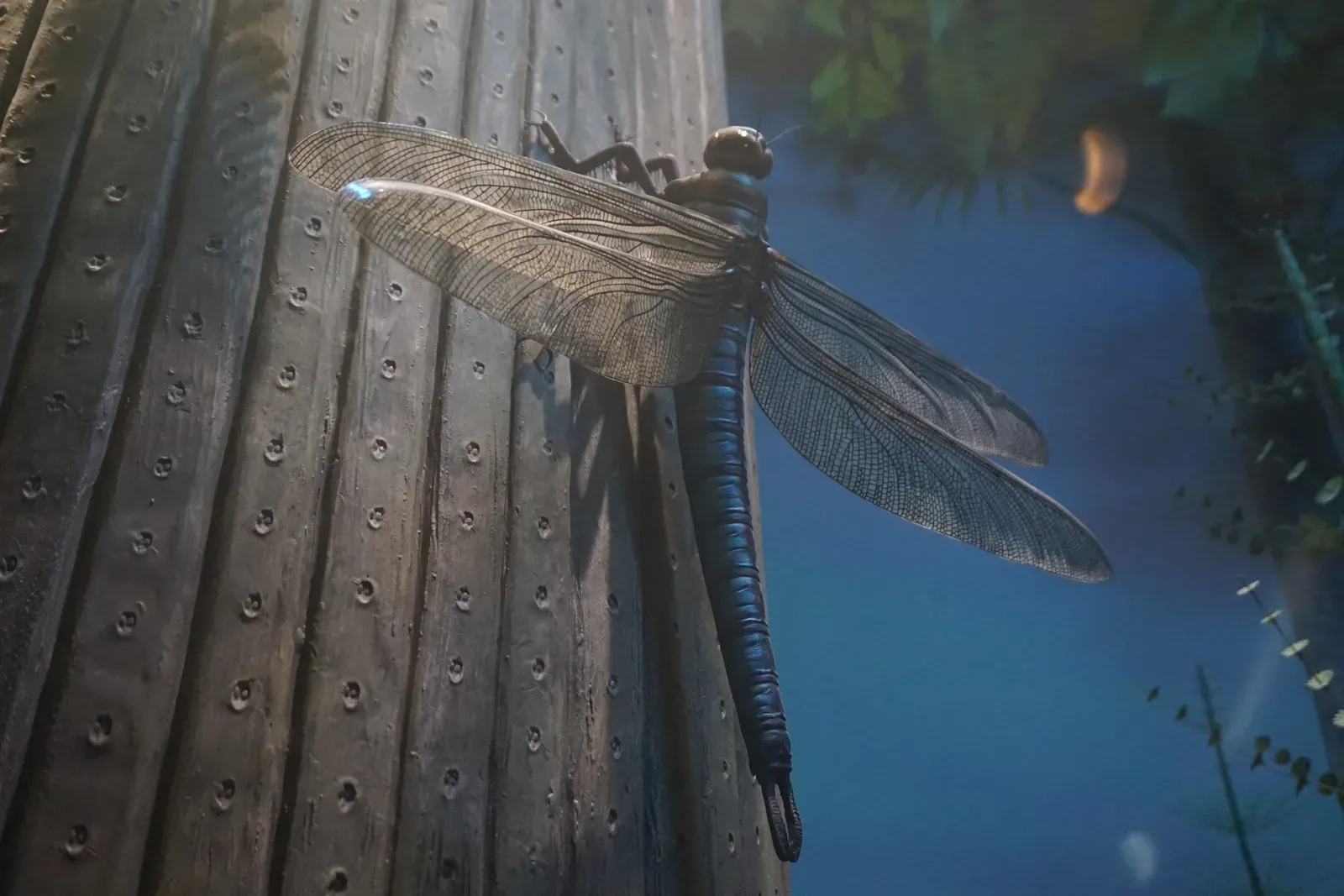
The story of prehistoric insects is one of the most underappreciated chapters in the entire history of life on Earth. These weren’t background creatures quietly buzzing around while larger animals stole the spotlight. They were the spotlight. For hundreds of millions of years, they owned the skies completely, building complex aerial ecosystems long before a single bird ever hatched.
What makes these creatures so compelling is the sheer improbability of their existence when measured against today’s world. The atmospheric conditions that allowed them to thrive were a once-in-Earth’s-history combination of factors: extraordinary oxygen levels, towering forests, zero aerial vertebrate competition, and millions of years of unchallenged evolutionary momentum. We will almost certainly never see their like again.
Next time you watch a dragonfly hover impossibly still above a pond, remember: you’re looking at a tiny, humbled descendant of creatures that once made the sky itself feel small. Isn’t it wild how much the world has changed – and how much those ancient skies would terrify us today?