History, we are often told, is settled. Textbooks paint a neat picture of human progress – from simple cave dwellers to complex civilizations, one logical step at a time. Honestly, that narrative has always felt a little too tidy. The past has a funny way of refusing to cooperate.
Every few years, an excavation somewhere on this planet upends the established story so dramatically that entire academic departments have to rethink their assumptions. From temples built before farming existed to skulls that don’t fit neatly into the family tree, the real story of humanity is far stranger and more spectacular than most people realize. Let’s dive in.
1. Göbekli Tepe: The Temple That Rewrote Civilization
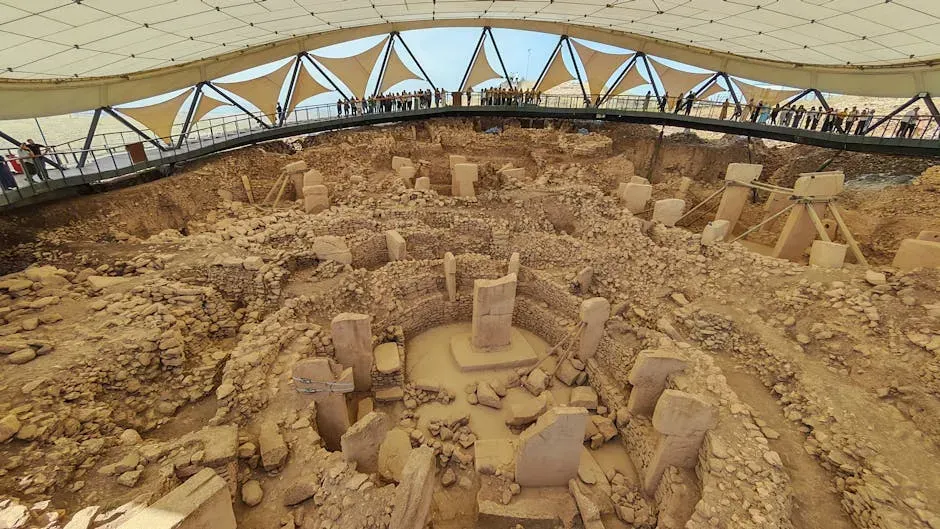
Here’s the thing – for decades, the standard model of human civilization told you that agriculture came first, then permanent settlements, and only after that did complex religious structures appear. Historians previously assumed that prehistoric people discovered agriculture by accident, gradually shifted from a hunter-gatherer lifestyle to an agrarian one, and that this agricultural revolution provided enough leisure time to eventually build temples. Göbekli Tepe blew that entire idea apart.
Located near the Turkish-Syrian border, Göbekli Tepe dates back at least 12,000 years, predating Stonehenge by more than 6,000 years. Researchers discovered that hunter-gatherers were responsible for the site, since no domesticated plants or animals have been recovered. Think about what that means for a moment: people with no farming, no written language, and no metal tools somehow organized themselves to construct one of the most ambitious structures in human history.
The site consists of multiple enclosures, each centered around two large T-shaped limestone pillars, some reaching heights of 20 feet and weighing several tons. These pillars are adorned with elaborate carvings of animals such as foxes, snakes, boars, and birds, as well as abstract symbols that may hold symbolic or spiritual meaning. The sophistication of the carvings and the sheer scale of the construction challenge the notion that prehistoric hunter-gatherer societies were incapable of such complex endeavors.
Despite ongoing research, only about 10% of Göbekli Tepe has been excavated. Archaeologists estimate that it could take another 150 years to uncover the entire site. Dr. Mehmet Önal of Harran University’s Department of Archaeology has stated that at least 15 more stone enclosures remain buried, including one that may date back as far as 15,000 years. If you ever needed proof that we are only scratching the surface of the ancient world, this is it.
2. The Antikythera Mechanism: A Computer From Antiquity
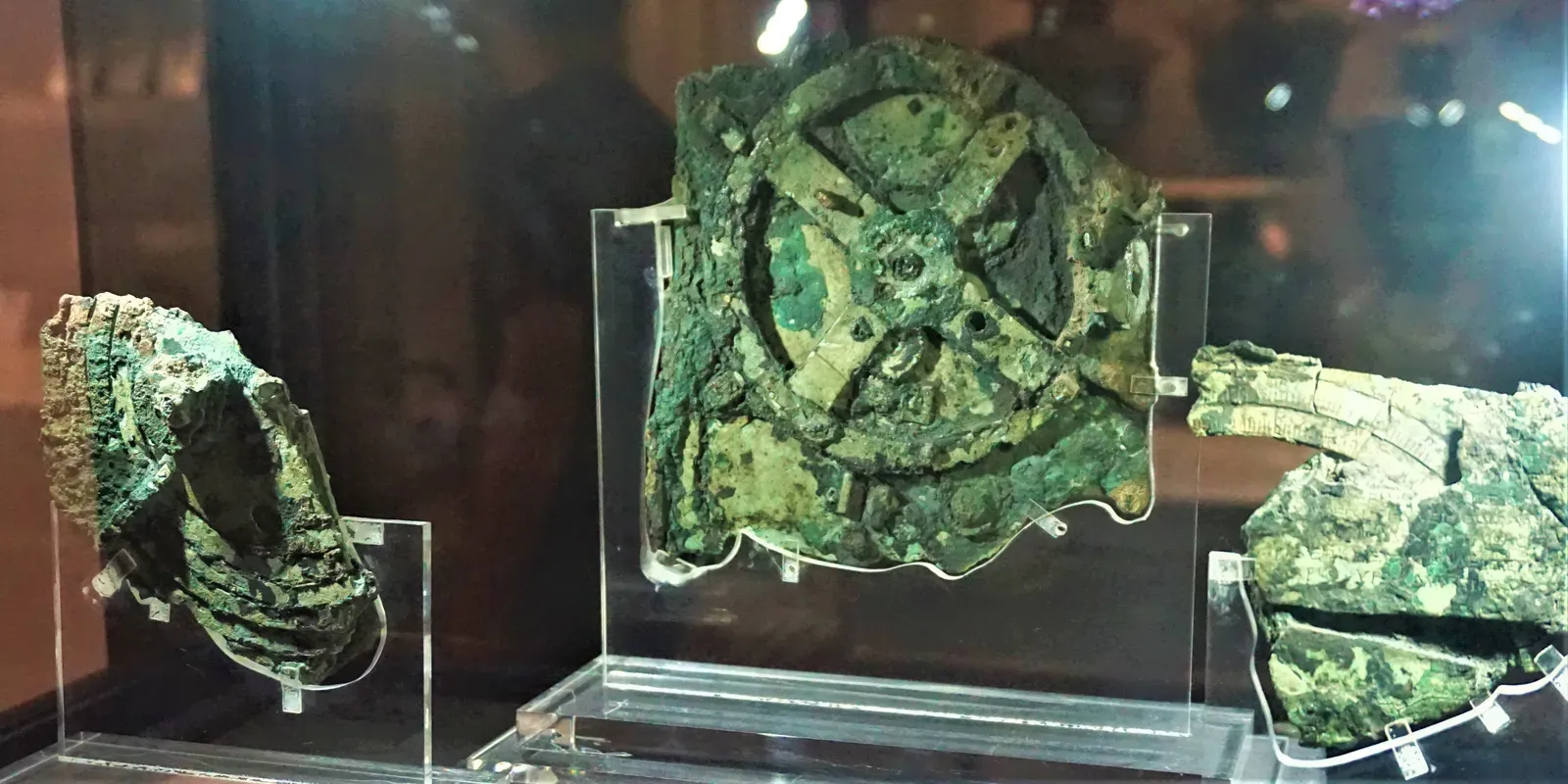
I know it sounds crazy, but ancient Greeks were apparently building computers roughly 2,000 years before the modern era. First discovered by sponge divers off the coast of the Greek island of Antikythera, this device is believed to be the oldest known example of what is called an “analog computer.” Essentially, this hand-powered mechanism was a way to model the positions of celestial bodies, including predicting the irregular orbit of the moon, among other phenomena.
The shipwreck in which it was found dated to 70 to 60 BCE, while scientists have estimated that the device itself might be as old as 204 BCE, changing completely how we think of ancient technology. A strange metal mass could look like a piece of trash, until historians discover it can calculate the planets’ orbits. The level of mechanical precision required to build this device was not supposed to reappear in Europe for over a thousand years. The implications are staggering.
3. Homo floresiensis: The “Hobbit” That Defied Everything
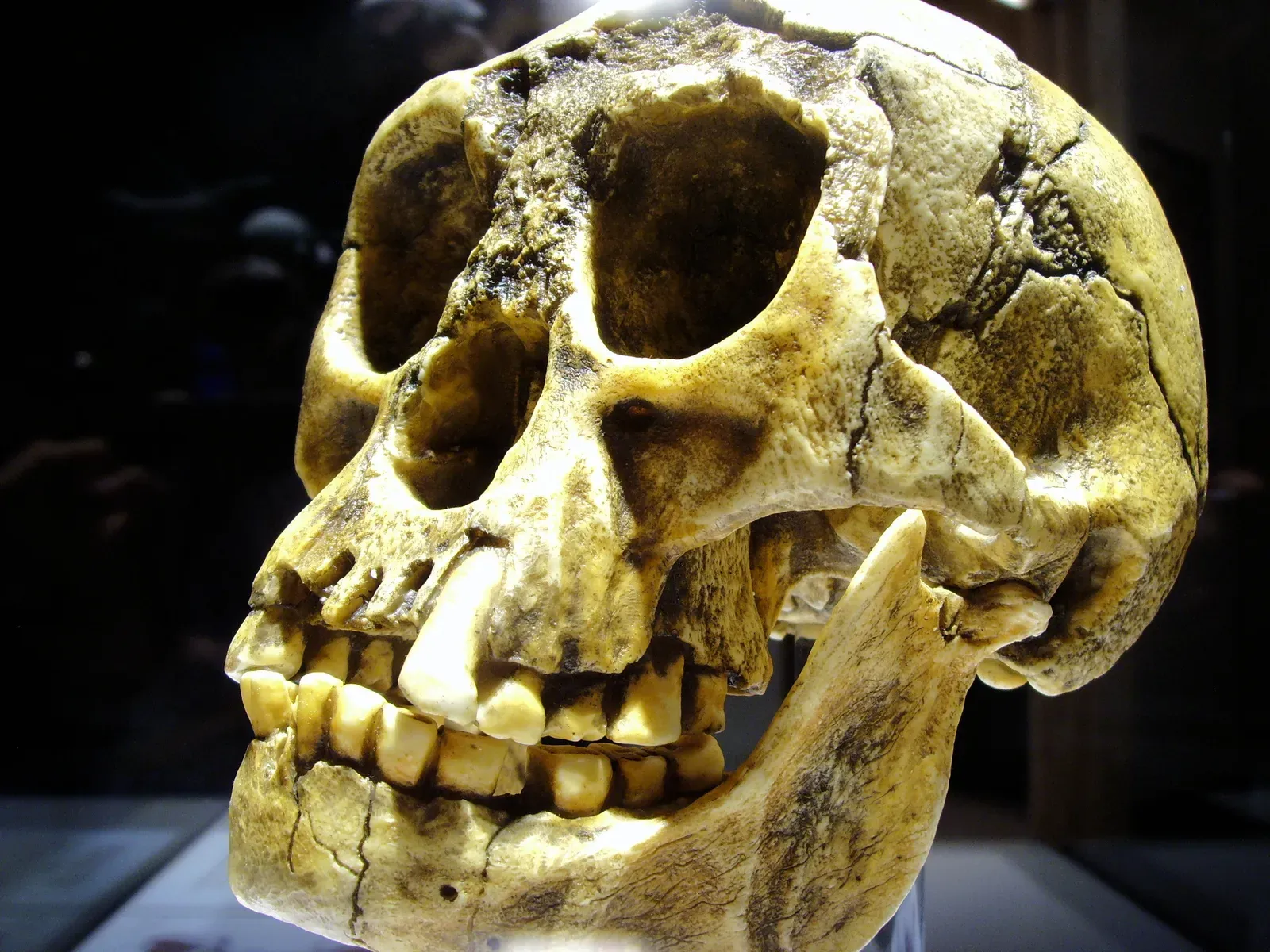
This century has brought unexpected discoveries from Europe and Asia. From enigmatic “hobbits” on the Indonesian island of Flores to the Denisovans in Siberia, our ancestors may have encountered a variety of other hominins when they spread out of Africa. The discovery of Homo floresiensis, a tiny, small-brained hominin standing barely three feet tall, completely shattered the idea that Homo sapiens had the island world of Southeast Asia to themselves.
Researchers reported a new species from the Philippines, and anthropologists are realizing that our Homo sapiens ancestors had much more contact with other human species than previously thought. Today, human evolution looks less like Darwin’s tree and more like a muddy, braided stream. The “hobbit” discovery forces you to ask uncomfortable questions: How many other small, isolated hominin populations lived and died without us ever knowing they existed?
4. The Denisovans: Ghosts in Our DNA

Until 2010, you would have been laughed out of an academic conference for suggesting there was an entirely unknown species of human living across vast stretches of Asia. Then came Denisova Cave. Ancient DNA is how researchers first identified the mysterious Denisovans, who interbred with us and Neanderthals. The evidence came not from a full skeleton but from a single finger bone and a couple of teeth.
Research has contributed to the discovery that Neanderthals interbred with ancestors of both modern Europeans and Asians between 55,000 and 40,000 years ago, and that modern humans today carry genetic makeup from both Neanderthals and Denisovans. One shocking discovery is that although our lineages split up to 800,000 years ago, modern humans and Neanderthals mated a number of times during the last Ice Age. This is why many people today possess some Neanderthal DNA. You are, in a very real sense, a hybrid.
5. Ancient Humans in the Americas: Far Earlier Than We Thought
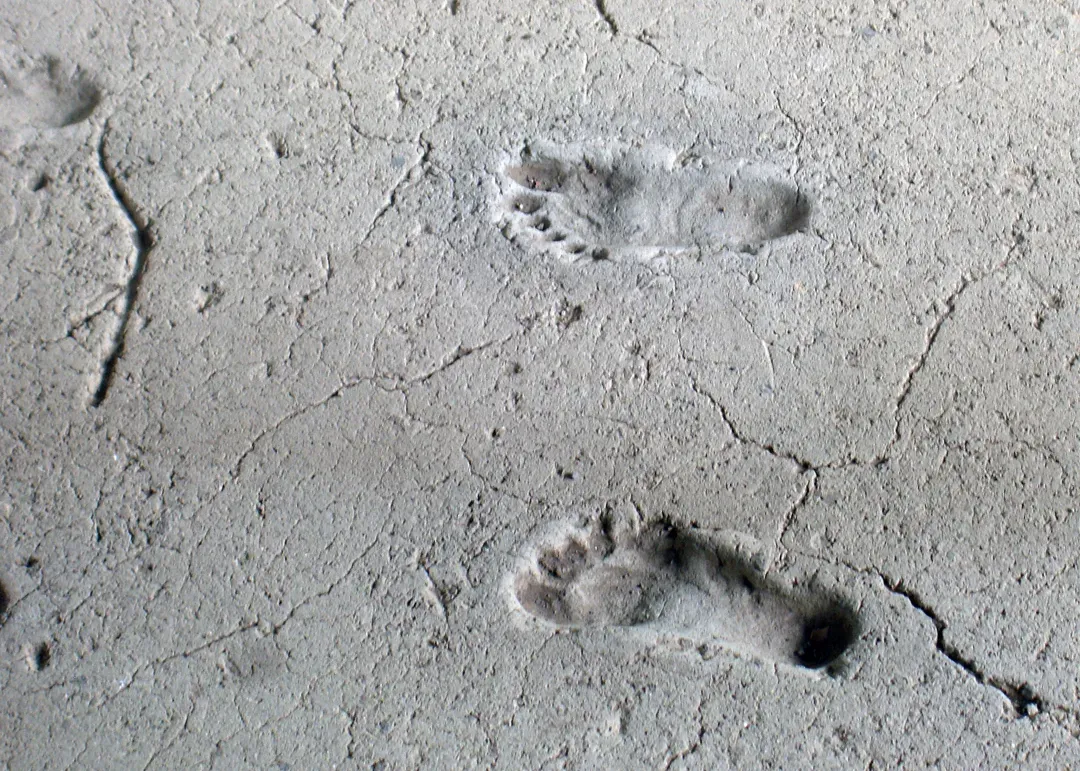
(Original text: self-made), CC BY-SA 3.0)
For many years, archaeologists thought the first humans to set foot in the Americas did so around 13,000 years ago. More recently, new findings have challenged that theory, pushing the timeline back even further. The discoveries just keep mounting. Think of it like an archaeological version of moving the goalposts, only the goalposts keep getting moved back thousands of years at a time.
A paper published in 2020 described evidence that humans had been in the Americas even longer than previously thought. Researchers exploring the Chiquihuite Caves in Mexico were looking for data about the ancient environment, and instead found tools and projectiles dating back about 30,000 years. When fossilized footmarks were discovered in 2021, it pushed back the earliest known arrival of humans in the Americas by up to 10,000 years. The continent was, it seems, occupied far sooner than the textbooks have been telling you.
6. The 476,000-Year-Old Wooden Structure: Architecture Before Humans
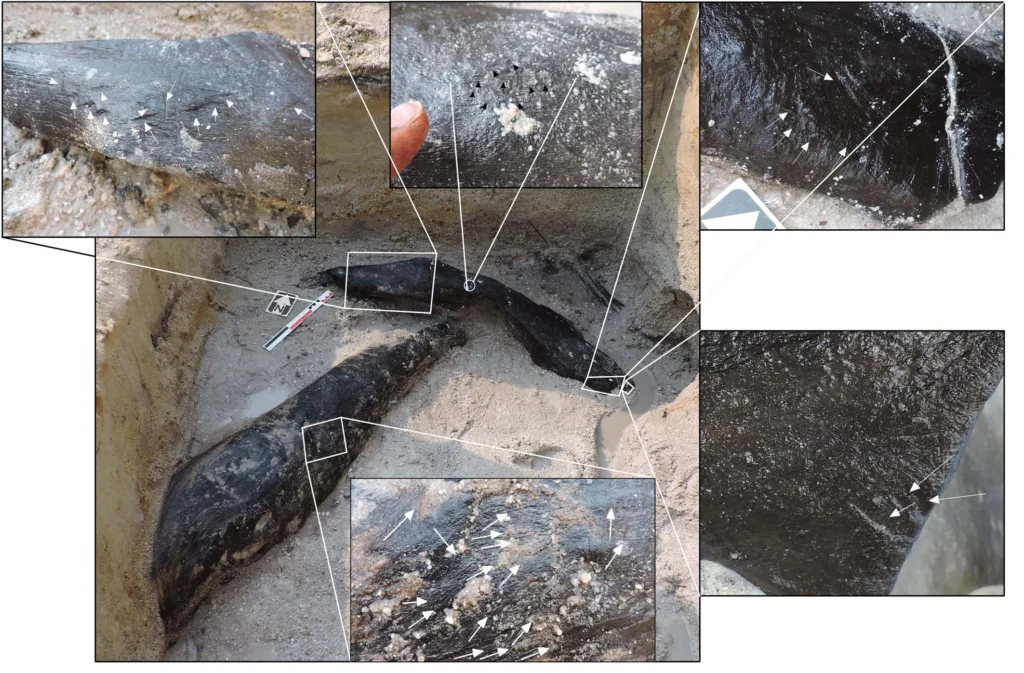
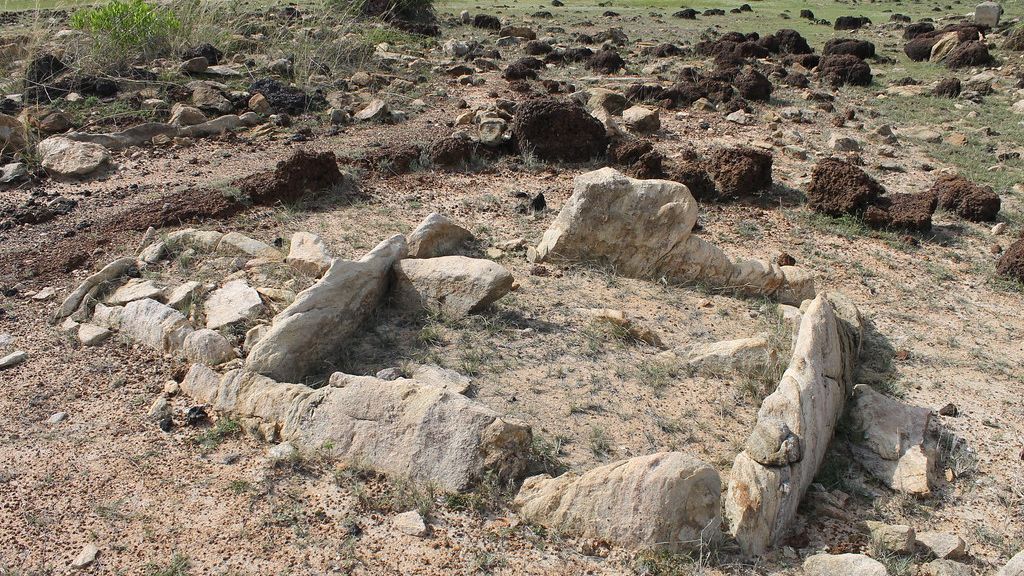
Let that headline sink in. A wooden structure almost half a million years old. A study published by Lawrence Barham and colleagues presents evidence for the oldest structural use of wood – logs used to build a structure dating to 476,000 years ago. At Kalambo Falls in Zambia, the team excavated two interlocking wooden logs that had intentionally carved notches, as well as other wooden objects including a digging stick, a wedge, and a chopped log.
At Kalambo Falls in Zambia, archaeologists discovered logs that were shaped to interlock – and not just any logs, logs that are 476,000 years old, adapted almost 200,000 years before Homo sapiens even existed. This is not a random pile of timber. It is deliberate, engineered construction. Whoever built it – almost certainly a predecessor species to modern humans – was doing something we considered exclusively our own domain. It is humbling, and honestly a little mind-bending.
7. Homo sapiens Out of Africa: The Timeline Keeps Shifting
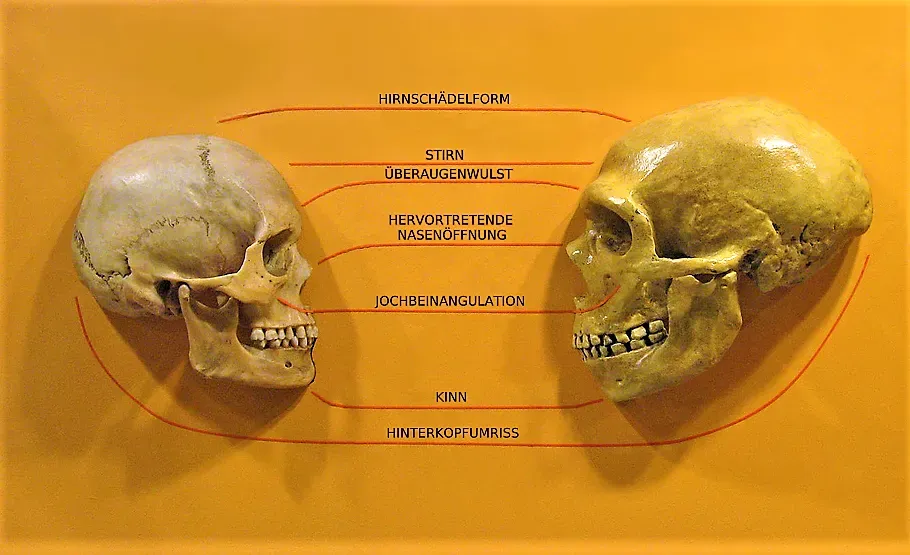
Archaeologists previously thought Homo sapiens evolved in Africa around 200,000 years ago, but the story has become more complicated. Fossils discovered in Morocco have pushed that date back to 300,000 years ago, consistent with ancient DNA evidence. This raises doubts that our species emerged in any single place. The neat “Out of Africa” story that was taught to you in school is now looking more like a dramatic oversimplification.
In 2019, archaeologists from Germany’s University of Tübingen reported that they had found what was then the oldest modern human bone ever found outside of Africa. It was in southern Greece, and it was from someone who had died there 210,000 years ago. Fascinatingly, they also recovered a 170,000-year-old Neanderthal skull, suggesting that this ancient migration had failed, and Neanderthals had moved into the area instead. Early humans were apparently making bold, failed attempts to leave Africa long before any successful migration. It’s almost like they were itching to explore.
8. The Sulawesi Cave Art: Storytelling 51,200 Years Ago
Scientists announced in 2024 that a painted scene of people hunting pig-like animals found in a cave on the island of Sulawesi is at least 51,200 years old. This beats out the last contender for oldest cave art, a drawing of pigs also found in a cave in Indonesia, by around 5,000 years. That’s not just art. That’s narrative. That’s storytelling. And it is far older than anyone expected.
The artists depicted hunters who are not drawn as human beings but as animal-human hybrids. This may indicate the hunters are wearing masks, or that the artists are depicting “therianthropes” – animal-human hybrids commonly found in ancient paintings around the world. If the latter is the case, the mural would not only be the oldest evidence of storytelling in recorded history, but also the first evidence of spiritual belief. We’re talking about abstract thinking, spiritual concepts, and artistic composition – in a cave, over 51 millennia ago. The human mind was clearly far more sophisticated far earlier than mainstream anthropology ever gave it credit for.
9. Ancient Surgery in Borneo: Medicine 31,000 Years Ago
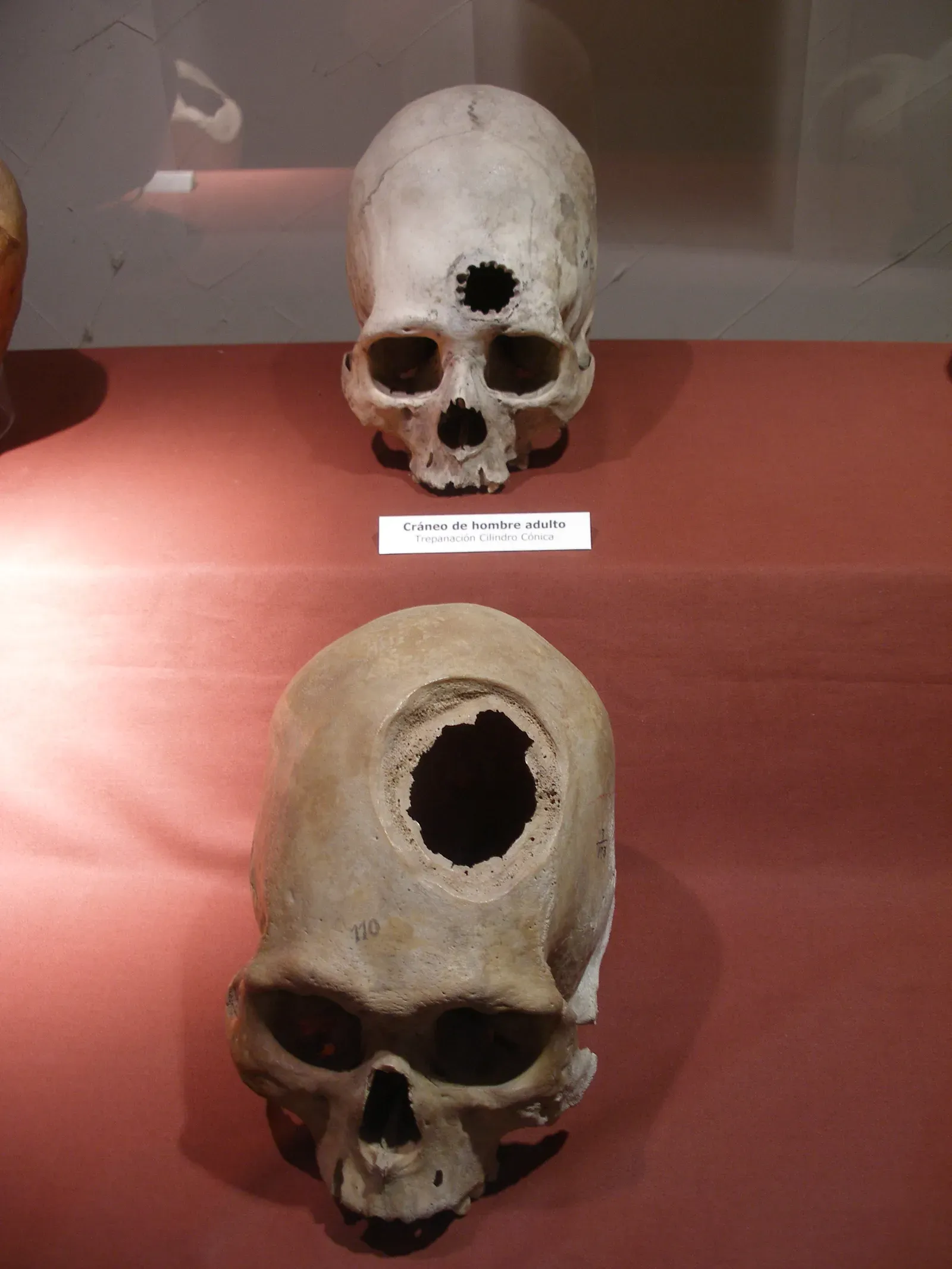
Of all the finds on this list, this one might be the most quietly shocking. You likely learned in school that sophisticated medicine and surgery were achievements of relatively recent civilizations. The evidence from a cave in Borneo says otherwise. A skeleton was found with a leg that had been carefully amputated, with signs of healing indicating the person lived another six to nine years post-surgery. Until that discovery, the oldest known surgical amputation was a mere 7,000 years old. This Borneo find rewrites what we thought about ancient medicine, showing that early humans likely understood complex surgery, antiseptics, and post-op care long before we ever imagined.
Think about what that actually required: knowledge of anatomy, the ability to control bleeding, some form of infection prevention, and enough community support to keep a post-operative patient alive for nearly a decade. Weird archaeology news often goes beyond broken pottery and buried tools. Every so often, something emerges from the past that’s so bizarre it forces historians to rethink what they know. This is precisely one of those moments – a single skeleton in Borneo quietly dismantling everything you thought you knew about the origins of human medicine.
Conclusion: The Past Is Never Really Over
Every single find on this list arrived uninvited, crashing through the carefully arranged furniture of established anthropological thought. Göbekli Tepe proved that spiritual impulse predates agriculture. The Denisovans reminded you that your DNA carries the echoes of people whose names we will never know. The Borneo surgeon showed that compassion and medical skill are far older than civilization as we define it.
The latest anthropological discoveries are reshaping our understanding of human history on a global scale. These findings are not just academic – they influence cultural narratives and challenge long-held assumptions about our past. The honest truth is that our ancestors were not the fumbling primitives we once imagined. They were architects, artists, navigators, surgeons, and thinkers. We are only just beginning to understand how remarkable they truly were.
The story of humanity is not a straight line from simple to complex. It is a sprawling, tangled, breathtaking web of innovation, migration, and creativity stretching back further than most people dare to consider. So the next time someone tells you history is settled – ask them if they’ve heard of Göbekli Tepe. Which of these nine discoveries surprised you the most? We’d love to hear your thoughts in the comments.