Few things in natural history are as breathtaking as the moment a creature first lifted itself off the ground under its own power. We often picture flying dinosaurs when we think of prehistoric skies, but the real story of how flight evolved on this planet is wilder, stranger, and far more surprising than most people realize. The skies were conquered not once, not twice, but multiple times, by entirely different creatures following entirely different playbooks.
From paper-thin insect wings that appeared hundreds of millions of years before the first feather, to bats that seem to materialize out of nowhere in the fossil record, the evolution of flight reads less like a neat scientific timeline and more like a series of spectacular experiments. So let’s dive in, because you are about to see the history of the sky in a completely new light.
1. Insects Were the First Fliers, by a Staggering Margin
Here is something that tends to genuinely stop people in their tracks. Insects were the first creatures to evolve flight, developing wings around 400 million years ago, some 175 million years before pterosaurs, the next animals to take to the skies. Think about that for a moment. By the time the first flying reptile ever spread its wings, insects had already been airborne for longer than the entire span of time separating us from the Triassic period.
As soon as wings appeared roughly 325 million years ago, insect fossils become far more abundant and diverse. It is almost as if the invention of wings flipped a switch, triggering an explosion of life that reshaped entire ecosystems. With the help of flight, insects could disperse, migrate, court mates, find food, and avoid enemies over a much wider range. You could honestly argue that everything that came after, every bird, bat, and pterosaur, was just nature repeating a trick insects had long since perfected.
2. Powered Flight Evolved Independently at Least Four Separate Times
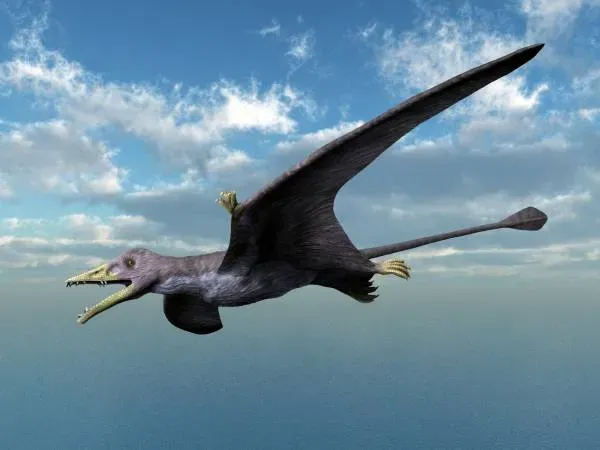
Let’s be real, this fact alone should make your jaw drop. Powered flight has only evolved three times within vertebrate lineages, in birds, bats, and extinct pterosaurs, and once in invertebrates, namely insects. These groups did not inherit flight from a common flying ancestor. Each one invented it from scratch, solving the same physics problem using completely different biological tools.
The most amazing fact about the evolution of flight is the extent of convergent evolution between the three main groups that evolved it, the pterosaurs, birds, and bats. It is like watching three different engineers, given the same challenge of crossing a river, independently arriving at the same basic solution: build a bridge. Nature, it turns out, is a relentless engineer, and the sky is a prize worth reaching for, no matter what it takes to get there.
3. Pterosaurs Took Flight Without a Big Brain, Shattering a Long-Held Assumption
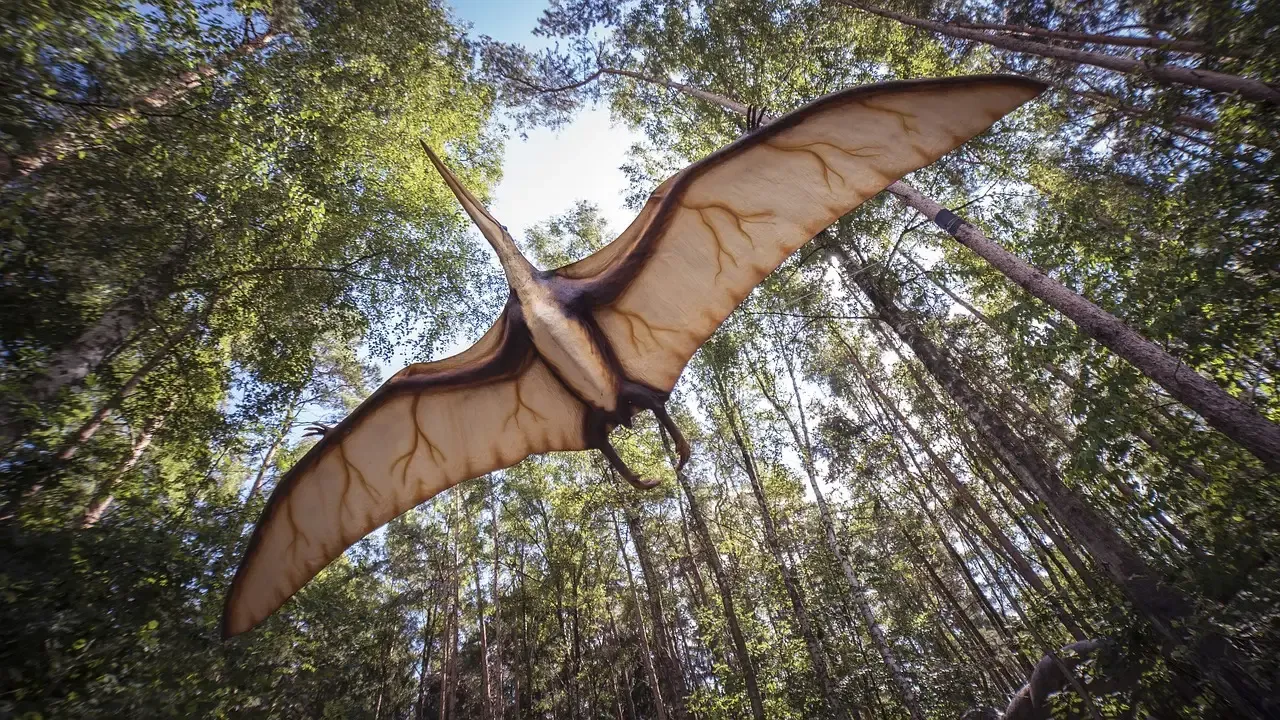
For a long time, scientists assumed that a large, complex brain was a prerequisite for mastering powered flight. Pterosaurs proved that assumption completely wrong. A research team led by evolutionary biologist Matteo Fabbri suggests that pterosaurs, alive up to 220 million years ago, may have acquired the ability to fly when the animal first appeared, in contrast to prehistoric ancestors of modern birds that developed flight more gradually and with a bigger brain. That is a genuinely surprising reversal of what many researchers expected to find.
Pterosaurs were a force to be reckoned with, weighing up to 500 pounds with a wingspan of up to 30 feet in some species, and are known to be the oldest of three groups of flying vertebrates that independently evolved self-powered flight. Pterosaurs, about eighty-five known species, flew on wings made of a skin membrane connected to the side and stretched out over the greatly elongated fourth digit. These were not clumsy gliders. They were giants of the sky, and they got there on their own terms, brain size be damned.
4. The First Birds Were Not Born Ready to Fly
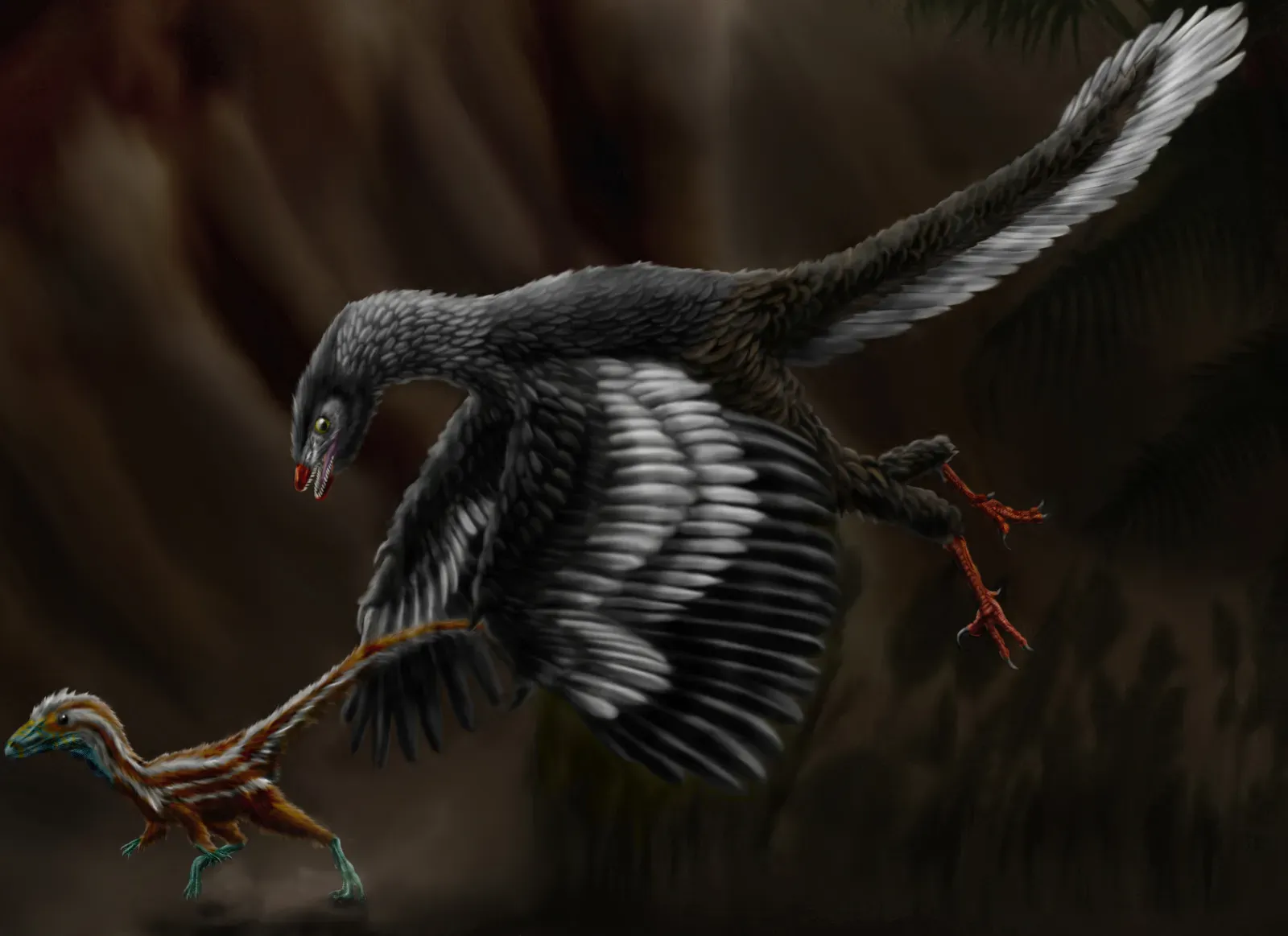
You might imagine the first bird simply spreading its wings and soaring skyward. The reality is far messier and, honestly, more fascinating. Those awkward in-between stages include some of the most fascinating animals that ever lived: bushy, feathered tyrannosaurs, birds with lizard-like tails, teeth and claws, and even some small, leaping creatures with four wing-like limbs. Evolution rarely produces a finished product on the first try.
Early proto-wings could not have kept creatures aloft for long, but they might have provided enough lift to help them leap to safety, pounce on prey, parachute down from heights, or run up steep slopes. It is a reminder that wings did not have to be flight-worthy to be useful. Adaptations such as the keeled sternum for the attachment of powerful flight muscles would evolve later, along with more advanced wing structures, allowing birds to become the powerful and agile fliers we know today. What we see soaring overhead is the result of millions of years of incremental tinkering.
5. Feathers Existed Long Before Any Bird Ever Flew
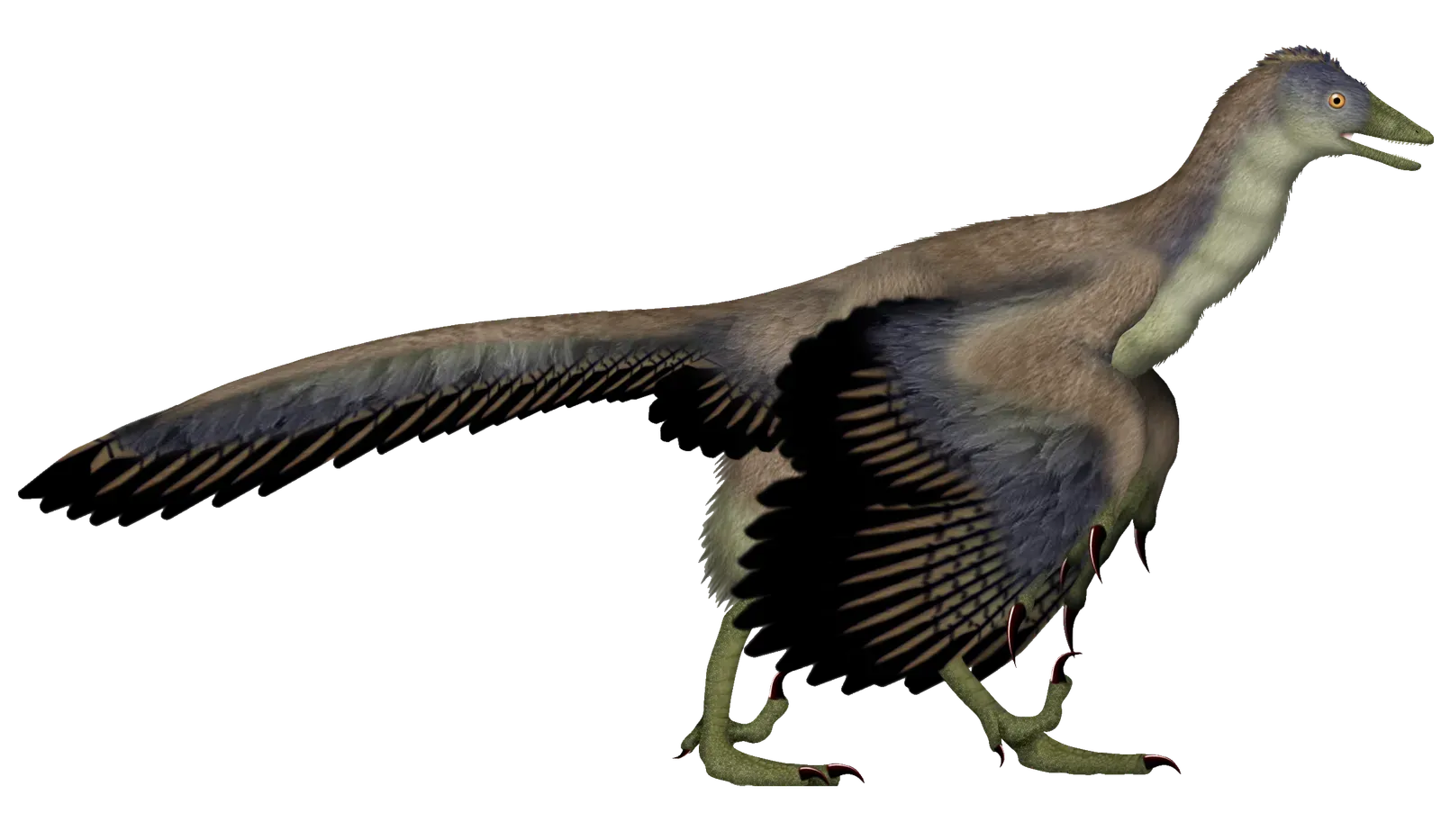
Here is one that tends to genuinely surprise people who grew up thinking feathers were invented for flying. Experts think feathers first appeared long before dinosaurs took to the skies. Archaeopteryx is one of the oldest known bird-like dinosaurs discovered so far, living around 150 million years ago during the Late Jurassic. Yet feathers themselves almost certainly predate even that.
The first feathers must have therefore evolved for something else, probably to keep small dinosaurs warm. Over time, as feather complexity increased, their aerodynamic potential became exploitable. Although flightless, early feathered dinosaurs’ feathers kept them warm and were likely useful for display, to intimidate rivals, and to court mates. Think of it like a Swiss Army knife that was originally designed as a butter knife but turned out to have a hidden blade. The flying function was almost an afterthought, at least at first.
6. Three Competing Theories Still Battle Over How Bird Flight Actually Began
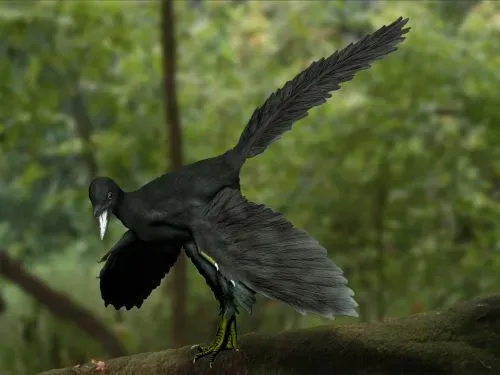
Honestly, science has not settled this one yet, and that makes it all the more intriguing. There are three leading hypotheses pertaining to avian flight. In the Pouncing Proavis model, it is assumed to have evolved from ambush predators pouncing on prey from above. The Cursorial model assumes that flight started with running dinosaurs making short leaps. The Arboreal model assumes birds evolved from tree-dwelling gliders who gradually increased their control and flight distance.
The cursorial hypothesis suggests that bird ancestors ran and jumped, perhaps to catch prey, and thus evolved flight as a way to enhance this, and to safely get back to the ground. However, neither hypothesis can be proven or disproven with the current evidence available. It is hard to say for sure which story is correct, and there is a reasonable chance that more than one pathway was explored by different lineages. In March 2018, scientists reported that Archaeopteryx was likely capable of flight, but in a manner substantially different from that of modern birds. The mystery, it seems, is very much alive.
7. Birds Literally Shrank Their Way Into the Sky
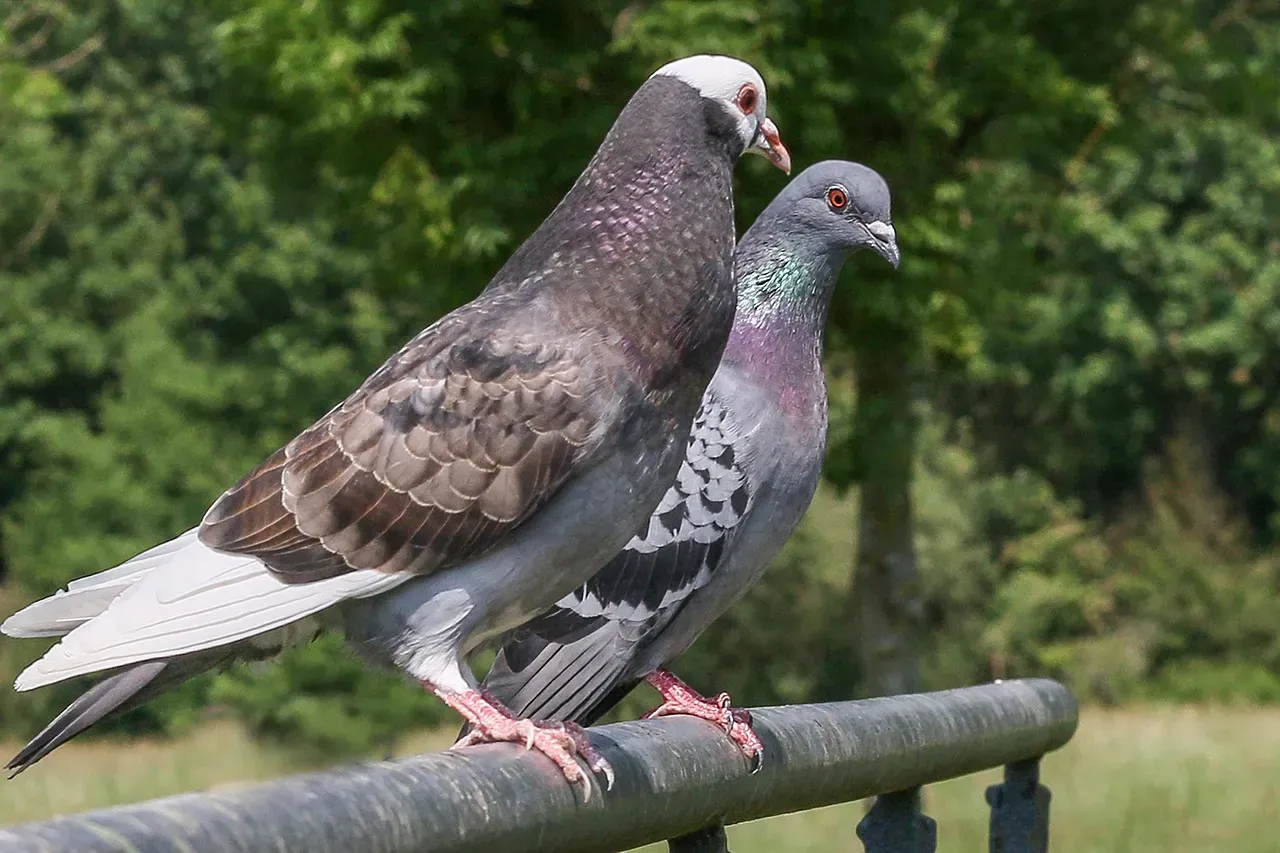
You cannot just slap wings on a large body and call it a day. Physics demands compromise, and the lineage leading to modern birds made a dramatic one. True flight powered by beating wings requires a certain ratio of wing size to weight. Birds needed to become smaller before they could ever take to the air for more than a short glide. The ancestors of birds were essentially running a miniaturization program over millions of years.
Flying birds during their evolution further reduced relative weight through several characteristics such as the loss of teeth, shrinkage of the gonads out of mating season, and fusion of bones. Birds evolved from theropod dinosaurs that had already gone through a phase of size reduction during the Middle Jurassic, combined with rapid evolutionary changes. The pigeon you see on a park bench is actually the descendant of a lineage that systematically dismantled itself, shedding weight and complexity over millions of years, just to claim the sky. That is honestly remarkable when you think about it.
8. The Brain Itself Evolved to Enable Flight in Birds
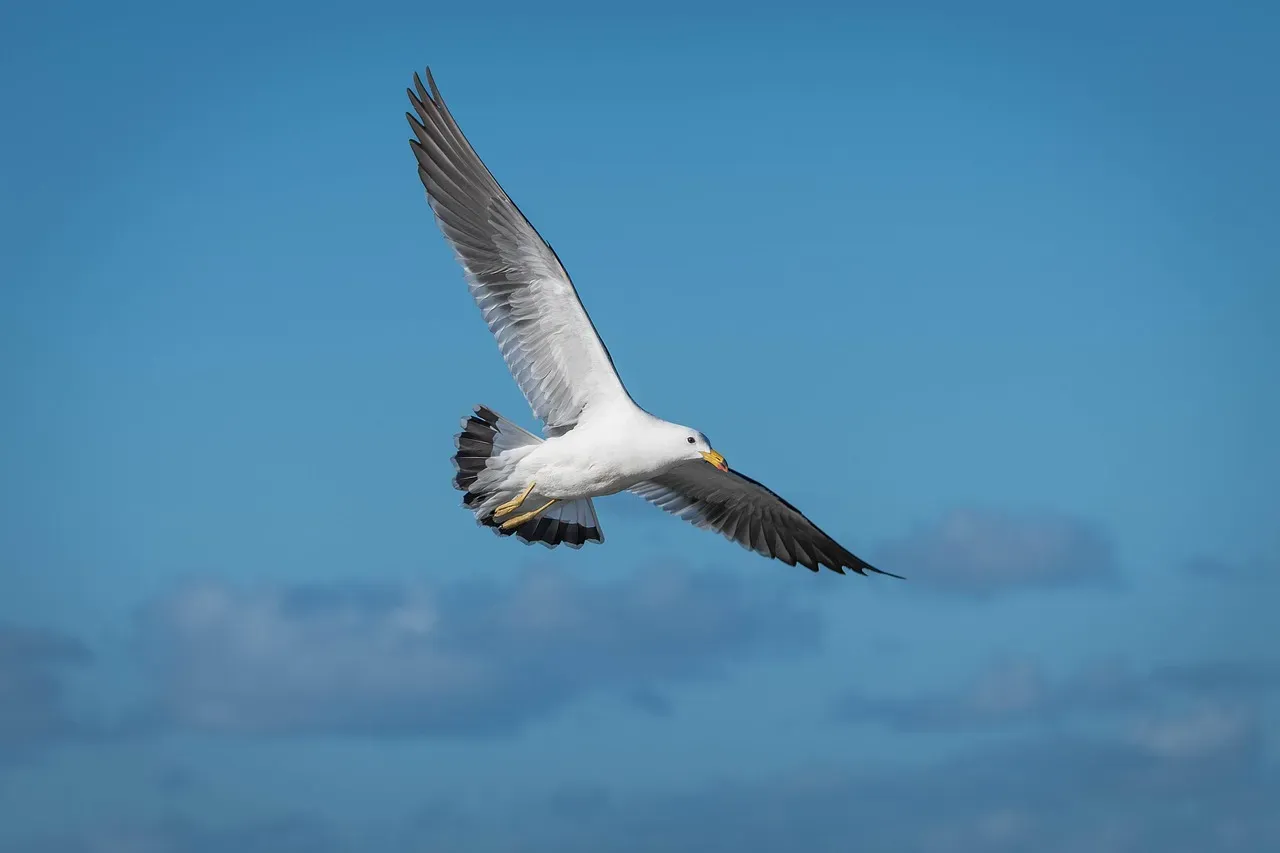
Flight is not just a physical challenge. It is a neurological one. Navigating a three-dimensional world at speed, adjusting for wind, tracking prey, managing landing, all of it requires serious computing power. Modern birds are believed to have acquired flight in a step-by-step, more gradual process, inheriting certain features, such as an enlarged cerebrum, cerebellum, and optic lobes from their prehistoric relatives, and later adapting them to enable flight.
To investigate the evolutionary history of flight, researchers combined PET scans of pigeons with analyses of dinosaur fossils. By comparing brain activity in pigeons before and after flight, the team identified a significant increase in cerebellar activity compared to other regions of the brain, highlighting the crucial role of the cerebellum during flight. A large forebrain is what makes birds so intelligent and acts as their in-flight computer, allowing them to control the complicated business of flying and to navigate the complex 3-D world of the air. In a very real sense, the modern bird brain is a flight instrument, refined over tens of millions of years to do exactly one thing extraordinarily well.
9. Bats Are Evolution’s Greatest Flying Mystery
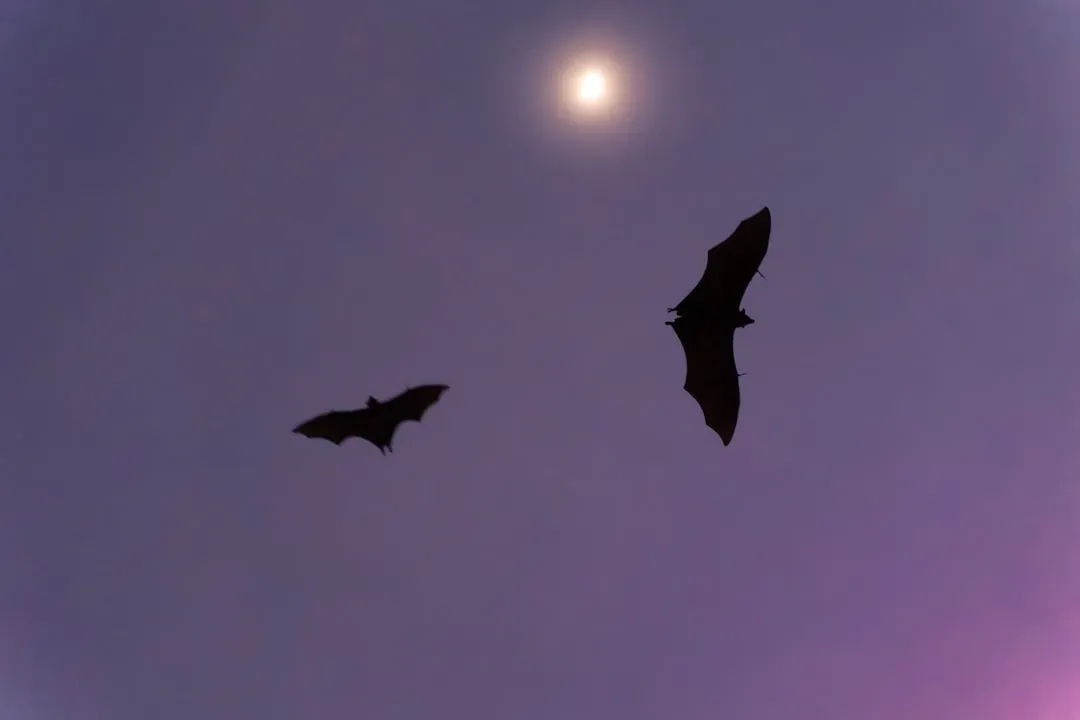
If birds are flight’s most well-documented story, bats are its most baffling. Bats appear in the fossil record seemingly out of the blue. There are no earlier fossils of proto-bats, creatures that could morphologically show bats’ links with other related mammal species or the development of their forelimbs into wings. The earliest bat fossils reveal creatures that were not much different from present-day bats. They simply appear, fully formed and airborne, with no obvious transitional stages on record.
Bats are the only mammals capable of sustained flight, as opposed to the gliding of flying squirrels, colugos and sugar gliders. By the end of the Eocene, all bat families had developed in what is described as an evolutionary “big bang” unique among mammals. Bats also diversified profusely, developing into over 1,400 species comprising roughly one in five of all mammal species. No other mammal ever pulled off what bats accomplished. They found a gap in the dark, nocturnal sky, and they took it completely, evolving echolocation alongside flight in one of nature’s most astonishing double acts. Science is still trying to figure out exactly how they did it.
Conclusion: The Sky Was Always Worth the Reach

What makes the evolution of flight so endlessly fascinating is that it is not one story. It is four. Four completely separate groups of creatures, across hundreds of millions of years, all looked up at the same empty sky and found a way to claim it. Insects led the charge. Pterosaurs dominated with raw scale. Birds refined and perfected every detail. Bats slipped through the cracks of the night with a trick no one else had tried.
Each path was unique, each solution shaped by the pressures of survival, the constraints of physics, and the relentless logic of natural selection. The fact that powered flight is simultaneously so difficult and so rare, yet was independently invented multiple times, is one of the strongest arguments for just how extraordinary the rewards of leaving the ground truly are. Next time you watch a bird banking through the wind or a bat threading between the trees at dusk, you are watching hundreds of millions of years of evolutionary ambition in motion.
What does it tell you about life on Earth that so many different creatures all reached for the same sky?