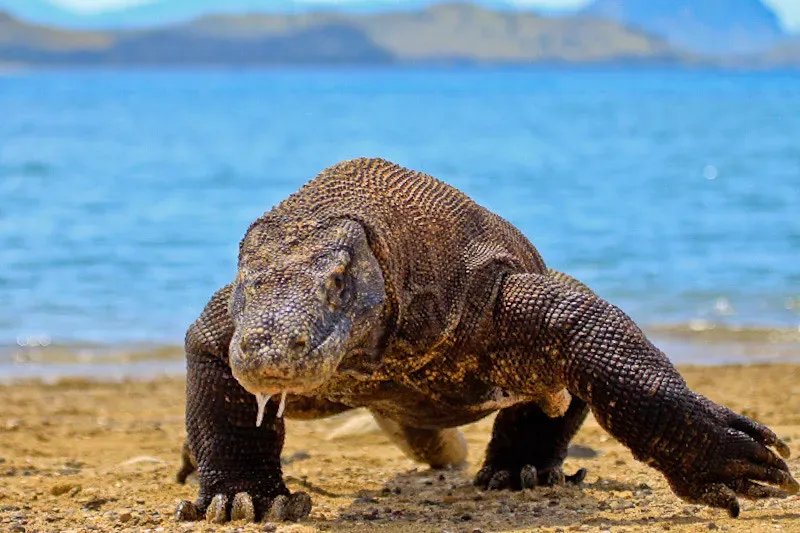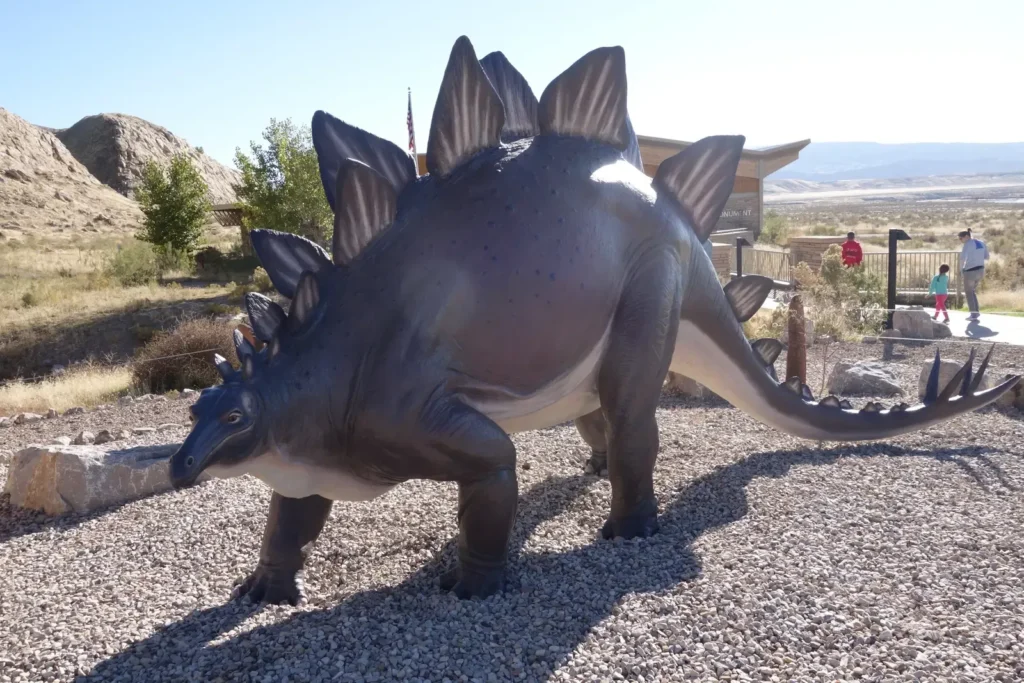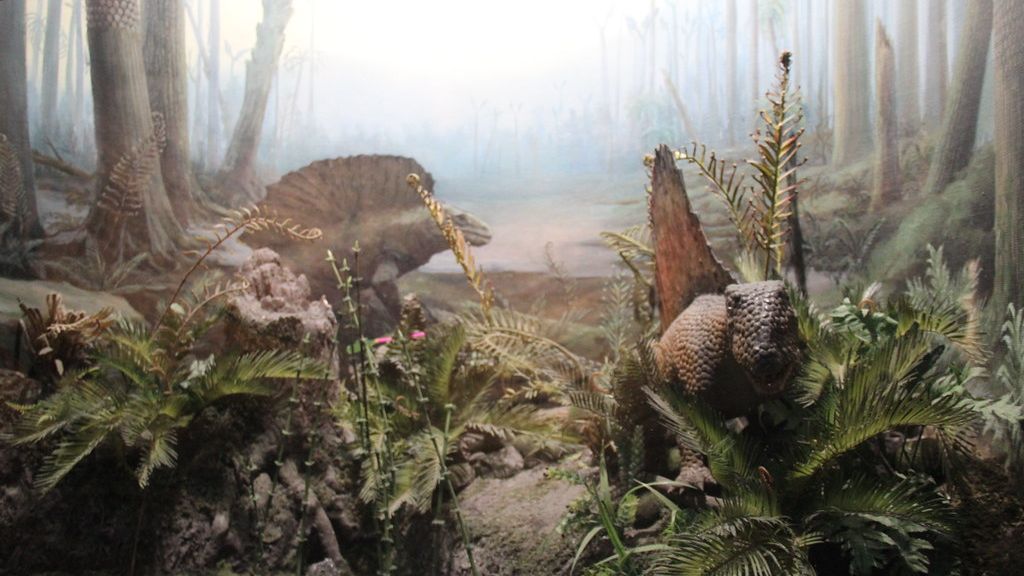
When most people picture the ancient Earth, their minds immediately jump to Tyrannosaurus rex, Triceratops, and towering, thundering giants of the Mesozoic. Honestly, that’s completely understandable. Dinosaurs have dominated our pop culture imagination for over a century. But here’s the thing – the dinosaurs were actually latecomers to the planet’s grand story. Long before any dinosaur took its first breath, Earth was already teeming with extraordinary, bizarre, and downright terrifying creatures that ruled every ocean, forest, and desert on the planet.
The creatures that came before the dinosaurs were so varied, so alien-looking, and so utterly fascinating that they deserve far more attention than they typically get. Some were titanic ocean predators. Others were millipedes the size of a car. A few were eerily familiar ancestors of creatures you might recognize today. So buckle up, because this pre-dinosaur world will genuinely surprise you. Let’s dive in.
1. Anomalocaris: The World’s First Super Predator
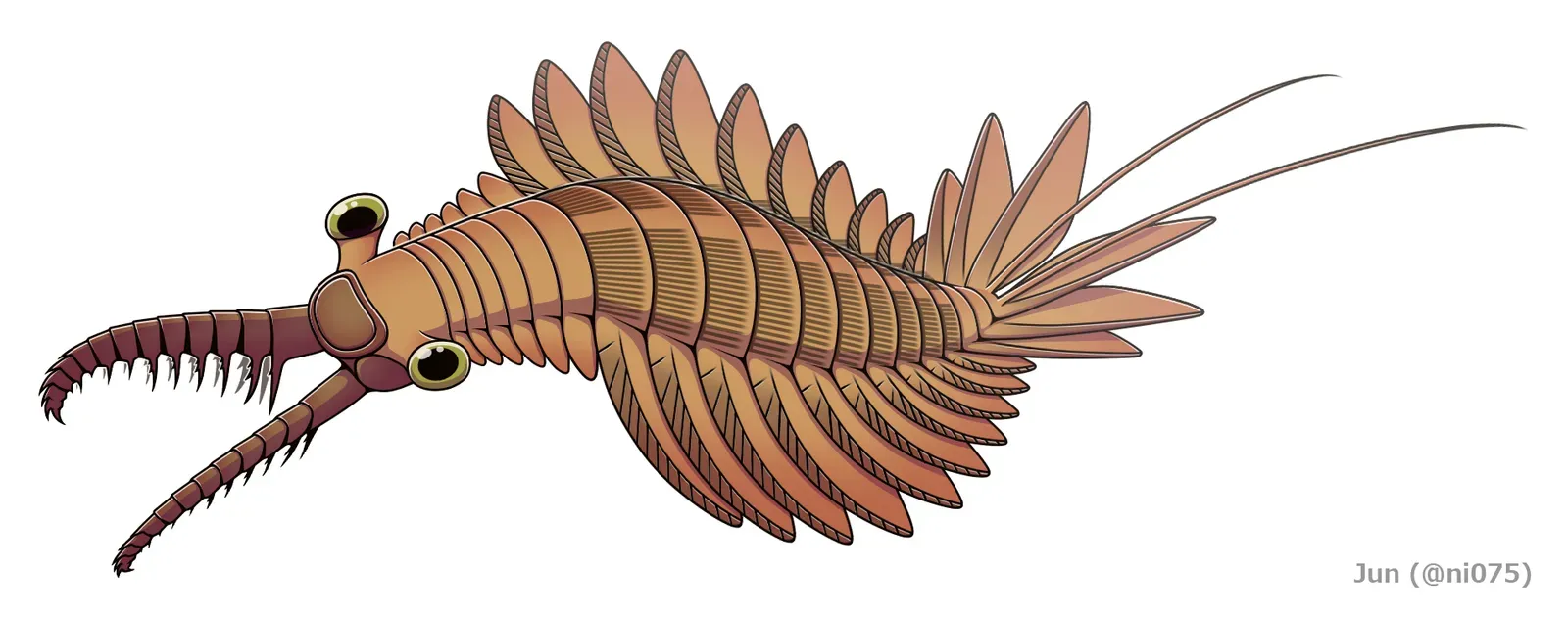
Picture the most fearsome predator you can imagine, then wind the clock back over half a billion years, and you arrive at Anomalocaris. More than half a billion years ago, the world’s oceans were stalked by a soft-bodied predator that looked unlike anything alive today. This bizarre-looking animal was Anomalocaris, or “unusual shrimp,” and is widely regarded as the world’s first apex predator. Think of it as the killer whale of the Cambrian seas – sleek, fast, and absolutely in charge.
Anomalocaris had a bizarre appearance by today’s standards, with large compound eyes, a circular mouth full of sharp plates, and two large front appendages perfect for grabbing prey. Its name means “abnormal shrimp” because early fossils were initially misidentified. This creature swam using fin-like flaps along its body and could likely move with impressive speed to chase down smaller creatures. What makes it even more remarkable is the fact that fossil evidence suggests Anomalocaris had exceptional eyesight – its eyes may have had more lenses than those of modern dragonflies. For a creature living 500 million years ago, that is genuinely mind-blowing.
2. Dunkleosteus: The Armored Nightmare of the Devonian Seas
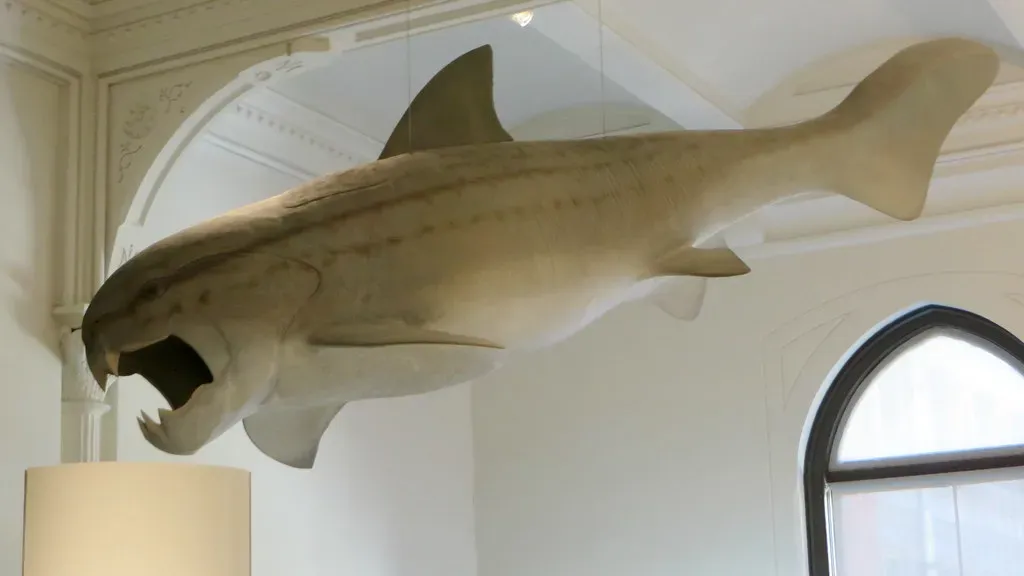
If you think great white sharks are scary, you haven’t met Dunkleosteus. Dunkleosteus was a fearsome armored predator that ruled the oceanic waters about 358 to 382 million years ago. Weighing up to four tons and measuring approximately 20 feet in length, this apex predator had a powerful jaw equipped with self-sharpening bony blades capable of tearing apart almost anything, including armored prey. No teeth in the traditional sense. Instead, it had bony blades that sharpened themselves through the act of biting. Nature, as always, found a way.
It lacked real teeth but had self-sharpening bony plates that functioned like blades. Fast jaw movement allowed it to create a vacuum, sucking prey into its mouth. I think that detail alone is enough to keep you out of the water for a while. Dunkleosteus dominated the Devonian oceans but eventually went extinct during the Hangenberg Event, a mass extinction that reshaped marine ecosystems. One reign ended, and the stage was set for what came next.
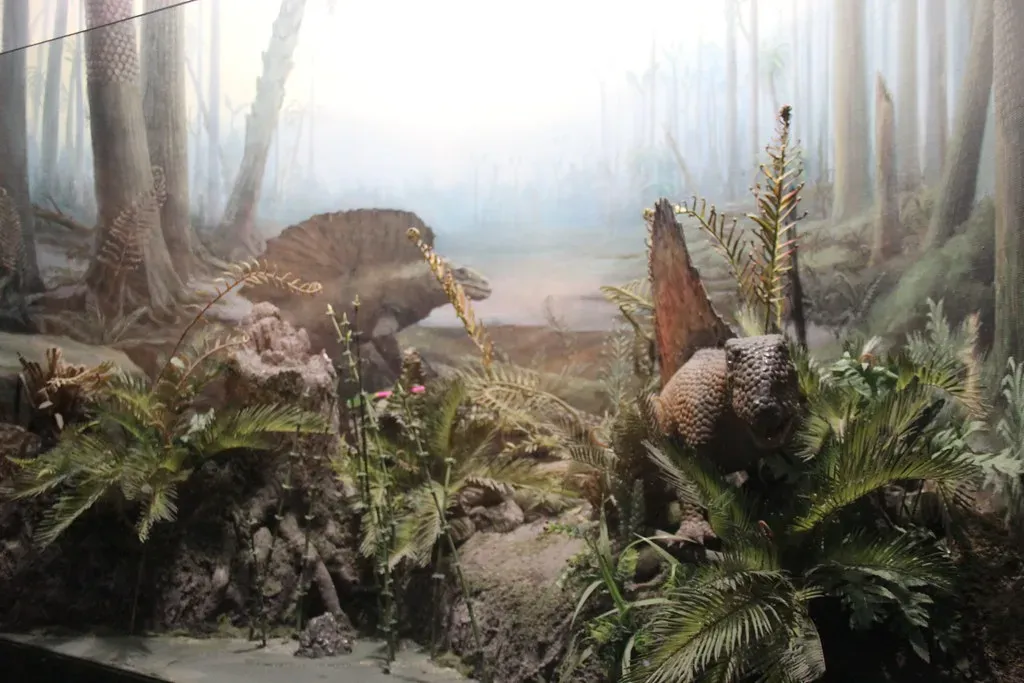
3. Dimetrodon: The Sail-Backed Predator That Was Not a Dinosaur
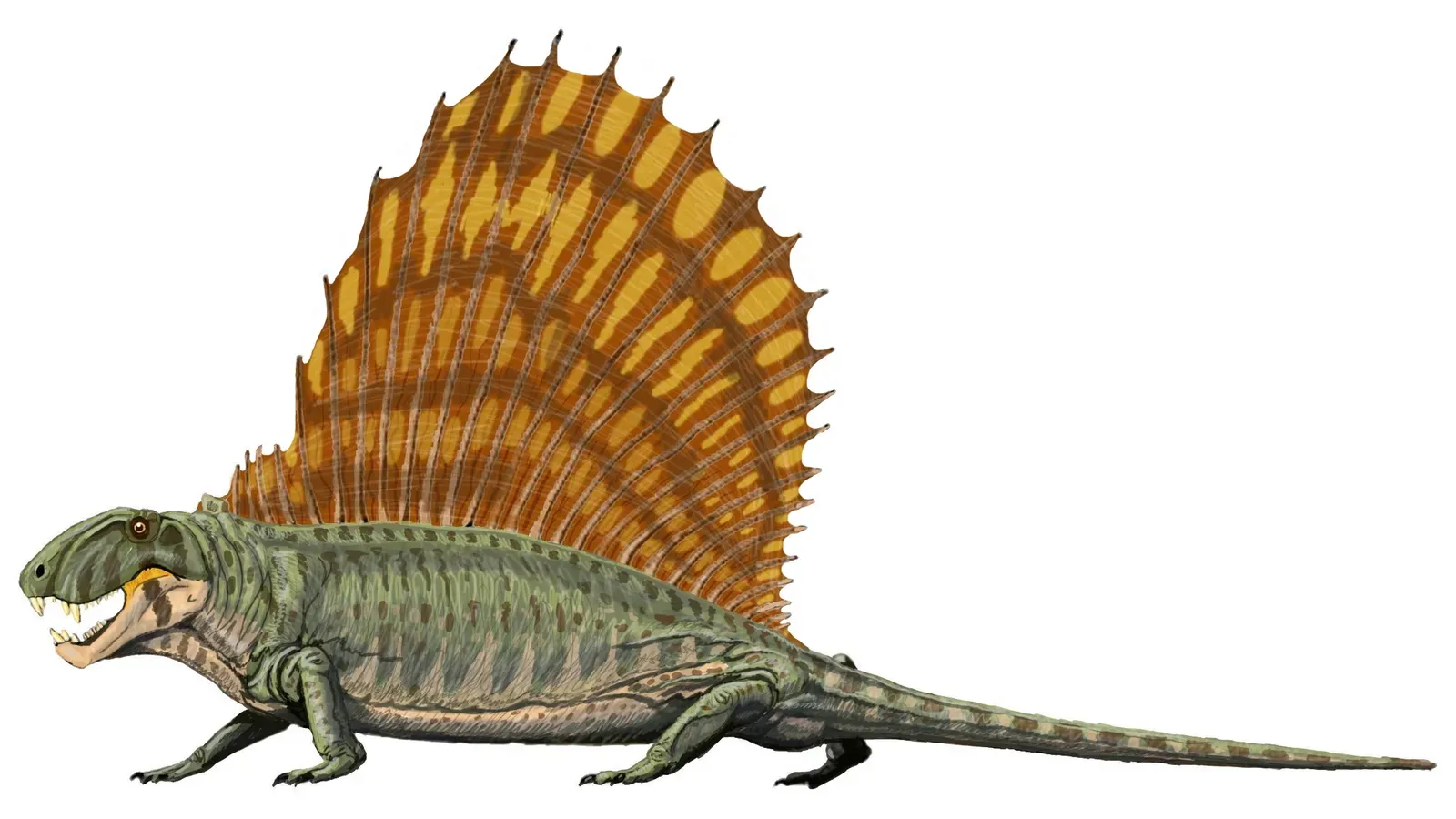
Let’s be real – almost everyone has seen a Dimetrodon in a toy store or a children’s dinosaur book and assumed it was, well, a dinosaur. It absolutely was not. Dimetrodon is often mistaken for a dinosaur or portrayed as a contemporary of dinosaurs in popular culture, but it became extinct by the middle Permian, some 40 million years before the appearance of dinosaurs. That is a staggering gap in time. Forty million years. That’s longer than the entire span of the Age of Mammals we’re currently living in.
Just one look at Dimetrodon and your eyes are immediately drawn to the huge sail on its back. This scaly, tiger-sized beast wasn’t a dinosaur, though. In fact, it’s more closely related to us than Spinosaurus is. The sail wasn’t just for show – scientists believe it helped regulate body temperature by collecting or releasing heat. Dimetrodon was actually more closely related to mammals than to dinosaurs, making it one of our distant evolutionary cousins. Yes, you read that right. You’re more closely related to Dimetrodon than any dinosaur ever was.
4. Inostrancevia: The Saber-Toothed Terror of the Permian
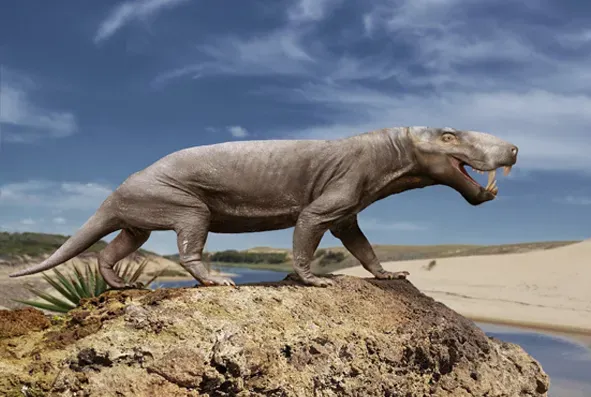
Before saber-toothed cats prowled the Pleistocene, there was Inostrancevia, and it was arguably even more formidable. This fearsome predator lived around 260 to 254 million years ago during the Late Permian period. Growing up to 11.5 feet long, Inostrancevia was one of the largest predators of its time. Though reptilian in appearance, it was actually a gorgonopsid – a group of animals more closely related to mammals than to reptiles. Inostrancevia’s most distinctive features were its enormous saber teeth, which could grow up to 5 inches long, perfect for taking down prey.
Its jaws were packed with other kinds of teeth, but these weren’t used for chewing. Instead, Inostrancevia used a “puncture-pull” strategy, tearing away huge chunks of meat. Honestly, that sounds like something out of a horror movie. Inostrancevia was among the largest, stretching well over 3 meters in length with powerful limbs, a long muscular tail, and a bulky body. It would have fed on early reptiles and synapsids as an apex predator of the Permian, but its lofty position wasn’t enough to save it from the Permian Extinction that paved the way for the rise of the dinosaurs.
5. Arthropleura: The Giant Millipede That Ruled the Forests
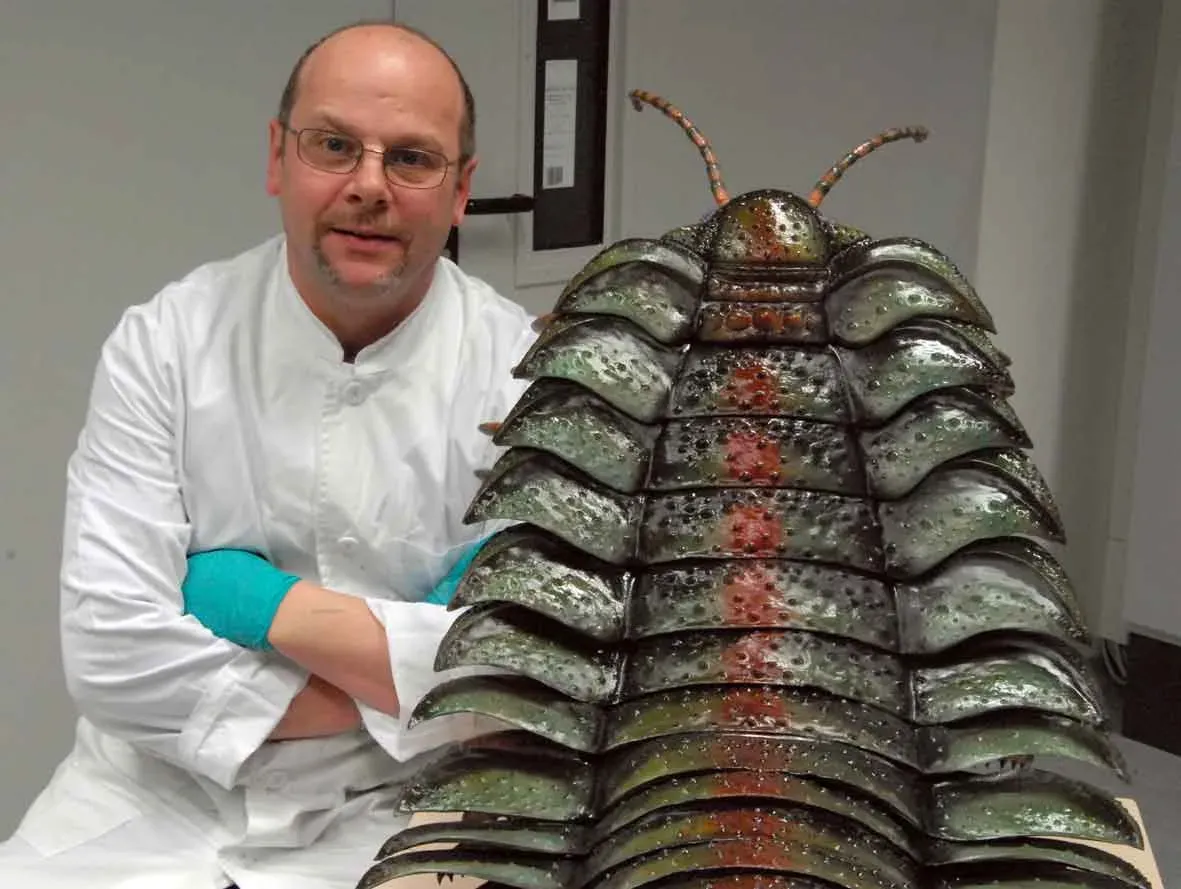
Imagine walking through a forest and encountering a millipede the length of a car. That was just Tuesday in the Carboniferous period. Before vertebrates established their dynasty on land, arthropods – a huge group that includes insects, spiders, and crustaceans – ruled unchallenged. Largest among them was Arthropleura, a 2.6-meter-long, mulch-eating millipede that roamed the beaches and forests of ancient England. To put that in perspective, you are reading about a millipede that was taller than most people when it reared up.
Unlike today’s millipedes, Arthropleura wasn’t a predator – it munched on the abundant plant matter in the oxygen-rich forests of its time. The extra oxygen in Earth’s atmosphere back then allowed arthropods like Arthropleura to grow to incredible sizes. Scientists have found fossilized footprints of this giant, giving us clues about how it moved across the prehistoric landscape. Arthropleures grew to well over seven feet and could stand upright and spray acid at any perceived threat. A gentle plant-eater that could spray acid. Ancient Earth was truly something else.
6. Meganeura: The Giant Dragonfly That Patrolled the Skies
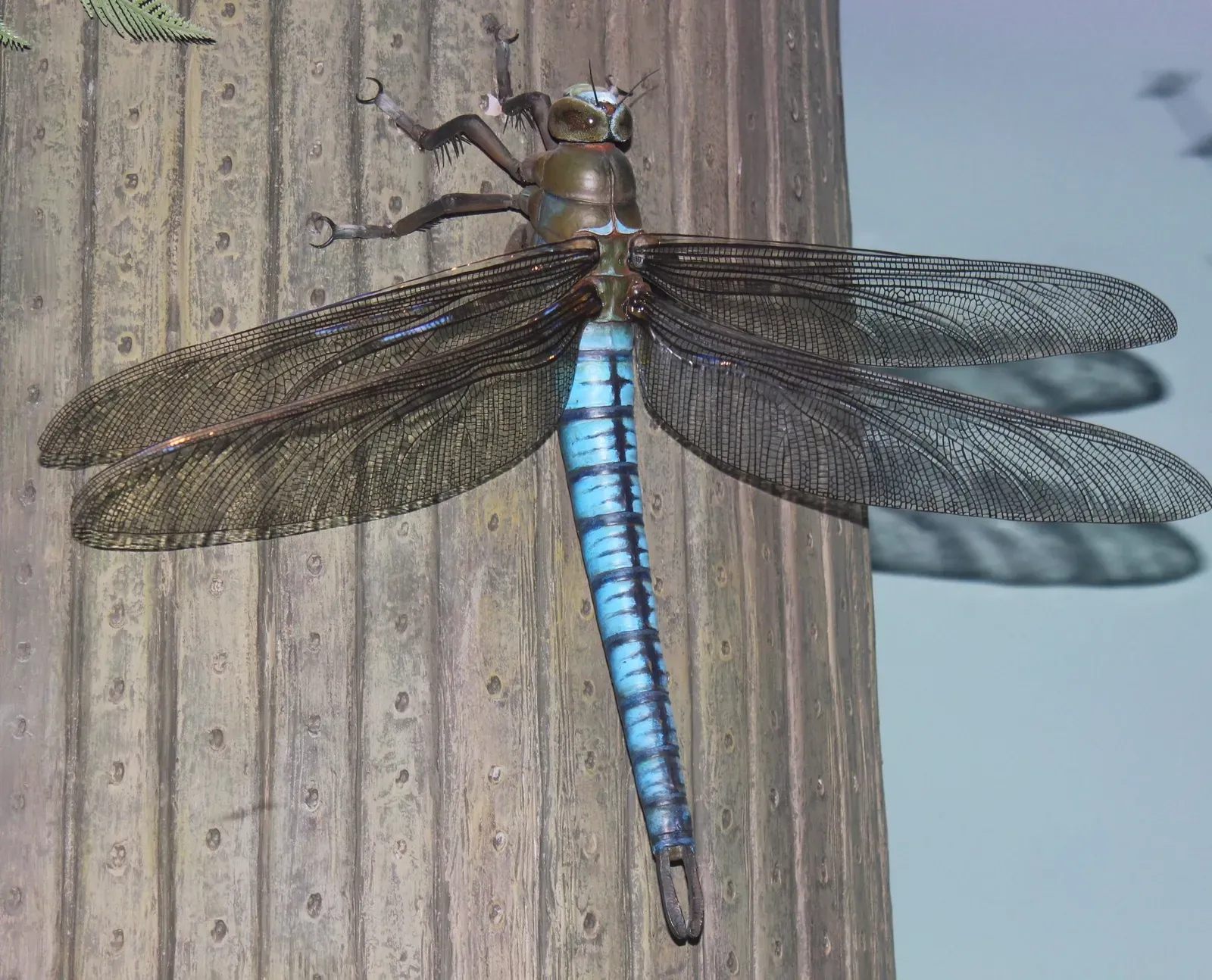
If you find regular dragonflies unsettling – those glittery, buzzing, hovering creatures – then consider yourself fortunate that you weren’t alive in the Carboniferous period. With a wingspan measuring more than 70 centimeters, six spindly, spiny legs, and huge compound eyes, Meganeura was terrifying enough to scare even the most ardent insect-lover. This four-winged monster is widely regarded as the largest flying insect ever, dwarfing its extant dragonfly relatives. Like many of today’s dragonfly species, Meganeura lived in open habitats close to ponds and slow-moving streams.
The secret behind Meganeura’s giant size was Earth’s atmosphere, which contained much more oxygen than today – around 35% compared to our current 21%. This oxygen-rich environment allowed insects to grow to extraordinary sizes since they breathe through their bodies rather than lungs. Fossils of Meganeura were first discovered in some coal-bearing rocks in France in 1880. These specimens were exceptionally preserved, displaying detailed networks of wing veins, which inspired the name Meganeura, or “large-nerve.” A wingspan nearly the size of a golden eagle. Let that sink in.
7. Gorgonopsids: The Pack-Hunting Rulers of the Late Permian
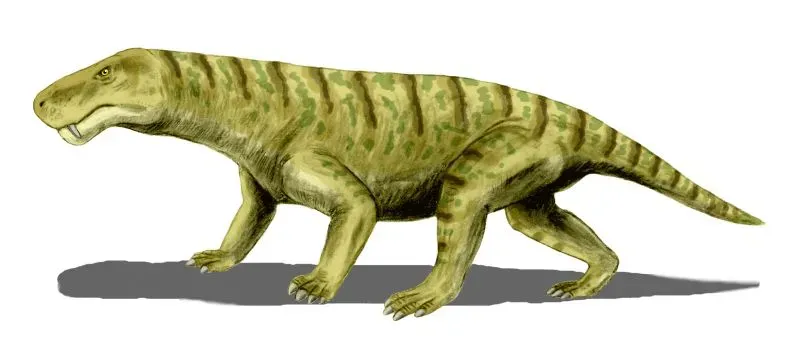
Named after the Gorgon of Greek mythology – those terrifying snake-haired creatures that could turn you to stone with a glance – Gorgonopsids absolutely lived up to their monstrous name. Gorgonopsia is an extinct clade of saber-toothed therapsids from the Middle to the Upper Permian, roughly between 270 and 252 million years ago. They are characterized by a long and narrow skull, as well as elongated upper and sometimes lower canine teeth and incisors, which were likely used as slashing and stabbing weapons. Picture a cross between a wolf, a crocodile, and a saber-toothed cat, and you’re getting somewhere close.
For hunting large prey, they possibly used a bite-and-retreat tactic, ambushing and taking a debilitating bite out of the target, and following it at a safe distance before its injuries exhausted it, whereupon the gorgonopsian would grapple the animal and deliver a killing bite. They would have had an exorbitant gape, possibly in excess of 90 degrees, without having to unhinge the jaw. Gorgonops met its end during the Permian-Triassic mass extinction, the most severe extinction event in Earth’s history, wiping out roughly 90% of species. Even the fiercest rulers eventually fall.
8. Scutosaurus: The Armored Tank of the Permian Landscape
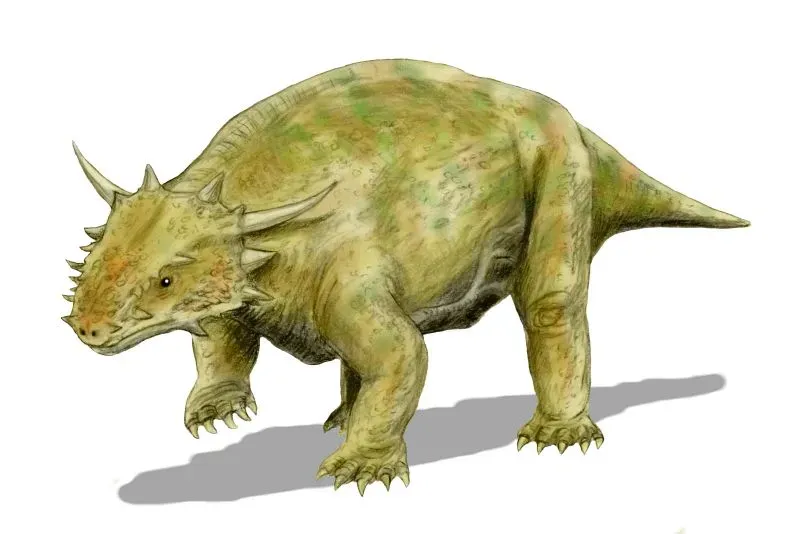
You might be tempted to dismiss Scutosaurus as just a large, slow plant-eater – and you’d be partly right. It was slow. It was a plant-eater. But it was also a walking fortress, and there’s something deeply impressive about that. Pareiasaurs were among the largest reptiles during the Permian. Scutosaurus is a rather large pareiasaur, measuring about 2.5 to 3 meters in length and weighing up to 1,160 kilograms. That’s more than a ton of armored, lumbering reptile – roughly the weight of a modern bison, encased in bony plates.
As a large-bodied herbivore, Scutosaurus represents an early experiment in “megaherbivore” roles before dinosaurs existed. Scutosaurus and other large members of the pareiasaur family were among the first megaherbivores to walk the Earth. They were pioneers in a niche that would later be dominated by dinosaurs such as Stegosaurus, Triceratops, and Ankylosaurus. Remarkably, Scutosaurus looked a lot like those dinosaurs, but was as distantly related from them as we are from whales and dolphins. Interestingly, Scutosaurus’s closest living relative is another armored reptile with a similar reputation as a slowcoach: the tortoise.
9. Tiktaalik: The Fish That Chose to Walk on Land
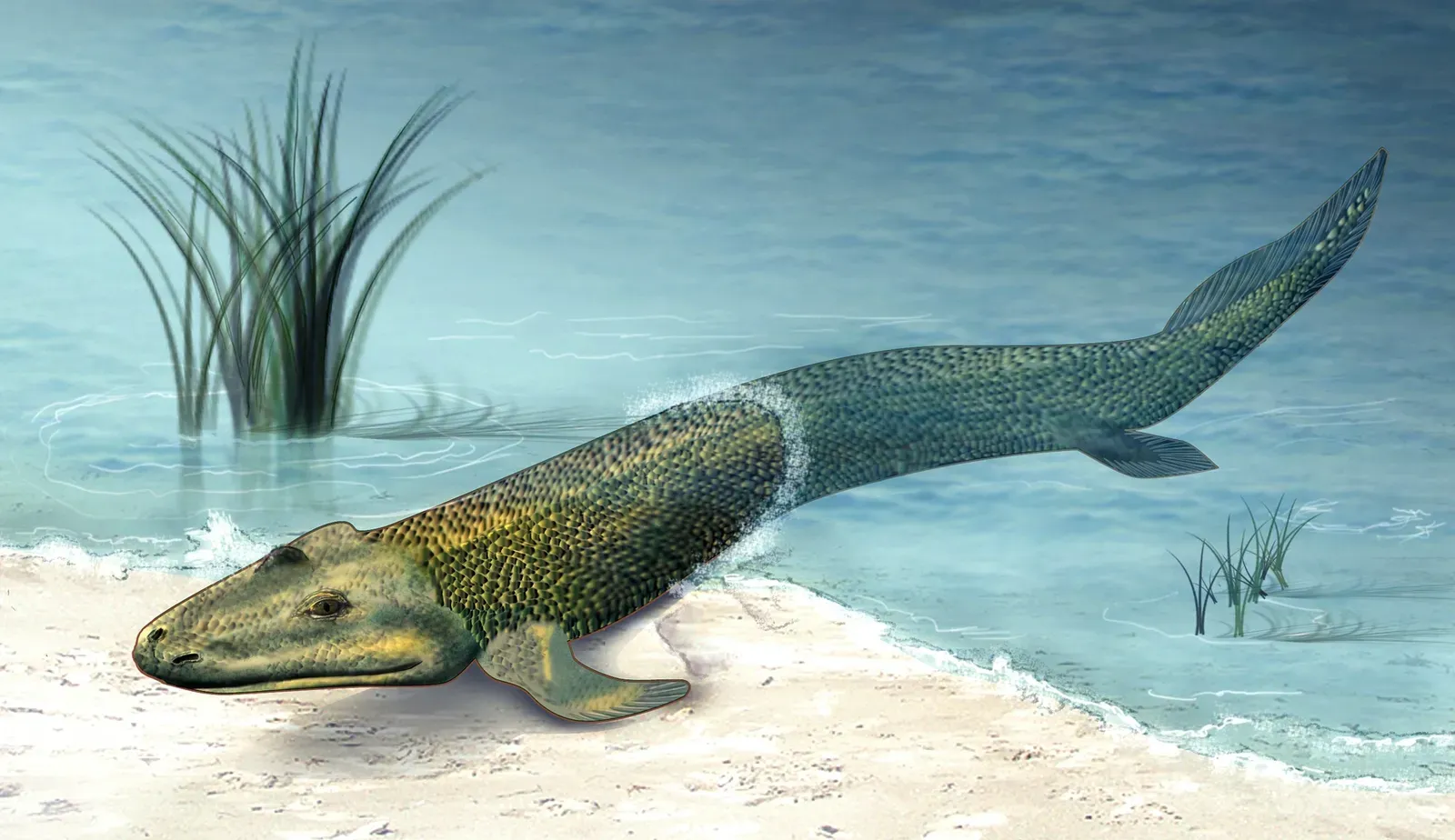
Of all the creatures on this list, Tiktaalik might be the most personally significant to you. Why? Because without this remarkable animal’s bold evolutionary experiment, four-limbed life on land – including every bird, reptile, mammal, and ultimately every human being – might never have happened. Fish aren’t typically known for their ability to walk on land, but Tiktaalik wasn’t your typical fish. It was, by definition, a fish, but sporting primitive, air-breathing lungs as well as gills and four fleshy appendages that resembled limbs, it was well on its way to becoming a fully fledged, terrestrial tetrapod. It was essentially a fish that was testing what it might feel like to be something more.
From fossils found in Arctic Canada, it’s estimated that Tiktaalik grew to lengths of 3 meters. This huge size, combined with large jaws full of needle-like teeth, a mobile neck, and eyes on the top of its head, suggests it was a predator specially adapted for hunting fish in the shallows. Some think it may have even preyed on other, smaller “fishapods” that lived on the margins between land and water. Unlike most other fish, Tiktaalik had robust fins that could support its weight outside of the water, attached to highly mobile joints. It’s this combination that allowed Tiktaalik and others of its kin to experiment with a life on land.
Conclusion: A World That Got Here Before the Giants Did
It’s tempting to think of the dinosaur era as the beginning of Earth’s great chapters – but as you’ve now seen, it was really closer to the middle of the book. Before the age of the mighty dinosaurs, the Earth was a very different place, ruled by a cast of fascinating and often bizarre creatures. While the dinosaurs dominated the Mesozoic Era, the Paleozoic Era preceding it saw the rise and fall of other dominant groups. Each of these nine creatures ruled their world completely, fiercely, and on their own terms – until mass extinctions reshuffled the deck and gave the next group its turn.
The Permian-Triassic extinction event, often called the “Great Dying,” was the largest mass extinction in Earth’s history. It occurred approximately 252 million years ago and wiped out an estimated 96% of marine species and 70% of terrestrial vertebrate species. That catastrophic reset, as devastating as it was, ultimately opened the door for the rise of the dinosaurs. While many of these species disappeared due to mass extinctions, their existence paved the way for new evolutionary paths – including the rise of the dinosaurs. Understanding these creatures helps scientists piece together the complex history of life on Earth and how species adapted to a constantly changing world.
The next time someone tells you that Earth’s most fascinating chapter began with dinosaurs, you’ll know better. The story started hundreds of millions of years earlier, with creatures just as extraordinary – and honestly, in some ways, far stranger. Which of these nine pre-dinosaur rulers do you think deserves more attention? Tell us in the comments below!