Somewhere deep in prehistoric time, long before modern cities or written language, a group of small, warm-blooded creatures quietly conquered the world. They were not the biggest. They were not the loudest. Yet they outlasted the dinosaurs, survived volcanic winters, and diversified into everything from blue whales to bats. How they pulled it off is honestly one of the most thrilling stories in the history of life.
The evolution of mammals has passed through many stages since the first appearance of their synapsid ancestors in the Pennsylvanian sub-period of the late Carboniferous period. Each stage left behind a gift, a biological trick, a structural upgrade that made survival more likely than not. You’re about to discover nine of the most remarkable of those tricks, and I promise some of them will genuinely surprise you. Let’s dive in.
The Warmth Within: Endothermy and the Power of Self-Generated Heat
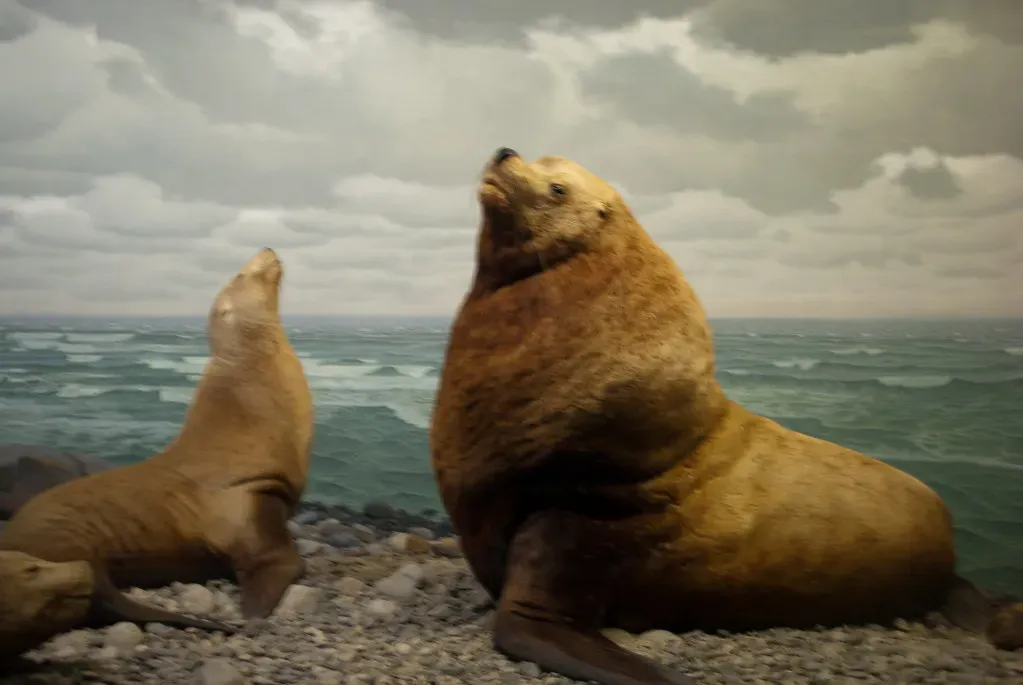
Imagine trying to survive a frozen tundra night when your body temperature is entirely dependent on the sun. For most reptiles, that is the reality. Prehistoric mammals broke this rule entirely, evolving the ability to generate their own heat from within. This trait, known as endothermy, was nothing short of a revolutionary biological superpower.
The nocturnal lifestyle may have contributed greatly to the development of mammalian traits such as endothermy and hair. By staying active at night, early mammals occupied a niche that larger, cold-blooded predators simply could not exploit. Your ancient mammalian ancestors were essentially the original night-shift workers, and their internal furnaces kept the whole operation running.
Modern mammals have respiratory turbinates, convoluted structures of thin bone in the nasal cavity, lined with mucous membranes that warm and moisten inhaled air and extract heat and moisture from exhaled air. An animal with respiratory turbinates can maintain a high rate of breathing without the danger of drying its lungs out, and therefore may have a fast metabolism. That’s a beautifully elegant piece of engineering, hidden right inside the nose.
The Revolutionary Jaw-to-Ear Transformation
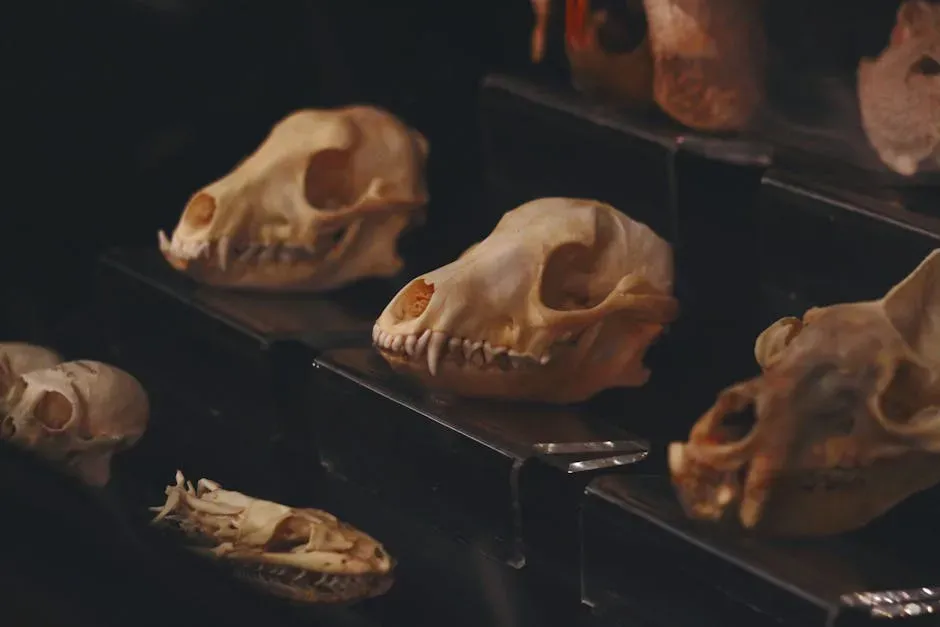
During the evolutionary succession from early therapsid to cynodont to eucynodont to mammal, the main lower jaw bone, the dentary, replaced the adjacent bones. Thus, the lower jaw gradually became just one large bone, with several of the smaller jaw bones migrating into the inner ear and allowing sophisticated hearing. Let’s be real, if someone told you that story as a work of fiction, you’d call it too far-fetched to be believable.
In its descendants or those of animals with a similar arrangement, the brain case was free to expand without being constrained by the jaw, and the jaw was free to change without being constrained by the need to keep the ear near the brain – in other words it now became possible for mammaliaforms both to develop large brains and to adapt their jaws and teeth in ways that were purely specialized for eating. One elegant structural shift unlocked the door to both intelligence and dietary flexibility. Honestly, evolution does not get more creative than that.
The Tribosphenic Molar: Nature’s Multi-Tool Tooth
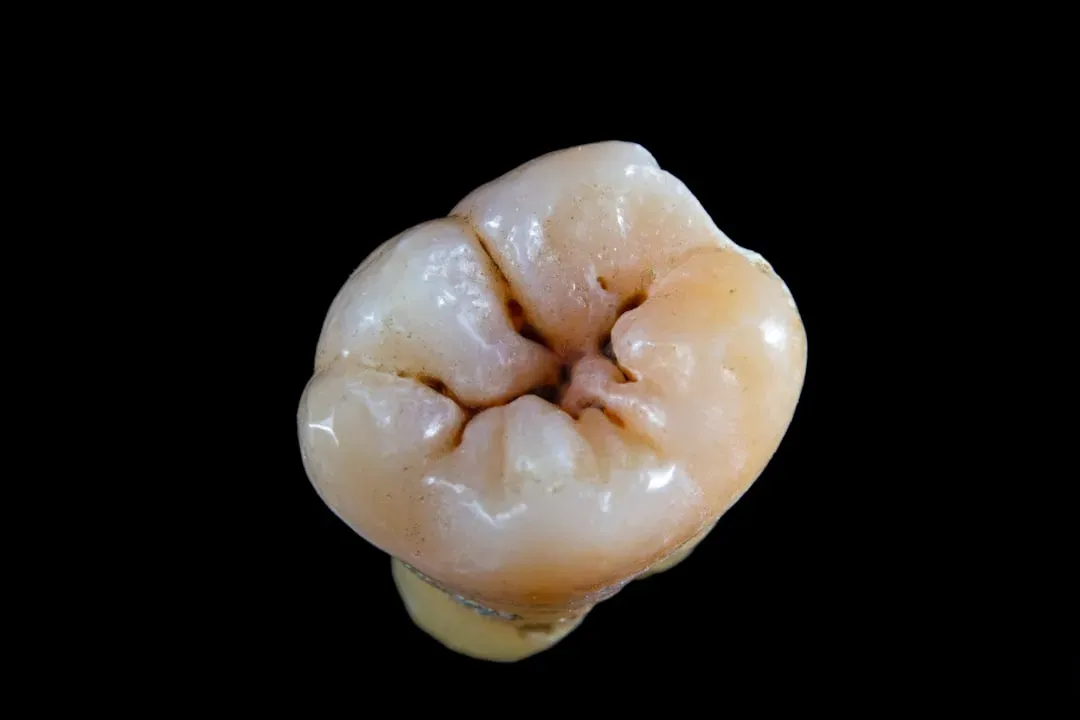
You might not give much thought to your back teeth. Yet the multi-cusped molars inside your mouth right now trace back to one of the most important dental innovations in vertebrate history. One major innovation of mammals is the tribosphenic molar, characterized by the evolution of a neomorphic upper cusp and a lower basin that occlude and provide shearing and crushing functions. This type of molar is an evolutionarily flexible structure that enabled mammals to achieve complex dental adaptations.
The tribosphenic molars had dual primary functions: shearing and grinding. By emphasizing either function, Cenozoic mammals could evolve in different directions in adaptation to different diets, including adaptation to herbivorous diet by enhancing grinding function, and adaptation to carnivorous diet. Think of it like a Swiss Army knife hidden in the jaw. One basic template, endlessly customizable. In the Cenozoic, after the extinction of dinosaurs, therian mammals with tribosphenic molars thrived because they experienced adaptive radiation into vacant ecological niches.
Fur and Fat: The Woolly Mammoth’s Arctic Survival Suit
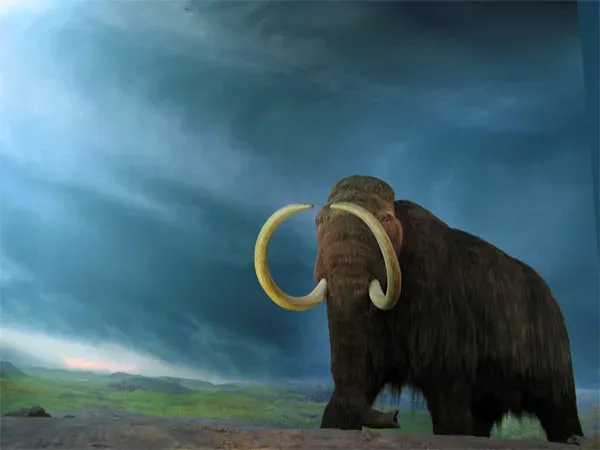
Few prehistoric mammals illustrate physical adaptation more dramatically than the woolly mammoth. Everything about this creature was engineered for one purpose: surviving brutal, unrelenting cold. This dense, multi-layered coat consisted of three distinct types of hair: a long, coarse outer layer that provided protection against wind and snow; a shorter, insulating underlayer for warmth; and fine, wool-like strands that added an additional barrier to the cold.
Woolly mammoths evolved a suite of adaptations for arctic life, including morphological traits such as small ears and tails to minimize heat loss, a thick layer of subcutaneous fat, long thick fur, and numerous sebaceous glands for insulation, as well as a large brown-fat deposit behind the neck that may have functioned as a heat source and fat reservoir during winter. Even their blood was modified. The mammoth haemoglobin functioned over an extremely wide temperature range compared with their tropical elephant cousins. This could be due to more chloride binding sites on the molecule, which changes how much heat is released during binding.
Nocturnal Living and the Expansion of the Mammalian Brain
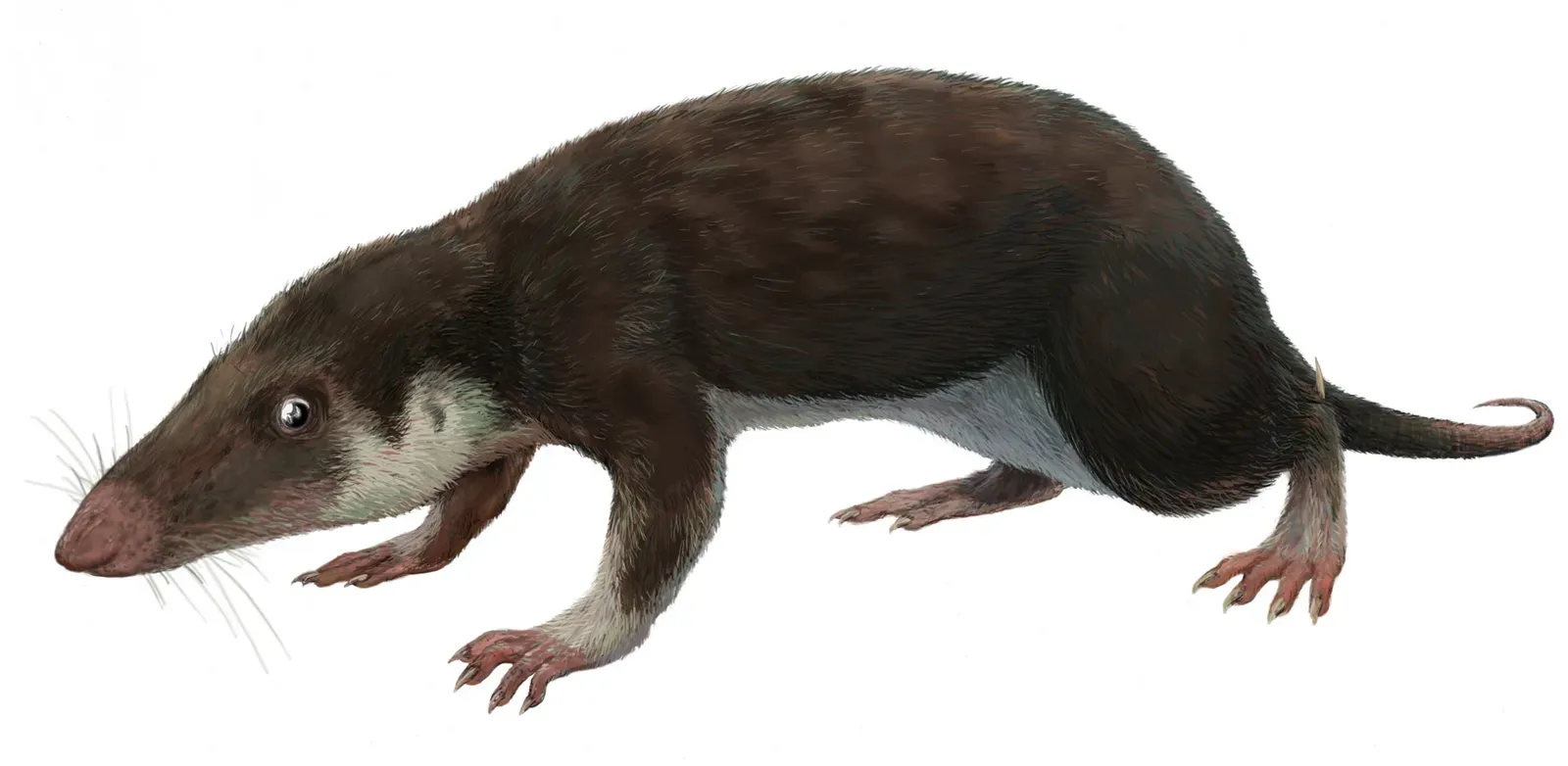
Here’s the thing about living in the dark: it forces you to get smarter. Early mammals, squeezed out of daytime niches by dominant archosaurs and dinosaurs, had no choice but to thrive at night. This pressure forged something extraordinary. The mammaliaforms appeared during this period; their superior sense of smell, backed up by a large brain, facilitated entry into nocturnal niches with less exposure to archosaur predation.
In mammals, we begin to see an evolutionary arms race in brain size. First the cerebral brain size increased in predators, then in prey, then again in predators, then again in prey, with such co-evolutionary changes leading further developments. It’s a classic feedback loop, where the smartest survive, and their offspring have to keep getting smarter to stay ahead of equally evolving threats. You could almost call it the original cognitive arms race.
Diversification into Every Niche: From Diggers to Gliders
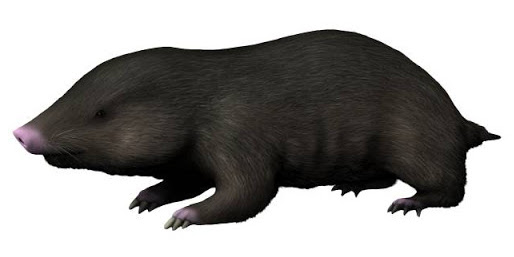
One of the most astonishing things about prehistoric mammals is not just that they survived, it’s the sheer diversity of lifestyles they carved out while dinosaurs still walked the Earth. There were tree-climbers like Agilodocodon; diggers like Docofossor that resembled moles; web-footed and beaver-tailed swimmers like Castorocauda; and vermin like Volaticotherium and Vilevolodon that glided between trees on their wings of skin.
Volaticotherium, from the early Cretaceous about 125 million years ago, is the earliest-known gliding mammal and had a gliding membrane that stretched out between its limbs, rather like that of a modern flying squirrel. Meanwhile, some, like the wolverine-sized Repenomamus, used their sharp teeth to devour baby dinosaurs, as recorded by a fossilized last meal in the stomach of one skeleton. Let that sink in for a moment. A small mammal that hunted dinosaur young. Evolution really does not play by anyone’s rules.
Placental Reproduction: A Head Start Hardwired into Biology
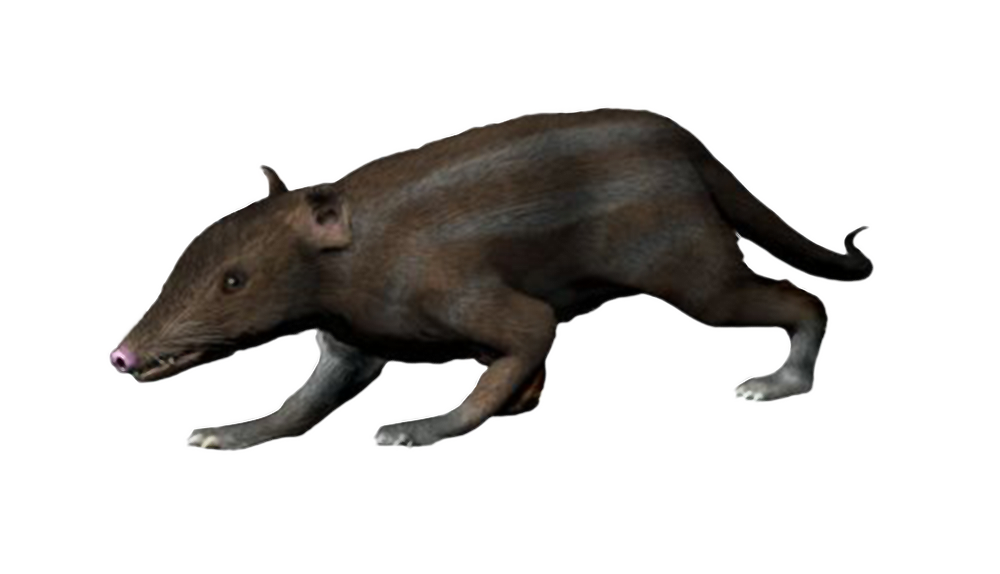
Perhaps no adaptation was more consequential over the long run than the development of placental birth. Rather than laying eggs and hoping for the best, a major group of mammals evolved the ability to nurture young internally until they were far more developed. This was not a small upgrade. It was a complete reimagining of how life was passed from one generation to the next.
The surviving placentals got bigger, developed a variety of diets and locomotory styles, and spread globally. This explosive potential was always baked into the placental reproductive system. During the Cenozoic, mammals proliferated from a few small, simple, generalised forms into a diverse collection of terrestrial, marine, and flying animals, giving this period its other name, the Age of Mammals. The internal womb was the engine behind that entire explosion.
Dental Hypsodonty: High-Crowned Teeth for a Grass-Dominated World
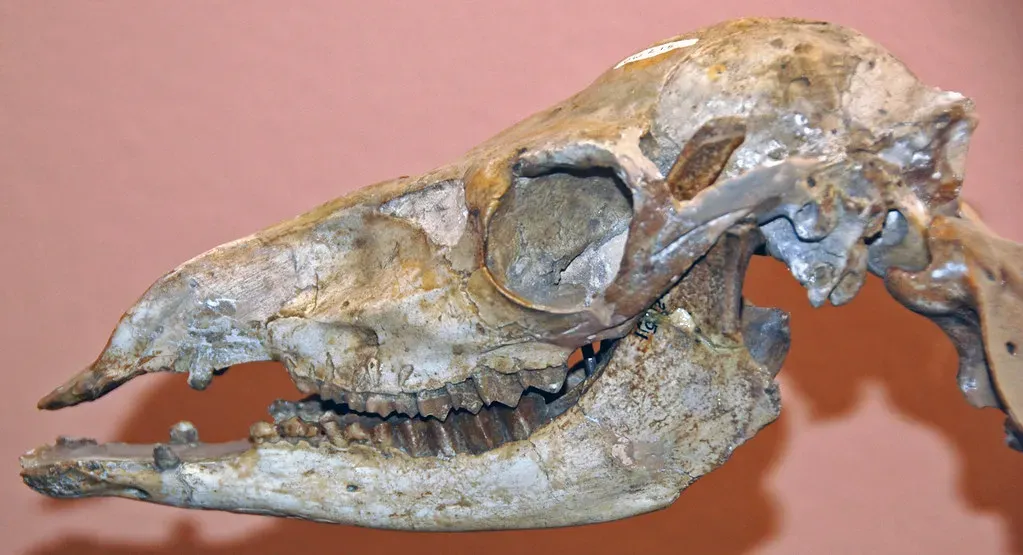
As the world changed from dense ancient forests to wide open grasslands across the Cenozoic, the teeth of many mammal lineages changed with it. Grasses are rough, gritty, and hard on tooth enamel. Mammals that wanted to eat them had to evolve teeth that could last a lifetime of grinding. Starting with primitive forms that had low-crowned teeth for browsing leafy vegetation, many herbivorous mammals evolved specialized teeth for grazing gritty grasses and long limbs for running and escaping from increasingly efficient predators.
Grazers are distinct from browsers in a number of aspects of the jaws and teeth, particularly hypsodonty: high crowns allowing them to wear down over the lifetime of the mammal due to the wear-and-tear of eating phytolith-rich grasses. Think of high-crowned teeth like the thick soles of a heavy-duty work boot. The more abuse they had to take, the thicker and tougher they became. Certain adaptations in mammal lineages, such as the evolution of equids (horses), bovids (antelopes, including buffalo, bison, cows, goats, sheep), and the like, were thought to document evolutionary responses to this environmental shift.
The Return to the Sea: Cetacean Aquatic Transformation
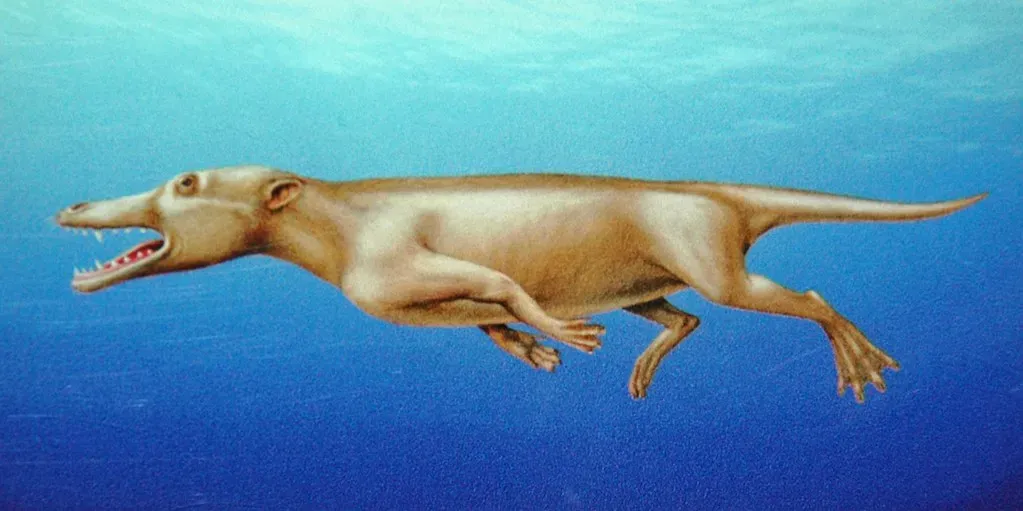
If you want one single adaptation story that captures just how radical mammalian evolution can be, it is the story of the whales. At some point roughly 50 million years ago, a group of land-dwelling, hoofed mammals began wading into shallow water. Over millions of generations, their descendants became fully marine creatures that now rank among the largest animals ever to exist on Earth.
Early Eocene stem-cetaceans were small hoofed semi-aquatic long-tailed mammals. Over the Eocene, cetaceans became progressively more aquatic, but still capable of coming out onto land and giving birth. Even within the Eocene there are taxa poorly able to move on land. In the Late Eocene there are fully marine taxa, including the largest animals in the Eocene world. It’s hard to say for sure whether any other evolutionary story is quite as dramatic. A creature that once walked on land, slowly reclaiming the ocean. Certain lifestyles, such as aquatic habitats or herbivory, led to faster evolutionary change in mammalian lineages, and no group demonstrates this more powerfully than the cetaceans.
Conclusion: The Enduring Legacy of Prehistoric Adaptation
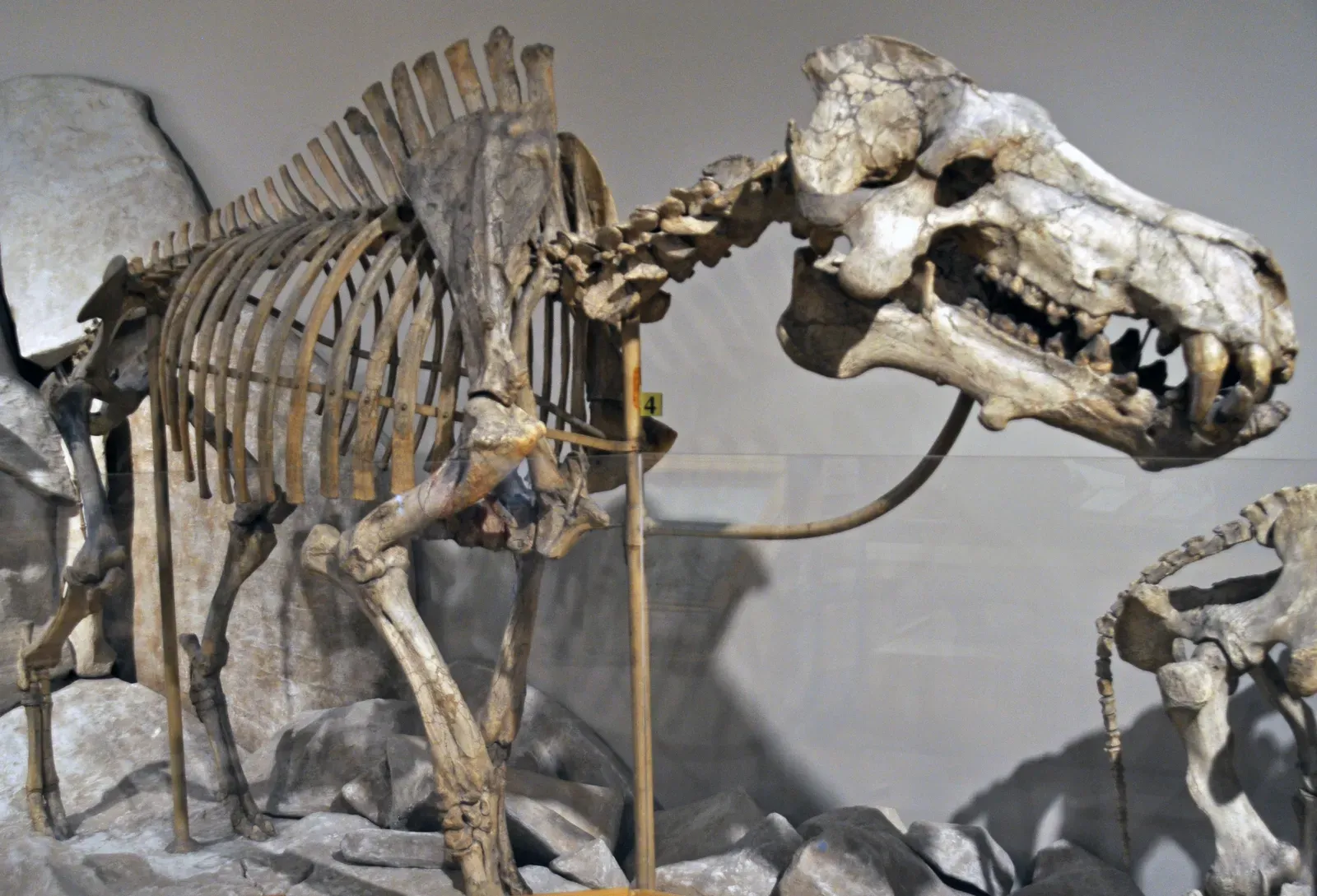
The story of prehistoric mammalian adaptation is, in many ways, your story too. Every warm breath you take, every sound you hear, every meal you chew with those complex back teeth, all of it echoes hundreds of millions of years of relentless biological creativity. These ancient creatures did not simply survive. They transformed, innovated, and diversified in ways that continue to astonish scientists even today.
As scientists uncovered fossil records and pieced together evolutionary puzzles, it became clear that these ancient creatures held secrets to survival strategies that still influence modern mammals. By studying them, researchers gain insights into climate adaptation, dietary specialization, and even social behaviors that echo through time. The lessons locked inside prehistoric bones are far from finished teaching us.
From the woolly mammoth’s arctic survival suit to the jaw bones that became your inner ear, these nine adaptations represent some of the most extraordinary biological solutions ever devised by life on Earth. The next time you feel warm on a cold night or chew a tough meal without thinking twice, remember: you’re carrying millions of years of prehistoric ingenuity with you. What do you think is the most mind-blowing of these adaptations? Drop your thoughts in the comments.