You’ve seen dinosaurs roaring on screen, read about their fossilized bones, and maybe imagined what it must have been like when these ancient giants ruled the Earth. Yet what makes these creatures truly captivating isn’t just their size or their extinction. It’s how they lived, how they interacted, and what drove their daily routines. Scientists have been piecing together fragments of their behavioral patterns through clues hidden in ancient stone and bone. Some discoveries have completely flipped our assumptions upside down.
These aren’t the mindless beasts we once thought they were. From protecting their young to making complex sounds and traveling hundreds of miles, dinosaurs exhibited behaviors that reveal a sophisticated and dynamic existence. Let’s dive into some unexpected truths about how these remarkable animals actually behaved millions of years ago.
They Formed Complex Social Herds Far Earlier Than We Realized
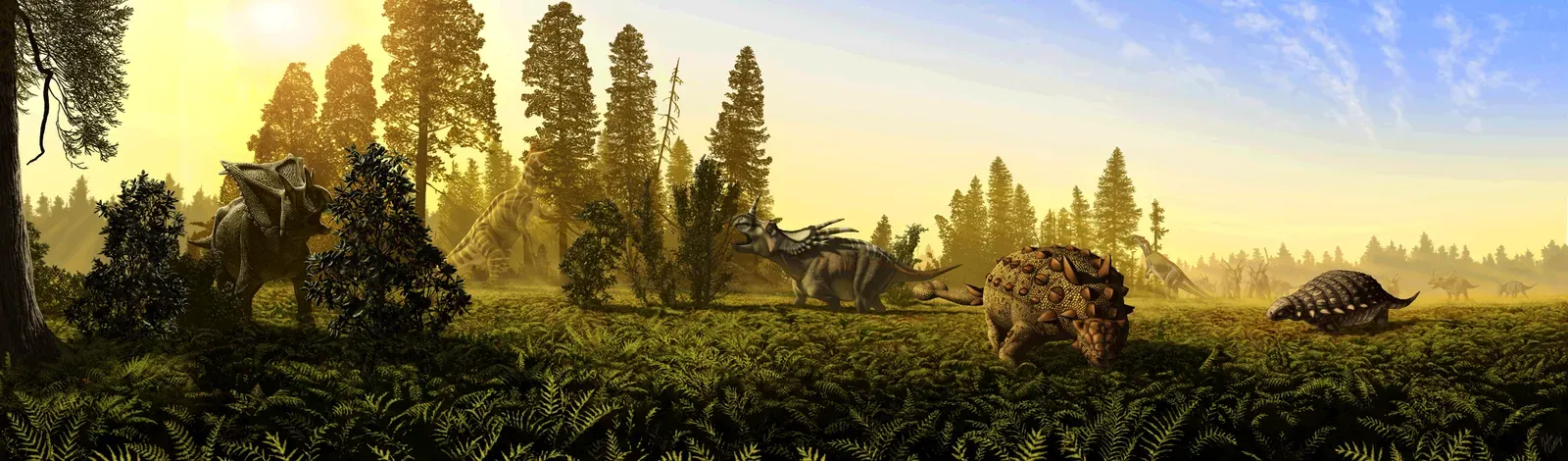
Dinosaurs may have evolved to live in complex social herds as early as 193 million years ago, around the dawn of the Jurassic period. Think about that for a second. While we often picture solitary beasts stomping through prehistoric forests, evidence shows that many species actually gathered in tightly organized groups.
When researchers unearthed fossil remains of Mussaurus patagonicus in Argentina, they noticed that younger specimens were grouped together while the adults were in pairs or alone, suggesting that the animals gathered in age-oriented groups. This isn’t random clustering. It appears these creatures optimized foraging through age-based social partitioning, with neonates, juveniles, and adults apparently foraging and perishing in age-based groups. Much like modern elephants or bison, early dinosaurs traveled in communities where the social structure provided safety, efficiency, and better survival odds for their young.
Juvenile Dinosaurs Banded Together for Protection
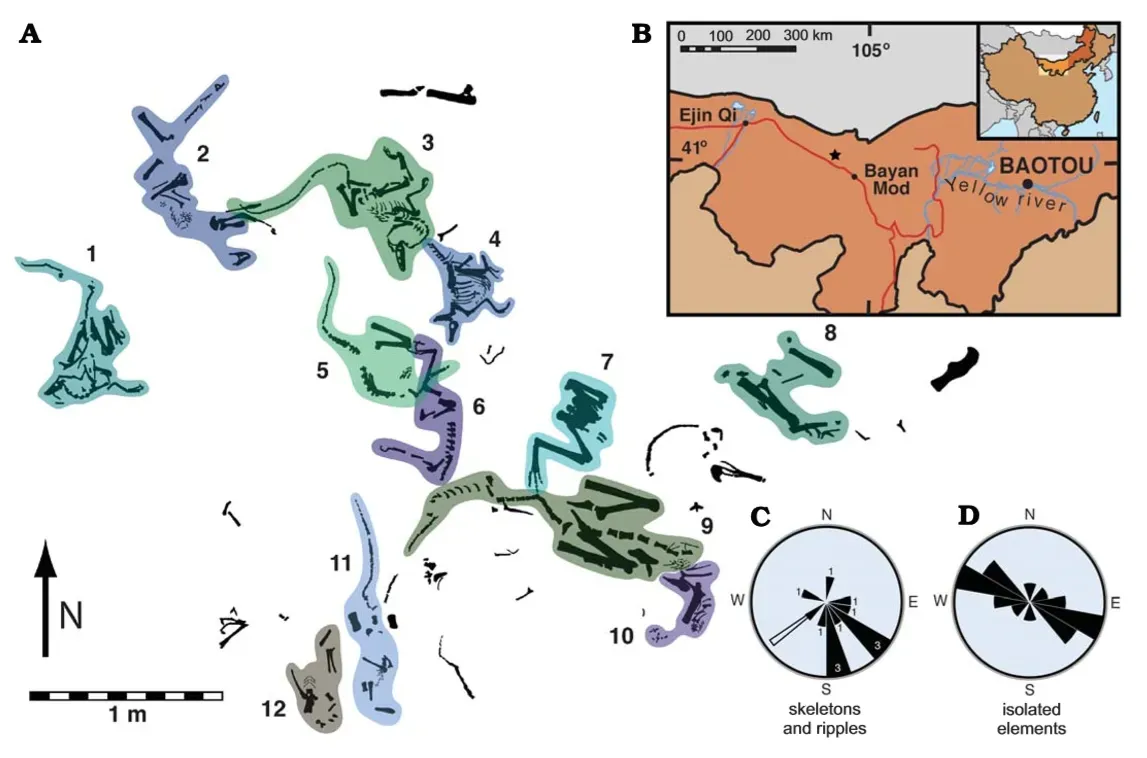
Here’s something unexpected. A site in Inner Mongolia yielded the remains of over twenty Sinornithomimus, from one to seven years old. These weren’t family units but rather groups composed entirely of young dinosaurs.
Juveniles of almost all species are much more vulnerable to predators than mature animals, so adults are better at recognizing threats, forage in better areas and for less time, and are typically either faster or better equipped to fend off attacks. Honestly, it makes sense when you think about it. Young dinosaurs couldn’t rely on their size or strength yet, so traveling in packs gave them better odds of spotting danger early. This separation between young and adult groups suggests that dinosaurs had a level of social organization we rarely associate with ancient reptiles.
Dinosaur Parents Were Surprisingly Attentive
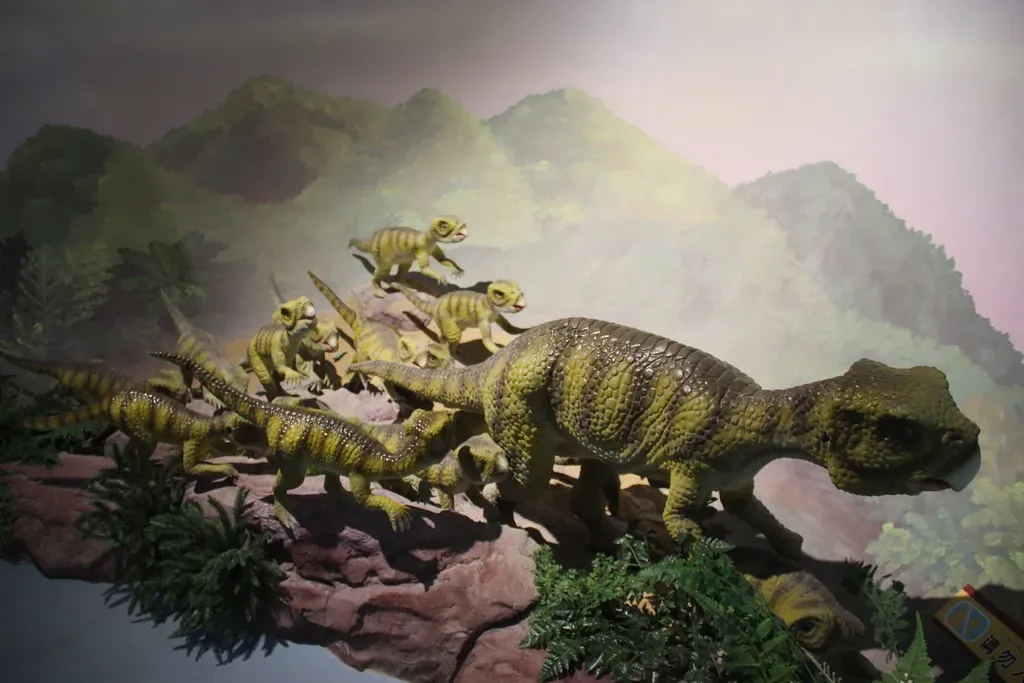
Let’s be real: the idea of a nurturing Tyrannosaurus might sound a bit ridiculous. Duck-billed Maiasaura, whose name means “good mother lizard,” is thought to have nested in large colonies and may have extensively provided food and protection for their hatchlings.
Grouped hadrosaur nest sites have been found with badly crushed eggshells and skeletons of baby dinosaurs with slightly worn teeth still in the nests, suggesting that some babies stayed in their nests after hatching and probably were fed by parents. Picture it: massive creatures carefully watching over their tiny offspring, bringing them food and defending them from predators. Not all species did this, though. For some groups like sauropods, evidence points to a strategy of laying eggs and leaving them, similar to turtles today. Still, the range of parenting strategies shows that these animals were far more varied and complex than we once assumed.
They Communicated With Closed-Mouth Vocalizations
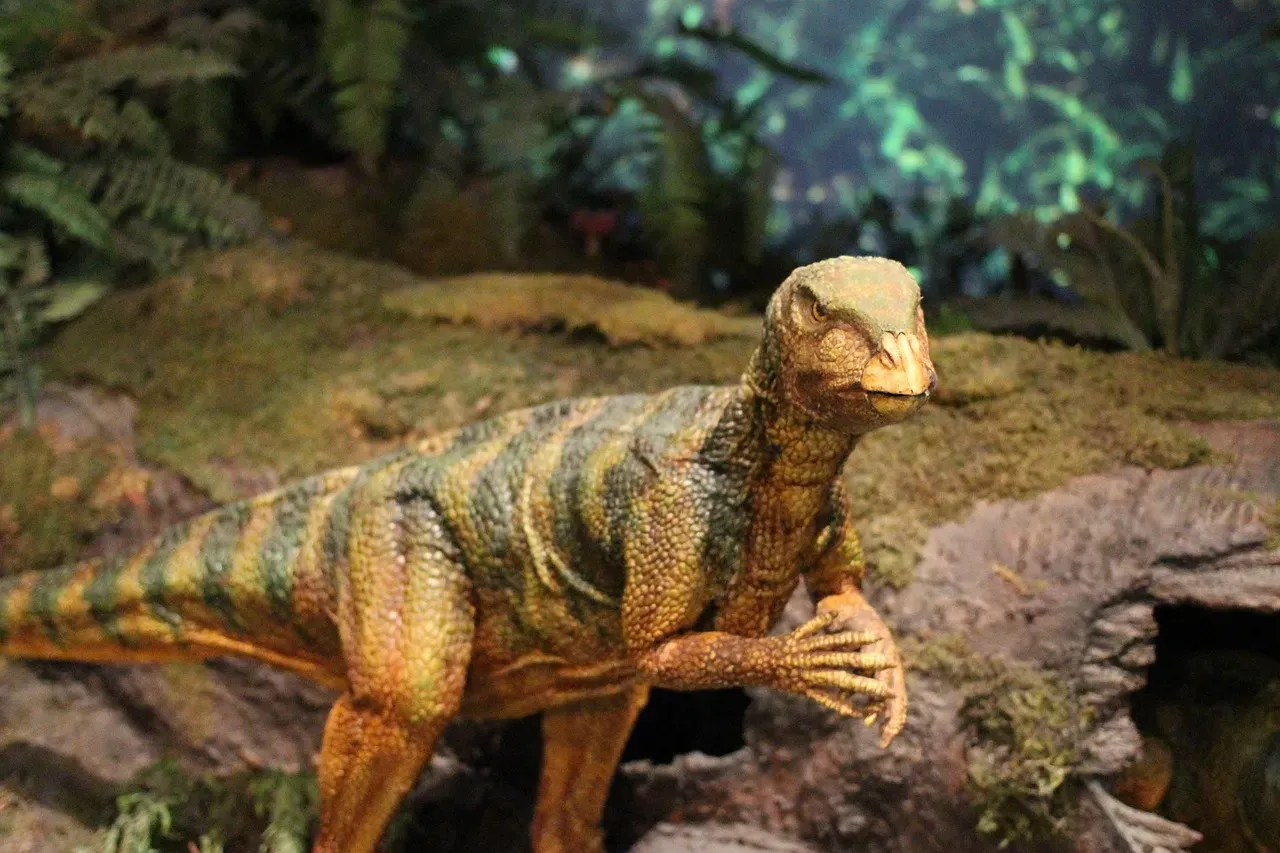
Forget those intimidating roars you’ve heard in the movies. Scientists theorize that many dinosaurs may have produced closed-mouth vocalizations by inflating their esophagus or tracheal pouches while keeping their mouth closed, producing something comparable to a low-pitched swooshing, growling, or cooing sound.
This ability evolved at least 16 times in Archosaurs, a group that includes birds, dinosaurs, and crocodiles. Think of the deep boom of an ostrich or the rumbling growl of a crocodile. That’s closer to what you might have heard during the Mesozoic era. Only animals with a relatively large body size, about the size of a dove or larger, use closed-mouth vocalization behavior, and since dinosaurs are members of the Archosaur group with many large body sizes, it is likely that some made these vocalizations. So instead of terrifying roars echoing across ancient plains, you’d more likely hear low, resonating hums and booms.
Hadrosaurs Had Built-In Sound Amplifiers
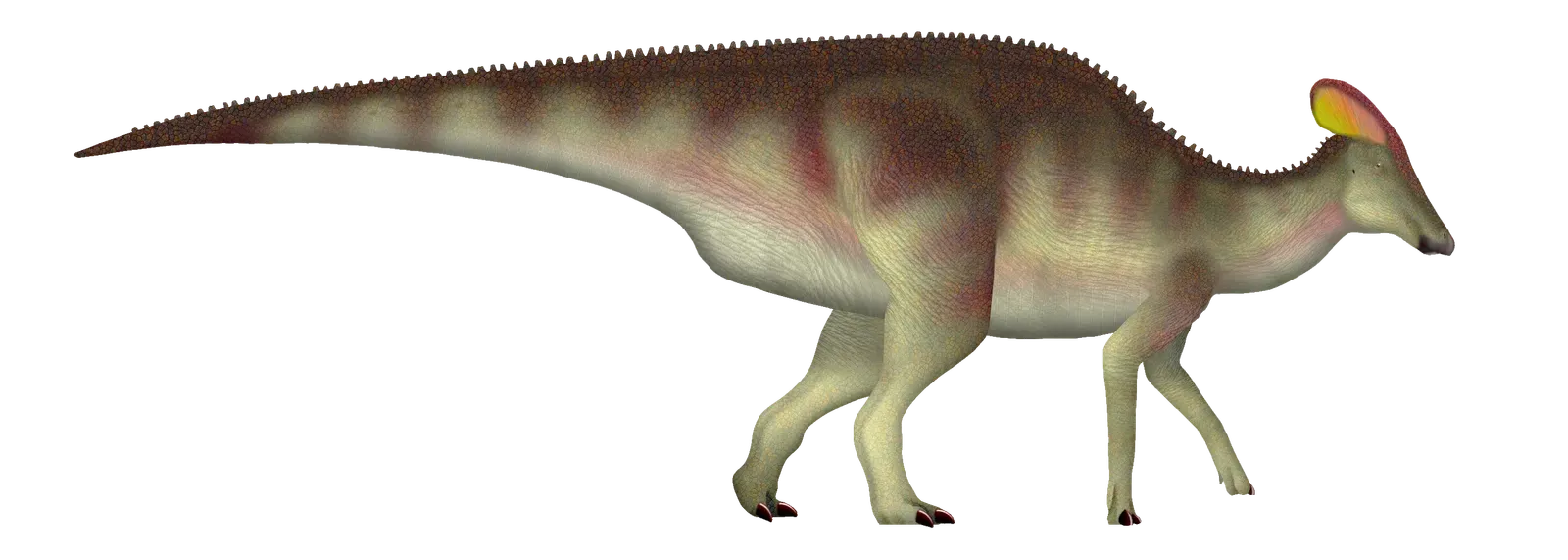
Some dinosaurs took communication to another level entirely. Hadrosaurs had crests that acted as in-built resonators, channelling air through the skull and creating enhanced sounds through the nose, with each species’ crest being a different shape potentially producing unique ranges of sounds. One genus, Parasaurolophus, even had a crest with an internal structure somewhat like a trombone.
Researchers speculate the sound may have been somewhat birdlike, and it’s probably not unreasonable to think they did songs of some sort to call one another, given that fossil records suggest they were able to hear lower frequencies than humans. Imagine walking through a Cretaceous forest and hearing the haunting, low-frequency calls of these duck-billed dinosaurs echoing through the trees. That’s not science fiction. That’s likely how it actually was.
They Migrated Hundreds of Miles Seasonally
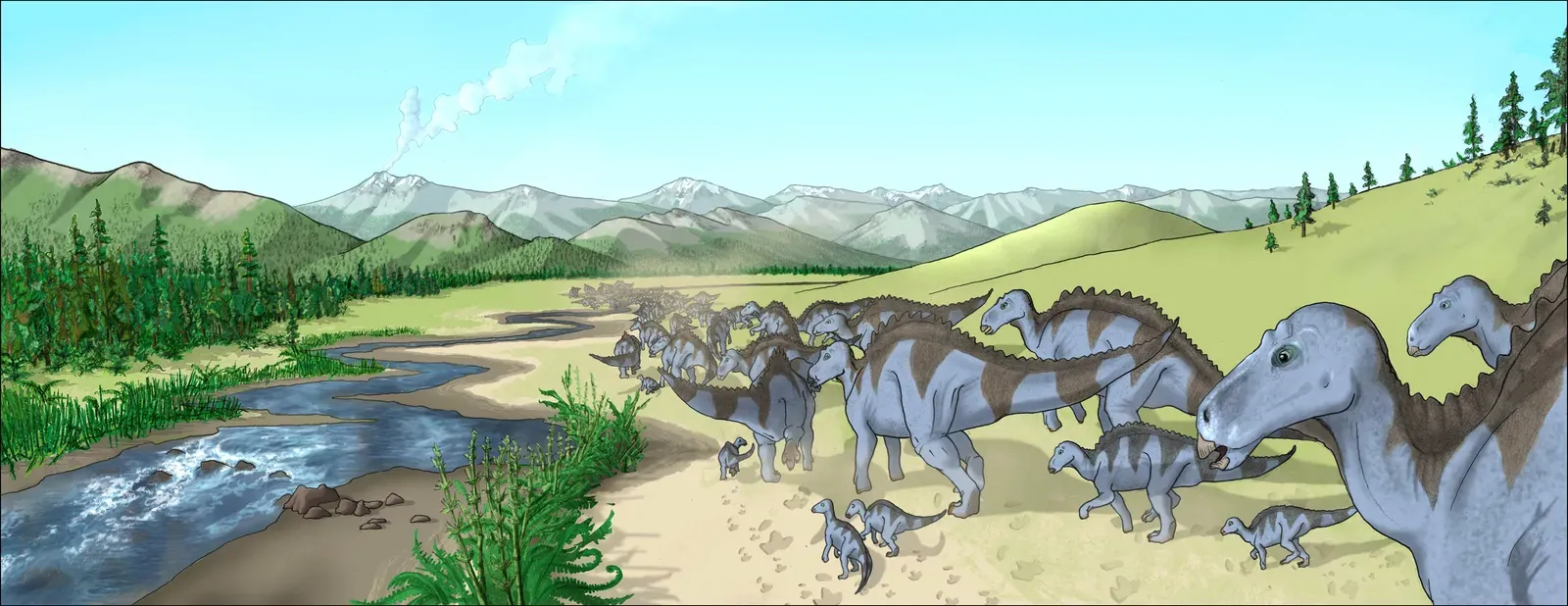
A fossil-teeth analysis uncovered the best evidence yet that dinosaurs migrated seasonally like modern-day birds or elephants, with Camarasaurus dinosaurs walking hundreds of miles on marathon migrations in late Jurassic North America, likely responding to shifts in food and water availability.
The dinosaurs probably traveled more than 350 miles to find food and water in the highlands, and they appear to show isotopes from the highlands but were found in the basin. These weren’t short strolls. We’re talking about long, grueling treks across ancient continents. Long-necked dinosaurs even gulped down pink stones in what is now Wisconsin, trekked westward more than 600 miles, and then died in the area that’s now Wyoming, leaving the stones in a new location, demonstrating they were transported in the belly of a dinosaur. It’s hard to say for sure, but the sheer distances involved suggest these animals followed seasonal patterns just like wildebeests or caribou today.
Some Dinosaurs Practiced Display Behaviors to Attract Mates
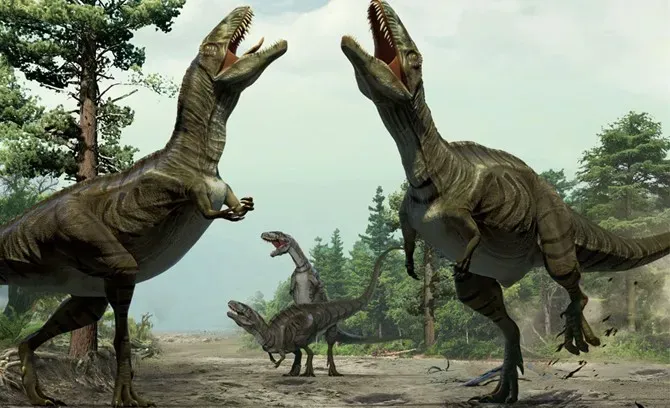
New mating display scrapes of theropods were discovered in Colorado at Dinosaur Ridge, and the site preserving these traces is likely to be a lek site. A lek is an area where males gather to compete for the attention of females through displays, much like modern birds of paradise or prairie chickens.
The spiky armor of Spicomellus, with spikes more than three feet long, is generally thought to be something to do with display, often related to trying to attract a mate, so it could be that Spicomellus was showing off to try and get a girlfriend. Honestly, picturing a dinosaur covered in massive spikes parading around to impress potential partners is both hilarious and humbling. These animals weren’t just surviving. They were courting, competing, and putting on elaborate displays to win mates.
Oviraptors Were Misunderstood Protective Parents
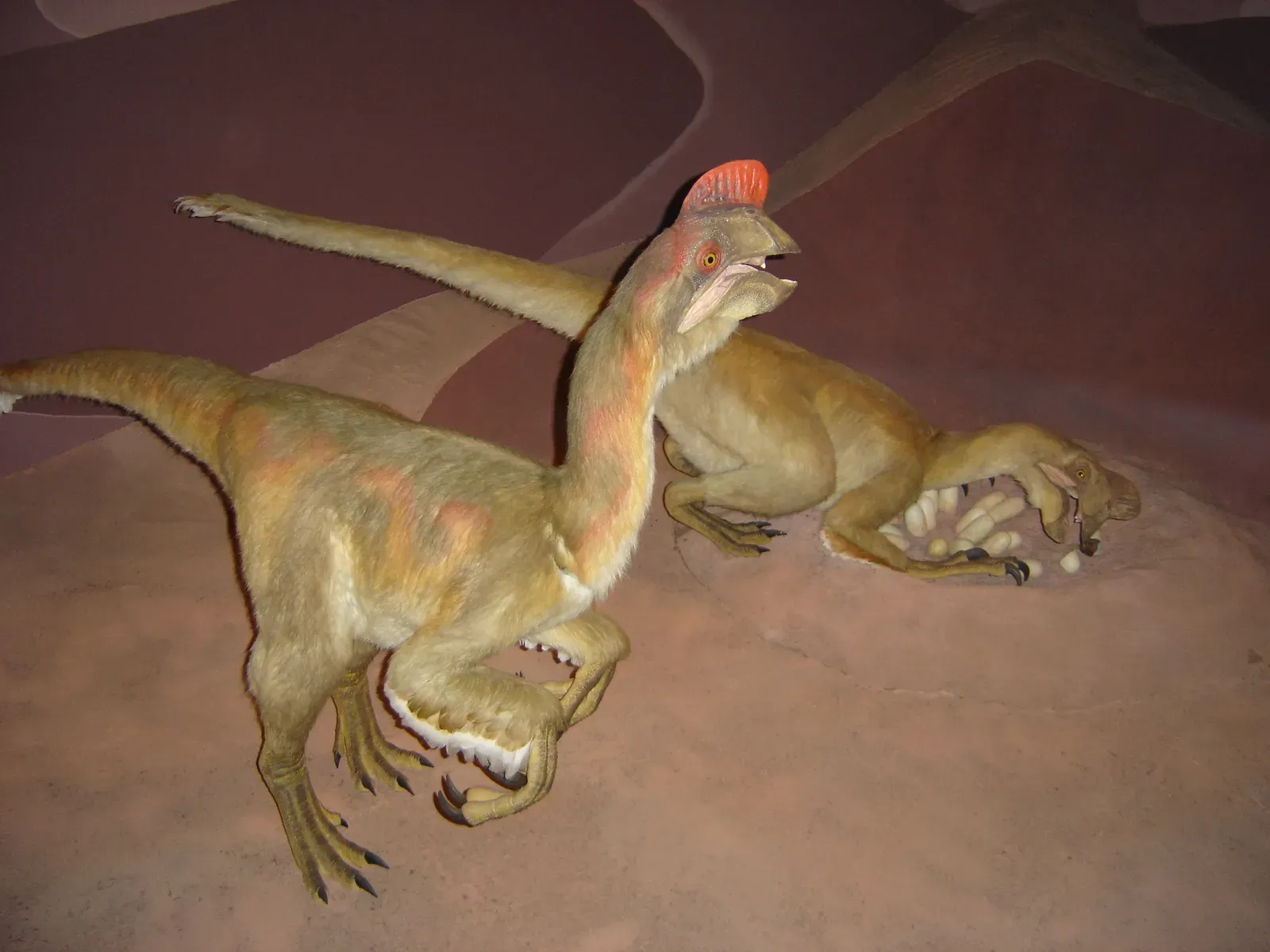
When scientists in the 1920s found a fossilized Oviraptor next to a nest, they thought the dinosaur was trying to steal somebody else’s eggs, hence the name in Latin means egg-snatcher, but fifty years later, they regarded Oviraptor fossils as some of the most compelling visual examples suggesting that some dinosaurs hunched over their nests to protect their babies.
The American Museum of Natural History uncovered Citipati, an oviraptorosaur brooding a clutch of elongated eggs, changing the narrative completely, and the egg thief was in fact displaying parental care. What we once saw as a villain stealing eggs turned out to be a devoted parent guarding its own young. Oviraptorids laid two eggs at a time in a clutch of 30 or more, meaning the mother would have to stay with or return to the nest, lay her pair of eggs, and arrange them carefully every day for two weeks to a month. That’s dedication.
Dinosaur Speed Has Been Completely Reassessed
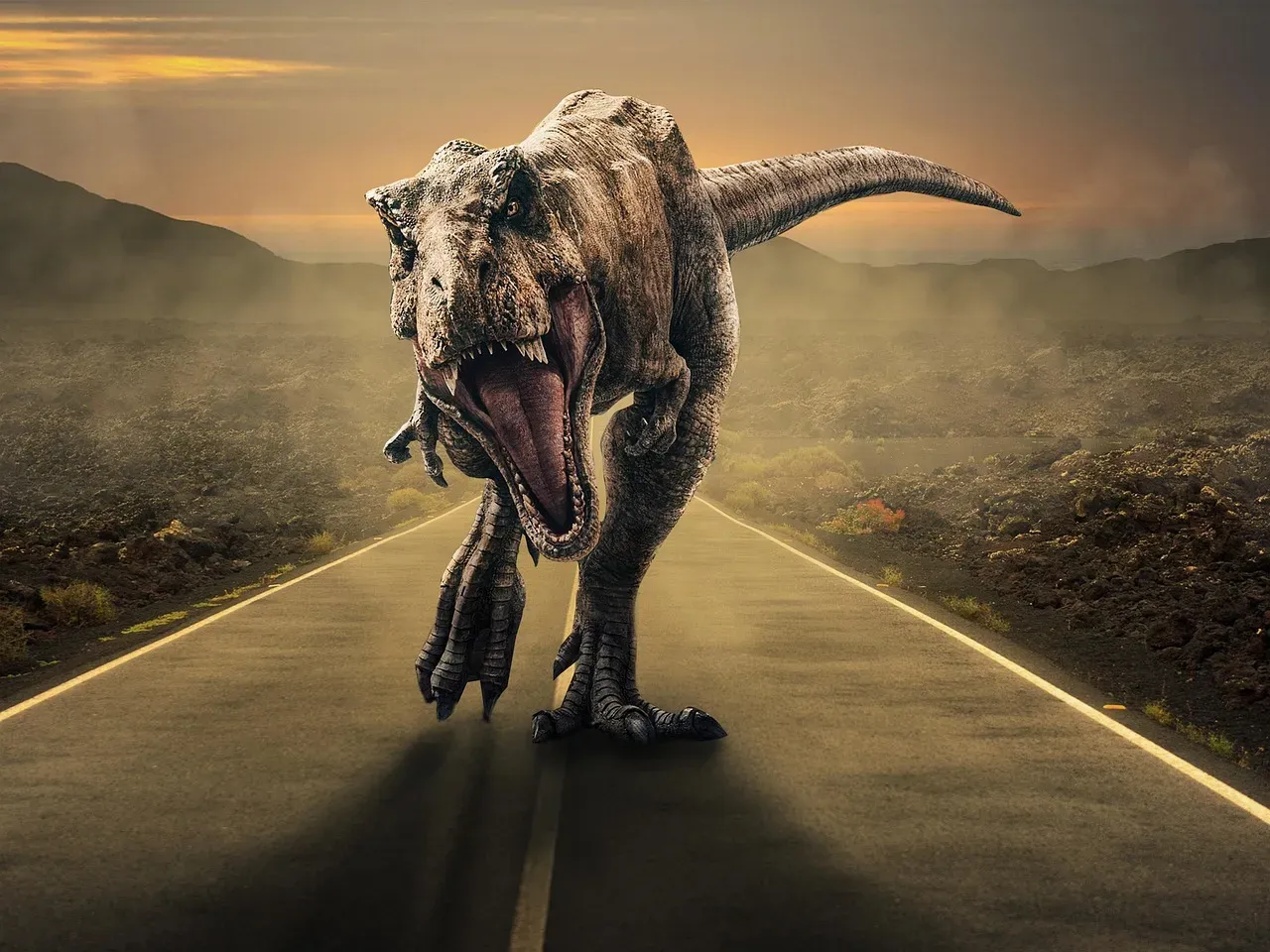
A reevaluation of equations used to calculate speed of dinosaurs from fossil trackways found that none of the equations accurately predicted speed of extant helmeted guinea fowl from tracks made in mud. So all those confident claims about exactly how fast a Velociraptor could run? Turns out we might have been way off.
Over the past year, new fossils, reanalyses of famous specimens, and increasingly sophisticated tools have continued to upend what we thought we knew about how these animals lived, moved, fed, and evolved. The science is constantly evolving, and what we think we know today might be proven wrong tomorrow. It’s honestly kind of exciting that there’s still so much mystery left. Every time we think we’ve figured out dinosaurs, new evidence shows up and changes everything.
Conclusion
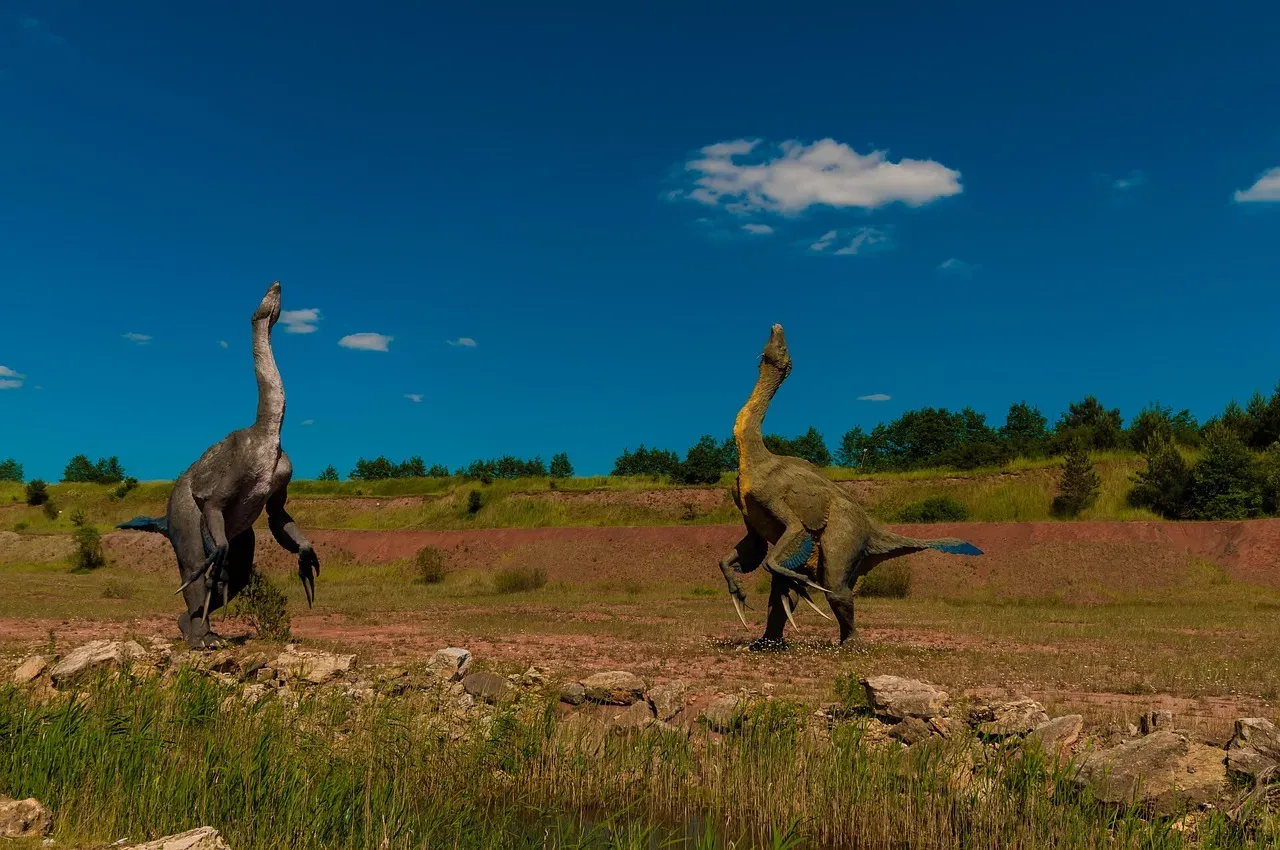
Dinosaurs weren’t the slow, lumbering, mindless monsters of old cartoons. They formed social bonds, cared for their young, traveled vast distances, and communicated in ways we’re only beginning to understand. Each new fossil discovery pulls back another layer of the mystery, revealing creatures that were far more dynamic and behaviorally complex than we ever imagined.
The next time you see a dinosaur reconstruction, remember there’s so much more going on beneath the surface than just teeth and claws. These animals lived full, intricate lives in a world vastly different from ours. What other secrets are still buried out there, waiting to be uncovered? Did any of these facts surprise you?