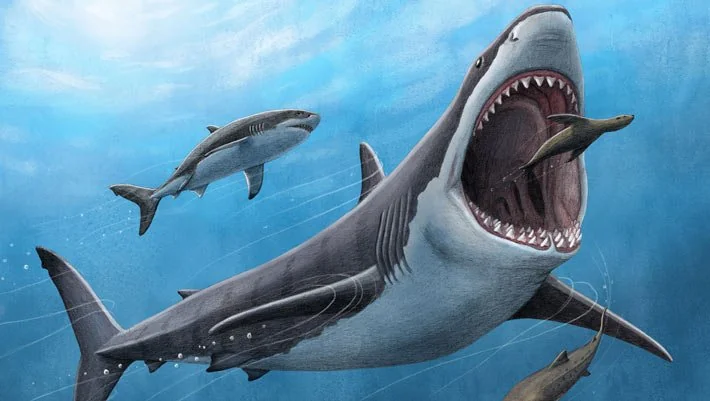
There are creatures in the history of our planet that fire up the imagination in a way nothing else can. The Megalodon shark is absolutely one of them. A colossal, ancient predator that ruled the world’s oceans for millions of years, it has inspired blockbuster movies, fueled deep-sea conspiracy theories, and left scientists endlessly digging for clues in prehistoric seabeds.
You might think you already know the basics – it was big, it had massive teeth, it ate whales. But honestly, the real story of Megalodon is so much stranger and more thrilling than that. From a caloric appetite that defies belief to cultural myths stretching back thousands of years, this prehistoric beast still has surprises left to offer. Let’s dive in.
It Roamed the Oceans for an Almost Unimaginable Length of Time
Most of us will never fully wrap our heads around deep time. Humans have existed for a few hundred thousand years. The Megalodon? It was swimming the oceans for tens of millions. Otodus megalodon is an extinct species of giant mackerel shark that lived approximately 23 to 3.6 million years ago, from the Early Miocene to the Early Pliocene epochs. That is a reign so long it makes our own species seem like an afterthought in the cosmic timetable.
Megalodon was a species of shark that lived during the Miocene and Pliocene epochs, spanning from roughly 23 million to 2.58 million years ago. To put that into perspective, that stretch of time is longer than many entire groups of mammals have existed. It is a sobering thought, and honestly, it makes Megalodon’s eventual extinction all the more dramatic.
The Size Was Truly Staggering – Even Scientists Still Debate It
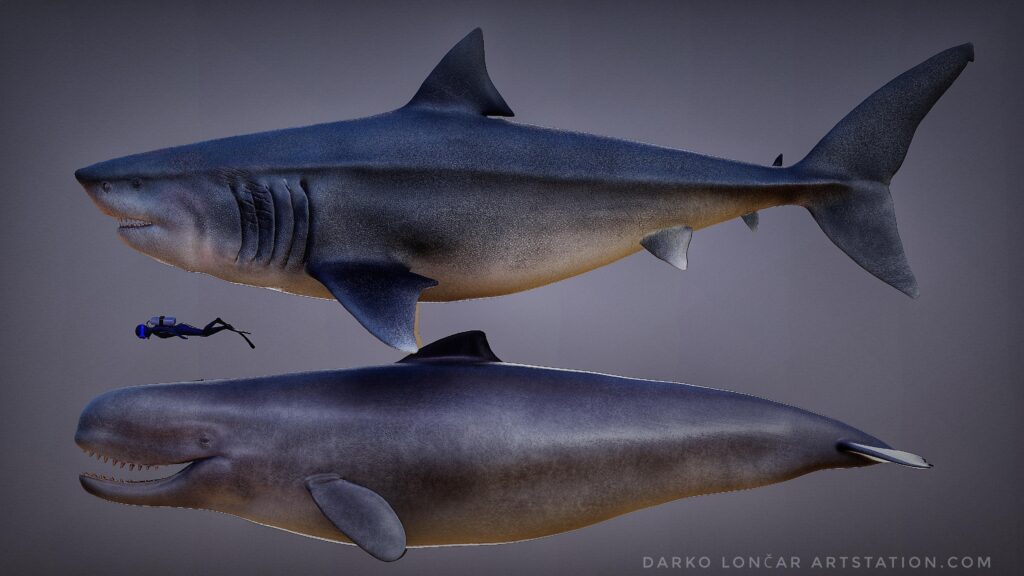
Here’s the thing about Megalodon’s size: even today, researchers are still arguing about how enormous it actually got. Maximum body length estimates between 14.2 and 24.3 metres based on various analyses have been proposed, though the modal lengths for individuals across all ontogenetic stages from juveniles to adults are estimated at about 10.5 meters. That range is enormous – the difference between a city transit bus and nearly two of them end to end.
Studies estimate that adult body mass ranged from roughly 30 metric tons to more than 65 metric tons, with adult females being larger in both length and mass than adult males. For a sense of scale, the largest Megalodons were roughly 60 feet in length and attained perhaps up to 50 tons – the size and weight of a railroad car. You could park a locomotive next to it, and you’d still be looking at something jaw-dropping.
Its Teeth Are the Most Iconic Fossils on the Planet
If you have ever held a Megalodon tooth, you know exactly why people go wild hunting for them. The largest known Megalodon tooth measures 17.8 cm in length – almost three times longer than those of modern great white sharks, which are typically about 5.4 cm long. That is roughly the size of an adult human’s hand from wrist to fingertip. Staggering.
The largest Megalodon tooth ever discovered measures an impressive 7.48 inches in length, found in the desert of Ocucaje, Peru. Most adult Megalodon teeth were typically 4 to 5 inches long, and teeth exceeding 6 inches are very rare. Unlike people, who have a limited number of teeth in their lifetime, sharks constantly shed their teeth and replace them with new ones – a shark can lose and replace thousands of teeth in its lifetime. This is precisely why so many fossilized teeth survive to this day.
Its Bite Force Was the Most Powerful of Any Known Animal
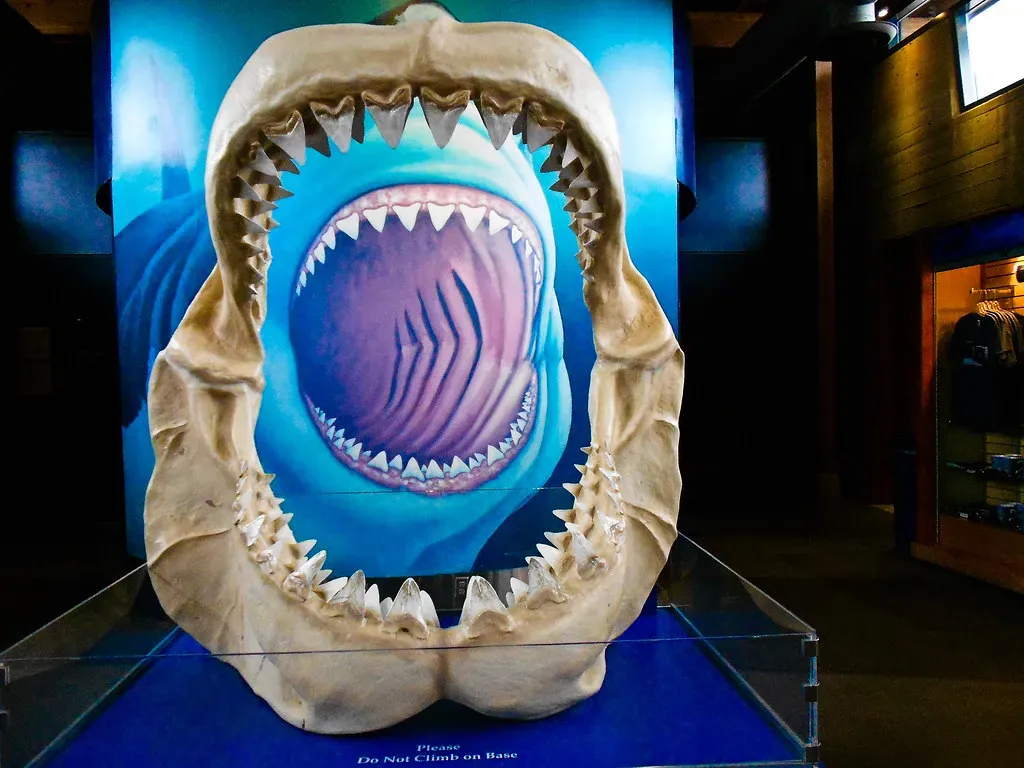
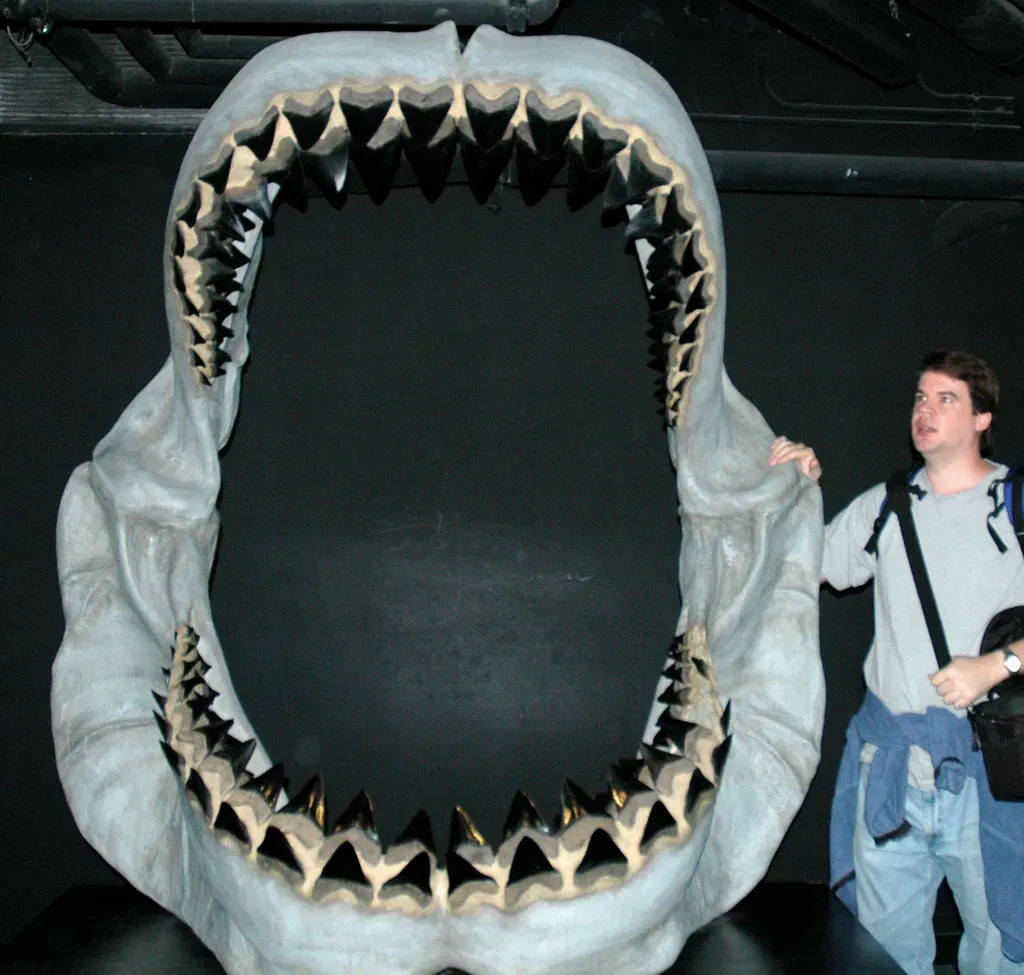
I know it sounds almost cartoonishly extreme, but the bite force of a Megalodon was genuinely off the charts. Humans have been measured with a bite force of around 1,317 Newtons, while great white sharks have been predicted to bite down with a force of around 18,216N. Researchers have estimated that Megalodon had a bite of between 108,514 and 182,201 Newtons. That’s roughly ten times the bite of a great white shark.
The Megalodon had an impressive bite force roughly six to ten times stronger than that of a great white shark and at least three times stronger than that of a Tyrannosaurus rex. Its jaws were lined with 276 teeth, and studies reconstructing the shark’s bite force suggest that it may have been one of the most powerful predators ever to have existed. Even the T. rex – everyone’s favorite symbol of prehistoric dominance – couldn’t compete with this.
Megalodon Was a Far More Flexible Eater Than You Think
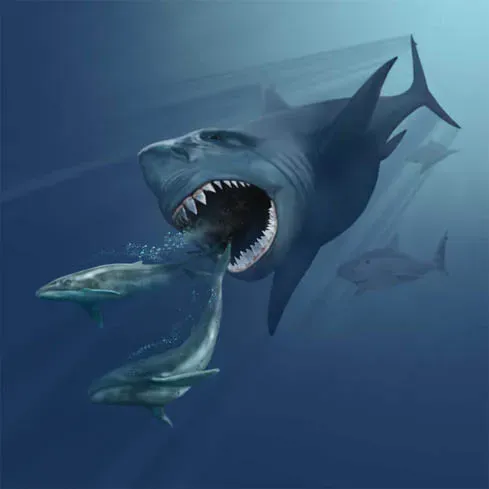
Most people picture Megalodon as a whale-eating machine, purely because of its size. The reality is more nuanced and, honestly, more fascinating. The prehistoric predator was not hunting only large marine mammals such as whales as researchers widely thought. Instead, minerals in fossilized teeth reveal that Megalodon might have been an opportunistic feeder to meet its remarkable 100,000-calorie-per-day requirement. Think about that for a moment – 100,000 calories. Every single day.
The feeding ecology of Megalodon appears to have varied with age and between sites, much like the modern great white shark. It is plausible that the adult population off the coast of Peru targeted primarily smaller cetothere whales, rather than large whales in the same size class as themselves. Meanwhile, juveniles likely had a diet that consisted more of fish. Research found clear evidence that Megalodon and some of its ancestors were at the very highest rung of the ancient food chain, and their trophic signature is so high that they must have eaten other predators and predators-of-predators in a complicated food web.
Its Teeth Were Mistaken for Supernatural Objects for Centuries
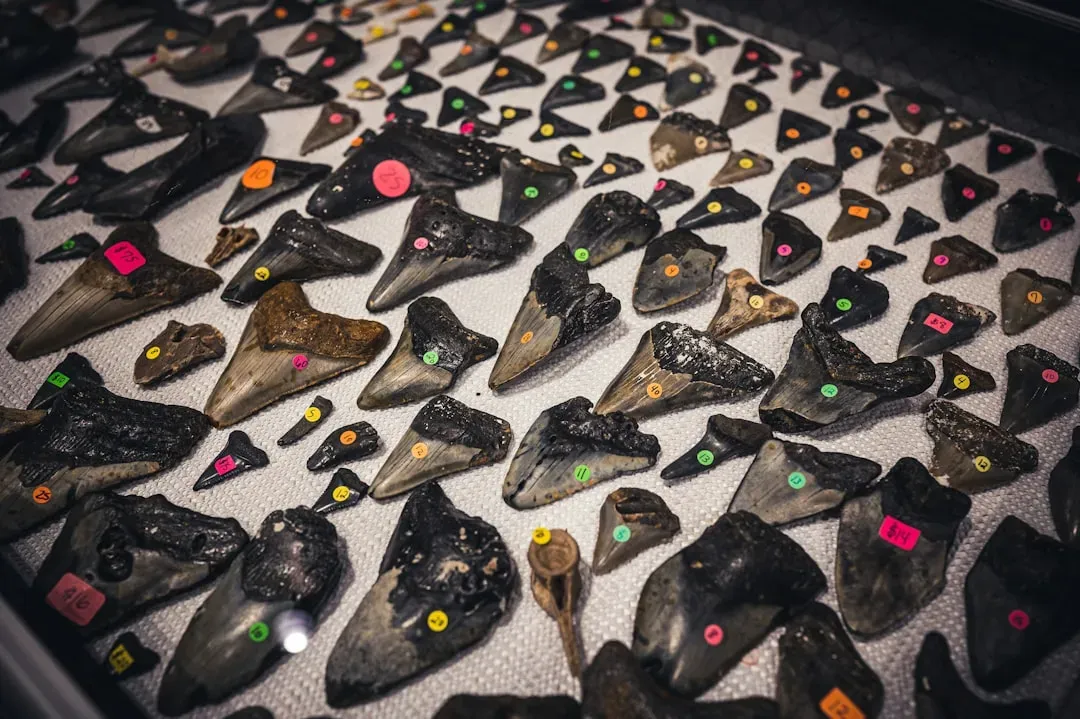
Long before science had the tools to identify what Megalodon teeth actually were, ancient and medieval cultures made some wildly creative guesses. The earliest written account of Megalodon teeth was by Pliny the Elder in an AD 73 volume, who described them as resembling petrified human tongues that Roman folklorists believed to have fallen from the sky during lunar eclipses and called them glossopetrae, meaning “tongue stones.” It’s a strange and strangely poetic image.
Use of Megalodon teeth became widespread among medieval and Renaissance nobility, who fashioned them into protective amulets and tableware to purportedly detoxify poisoned liquids or bodies that touched the stones. Megalodon teeth had been excavated and used since ancient times, and were a valued artifact amongst pre-Columbian cultures in the Americas, where they were modified into projectile points, knives, jewelry, and funeral accessories. In a strange way, Megalodon’s influence on human culture stretches across thousands of years.
Megalodon Had a Global Empire – Almost
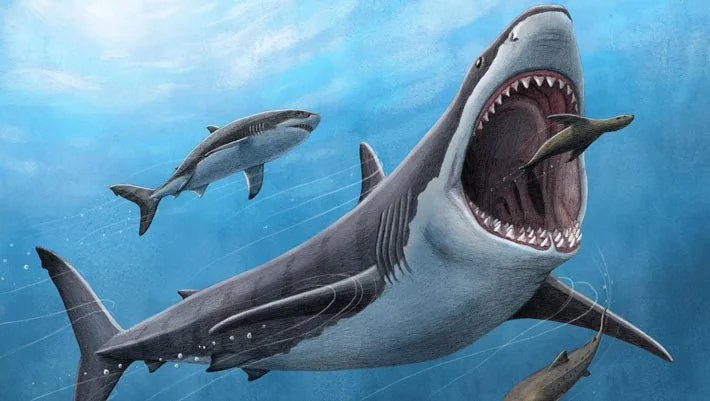
Warm water was apparently this shark’s one non-negotiable requirement. Other than that, it was essentially everywhere. Otodus megalodon was adapted to warm tropical and subtropical locations around the globe, and the species was so widely spread that Megalodon teeth have been found on every continent except Antarctica. That is an astonishing geographic footprint for any animal, let alone one that needed to eat hundreds of thousands of calories daily.
Scientists have studied Megalodon teeth found in Africa, North America, South America, India, Australia, Japan, and Europe. Based on the locations where these teeth were unearthed, it is the firm belief that they thrived in the world’s warmer waters. Between 2007 and 2009, researchers collected a number of juvenile Megalodon teeth in the waters off the coast of Panama, and they believe this was an ancient nursery area. It used warm coastal shallows like a cradle for raising its young – a surprisingly tender detail for such a terrifying predator.
Scientists Still Can’t Fully Picture What It Looked Like
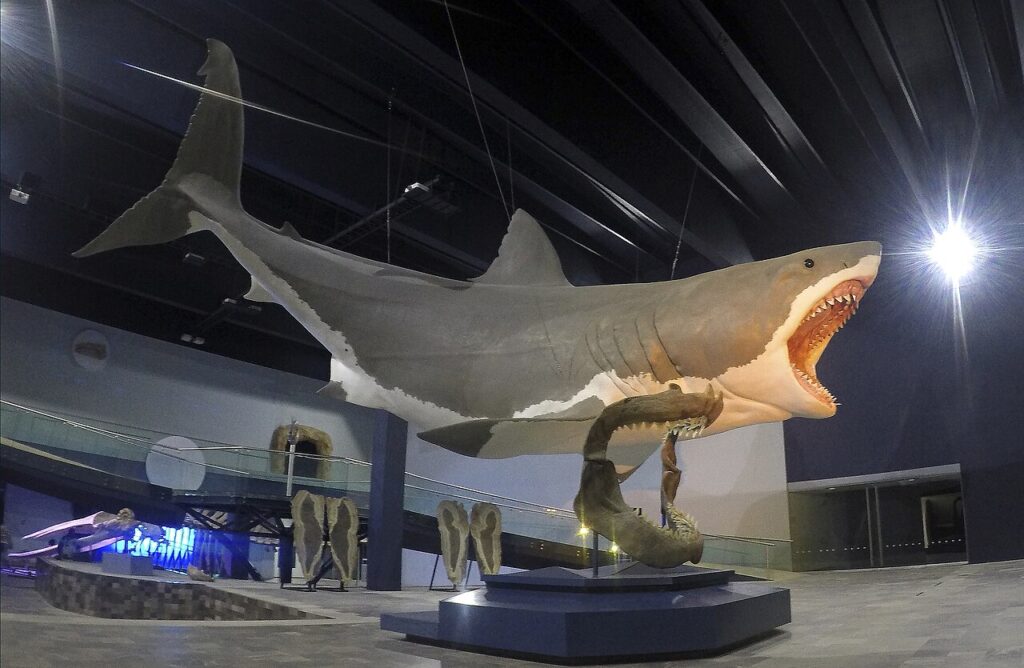
Here’s something that surprises a lot of people: we have never found a complete Megalodon skeleton. Not even close. Like other elasmobranchs, Megalodons had skeletons mostly made of cartilage – the hard but flexible material found in human noses and ears. This is a defining feature, as most fish have skeletons made of bone. Cartilage is much lighter than bone and allows sharks to stay afloat, but it is very difficult for cartilage to fossilize, so much of what we know about Megalodons comes from their teeth, vertebrae, and fossilized waste.
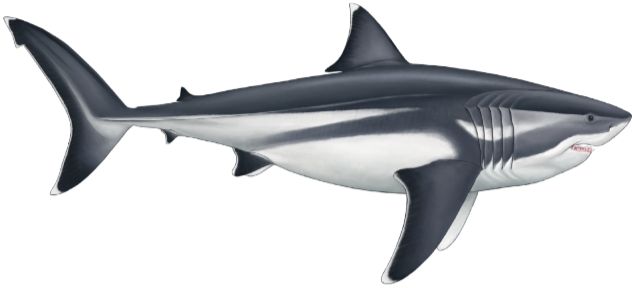
Most reconstructions show Megalodon looking like an enormous great white shark, but this is now believed to be incorrect. Scientists have found that if you scaled a great white up to Megalodon’s size, this animal would likely have had trouble swimming. Instead, they suggest that Megalodon may have had a much slenderer body, possibly with proportions like a lemon shark, making it more efficient in the water. So that iconic image of a massive, chunky great white? It’s probably wrong. The real Megalodon may have looked stranger than we imagined.
A Perfect Storm of Disasters Drove It to Extinction
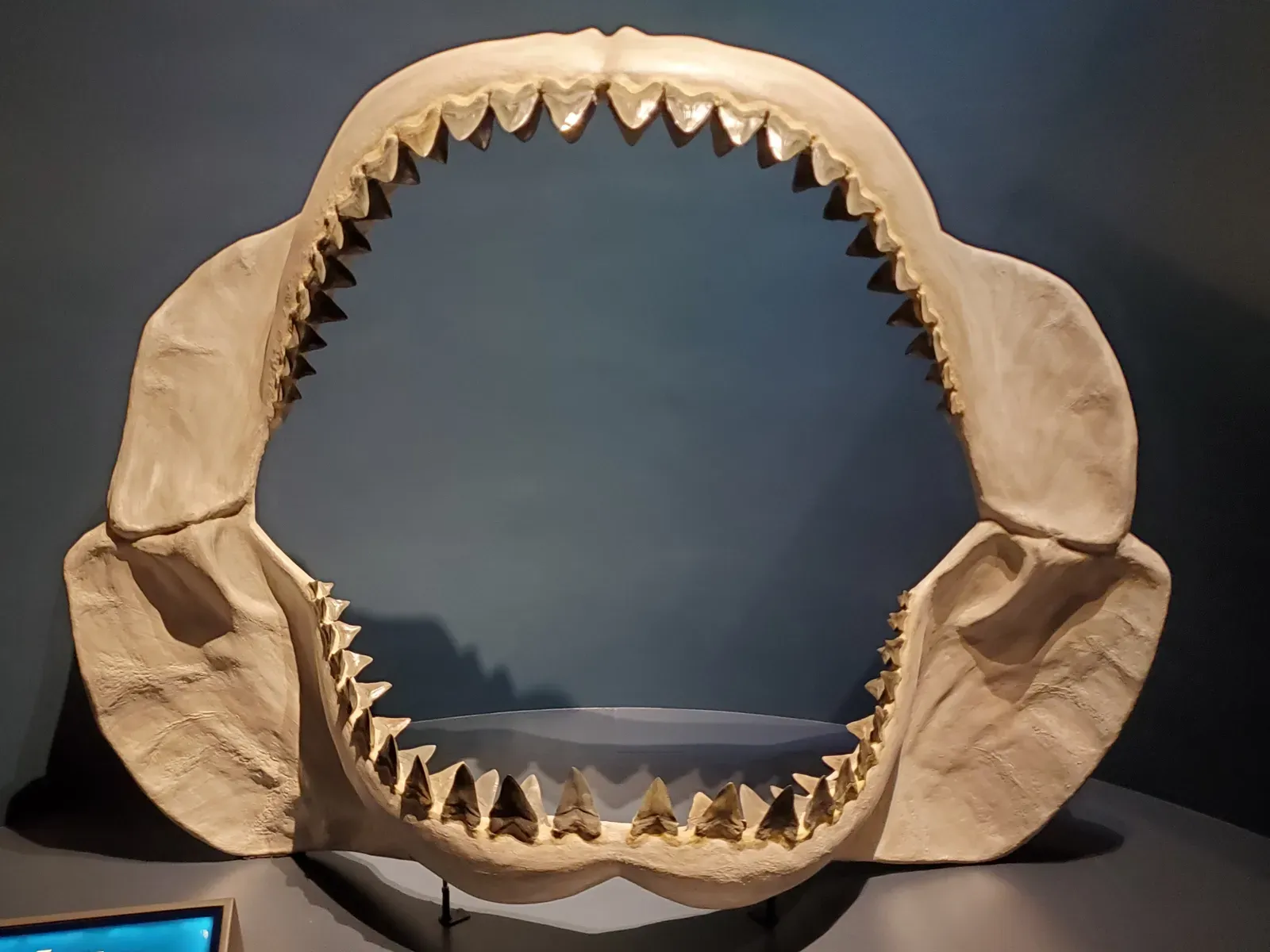
Megalodon did not go out with a whimper. Its extinction was the result of sweeping, world-altering changes that conspired against even the most powerful predator that ever lived. Megalodon went extinct about 3.6 million years ago during the late Pliocene due to a combination of environmental and ecological changes. Global climate cooling reduced the warm, shallow coastal waters it preferred, while changing ocean currents reshaped marine ecosystems. The loss of coastal nursery grounds affected juvenile survival, and a decline in cetacean diversity reduced its primary food source. At the same time, increased competition from newly evolved predators such as early orcas and great white sharks placed additional pressure on an already struggling apex predator.
These oceanographic changes, in particular sea level drops, may have restricted many of the suitable shallow warm-water nursery sites for Megalodon, hindering reproduction. Nursery areas are pivotal for the survival of many shark species, in part because they protect juveniles from predation. The extinction of Megalodon correlates with the decline of many small mysticete lineages, suggesting it was highly dependent on them as a food source. A marine megafauna extinction during the Pliocene was discovered to have eliminated roughly a third of all large marine species, including the vast majority of marine mammals and nearly half of seabirds. The world changed faster than even a 60-foot apex predator could adapt.
Conclusion: The Legend That Science Keeps Rewriting
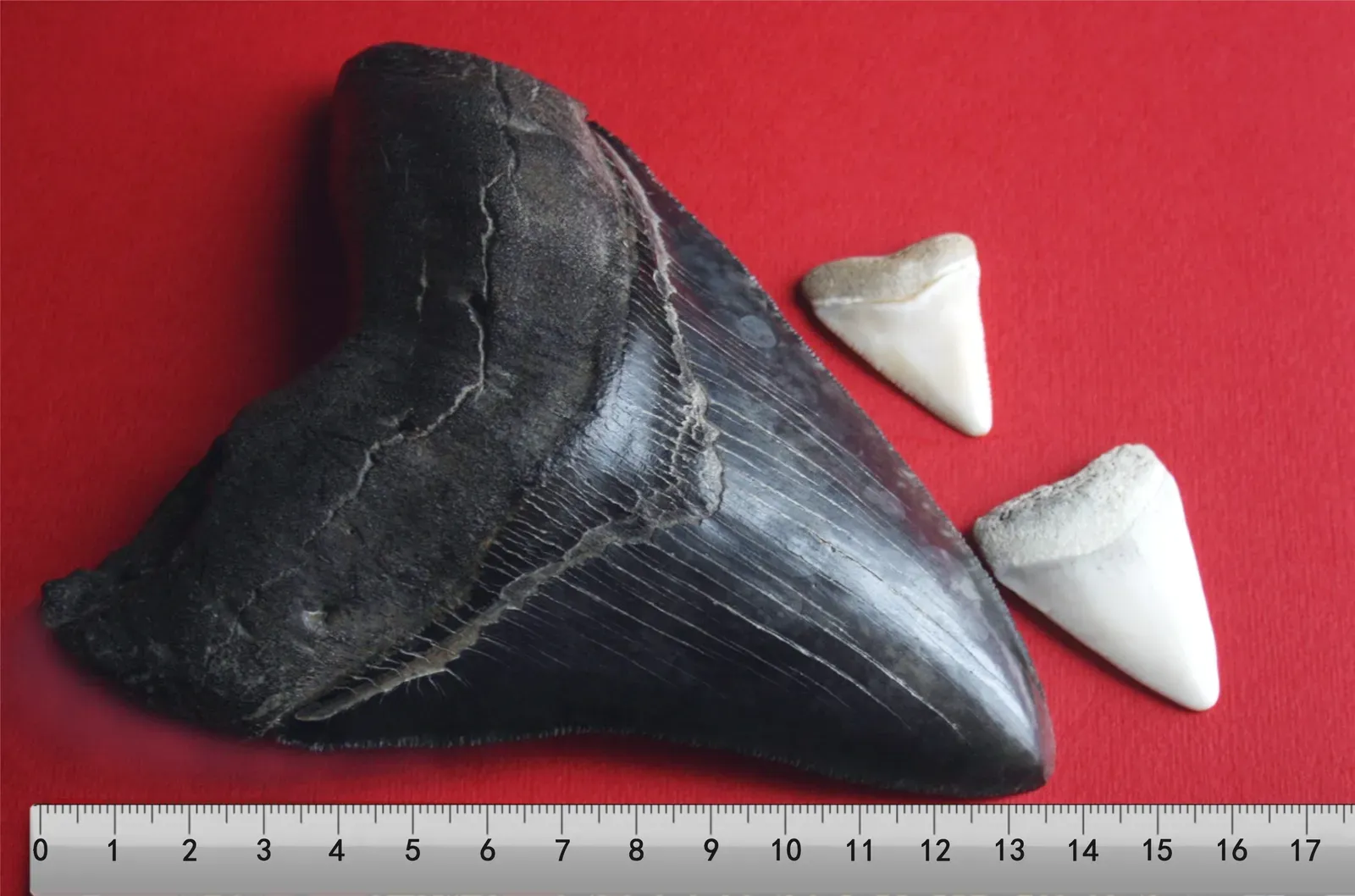
This file was derived from:
Megalodon tooth with great white sharks teeth.jpg:
BlueRuler 36cm.png:
Own work, CC BY-SA 3.0)
The Megalodon is proof that reality is almost always more interesting than myth. You started reading this perhaps thinking you knew the basics, and now you’ve likely discovered that even scientists are still revising what they thought they knew – from the animal’s true body shape to the staggering diversity of its diet. Every new fossil, every new isotope study, peels back another layer of this magnificent animal’s story.
What makes Megalodon truly fascinating is not just its raw power or terrifying size. It’s the humbling reminder that the natural world can produce something so extraordinary, dominate the oceans for over 20 million years, and then vanish completely – leaving behind nothing but teeth and questions. It existed long before us and disappeared long before we arrived. In a way, that makes it even more haunting.
Considering how much we still don’t know about an animal that left millions of fossils behind, it really does make you wonder – what else is still waiting to be discovered down there? What do you think? Drop your thoughts in the comments below.