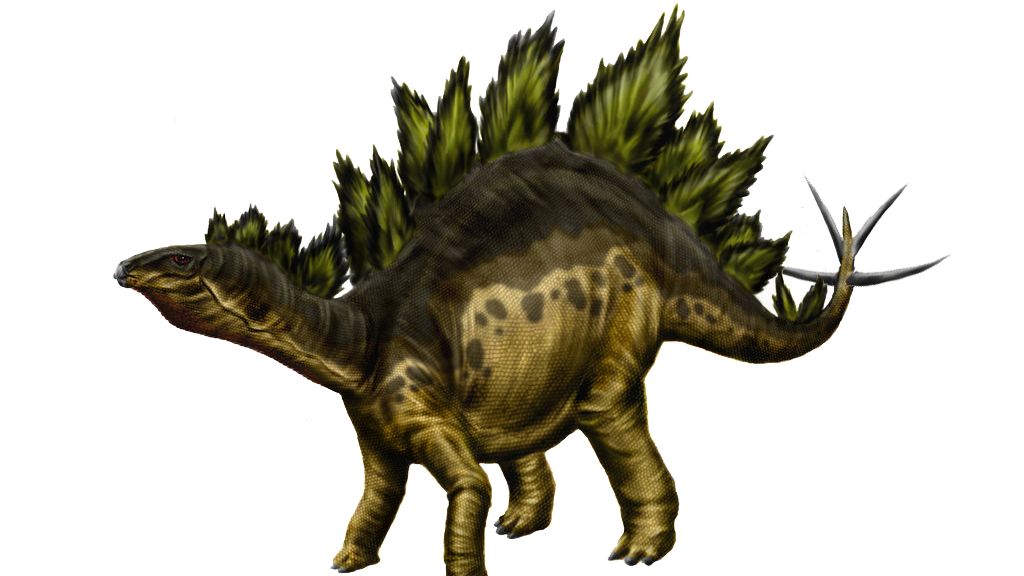
Picture a creature the size of a bus, lumbering through a Late Jurassic forest roughly 150 million years ago, wearing a crown of enormous kite-shaped plates along its spine. The quadrupedal Stegosaurus is one of the most easily identifiable dinosaur genera, due to the distinctive double row of kite-shaped plates rising vertically along the rounded back. You’d think such an obvious feature would have a clear explanation by now. You’d be wrong.
Even after more than a century of research, Stegosaurus remains partly mysterious, with the exact function of its plates, the details of its behavior, and aspects of its biology still being explored. Scientists have proposed a surprising range of explanations for those plates, from the sensible to the genuinely unexpected. Here are nine of the most compelling theories that have been debated, studied, and sometimes passionately contested in the world of paleontology.
1. Thermoregulation: The Living Solar Panel Hypothesis
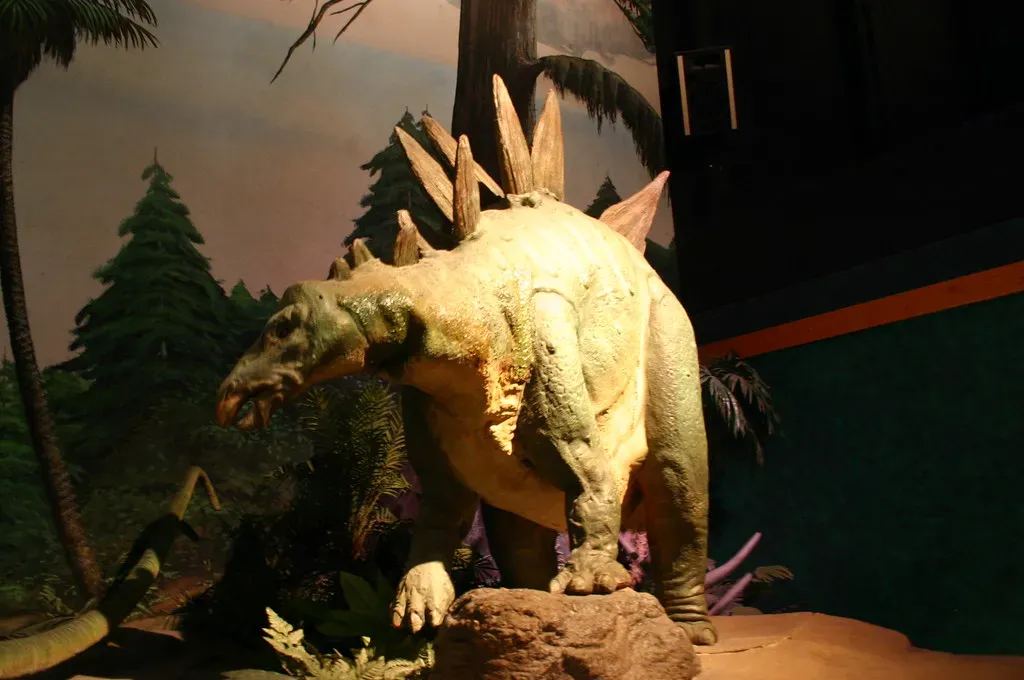
Presuming that Stegosaurus had a body temperature determined by the surrounding environment, the plates could have helped the dinosaur heat up by turning broadside in the morning and shed heat by turning toward the sun during midday. Think of the plates as a biological temperature dial, one the animal could adjust simply by changing its body orientation relative to the sun.
Wind tunnel experiments on finned models, internal heat conduction calculations, and direct observations of the morphology and internal structure of stegosaur plates support this hypothesis, demonstrating the comparative effectiveness of the plates as heat dissipaters, controllable through input blood flow rate, temperature, and body orientation with respect to wind. Still, follow-up research has repeatedly tempered this excitement. While stegosaur plates might have played some passive role in regulating body temperature, researchers concluded there was no indication that Stegosaurus plates evolved for that reason, or even were principally used as thermoregulatory equipment.
2. Sexual Display: Attracting a Mate in the Jurassic
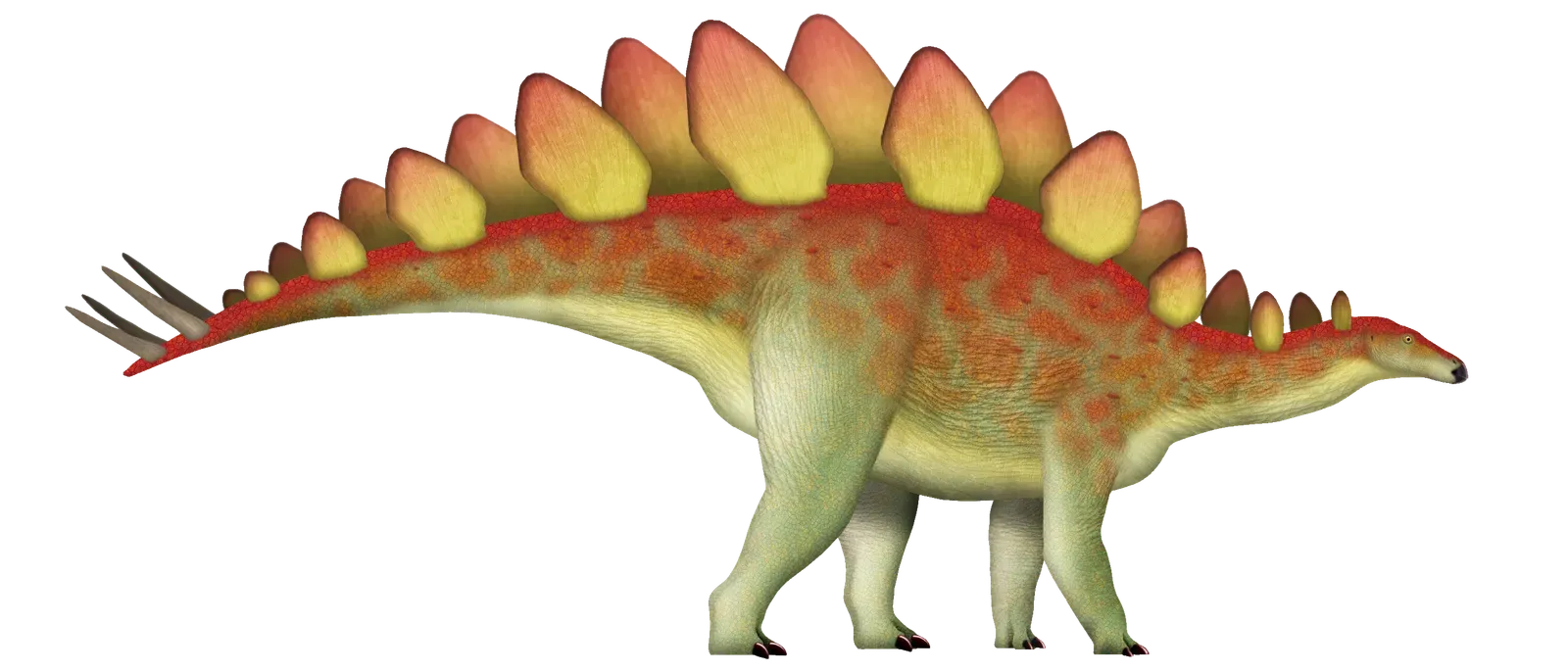
According to one prominent idea, the plates are display structures meant to attract mates. Many animals evolve strange, showy structures that serve no utility such as protection or feeding but are used to attract mates, with examples in living animals including antlers in deer and moose, and long tail feathers in peacocks and quetzals. The parallels to modern animal behavior are striking and hard to dismiss.
Research suggests that Stegosaurus plates possibly had multiple functions because, despite the presence of sexual dimorphism, females still possessed plates, with these likely including sex-related display and defense based on an understanding of modern species. Based on the seemingly display-oriented morphology of plates, female mate choice was likely the driving evolutionary mechanism rather than male-male competition. That’s a subtle but meaningful distinction in how you understand Stegosaurus social life.
3. Sexual Dimorphism: Different Plates for Males and Females
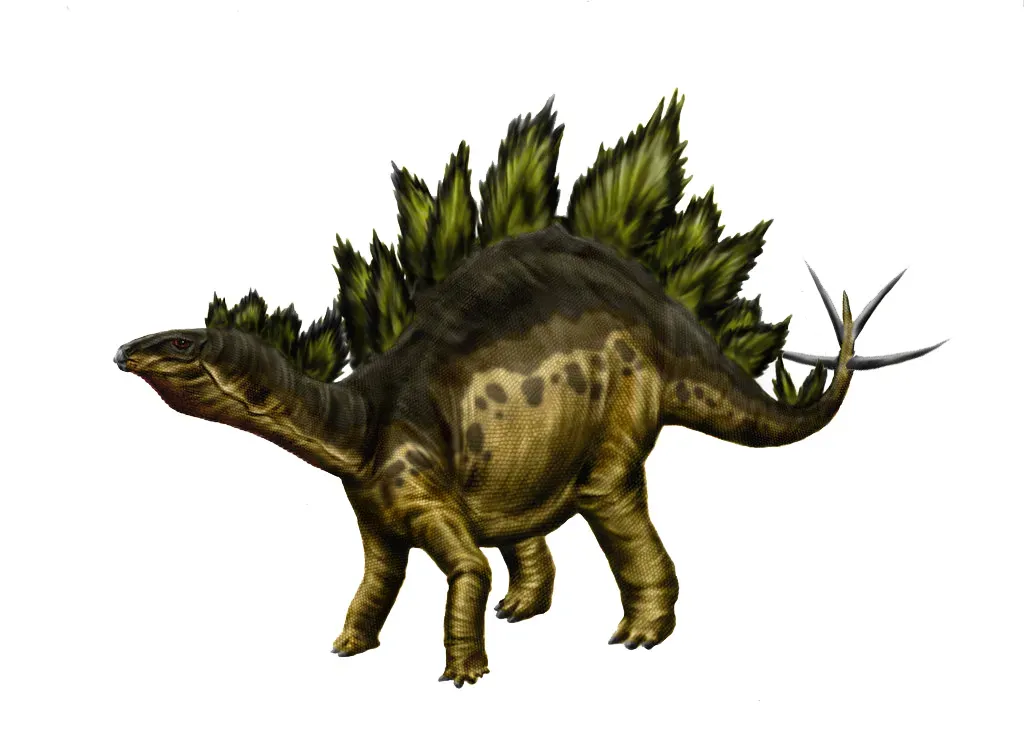
The first convincing evidence for sexual differences in a species of dinosaur has been described in a study of the iconic dinosaur Stegosaurus. Some individuals had wide plates, some had tall, with the wide plates being up to nearly half again larger overall than the tall plates. According to the study, the tall-plated Stegosaurus and the wide-plate Stegosaurus were not two distinct species, nor were they individuals of different age: they were actually males and females.
Beyond the implications for Stegosaurus, the research establishes that sexual dimorphism could exist in non-avian dinosaurs, which includes iconic reptiles such as Tyrannosaurus and Brontosaurus. Existing work on sexual dimorphism in non-avian dinosaurs had been inconclusive to the point that some paleontologists began to think that male and female dinosaurs did not differ physically from one another. The Stegosaurus findings changed that assumption in a meaningful way.
4. Predator Deterrence: Looking Bigger Than You Are
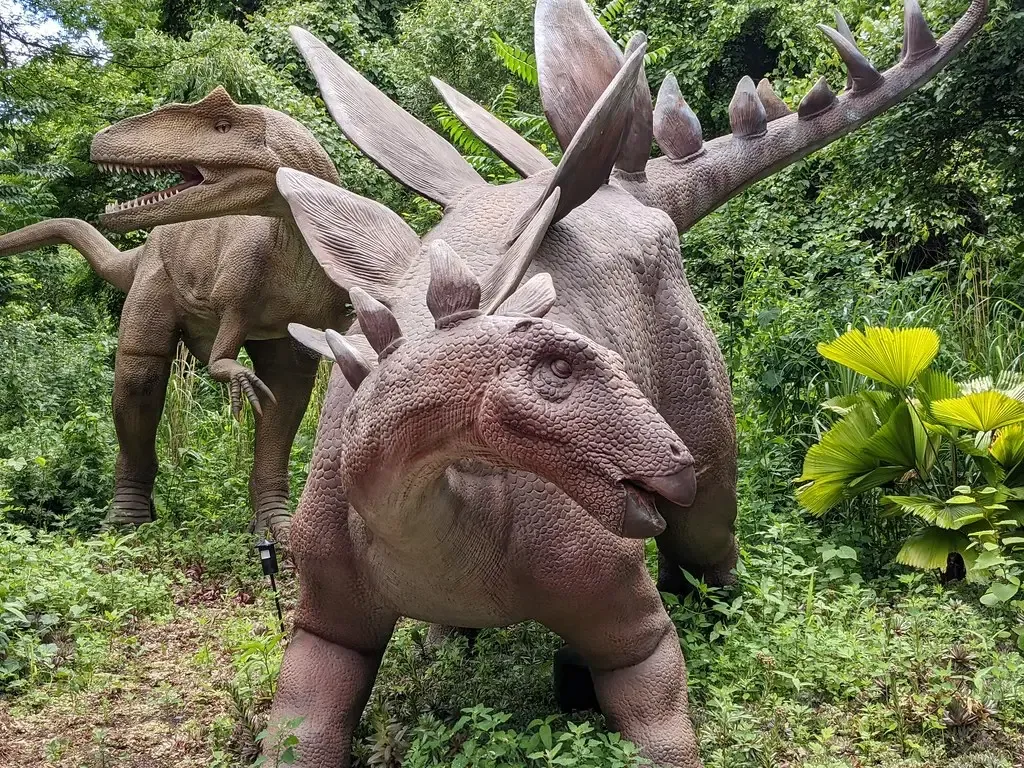
The plates’ large size suggests that they may have served to increase the apparent height of the animal, either to intimidate enemies or to impress other members of the same species in some form of sexual display. For a herbivore sharing territory with predators like Allosaurus, Torvosaurus, and Ceratosaurus, any visual advantage could mean survival.
A possible function in deterring predators by making the animal appear larger has been suggested, but it would not explain why Stegosaurus has large plates while those of the contemporaneous Kentrosaurus and others are much smaller. This inconsistency across related species is something you’d expect to be uniform if the plates were primarily about survival. The variation among stegosaur species quietly undermines this as a sole explanation.
5. Species Recognition: A Visual Name Tag
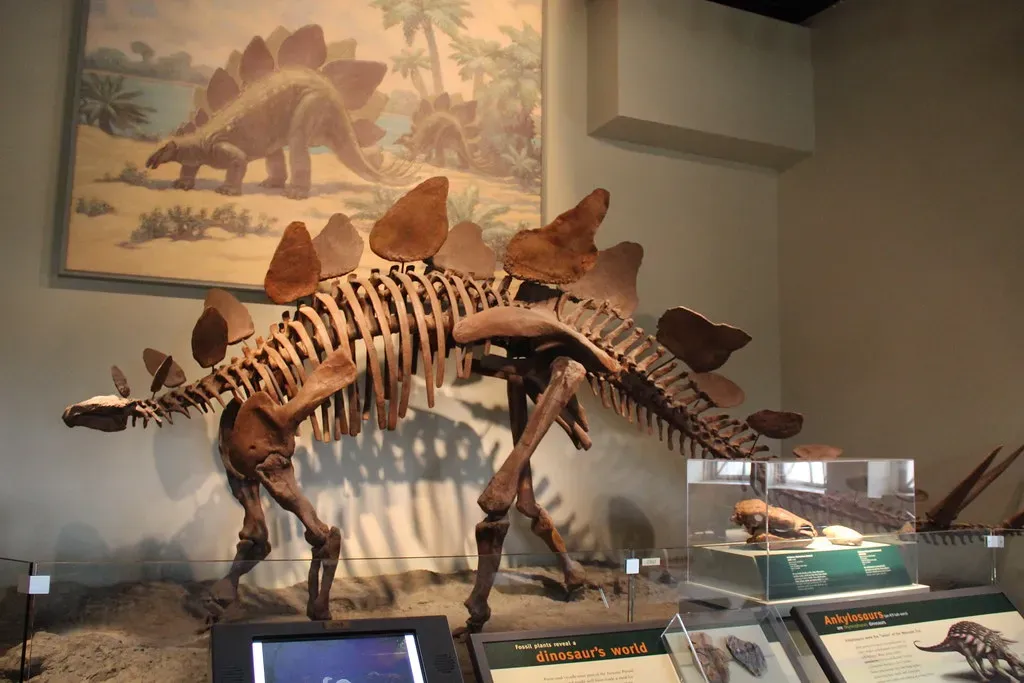
Stegosaurs vary widely in the size, shape and distribution of their plates, which hints that they may have been used as display structures, to signify species membership, attract mates, or intimidate rivals. The species recognition idea holds that plates helped members of the same species identify each other at a distance, much like the distinct coloring on modern birds.
The theory isn’t without critics, though. Given the distinctive body plan of stegosaurs relative to potential surrounding dinosaurs, it is unlikely that individuals would struggle to identify members of their own species simply because they lacked dorsal plates and tail spikes, making it difficult to interpret species recognition as a viable primary explanation for the evolution of exaggerated structures among these taxa. In short, a Stegosaurus probably didn’t need elaborate plates just to recognize another Stegosaurus.
6. Blood Flushing and Color Change: A Built-In Display Screen
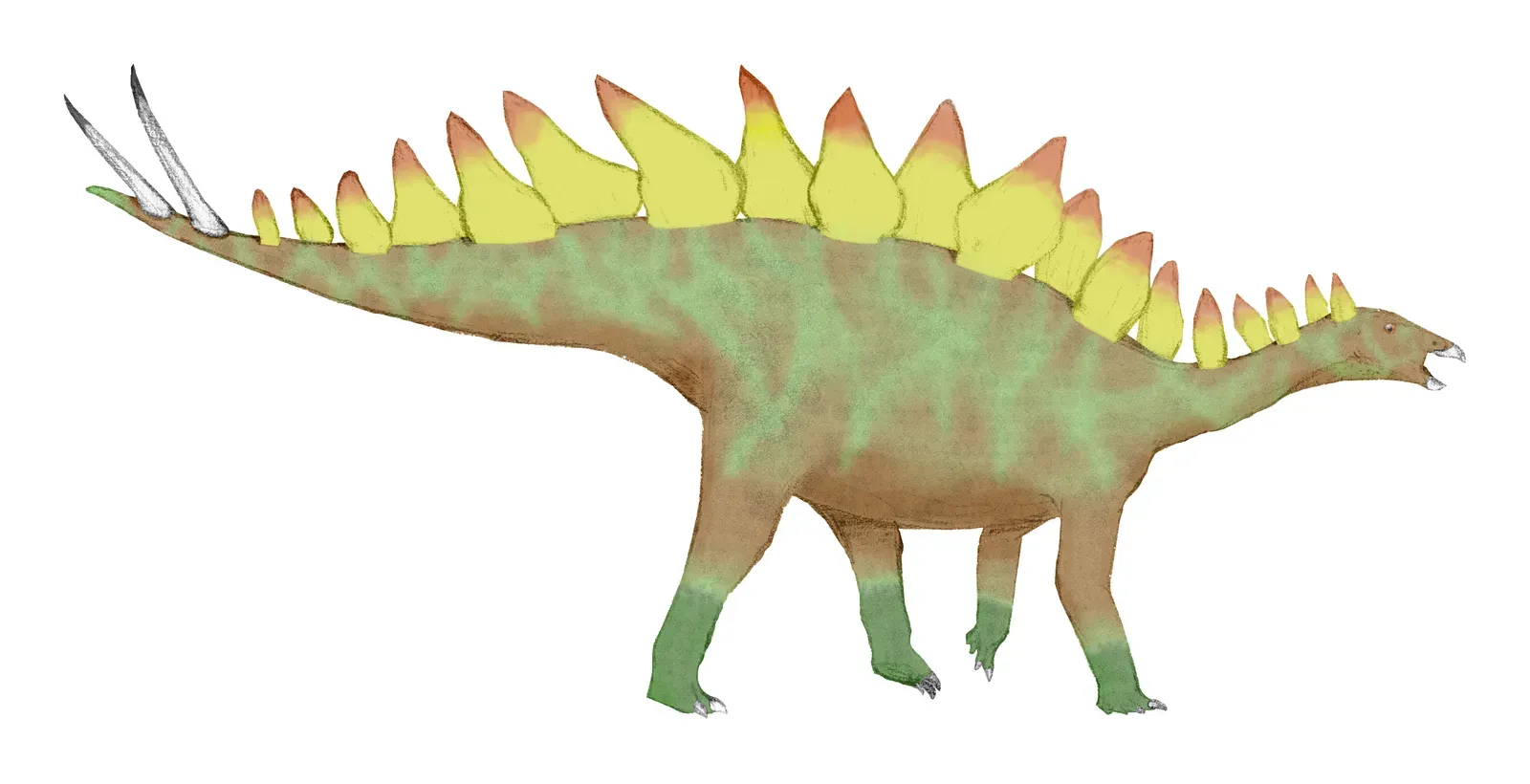
The vascular system of the plates has been theorized to have played a role in threat displaying as Stegosaurus could have pumped blood into them, causing them to “blush” and give a colorful, red warning. You can imagine the effect: a sudden rush of blood turning those towering plates a vivid crimson during moments of excitement, stress, or courtship.
The plates contained extensive vascular grooves, suggesting they could flush with blood to change color for signaling, similar to the wattles on a turkey. However, the dense vascularization may have simply been used to help the sheath that once covered the bony plate, made of keratin, the same stuff as our fingernails, grow rapidly or even change color, which would be useful for display. Whether the flushing was dramatic or subtle, the underlying biology makes this theory genuinely plausible.
7. Passive Armor: The Oldest and Most Disputed Theory
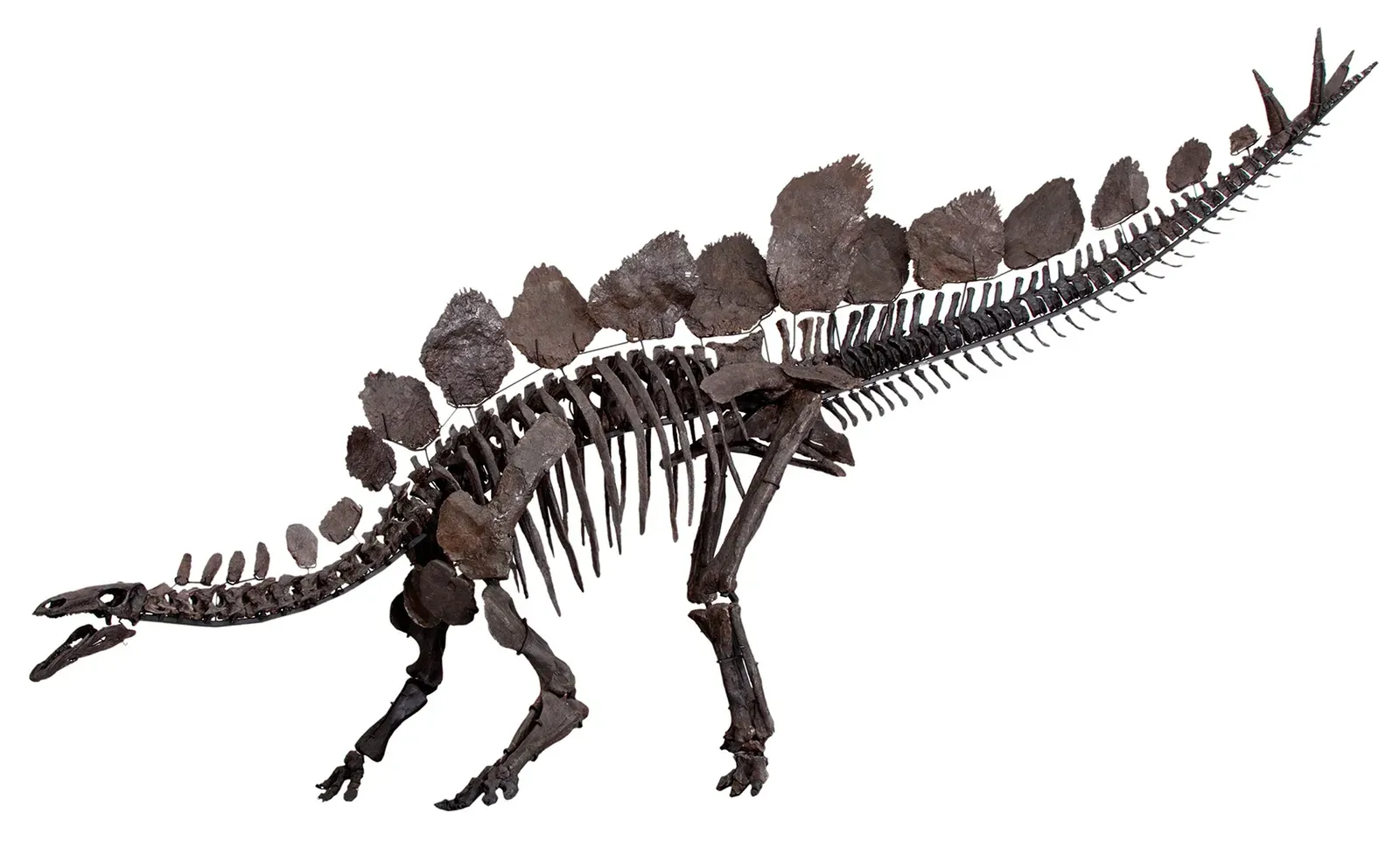
Marsh and other early paleontologists originally assumed Stegosaurus used its plates to defend itself from predators, much like its spiked tail undoubtedly did. Yet, the plates seem a limited form of defense as they left most of the animal’s sides unprotected. If you’re trying to shield yourself from a predator, leaving your flanks exposed is a significant oversight.
The possible function of defense has been rejected by several authors: the plates consist of a thin layer of compact bone surrounding a central core of well-vascularized, lattice-like trabecular bone that would be crushed easily by the teeth of any large theropod. Even more telling, the plates were not made of solid bone connected to the rest of the spine and skeleton but were rather lined with grooves that likely contained rich blood vessels, making it even less likely the plates were for defense because exposing vulnerable blood vessels to an attacker would be counterproductive.
8. Multifunctionality: No Single Answer at All
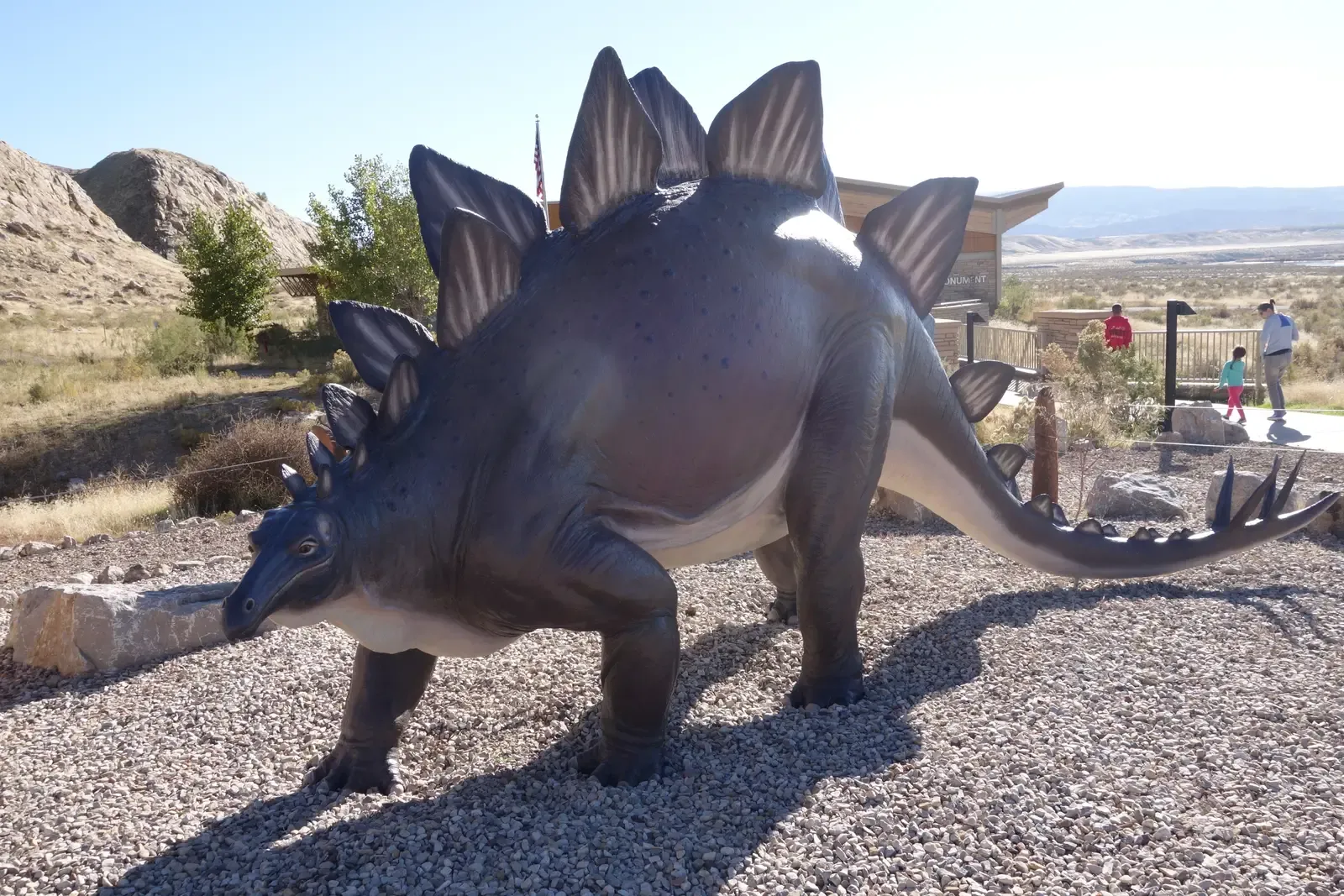
The plates of Stegosaurus might not have had a single function but, like so many elaborate structures on living animals, were likely multi-functional, serving various roles during the animal’s life. This is increasingly where the scientific community has landed, at least tentatively. Saying a structure did one thing and one thing only is often too simple for biology.
There is also the possibility that the plates combined multiple functions, helping with temperature regulation while also playing a role in visual communication, and the truth is that scientists are still investigating this question, with the plates remaining one of the most intriguing puzzles in dinosaur biology. The two main suggestions are not mutually exclusive, meaning both could be true to some extent. Evolution rarely produces structures that serve only a single master.
9. Aerodynamics and Gliding: The Theory Time Left Behind
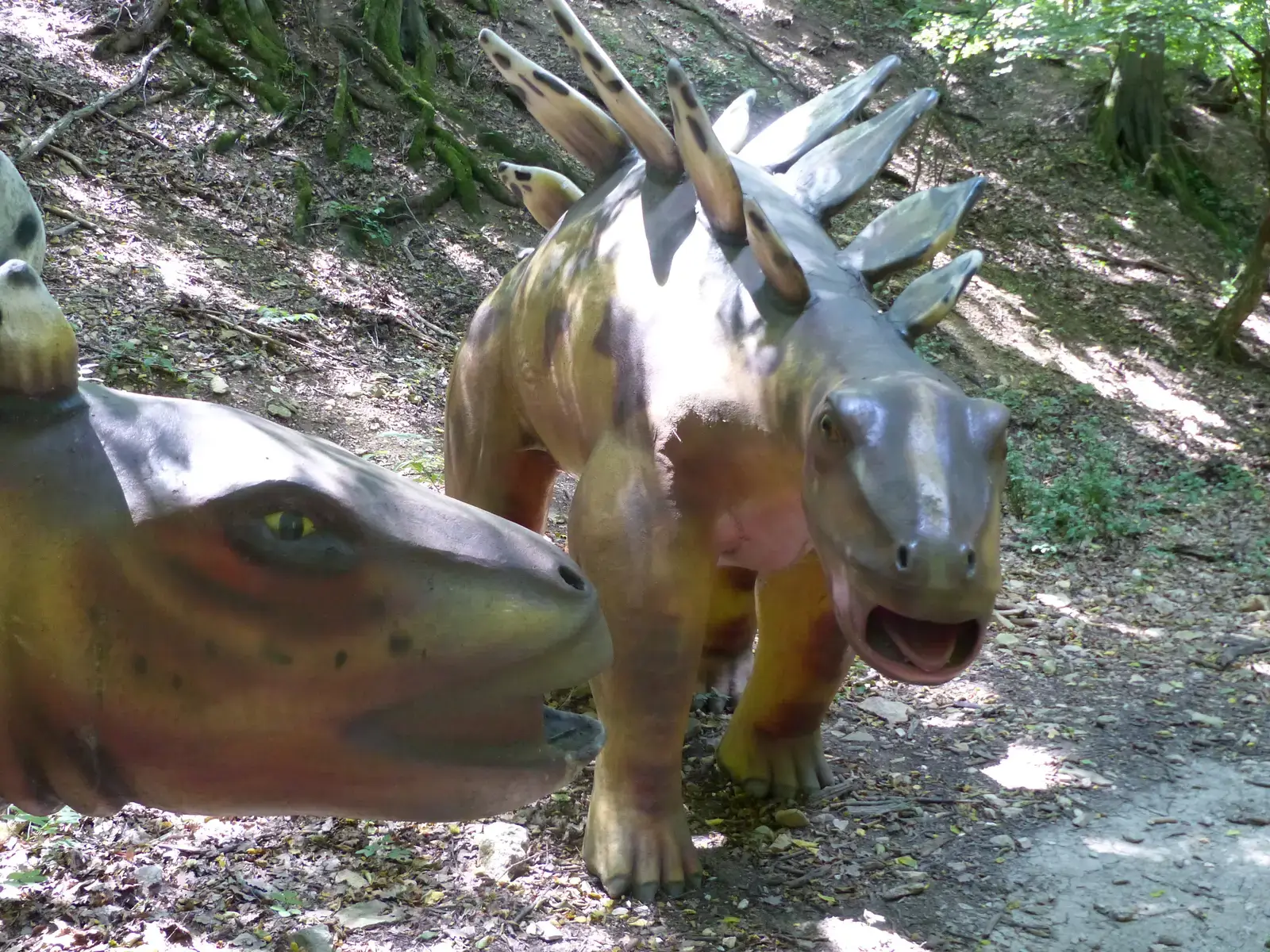
One early alternative idea proposed that the plates acted as flight surfaces allowing stegosaurs to glide. Yes, this was a real proposal, and while it sounds unlikely today, it says something interesting about how far early paleontologists were willing to stretch to explain such an unusual anatomy. The idea circulated in popular science publications in the early twentieth century.
Even then, early researchers were well ahead of others who proposed the plates extended out horizontally from the animal’s back and allowed their owner to leap off cliffs and glide down thermal air currents as the equivalent of a multi-ton flying squirrel. Modern biomechanics have firmly closed the door on this idea, but it endures as a reminder that the plates were strange enough to invite almost any theory. It also shows how dramatically our picture of Stegosaurus has evolved since the first fossils were pulled from the Morrison Formation.
Conclusion: A Puzzle Worth Keeping
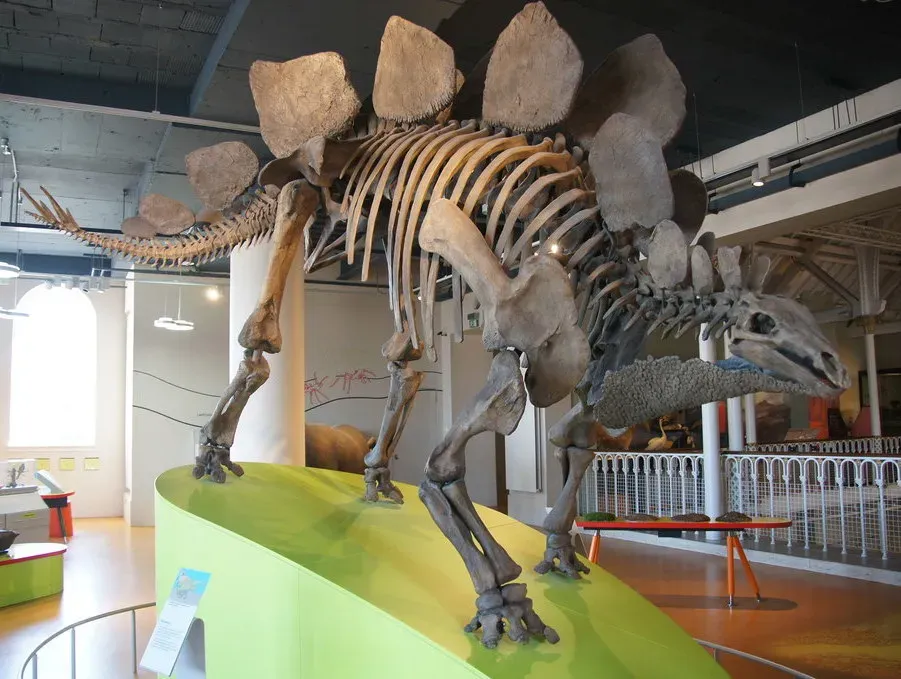
Today, it is generally agreed that their spiked tails were most likely used for defense against predators, while their plates may have been used primarily for display, and secondarily for thermoregulatory functions. That’s the current working consensus, but it remains a working one rather than a closed case.
Much like the horns of ceratopsid dinosaurs, the plates and spikes of stegosaurs varied greatly between species, which suggests that visual display was driving the evolution of these structures, with being recognized as a member of a particular species or displaying individual maturity and vigor during mating season probably driving the divergence in form among stegosaur ornaments.
What makes Stegosaurus so compelling is exactly this unresolved quality. Each new fossil discovery, each new analytical technique, and each new generation of scientists brings fresh insights. A creature that walked the Earth 150 million years ago is still generating genuine scientific debate in 2026. That, in itself, is remarkable. The plates didn’t just help Stegosaurus survive its world. They’ve kept us curious about it ever since.