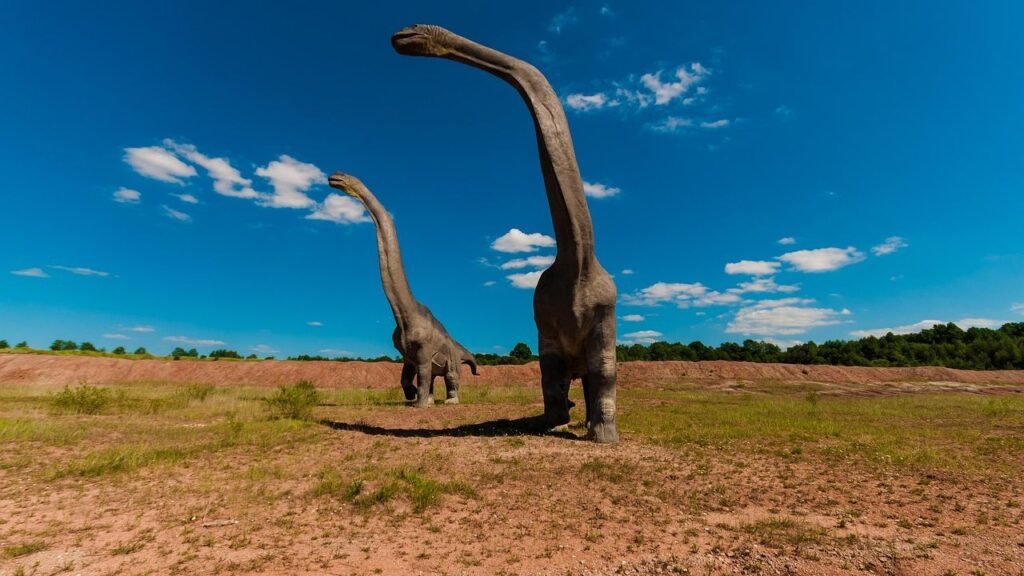
Imagine standing next to a creature the length of a basketball court, weighing roughly the same as a dozen African elephants. That’s not science fiction – that was Tuesday afternoon in the Jurassic period. Dinosaurs reached sizes so staggering that even today, scientists can’t fully agree on why it happened. What combination of biology, environment, and pure evolutionary luck produced animals that make modern giants like elephants look almost adorably small?
No modern animals except whales are even close in size to the largest dinosaurs, which is why paleontologists believe the dinosaurs’ world was much different from the world today, and that climate and food supplies must have been remarkably favorable for reaching great size. There are not just one or two ideas floating around – there’s a whole fascinating constellation of theories, each telling part of a much bigger story. Let’s dive in.
1. The Mesozoic Climate Created the Perfect Growing Conditions
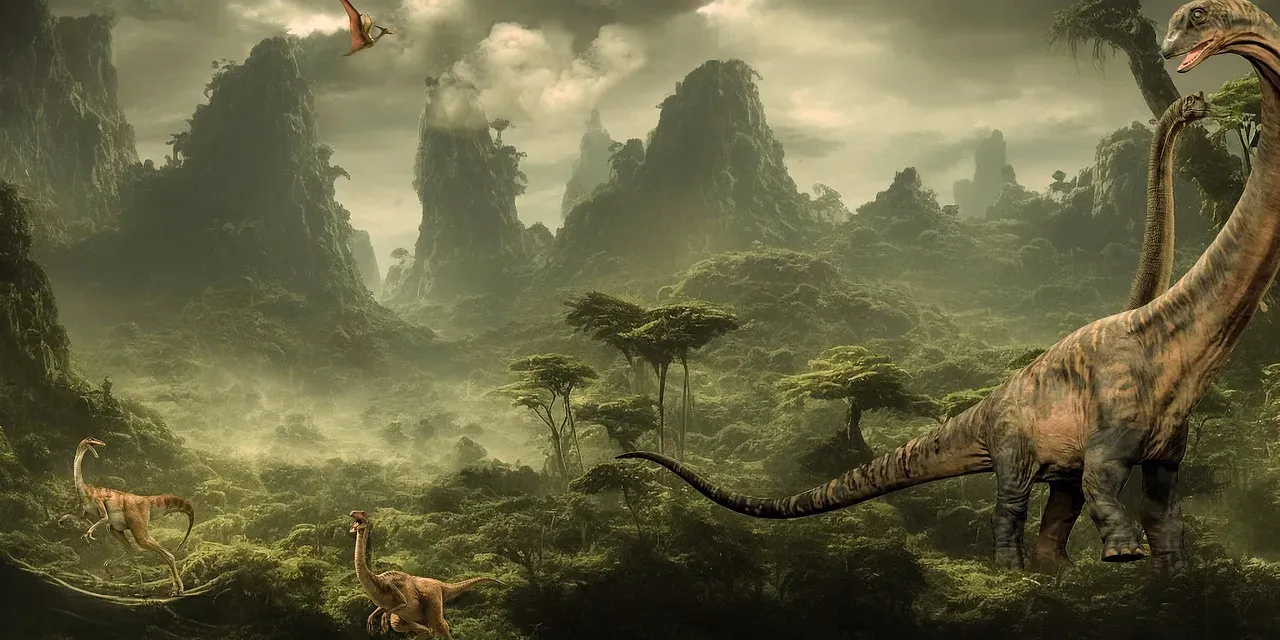
Here’s the thing – you can’t grow something extraordinary without an extraordinary environment to grow it in. The Mesozoic Era, when dinosaurs thrived, offered a world vastly different from today, and during the Jurassic period the climate was warm and stable, with no polar ice caps, leading to higher sea levels and expanded shallow seas. Think of it as a permanent greenhouse state, ideal not just for plants, but for every animal depending on those plants.
That consistent warmth meant dinosaurs expended less energy on maintaining body temperature, channeling more of it directly into growth. The warm climate also fostered lush vegetation, primarily gymnosperms, which provided an abundant food supply, and herbivorous dinosaurs benefited greatly from this rich plant life, which could sustain their enormous dietary needs. Honestly, it’s like having a never-ending all-you-can-eat buffet, combined with a permanent warm holiday. The conditions were almost tailor-made for gigantism.
2. Hollow, Air-Filled Bones Allowed Bodies to Scale Up Without Collapsing
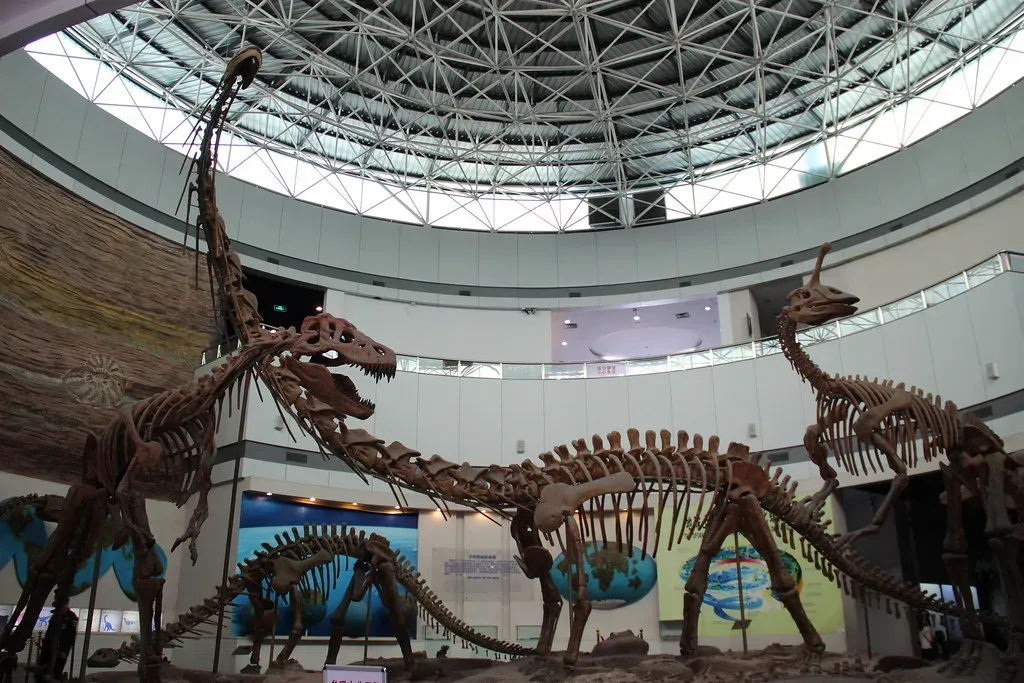
A significant anatomical adaptation was their specialized skeletal structure, particularly pneumatic bones – hollow bones filled with air sacs that provided strength without excessive weight, analogous to modern birds. This internal lightness was crucial for supporting massive bodies, allowing sauropods to grow to incredible lengths without collapsing under their own mass. It’s a bit like engineering a skyscraper with a honeycomb interior rather than solid concrete walls – same strength, dramatically less weight.
Some sauropod bones were also filled with air sacs, which could make even larger body sizes mechanically feasible, and this adaptive anatomical feature is found in many birds – dinosaurs’ closest living relatives – where it helps reduce body weight. Their pneumatized bones were hollow, and not only allowed the air sac breathing system to function but also reduced the cost of locomotion. If this characteristic equipped them with efficient breathing, it would subsequently enhance the basal metabolic rate and result in rapid growth. Science doesn’t get much more elegant than that.
3. A Bird-Like Respiratory System Kept Oxygen Flowing at Scale
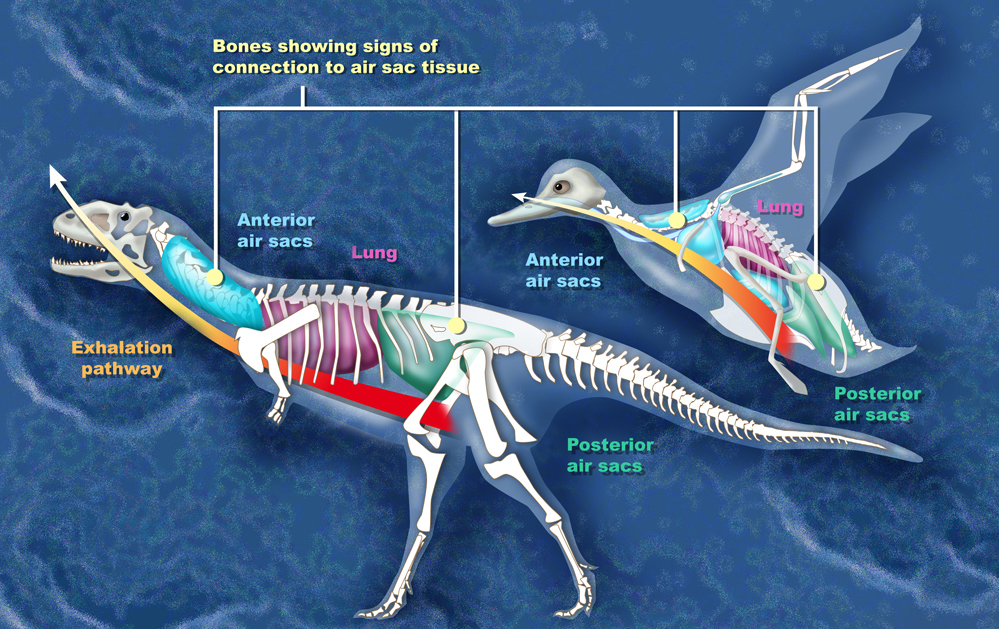
Dinosaurs developed highly efficient respiratory systems similar to the avian system, with unidirectional airflow and air sacs. These air sacs, extending into their bones, facilitated effective oxygen uptake and heat dissipation – both necessary for supporting a large, active body. This efficient breathing mechanism allowed for sustained high activity levels, a distinct advantage for large animals. It’s quite different from how you breathe right now, where air flows in and out through the same passage.
It appears that some traits sauropods inherited from their ancestors, such as swallowing large amounts of food without chewing, allowed the beginnings of increased body size, which was further enabled by the development of a bird-like breathing system that would have allowed oxygen to be supplied to their bodies more efficiently. Without this respiratory upgrade, the sheer metabolic demands of a fifty-ton body would have been unsustainable. That breathing innovation was, in many ways, the engine behind the whole operation.
4. The Evolutionary Arms Race Between Predators and Prey
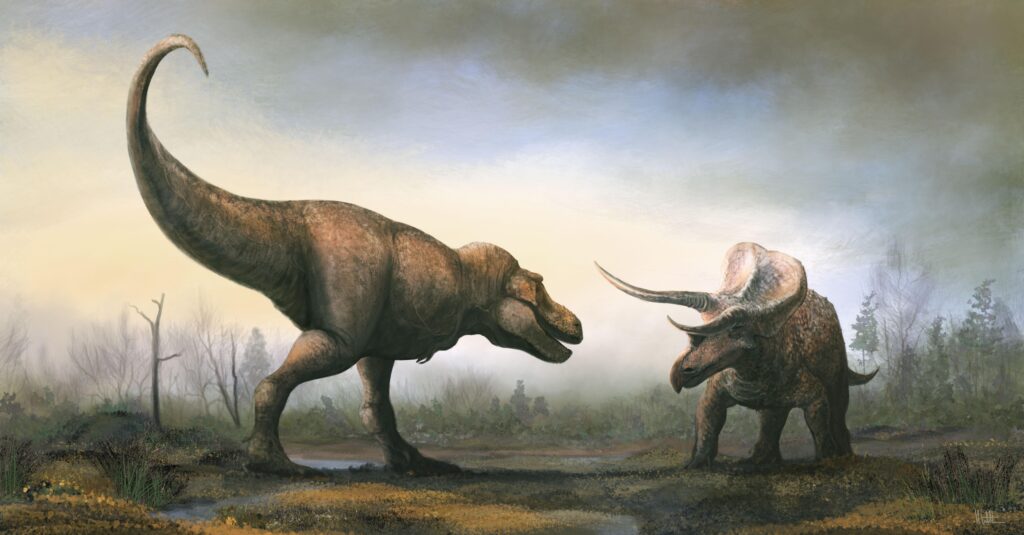
Let’s be real – if something wants to eat you, getting bigger is a pretty solid survival strategy. For herbivorous dinosaurs, large size provided a powerful defense mechanism against predators, and an adult sauropod would have been largely immune to attacks from most carnivorous dinosaurs, offering protection to themselves and their young. Once herbivores started growing bigger, predators had no choice but to keep up.
Herbivores gained mass to avoid being preyed upon, and carnivores gained mass to make it easier to prey on those large herbivores. Over time, both were pushed to upper extremes in size – a true evolutionary arms race. This predation could prompt sauropods to grow even larger, and as one researcher put it, there was “almost like an arms race going on.” It’s a scenario that kept escalating, generation after generation, with no natural ceiling in sight.
5. Incredibly Efficient Eating Habits Fueled Unstoppable Growth
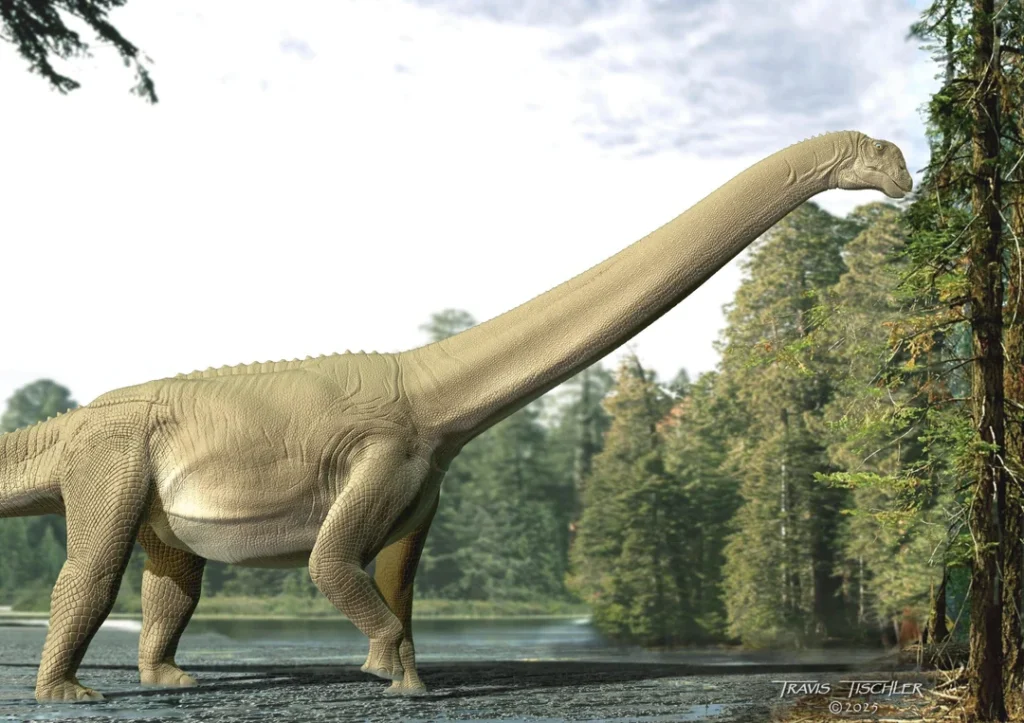
Scientists have found evidence that the long-necked sauropods had a comparatively slower metabolism relative to today’s large mammals, which indicates they likely didn’t have to eat as much, and when they did eat, they likely swallowed most of their food whole – sauropods’ teeth showed very little wear compared to other herbivorous species. Imagine skipping all that time chewing and just swallowing everything in sight. Actually efficient, if a little alarming to picture.
As sauropods’ stomachs grew in size, researchers think they evolved the ability to store food for long periods, so they could consume a huge amount of food very fast by swallowing it whole, and then their stomachs would do the slow work of grinding it down over weeks, slowly releasing the nutrients to fuel those massive bodies. Because sauropods had such long necks, they must have been more efficient eaters than other large herbivores, meaning they could cover much larger feeding grounds and reach food inaccessible to others, so in theory the massive sauropods were able to grow larger precisely because they fed more efficiently.
6. Egg-Laying and Rapid Reproduction Removed a Critical Size Barrier
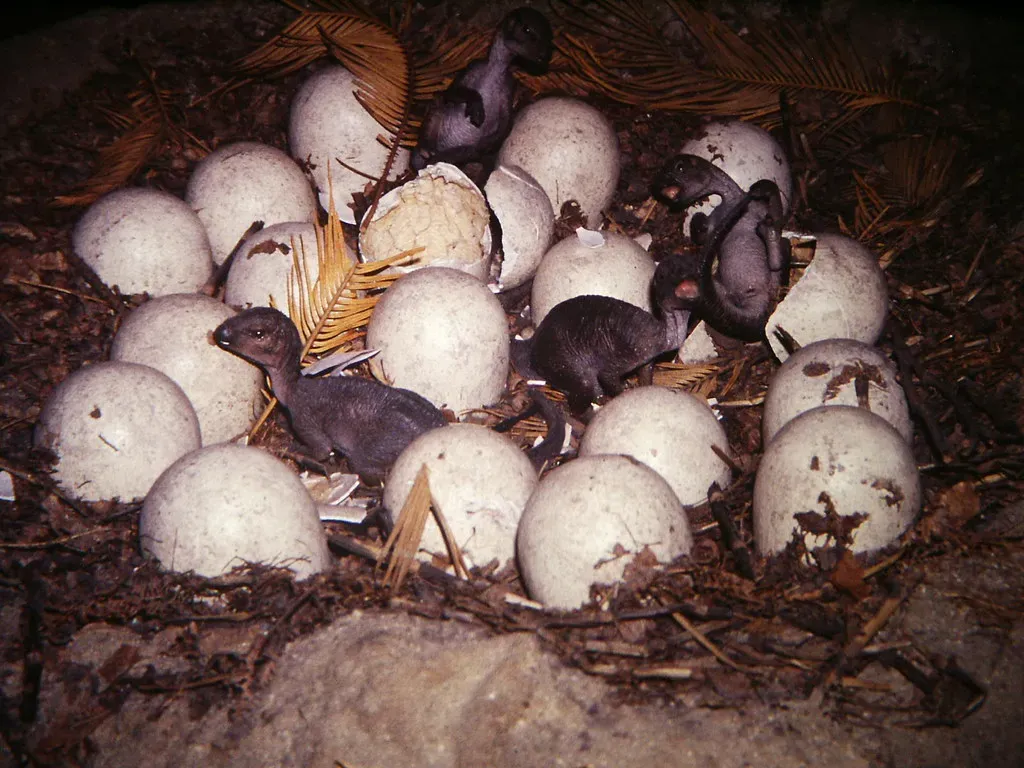
This one is a theory I find genuinely surprising. The way dinosaurs reproduced may have been just as important as anything else. Mammals give live birth and nurse their young – an elephant can drop a large calf only every few years and must spend years raising it before it can survive on its own, meaning lots of adults are required to raise the young, which puts a limit on the size of those adults. Sauropods, on the other hand, laid dozens of eggs each year, and the juveniles could survive on their own.
Efficient lungs and respiration, along with egg-laying, might have given dinosaurs a growth edge when compared to other animals. Since larger animals can lay more eggs and reproduce more quickly, there may have been a real reproductive advantage to being big. In other words, being enormous was self-reinforcing – the bigger you grew, the more offspring you could produce, and the more you locked in those size-favoring genes for the next generation.
7. Cope’s Rule: The Evolutionary Tendency Toward Bigger Bodies Over Time
There’s Cope’s Rule, a hypothesis formulated by paleontologist Edward Cope that says animals in evolving lineages tend to get larger over time, and a study by the Department of Paleobiology at the National Museum of Natural History in 2012 found that Cope was right – well, some of the time. It’s a compelling idea, almost as if nature has a built-in bias toward growth, at least under certain conditions.
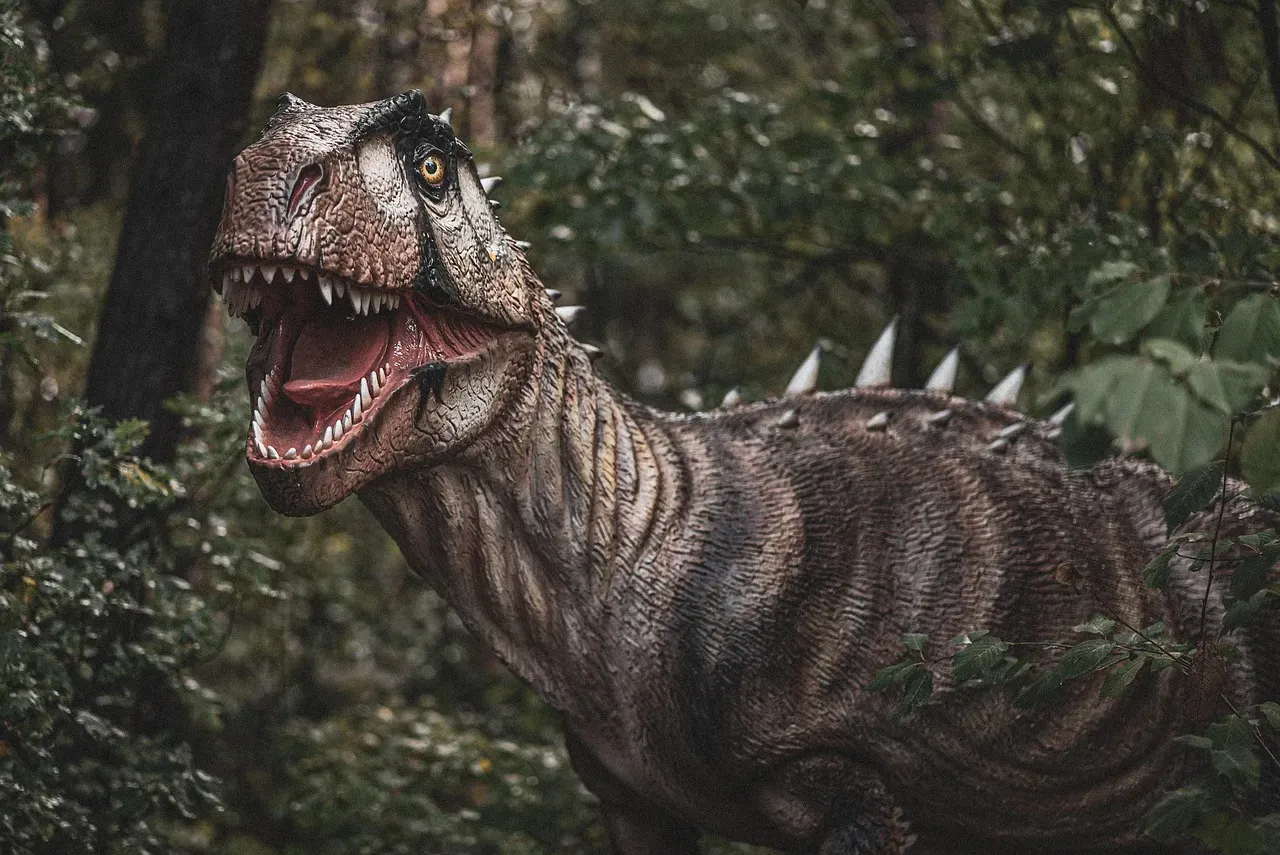
What researchers found was that some groups, or clades, of dinosaurs – including the long-necked sauropods – do grow larger over time as Cope’s Rule suggests, however others, like theropods which include the popular T. rex, did not. So the rule isn’t universal, but it clearly influenced key dinosaur lineages. With body mass increase driven by the selective advantages of large body size, animal lineages will increase in body size until they reach the limit determined by the interplay of biology, anatomy, and resource availability. It’s a ratchet, tightening generation by generation.
8. Fast Growth Rates and Unique Developmental Strategies
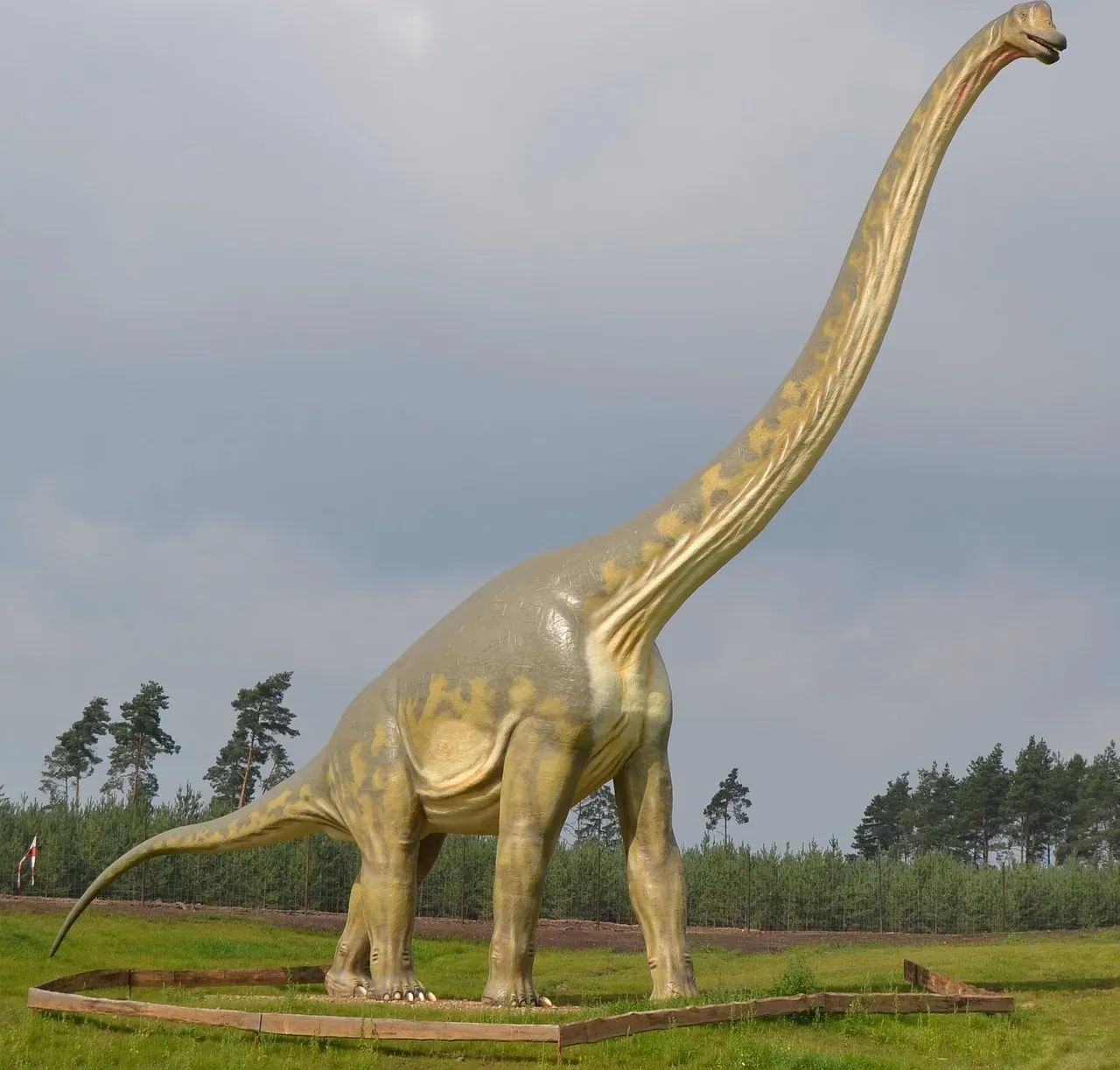
Only those animals with high metabolic rates can grow rapidly, and so only they can grow fast enough to become truly gigantic within a reasonable timeframe. Elephants reach as much as ten tonnes in just three decades, yet it would take well over a century for a reptile to do the same – and animals almost always die well before that, due to predators, disease, or accident. Dinosaur bones show evidence that they formed rapidly, like those of birds and mammals, rather than slowly as in reptiles.
Research found that there is no single way to grow a dinosaur – the largest dinosaurs sometimes took as little as ten years or so to reach their truly immense sizes, while some others would have taken decades, revealing vastly different growth rates and durations in the largest dinosaurs. It was long thought that the predominant mechanism for evolving a larger body size was through developmental acceleration – having a faster growth spurt – but what research now shows is that it is equally likely they actually slowed their growth but grew for longer. Two very different roads, leading to the same spectacular destination.
9. Gigantothermy: Using Sheer Mass to Regulate Body Temperature
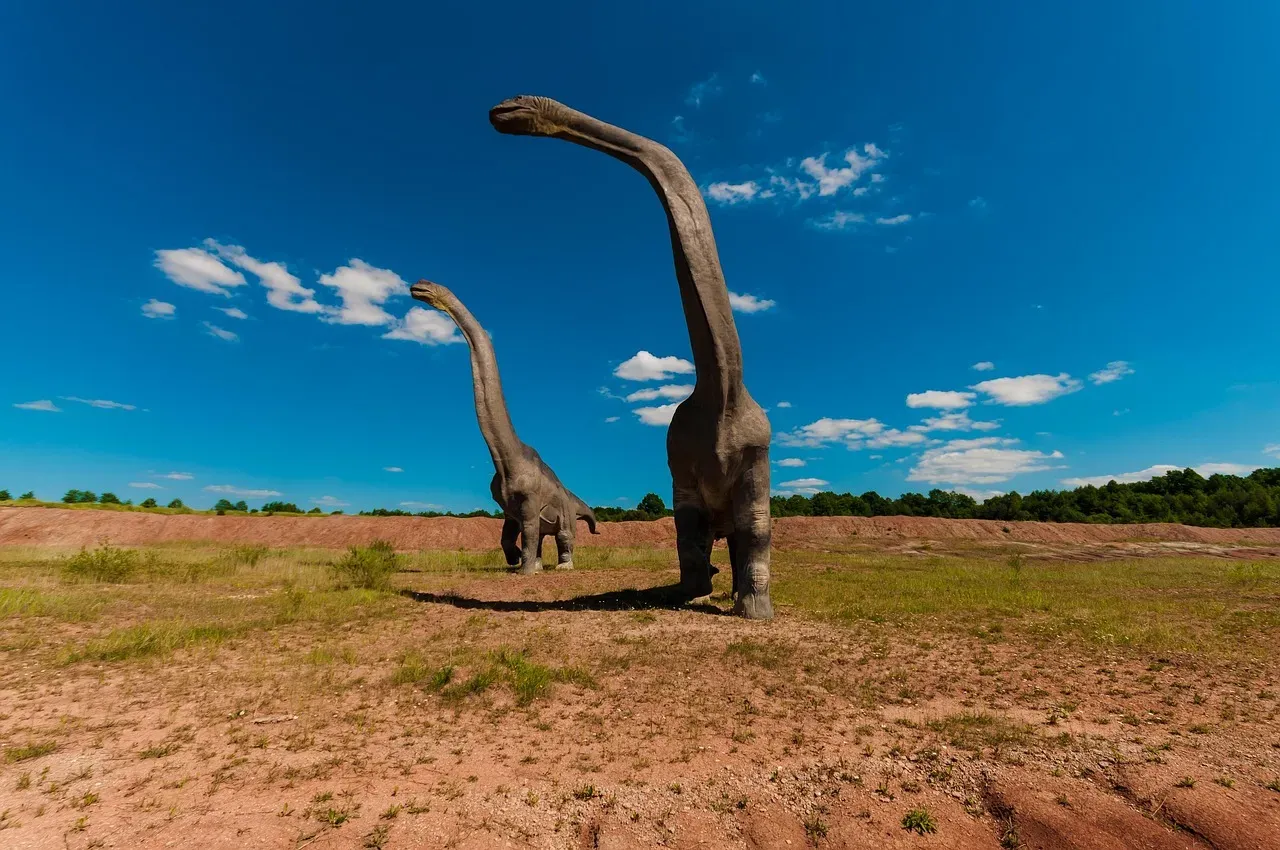
Large body mass played a role in thermoregulation, a phenomenon known as gigantothermy. A large animal has a smaller surface area-to-volume ratio, meaning it loses or gains heat more slowly and can maintain a more stable internal body temperature in fluctuating environments. This inertial homeothermy allowed large dinosaurs to regulate body temperature more effectively without expending as much metabolic energy as fully warm-blooded animals. Think of it like a large pot of water versus a small cup – the big pot takes far longer to cool down.
Many dinosaurs are believed to have been mesothermic, a middle ground between warm-blooded and cold-blooded, allowing higher metabolic rates than typical reptiles but lower energy demands than mammals. This intermediate metabolic strategy would have enabled efficient energy conversion for growth without the extreme caloric needs of a fully warm-blooded animal of comparable size. It’s a beautifully balanced compromise – enough warmth to grow fast, enough efficiency to avoid eating non-stop. I think this theory is one of the most underappreciated pieces of the puzzle.
Conclusion: A Perfect Storm of Biology, Environment, and Evolution
There was no single cause for the observed trend in body size, but rather an intertwined mass of pressures and constraints which shaped the evolution of these dinosaurs – a constant interplay between what was evolutionarily possible and what was advantageous to local conditions at a given time. Every theory explored here is a thread in that same enormous tapestry.
Both researchers and scientists agree that the jury is still out on exactly why dinosaurs became so large, and there are multiple explanations that ongoing research will continue to shed light on while raising yet further questions. What makes this topic so endlessly compelling is that the more you dig, the more you realize just how many factors had to align perfectly – the bones, the lungs, the food, the climate, the reproductive strategy, and the predators – all at once, over millions of years.
Dinosaur gigantism wasn’t a fluke. It was the result of a planet conspiring, in nearly every possible way, to build something unforgettable. The real wonder isn’t just that they grew so big – it’s that the answer has been quietly buried in rock for 65 million years, waiting for us to find it. What surprises you most about what drove these giants to such extraordinary size? Tell us in the comments.