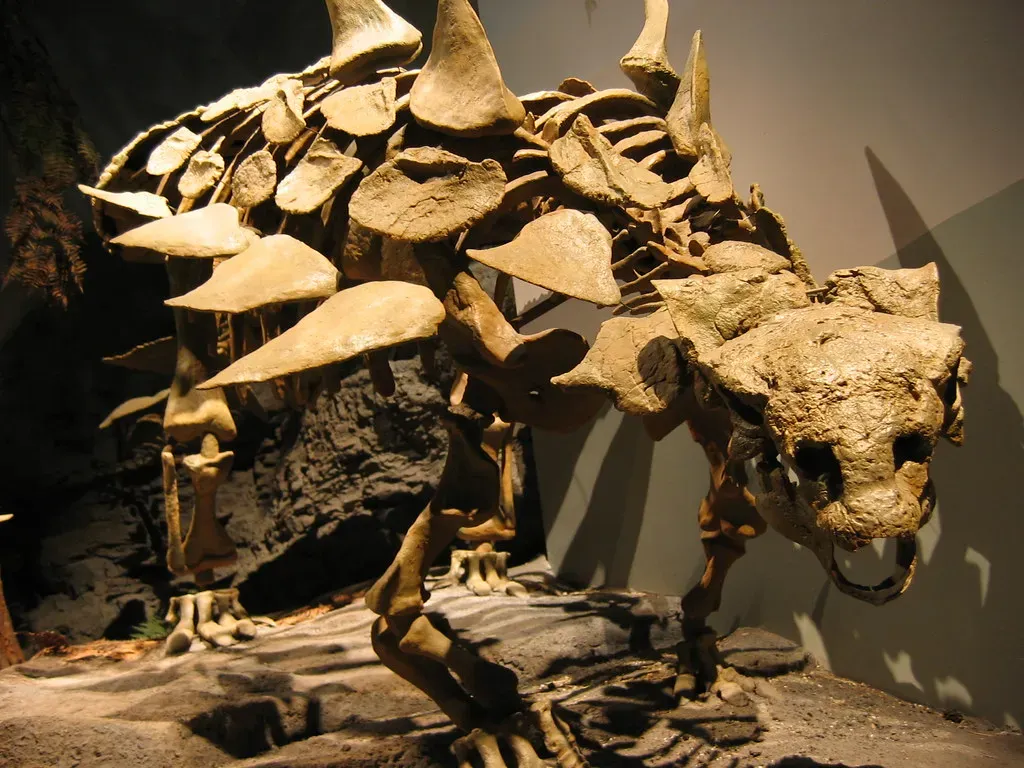
Have you ever wondered how creatures the size of a bus survived in landscapes that could freeze solid one season and bake under relentless heat the next? The dinosaurs weren’t just lumbering giants stuck in tropical paradises. These animals thrived across nearly every corner of ancient Earth, from freezing polar regions to scorching deserts. Their survival wasn’t luck. It was adaptation at its finest, a masterclass in evolutionary ingenuity that allowed them to dominate the planet for over 160 million years.
Let’s dive into the remarkable strategies these prehistoric titans employed to conquer some of the most extreme climates our planet has ever seen.
Developing Feathery Insulation for Freezing Temperatures
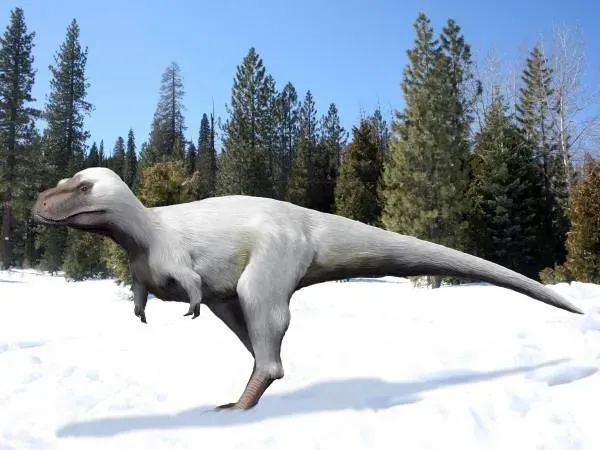
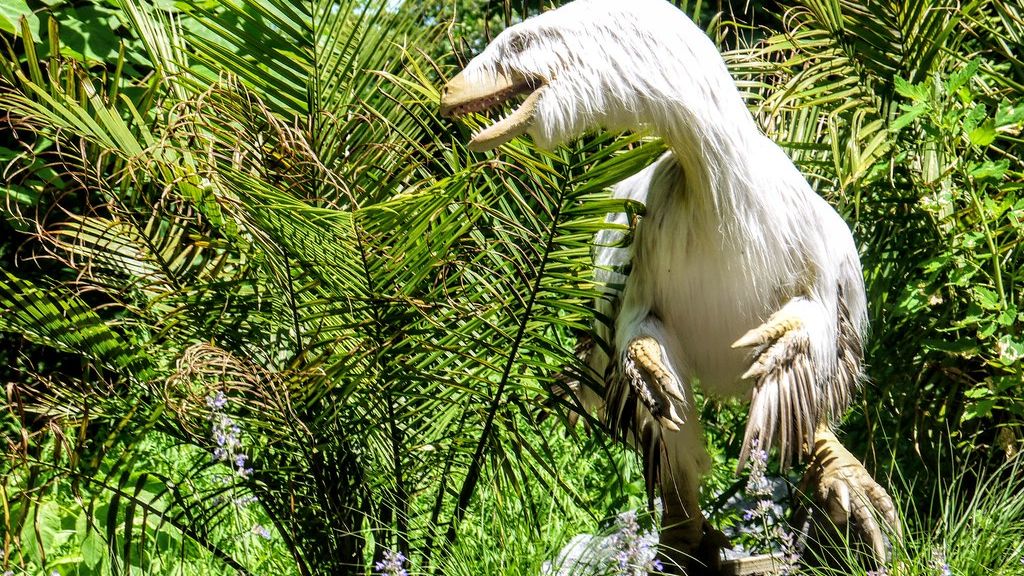
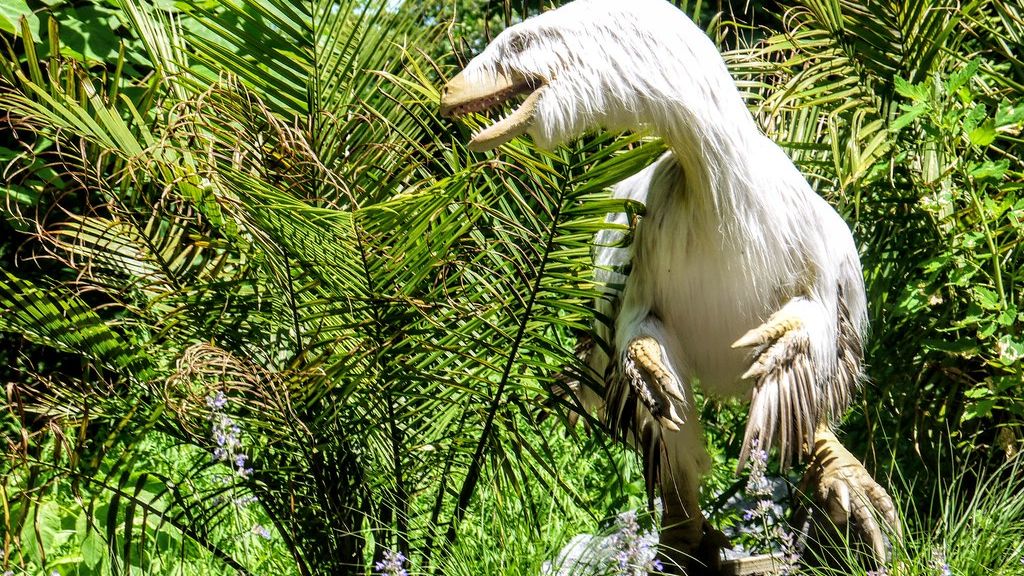
You might picture dinosaurs as scaly reptiles, yet many species actually sported feather-like structures called protofeathers that provided crucial insulation against bitter cold. Think about it like this: while their competitors shivered and struggled, early dinosaurs were fundamentally cold-adapted animals, and when freezing conditions spread globally, they were ready while other animals weren’t.
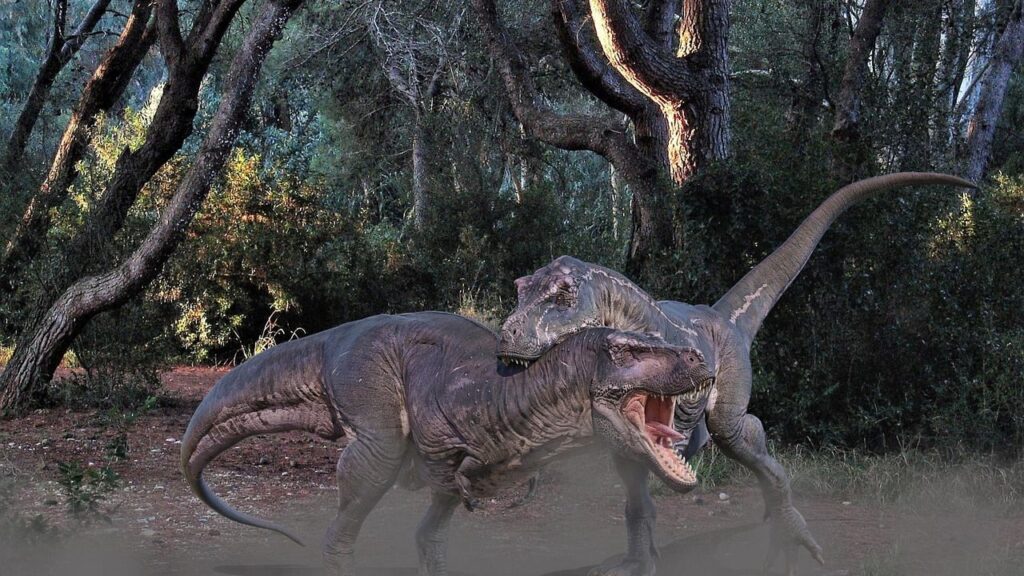
Fossils unearthed in recent years show that many non-avian dinosaurs, including iconic beasts like tyrannosaurids, were covered in feathers, probably for insulation. These fuzzy coats allowed them to maintain warmth during harsh polar winters when temperatures regularly dropped below freezing. Cold-adapted, insulated dinosaurs were able to hang on during brutal conditions that killed uninsulated reptiles, giving them a massive evolutionary advantage that would eventually lead to their planetary dominance.
Slowing Growth During Harsh Winters to Conserve Energy
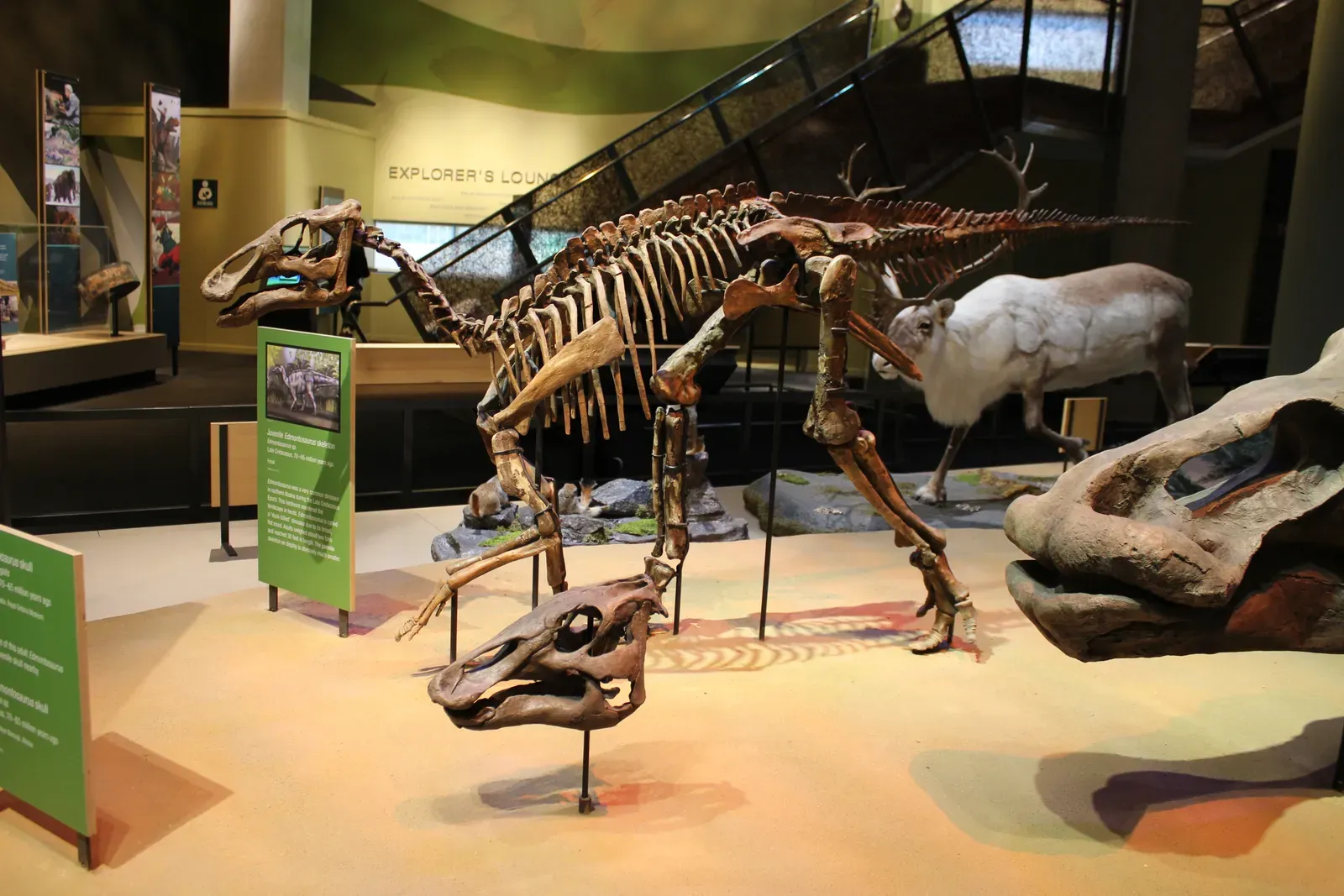
Here’s something truly clever: microscopic details of polar dinosaur bones show that some dinosaurs slowed their growth during harsh seasons to get by with less. Dinosaurs could temporarily stop growing in the harsh winters, enabling them to conserve energy while food was scarce. It’s a bit like hitting pause on development when resources vanished.
Fossilised bones found at the Junggar basin showed bone rings that indicate this growth pattern. When spring returned and food became abundant again, growth resumed. This adaptive flexibility meant dinosaurs didn’t need to maintain constant energy-hungry growth year-round, a significant survival advantage in seasonally extreme climates where food availability fluctuated dramatically.
Evolving Internal Heat Generation Through Endothermy
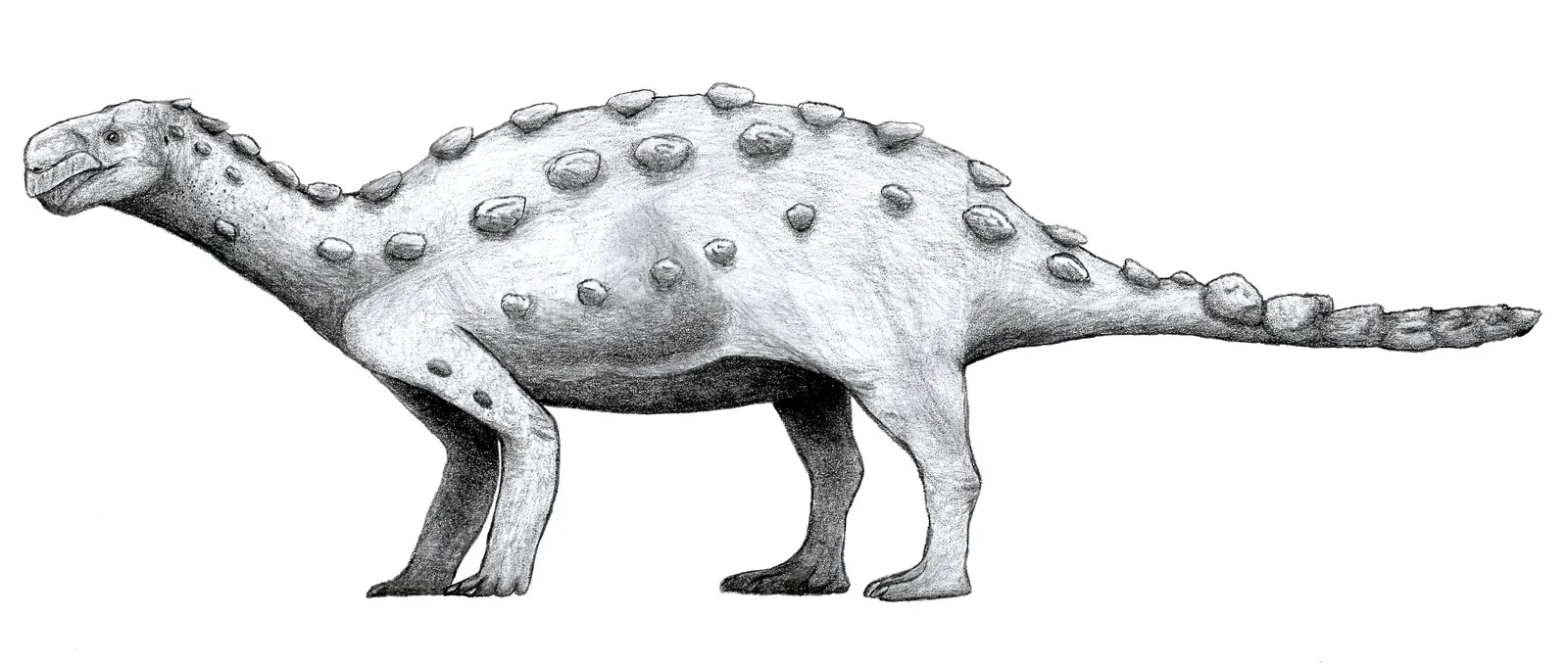
Around 183 million years ago, endothermy, the ability to internally generate heat, allowed certain dinosaurs to thrive in changing climates. The adoption of endothermy may have enabled theropods and ornithischians to thrive in colder environments, groups that include famous predators like T. rex and Velociraptor as well as plant-eaters like Stegosaurus and Triceratops.
This wasn’t a universal dinosaur trait, though. An Early Jurassic shift to colder climates in Theropoda suggests an early adoption of endothermy. The ability to regulate internal temperature metabolically meant these dinosaurs could remain active during cooler periods, hunt more effectively, and colonize environments that were simply off-limits to their cold-blooded competitors. Honestly, it was a game-changer that reshaped the entire course of their evolution.
Growing to Gigantic Sizes for Heat Retention
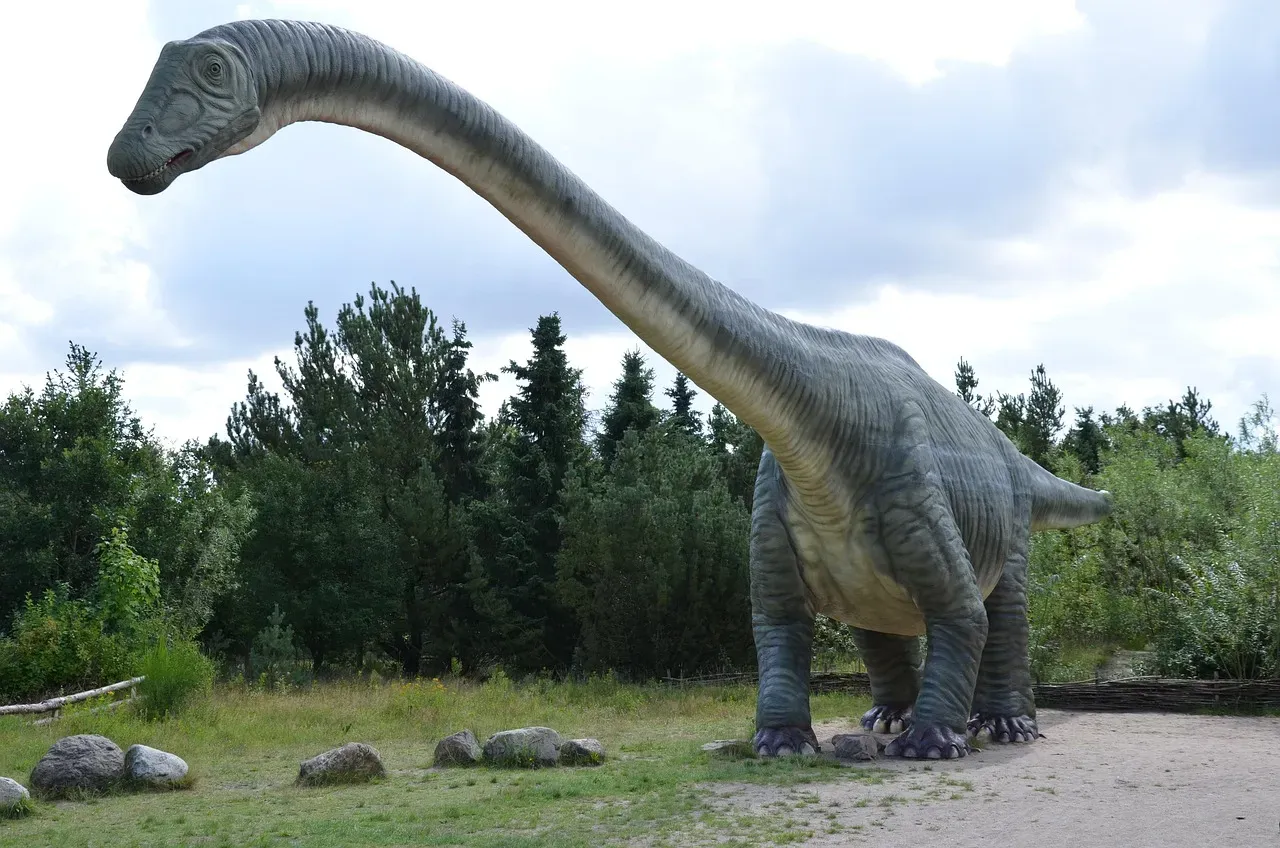
While some dinosaurs evolved warm-bloodedness, others took a completely different approach. Sauropods opted to stick to warmer climates and achieved this by growing to enormous sizes, which helped them retain heat due to their smaller surface area to volume ratio. Picture a creature weighing as much as ten elephants – losing body heat becomes much slower when you’re that massive.
As the earth warmed during the Jurassic period, sauropods got larger due to a combination of a high availability of food, their efficient feeding strategies and their high basal metabolic rate. Their long necks were not only an adaptation for reaching high foliage but also provided a greater surface area, helping them to regulate their body temperature. This strategy, called gigantothermy, allowed them to maintain relatively stable internal temperatures without the energy costs of true endothermy.
Developing Enhanced Visual Adaptations for Polar Darkness
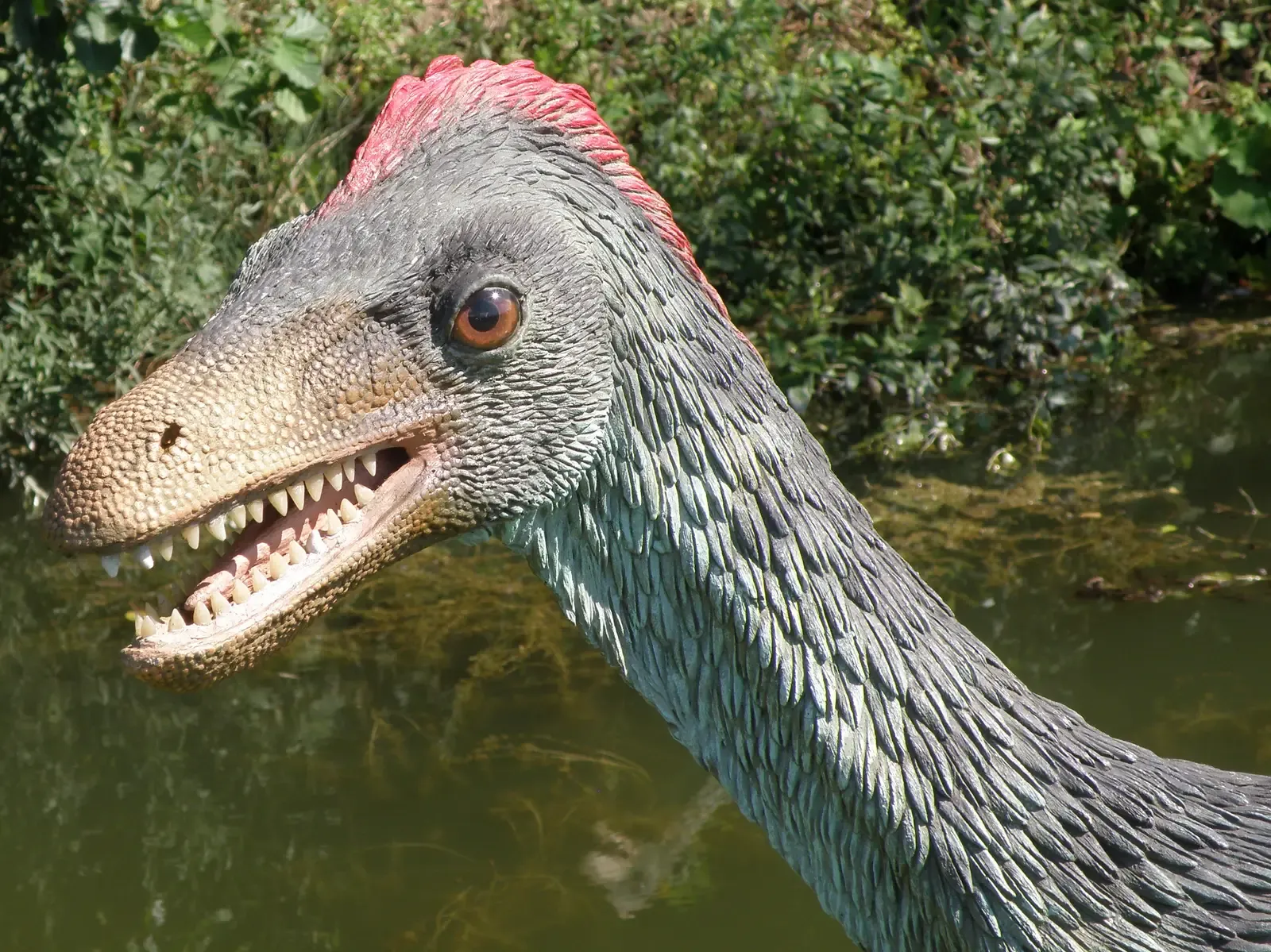
The raptor-relative Troodon was a feathery, eight-foot-long dinosaur with large eyes, and its large eyes may have given it an advantage, especially during the dark months. In the Arctic, where winter plunged regions into months of near-total darkness, keen eyesight became absolutely essential for survival.
While rare in other locations, Troodon was overwhelmingly abundant in ancient Alaska. Those massive eyes weren’t just for show – they allowed these predators to hunt effectively even when sunlight disappeared for extended periods. It’s hard to say for sure, but this adaptation likely gave them exclusive access to prey that other predators simply couldn’t locate in the gloom, cementing their dominance in these extreme high-latitude environments.
Adapting Body Size to Available Resources
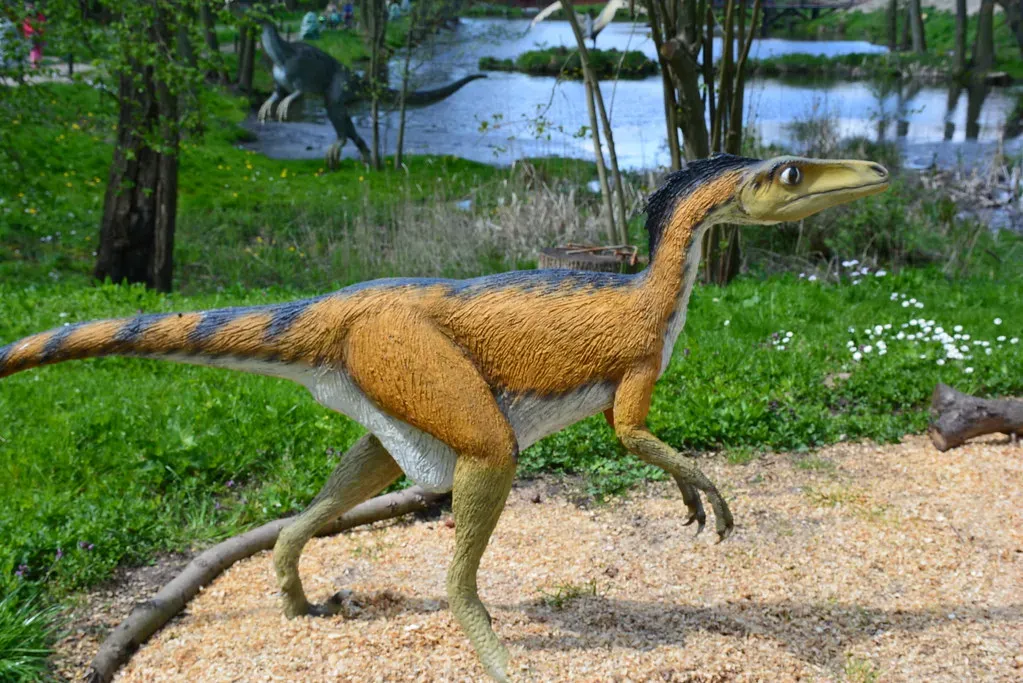
The local tyrannosaur in the Prince Creek Formation was a unique and smaller predator, roughly the size of a polar bear, and the comparatively small stature of this dinosaur, as well as downsized species of horned dinosaur, hints that types of dinosaurs that grew big elsewhere adapted to become smaller and thereby get by on less food in the cool of ancient Alaska. This phenomenon, called insular dwarfism, shows remarkable evolutionary plasticity.
When food becomes limited in harsh climates, smaller body sizes require less energy to maintain. These Arctic dinosaurs essentially downsized themselves over generations, trading the intimidation factor of massive size for the survival advantage of lower caloric needs. It’s a strategy we see in modern animals too, but witnessing it in creatures we typically imagine as giants is genuinely surprising.
Utilizing Behavioral Thermoregulation Strategies
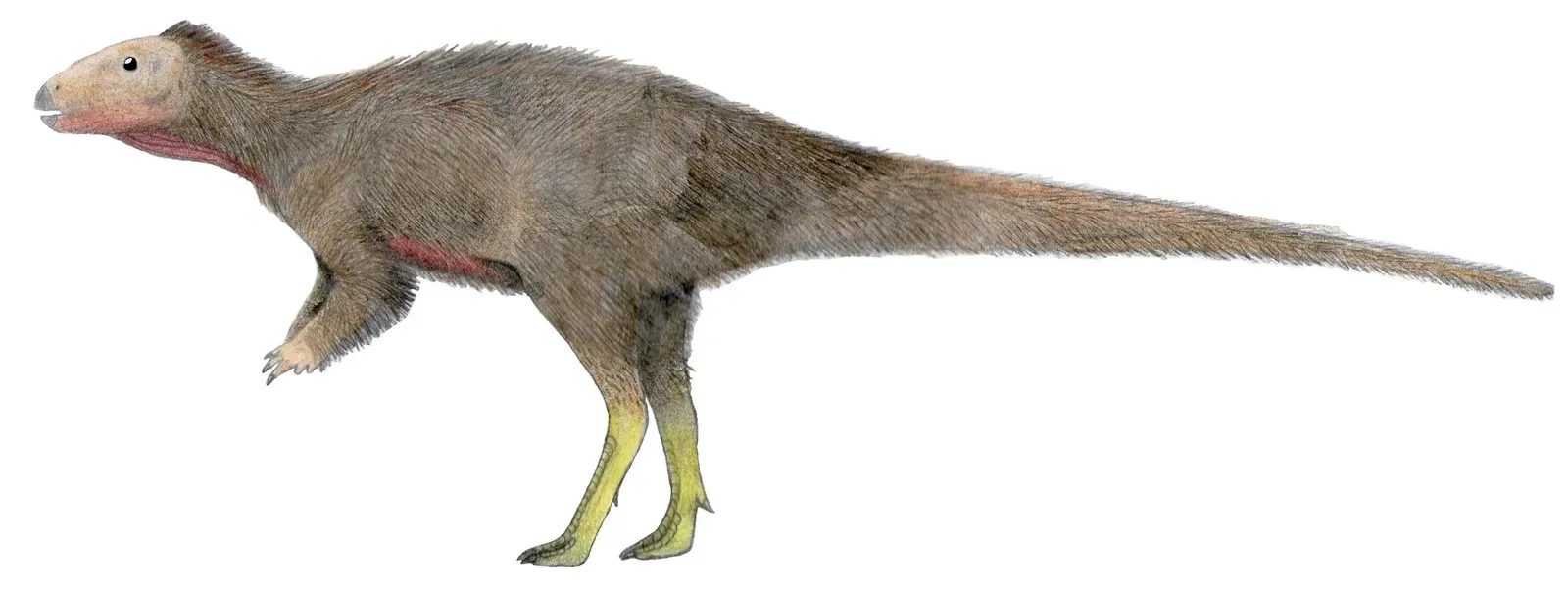
Some dinosaurs with low metabolic rates depended on behavioral thermoregulation, such as sun basking, and seasonal migration into warmer climates. Burrow structures associated with certain smaller desert dinosaur species indicate that some may have adopted subterranean lifestyles during extreme weather conditions, much like modern desert animals.
By migrating according to climate shifts, dinosaur species increased their chance of survival since they’d have better access to food, and massive dinosaur track sites with footprints from numerous species dating at a similar geological age indicate that various species may have traveled together. These behavioral adaptations worked alongside physical features to create a comprehensive survival toolkit that addressed temperature extremes without relying solely on metabolic processes.
Modifying Respiratory and Circulatory Systems
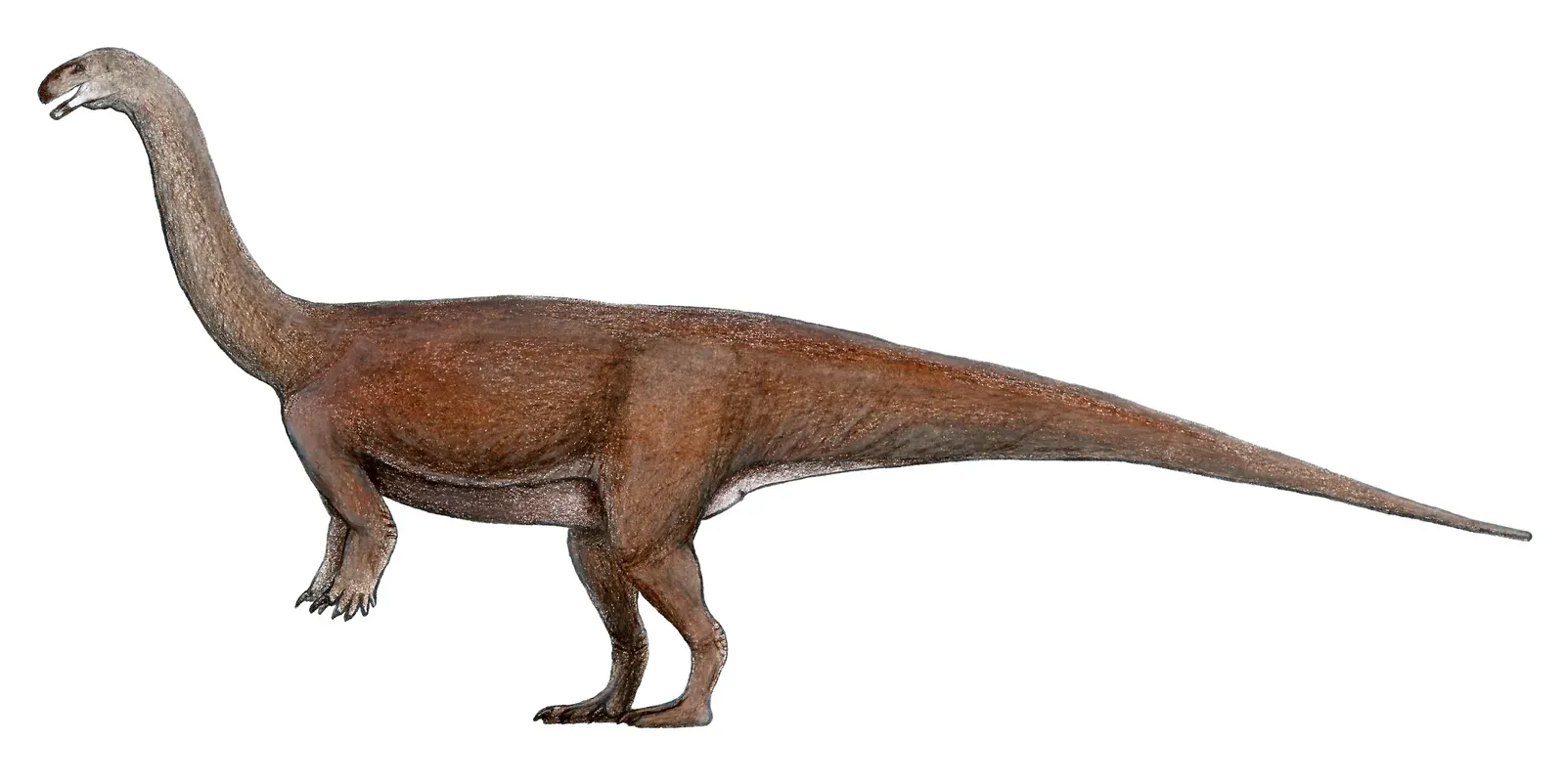
Studies have suggested that dinosaurs were likely warm-blooded, or capable of regulating their body temperature metabolically, which would have provided additional protection against the cold. This required significant internal modifications. A four-chambered heart had one ventricle pumping oxygen-poor blood at low pressure to the lungs and a powerful second ventricle pumping freshly oxygenated blood to all other parts of the body at high pressure, and like birds and mammals, many dinosaurs apparently had the required four-chambered heart necessary for an animal with a high metabolism.
These cardiovascular adaptations were absolutely critical for maintaining activity levels in variable temperatures. Enhanced oxygen delivery meant dinosaurs could sustain energy-intensive processes like thermoregulation and maintain brain function even when environmental conditions became challenging. Let’s be real – without these internal upgrades, no amount of external insulation would have sufficed in truly extreme climates.
Occupying Climate-Specific Ecological Niches
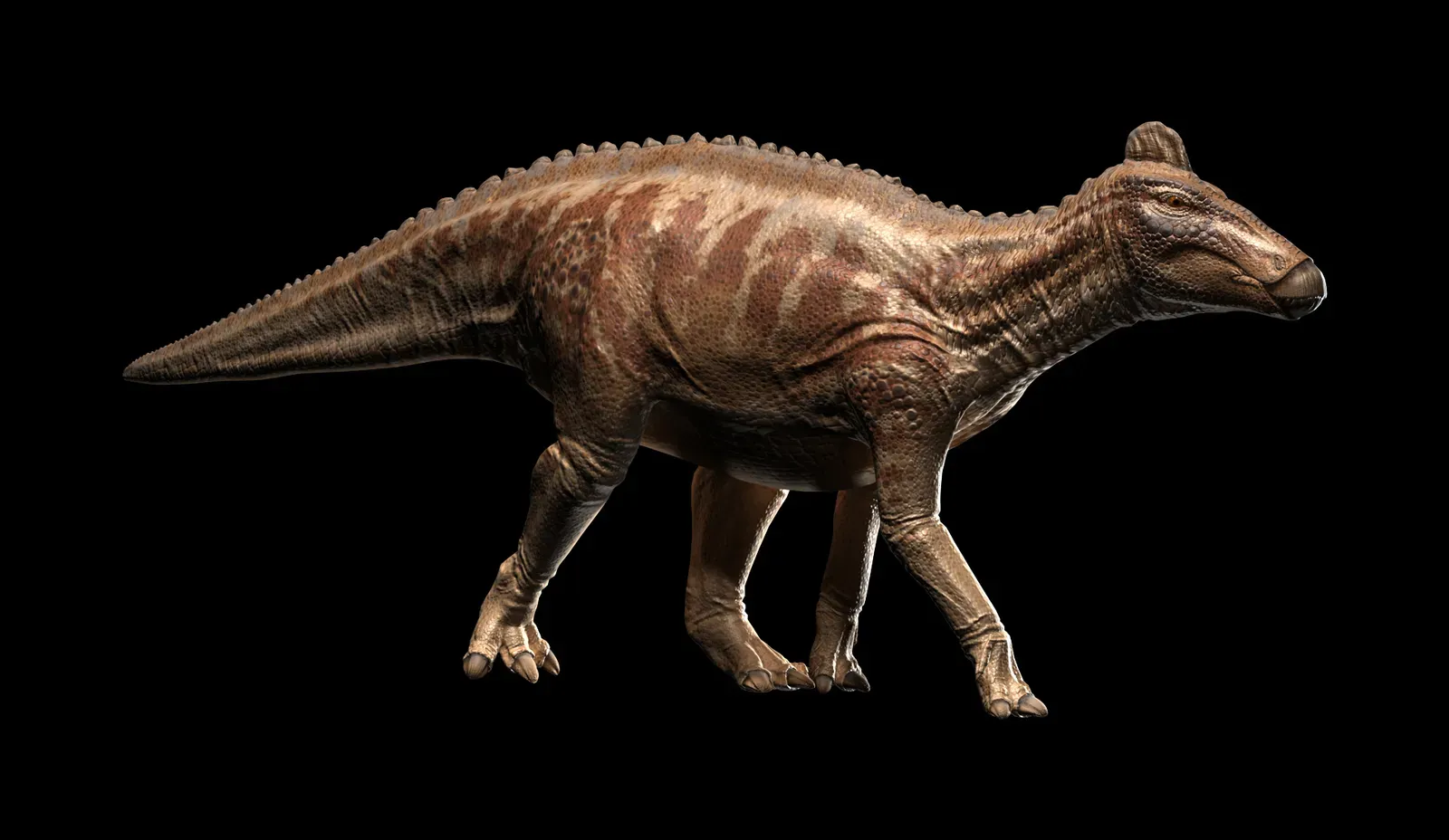
Early dinosaurs kept to themselves in the polar latitudes, and although most of Earth was intensely warm due to high concentrations of greenhouse gases, the higher latitudes received little to no sunlight during much of the year, so the dinosaurs that dwelled in the far north must have lived in relatively cold climates. This geographic segregation wasn’t accidental – it was strategic.
These traits would have served dinosaurs well on a planet that was extraordinarily hot overall by enabling them to avoid the tropics, with their extreme and unpredictable climatic patterns, in favor of temperate zones, where despite having to contend with seasonal winters they would have found more consistent food sources. Variations in climate conditions were restricting dinosaur diversity, but once these conditions changed across the Triassic-Jurassic boundary, they were able to flourish. By claiming niches others couldn’t tolerate, dinosaurs positioned themselves perfectly for eventual global dominance when climate upheaval eliminated their less-adaptable competitors.
Conclusion
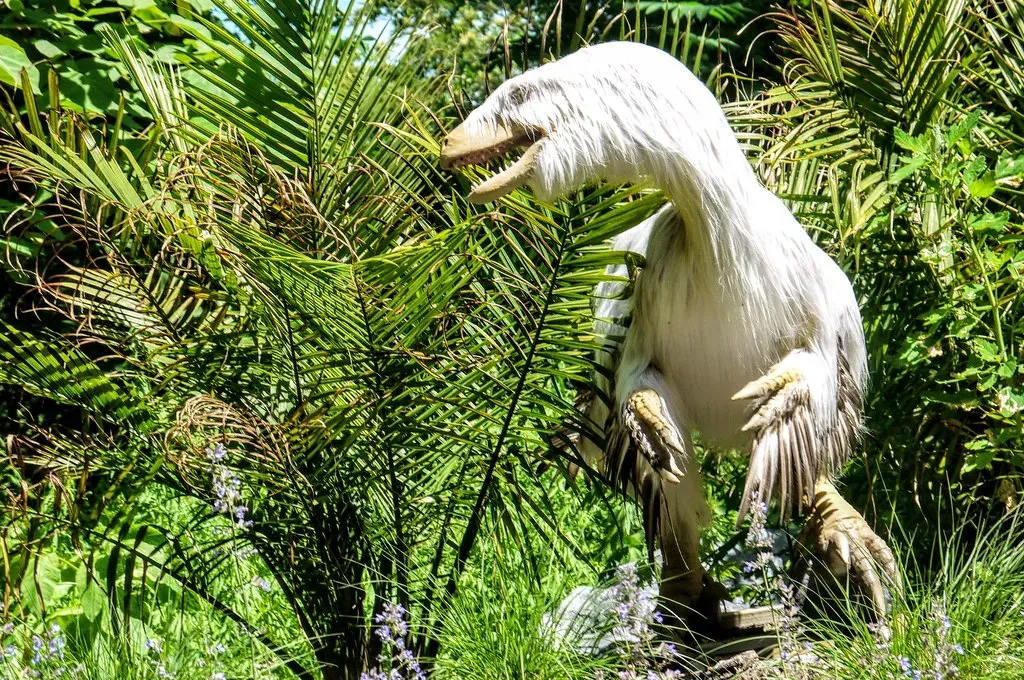
The story of dinosaur climate adaptation is far more nuanced than anyone imagined decades ago. These weren’t simple-minded reptiles confined to steamy jungles. They were sophisticated creatures with diverse physiological and behavioral strategies that allowed them to conquer frozen tundras, scorching deserts, and everything in between. From the development of insulating protofeathers to the evolution of complex cardiovascular systems, from strategic body size modifications to behavioral innovations like migration and burrowing, dinosaurs demonstrated evolutionary creativity that rivals anything we see in modern animals.
Their success across such varied climates teaches us something profound about adaptation and survival. In a world facing rapid climate change today, studying how these ancient creatures responded to extreme environmental shifts offers valuable perspectives. What do you think about these incredible adaptations? Did any of these survival strategies surprise you?