Have you ever wondered what separates someone who notices everything from someone who walks through life missing half of what’s happening around them? You might think it’s just natural talent, something certain people are born with. Here’s the thing, though. Observation isn’t just a gift reserved for detectives in crime novels or scientists in dusty field sites. It’s a skill, one that anyone can develop with the right habits.
Paleontologists, those scientists who dig up ancient life and piece together stories from millions of years ago, are masters of observation. They have to be. A tiny fossil fragment, a slight color change in rock layers, or a subtle pattern in bone structure can reveal entire ecosystems that vanished long before humans walked the Earth. If you’ve ever wanted to see the world more clearly, to catch the details others miss, then learning from these keen observers might just change how you experience everything around you. So let’s get started.
You Slow Down and Engage All Five Senses
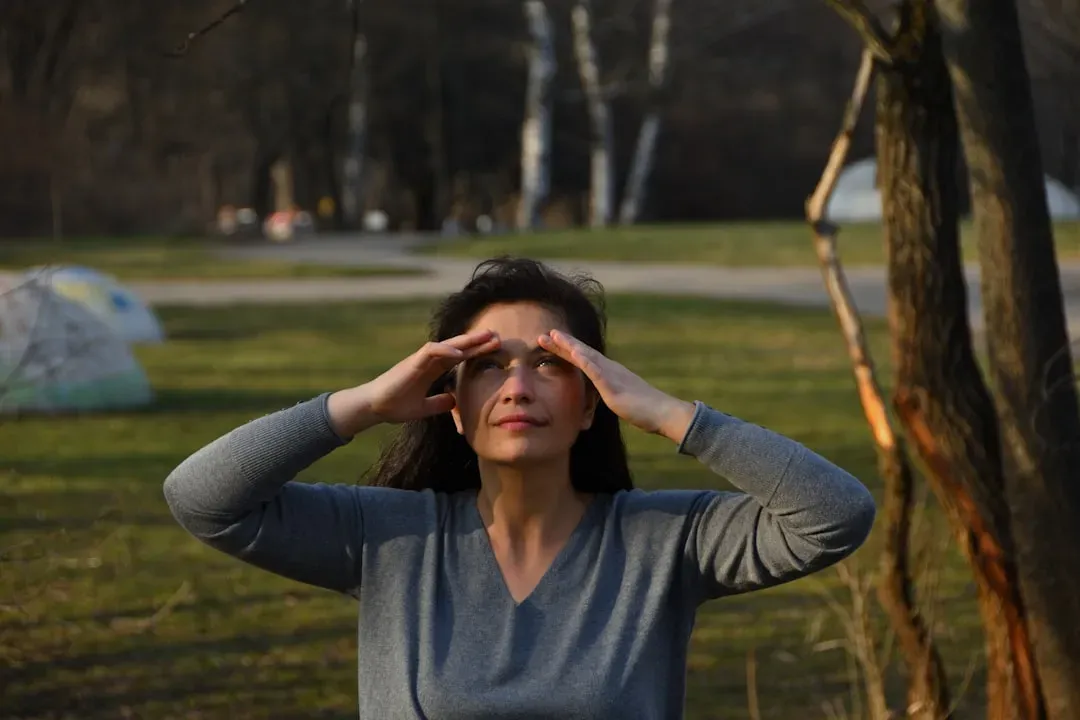
You use all five senses to observe the world around you, and your observation skills inform you about objects, events, attitudes and phenomena using one or more senses. Most people rush through their days with their attention split between a dozen different distractions. When you truly want to observe, you need to pause. Take a moment to really look at what’s in front of you. Listen to the sounds you normally filter out. Notice textures, temperatures, even scents that drift past.
Art helps train your eye to see the world around you in different ways; it helps to sharpen your powers of observation. Think about a paleontologist examining a fossil. They’re not just glancing at it. They’re feeling the texture of the rock, noting how light reflects off certain surfaces, perhaps even detecting the faint smell of the sediment it came from. This multisensory approach gives you a richer, more complete picture of whatever you’re studying.
You Practice Mindful Presence in the Moment

Observation involves taking in the details of a particular setting, and being preoccupied with concerns relating to future events, past occurrences or distractions can hinder your ability to recognize what’s going on around you. Let’s be real, your phone is probably the biggest obstacle to truly seeing what’s happening. Social media, endless notifications, the constant mental chatter about tomorrow’s meeting or yesterday’s conversation. All of it pulls you away from right now.
Most of the time we are observing passively, missing out on a wide range of life that we simply don’t notice, and the act of looking requires some work to improve it. When you commit to being present, even for short periods throughout your day, you start picking up on things you’ve been missing for years. It’s almost like waking up to a world that was always there but somehow invisible.
You Listen to Understand Rather Than to Respond

Listening is an art, and highly observant people have mastered it, while many people listen to respond, observant individuals listen to understand. There’s a massive difference between hearing words and actually listening. You’ve probably had conversations where the other person is clearly just waiting for their turn to talk. Their eyes glaze over slightly, and you know they’re not really with you. Observant people don’t do that.
You don’t just focus on the words being said, but also pick up on the emotions and intentions behind them. When you listen this way, you catch hesitations, changes in tone, the slight emphasis on certain words. It’s like reading between the lines of what someone is saying. Paleontologists do this with their data too, listening to what the fossils are telling them beyond the obvious surface information.
You Notice Patterns and Connections Others Miss

Your heightened observational skills enable you to see connections and correlations that others might miss, such as linking two seemingly unrelated ideas or noticing trends over time. This is where observation becomes truly powerful. Anyone can see individual details, but recognizing how they fit together? That takes practice and a certain way of thinking.
Paleontologists should be adept at hard skills like record keeping, observation, research, organization, data collection, and analysis, and often have to employ reasoning skills and logic as they analyze fossils. Imagine looking at a fossil and being able to deduce not just what creature it came from, but how it moved, what it ate, and what its environment looked like millions of years ago. That’s pattern recognition at its finest. You can apply this same skill to your work, relationships, and daily life.
You Pay Obsessive Attention to Small Details
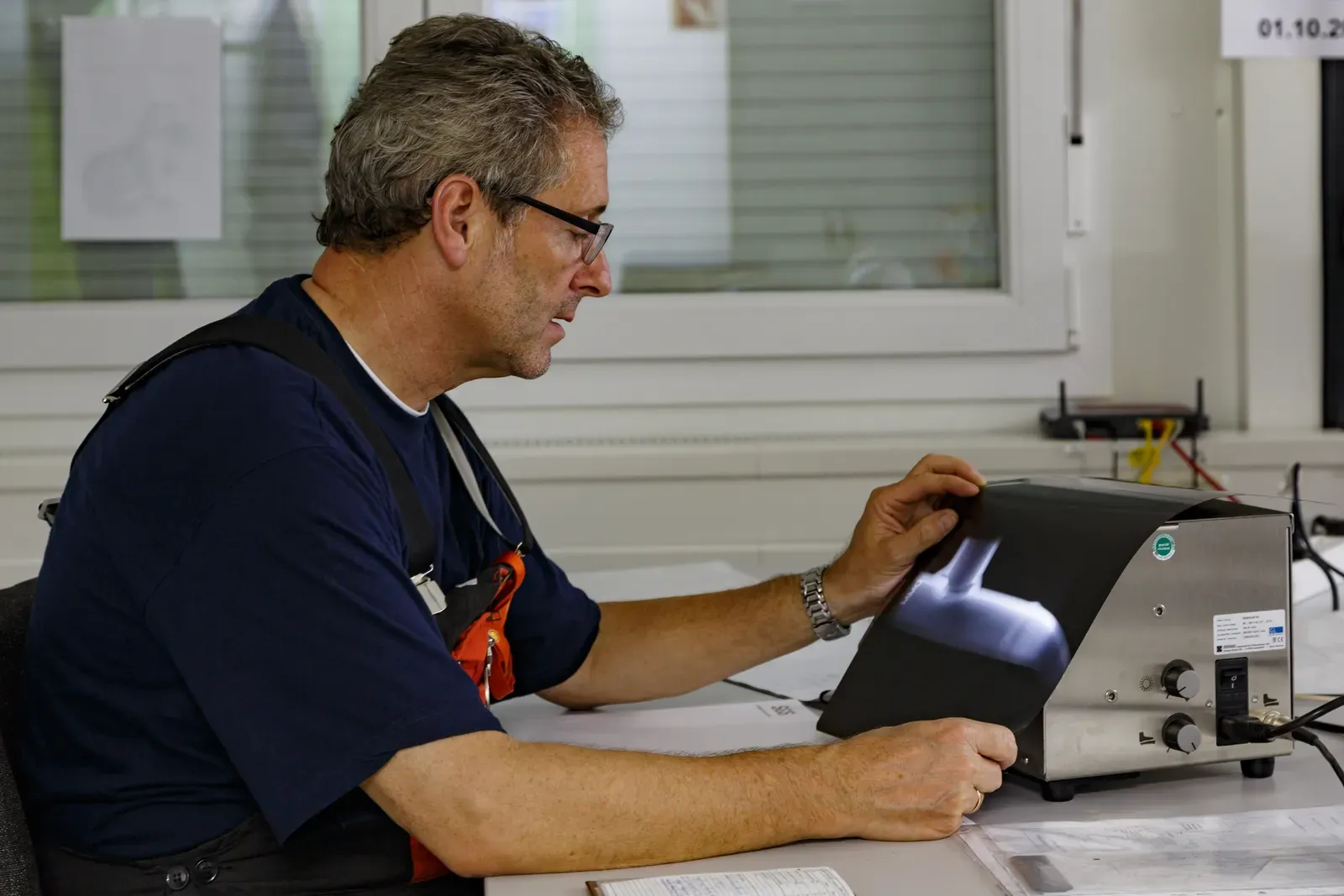
Observant people don’t only notice the details; they analyze them as well, as a matter of fact, they analyze everything. Here’s something interesting: the most critical clues are often the smallest ones. A mismatched sock might indicate someone overslept. A slight change in a coworker’s routine could signal stress. The devil really is in the details, as they say.
Highly observant individuals excel at noticing subtle changes in people’s behavior, and this ability allows them to detect shifts in mood, tone, and body language. When you train yourself to notice these tiny variations, you develop an almost uncanny ability to read situations accurately. Paleontologists spend hours examining minute features of fossils under magnification, because those small details reveal enormous truths about ancient life.
You Regularly Document Your Observations

It can be helpful to carry around a portable journal with you so that you can write or draw the things you notice, and you can also keep a document on your computer for small observations throughout the day. There’s something about writing things down that makes you observe more carefully. It’s not just about remembering later, though that’s useful too. The act of documenting forces you to be more precise in what you notice.
If you find something, write it down and note the depth that the object was found in, and also write down any observations you have about the soil you are digging at that depth. Paleontologists keep meticulous field notes because memory is unreliable, and context matters enormously. When you start keeping your own observation journal, even casually, you’ll be amazed at how much sharper your awareness becomes.
You Ask Curious Questions About What You See

Albert Einstein once said that the important thing is not to stop questioning, and curiosity has its own reason for existing, as this curiosity lies at the heart of being highly observant. Observation without curiosity is just data collection. When you genuinely wonder why something is the way it is, your brain engages differently. You start looking for answers, making connections, testing possibilities.
Some of the best leaders and innovators aren’t the ones barking orders; they’re the ones asking laser focused questions that cut to the heart of the issue, and this skill belongs to the quiet observer as well. Think about a paleontologist examining an unusual fossil. They don’t just catalog it. They ask: How did this organism move? What did it eat? Why does this bone structure differ from similar species? Questions drive deeper observation.
You Think Before You Speak
These individuals have a habit of mentally editing their comments before they speak, and psychologists studying communication patterns have found that measured speech often correlates with clarity and persuasiveness. Rushing to speak the first thing that comes to mind often means you haven’t fully processed what you’ve observed. When you take that extra moment to consider, you give yourself time to integrate what you’ve seen, heard, and sensed into something meaningful.
Observant individuals understand the power of words and know that once spoken, they can’t be taken back. This deliberate approach to communication reflects the same careful, methodical thinking that paleontologists use when interpreting fossil evidence. They don’t jump to conclusions. They weigh the evidence, consider alternatives, and speak with precision.
You Continuously Train Your Observational Memory

An effective strategy for developing your long term memory is to pick a date or event from your past and then write down as much as you can remember about it, in as much detail as possible. Your memory and observation skills feed each other. The better you observe, the more you remember. The more you remember, the better you become at noticing what matters. It’s a virtuous cycle.
If you find yourself replaying conversations in your head, quoting people accurately, or even remembering the smallest details from a chat you had weeks ago, you’re not just a good listener, you’re a highly observant person. Training this skill doesn’t require fancy tools or special circumstances. Simple exercises like trying to recall everything in a room after leaving it, or describing a recent experience in vivid detail, can dramatically improve your observational abilities over time.
The truth is, becoming more observant isn’t about trying to be Sherlock Holmes or turning into some kind of human surveillance system. It’s about experiencing life more fully, understanding people more deeply, and catching the beauty and complexity that’s always been there but somehow stayed hidden. Paleontologists prove that observation is a learned skill, one refined through practice, curiosity, and a genuine desire to understand the world. What would happen if you applied just a few of these habits to your own life? You might be surprised by what you’ve been missing.