There’s something almost magnetic about people who love ancient life. You meet them at museums, on hiking trails, in dusty libraries, or crouched over a creek bed scanning the rocks like a detective. They light up in a way that’s hard to fake. Honestly, it’s one of the more contagious kinds of enthusiasm out there.
Paleontology, at its core, is the science of understanding life through its fossils. It draws in a wildly diverse crowd, from credentialed scientists to curious ten-year-olds with muddy boots. If you’ve ever wondered whether your fascination with prehistoric life has crossed from casual curiosity into something deeper, you’re about to find out. Let’s dive in.
You Can’t Walk Past a Rock Without Studying It
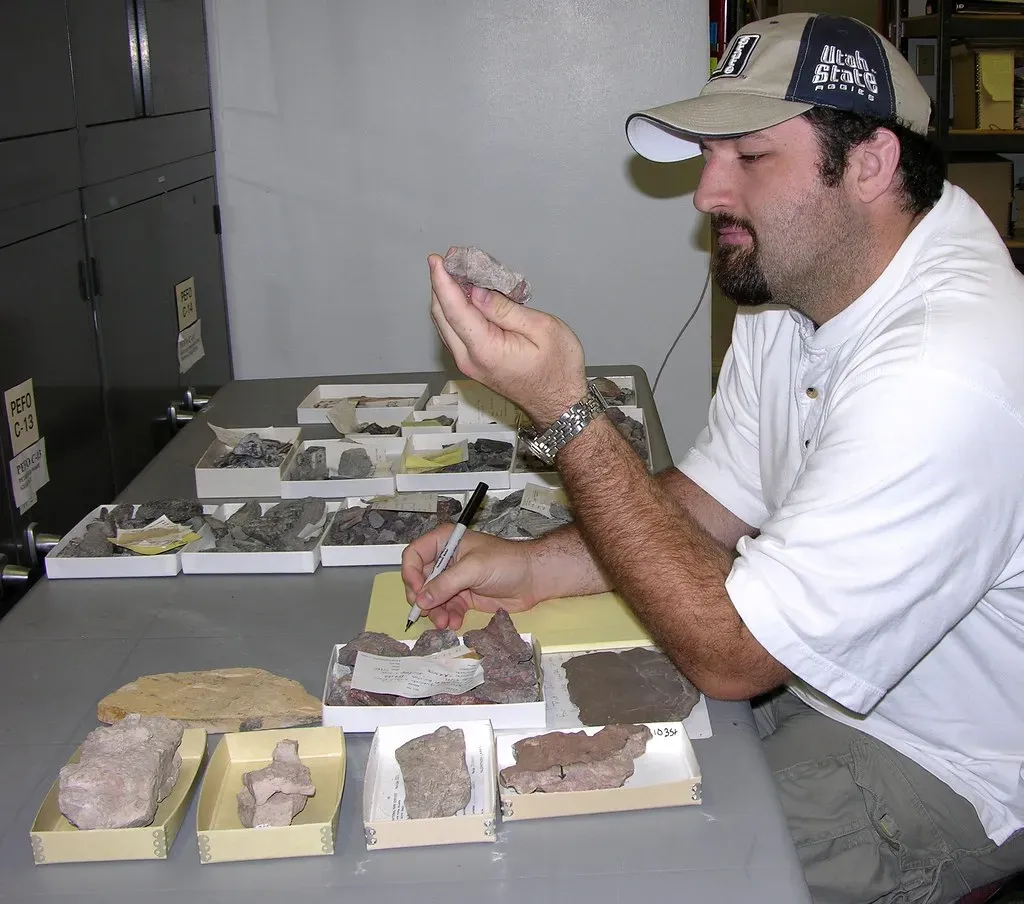
Here’s the thing: for most people, a rock is just a rock. For someone truly bitten by the paleontology bug, it’s a potential time capsule. Paleontologists typically look for fossils in areas where there’s sedimentary rock rather than metamorphic or igneous rock, and once you know that distinction, you start quietly categorizing every geological surface you encounter.
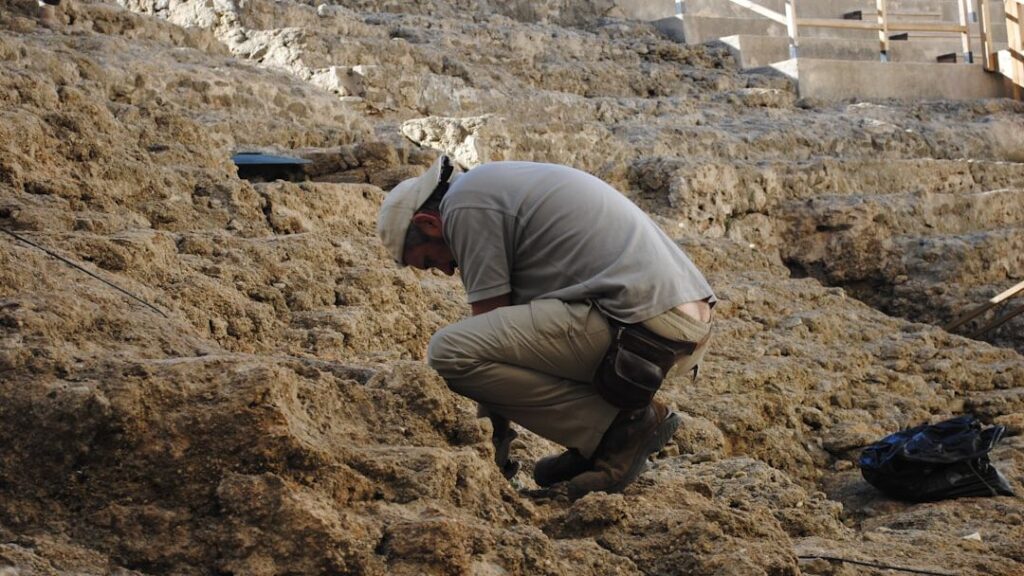
You find yourself pausing on trail walks, bending down, flipping over stones, running your thumb across rough surfaces. It doesn’t even feel like a habit anymore. It feels like breathing. The shift in tectonic plates that occurred over billions of years determines what life forms can be found at specific locations, and knowing that transforms even your backyard into a place of quiet wonder.
Your Reading List Looks Nothing Like Anyone Else’s
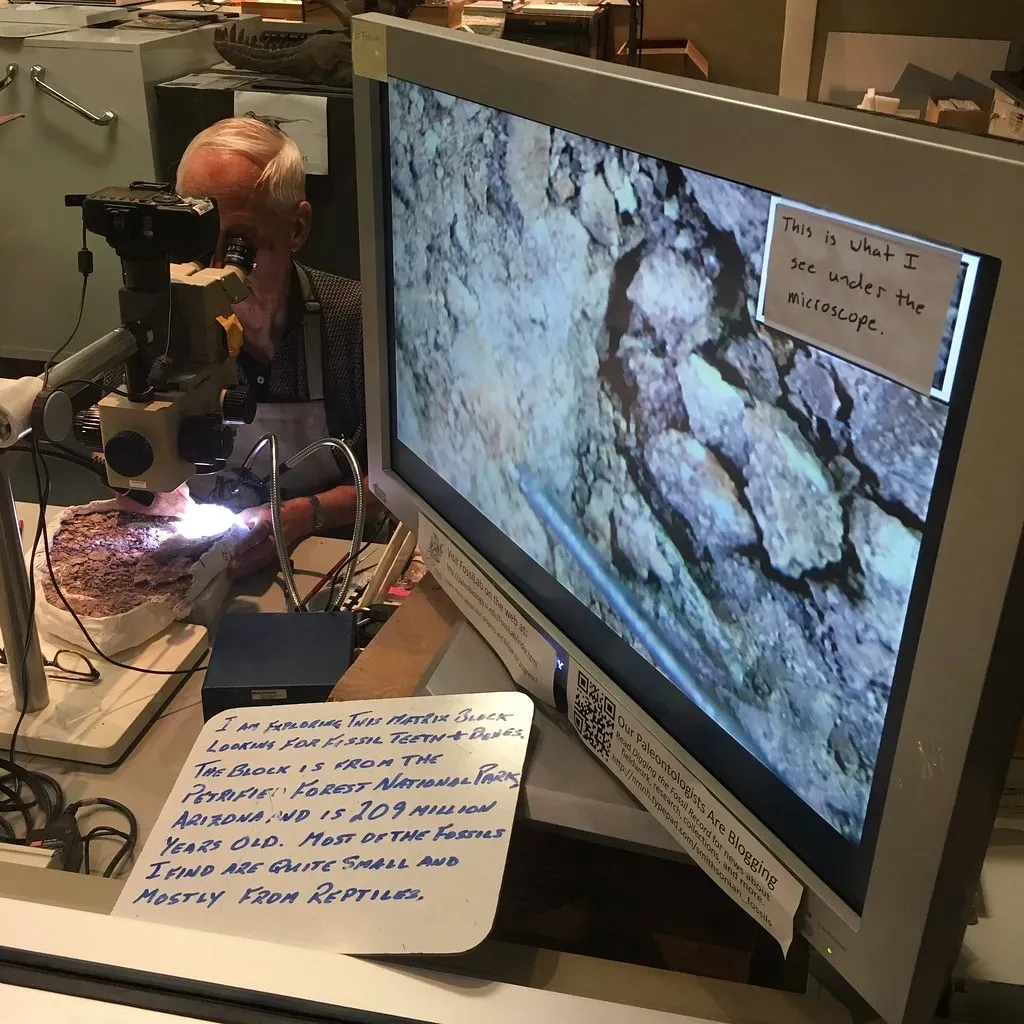
The first step to any successful hunting expedition is to know what you’re looking for, which means reading books on fossil hunting and paleontology helps you discover the different types of fossils you might come across. Passionate enthusiasts don’t just read one field guide and call it a day. Their shelves are packed with everything from beginner guides to dense academic research papers, and they’ve probably read most of it twice.
You find yourself reaching for books about taphonomy, paleoecology, or deep-time geology on a quiet evening when everyone else is watching something on a streaming platform. Taphonomy, for example, is the study of decay, fossilization, and the preservation and erosion of fossil material, with taphonomists looking at the many factors after an organism’s death that impacted the condition of fossils. That kind of niche fascination is a strong telltale sign you’re in deep.
You Plan Trips Around Fossil Sites, Not Tourist Attractions
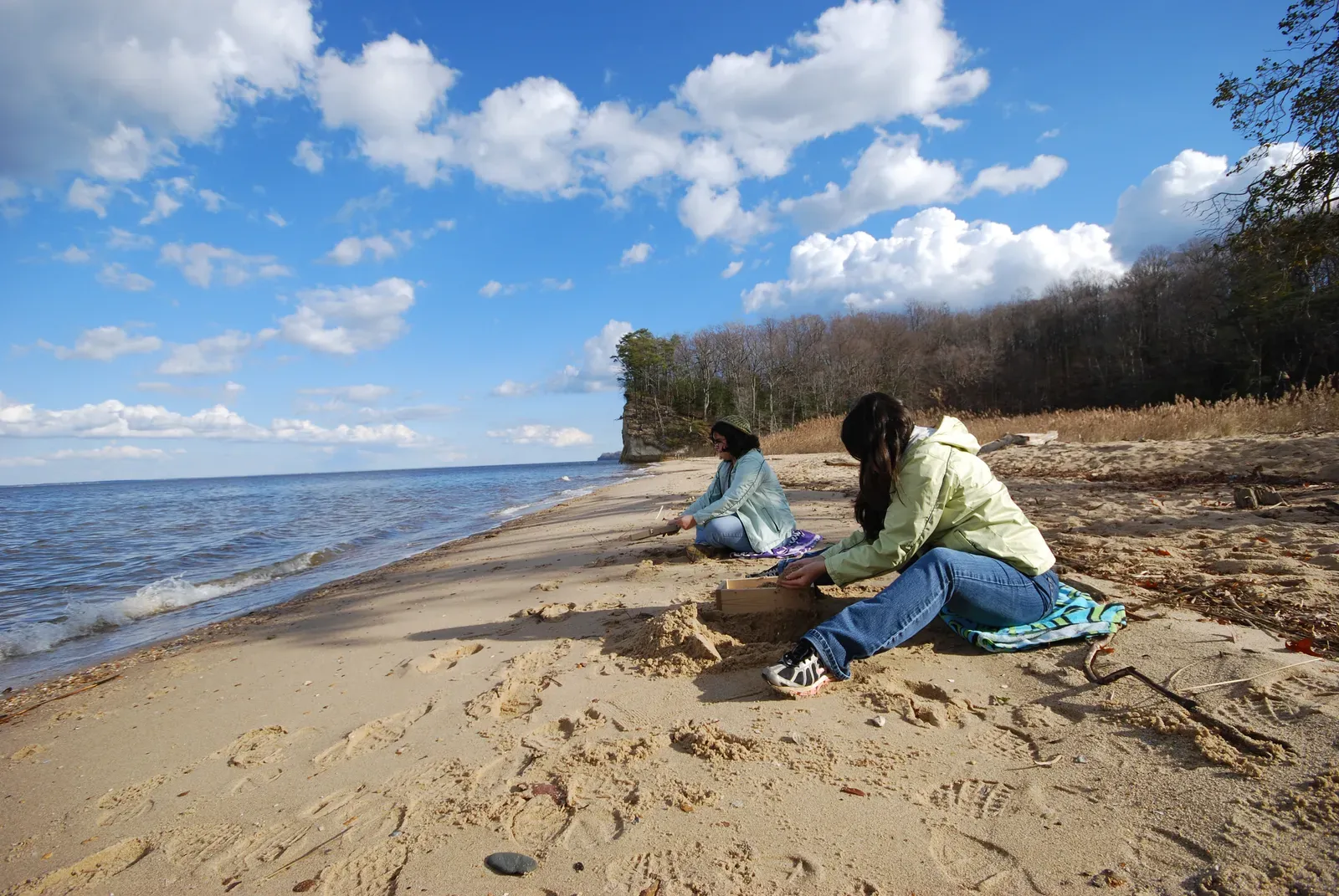
Most travelers ask “what restaurants are nearby?” You ask “what’s the local geology like?” Most places in the world have outstanding local fossil hotspots, and if you’re willing to start small, there are genuine fossil-hunting opportunities all around the world. A true enthusiast doesn’t need a famous landmark on the itinerary when there’s a Cretaceous formation thirty minutes down the road.
For the deeply adventurous, multi-day paleontology programs exist where you camp in remote areas of parks to excavate fossils and look for new fossil sites. You’ve probably bookmarked several of those programs. Maybe you’ve already attended one. The trip planning folder on your phone has coordinates for exposed cliff faces instead of five-star hotels, and that feels completely normal to you.
You Get Emotionally Invested in Other People’s Discoveries
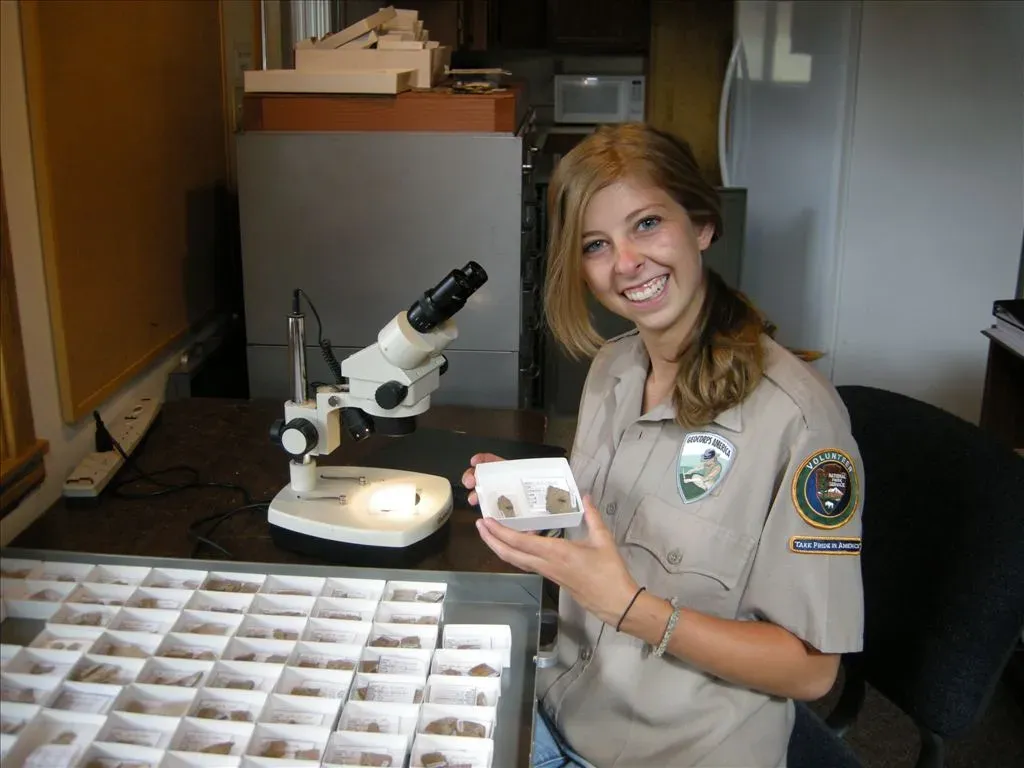
Paleontology is one of the few fields where discoveries can come from experts and amateurs alike. Knowing that means every discovery, whether made by a seasoned professor or a nine-year-old on a Christmas morning beach walk, feels personal to you. You follow paleontology news feeds the way sports fans track scores. A new species announcement? Your heart actually speeds up.
You remember specifics, too. Mary Anning’s discoveries included the first correctly identified ichthyosaur skeleton when she was twelve years old, the first two nearly complete plesiosaur skeletons, and the first pterosaur skeleton located outside Germany. You know that story by heart. You know dozens of stories like it. That kind of emotional investment in scientific history isn’t common, but for you it’s completely natural.
Patience Is Your Superpower When It Comes to Searching
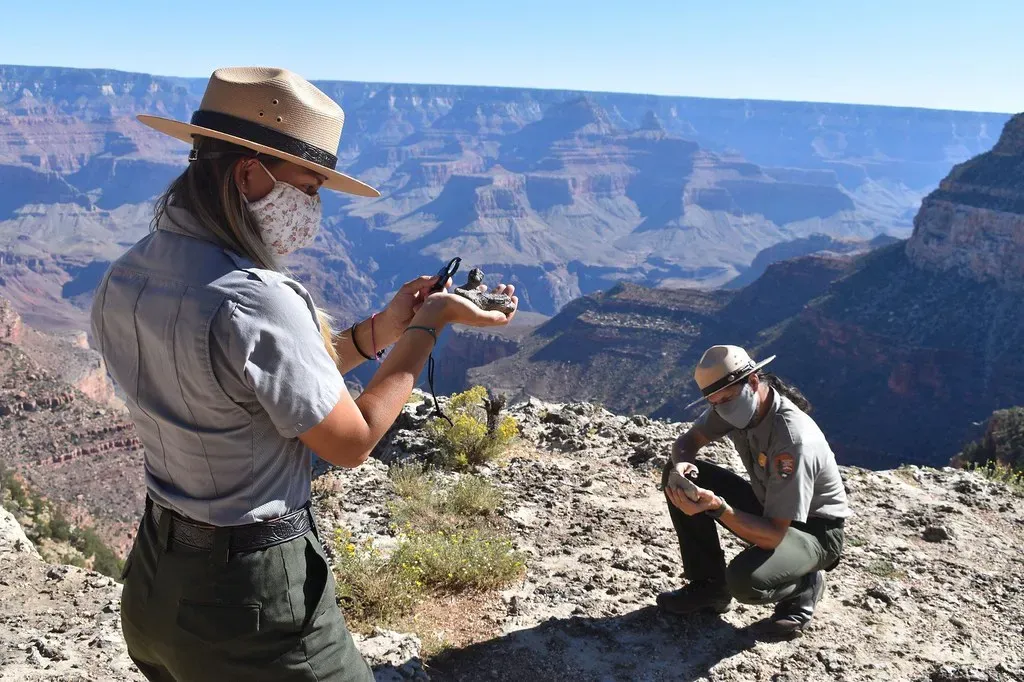
Let’s be real: most people give up on hobbies the moment they stop being instantly rewarding. Fossil hunting is the opposite of instant. If you’re going hunting very casually, plan to spend two to four hours, but once you’re more serious about finding valuable or unique fossils, plan to spend around four to eight hours or more searching. The passionate enthusiast doesn’t even check the time. That’s just a Tuesday afternoon.
If you’re flexible on timing, waiting for the day after a big storm can be especially productive, since large storms could expose new layers of rock. You know this. You’ve planned hunts around weather patterns. You’ve rescheduled meetings because the storm erosion conditions were perfect. That level of strategic patience reveals something genuine about where your priorities actually lie.
You Take the Science Seriously, Even as an Amateur
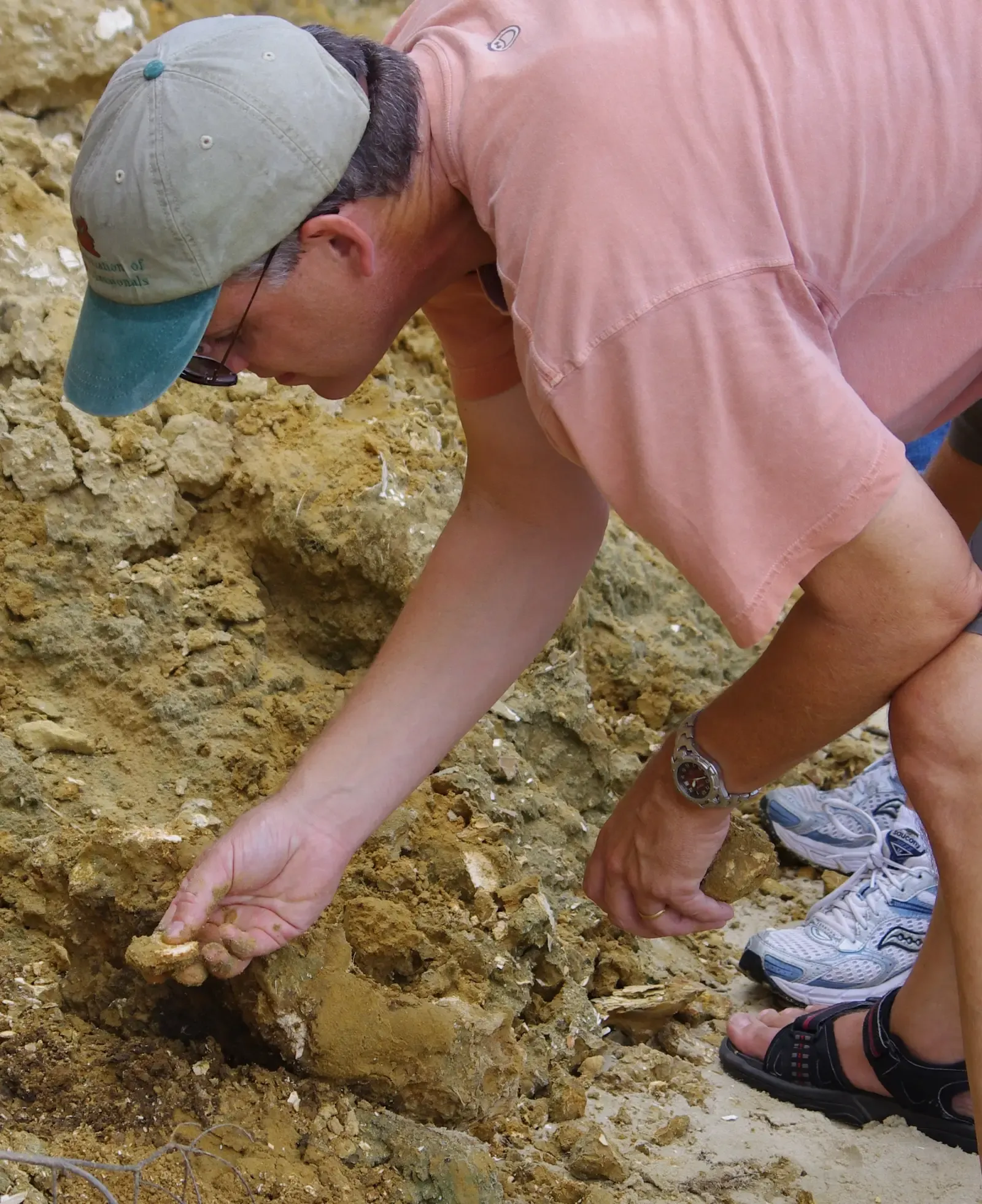
Paleontology is an important and complex science made up of roughly 25 other sciences combined into one, with biology, geology, chemistry, and mathematics among the disciplines involved, and yet you don’t have to be a professional to enjoy the rewarding hobby of fossil collecting. The true enthusiast understands this layered complexity and respects it deeply, never treating the field as just a cool hobby for selfies.
Amateur fossil collectors have always helped to bridge the gap between academic paleontologists and the public, and the discovery of “Sue the T. rex,” the most complete skeleton ever found which now resides at The Field Museum in Chicago, was made by an amateur paleontologist. Knowing that amateurs can genuinely contribute to science isn’t just motivating to you, it’s a responsibility you take personally. You report finds. You follow protocols. You care about the outcome beyond your own collection shelf.
You Connect With a Community of Like-Minded Enthusiasts

Passionate paleontology lovers don’t hoard their enthusiasm. They share it. There are many ways for people to research fossils, typically based on their own personal passions, and being a paleontologist, or a devoted enthusiast, is fundamentally about finding your passion and sharing it with others. You’ve joined forums, attended club meetings, or at least spent hours in online communities comparing finds and debating identification.
Online communities like The Fossil Forum are fantastic places where professionals and amateur fossil hunters link together, forming a worldwide network of fossil collectors, enthusiasts, and paleontologists all sharing their information. You probably have notifications turned on for at least one of those groups. You’ve helped a newcomer identify a find. You’ve asked others for their eyes on yours. That reciprocal, generous exchange is one of the most beautiful signs that your passion has real depth to it.
Conclusion
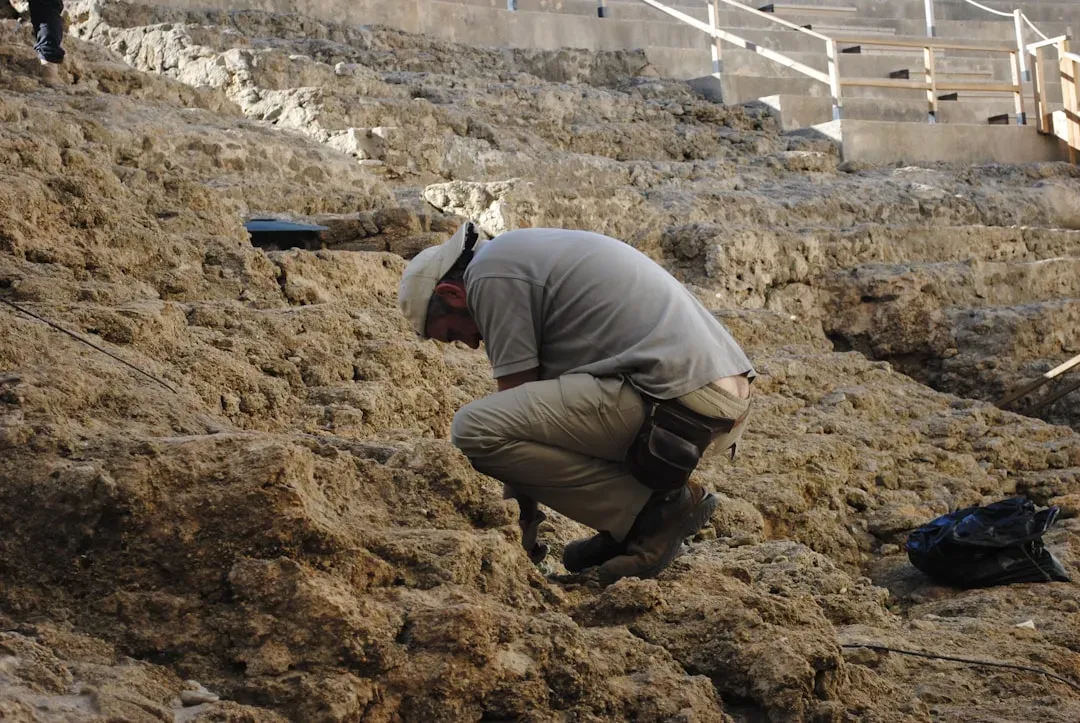
Passion for prehistoric life isn’t loud or flashy. It shows up in the quiet habits: the way you read the landscape, the communities you build, the patience you bring to a muddy hillside for hours on end. It lives in the curiosity that never quite switches off, even when you’re standing in a parking lot looking at the gravel.
The world of paleontology is wide open to anyone willing to show up with genuine curiosity and respect for the science. Whether you’ve identified a dozen fossils or simply dream about doing so, these habits are your real credential. They mean something. They reveal a mind that genuinely aches to understand the ancient world. And honestly? That’s one of the most admirable things a person can carry with them.
So, do any of these habits sound unmistakably like you? Drop a thought in the comments, we’d love to hear about the habit that gave you away.