
Ever notice how some people just seem comfortable in their own skin? They walk into rooms with this quiet assurance that’s magnetic yet never overbearing. You can’t quite put your finger on it, yet there’s something about them that feels real.
Honestly, I think we’ve all met someone like this. Maybe it’s a friend who never seems fazed by criticism, or a colleague who somehow maintains their cool during chaos. These individuals aren’t performing for anyone. They’re just being themselves, which sounds simple but is surprisingly rare in a world where we’re constantly encouraged to fit molds and meet expectations.
Let’s explore what sets these genuinely confident and authentic people apart from everyone else.
They Don’t Need External Validation to Feel Worthy

You’ll find that highly confident people don’t rely on constant praise or external validation, recognizing that their success isn’t dependent on others’ opinions while trusting their own abilities. They draw their self-worth from within rather than seeking approval from every person they encounter.
This doesn’t mean they’re immune to feedback or criticism. Rather, they’ve developed an internal compass that guides their decisions and self-perception. When you possess this quality, you’re free from the exhausting cycle of needing everyone’s approval before taking action.
They Willingly Step Into Discomfort

Authentic confidence is simply a willingness to be uncomfortable. Think about that for a moment. Most people avoid situations that make them squirm, yet genuinely confident individuals understand something crucial: growth only happens outside your comfort zone.
They actively seek out challenges and embrace discomfort as a catalyst for personal and professional development, understanding that being too comfortable leads to complacency and stagnation. Every time you choose courage over comfort, you’re building trust with yourself. It’s hard to explain, but pushing through that initial resistance creates a kind of inner strength that compounds over time.
They Set Clear Boundaries Without Apologizing

Here’s something I’ve noticed: confident, boundary-less people simply don’t exist. When they’re in their integrity and in a place of confident, calm steadiness, they say what they mean, not contorting themselves to please others, choosing a fleeting uncomfortable exchange to achieve longer-lasting comfort so they can use their time and energy on their priorities.
Saying no can feel scary initially. We worry about disappointing people or being labeled difficult. Yet authentic individuals recognize that boundaries aren’t walls meant to keep people out; they’re guidelines that protect your energy and values. Choosing guilt over resentment creates healthier outcomes, as resentment becomes toxic over time.
They Keep Promises to Themselves First

Confidence grows every time you follow through on something you said you would do, even when it’s as small as drinking more water or finishing a task, building trust in your own word. This habit might seem insignificant, but it’s absolutely foundational.
Most people break commitments to themselves constantly. You say you’ll exercise tomorrow, then you don’t. You promise yourself you’ll start that project, then another week passes. When women describe losing confidence, they’re often describing the loss of trust in themselves, which can be rebuilt through keeping promises to oneself, allowing rest without guilt, choosing clothing that supports how they want to feel, and honoring boundaries.
They Connect Their Actions to Something Bigger

The most confident among us often work with a bigger picture, whether it’s a contribution to society, a deep sense of faith, mysticism, or an intuitive inner calling, and when they know that the actions they’re taking come from something deeper than their own personal gain, they stay on track. Having a strong “why” changes everything about how you approach challenges.
When your motivation extends beyond personal gain, discomfort becomes more bearable. You’re not just trying to prove something or impress someone. You’re serving a purpose that feels meaningful, which fuels persistence when things get difficult.
They View Setbacks as Information, Not Failure

Instead of giving up at the first sign of failure, confident individuals view setbacks as minor steppingstones in the long road to success, analyzing and learning from their mistakes while adapting their approach to prevent similar pitfalls in the future. At their core level, they know that if they fail or mess up somehow, it’s not the end, understanding that failure is unavoidable no matter who you are.
The difference between confident people and everyone else isn’t that they never fail. They fail just as often. What sets them apart is their interpretation of those failures. They don’t spiral into shame or self-criticism when things go wrong; they get curious instead.
They Act Promptly Rather Than Procrastinating

Procrastination is the enemy of progress, and confident individuals don’t put things off, seeing opportunities and acting promptly, driven by their belief in themselves and their ability to achieve their goals. Let’s be real, we all procrastinate sometimes. The question is whether it’s your default mode or an occasional slip.
To procrastinate is to be entitled and arrogant, as it assumes there will be a later and that you’ll have the discipline to get to it later despite not having the discipline now. Confident people understand that “later” is often a lie we tell ourselves. They’d rather handle something now, even imperfectly, than put it off indefinitely.
They Avoid Comparisons That Breed Resentment

Highly confident individuals try not to compare themselves to others or pass judgment, appreciating their own unique qualities and the contributions of others, and by avoiding constant comparisons, they free themselves from negative energy which allows them to fully embrace their own potential. When you compare yourself with someone else, it usually takes the form of negative self-talk about how you’re not good enough, which weakens self-confidence, whereas the only person you need to compare yourself with is the version of yourself that you want to become.
Social media makes this particularly challenging. Everyone’s highlight reel is constantly visible, creating endless opportunities to feel inadequate. Authentic individuals consciously redirect their attention away from these comparisons and focus on their own progress instead.
They Embrace Their Contradictions Rather Than Hide Them

Creative people contain multitudes; they’re simultaneously humble and confident, playful and disciplined, solitary and collaborative, as the most original thinkers aren’t those who have eliminated their contradictions but those who have learned to inhabit them fully. This is something I find fascinating. We’re taught to be consistent, to have a clear “personal brand.” Yet truly authentic people understand that humans are inherently complex.
In an age in which AI can replicate patterns and optimize processes, your contradictions are precisely what make you irreplaceable. You can be serious about your work yet playful with friends. You can be ambitious yet content. These seeming contradictions aren’t flaws; they’re what make you human and interesting.
Conclusion
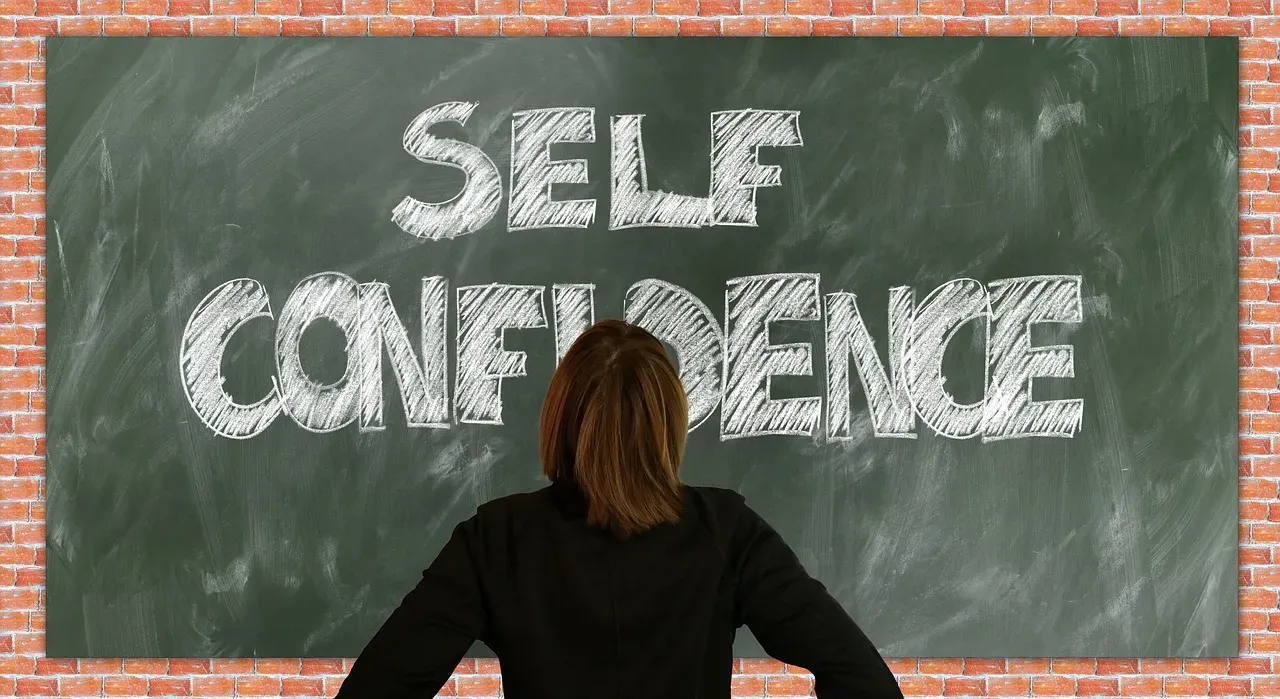
Looking at these habits together, what becomes clear is that authenticity and confidence aren’t about perfection or unwavering self-assurance. They’re about accepting yourself fully while continuously growing, setting boundaries while remaining open, and trusting yourself even when external validation is absent.
These aren’t traits you’re born with or suddenly acquire. They’re skills you build through repeated practice and countless small decisions. Every time you honor a commitment to yourself, every time you act despite fear, every time you refuse to contort yourself for approval, you’re strengthening these qualities within you.
What strikes me most about genuinely confident and authentic people is their sense of freedom. They’re not trapped by others’ expectations or paralyzed by their own insecurities. They’ve found a way to move through the world that feels true to who they are, which radiates outward in ways that inspire the rest of us.
What would change in your life if you adopted just one of these habits? Sometimes that’s all it takes to start shifting how you show up in the world.