Dinosaurs didn’t just roam the Earth. They left behind clues, buried in stone, waiting for the right moment and the right person to bring them back to life. What we know about these creatures today is the product of some of the most extraordinary scientific discoveries in human history, moments that rewrote textbooks, sparked fierce rivalries, and sometimes shook entire scientific fields to their core.
You might think paleontology is a slow, dusty business. In reality, every major fossil discovery has been a small earthquake in the world of science. From the rolling quarries of Oxford to the sunbaked badlands of Montana, these nine iconic fossils didn’t just give us bigger museum displays. They fundamentally changed how we understand life on Earth. Brace yourself, because some of what’s on this list might genuinely surprise you.
1. Megalosaurus: The First Dinosaur Named by Science
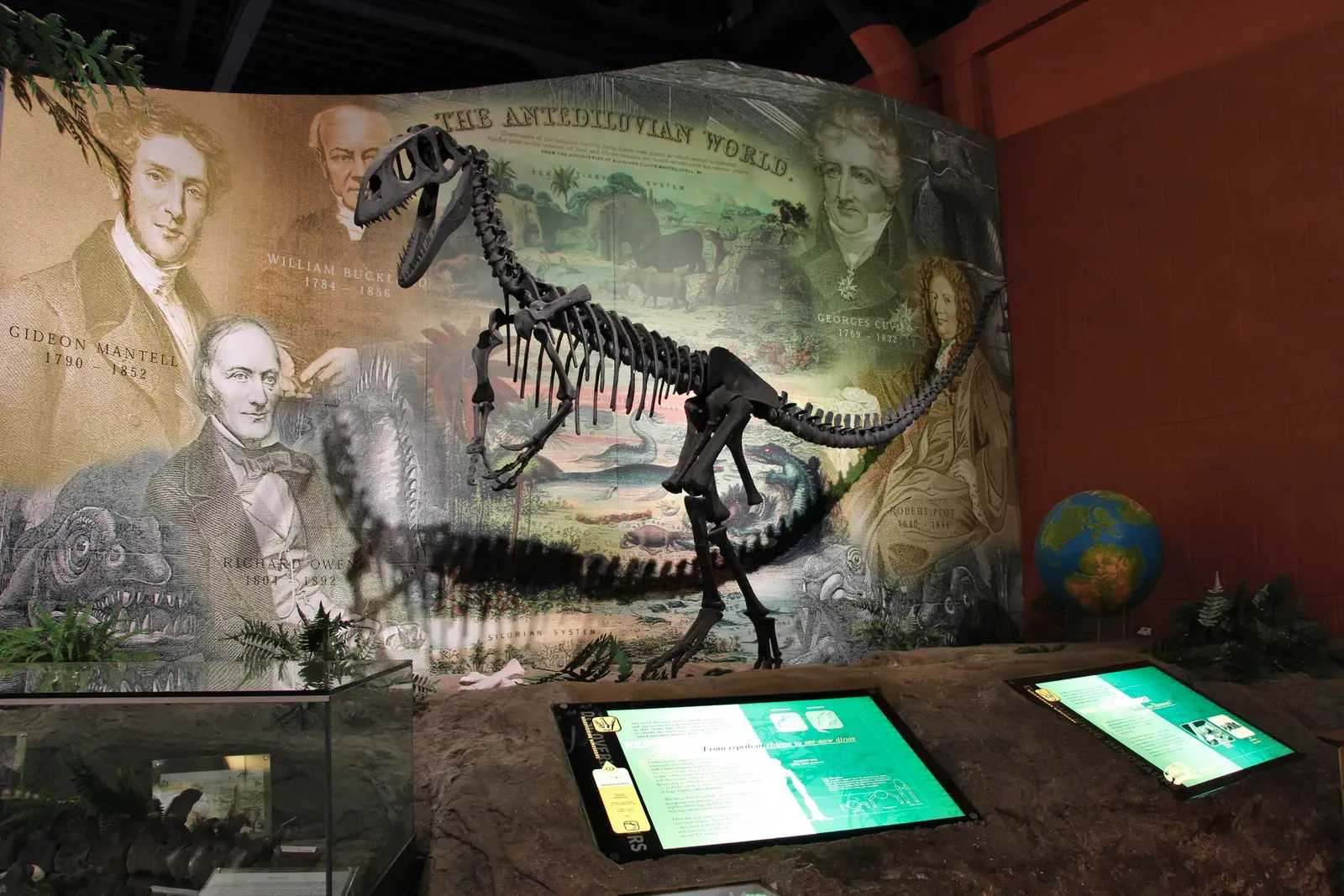
Imagine picking up a massive jawbone and having absolutely no idea what kind of creature it belonged to. That was the reality for scientists in early 19th-century England. In 1815, bones belonging to a large prehistoric creature were discovered at the Stonesfield quarry in Oxford. They were soon acquired by William Buckland, who identified them as the skeleton of a gigantic lizard the likes of which had never been seen before, and research on the creature’s bones continued in the following decades under Buckland, renowned French anatomist Georges Cuvier, and British anatomist Richard Owen.
On February 20, 1824, during a meeting of the Geological Society of London, Buckland formally introduced Megalosaurus, making it the first dinosaur to be described by scientists. Its bones were previously thought to be those of an elephant, which tells you everything about how little the world understood prehistoric life at that point. Honestly, the leap from “elephant bone” to “giant extinct reptile” might be one of the boldest intellectual moves in the history of science. Today we know Megalosaurus was about 6 meters long and walked on two legs, not four, meaning even the original reconstruction got some things spectacularly wrong.
2. Iguanodon: The First Plant-Eating Giant Discovered
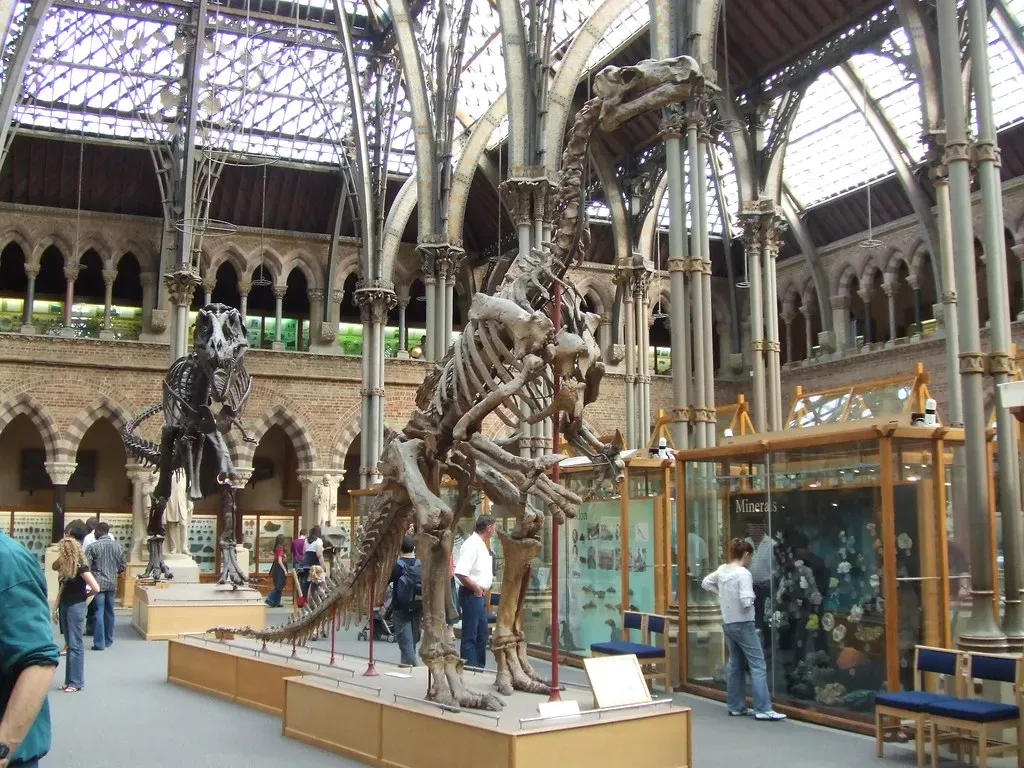
A year after Megalosaurus was named, a second giant prehistoric reptile called Iguanodon was described, and it was a hugely significant discovery in its own right. Iguanodon was the first giant prehistoric reptile found to be herbivorous. At the time, most reptiles were thought to eat mainly meat or insects, so to find a reptile on this scale that only ate plants was viewed as revolutionary. Here’s the thing, this one discovery alone shattered the assumption that all prehistoric giants were predators.
This specimen of Iguanodon, discovered by Mary Ann Mantell, is thought to be the first herbivorous dinosaur ever discovered, which broadened the horizons of scientists’ understanding of the animals greatly. When in 1834 a larger specimen was discovered in a limestone quarry in Kent by William Bensted, Gideon Mantell was finally able to create a clearer image of the unknown creature, following which it became one of the first three included in the Dinosauria classification. It’s a reminder that sometimes the most world-changing discoveries are not what was found, but what that finding proved was possible.
3. Hadrosaurus Foulkii: The Fossil That Put Dinosaurs on Display
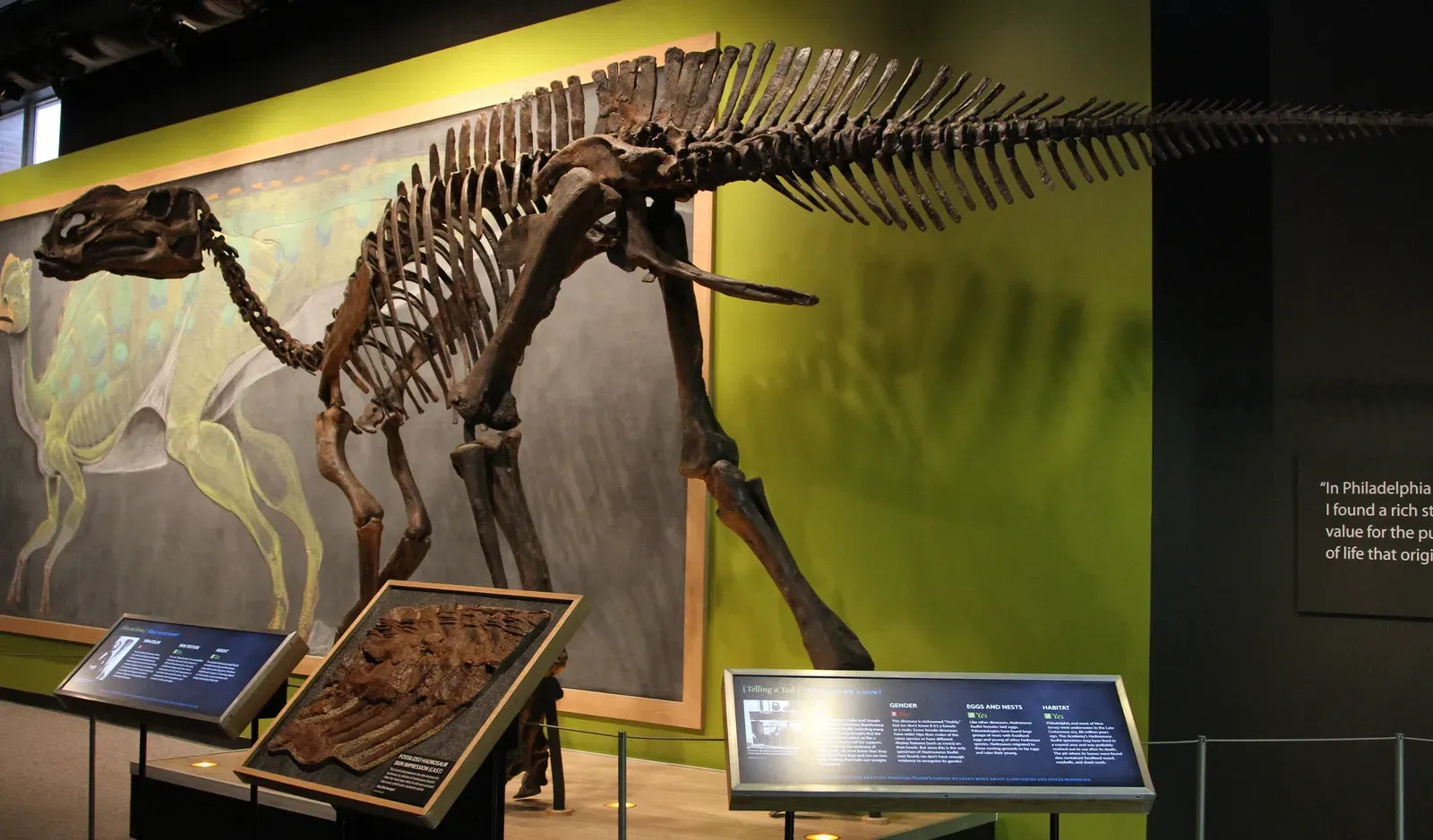
Hadrosaurus foulkii is notable for being the first nearly complete dinosaur skeleton discovered, found in Haddonfield, New Jersey, in 1858. In 1858, bones originally unearthed in 1838 caught the attention of William Parker Foulke, a visitor with a keen interest in natural history. Foulke, realizing the potential significance of these remains, initiated a more thorough excavation at the marl pit, and that effort led to the unearthing of a more complete skeleton, a discovery that would soon gain monumental importance in the field of paleontology.
In 1868, Hadrosaurus Foulkii was the first dinosaur skeleton ever mounted for public display at the Academy of Natural Sciences in Philadelphia. The skeleton was first exhibited at Philadelphia’s Academy of Natural Sciences, where interest was so great that attendance grew by about half. Its discovery set off the infamous Bone Wars that sent scientists Edward Drinker Cope and Othniel Charles Marsh scrambling across the continent to find and excavate what became an endless trove of dinosaur fossils. You could argue that without this New Jersey duck-bill, the entire modern age of dinosaur discovery might have started decades later.
4. Archaeopteryx: The Missing Link Between Dinosaurs and Birds
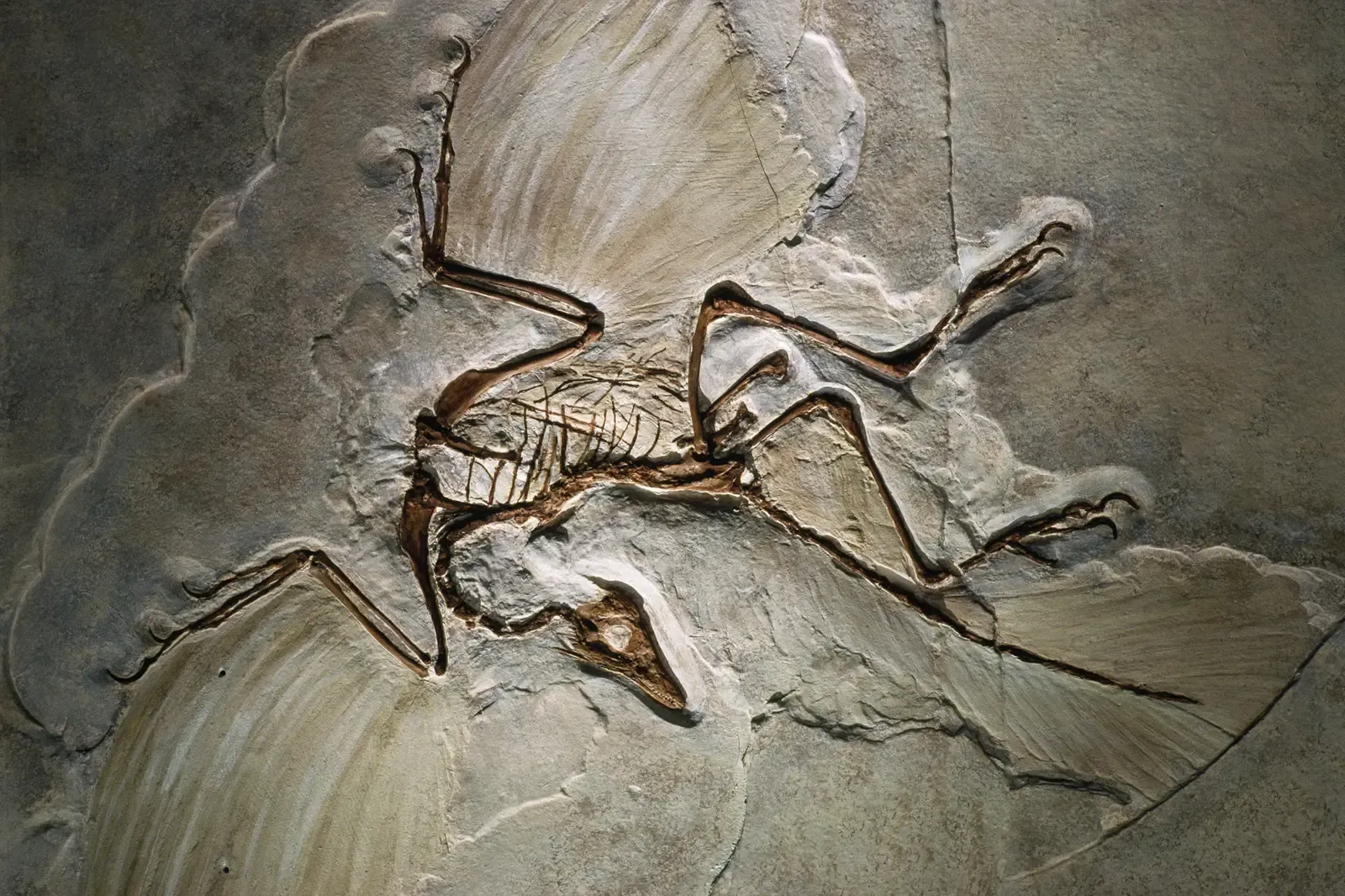
Archaeopteryx is one of the world’s most famous fossils. It’s widely regarded as the missing link between dinosaurs and birds, displaying a perfect blend of avian and reptilian features. When the small bird-like Archaeopteryx fossil was discovered in the limestone deposits of Solnhofen, Germany in 1860, it made waves not only in the world of palaeontology, but also evolutionary science. The timing was almost poetic, landing just a year after Darwin published his theory of evolution.
Similar in size to a magpie, this small ancient creature seemed to solve the missing link between birds and dinosaurs, as they featured jaws with sharp teeth, a long bony tail, and three clawed fingers. Thomas Huxley, who was a great disciple of Darwin, was one of the first people to realize the significance of Archaeopteryx, and he noticed there were similarities between Archaeopteryx and some meat-eating dinosaur skeletons. More than a century after the discovery of Archaeopteryx, the theory that birds evolved from dinosaurs became widely accepted. It took over one hundred years for the world to fully appreciate what one limestone slab in Germany had quietly been saying all along.
5. Diplodocus “Dippy”: The Fossil That Made Dinosaurs Famous Worldwide
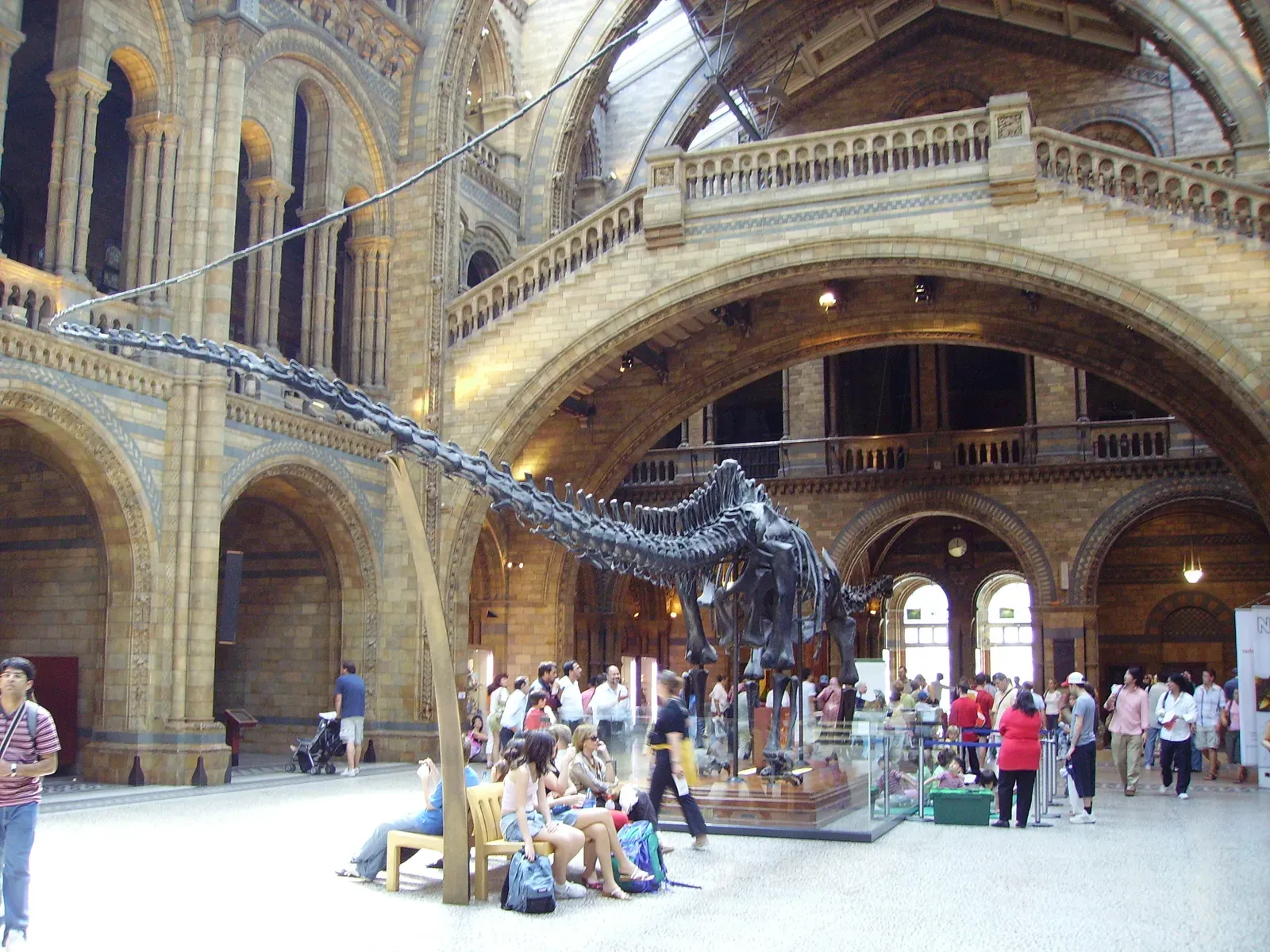
When the Diplodocus skeleton was discovered in Wyoming in 1898, its casting and distribution to museums around the world popularised the word “dinosaur” for the first time amongst the general public. Think about that for a moment. A single skeleton, copied and shipped across the globe, was responsible for millions of people finally understanding what a dinosaur actually looked like. In 1899, a field expedition financed by industrialist Andrew Carnegie uncovered a mostly complete skeleton of Diplodocus in Wyoming, and with pieces from other skeletons to fill in the missing bones, this specimen, nicknamed “Dippy,” was used to make casts that Carnegie sent to a number of other countries for display.
Known affectionately as “Dippy,” after a cast of this skeleton was first unveiled at London’s Natural History Museum in 1905, it inspired the subsequent popularity of the entire Diplodocus genus and was, for many, the first dinosaur they had ever seen. “Dippy” became an iconic dinosaur in Europe, the first dinosaur skeleton that many people ever saw exhibited. It’s hard to overstate how much this one sauropod did for public science communication. Dippy didn’t just go to museums. Dippy became the face of an entire prehistoric world.
6. Sinosauropteryx: The Feathered Fossil That Changed Everything
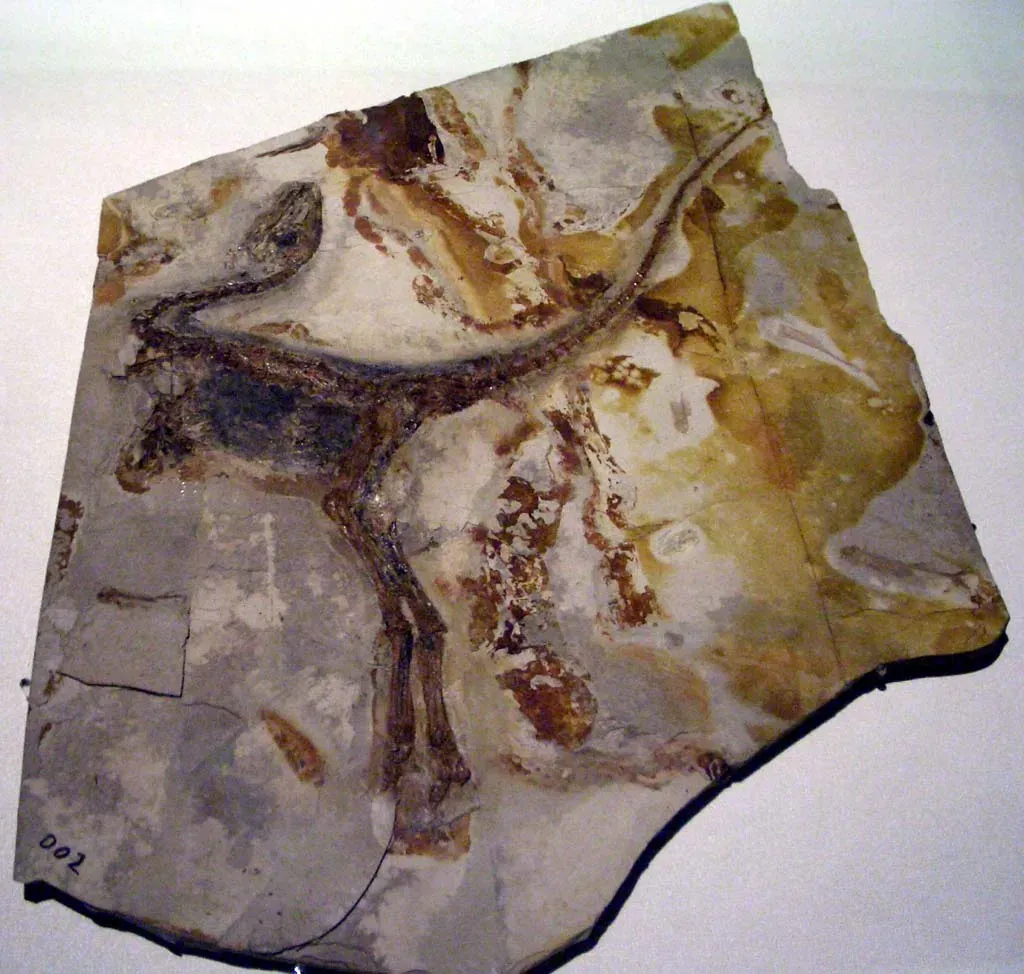
Sinosauropteryx prima, from China’s northeastern province of Liaoning, was found in 1996 and is recognized as the first known feathered dinosaur. The discovery of downy plumage shook the foundations of paleontology; many dinosaur experts were already convinced that birds descended from dinosaurs, but here was the feathery proof turned to stone. Let’s be real, this was the moment the Hollywood image of scaly, reptilian dinosaurs officially started its long decline.
In the 1990s, fossils unearthed in China definitively revealed that dinosaurs had feathers, confirming a long-held theory that they are the direct ancestors of the birds that flap around in backyards. More than fifty other species of dinosaur have been found with impressions or other evidence of feathers in the past few decades. We now know that many, though not all, dinosaurs were feathered, and that some were capable of flight and some were indeed the progenitors of modern birds. Sinosauropteryx didn’t just change a classification. It changed the picture in our heads.
7. Maiasaura: The Fossil That Proved Dinosaurs Were Nurturing Parents
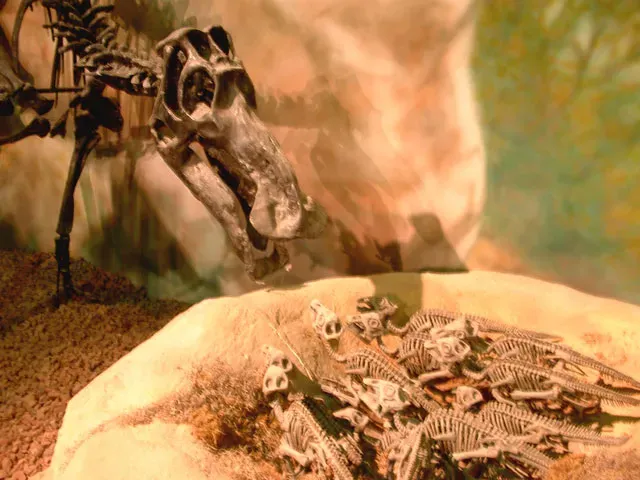
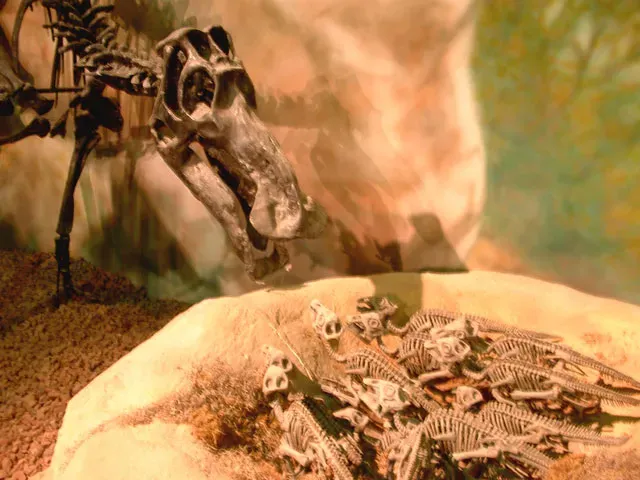
In the summer of 1978, a remarkable discovery unfolded in the rugged badlands of western Montana that would forever change our understanding of dinosaur behavior. Paleontologist Jack Horner and his research partner Bob Makela were conducting fieldwork in the Late Cretaceous Two Medicine Formation when they stumbled upon something extraordinary, the remains of numerous duck-billed dinosaurs, including adults, juveniles, and most importantly, nests containing eggs and hatchlings. It supplied the first strong evidence that dinosaurs fed and cared for their young, and furthermore the first evidence that dinosaurs exhibited complex behaviors.
It fundamentally challenged the prevailing scientific view of dinosaurs as solitary, unintelligent, and indifferent creatures. Instead, it presented a compelling case for complex social behaviors, communal nesting, and most significantly, the provision of parental care. This discovery opened new avenues of research into dinosaur behavior and profoundly influenced subsequent paleontological investigations worldwide. The Two Medicine Formation near Bynum in western Montana has since become the site of the largest cache of dinosaur baby skeletons, eggs, and embryos ever found in the western hemisphere. Maiasaura, whose name literally means “good mother lizard,” didn’t just add a species to the record books. It rewired how science thought about dinosaur family life entirely.
8. Sue the T. rex: The Most Complete Tyrannosaurus Ever Found
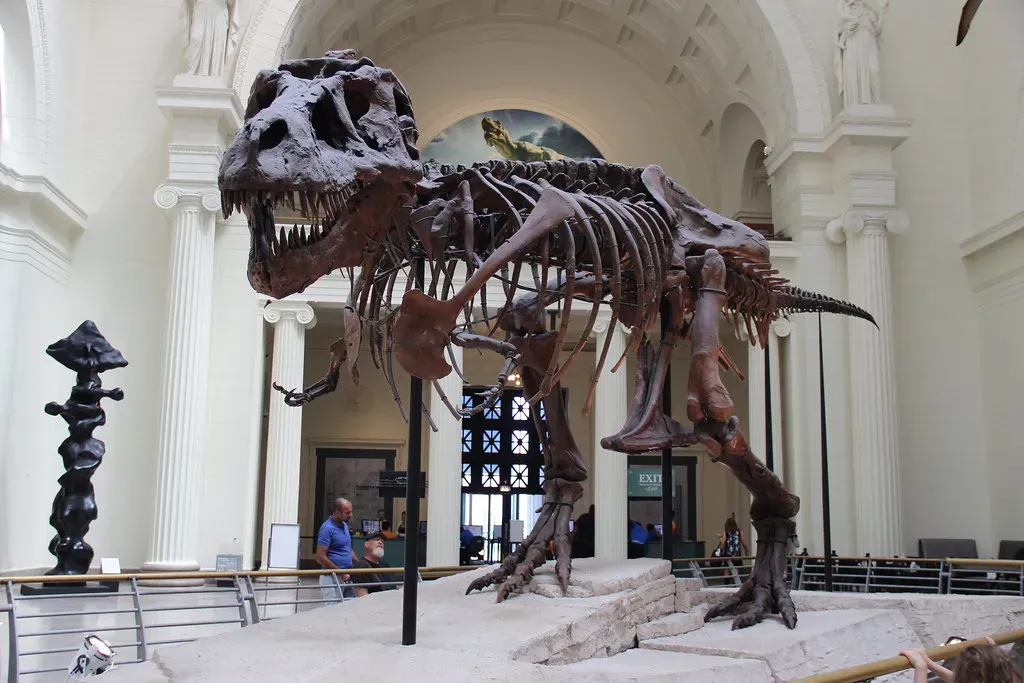
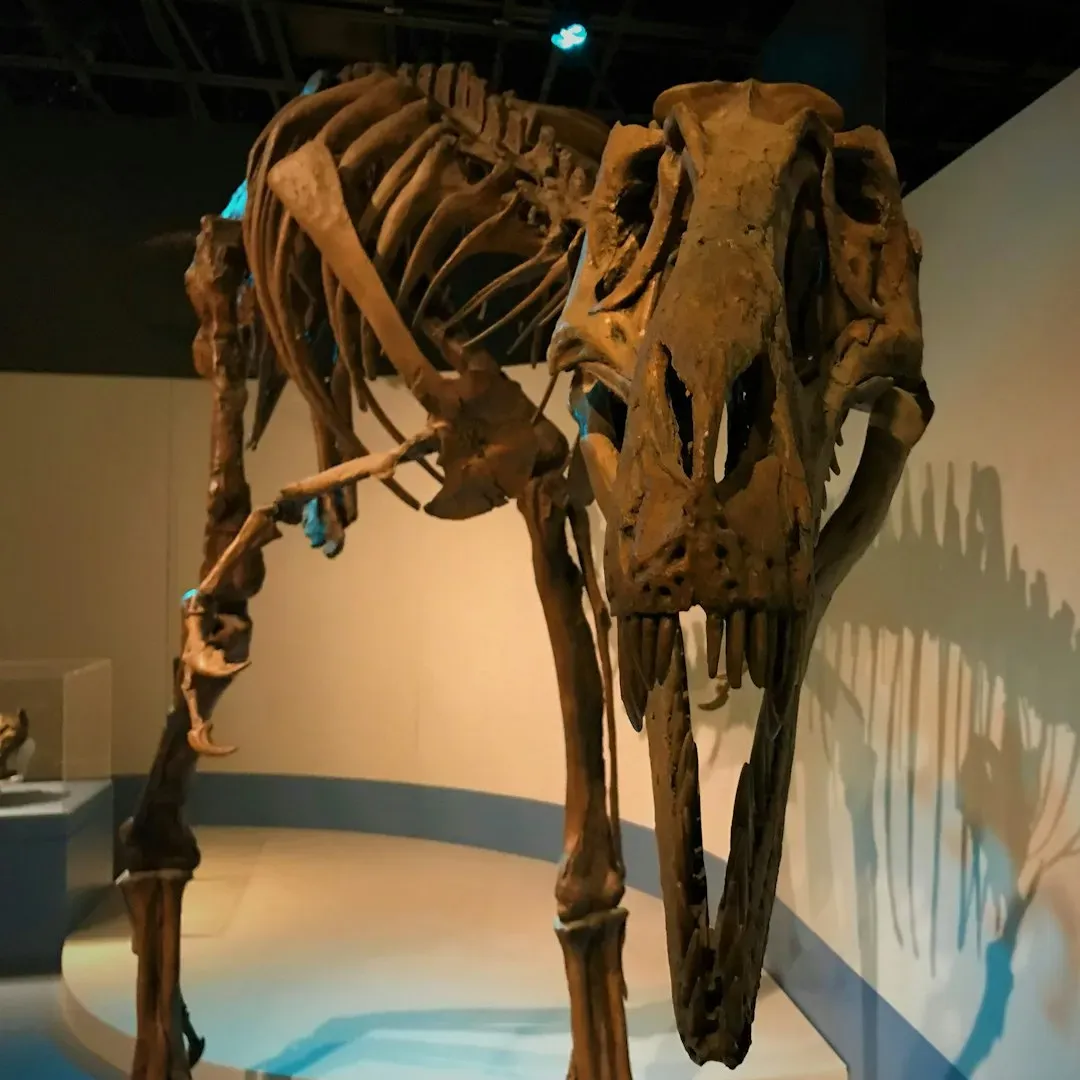
The most complete dinosaur fossil ever found is that of a Tyrannosaurus rex nicknamed Sue for the fossil hunter Sue Hendrickson. This T. rex not only became an icon of natural history but also a kind of scientific marvel because of its unprecedented completeness. Sue was unearthed in 1990 in the Cheyenne River Indian Reservation in South Dakota, a region well-known for its rich fossil beds. Measuring over forty feet in length and standing about thirteen feet tall at the hips, Sue comprises an almost complete skull, full vertebrae, ribs, and most limb bones.
Investigated in hundreds of studies and research works, Sue and her bones have helped to model dinosaur biomechanics, breathing, and evolution, the very things that influenced predator-prey dynamics during the Cretaceous period. Being able to see healed wounds on this fossil, scientists could get an idea about how T. rex lived, or even died. Other T. rex skeletons have been found, but none can compare in preservation or completeness to Sue. It thus remains the principal fossil against which all other T. rex finds are measured. Sue isn’t just a trophy specimen. She is, in many ways, the scientific gold standard for what a Tyrannosaurus was.
9. The Dueling Dinosaurs: The Fossil That Rewrote the Late Cretaceous Ecosystem
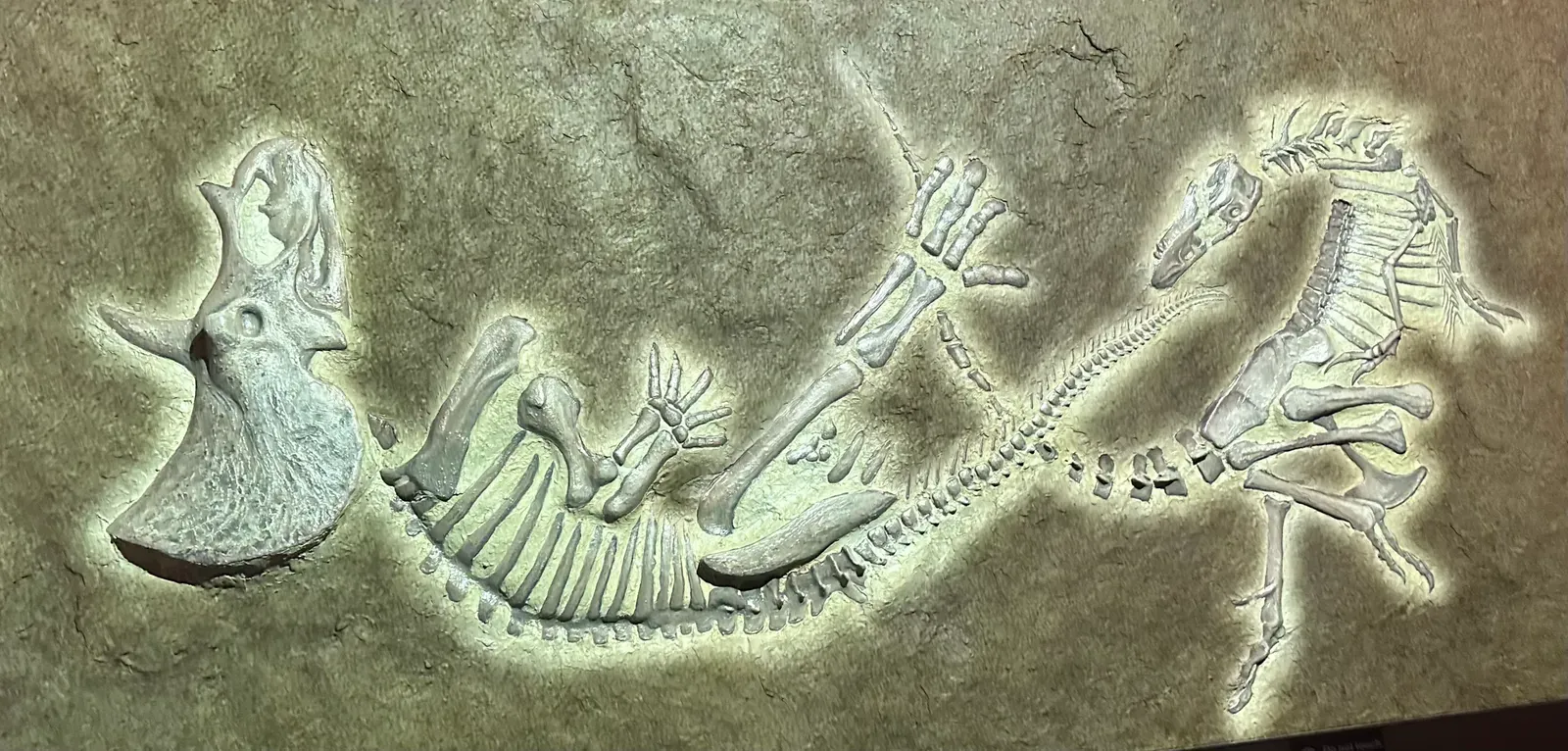
The Dueling Dinosaurs fossil, found in Montana, contains two dinosaurs locked in prehistoric combat: a Triceratops and a small-bodied tyrannosaur. That tyrannosaur turns out to be the most complete skeleton ever found of Nanotyrannus lancensis, a dinosaur long debated as being either a distinct species or a teenage T. rex. The skeleton’s fusing spinal sutures and growth rings show it was fully grown when it died at roughly twenty years of age, and its anatomy reveals traits including fewer tail vertebrae, more teeth, larger hands, and different skull nerve and sinus patterns.
For decades, paleontologists used Nanotyrannus fossils to model T. rex growth and behavior. New evidence reveals that those studies were based on two entirely different animals, and that multiple tyrannosaur species inhabited the same ecosystems in the final million years before an asteroid impact caused the mass extinction of dinosaurs. This discovery completely reframes the idea that T. rex was the lone predator of its time, challenging long-held assumptions about late Cretaceous ecosystem dynamics. We now know multiple tyrannosaur species coexisted in the last million years before the asteroid impact, suggesting a richer, more competitive ecosystem than previously imagined. It’s the kind of revelation that makes you wonder what else has been hiding in plain sight, waiting for the right excavation and the right question.
Conclusion: Every Bone Tells a Bigger Story
Paleontology, at its heart, is detective work done across millions of years. Each of these nine fossils didn’t just answer a question. Each one opened ten more doors, and that’s the beautiful, slightly maddening nature of prehistoric science. In the two centuries since scientists first began naming dinosaurs, we’ve learned more about how they evolved, what they looked like, how they behaved, and what eventually became of them, with new fossils and new techniques enabling scientists to delve into the fascinating lives of these ancient reptiles like never before.
From a jawbone mistaken for an elephant to a pair of dinosaurs locked in a final prehistoric duel, these discoveries remind us that the history of life on Earth is written in stone, and it’s far stranger, richer, and more surprising than anyone could have imagined. A golden era in dinosaur science is driving our current fascination, with around fourteen hundred dinosaur species now known from more than ninety countries, and the rate of discovery accelerating in the last two decades. The ground beneath your feet might still be hiding the next one. Which of these fossils surprised you the most? Drop your thoughts in the comments.