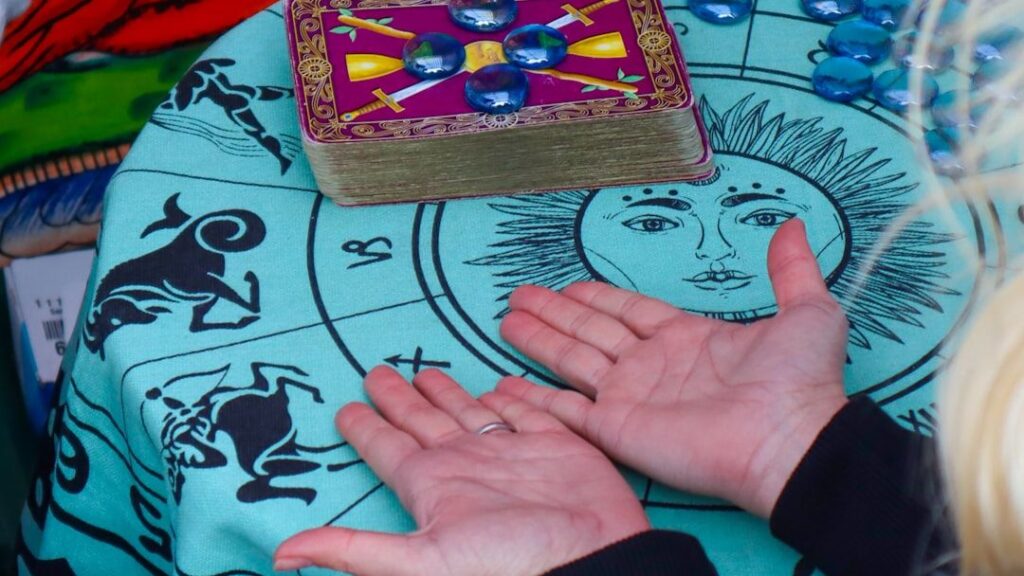
Have you ever read your horoscope and thought, “That’s totally me”? You’re not alone. Millions of people around the world find themselves nodding along to astrological descriptions, convinced that the stars somehow know them better than they know themselves. It’s hard to deny the strange pull astrology has on our collective imagination, especially in our current era of uncertainty.
What makes this even more fascinating is the complex relationship between ancient star wisdom and modern psychological science. These two seemingly opposite worlds – one mystical, one empirical – actually share more common ground than you might expect. The connections aren’t always what they appear to be on the surface, and understanding them reveals something profound about how our minds work, how we seek meaning, and why we’re drawn to certain patterns. Let’s dive in.
The Barnum Effect: Why Your Horoscope Feels So Personal
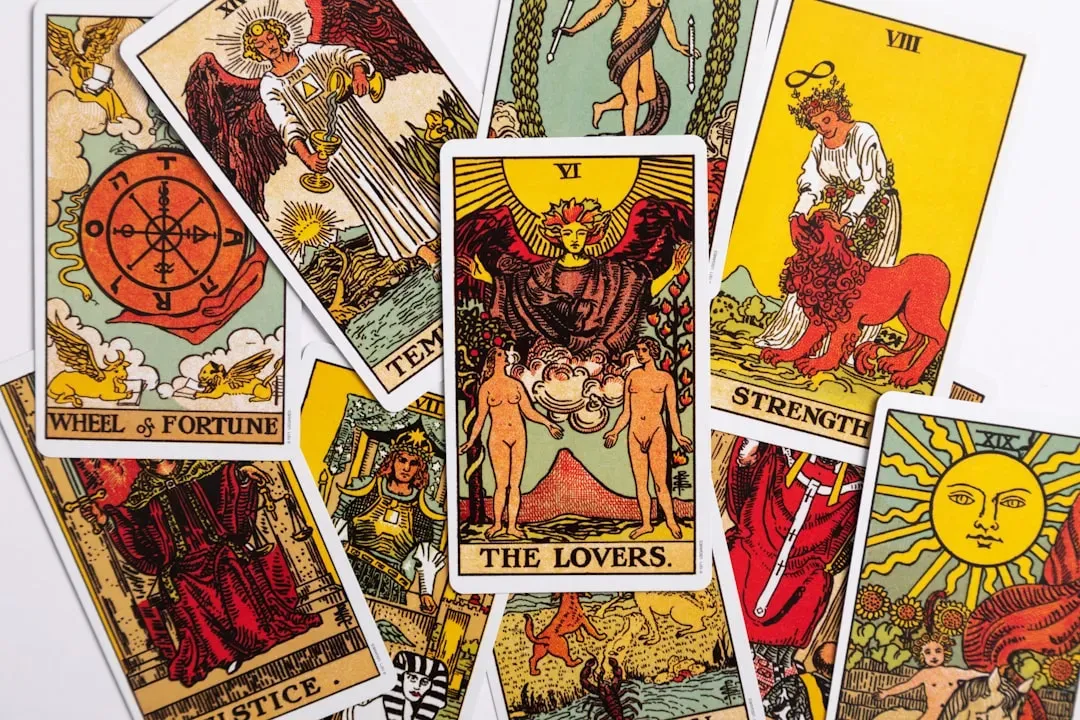
The Barnum effect is a common psychological phenomenon whereby individuals give high accuracy ratings to descriptions of their personality that supposedly are tailored specifically to them, yet which are in fact vague and general enough to apply to a broad range of people. In 1948, psychologist Forer gave a psychology test to 39 of his psychology students, who were told that they would each receive a brief personality vignette based on their test results, and one week later Forer gave each student a purportedly individualized vignette and asked each of them to rate it on how well it applied. On average, the students rated its accuracy as 4.30 on a scale of 0 (very poor) to 5 (excellent), and only after the ratings were turned in, it was revealed that all students had received an identical vignette assembled by Forer from a newsstand astrology book.
Think about it for a second. When you read something like “You have a tendency to be critical of yourself,” who doesn’t relate to that? The most effective statements include the phrase “at times”, such as “At times you feel very sure of yourself, while at other times you are not as confident,” and this phrase can apply to almost anyone, and thus each person can read a “personal” meaning into it. This is the magic trick astrology uses, whether intentionally or not. The descriptions are crafted so broadly that nearly anyone can find themselves reflected in them, creating an illusion of accuracy that feels deeply personal.
Self-Fulfilling Prophecies and Behavioral Influence
Results suggested that people born under positive signs were more extroverted, but only among people who already had some knowledge about their sign, implying that learning about your sign may affect how you perceive yourself. Here’s where things get really interesting. Learning that your sign is thought to behave a certain way may lead you to emulate those traits.
Let’s be real – if you’ve been told your entire life that Leos are natural leaders and you happen to be a Leo, you might start acting more boldly in group settings. It’s not the stars shaping your behavior; it’s your belief in what the stars supposedly say. A person’s zodiac sign can have an effect on their personality, if they allow it, because people control their actions and behaviors, which molds their personalities. This is stereotype threat in a less harmful form, where we unconsciously conform to expected patterns simply because we’re aware of them.
Archetypes and the Collective Unconscious
Jung wrote “Astrology represents the sum of all the psychological knowledge of antiquity”. Carl Jung, one of psychology’s giants, saw something valuable in astrology that most scientists dismissed. Jung observed a correlation between these archetypal images and the astrological themes or traditional ‘gods’ associated with the planets and signs of the zodiac. For Jung, astrology wasn’t about predicting the future – it was a symbolic language representing universal human patterns.
Jung claimed to observe a correlation between these archetypal images and the astrological themes or traditional ‘gods’ associated with the planets and signs of the zodiac, and he concluded that the symbolic heavenly figures described by the constellations were originally inspired by projections of images created by the collective unconscious. Whether you buy into Jung’s theories or not, there’s something undeniably compelling about the idea that zodiac symbols tap into deeper, shared human experiences – the hero, the caregiver, the rebel – characters we recognize across cultures and throughout history.
Astrology as an Anxiety Buffer

Astrology does not give definite answers, but it does seem that providing meaningful explanations of vague situations can increase someone’s sense of control over them, and it can also provide reassurance, however illusory, about the future, bringing people great comfort and reducing their feelings of distress. Honestly, this might be one of the most psychologically valid reasons people turn to astrology. Astrology could be seen as an anxiety-buffer that protects the individual from high-stress situations, and online searches for Zodiac signs and birth charts hit a five-year peak in 2020, according to Google Trends.
During the pandemic, when everything felt chaotic and out of control, people sought frameworks to make sense of their experiences. Astrology offered exactly that – a cosmic narrative suggesting there’s order, meaning, and perhaps even a plan. Exposure to astrology turns into an unlikely coping mechanism, as it can help an individual navigate stressful or negative situations by providing comfort and the appearance of clarity. The human brain craves certainty, and when life gives us none, we’ll create it wherever we can find it.
The Placebo Effect of Belief
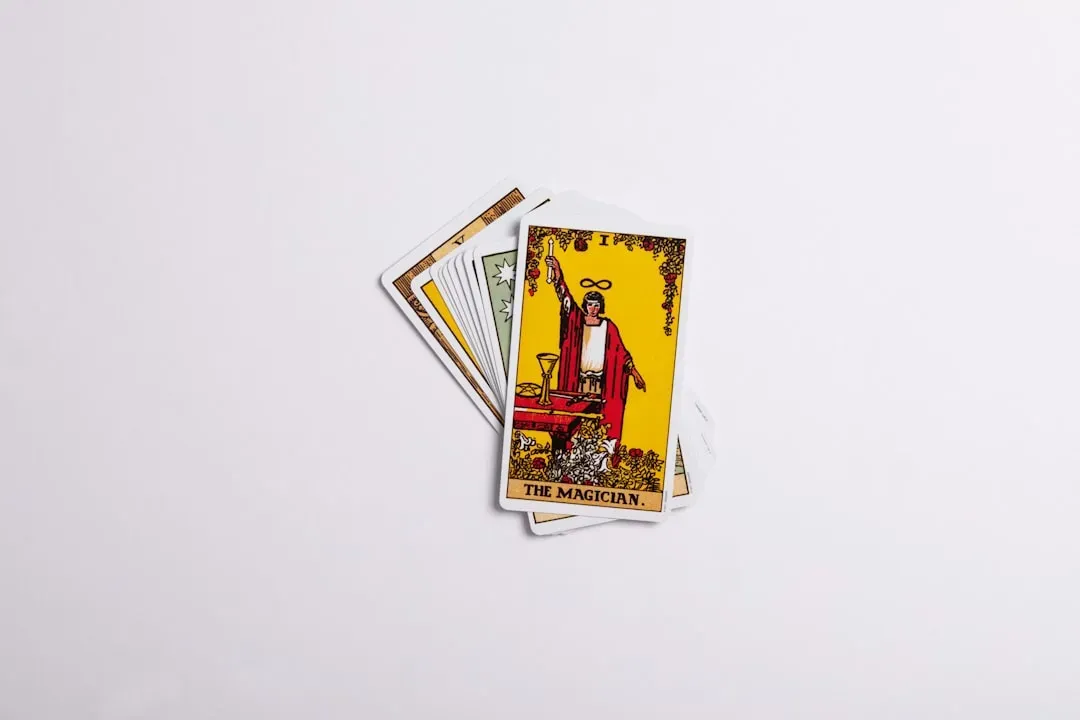
Astrology can act as a trigger for a variety of positive psychological outcomes for those individuals who believe in its divinatory power, and astrological charts can enhance an individual’s self-confidence, motivation, emotional comfort, and other psychological aspects. Here’s something wild: even if astrology has no objective predictive power, belief in it can still produce real psychological benefits. Reading positive versus negative astrological forecasts increased positive interpretation of ambiguous events, cognitive performance, and creativity, and positive horoscopes decreased negative emotions among people who believe in astrology.
This is the placebo effect in action. If you read that Mercury retrograde will cause communication issues and you become more careful with your words, you might actually avoid misunderstandings. Not because the planets influenced anything, but because your heightened awareness changed your behavior. Astrology allows individuals to better understand themselves, their emotions, and their reactions to various situations, and even if someone discredits astrology, they cannot speak against the effect of improving self awareness. There’s something quietly powerful in that.
Pattern Recognition Gone Wild

In a way, the human brain is hard-wired to seek certainty – that’s why some people have the tendency to interpret and give structure to adverse life events. Our brains are basically pattern-recognition machines. We evolved to spot threats in rustling bushes and find meaning in chaos. But sometimes, this survival mechanism goes into overdrive.
People tend to pay closer attention to and primarily remember those astrological predictions that align with their knowledge, aspirations, goals, and desires, while ignoring or downplaying evidence that does not support them, and remembering the hits and forgetting the misses through this type of selective attention reinforces the conviction that astrology works. This is confirmation bias at its finest. We notice when our horoscope gets something right and conveniently forget the dozen times it was completely off base. Our brains are storytellers, constantly weaving narratives that make sense of disconnected events, even when no real connection exists.
Identity Exploration and Self-Discovery

Both astrology and psychology place considerable emphasis on self-discovery and personal growth, and astrology’s birth chart analysis encourages individuals to explore their strengths, weaknesses, and potential life paths. Let’s admit it – there’s something deeply satisfying about having a framework for understanding yourself. Astrology offers character descriptions that are deliberately very vague and positive, allowing people to read themselves into it very easily, and this greatly influences and even validates a person’s self-concept, as well as increases their certainty about their personal attributes.
This cultural trend is particularly among the demographic that uses it most: millennial women, and existing psychological literature on astrology is primarily dominated by correlational studies or historical analyses and lacks the depth and richness of direct experiences of individuals engaging with this phenomenon. Young adults especially use astrology as a tool for identity exploration, a way to articulate parts of themselves they might struggle to express otherwise. It’s less about the stars and more about the mirror they provide for introspection.
The Search for Meaning in a Secular Age
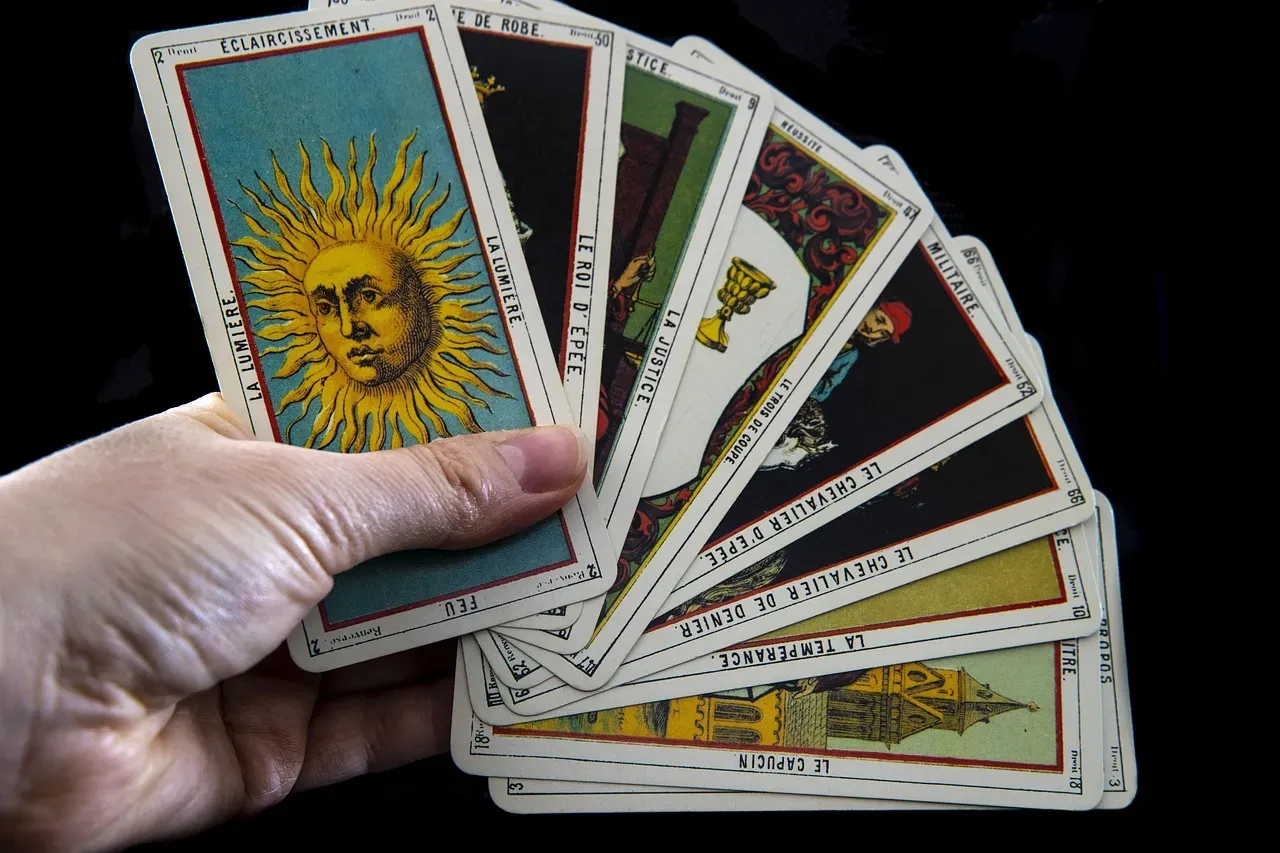
Some argue that the last generations are not very religious, although this does not mean they abandoned religion, but rather they have made a spiritual shift, and people, inherently, want to believe something, and are just feeling more comfortable expressing what some things work for them, specifically. We’re living through an interesting cultural moment. Traditional religious frameworks have weakened for many people, but the human need for meaning hasn’t disappeared – it’s just found new outlets.
Astrology’s resurgence in popular culture isn’t simply a fad – it reflects a hunger for symbolic orientation. Astrology fills that void by offering cosmic significance to our everyday struggles. It suggests your anxiety isn’t random – it’s Saturn Return. Your creativity isn’t arbitrary – it’s your Pisces moon. While astrology’s validity as a predictive science remains a topic of debate, its role as a tool for introspection and personal growth cannot be denied. Whether you view this as profound or problematic probably depends on where you stand, but the psychological need it addresses is undeniably real.
The Science Says No, But Psychology Says Maybe
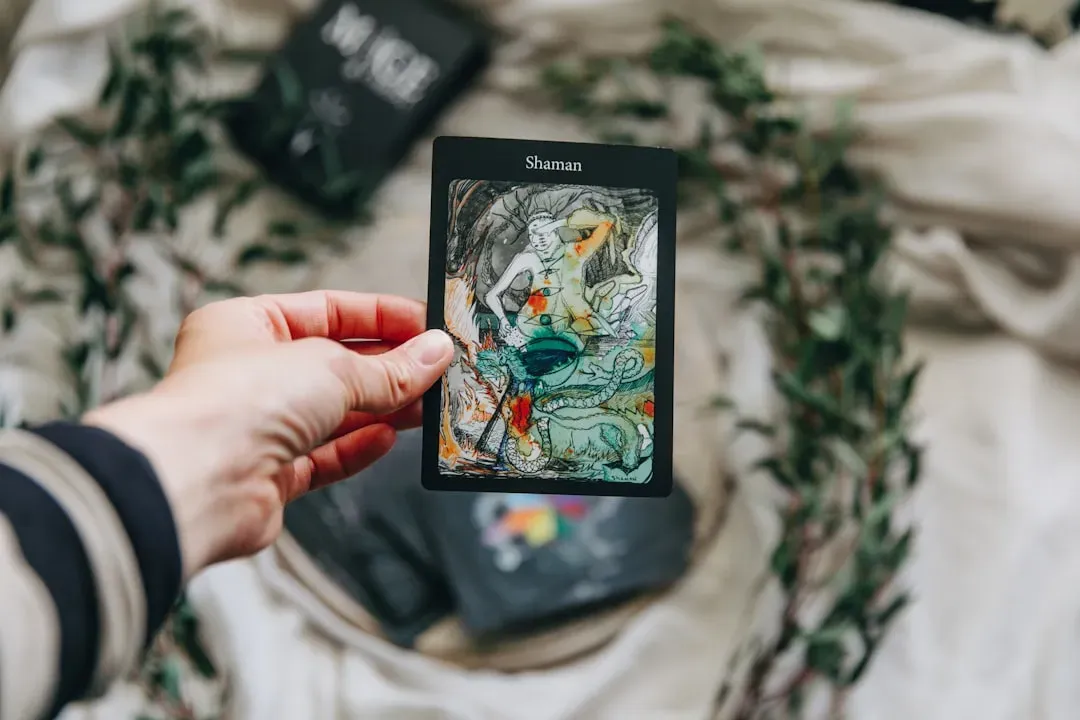
None of the 12 astrological signs were significantly associated with any of the Big Five personality traits, and none of the four elements associated with each sign nor whether a sign was “positive” or negative” had any effect on personality. Let’s not sugarcoat this: scientifically speaking, astrology doesn’t hold up. Contrary to popular astrological beliefs, research found no significant evidence linking zodiac signs to happiness, financial satisfaction, marital satisfaction, or overall health.
Yet here’s the paradox – Using a mixed-methods approach, the study finds that astrology can enhance self-awareness and emotional processing while also inducing decision paralysis, anxiety, and self-limiting beliefs. So while astrology fails as a predictive science, it succeeds as a psychological tool for some people. Dismissing astrology entirely misses the point, as astrology thrives not as a predictive science but as a symbolic language for self-exploration. It’s not about whether the stars actually influence us – it’s about what believing they do reveals about our minds, our needs, and our eternal human quest to understand ourselves.
Conclusion: A Mirror, Not a Map

The relationship between astrology and psychology is complicated, messy, and frankly, more interesting than either pure believers or pure skeptics would have you think. Astrology doesn’t work the way its most ardent followers claim, but it also isn’t the complete nonsense its harshest critics dismiss it as.
What we’ve discovered is that astrology functions primarily as a psychological mirror – reflecting back our need for meaning, our hunger for self-understanding, and our deeply human tendency to find patterns everywhere we look. It taps into cognitive biases, offers symbolic frameworks for identity exploration, and provides comfort during uncertain times. Whether you check your horoscope daily or roll your eyes at it, the psychological mechanisms behind why millions of people find value in astrology reveal fascinating truths about how our minds work.
So what do you think? Does understanding these psychological connections make astrology more or less meaningful to you?