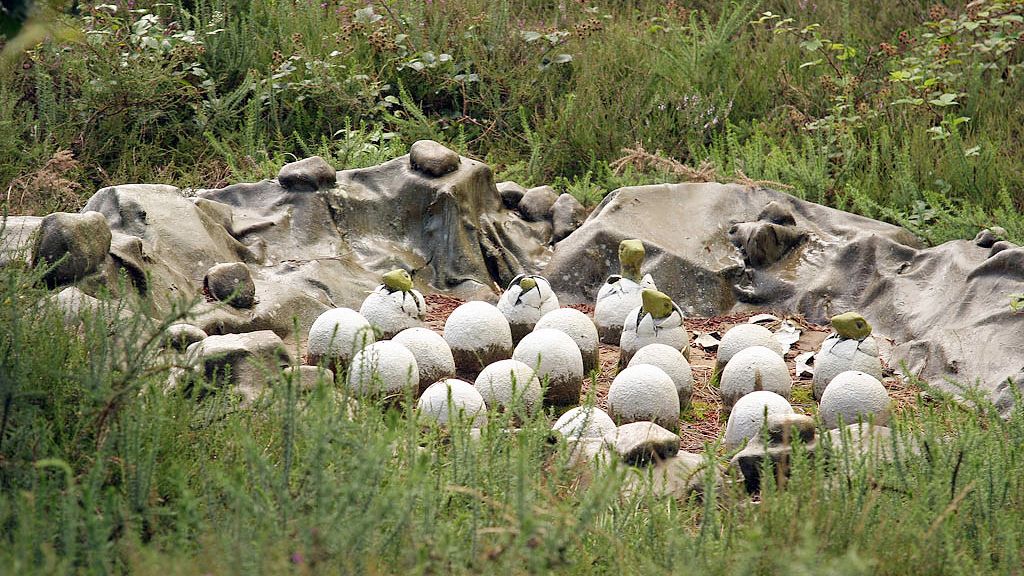
Few mysteries in natural history captivate the imagination quite like the fate of dinosaur eggs. Billions of these creatures once ruled the Earth, laid eggs in vast nesting colonies, and yet something went horribly, irrevocably wrong. What happened to those eggs? What silenced the hatchlings? The answers are far stranger and more debated than most people realize.
You might think science has this all figured out by now. Honestly, it doesn’t. From vitamin deficiencies to crystal-filled hollow shells discovered just months ago, the world of dinosaur egg research is exploding with jaw-dropping revelations. Get ready to have your assumptions completely overturned. Let’s dive in.
The Mammals-Ate-Their-Babies Theory (And Why It’s More Complicated Than You Think)
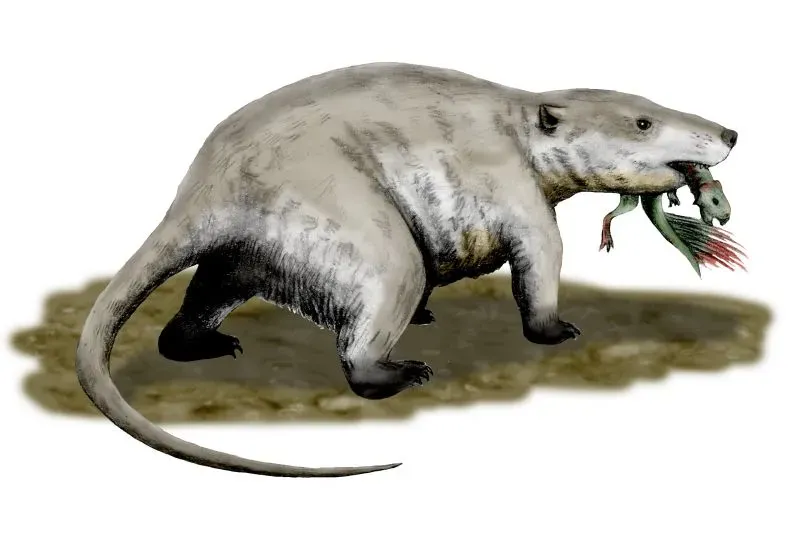
Here’s one of the oldest theories in paleontology, and it sounds almost too dramatic to be real. One early theory was that small mammals ate dinosaur eggs, thereby reducing the dinosaur population until it became unsustainable. The image is vivid, almost cinematic. Tiny, scurrying creatures sneaking into nesting grounds, cracking open eggs night after night until entire bloodlines went silent.
The problem? The math just doesn’t add up. The earliest mammals appear in the fossil record during the early Jurassic period, some 180 million years ago, and they continued to live alongside dinosaurs for the next 115 million years until the dinosaurs’ extinction. If mammals lived alongside dinosaurs for that long, why did they not wipe out the dinosaurs earlier? It’s a devastating logical hole. It would be impossible for mammals to eat every dinosaur egg across the planet, and even suggesting that Mesozoic mammals, animals that at their maximum only grew to the size of a raccoon, managed to wipe out the dinosaurs is preposterous.
Pathologically Thin or Multi-Layered Shells: A Slow Reproductive Crisis
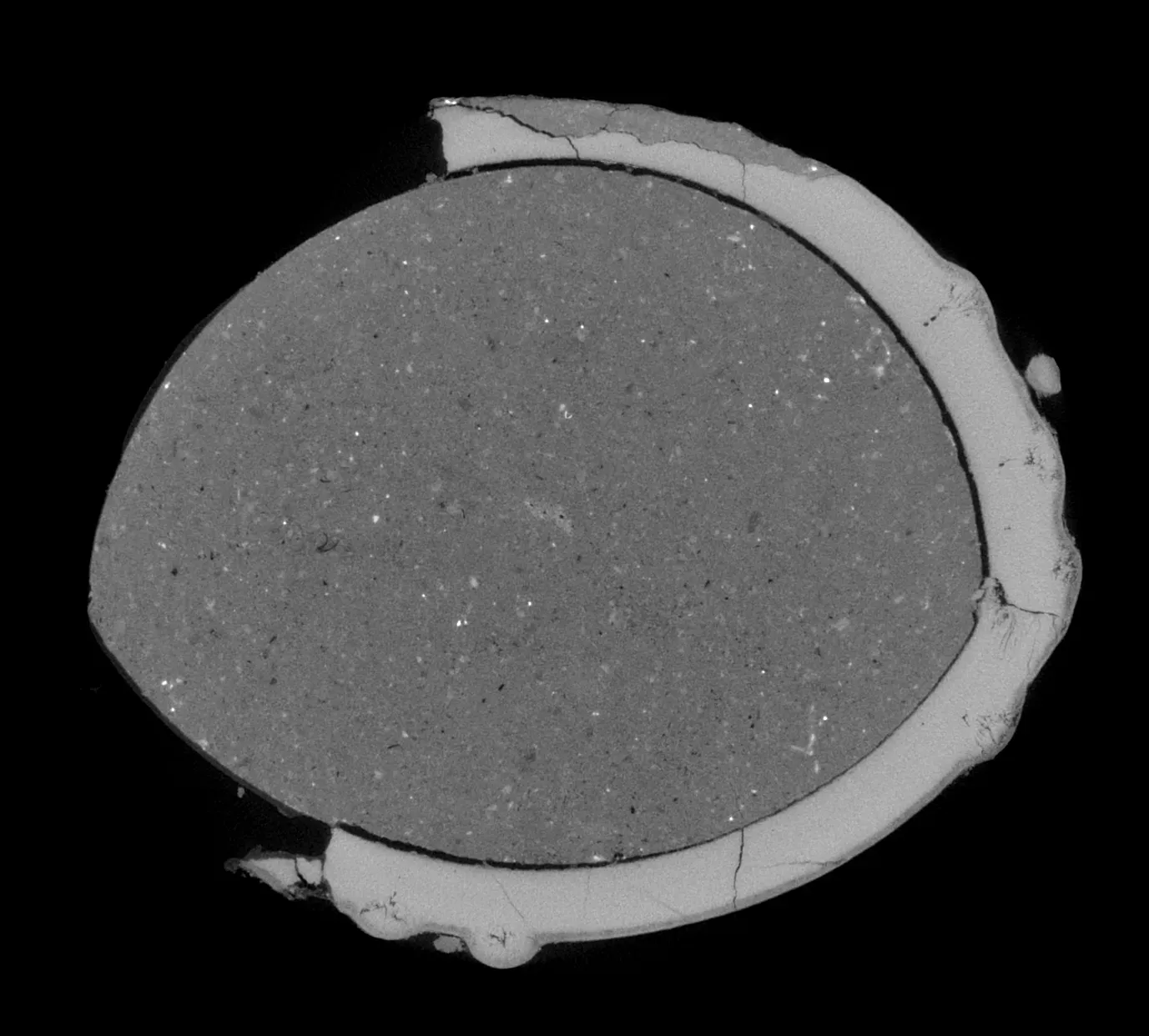
This one gets under your skin a little, because it suggests the problem came from within the dinosaurs themselves. Paleontologist H.K. Erben and colleagues believed that eggs led to the dinosaurian downfall in a different way. In a 1979 paper, the researchers reported that fossilized dinosaur eggshell fragments found in southern France and the Spanish Pyrenees showed two sorts of disorders: some had multiple shell layers, while others were pathologically thin. Think of it like a biological crisis silently unfolding across generations.
Either situation was lethal. Multi-layered eggs could have suffocated developing dinosaurs, while thin eggs easily broke or dehydrated the embryos. Some sort of climate change spurred hormonal changes in dinosaur mothers, the researchers suggested. It’s a chilling idea. Not a catastrophe from the sky, but a quiet, generational collapse in reproduction. Although some dinosaurs did have unusually thin eggshells, many others did not, and many survivors including birds, crocodiles, and turtles all have thin eggshells – which punches a few holes in the theory, but doesn’t fully sink it.
Vitamin D Deficiency: The Sunlight Hypothesis That Changes Everything
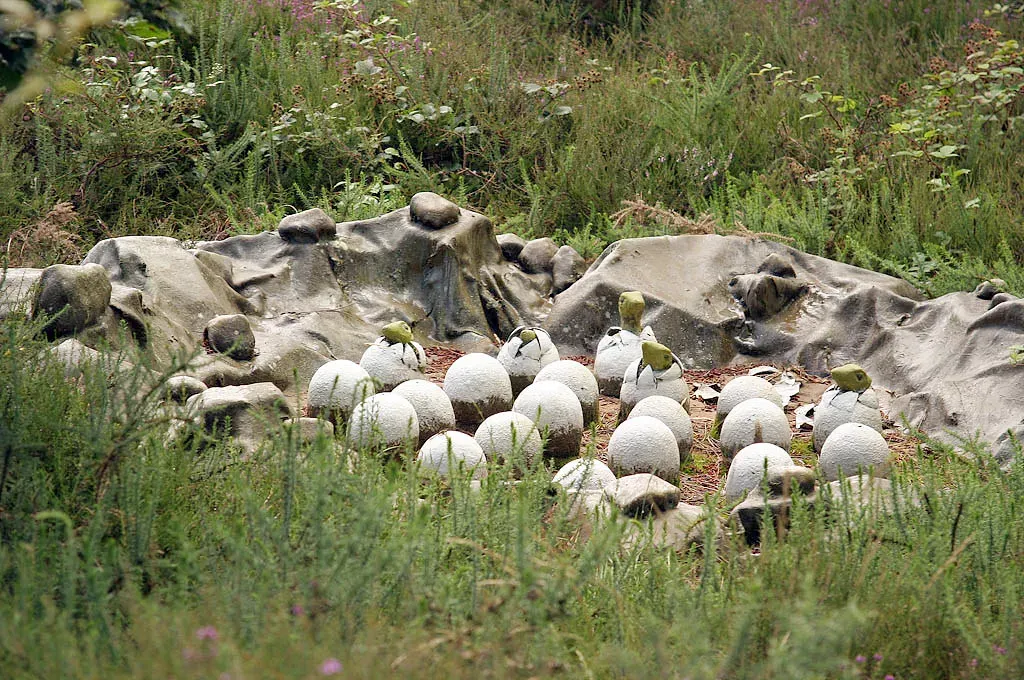
I know it sounds crazy, but hear this one out. One of perhaps several contributing mechanisms comes from extrapolating the physiology of the avian descendants of dinosaurs. This raises the possibility that cholecalciferol (vitamin D3) deficiency of developing embryos in dinosaur eggs could have caused their death before hatching, thus extinguishing the entire family of dinosaurs through failure to reproduce. In simple terms: if the eggs couldn’t absorb enough sunlight, embryos may have died before ever cracking their shells.
Like the extinct dinosaurs, modern birds reproduce by depositing eggs encased in a hard shell of crystalline calcium carbonate. The eggshell not only protects the developing embryo inside, but it is also the source of calcium to mineralize the bony skeleton towards the end of the incubation period. Here’s where it gets fascinating. After an asteroid impact or massive volcanic eruption, the skies would have been choked with ash and debris. Less sunlight reaching the nests could have triggered a slow-motion vitamin D catastrophe, killing embryos silently, season after season.
Temperature-Dependent Sex Determination: When Climate Decided the Gender of an Entire Species
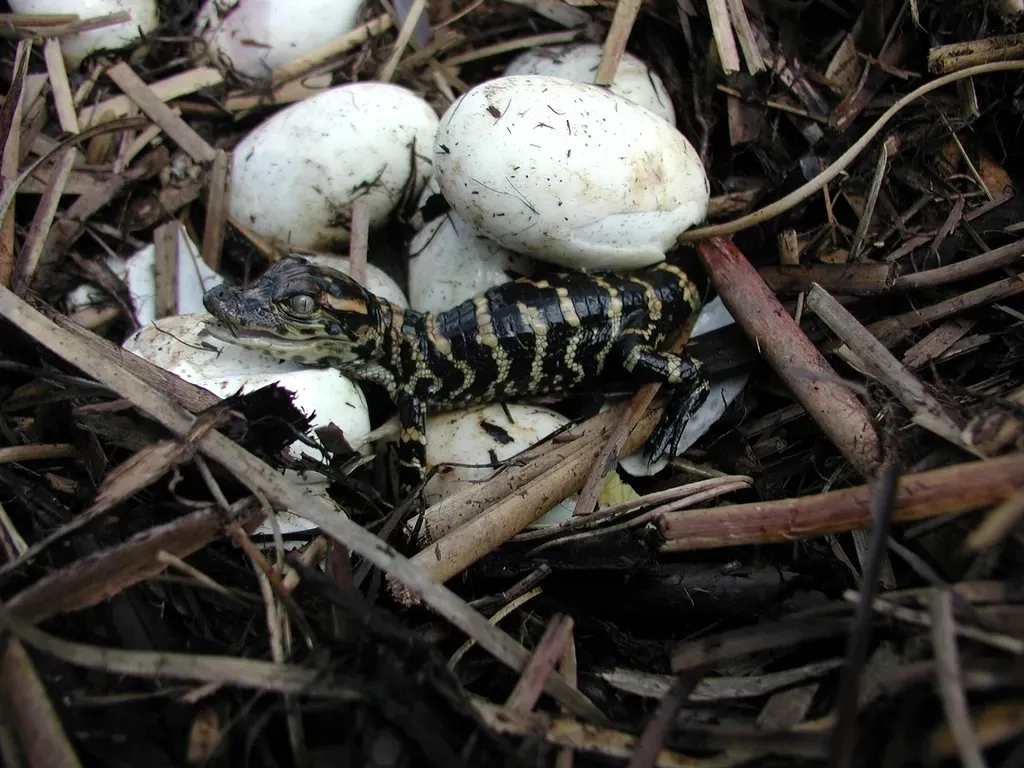
This theory is as alarming as it is elegant. Animals that use temperature-dependent sex determination rely on a more intimate and precarious relationship with their environment, whereby a balanced sex ratio is highly sensitive to and dependent on the temperature of egg incubation. Early reports of the exquisite temperature sensitivity of egg incubation in alligator sex determination alluded to a possible role in the extinction of ancient archosaurs, notably the dinosaurs. In other words, if the global temperature shifted dramatically enough, an entire species could start producing only one sex.
Evolution appears to favor the eventual repeated appearance of genetic-based sex determination, because animals not using this mechanism are at risk of extinction due to a skewed sex ratio that could result from massive global environmental temperature change. If there are multiple generations of a preponderance of male offspring, the species cannot survive. That’s a terrifying reproductive trap. Studies show that a two to four degree change in the incubation period can result in all male or all female hatchlings, and research conducted on crocodiles and alligators, the closest relatives of dinosaurs today, supports this view.
Dinosaurs Ate Their Own Eggs: The Self-Destruction Theory
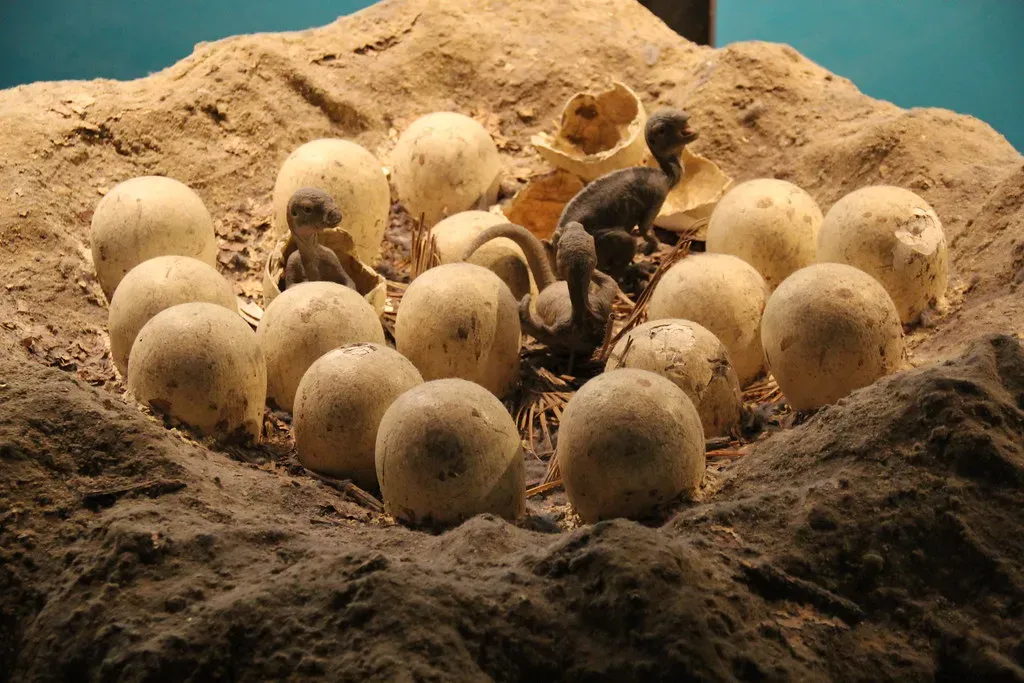
Let’s be real – this theory sounds almost too strange to be academic, yet it comes from serious researchers. George Wieland, an early 20th-century paleontologist, argued that the dinosaurs ate themselves into extinction. The ancestors of the fearsome Tyrannosaurus, he said, probably “got their first impulse toward gigantism on a diet of sauropod eggs.” Imagine entire species essentially consuming the next generation, driven by an insatiable hunger that slowly devoured their own future.
Wieland conceded that monitor lizards and snakes may have consumed their share of embryonic dinosaurs too, but ultimately concluded that the most potent feeders on dinosaur eggs and young must be sought among the dinosaurians themselves. It’s a grim concept. Think of it like a fire that burns its own fuel supply. Under this line of thinking, dinosaurs destroyed themselves when predatory species began to eat the eggs of herbivorous species, thus exterminating all. Modern fossil evidence confirms predation on eggs did happen. The scale, however, remains fiercely debated.
Carbon Dioxide Suffocation: When the Very Air Killed the Eggs
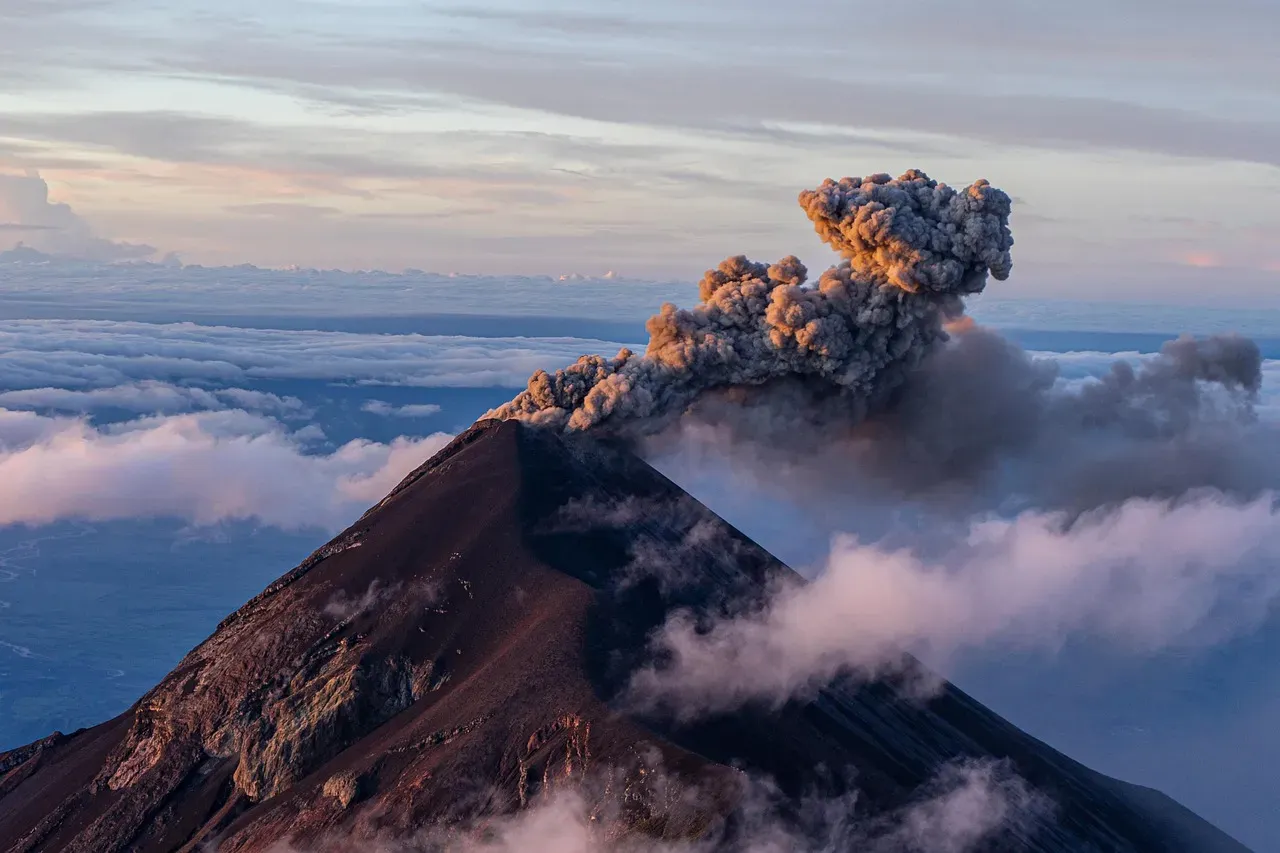
Here’s a theory that doesn’t get nearly enough airtime. Uncontrolled levels of carbon dioxide negatively affected dinosaur eggs, which did not receive enough oxygen, and the embryos suffocated. Volcanoes are the main suspects here. The Deccan Traps in India, for example, were erupting on a colossal scale right around the time dinosaurs disappeared. Enormous clouds of volcanic gases would have fundamentally altered the atmospheric chemistry surrounding every nest on the planet.
A variety of theories suggest that either the pressure or some other component of the atmosphere changed to kill off the dinosaurs. One example is a decrease in carbon dioxide; another example is an increase in oxygen given off by too many plants. The atmosphere theory is tricky because it requires precise conditions that are genuinely hard to reconstruct from fossil records alone. Still, the idea that embryos quietly suffocated inside their shells, without any obvious external catastrophe, is hauntingly plausible.
The Crystal Revelation: Eggs That Became Geodes and What They Tell Us
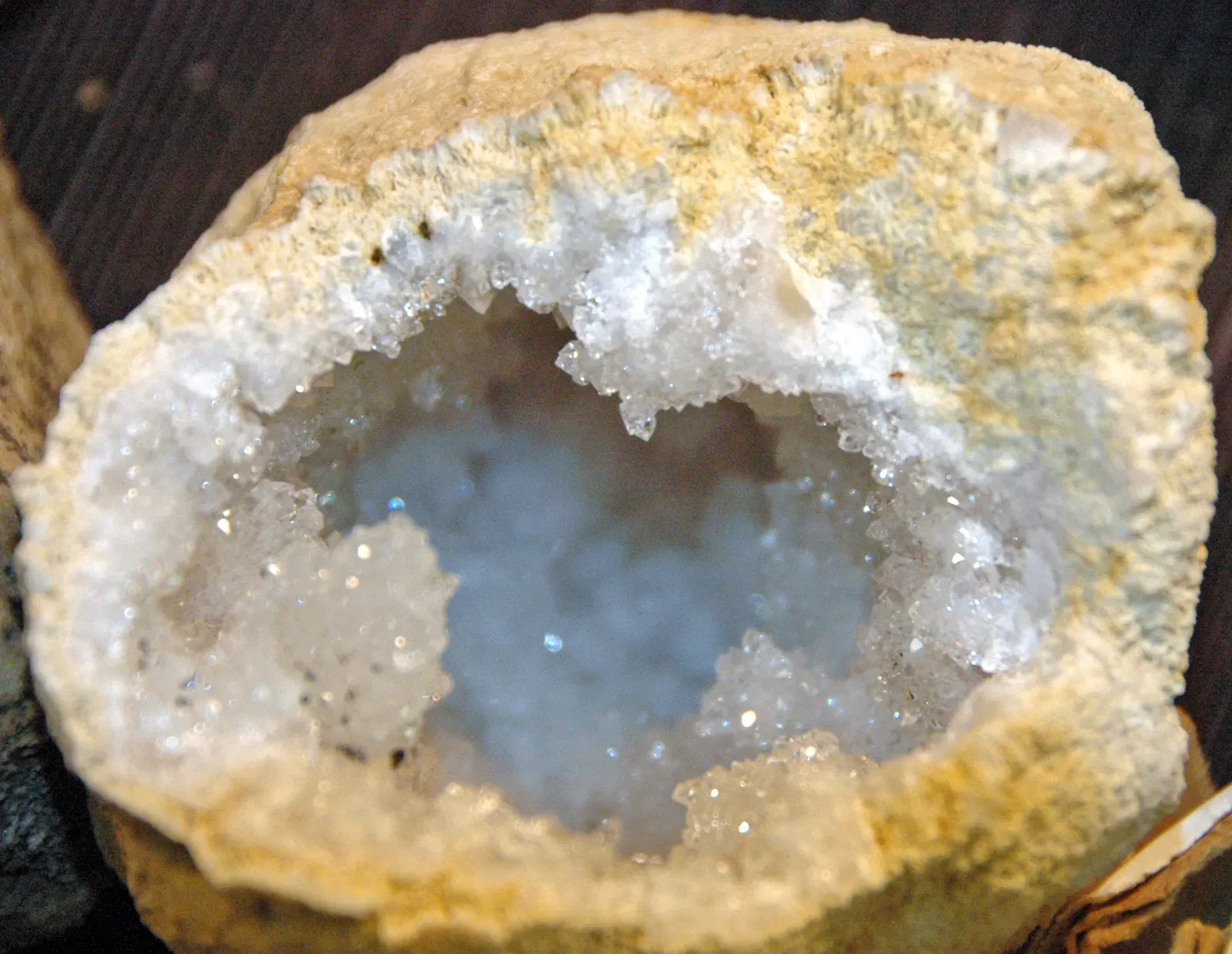
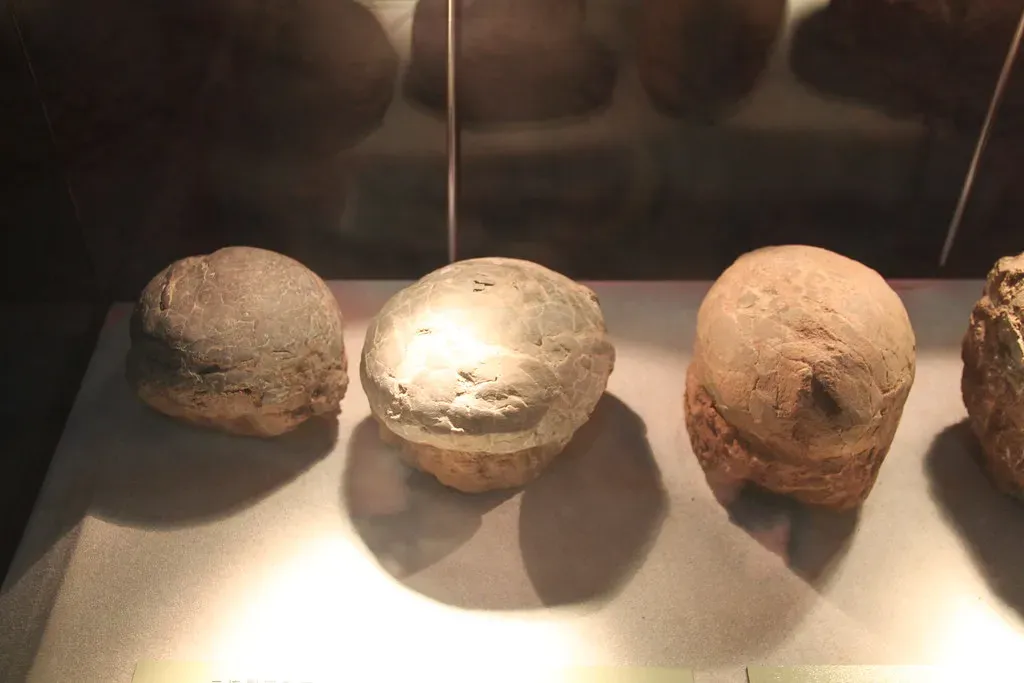
This one is less a theory about extinction and more a mind-blowing discovery that reshapes how you understand dinosaur eggs entirely. A grapefruit-sized dinosaur egg from a fossil bed in China gave paleontologists a huge surprise. Rather than a dinosaur embryo or sediment, it was filled with sparkling crystals of calcite lining the inner shell, essentially a natural dinosaur geode. That’s extraordinary. An egg that sat underground for roughly 70 million years and transformed into something resembling a precious mineral display.
For mineral crystals to form inside a dinosaur egg, a few things need to happen. First, the embryo needs to rot away, leaving the egg empty. Then groundwater slowly seeps into the empty shell through micropores and cracks. Minerals dissolved in the groundwater are deposited inside the shell, gradually building up to form crystals. The scientific value here is immense. Because those crystals precipitated from groundwater after the egg was buried, they can also retain information about the fluids that passed through the fossil bed and the geochemical environment of the original nest.
The Atomic Clock Inside the Shell: Dating Eggs With Lasers
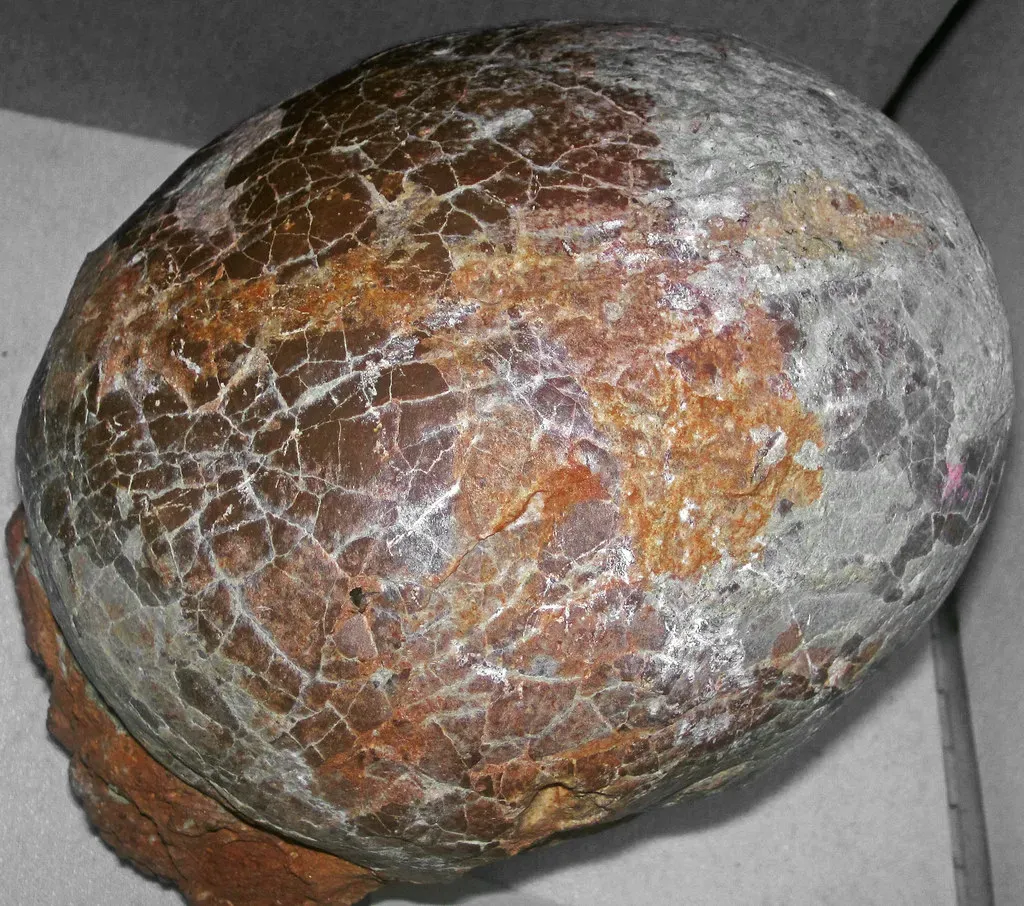
If you haven’t followed the latest paleontology news, buckle up because this is genuinely revolutionary. For the first time, scientists have directly dated dinosaur eggs by firing lasers at tiny eggshell fragments. The technique revealed that fossils in central China are about 85 million years old, placing them in the late Cretaceous period. Previously, researchers had to rely on the surrounding rock layers, which are often unreliable because geological processes can shift and alter them over time.
Instead of focusing on surrounding minerals or skeletal remains, researchers turned their attention to fossilized dinosaur eggshells. Using advanced uranium-lead dating combined with detailed elemental mapping, the team measured extremely small amounts of uranium and lead locked inside the calcite structure of the eggshells. These radioactive elements decay at known rates, effectively acting as a built-in clock that reveals when the eggs were buried. The implications for understanding egg-related extinction theories are enormous. Such techniques will allow paleontologists to determine more accurate dates for fossil sites with preserved eggshell, which is essential to working out which dinosaur species lived together, how dinosaurs evolved over time, and other big-picture questions.
Cooling Climate and Disappearing Nest Sites: A Slow Vanishing Act
Perhaps the most sobering theory is the one that doesn’t involve a single dramatic event at all. Global cooling had started several million years before the laying of the eggs, in the Turonian epoch lasting from approximately 93.9 to 89.8 million years ago. By the time they were laid, temperatures had declined significantly. Picture the gradual disappearance of warm nesting grounds across entire continents, over millions of years. Not an explosion. A slow fading.
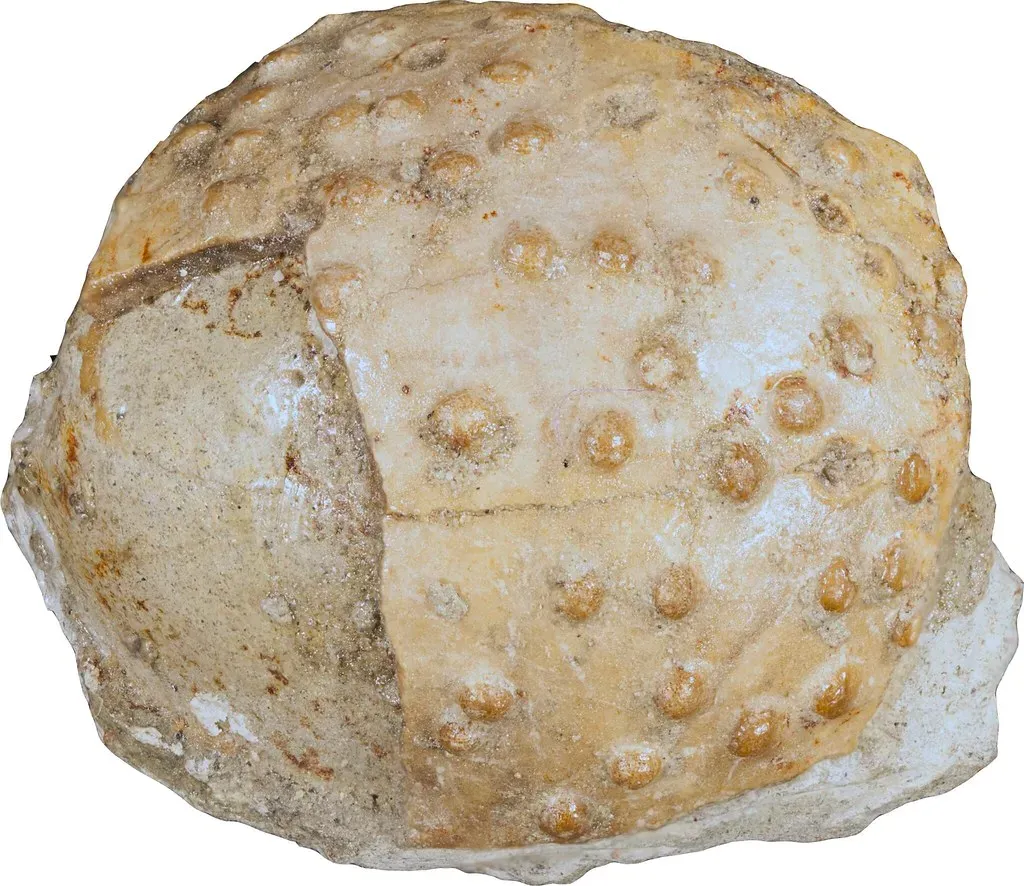
Researchers hope the eggs, and the technique employed to evaluate their age, might help reveal how dinosaurs living in China’s Yunyang Basin adapted to a cooling climate. The porous eggshells found at Chinese nesting sites offer clues here too. The eggs are slightly flattened spheres with mineralized shells no more than about 2.4 millimeters thick. Eggshells in this group tend to be relatively porous for dinosaur eggs, and that feature could offer clues about this ancient ecosystem during the Cretaceous period, when Earth was already starting to cool down. It’s a slow, creeping catastrophe. One that modern climate science gives us uncomfortable reasons to reflect on.
Conclusion
What happened to dinosaur eggs isn’t one clean answer wrapped in a bow. It’s a tangle of overlapping crises: shifting climates, toxic atmospheres, reproductive failures, voracious predators, and even microscopic vitamin deficiencies. Agreement over dinosaur extinction is far from unanimous, and fossils continue to be found that add to the body of knowledge about how the dinosaurs lived and died. Each new discovery, from geode-filled eggs to laser-dated shells, quietly reshapes the story.
What strikes me most is that the most compelling theories aren’t about a single apocalyptic moment. They’re about slow, quiet failures in the most fundamental act of life: reproduction. The eggs tell the real story, if you know how to read them. With laser dating techniques now unlocking precise timelines and crystal-filled shells revealing ancient chemistry, we are arguably closer than ever to the truth.
So the next time you think about dinosaur extinction, don’t just picture an asteroid lighting up the sky. Picture a nest of eggs, cooling in the dark, never hatching. What do you think ultimately sealed their fate? Tell us in the comments.