Every kid on the planet knows about T. rex. Most adults can sketch a rough outline of a Triceratops. Yet for every superstar dinosaur that graces museum billboards and movie posters, there are dozens of others that shaped entire worlds – quietly, consistently, and without a single Hollywood cameo to their name.
Here’s the thing: the most famous dinosaurs weren’t necessarily the most ecologically important ones. Dinosaurs were an integral part of each ecosystem and played distinct roles in the food chain. The giants of pop culture tend to get all the attention, while the true unsung architects of ancient life remain buried, both literally and figuratively. These nine overlooked dinosaurs were doing heavy lifting in their ecosystems – from shaping vegetation to feeding predators, from controlling insect populations to bridging ecological gaps. Get ready to be surprised by what you didn’t know.
Therizinosaurus: The Bizarre Gentle Giant That Pruned Prehistoric Forests
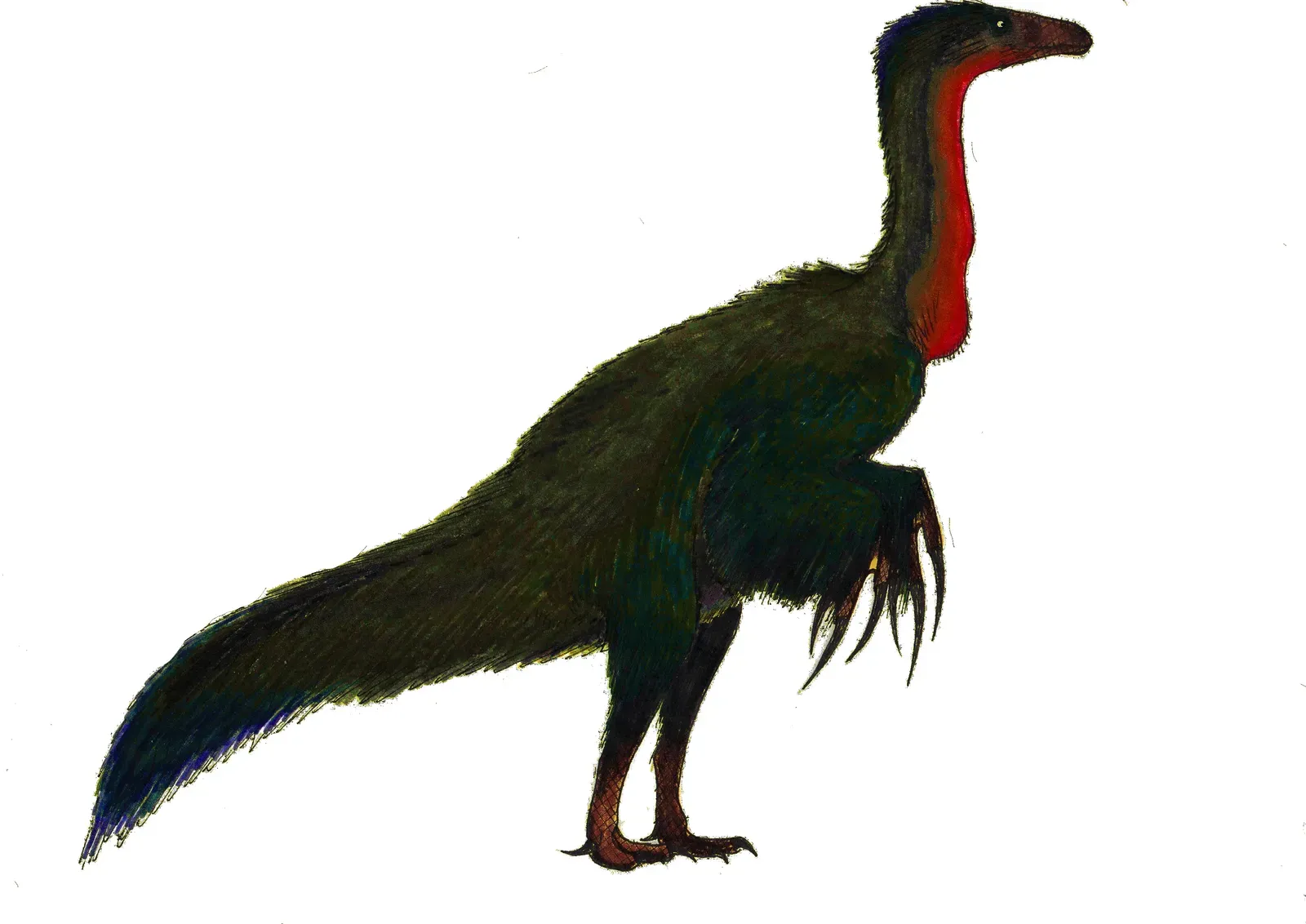
You’d be forgiven for thinking, upon seeing those enormous claws, that this creature was one of the most terrifying predators that ever walked the earth. Honestly, the first scientists who dug up its fossils in Mongolia’s Gobi Desert thought the same thing. When paleontologists initially discovered it in 1948, they were stunned by its claws. To their surprise, this was no predator – recent studies classified Therizinosaurus within the Therizinosauridae family, suggesting a primarily herbivorous diet despite being a theropod.
By maniraptoran standards, Therizinosaurus attained enormous sizes, estimated to have reached 9 to 10 meters in length. Though it might look intimidating, Therizinosaurus was not a predator. Instead, it played a crucial role in its ecosystem by controlling plant growth. Think of it as the ancient equivalent of a lawnmower crossed with a giraffe – endlessly grazing the upper canopy, keeping vegetation in check, and allowing light to filter down to lower-level plants below.
Its defining features were a long neck, wide torso, and a beaked mouth, which reflect a body meant for high browsing. The neck would have allowed it to reach foliage other dinosaurs could not, while its wide torso suggests a large digestive tract necessary for processing plant material.
Due to its great height of 5 to 7.4 meters, Therizinosaurus would have been able to feed from relatively higher trees than some herbivores, and it would have been an intimidating sight to behold. It probably had no significant competition with other herbivores over the foliage. However, a niche partitioning with the titanosaurs of the formation could have occurred, and if Therizinosaurus was a grazer, it would have competed with contemporary grazers such as Saurolophus.
Deinocheirus: The Mystery Omnivore That Bridged Two Food Worlds
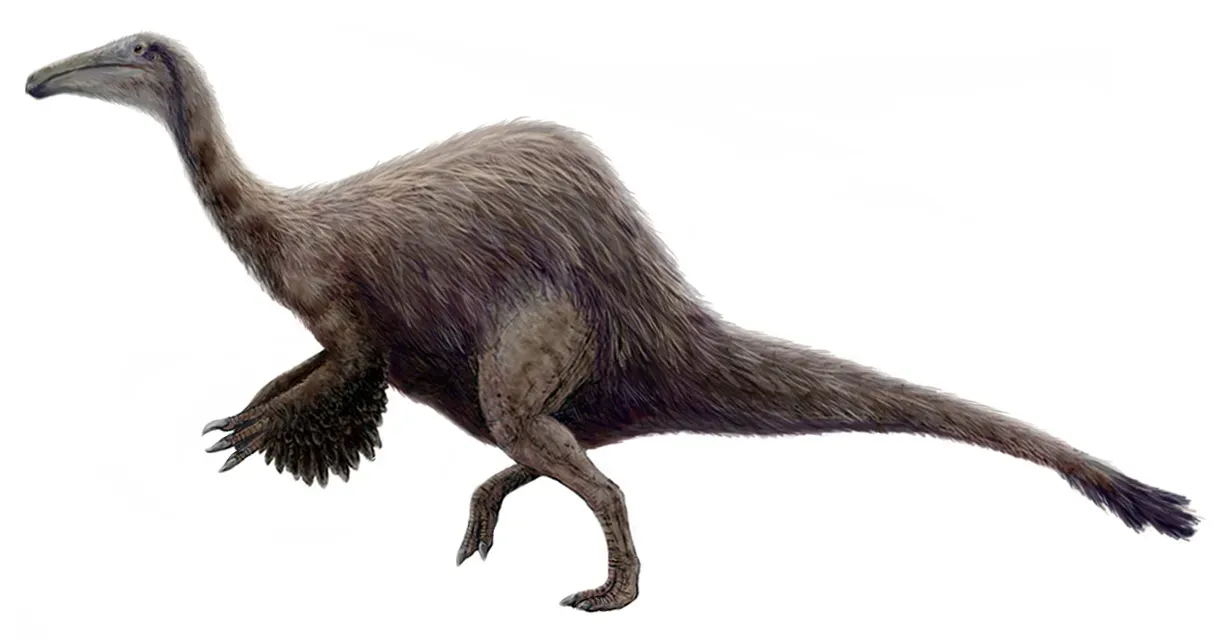
For almost fifty years, paleontologists knew Deinocheirus only from a pair of terrifying arms. That’s it. Just the arms – each one stretching nearly two and a half meters. Deinocheirus is a genus of large ornithomimosaur that lived during the Late Cretaceous around 70 million years ago. In 1965, a pair of large arms, shoulder girdles, and a few other bones of a new dinosaur were first discovered in the Nemegt Formation of Mongolia. In 1970, this specimen became the holotype of the only species within the genus, Deinocheirus mirificus – the genus name is Greek for “horrible hand.” No further remains were discovered for almost fifty years, and its nature remained a mystery.
The river systems of the Nemegt Formation provided a suitable niche for Deinocheirus with its omnivorous habits. The environment was similar to the Okavango Delta of present-day Botswana. Within this ecosystem, Deinocheirus would have eaten plants and small animals, including fish. That kind of dietary flexibility made it an incredibly important ecological connector – neither purely predator nor purely herbivore. Deinocheirus is a dinosaur of unusual proportions and features, not least its massive arms and mysterious hump. Discovered in the late Cretaceous deposits of Mongolia, it puzzled scientists for years. Initially known only from its gigantic arms, further discoveries revealed its duck-billed face and hefty size. This omnivorous dinosaur likely foraged in wetlands and forests. Its peculiar anatomy, including a sail-like structure on its back, offers insights into the diverse evolutionary experiments among dinosaurs.
Amargasaurus: The Spine-Ridged Sauropod That Mastered Niche Separation
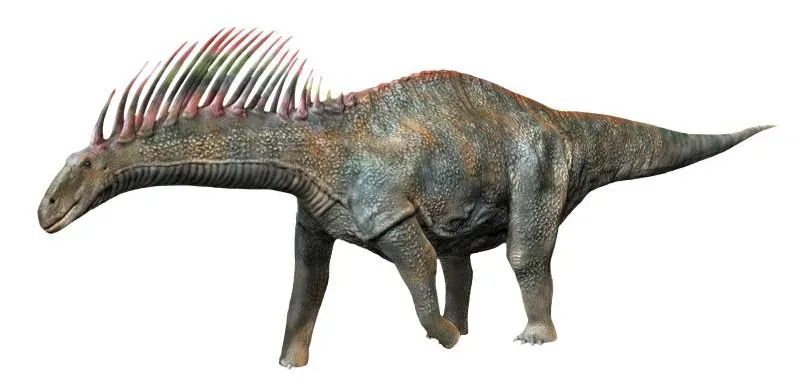
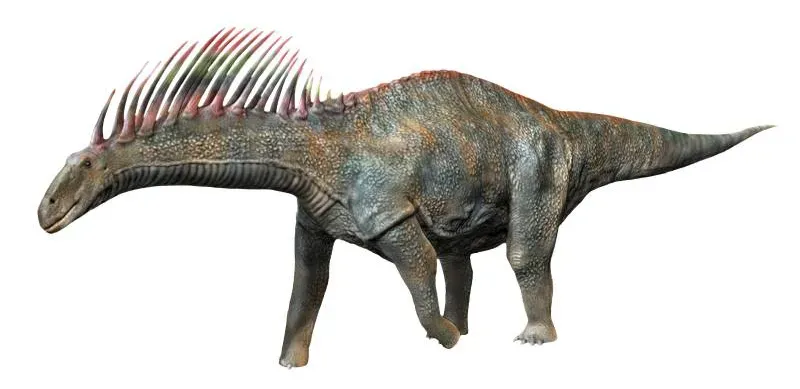
Most people picture sauropods as simply enormous, lumbering, long-necked creatures that ate everything in sight. Amargasaurus challenges that image in the best way possible. It was a large animal, but small for a sauropod, reaching 9 to 13 meters in length. Most distinctively, it sported two parallel rows of tall spines down its neck and back, taller than in any other known sauropod.
A herbivore, it shared its environment with at least three other sauropod genera, which might have exploited different food sources in order to reduce competition. Amargasaurus probably fed at mid-height, as shown by the orientation of its inner ear and the articulation of its neck vertebrae, which suggest a habitual position of the snout about 80 centimeters above the ground. This is a fascinating example of what ecologists call niche partitioning – multiple species occupying the same space but eating at different heights, like diners at a buffet carefully avoiding the same dishes. The function of these spines has intrigued paleontologists, leading to various theories suggesting they may have served purposes such as temperature regulation, defense, or even mating displays.
Like other sauropods, Amargasaurus was herbivorous, feeding on low-lying plants, and it likely moved in herds, which could have provided protection against predators. The Amargasaurus, discovered in Argentina, roamed the ancient forests of South America approximately 129 million years ago. This long-necked dinosaur with distinctive spines highlights the adaptability of dinosaurs to different environments, enriching our understanding of their ecological roles. The Amargasaurus, with its unique skeletal structure, suggests that dinosaurs had specific adaptations to thrive in particular regions, emphasizing the complex interplay between prehistoric creatures and their environments.
Edmontosaurus: The Migratory Herd Animal That Shaped Entire Landscapes
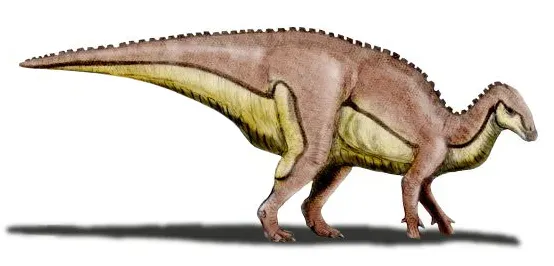
Let’s be real – a duck-billed dinosaur doesn’t sound particularly thrilling. No horns, no spikes, no fearsome reputation. Yet Edmontosaurus was one of the most ecologically significant creatures of the Late Cretaceous, and its impact on the landscape was nothing short of massive. Edmontosaurus represents one of the most extensively studied hadrosaurs from the Late Cretaceous period. This genus thrived from 73 to 66 million years ago and spanned a significant geographic range from Colorado to Alaska. This massive herbivore shared its habitat with the iconic Tyrannosaurus and Triceratops and lived until the Cretaceous-Paleogene extinction event.
Because it is known from several bone beds, Edmontosaurus is thought to have lived in groups and may have been migratory as well. These discoveries suggest that they were probably nomadic animals that would travel or migrate in large groups to stay safe from apex predators. Moving in enormous herds across coastal plains, these animals acted almost like ancient bison – constantly grazing, trampling, and fertilizing the land they crossed, setting a prehistoric blueprint that modern ecosystems still echo today.
Its duck-billed head was a unique adaptation that allowed it to feed on a variety of plant life. Its bill was toothless, but numerous cheek teeth grew in columns and were continually replaced throughout its life. Its herbivorous diet played a crucial role in maintaining the balance of the ecosystem, and its potential role as prey could have influenced the hunting patterns of Tyrannosaurus. In other words, Edmontosaurus helped literally feed the entire food chain – both from the bottom and the middle up.
Baryonyx: The Fish Hunter That Filled a Critical Riverine Role
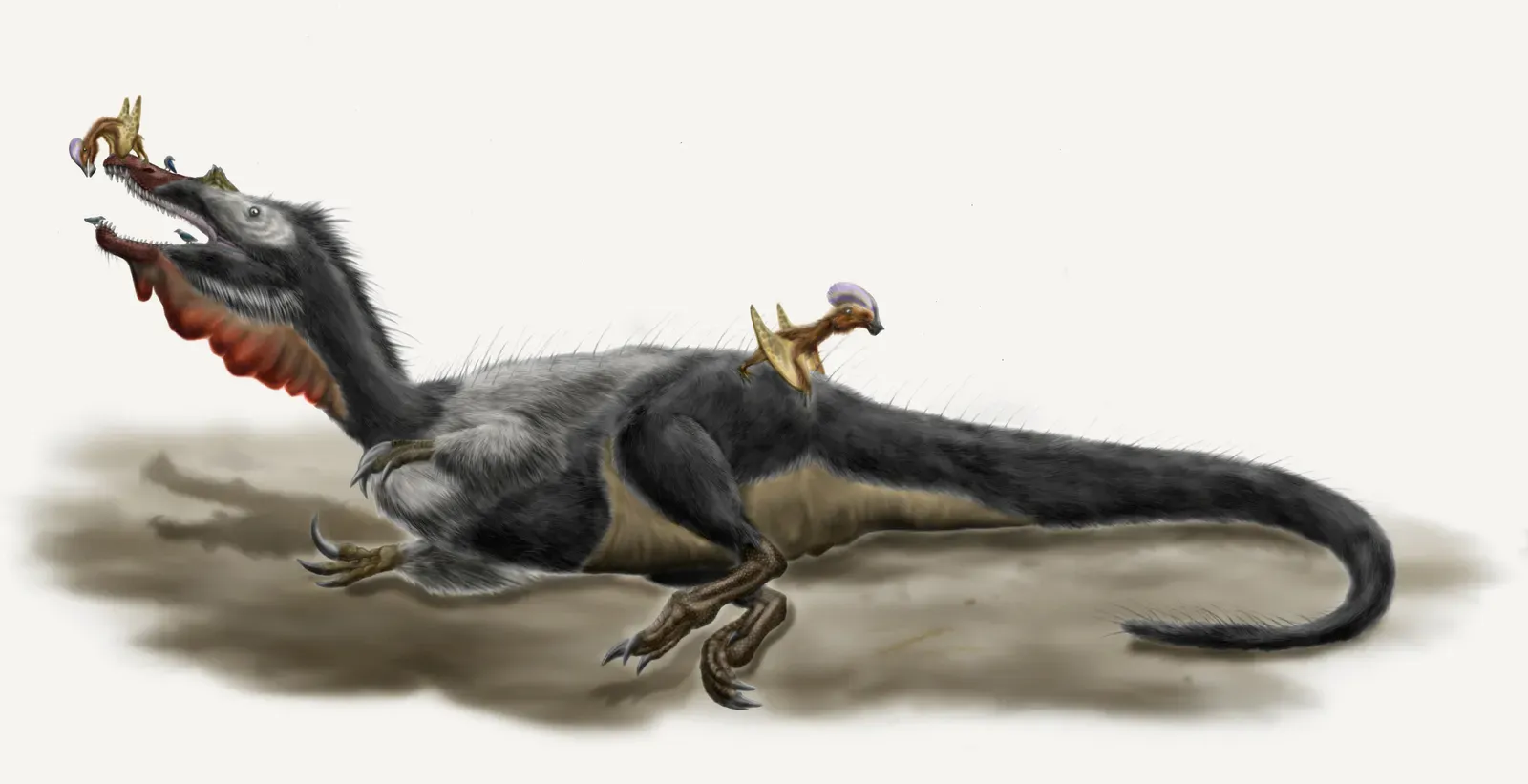
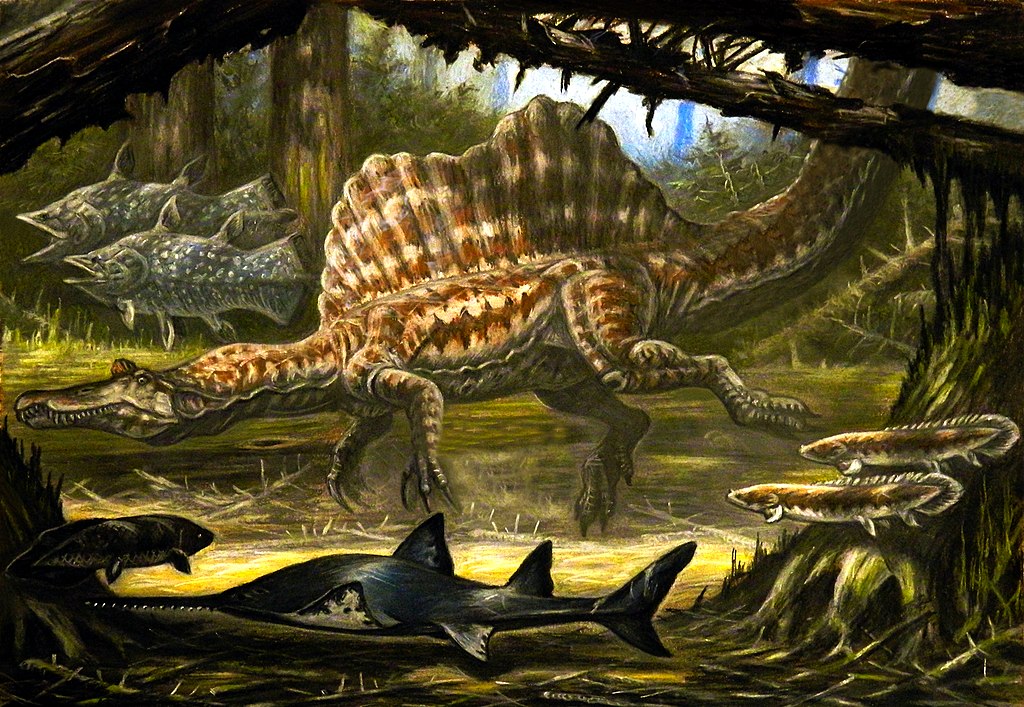
Here’s a dinosaur that barely gets a mention outside of specialist circles, yet it occupied one of the most unique ecological niches of any land-dwelling dinosaur known to science. Baryonyx was a piscivorous dinosaur with a crocodile-like snout and large claws. Discovered in England, it lived during the early Cretaceous period. Its long snout and conical teeth were perfect for catching fish, indicating a specialized diet. Baryonyx’s semi-aquatic lifestyle sets it apart from more famous theropods.
Like Spinosaurus, Baryonyx has a long, almost crocodile-like snout, lined with over 200 conical teeth. These skulls are not adapted for ripping through flesh, as in most other meat-eating dinosaurs, but for impaling more slippery prey, namely fish. The huge claw would have been used to whisk fish from rivers and lakes as Baryonyx prowled through the shallows. Paleontologists found a preserved set of partly digested fish scales in the region where its stomach would have been. That’s arguably the most direct dietary evidence you can get from any dinosaur. Think of Baryonyx as the ancient heron of the Cretaceous – elegant, specialized, and deeply tied to the health of freshwater ecosystems.
Pachycephalosaurus: The Dome-Headed Dinosaur That Drove Social Evolution
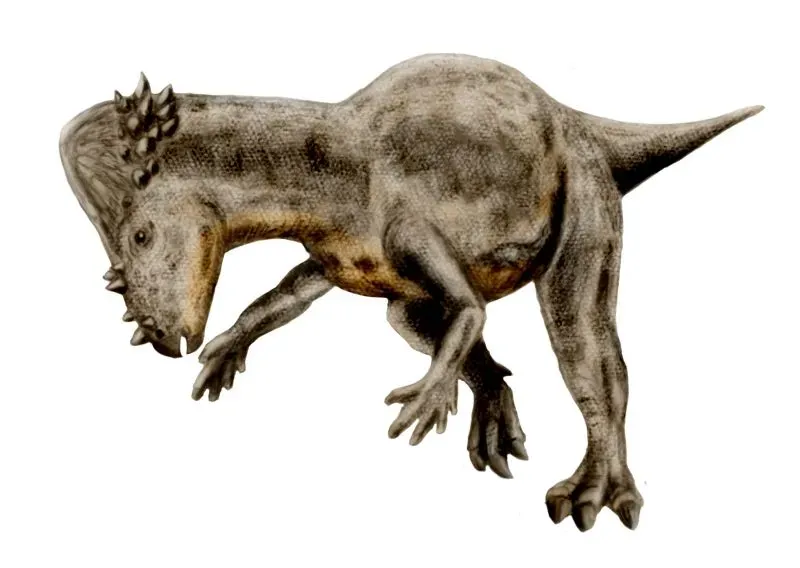
You might know this one from its absurd-looking skull – a thick, domed helmet of bone that makes the animal look perpetually mid-headbutt. But Pachycephalosaurus was far more than a prehistoric comedy act. Pachycephalosaurus is known for its thick, domed skull, which is a marvel in itself. This plant-eating dinosaur likely used its head for display or combat during social interactions. Living during the late Cretaceous period, its skull could be over 25 centimeters thick. The structure suggests it might have engaged in head-butting contests similar to modern-day rams. Despite its robust skull, Pachycephalosaurus had a relatively small body, emphasizing its unique adaptation.
Among the most unusual of all dinosaurs, Pachycephalosaurus, whose name basically means “thick-headed lizard,” is best known for the dome of bone that sits atop its skull, which is surrounded by small bony knobs and small bony horns on the snout. That social behavior – if these creatures really did engage in ritualized combat – would have had cascading effects on herd dynamics, mate selection, and population structure. Edmontosaurus was one of the last non-avian dinosaurs ever to exist, and lived alongside dinosaurs like Triceratops, Tyrannosaurus, Ankylosaurus, and Pachycephalosaurus shortly before the Cretaceous-Paleogene extinction event. Pachycephalosaurus was woven into the very fabric of that final, complex world of the Cretaceous.
Protoceratops: The Desert Survivor That Anchored Arid Ecosystems
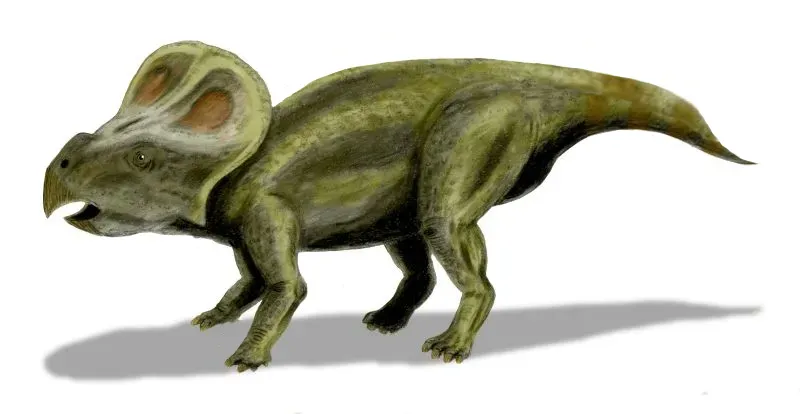
If you had to name the most important small herbivore of the Late Cretaceous in Central Asia, Protoceratops would be a strong contender. It’s not glamorous, but this pig-sized ceratopsian was everywhere – and its abundance meant it fed everything. This little dinosaur measured about six feet long when fully grown and lived in what is now Mongolia during the Late Cretaceous, roughly 80 to 75 million years ago. Like all ceratopsians, Protoceratops was likely a plant-eater.
Its habitat would have been an arid desert. Protoceratops’ small size in this environment is no coincidence since desert animals tend to evolve smaller. The smaller your body is, the less food and water you require to stay alive, and the easier it is to get shelter. What makes Protoceratops especially fascinating ecologically is the fossilized evidence of parenting behavior. Paleontologists have found young Protoceratops in nests of their own. This suggests that Protoceratops, like many other dinosaurs, cared for its young for a time after they hatched. That behavior supported the survival of future generations – and by extension, the continued supply of prey for the entire predator community of the Gobi desert.
Compsognathus: The Small Predator That Kept Insect and Lizard Populations in Check
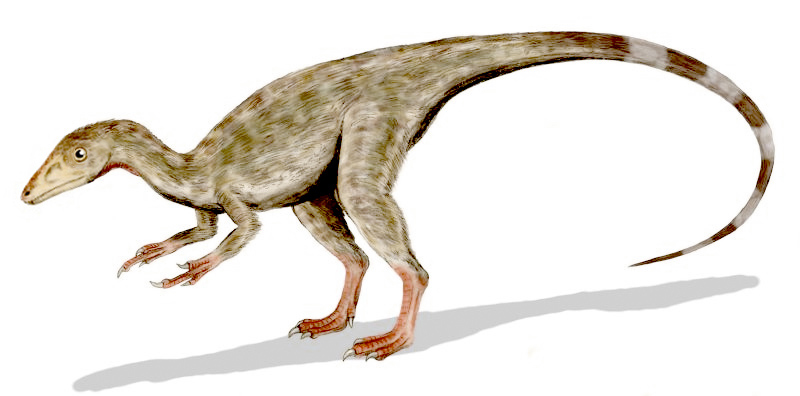
We are conditioned to think of dinosaur predators as enormous killing machines. Compsognathus flips that script entirely. About the size of a turkey, this tiny theropod was darting through Late Jurassic undergrowth across what is now Europe – and it was absolutely vital to the health of smaller animal populations. Compsognathus, the “Pretty jaw,” is a small theropod dinosaur that lived approximately 150 million years ago during the Late Jurassic. Paleontologists first described this dinosaur from two nearly complete skeletons, found in Germany and France.
The diminutive members of the genus Compsognathus are great for the remarkable sense of scale they provide. They were about the size of a turkey – exponentially smaller than their theropod relatives the tyrannosaurs – but they possessed the same elegantly raptorial proportions, darting about on their lithe back legs and snapping up smaller creatures. They ate lizards, as evidenced by a specimen found inside the ribcage of one fossil. That direct dietary evidence is rare and remarkable. Compsognathus had long, narrow legs, a long tail for balance, and sharp teeth and claws designed for grasping small animals. Without small, swift predators like Compsognathus, lizard and small vertebrate populations would have been unchecked – disrupting the entire lower tier of the Jurassic food web.
Oviraptor: The Misunderstood Nester That Shaped Predator-Prey Relationships
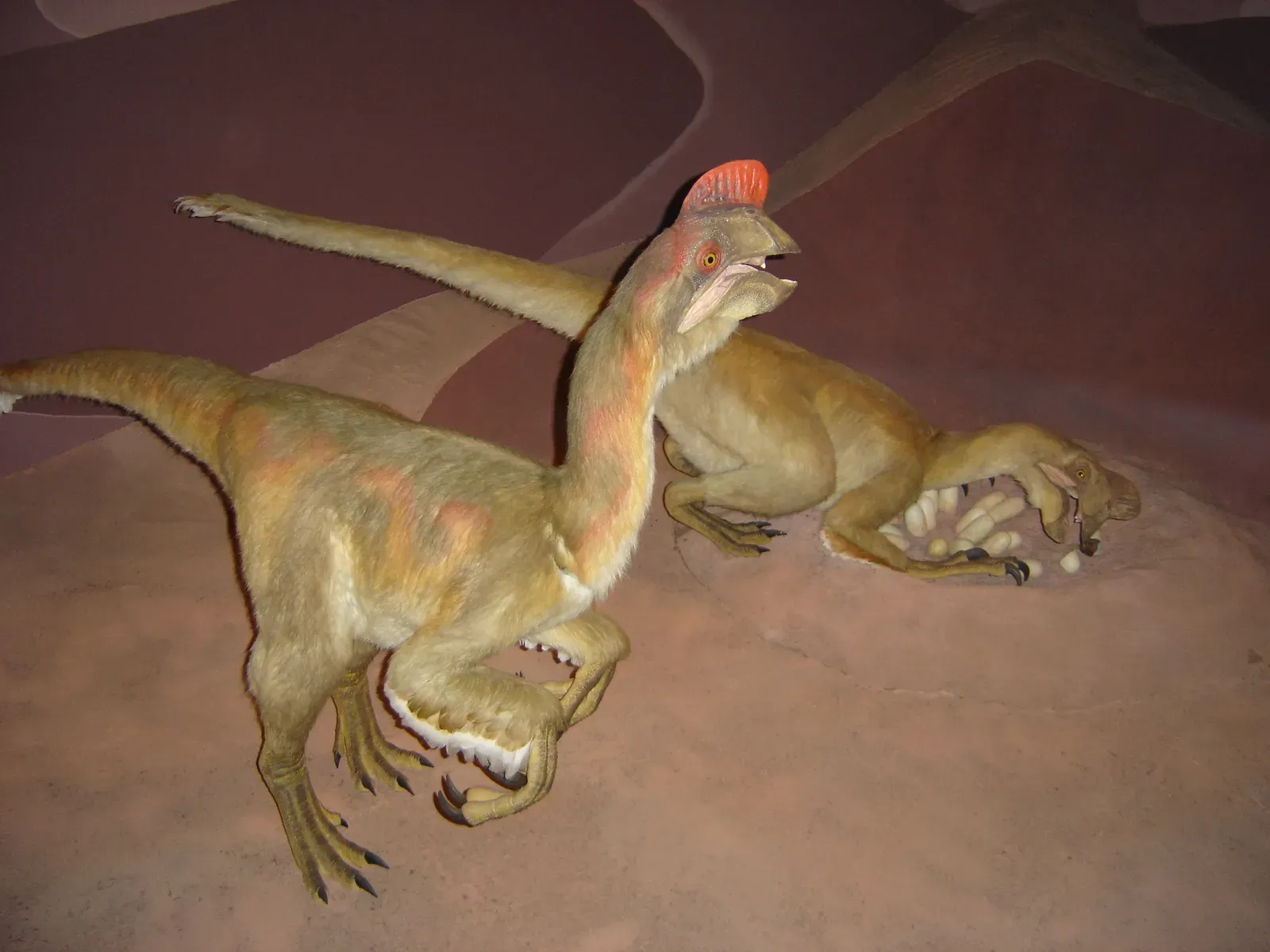
Few dinosaurs in history have suffered a more unfair reputation than Oviraptor. Its name literally means “egg thief,” a label slapped on it based on what turned out to be a completely wrong interpretation of the fossil evidence. Omnivores such as the Oviraptor would eat both plants and small animals as well as eggs. Omnivores were able to survive in multiple environments because they were so adaptable.
Most notably, the team discovered the first fossilized dinosaur eggs near the holotype of Oviraptor and given how abundant Protoceratops was, the nest was attributed to this taxon. This would later result in the interpretation of Oviraptor as an egg-thief. This find proved that the nest actually belonged to Oviraptor and rather than an egg-thief, the holotype was actually a mature individual that perished brooding the eggs. That changes everything. Oviraptor was a devoted parent, guarding its nest to the death. That kind of intense parental behavior influences offspring survival rates and, by extension, population stability. Its ecological role as an omnivore in the Mongolian environment – eating plants, small prey, and possibly eggs from other species – made it a flexible and resilient participant in its ecosystem. Unlike mammals, dinosaurs didn’t hover over their young – juveniles quickly fended for themselves and filled entirely different ecological roles than their parents. Oviraptor was the fascinating exception that made paleontologists rethink everything.
Conclusion: The Unsung Architects of the Ancient World
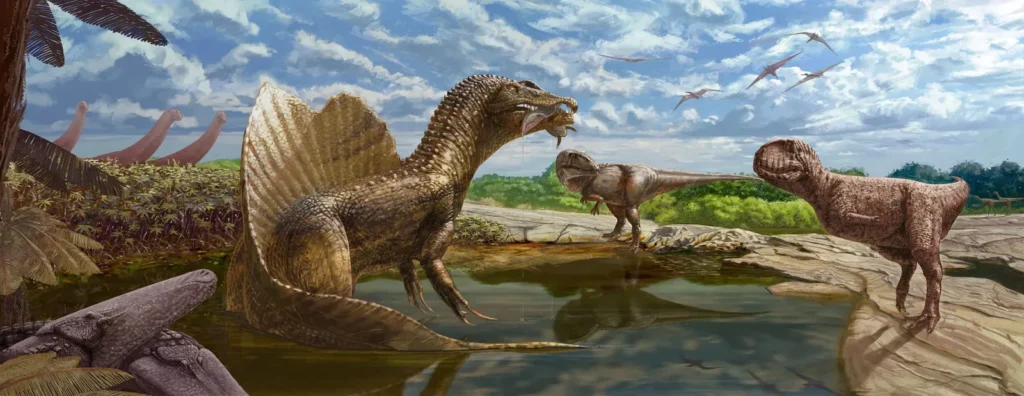
The dinosaur world was never just about the biggest, the fastest, or the most ferocious. It was a complex, finely balanced system where every creature – from the dome-headed Pachycephalosaurus to the fish-snatching Baryonyx – served a purpose that kept ancient ecosystems functioning. That radical life-stage shift may mean dinosaur ecosystems were more diverse and dynamic than scientists ever imagined.
What’s genuinely exciting is that science is still unraveling these stories. Fossils don’t just tell us about extinct species – they help us understand how ecosystems change over time. By looking at what dinosaurs ate, how they moved, and how they died, scientists can piece together ancient food chains and environmental changes. Every overlooked dinosaur is a missing piece of an enormous puzzle that stretches back hundreds of millions of years.
The creatures on this list were not supporting characters. They were load-bearing pillars of their worlds – controlling plants, feeding predators, cycling nutrients, shaping behavior, and driving evolution in ways that still echo through life on Earth today. Next time you walk past a dinosaur exhibit and your eyes drift straight to the T. rex, maybe pause for a moment and look around at what else is in the room. Chances are, the most important animal in that ancient ecosystem is the one nobody’s taking a photo of. Which of these overlooked giants surprised you the most?