When you think of dinosaurs that stomped across ancient America, chances are your mind jumps straight to the celebrity specimens. Tyrannosaurus rex probably gets the spotlight. Maybe Triceratops or Stegosaurus make an appearance too. Those names have been plastered across museum halls, Hollywood blockbusters, and childhood bedrooms for decades.
The thing is, North America was home to hundreds of dinosaur species throughout the Mesozoic Era, and most of them never got their moment in the sun. These overlooked creatures were just as remarkable, just as terrifying or bizarre, as their famous cousins. Some had armor that would make a medieval knight jealous. Others sported horn arrangements so wild they’d look right at home in a fever dream. Let’s dive into the forgotten rulers of ancient America.
Thescelosaurus neglectus: The Dinosaur Literally Named “Overlooked”
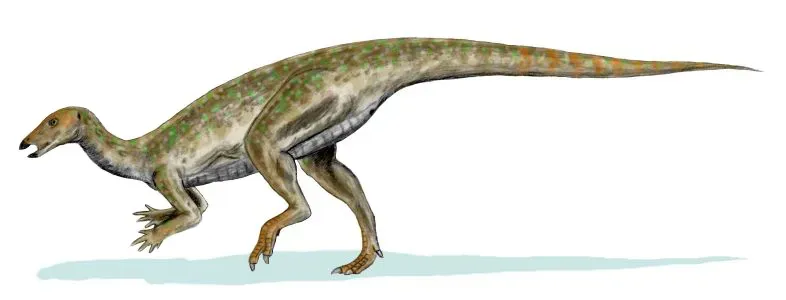
Thescelosaurus neglectus has a scientific name that roughly translates to “wonderful, overlooked lizard.” If that’s not the most on-the-nose example of a forgotten dinosaur, I don’t know what is. This relatively small, herbivorous dinosaur measured around 12 feet in length and weighed in at roughly 750 pounds.
It lived in what is now North America in the period just before the mass extinction event around 66 million years ago, which led to the extinction of all non-avian dinosaurs. What makes Thescelosaurus particularly fascinating is what recent research revealed about its sensory abilities. A study found that the dinosaur likely had a super sense of smell, though its range of hearing was limited. Researchers found that Thescelosaurus heard low frequency sounds best, and that the range of frequencies it could hear overlaps with T. rex. This little herbivore was basically equipped with a radar system to detect when predators were stomping around nearby.
Nothronychus: The Pot-Bellied Sloth Dinosaur
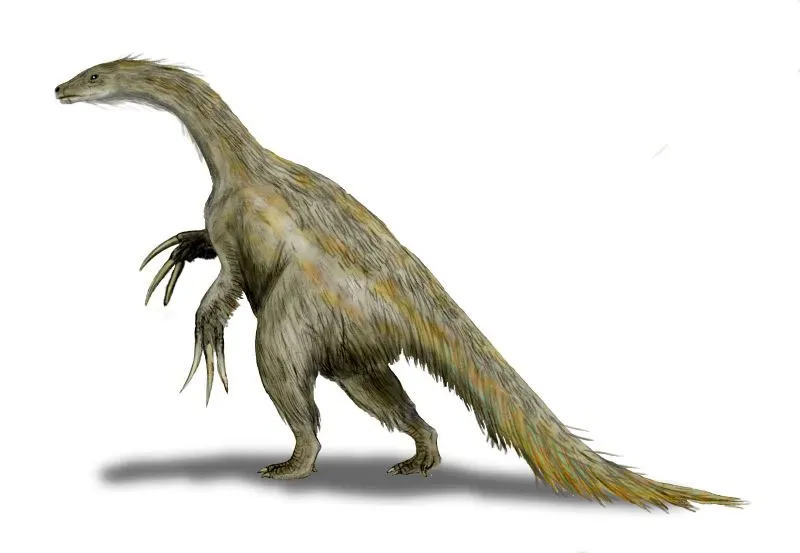
Picture a dinosaur that looks less like a fearsome predator and more like it raided a costume shop. Nothronychus was a medium-sized therizinosaur from Late Cretaceous North America that stood out due to its sloth-like claws and a body structure far removed from the typical carnivorous theropods from which it descended, with a long neck, robust body, and a pot-bellied abdomen, primarily herbivorous and employing its 12-inch long curved claws to forage vegetation.
Here’s the thing about therizinosaurs. They evolved from meat-eating ancestors but decided vegetables were the way to go. Those massive claws you’d expect to see ripping into prey? They were probably used to pull down branches and strip leaves. Honestly, it’s hard to say for sure what evolutionary pressure made a lineage of predators go full vegetarian, but Nothronychus represents one of the weirdest pivots in dinosaur evolution.
Akainacephalus: Utah’s Armored Tank
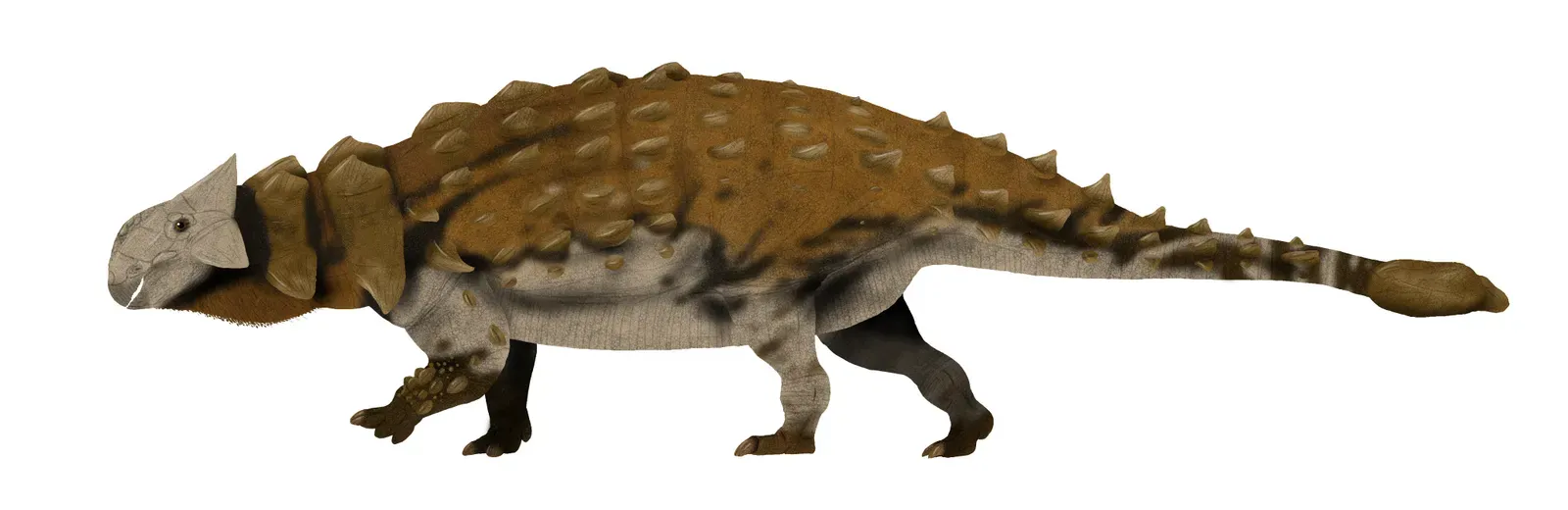
Named by Museum researchers in 2018, Akainacephalus is certainly a striking dinosaur, a heavily-armored herbivore that has only been found in Utah so far and is the first ankylosaurid – that is, an armored dinosaur with a tail club – discovered in the state. When paleontologists unearthed this beast, they probably needed a moment to process just how over-the-top its defenses were.
Akainacephalus was covered in spikes, plates, and bony armor from snout to tail. The tail club alone would’ve been a formidable weapon against any predator foolish enough to attempt an attack. Think of it as nature’s answer to a medieval mace, except this one was swung by a dinosaur weighing several tons. If you ever find yourself in Utah, you can actually see a cast of this super-spiky dinosaur on display.
Martharaptor: The Giant Sloth Impersonator
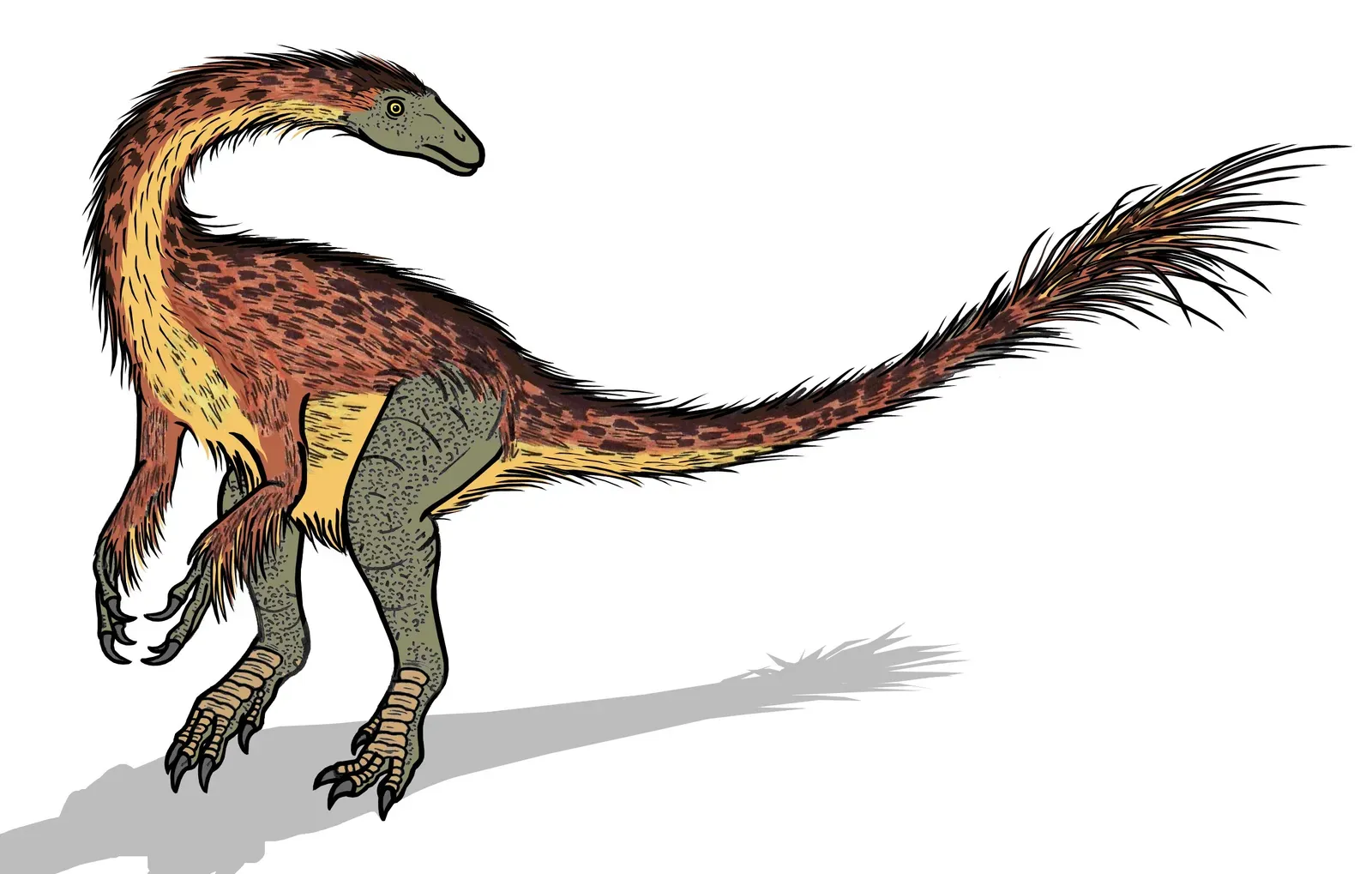
Martharaptor is known from a partial skeleton found in the Cretaceous rocks outside Moab and was named by State Paleontologist Jim Kirkland and colleagues in 2012 after Utah’s own Martha Hayden, and if this dinosaur was anything like its close relatives, Martharaptor would have looked something like a dinosaur doing an impression of a giant sloth.
Therizinosaurs like Martharaptor are genuinely some of the strangest creatures to ever walk the Earth. They had huge claws, heavy builds, and beaks instead of typical theropod teeth. You’d think something with claws that large would be a terror, but these were plant-eaters through and through. The image of a hulking dinosaur awkwardly reaching for foliage with ridiculously oversized claws is both hilarious and oddly endearing.
Dystrophaeus: America’s First Named Long-Neck
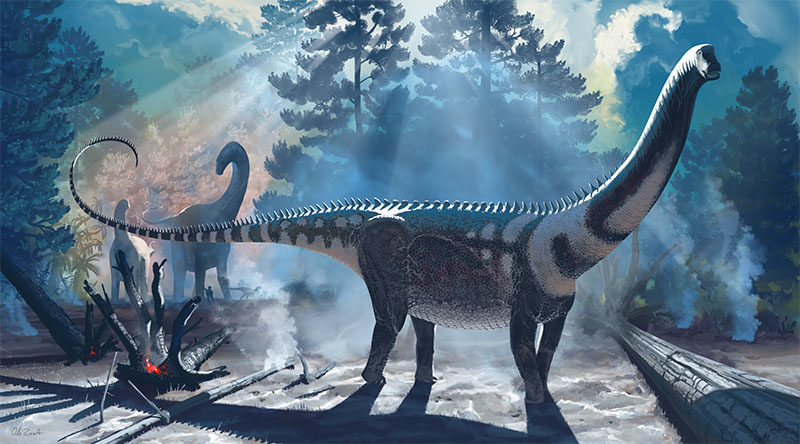
Even though new dinosaurs are coming fast and furious, Utah’s first unique dinosaur was named all the way back in 1877, named Dystrophaeus, this long-necked plant eater lived about 154 million years ago and is the oldest known member of a group of dinosaurs called sauropods. Let’s be real, this dinosaur deserves more recognition just for being a pioneering discovery.
Sauropods are those iconic long-necked giants that seem to defy physics with their sheer size. Dystrophaeus represents an early chapter in that evolutionary story. Discovered during the height of the Bone Wars, when paleontologists were racing to name as many dinosaurs as possible, Dystrophaeus somehow got lost in the shuffle of more complete and flashier finds.
Nedcolbertia: The Ostrich Mimic That Almost Got Away
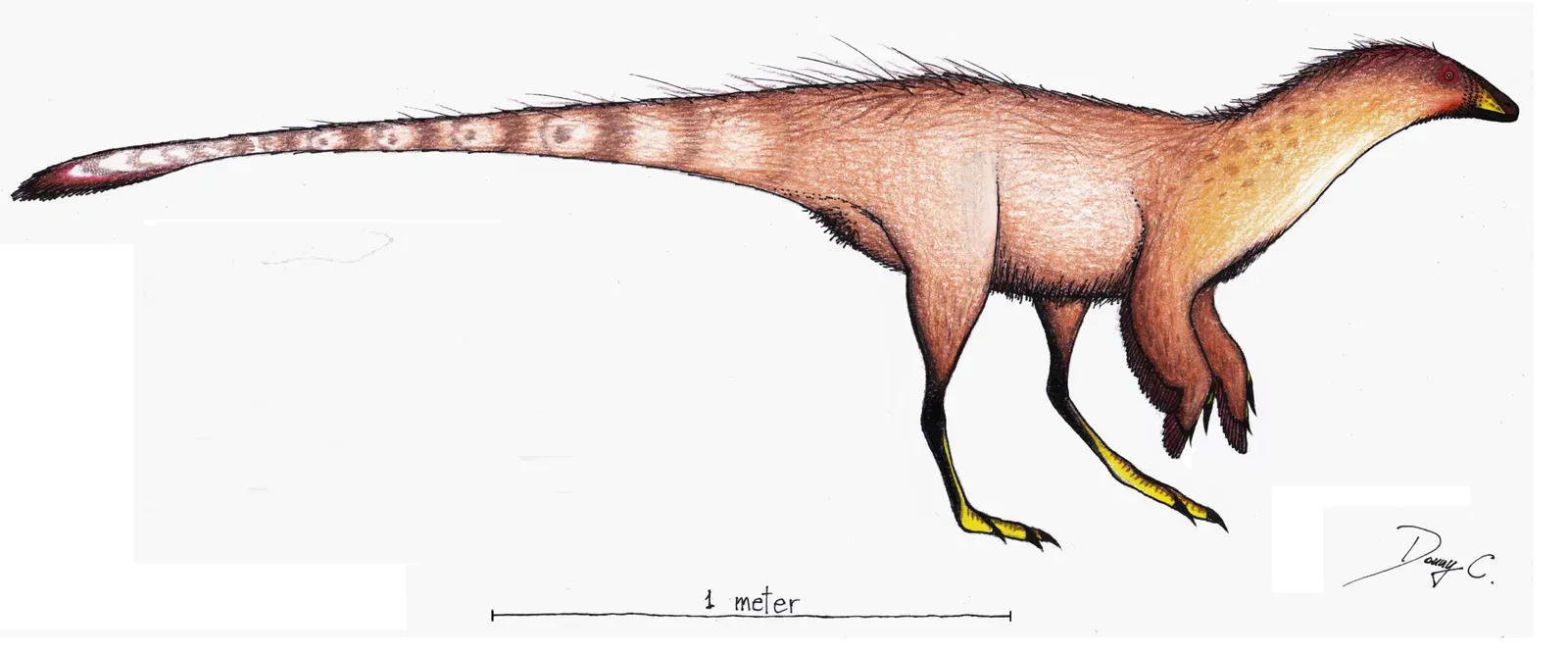
Named in honor of paleontologist Ned Colbert, this dinosaur was discovered in 1993 and was thought to be a small, carnivorous species that lived about 125 million years ago, though a more recent analysis hints that Nedcolbertia was an ostrich mimic dinosaur related to the later, larger Ornithomimus.
Ostrich mimics are exactly what they sound like. Fast, long-legged dinosaurs that probably moved across ancient landscapes with surprising speed. Nedcolbertia would’ve been built for running, possibly darting around larger predators and snatching up smaller prey or vegetation. The fact that scientists are still revising what they know about this dinosaur decades after its discovery shows just how much we’re constantly learning.
Iguanacolossus: The Spike-Thumbed Giant
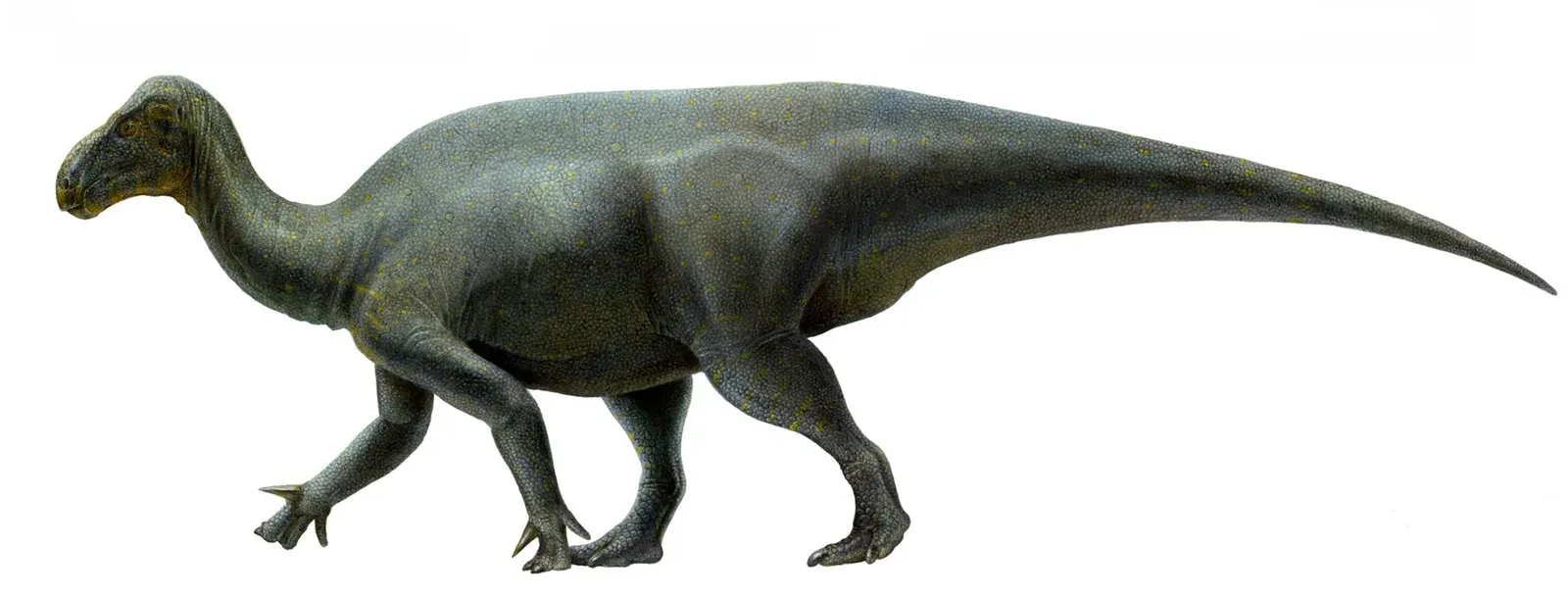
Named Iguanacolossus by Andrew McDonald and colleagues in 2010, this spike-thumbed herbivore could grow to be about 30 feet long. Utah had its own version of the famous Iguanodon, and it was every bit as impressive. The spike thumb is one of those anatomical features that sparks endless speculation.
Was it used for defense? Foraging? Combat with rivals? We’ll probably never know for certain, but a 30-foot-long herbivore packing a built-in stabbing weapon on each hand is the kind of thing that makes you grateful you live in the 21st century. Iguanacolossus wandered the ancient floodplains of North America, probably in herds, using those thumbs for… well, whatever spike thumbs are good for.
Acrocanthosaurus: The Spiny-Backed Apex Predator
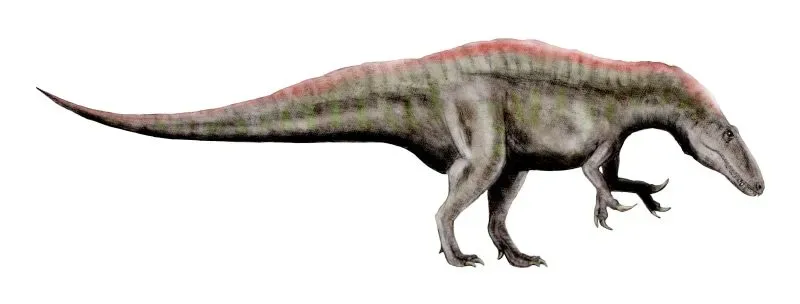
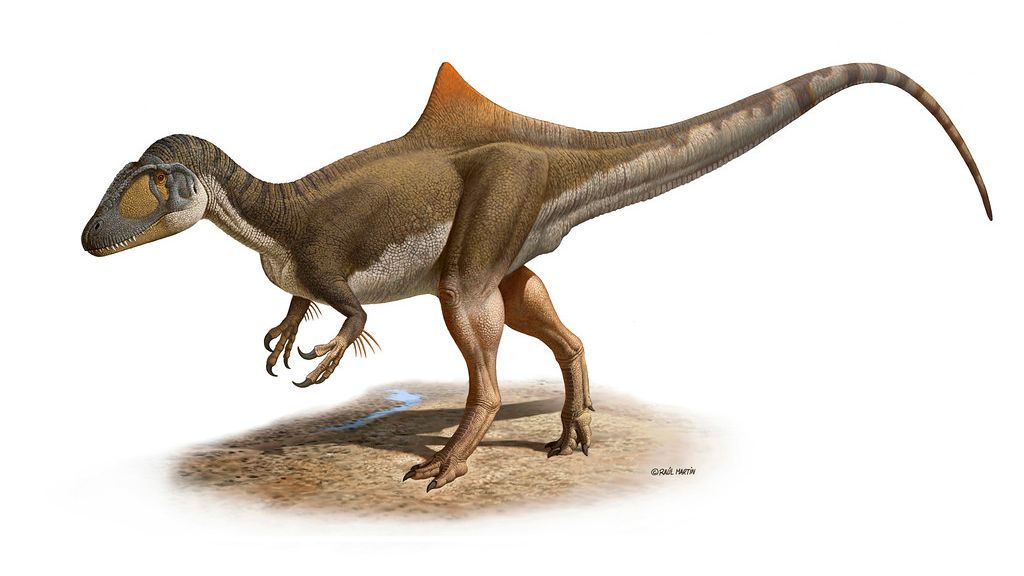
The Acrocanthosaurus is famous for the very tall neural spines on its back which you’ll see on its vertebrae, with scientists suggesting that these unique spines helped support the dinosaur’s back, neck, and hip muscles, and it’s one of the world’s biggest carnivorous dinosaurs and was a bipedal apex predator that lived in North America.
This was no small-time hunter. Acrocanthosaurus was massive, measuring around 38 feet long and weighing in at several tons. Those spines running down its back gave it a distinctive silhouette, possibly supporting a ridge of muscle or even a low sail. When this predator stalked the coastal territories of ancient Texas, smaller dinosaurs definitely knew to get out of the way. Much of its fossil remains were discovered in Texas, Wyoming, Oklahoma, and farther toward the east like Maryland.
Anchisaurus: America’s First Dinosaur Discovery
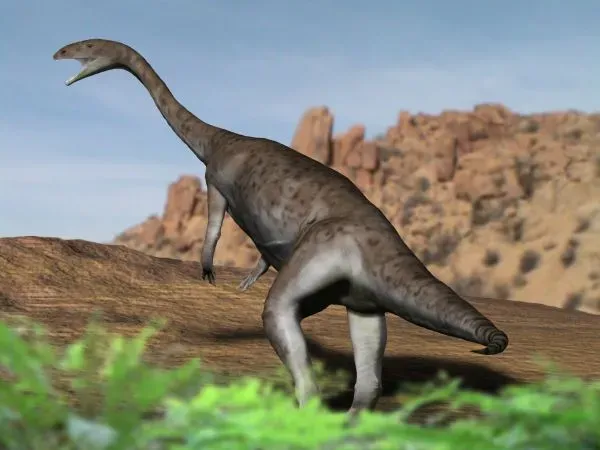
The fossil bones of Anchisaurus were uncovered during a blasting operation at the armory in Springfield, Massachusetts in the early 1800s, and the excavation at this site is an important record in the early history of the science of dinosaur paleontology in North America. Long before the Bone Wars, before museums were filled with mounted skeletons, someone in Massachusetts accidentally blew up a dinosaur.
The workers probably had no idea what they’d found. This was decades before the word “dinosaur” even existed. Anchisaurus was a small, early plant-eater from the Jurassic, and its discovery represents the very beginning of American paleontology. It’s genuinely wild to think that the first dinosaur bones found in America were treated as curiosities, possibly mistaken for the remains of human giants or biblical creatures. Times have changed, thankfully.
Conclusion
These nine dinosaurs prove that North America’s prehistoric past is far richer and stranger than most people realize. From armored tanks to pot-bellied herbivores with ridiculous claws, the forgotten dinosaurs of ancient America deserve just as much attention as their famous relatives. They filled ecological niches we’re still trying to understand, evolved bizarre adaptations that challenge our assumptions, and ruled landscapes that would be utterly unrecognizable today.
The next time you visit a natural history museum, take a moment to look past the Tyrannosaurus skeleton dominating the main hall. Somewhere in a quieter corner, you might find one of these overlooked giants. Did you expect that these forgotten species would be just as fascinating as the headliners?