There is something almost primal about the pull that dinosaurs have on us. You see a towering T. rex skeleton in a museum and your jaw drops, even if you are a fully grown adult who absolutely should know better by now. Children obsess over their names, their sizes, their terrifying teeth. Scientists spend entire careers digging through rock formations on sun-scorched hillsides. Movie studios pour hundreds of millions of dollars into making them roar on screen. Why?
The answer is not simple. Dinosaurs tap into something deep within the human psyche, something that mixes fear, wonder, mystery, and a strange kind of longing. They were here long before us, they ruled this planet in a way we never have, and then they were gone in a cosmic instant. So what is it exactly that keeps us so obsessed, so captivated, and so unable to just move on? Let’s dive in.
Their Sheer Size Rewires Your Brain
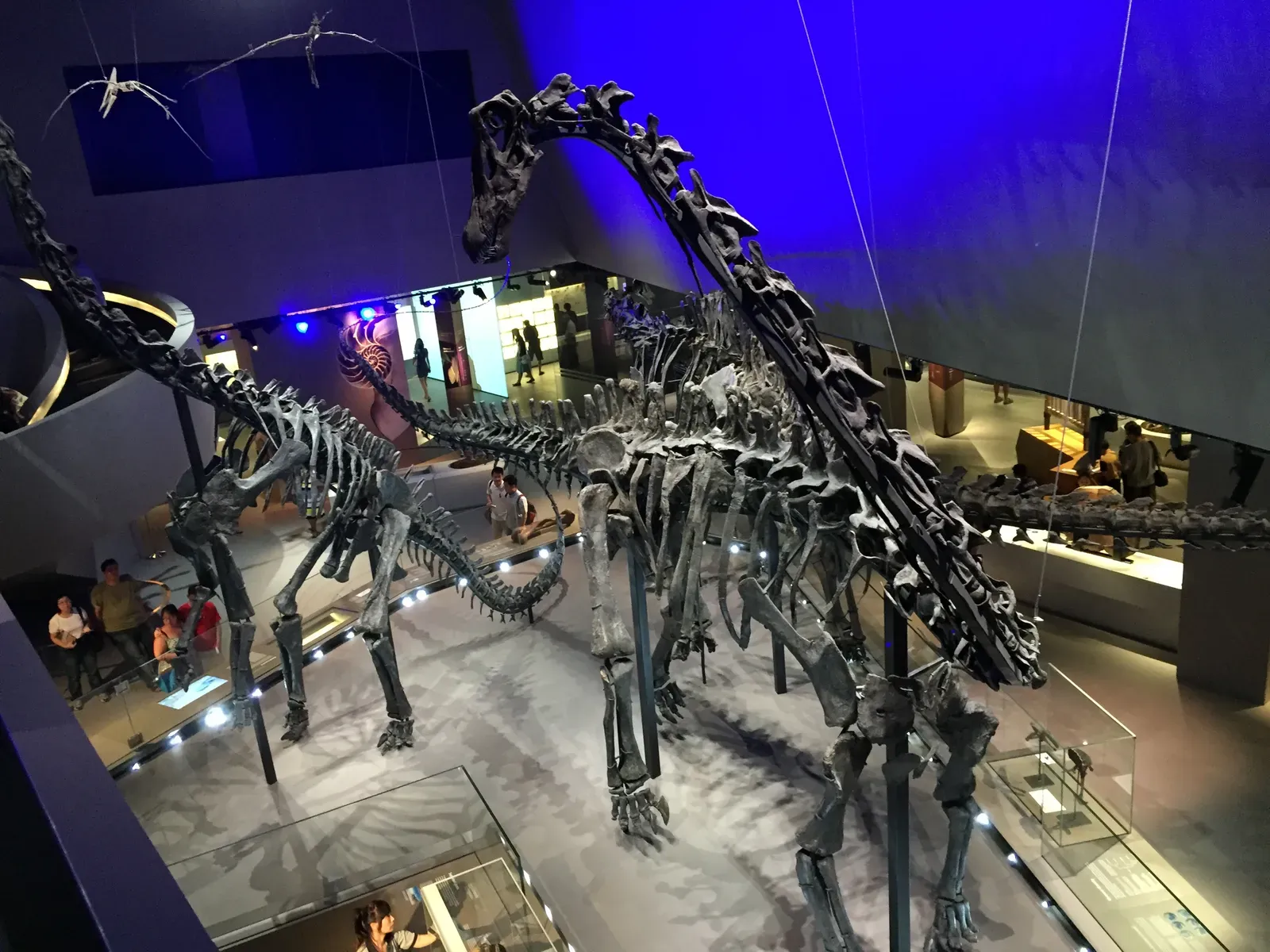
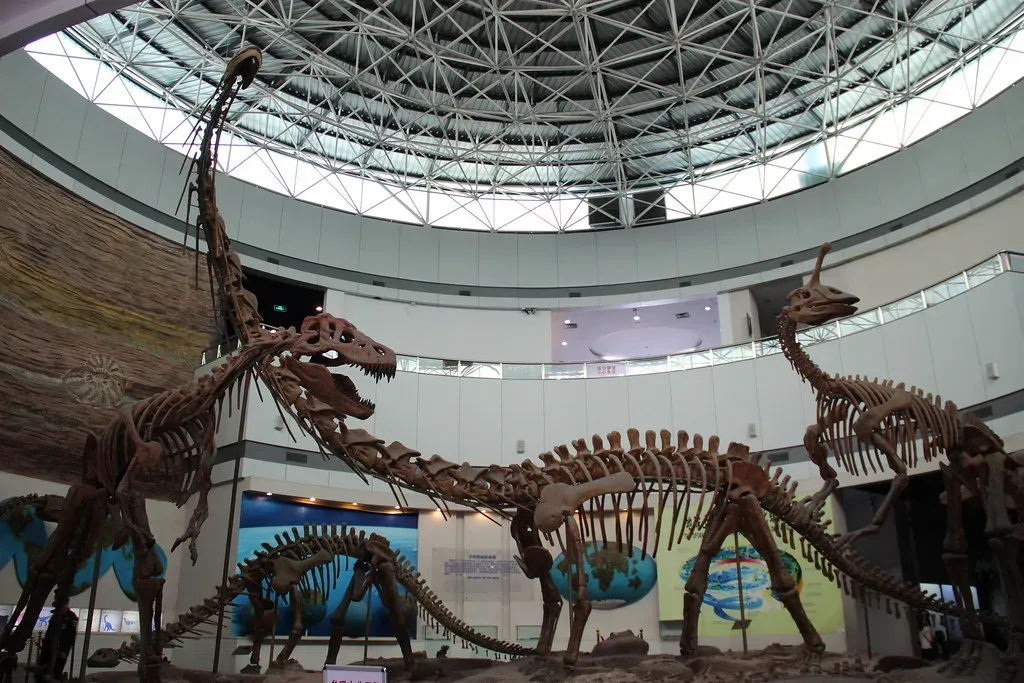
Let’s be real – nothing on Earth today comes close to what dinosaurs were packing in terms of raw physical scale. Gigantic, four-legged, long-necked sauropods such as Brachiosaurus were the largest animals to ever walk the Earth, weighing up to seventy tonnes, the equivalent of twelve African elephants. That is not a number your brain can fully process the first time you hear it.
Dinosaurs had a huge range of sizes. The smallest were about the size of a small hummingbird and weighed as little as three grams, while the largest could weigh up to ninety tons. That contrast alone is mind-bending. You are talking about a group of animals that somehow managed to occupy every possible body size on the spectrum, from something you could hold in your palm to something that could crush a bus without noticing.
New Discoveries Keep Rewriting Everything You Thought You Knew
Here is the thing about dinosaur science – it never sits still. Just when you think paleontologists have figured it all out, another bombshell lands. A golden era in dinosaur science is driving this fascination. Around 1,400 dinosaur species are now known from more than 90 countries, with the rate of discovery accelerating in the last two decades. The year 2025 alone saw the discovery of 44 new dinosaur species, nearly one a week.
Dinosaurs may be long extinct, but 2025 made it abundantly clear that they are anything but settled science. New fossils, reanalyses of famous specimens, and the use of increasingly sophisticated tools continued to upend what we thought we knew about how these animals lived, moved, fed and evolved. Some discoveries filled in long-missing gaps in the fossil record, while others forced researchers to confront the uncomfortable reality that a few long-held assumptions were simply wrong. That kind of constant reinvention is genuinely exciting and I think that is a huge part of why you cannot look away.
Their Extinction Is One of the Greatest Tragedies in Earth’s History
Dinosaurs are stuck in our headspace because of the drama of their demise – a meteorite strike so powerful that it disturbed the very ecology of the planet and killed off the reptiles of that era. Think about that for a moment. These creatures dominated the Earth for over one hundred and fifty million years, and then in geological terms, they were gone overnight. There is something genuinely heartbreaking about that story.
There has long been a debate over whether dinosaurs were slowly going extinct prior to the asteroid, or if this main event singularly did them in. New finds in New Mexico reveal a species-rich and diverse dinosaur ecosystem thriving literally just before the impact. Coupled with other sites in North America, this research reveals that the dinosaurs might have kept going if that catastrophic event had not intervened. You cannot read that without feeling a deep, almost inexplicable sadness for creatures that vanished sixty-six million years ago.
Dinosaurs Are Living Among You Right Now
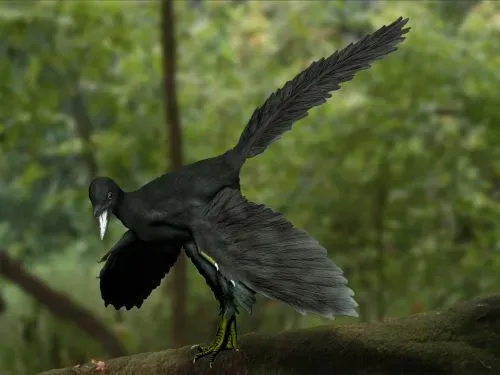
Yes, you read that correctly. This is the twist that surprises people every single time. In a way, dinosaurs are still around today because they evolved into birds. The pigeon pecking at crumbs outside your café window? That is a dinosaur. The eagle soaring overhead? Also a dinosaur, technically speaking.
Dinosaurs, among the vertebrates with the most species, offer a particularly rich evolutionary field. A single dinosaurian lineage, the extant birds with roughly 10,000 species, far outnumbers the approximately 5,500 or so species of living mammals. That completely flips the narrative of dinosaur extinction on its head. They did not simply vanish. A feathered branch of the family tree made it through, adapted, and thrived. Honestly, that story is more fascinating than the extinction itself.
They Turned Pop Culture Into Their Personal Kingdom
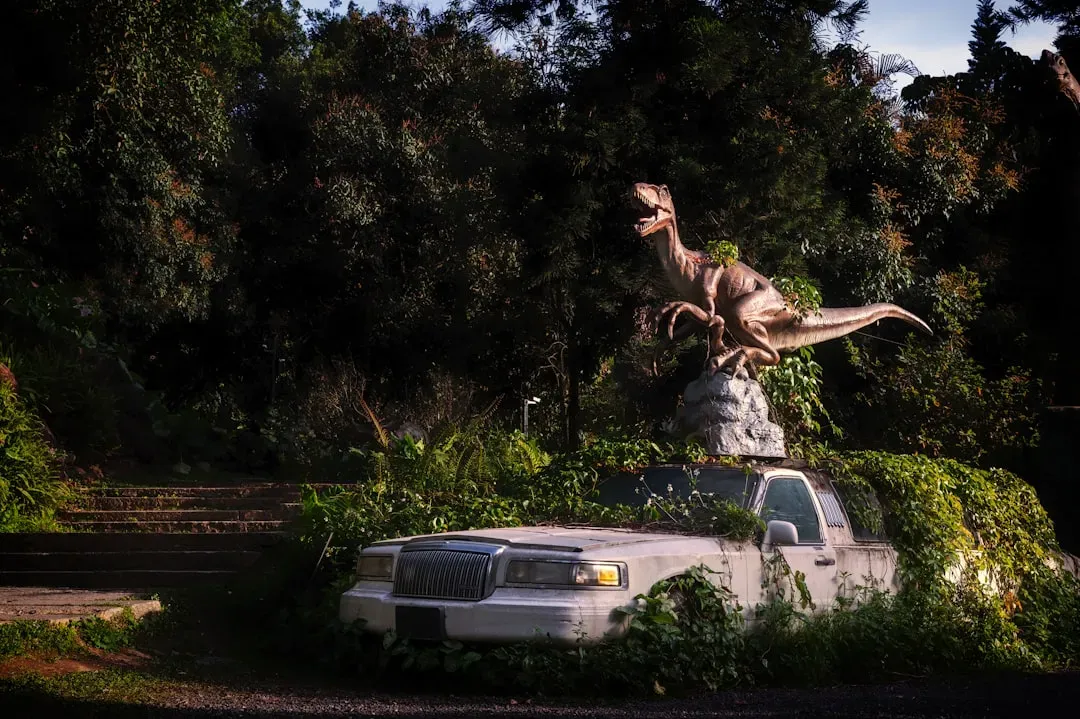
From a human perspective, dinosaurs are creatures of astounding appearance and often towering size. In this way, they have fuelled human imagination and have become an enduring part of pop culture. Today, dinosaurs are present in our everyday lives. You see them on kids’ lunch boxes, on high-fashion runway prints, in blockbuster cinema franchises, and in wildly expensive museum exhibitions that sell out months in advance.
Our appetite for dinosaurs is constantly being fed as new discoveries of dinosaur remains pop up in news feeds, while fictionalised material is used in movies and TV documentaries. The best-known dinosaur species even appear regularly in all advertising channels. There is no other extinct creature that has managed to colonise modern human culture quite so completely. You could make a strong argument that the T. rex is more recognisable globally than most living animals.
Their Mystery Makes Science Feel Like an Adventure
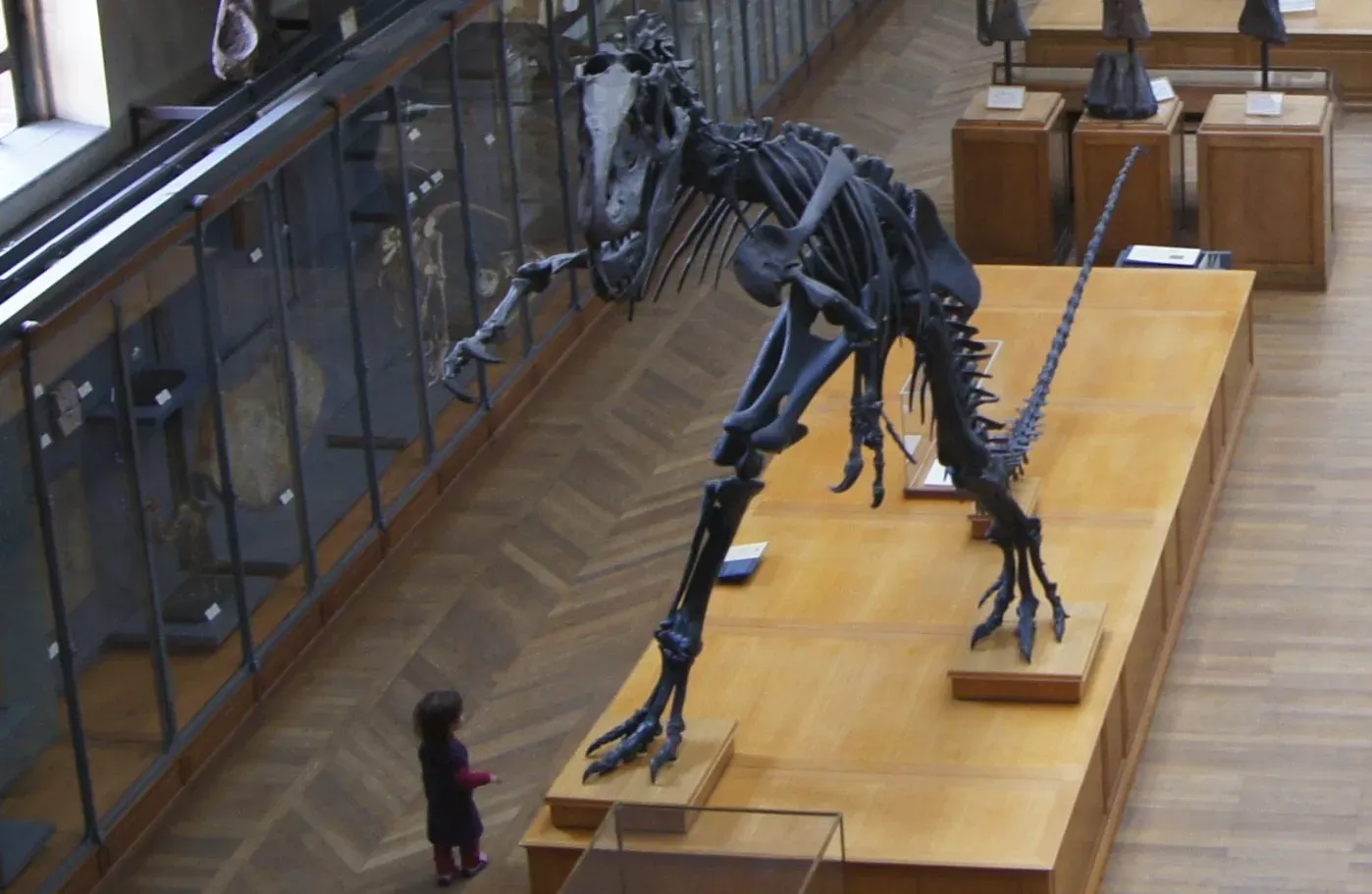
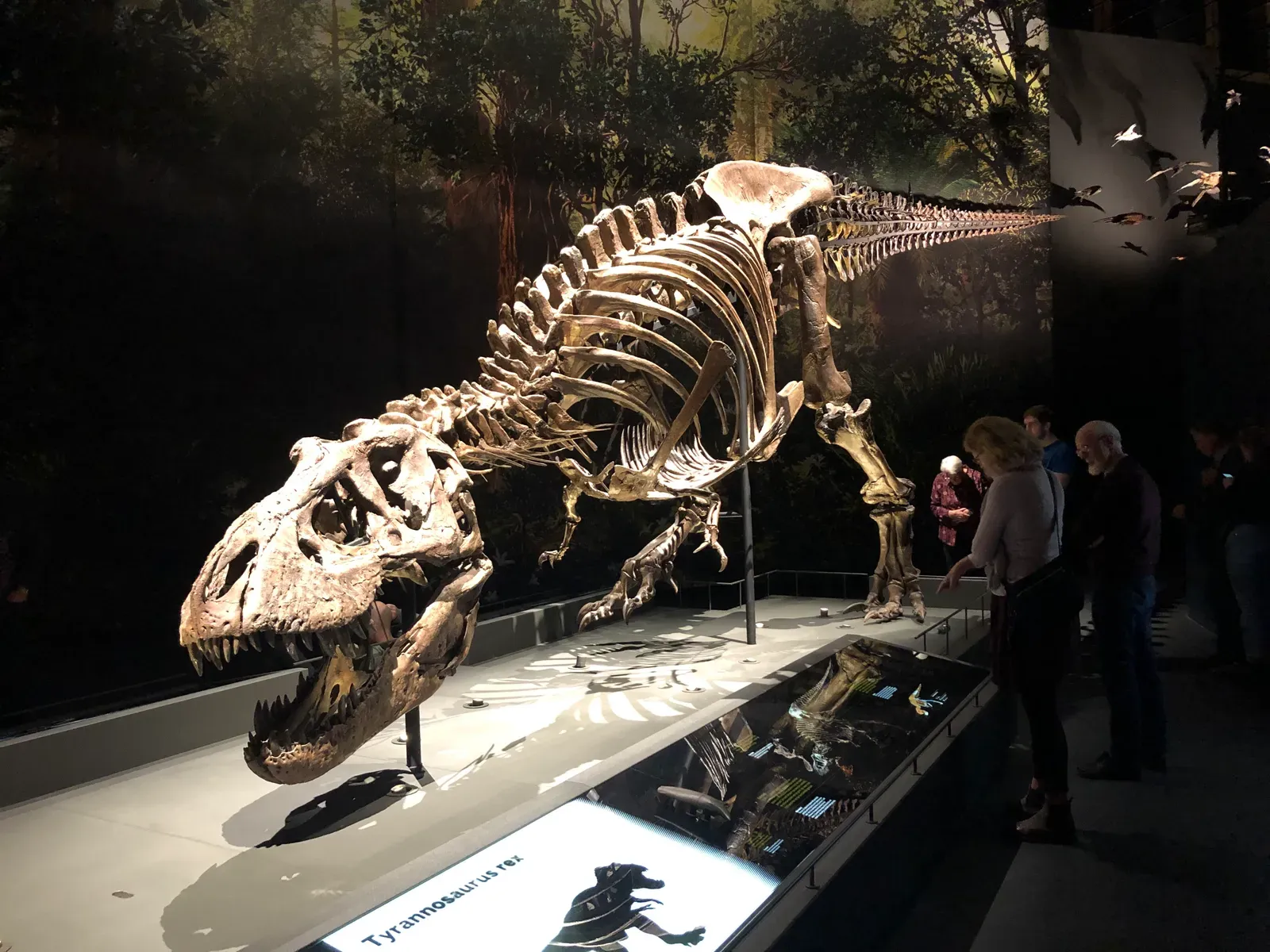
There is no way to gaze at the skeleton of an Apatosaurus, Tyrannosaurus, or Stegosaurus and not wonder what that animal looked like, how the creature moved, and what sounds it made. That sense of wonder is not childish. It is one of the most honest responses a human being can have when confronted with genuine mystery on a grand scale.
There is another important reason to study dinosaurs: they fascinate even non-scientists. We can use this fascination to encourage young people to enter the sciences, at a time when that is more important than ever. Think of dinosaur obsession as a gateway drug to scientific thinking. You start by memorising the names of sauropods at age six and before you know it, you are reading about plate tectonics and mass extinction events at age thirty-five. That pipeline is real and it matters.
The Science Keeps Delivering Mind-Blowing Surprises
Every single year, paleontology throws out a discovery that makes you stop and stare. In 2025, a huge carnivore made the news for tiny structures found inside one of its fossilized ribs. Published in Scientific Reports, a new study reported the discovery of remnants of blood vessels inside a rib from “Scotty,” one of the largest T. rex skeletons ever found. Blood vessels. Inside a dinosaur bone. The idea that biological material has survived millions of years inside rock is almost impossible to believe.
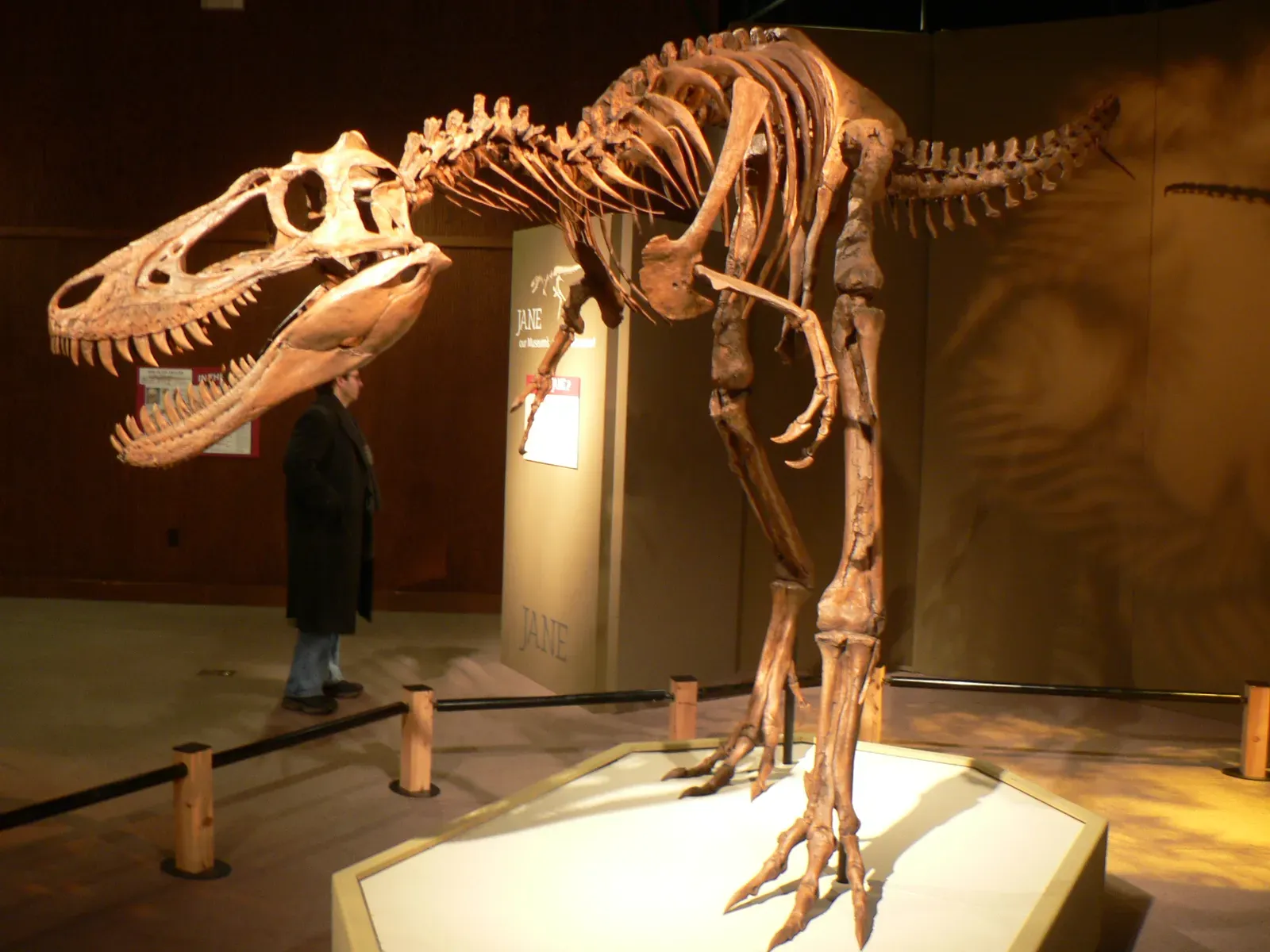
When Tyrannosaurus rex was stomping around, there may have been another, smaller tyrant lurking nearby: Nanotyrannus. In the world of paleontology, almost nothing is more controversial than Nanotyrannus. Some thought it was a separate and distinct species, while others argued it was literally just a teenage T. rex. But a new examination of a stunning specimen showed it was about twenty years old when it died, and therefore could not be a teenage T. rex. The debates are endless, the stakes feel absurdly high, and somehow it is all completely gripping.
Dinosaurs Teach You About the Deep Roots of Life on Earth
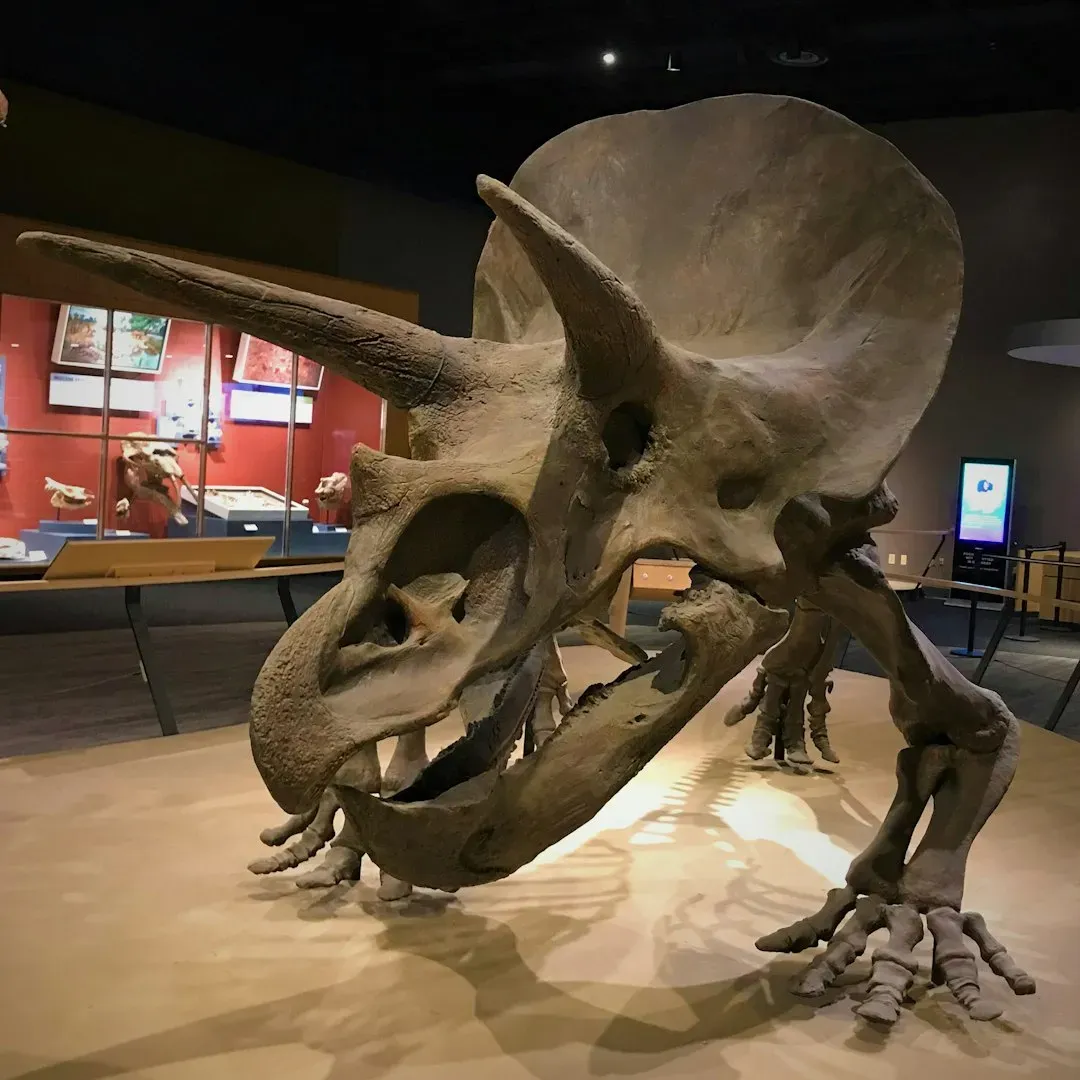
Studying dinosaurs is not just about the animals themselves. It is a window into the entire history of life on this planet and our understanding of where we fit within it. Studying dinosaurs has played a key role in developing evolutionary theory and other scientific concepts, such as plate tectonics and biogeography. All of these pursuits arise as a result of humanity’s innate curiosity to investigate how our world works and where we fit within the natural world around us.
As the fossil record of dinosaurs and other organisms illustrates, changing climates and episodes of extinction have altered the course of Earth’s history for billions of years, a perspective that can help us better comprehend the challenges we presently face. Climate change. Mass extinction. Biodiversity loss. These are not just modern anxieties. They are deep patterns baked into Earth’s history, and dinosaurs are one of the clearest lenses through which you can study them. That makes paleontology urgently relevant right now, not just charmingly historical.
They Mirror Our Deepest Fears and Biggest Dreams
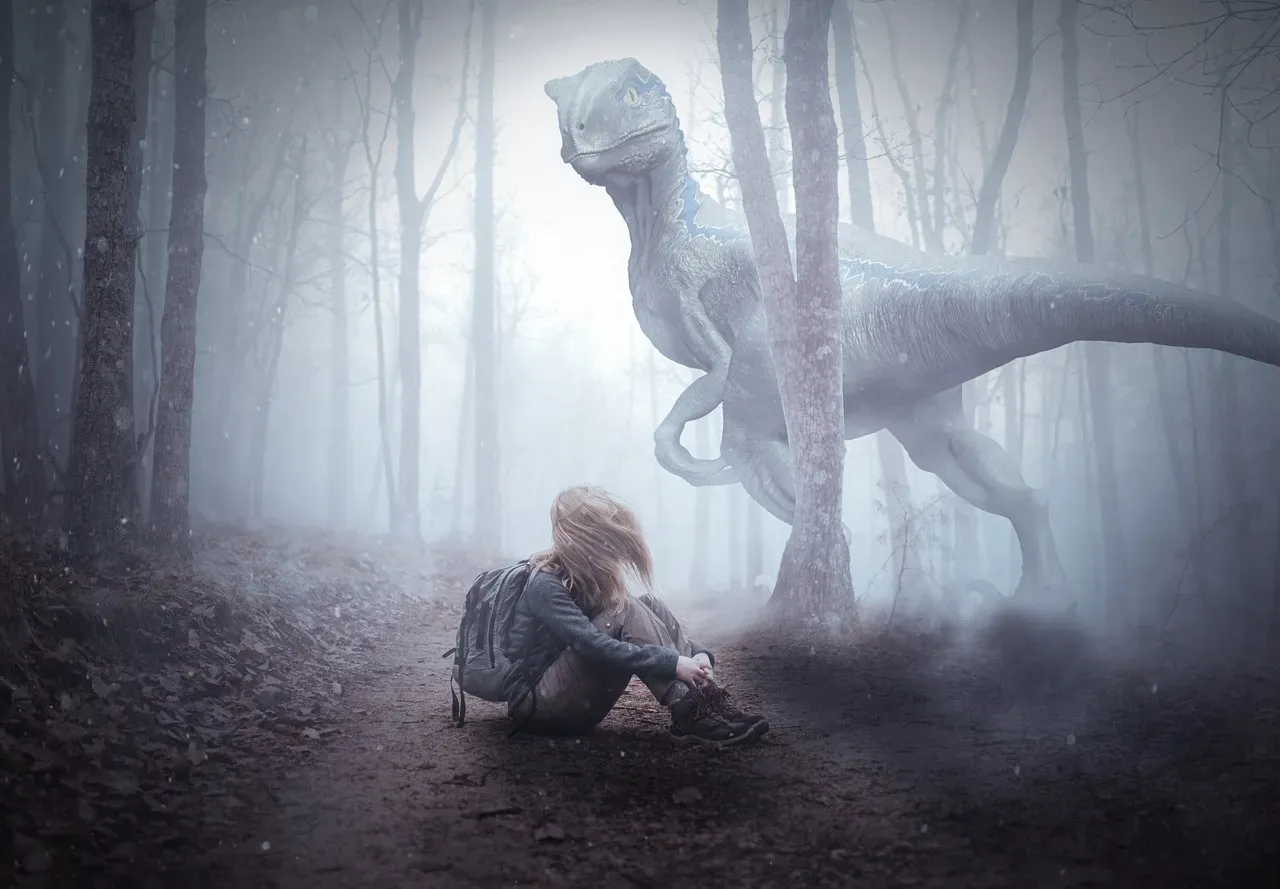
Marketing and our appetite for the unusual helps fuel such trends, but there is yet another facet: what dinosaurs might reflect about our own eventual fate in a universe indifferent to our existence. Dinosaurs have traditionally been the symbols of our fears and emerging hopes. That is a profound observation. When you watch a carnivore chase a human across a screen, you are not just watching entertainment. You are confronting something very old and very deep about survival and mortality.
New big-budget film and television productions are incorporating scientific findings and provide ever more authentic depictions of dinosaur physiology, behaviour, or habitats. Science and pop culture seem to go hand in hand when it comes to ensuring the constant omnipresence of these fascinating giants of the Mesozoic era. The dream of one day seeing a living dinosaur, even through a screen, taps into a longing for a world wilder and more electric than the one we currently inhabit. And honestly? You can’t blame anyone for chasing that feeling.
Conclusion: The Fascination Will Never Go Extinct
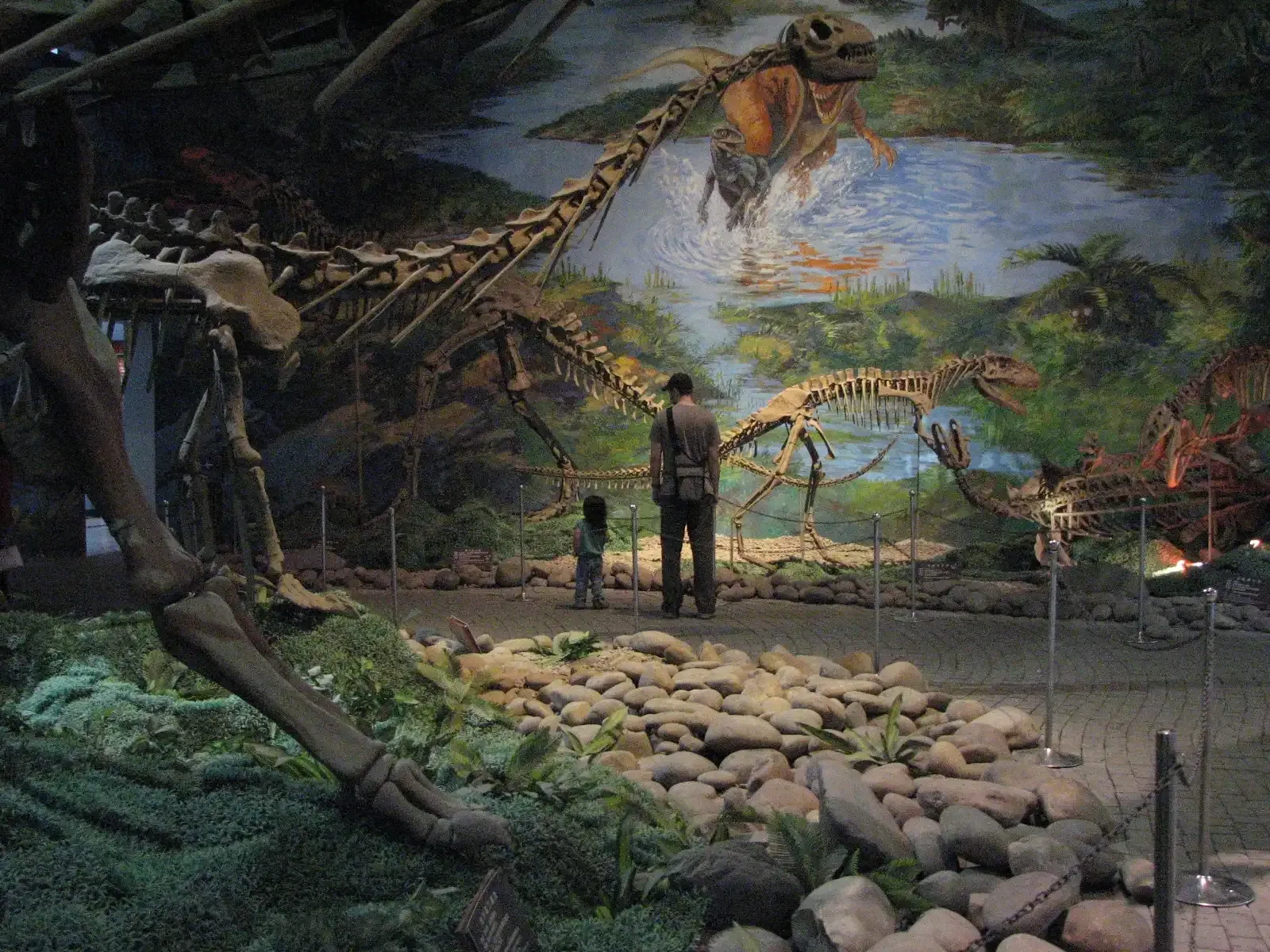
Dinosaurs have now been captivating the human mind for nearly two centuries since the term was first coined, and nothing about that is slowing down. If anything, the pace of discovery and the depth of cultural obsession are both accelerating. In 2026, paleontologists are already uncovering new finds that will reshape what we know about the Mesozoic world. Museums are breaking attendance records. New films are in development. Children everywhere are still memorising twenty-syllable Latin names before they can read full sentences.
The real reason dinosaurs capture your imagination is simple, even if the full answer is not. They are enormous, they are mysterious, they are gone, and yet somehow they are still everywhere. They remind you that the Earth is unimaginably old, that life is fragile, and that nature is capable of producing things so strange and so spectacular that no human mind could ever invent them. In the end, perhaps the better question is not why dinosaurs still capture our imagination. Perhaps it’s this: how could they not?
What do you think is the most fascinating thing about dinosaurs? Drop your thoughts in the comments – there are no wrong answers here.