There is something almost primal about the pull of dinosaurs. One glance at a towering skeleton in a museum hall and something deep inside you wakes up. For some people, that feeling fades before they even reach the gift shop. For others, it never goes away. It just gets louder.
If you have always felt more at home digging in the dirt than sitting at a desk, or if maps and remote landscapes excite you more than comfortable routines, this might be more than just a quirky personality trait. You might genuinely carry the spirit of a dinosaur explorer. Let’s dive in.
You Feel an Almost Obsessive Pull Toward the Unknown
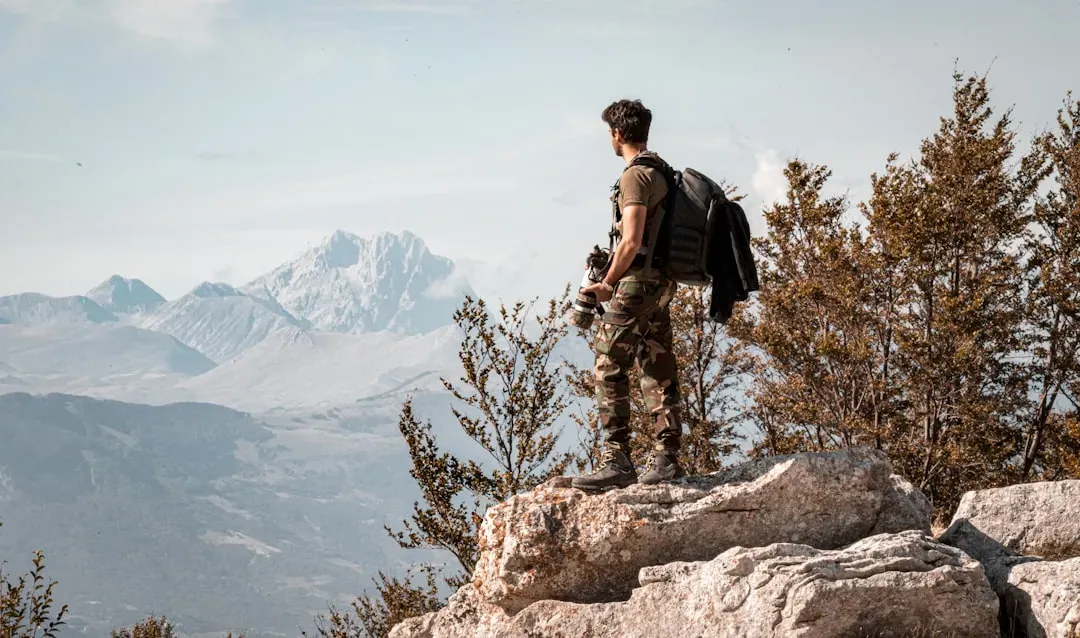
Here is the thing about true explorers: they do not just tolerate uncertainty. They are drawn to it like a magnet. Paleontologist Paul Sereno describes his approach to discovery as “adventure with a purpose,” traveling to some of the world’s most remote places in search of answers about how life on Earth evolved. That phrase captures something real. If you constantly find yourself asking “what’s out there?” and then actually going to find out, you are not merely curious. You are built differently.
Curiosity is more than a personality trait. It is a mental engine. When people encounter something that truly amazes them, their brains release dopamine, the chemical that fuels motivation and the hunger to learn more. If you have ever gone down a research rabbit hole at midnight just because a random documentary sparked a single question, welcome to the club. That restless intellectual hunger is exactly what drives real-world explorers forward.
You Started Collecting Things as a Child and Never Really Stopped
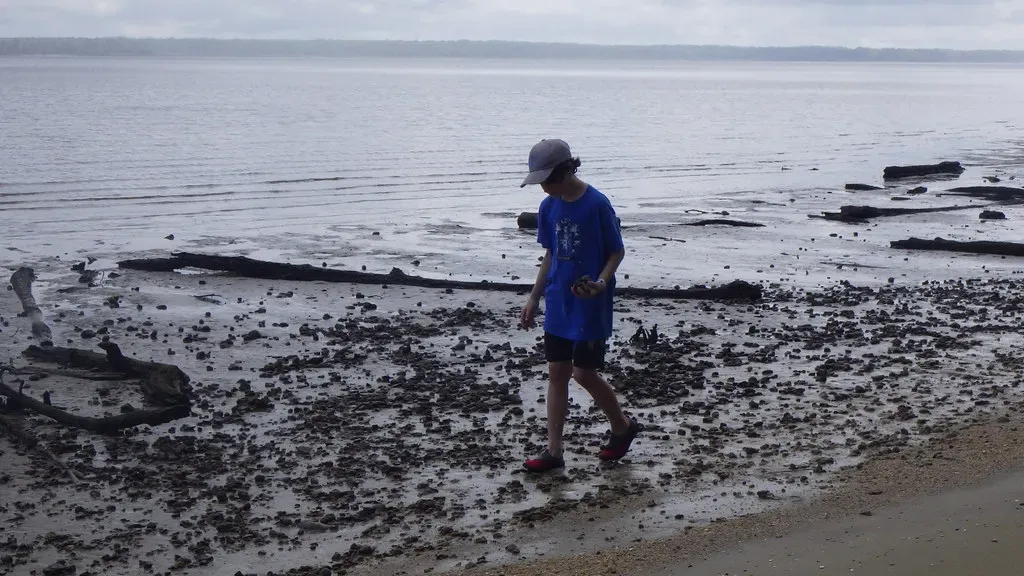
Let’s be real: most people grow out of their “collecting phase.” They pack away the rocks and fossils and move on. Dinosaur explorers don’t. Legendary paleontologist Jack Horner was born and raised near Shelby, Montana, and was only 8 years old when he found his first dinosaur bone. That early encounter with something ancient and tangible was not just a memory. It became a life’s mission.
The celebrated early British fossil hunter Mary Anning began finding fossils as a child, supporting herself and her family by finding and selling them. She lived on the southern coast of England, in Lyme Regis. If you still have a shoebox of interesting rocks somewhere, or you pick up strange objects on walks and study them later, that instinct is not silly. Honestly, it might be the first sign that you think like an explorer.
You Are Comfortable Being Wrong, Then Starting Over
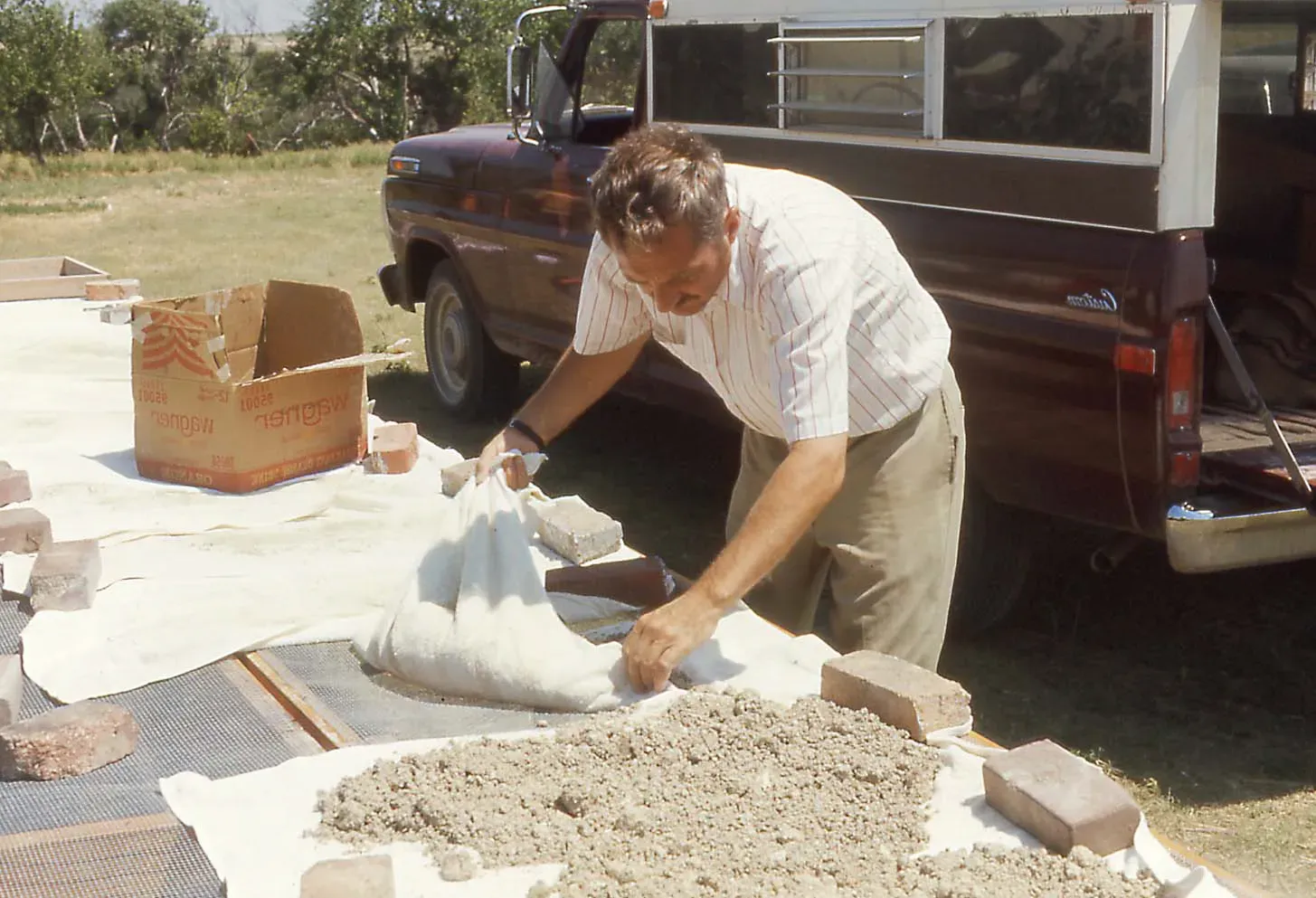
Through most of the 20th century, before birds were recognized as dinosaurs, most of the scientific community believed dinosaurs to have been sluggish and cold-blooded. Most research conducted since the 1970s, however, indicated that dinosaurs were active animals with elevated metabolisms and numerous adaptations for social interaction. Entire scientific worldviews had to be scrapped and rebuilt. That kind of intellectual flexibility is rare, and it is also one of the defining qualities of a true explorer.
Jack Horner’s story is a powerful example of this. Horner finally abandoned his quest for a traditional degree, left university in 1972, and still believed he was as skilled as any doctoral-level paleontologist. Despite his academic setbacks, he held tight to his dreams, knowing he could fulfill them if allowed to follow his own path. Starting over does not scare you. The idea of doing it the old way, even when the old way is broken, is what scares you.
You Thrive in Wild, Remote, and Uncomfortable Places
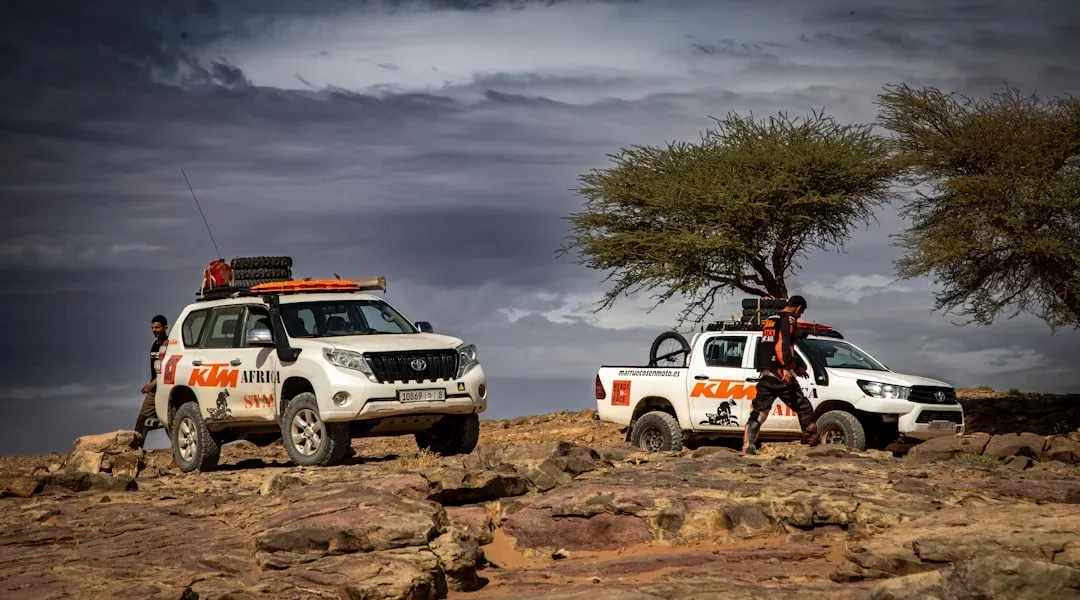
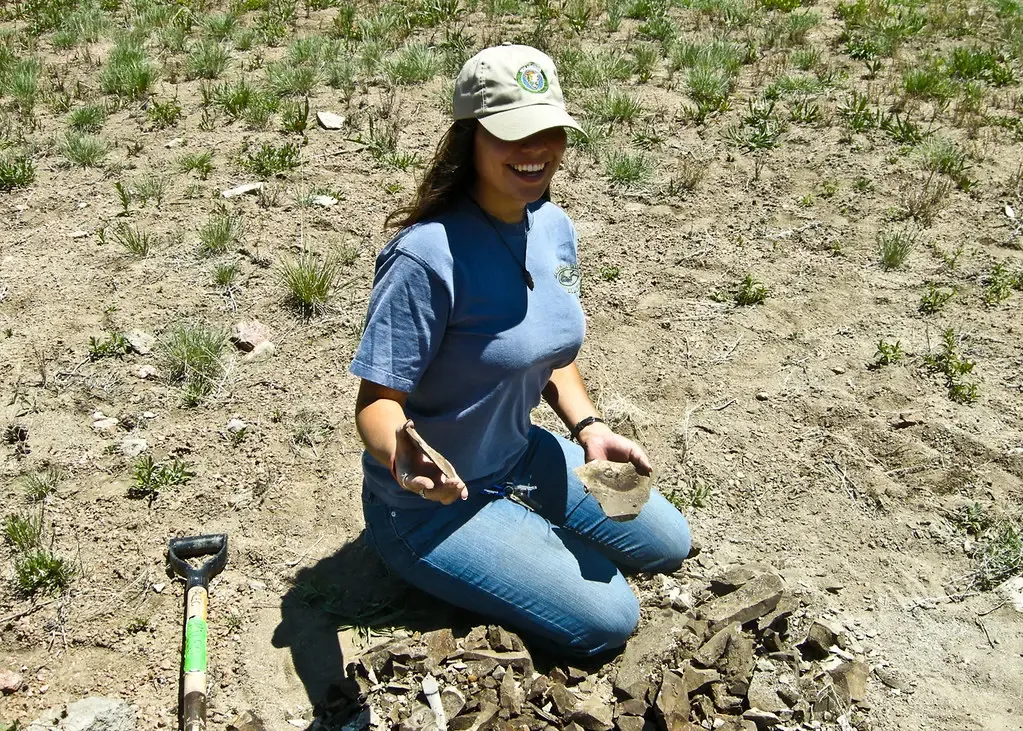
Most people want WiFi, climate control, and a comfortable chair. Dinosaur explorers want a dusty canyon, a geological map, and a pickaxe. Strange landscapes, scorching heat, and sometimes dangerous wildlife await the scientists who seek clues to evolution’s greatest mysteries. And here is the thing: they keep going back. Not in spite of the discomfort, but almost because of it.
Roy Chapman Andrews led four expeditions to Mongolia’s Gobi Desert between 1922 and 1925. Many important finds were made on these expeditions, including Protoceratops bones and eggs, the first dinosaur eggs ever found, as well as new dinosaurs including the Oviraptor and the Velociraptor. If your ideal vacation involves a remote trail or an archaeological site rather than a resort beach, you are definitely in good company out there in the dust.
You Ask “How Do We Know That?” About Almost Everything
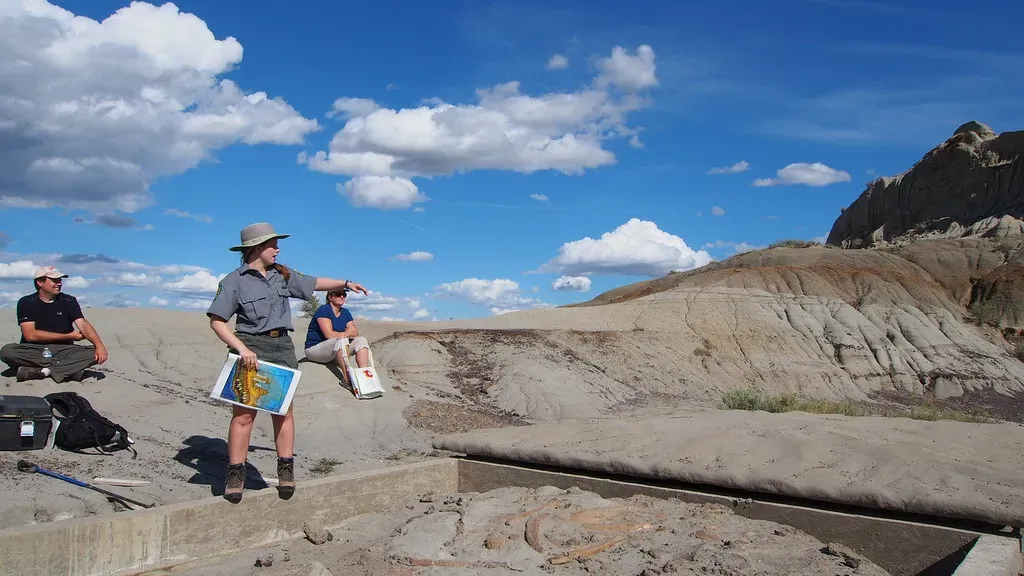
This is a big one. Dinosaur behavior is difficult for paleontologists to study since much of paleontology depends solely on the physical remains of ancient life. However, trace fossils and paleopathology can give insight into dinosaur behavior. Interpretations of dinosaur behavior are generally based on the pose of body fossils, computer simulations of biomechanics, and comparisons with modern animals in similar ecological niches. In other words, nothing is just handed to you. Every answer requires a method, a question about the method, and then another question.
A single question like “How do we know what dinosaurs looked like?” can lead to hours of discovery. If that sentence makes you genuinely excited rather than exhausted, you likely share a core trait with every serious explorer who has ever lived. The willingness to question the accepted answer, even when the accepted answer is comfortable, is not stubbornness. It is intellectual courage.
You Respect the Layers: Patterns, Details, and Deep Context
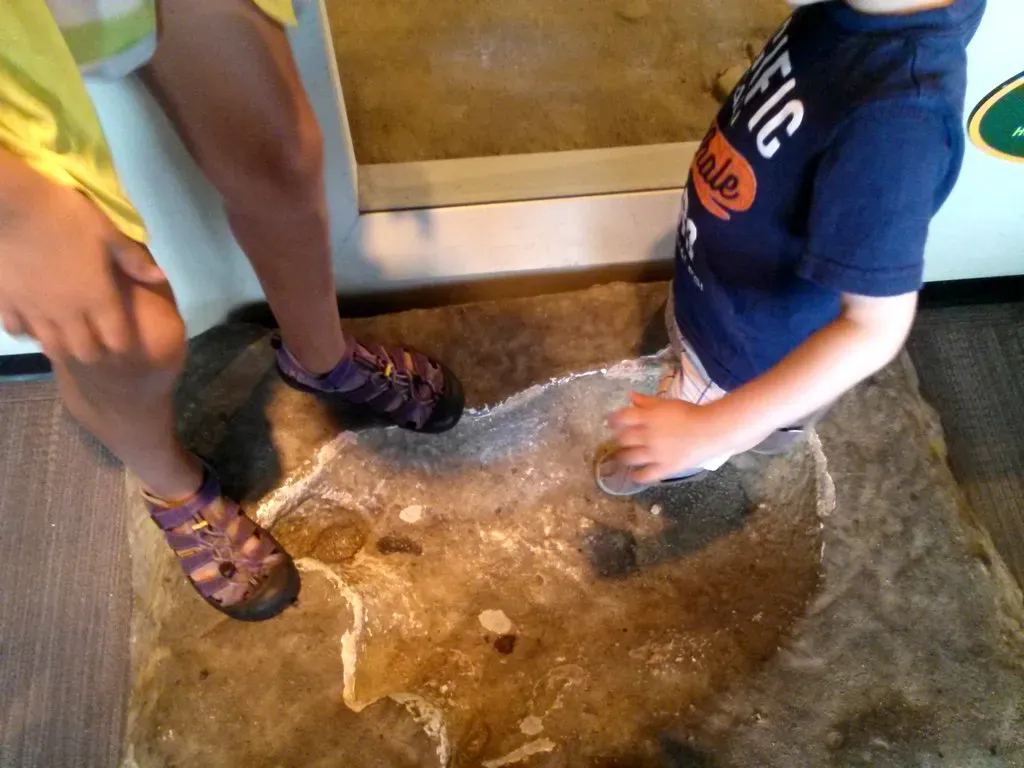
Dinosaur explorers are not just thrill-seekers. They are meticulous observers. Dinosaur footprints reveal the size of the animal and how it walked, either on two legs or four. The stride length can even be used to calculate how fast the dinosaur was moving. Think about that for a moment. From a single set of ancient prints in rock, scientists can reconstruct speed, weight, and movement. That takes an extraordinary eye for detail and an appreciation for layers of context.
One of the most significant developments in the study of dinosaurs has been the science of paleontology itself. Through the meticulous examination of fossil remains, paleontologists have pieced together a detailed picture of the prehistoric world, shedding light on the daily lives and activities of these ancient creatures. If you are the kind of person who reads the footnotes, double-checks the sources, and notices what other people walk right past, you have the observational temperament of a field scientist.
You Refuse to Let Convention Define Your Path
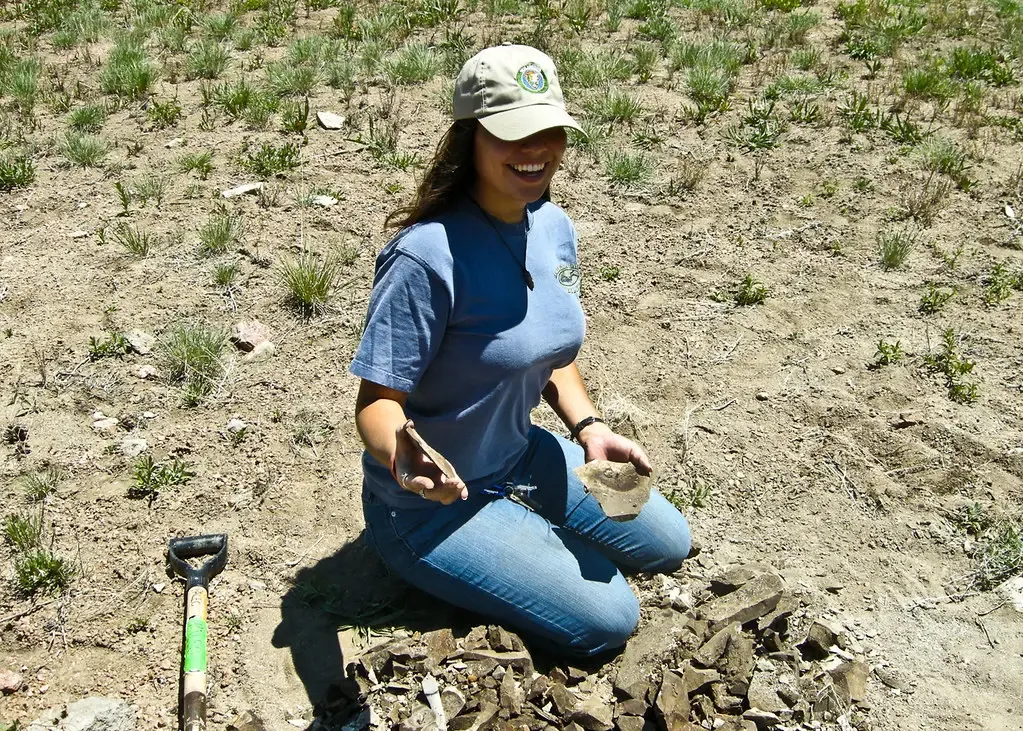
Some of the greatest dinosaur explorers in history never fit the traditional mold. Sue Hendrickson is a self-taught fossil hunter who specializes in fossil inclusions in amber and also works as a marine archaeologist and adventurer. In South Dakota in 1990, she found the remarkable T. rex fossil now known simply as “Sue.” No formal paleontology degree. Just passion, persistence, and an exceptional eye.
Despite her enormous contributions to paleontology, the early 19th-century fossil collector Mary Anning was long one of the unsung heroines of the field. An avid and knowledgeable fossil hunter, she recovered some of the finest specimens of ichthyosaurs, plesiosaurs, and other Mesozoic creatures known at the time, but since she was both a woman and of low social standing she was prevented from fully pursuing the science she loved. If you have ever carved your own path because the existing one simply did not fit, you share something essential with these trailblazers. Convention is a starting point, not a ceiling.
You Are Drawn to Collaborative Expeditions With Brilliant, Eccentric People
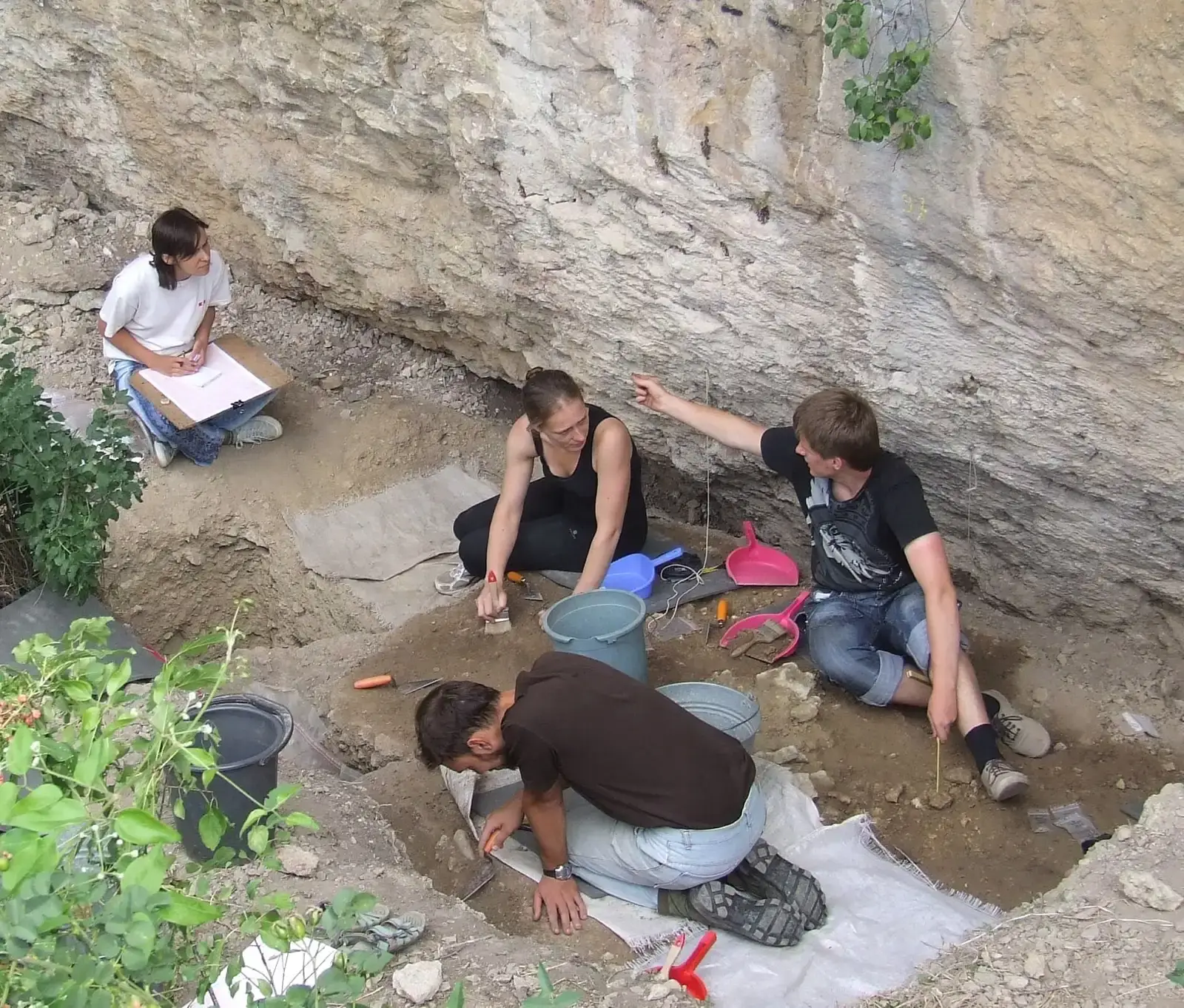
Dinosaur exploration, despite its romantic image of the lone adventurer, is almost always a team sport. Jack Horner served as the Curator of Paleontology at the Museum of the Rockies and the Regent’s Professor of Paleontology at Montana State University. Over the years, he advised people who went on to become leading experts in paleontology, including Mary Higby Schweitzer, Greg Erickson, and David J. Varricchio. Great discoveries are rarely made alone. They are made by teams of brilliant, slightly obsessive people who push each other further than they would go on their own.
Major new dinosaur discoveries have been made by paleontologists working in previously unexplored regions, including India, South America, Madagascar, Antarctica, and most significantly China. Each of those locations required international collaboration, shared resources, and a willingness to trust people from completely different backgrounds. If you light up around curious, driven, unconventional thinkers, that group energy is where you come alive.
You Believe That Every Discovery Changes Everything
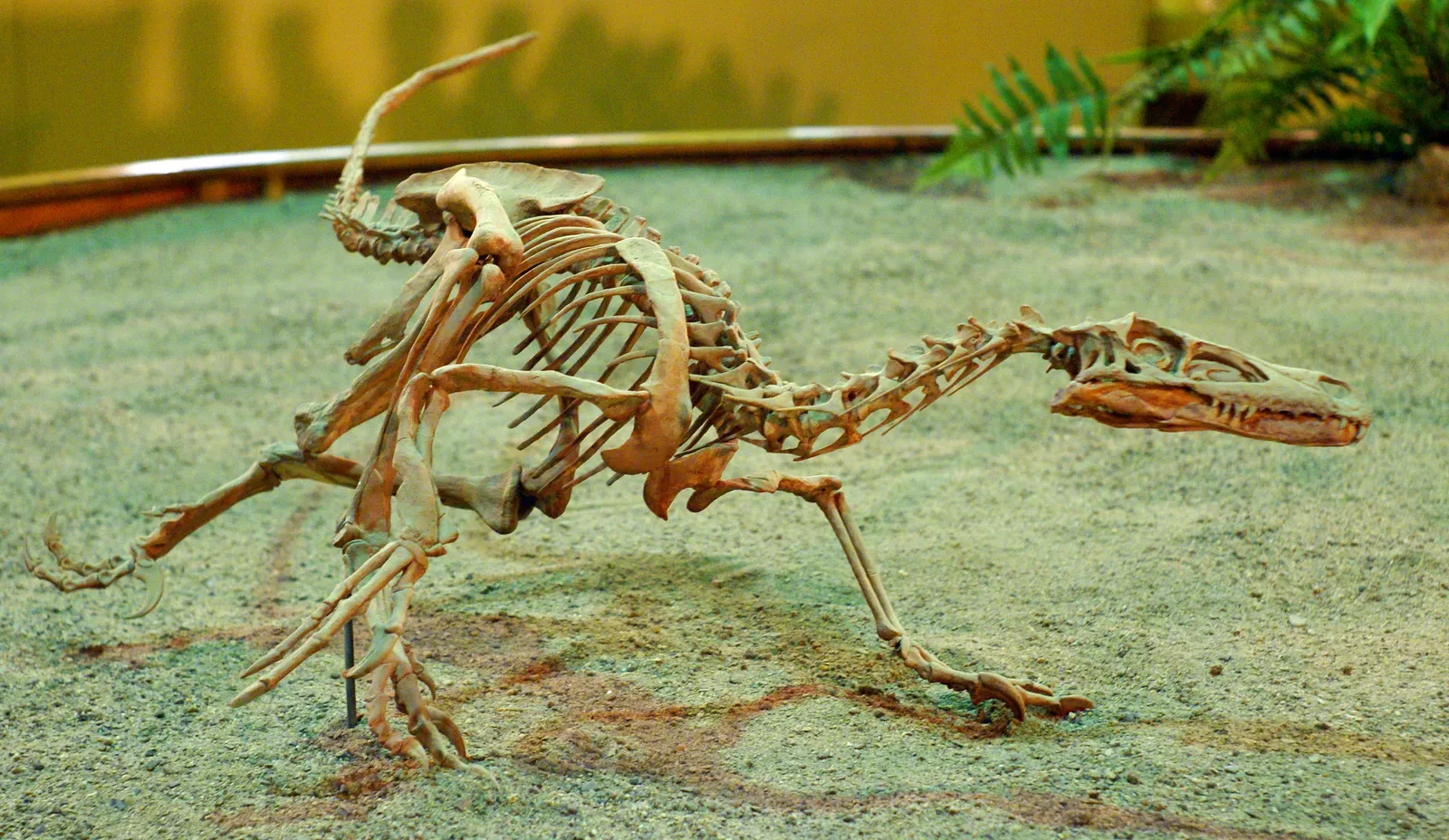
Here is possibly the most defining sign of all. True dinosaur explorers never see a new find as just another data point. They see it as a potential revolution. The study of dinosaurs has not only captivated our imaginations but has transformed our understanding of the natural world. From the complex social behaviors of these prehistoric creatures to the unexpected adaptations that allowed them to thrive in diverse environments, each new discovery has the potential to reshape our perceptions of the past. That is an extraordinary thing to sit with. Every fossil pulled from the ground carries the possibility of rewriting what we thought we knew.
In 2008, over 30 new species of dinosaurs were named each year. At least in some groups, an average of 9.3 new species were being named each year between 2009 and 2020. We are still actively discovering an ancient world. If that fact does not make your heart race just a little, I honestly am not sure what will. The idea that there are still mysteries out there, waiting beneath rock and sand, is not just inspiring. For a true explorer, it is a calling.
Conclusion: The Explorer in You Is Very Much Alive
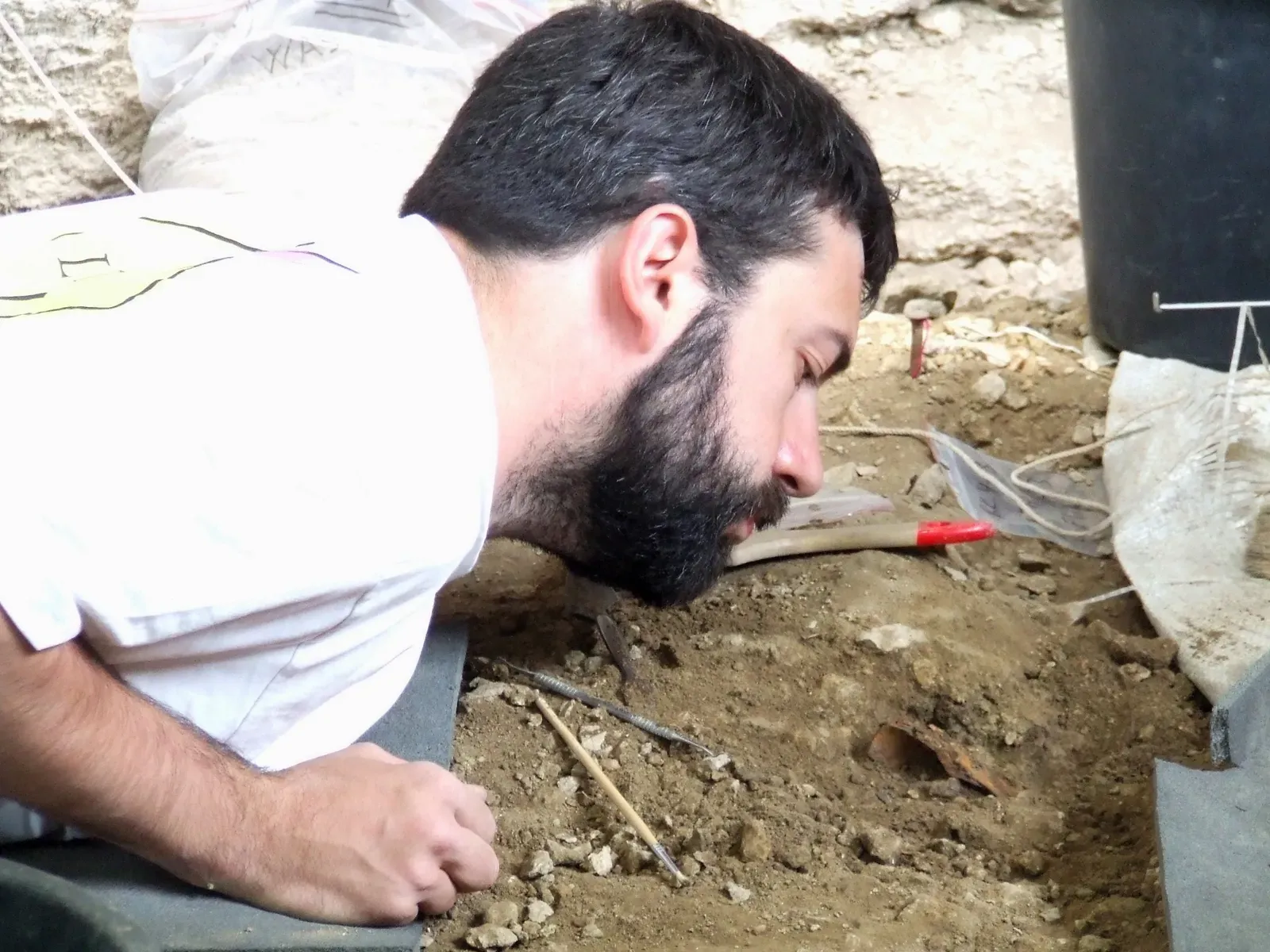
The spirit of a dinosaur explorer is not reserved for people with lab coats and PhDs. It lives in anyone who asks questions that do not have easy answers, who chooses the harder path because the easier one leads nowhere interesting, and who genuinely believes that the world still has secrets worth uncovering. Curiosity turns into excitement, and excitement becomes a lifelong passion for discovery. That cycle never really ends for the people who carry this spirit.
Whether you are the kind of person who picks up every strange rock or simply cannot walk past a museum without going in, these signs are worth paying attention to. More than any other field of science, paleontology provides opportunities to explore the past and the vast possibilities of scientific ideas that have yet to be discovered. The ancient world still has plenty to say. The only question is: are you listening?
How many of these signs do you recognize in yourself? Share your thoughts in the comments. You might be more of an explorer than you ever realized.