
Have you ever met someone who just seemed to get people? Someone who walked into a room and somehow made everyone feel at ease without even trying? You couldn’t quite put your finger on it, yet you felt immediately comfortable around them. Maybe they never said anything particularly profound, yet you left every conversation feeling heard and valued.
That invisible magic is emotional intelligence in action. Here’s the thing though: truly emotionally intelligent people rarely announce their abilities. They don’t walk around declaring how empathetic or self-aware they are. Instead, their emotional intelligence shows up in the smallest, quietest moments. The way they hold themselves, how they respond when tensions rise, the subtle shifts in their body language that signal they’re truly present. These nonverbal habits speak louder than any words ever could, revealing a depth of understanding that goes far beyond what’s said out loud.
They Mirror Your Energy Without Losing Themselves

You’ll notice emotionally intelligent people adjust their communication approach based on who they’re speaking with, creating an almost invisible bridge between themselves and others. When you’re upset, they might lower their voice and slow their pace. When you’re excited, they lean in with genuine interest. This isn’t manipulation or people-pleasing.
They recognize how their own emotions influence their body language and facial expressions, helping them to project confidence and openness deliberately to build trust and rapport. What sets them apart is they do this while maintaining their own emotional boundaries. They meet you where you are without getting swept away in your emotional current, which is honestly a skill most people never master.
Their Posture Tells You They’re Actually Listening

People who are aware and high in emotional intelligence lean towards the person speaking and make it clear that they are giving them their complete and undivided attention. It’s not just polite nodding or the occasional “uh huh” while scrolling through their phone. Sitting up and standing straight while speaking are power positions that indicate confidence, self-respect, and an interest in what the other person is saying.
Their shoulders square toward you, their feet mirror yours. These tiny adjustments signal respect in ways that words simply can’t capture. Meanwhile, someone who’s constantly checking the time or glancing at their device is broadcasting disinterest louder than if they’d just said it. Emotionally intelligent individuals understand this deeply, and they guard against these habits like their reputation depends on it. Because honestly, it kind of does.
They Stay Grounded When Everything Falls Apart

Life throws curveballs at everyone. The difference lies in how you catch them. When someone stays calm in stressful situations and manages their emotions well, this is a sign of high emotional intelligence. Instead of spiraling into panic or lashing out, they take a breath. Their body language doesn’t betray anxiety even when the pressure mounts.
Impulse control is a sign of high emotional intelligence, involving the ability to control, regulate, and manage emotions, impulses, and behavior, allowing better performance in social environments and improved decision-making. They pause before reacting, giving themselves that crucial moment to choose their response rather than letting emotions hijack the wheel. That steadiness becomes an anchor for everyone around them, creating calm in the storm without uttering a single reassuring platitude.
Their Eyes Engage Without Intimidating

People with high emotional intelligence maintain eye contact for a few seconds, then glance to the side for a few seconds, keeping the conversation focused and respectful to the other person. It’s a delicate dance, really. Too little eye contact and you seem evasive or disinterested. Too much and you come across as aggressive or dominating.
A lack of eye contact can arouse suspicion or be an indicator of a lack of interest or self confidence, while the opposite extreme feels confrontational. Emotionally intelligent people have figured out this balance instinctively. They hold your gaze just long enough to show they’re present, then give you breathing room. It’s respectful, it’s attentive, and it makes you feel seen without feeling scrutinized.
They Read the Room Like It’s Second Nature
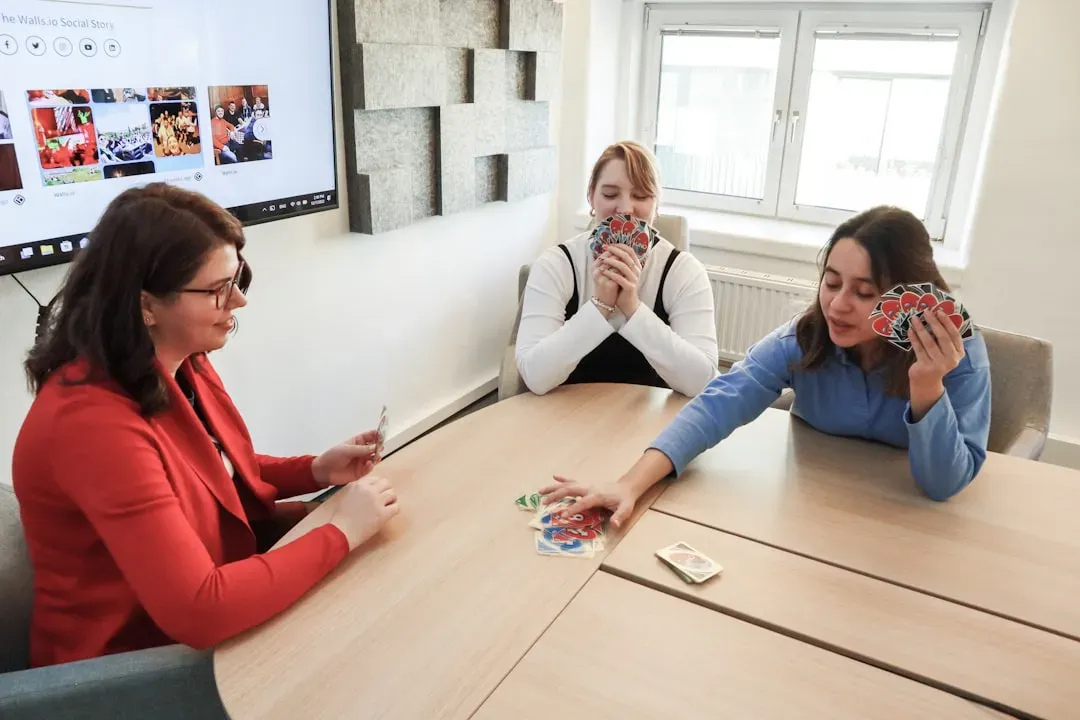
People with high emotional intelligence instinctively sense the collective mood of a meeting or interaction and adjust their approach accordingly, knowing when to inject humor, when to provide support, or when to give space. This isn’t about being fake or changing personalities. It’s about situational awareness taken to an art form.
A high emotional intelligence means being attuned to nonverbal cues, whether it’s a fleeting expression, a change in tone, or body language, picking up on emotions others might not express outright. They catch the micro-expressions that flash across someone’s face in less than a second. They notice when someone’s smile doesn’t quite reach their eyes, when shoulders tense at a particular topic, when the energy shifts in a group. This sensitivity allows them to navigate social situations with remarkable grace, preventing conflicts before they even start.
Their Handshake Says Everything Before You Speak

First impressions happen in milliseconds, and handshakes are very important as they leave an indelible impression, with people automatically making judgments based on the firmness of handshakes. A limp handshake signals disinterest or lack of confidence. An overly aggressive grip screams insecurity masked as dominance.
Emotionally intelligent people have nailed the Goldilocks zone. Their handshake is firm without being crushing, warm without being overly familiar, brief but not rushed. It’s such a small gesture, yet it broadcasts respect, self-assurance, and genuine interest in connecting. Think about the last memorable handshake you experienced. Chances are, that person had emotional intelligence running through their veins, and you felt it before a single word was exchanged.
They Offer Help Without Making a Big Deal About It

Emotionally intelligent colleagues notice when team members are struggling and extend help naturally, with this assistance coming without judgment or expectation of recognition, understanding that supporting others strengthens the entire team. They don’t announce their generosity or wait for applause. They just quietly step in when they see someone drowning in work or struggling with a problem.
Their body language during these moments is open and approachable. No crossed arms, no impatient foot-tapping. Just genuine willingness to support. This creates psychological safety, where people feel comfortable asking for help because they know they won’t be judged. It’s one of those habits that seems small until you realize how rare it actually is. Most people are too wrapped up in their own world to notice when others are sinking.
They Handle Criticism Without Defensive Body Language

Partners with high emotional intelligence don’t take criticism personally or defensively, instead seeing it as an opportunity to learn and improve, valuing constructive feedback and being open to changes in behavior. Watch how someone physically responds to feedback. Do their arms immediately cross? Does their jaw clench? Do they lean back, creating distance?
Those who are emotionally intelligent understand how to give constructive feedback and are willing to hear from others, managing emotions when feedback is negative, harsh, and non-constructive. Emotionally intelligent people stay open. Their posture remains receptive even when hearing hard truths. They might nod slowly, processing the information rather than preparing their defense. This openness is revolutionary in a world where most people treat criticism like a personal attack. It shows maturity, self-awareness, and a genuine commitment to growth that goes beyond ego protection.
They Know When to Step Back and Give Space

Nonverbal messages can create a sense of interest, trust and empathy between people or generate fear, confusion, and distrust, with nonverbal communication being a natural, mostly unconscious language that conveys true feelings and intentions. Sometimes the most emotionally intelligent thing you can do is nothing at all. Knowing when someone needs space rather than solutions is a superpower.
Their body language shifts subtly. They might take a small step back, giving you physical room to breathe. They stop asking questions and just exist alongside you quietly. Being aware of our own body language or nonverbal cues is one key aspect of cultivating emotional intelligence, allowing us to begin observing and comprehending others’ nonverbal communication signals. This restraint shows deep understanding that not every moment requires words or action. Sometimes presence is enough, and emotionally intelligent people understand this distinction better than most.
Conclusion

Emotional intelligence isn’t about grand gestures or perfectly crafted speeches. It lives in the spaces between words, in the subtle shifts of posture, in the quality of attention someone gives you. These nine habits reveal a deeper truth: the most powerful communication often happens without saying anything at all.
People with high emotional intelligence possess a rare combination of self-awareness and social sensitivity that transforms dynamics, creating psychological safety and encouraging authentic communication through quiet, consistent behaviors rather than grand gestures. The beautiful part is that emotional intelligence isn’t some fixed trait you either have or don’t. It’s cultivated through genuine human connection, through paying attention, through caring enough to notice the unspoken signals people send.
Start paying attention to these subtle habits in yourself and others. You might discover you’re already more emotionally intelligent than you gave yourself credit for. What do you think? Have you noticed any of these habits in people you admire?