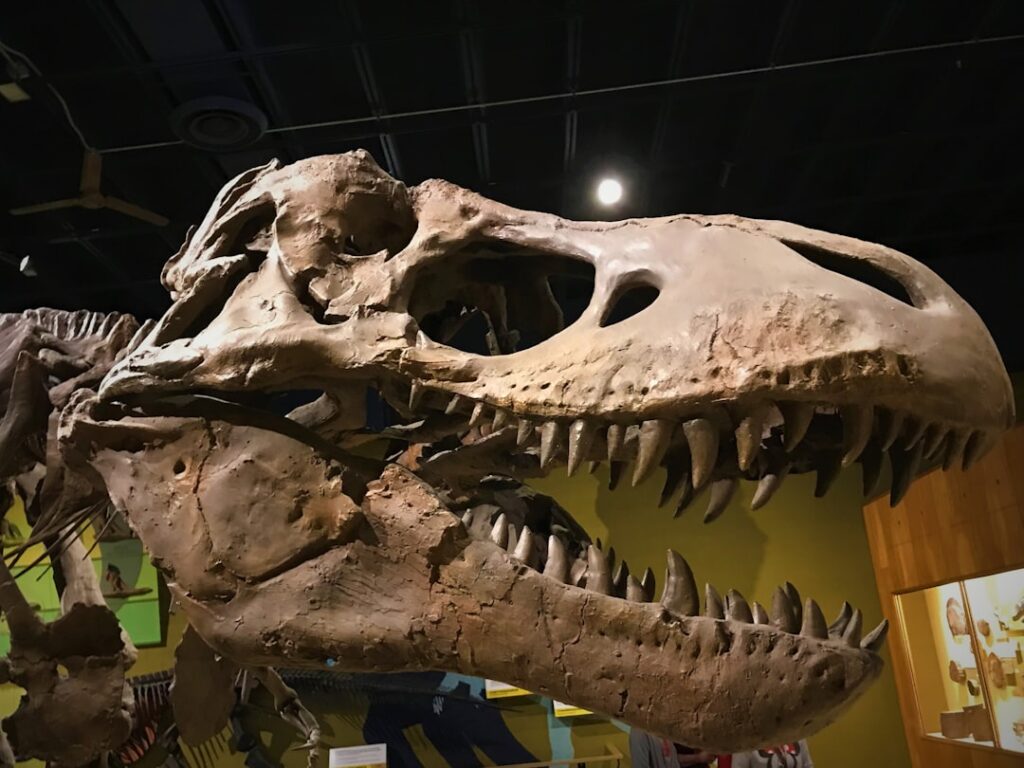
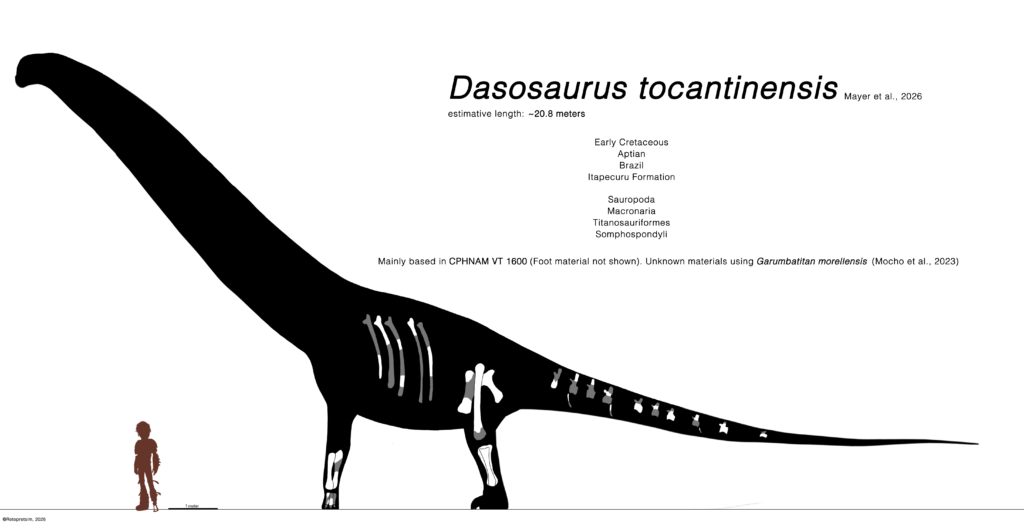
The ancient world was ruled by giants. For over 165 million years, dinosaurs dominated Earth’s landscapes, evolving into countless forms that would make today’s wildlife look almost mundane by comparison. But here’s what most people don’t realize: these prehistoric titans didn’t just vanish without a trace 66 million years ago. Instead, they left behind an incredible legacy that continues to shape the animals we see today in ways that would absolutely blow your mind.
From the smallest hummingbird to the largest elephant, modern creatures carry the evolutionary fingerprints of their dinosaur ancestors. These ancient beasts didn’t just pass down their genes to birds – they fundamentally changed how life on Earth would develop for millions of years to come. The ripple effects of dinosaur evolution touch everything from how mammals hunt to why certain animals can fly, and even how creatures communicate across vast distances.
Birds Are Living Dinosaurs, Not Just Descendants

Here’s a fact that still makes paleontologists giddy with excitement: birds aren’t just related to dinosaurs – they literally are dinosaurs. Modern birds belong to a group called theropods, the same lineage that gave us T. rex and Velociraptor. This isn’t some distant evolutionary connection; it’s a direct line of descent that means every robin, eagle, and penguin you see today is technically a dinosaur.
The transformation from fearsome predators to graceful fliers happened gradually over millions of years. Feathers originally evolved for warmth and display, not flight. Small theropods like Microraptor developed wing-like appendages on both their arms and legs, creating a four-winged gliding system that eventually refined into the two-winged flight we see in modern birds.
What’s truly remarkable is how much dinosaur DNA still influences bird behavior today. The way a chicken scratches at the ground mirrors the foraging patterns of its theropod ancestors. Even the way birds move their heads in quick, jerky motions is a direct inheritance from their dinosaur lineage, where constant vigilance meant survival.
Hollow Bones Revolutionized Animal Flight
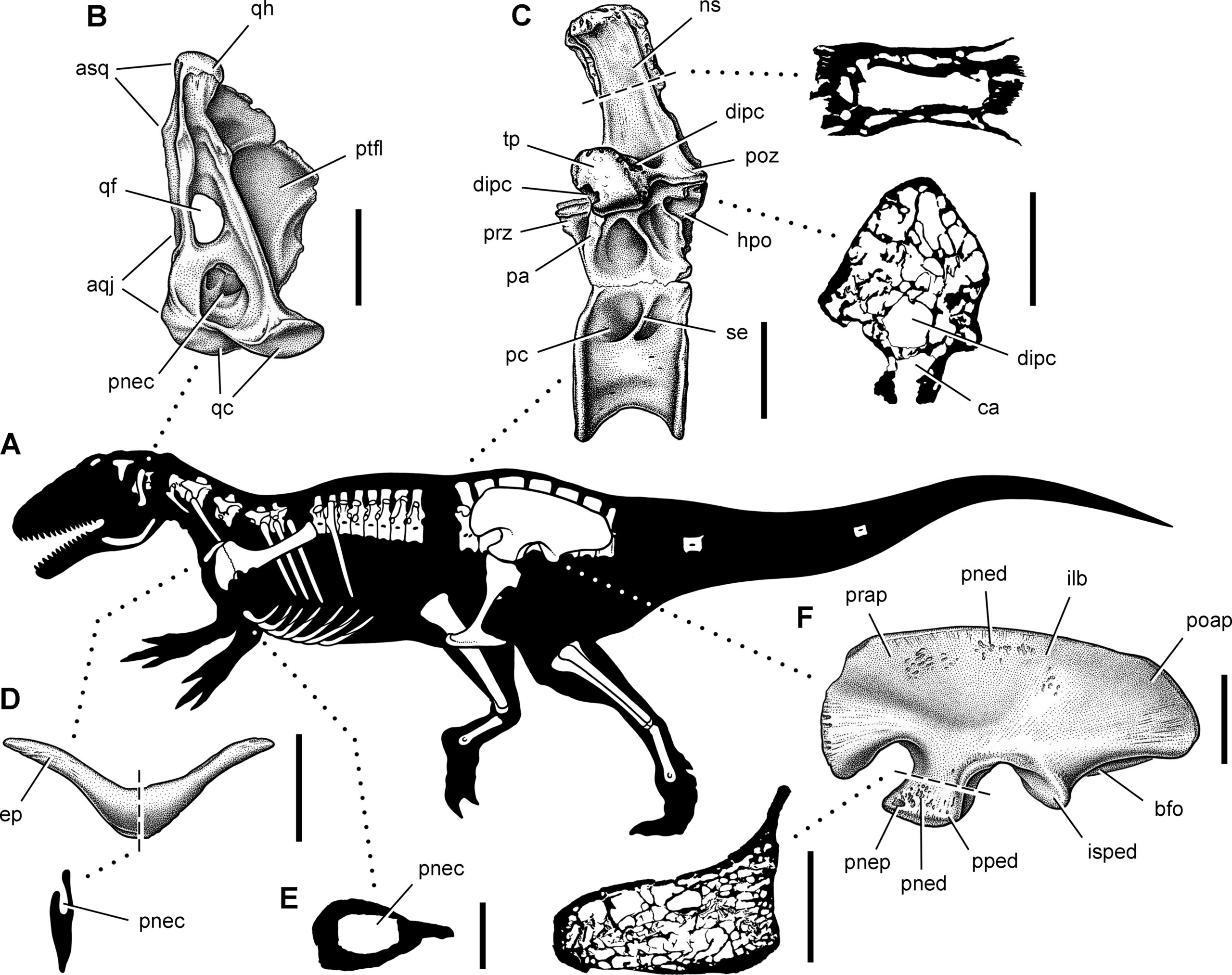
Dinosaurs didn’t just invent flight – they engineered the perfect skeleton for it. Long before birds took to the skies, certain dinosaurs had already developed hollow bones filled with air spaces, a feature called pneumatization. This wasn’t just about weight reduction; it was about creating a structural marvel that would define aerial life forever.
These hollow bones worked like tiny architectural beams, maintaining strength while dramatically reducing weight. Think of it like the difference between a solid steel rod and a steel tube – the tube weighs less but can still handle enormous stress. This innovation allowed dinosaurs to grow larger while maintaining the ability to move quickly and efficiently.
Modern birds inherited this system and perfected it even further. A bird’s skeleton typically weighs less than its feathers, which seems impossible until you understand this dinosaur-designed engineering. The same principle has inspired human aircraft design, proving that dinosaurs were solving aerodynamic problems millions of years before humans even existed.
Parental Care Behaviors Originated in Dinosaur Nests
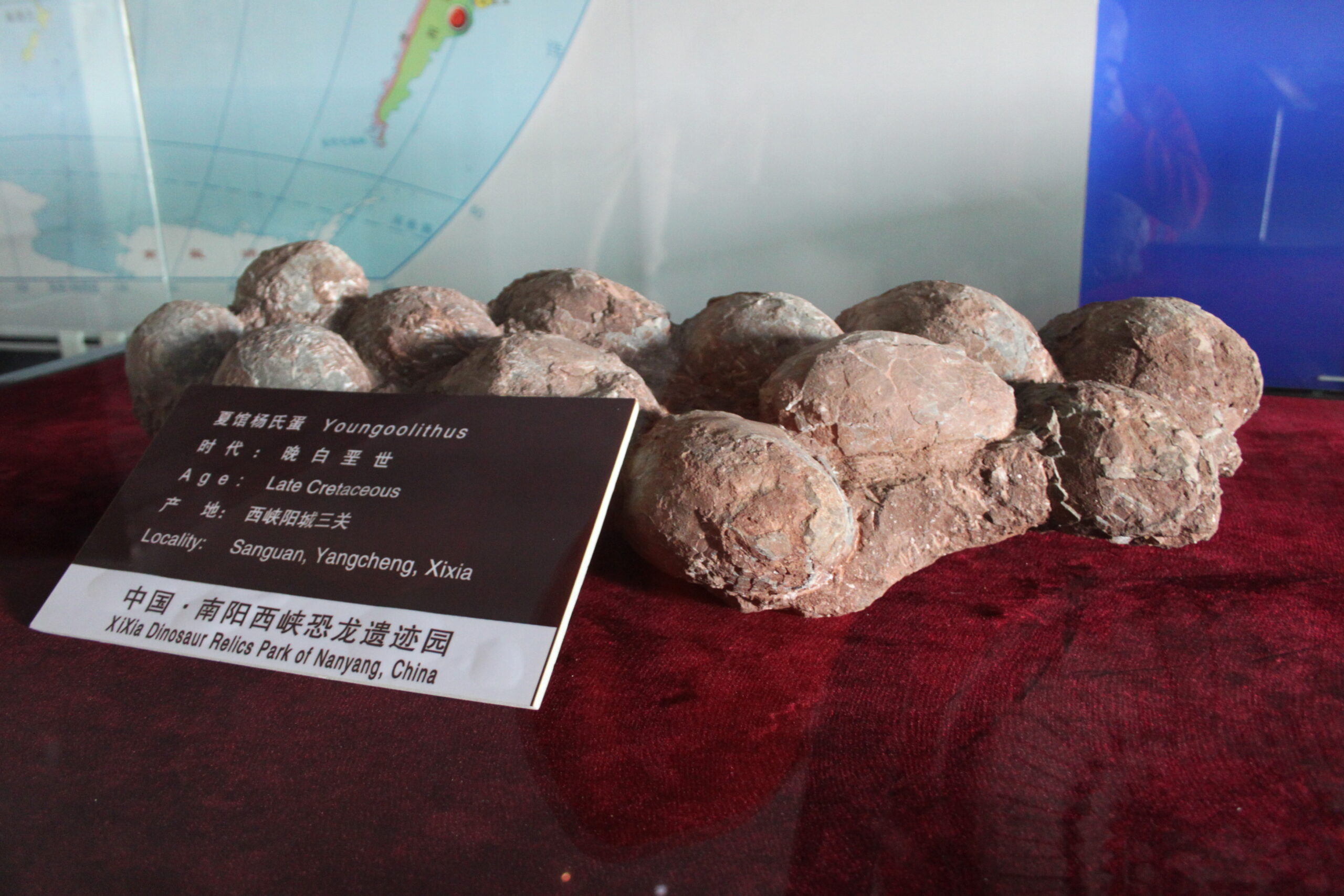
The image of dinosaurs as cold-blooded, uncaring reptiles couldn’t be further from the truth. Fossil evidence reveals that many dinosaur species exhibited sophisticated parental behaviors that directly influenced how modern animals care for their young. These ancient parents were building nests, incubating eggs, and protecting their offspring with a dedication that rivals today’s most devoted animal parents.
Maiasaura, whose name literally means “good mother lizard,” created elaborate nesting colonies where adults brought food to their young and maintained careful watch over their nurseries. This behavior established patterns of communal nesting and cooperative child-rearing that we see in modern birds today. The complex social structures of penguin colonies or the intricate nest-building of weaver birds can be traced back to these dinosaur innovations.
Even more fascinating is how dinosaurs influenced mammalian parenting styles. The extended care periods that dinosaurs developed – where young stayed with parents for months or even years – created evolutionary pressure for mammals to compete with similar strategies. This arms race of parental investment ultimately led to the complex family structures we see in everything from wolves to elephants.
Feathers Transformed Beyond Flight Into Communication Tools

Feathers weren’t originally designed for flight, and that’s exactly what makes them so revolutionary. Dinosaurs first evolved feathers for temperature regulation and visual display, creating a communication system so effective that it fundamentally changed how animals interact with each other. These early feathers were like nature’s first fashion statement, allowing dinosaurs to signal everything from aggression to attraction through color and movement.
The iridescent feathers found on dinosaurs like Borealopelta show that these creatures had already mastered the art of structural coloration – the same technique that makes a peacock’s tail shimmer or a hummingbird’s throat flash brilliant colors. This wasn’t just about looking pretty; it was about survival through communication. The ability to instantly convey information about health, availability, and social status gave feathered dinosaurs a massive advantage.
Modern animals have inherited and expanded upon this communication system in ways that continue to amaze scientists. The elaborate courtship displays of birds of paradise, the warning signals of poisonous animals, and even the camouflage patterns of mammals all trace back to this dinosaur innovation. It’s like dinosaurs invented the first universal language, and animals are still using it today.
Egg-Laying Strategies Influenced Reproductive Success
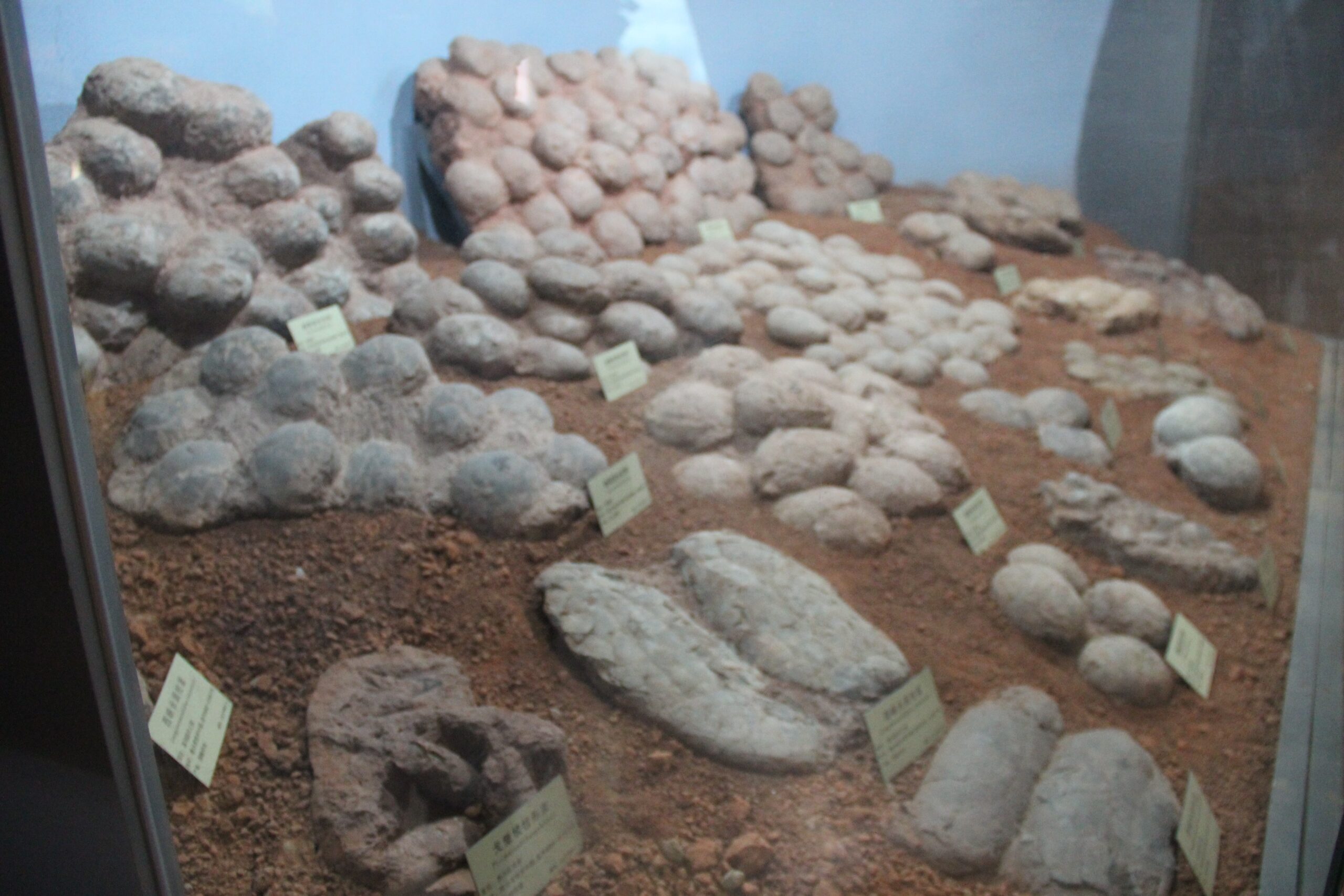
Dinosaurs didn’t just lay eggs – they revolutionized reproductive strategy in ways that still influence animal behavior today. These ancient creatures experimented with everything from egg size to nesting locations, creating a template for reproductive success that modern animals continue to follow. The diversity of dinosaur egg-laying strategies was mind-boggling, from tiny eggs laid in massive clutches to enormous single eggs that required intensive parental care.
The discovery of dinosaur eggs with varying shell thicknesses revealed that these creatures had already solved the oxygen-versus-protection dilemma that all egg-laying animals face. Thicker shells protect developing embryos but make it harder for oxygen to reach them, while thinner shells allow better gas exchange but offer less protection. Different dinosaur species found different solutions to this problem, creating multiple evolutionary pathways for modern animals to follow.
Perhaps most surprisingly, some dinosaurs even influenced mammalian reproductive strategies. The extended incubation periods and intensive parental care that certain dinosaur species developed created evolutionary pressure for early mammals to develop alternative strategies like live birth and extended pregnancy. This competitive pressure helped drive the evolution of complex mammalian reproductive systems.
Bipedal Movement Changed Land Animal Evolution
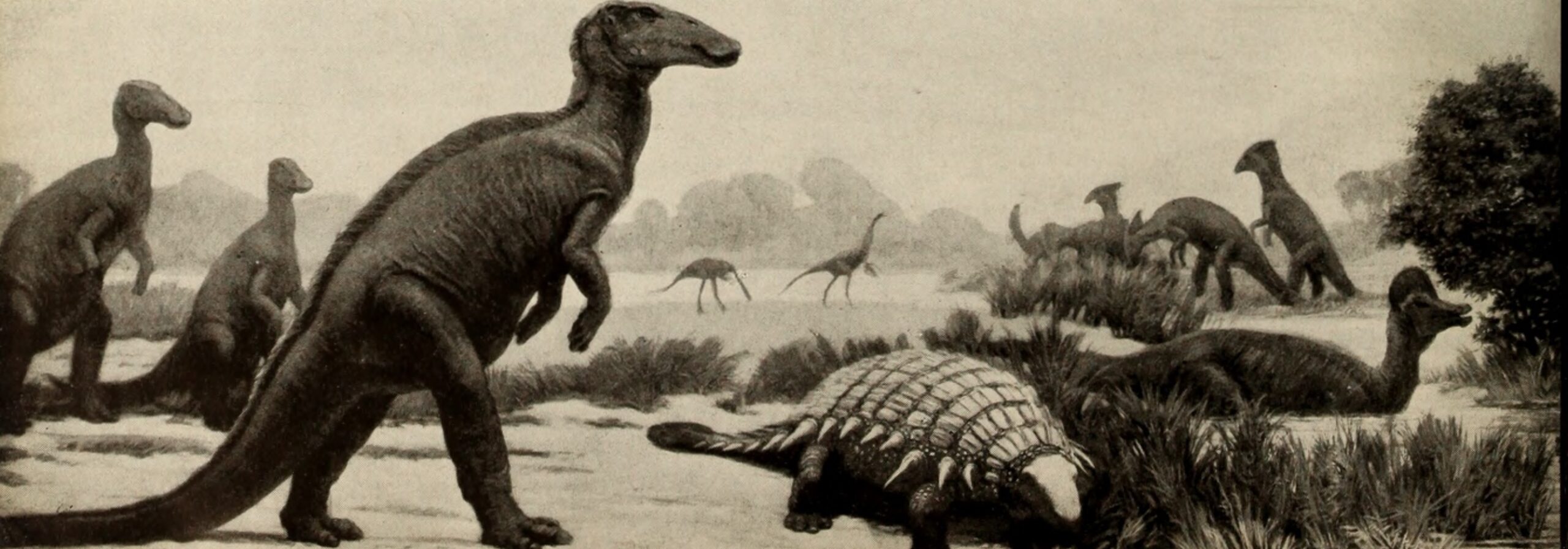
When dinosaurs first stood up on two legs, they didn’t just change how they moved – they changed how land animals would evolve forever. Bipedalism freed up the front limbs for entirely new functions, from grasping and manipulating objects to eventually developing flight. This single evolutionary innovation created possibilities that are still being explored by modern animals.
The biomechanics of dinosaur bipedalism were incredibly sophisticated, requiring complex changes to muscle structure, bone density, and nervous system coordination. These creatures had to completely redesign their bodies around a new center of gravity, developing powerful leg muscles and flexible spines that could handle the stresses of two-legged locomotion. The solutions they developed continue to influence how modern animals move and balance.
Modern birds inherited the most refined version of dinosaur bipedalism, but the influence extends far beyond avian species. The way kangaroos hop, the way humans walk, and even the way some lizards run on their hind legs all show traces of solutions first developed by dinosaurs. These ancient bipeds essentially created a movement manual that life on Earth is still consulting.
Predator-Prey Relationships Established Modern Hunting Patterns

Dinosaurs didn’t just hunt – they invented hunting. The predator-prey relationships that developed during the dinosaur era established patterns of behavior that continue to influence modern ecosystems. These ancient hunters developed strategies so effective that they’re still being used by predators today, from the pack hunting techniques of wolves to the ambush tactics of big cats.
The arms race between predatory dinosaurs and their prey created increasingly sophisticated hunting and evasion strategies. Velociraptors developed cooperative hunting techniques that required complex communication and coordination. Their prey species responded by developing advanced warning systems, herd behaviors, and defensive strategies that created a feedback loop of evolutionary innovation.
What’s remarkable is how these ancient predator-prey dynamics continue to shape modern animal behavior. The way a lion stalks its prey, the way a school of fish moves to avoid predators, and even the way small mammals freeze when they sense danger all trace back to strategies first developed in dinosaur ecosystems. These creatures essentially wrote the playbook for survival that modern animals still follow.
Dinosaur Metabolism Influenced Modern Animal Energy Systems
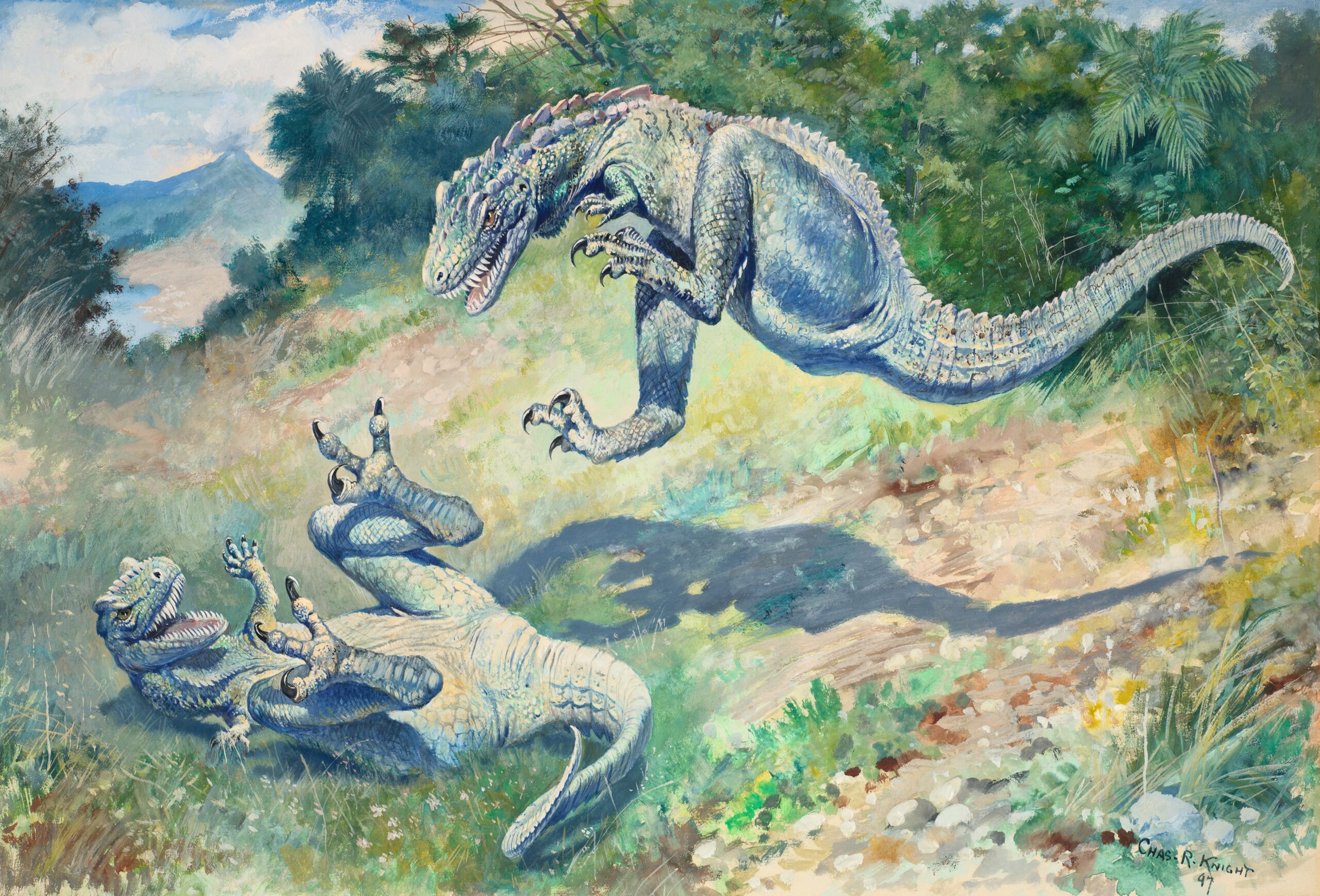
The debate over whether dinosaurs were warm-blooded or cold-blooded misses the bigger picture: these creatures developed metabolic strategies that directly influenced how modern animals process energy. Recent research suggests that many dinosaurs had metabolic rates somewhere between modern reptiles and mammals, creating a “mesothermic” system that was incredibly efficient for their size and lifestyle.
This intermediate metabolic strategy allowed dinosaurs to maintain activity levels that would be impossible for truly cold-blooded animals while avoiding the massive energy costs of being fully warm-blooded. They could be active during cooler periods, maintain relatively stable body temperatures, and still conserve energy when needed. This metabolic flexibility was a game-changer that influenced how energy systems evolved in both birds and mammals.
Modern animals have inherited various aspects of these dinosaur energy systems. Birds developed the most extreme version, with metabolic rates that can increase dramatically during flight or migration. Meanwhile, mammals developed their own high-energy systems partly in response to competition with dinosaurs, creating the diverse range of metabolic strategies we see in modern ecosystems.
Social Structures and Herding Behaviors Began With Dinosaurs
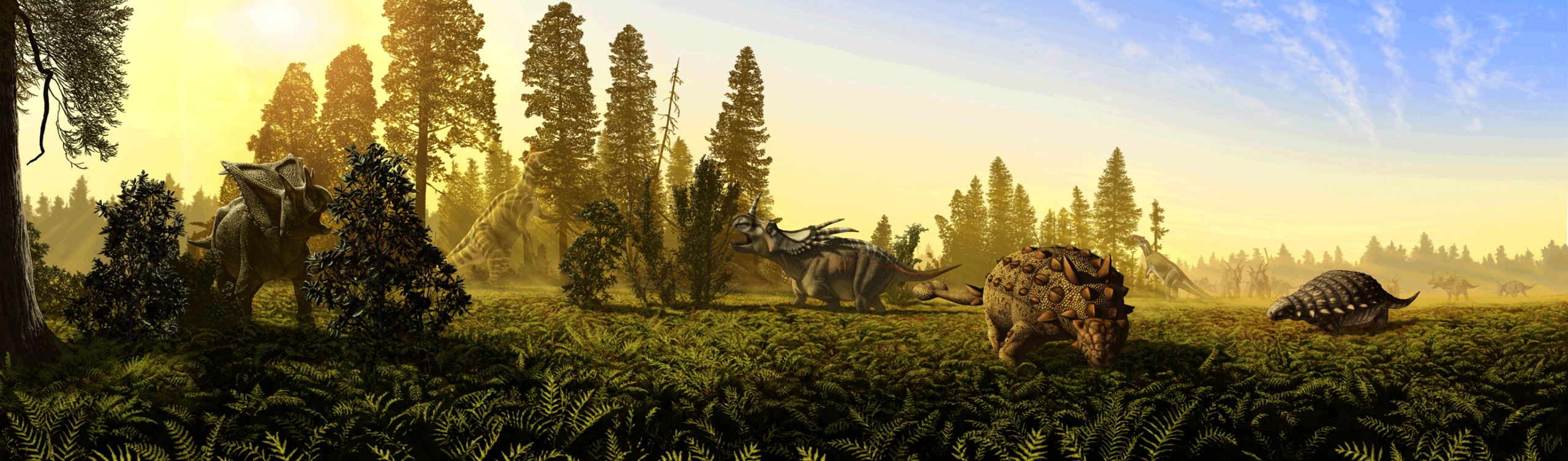
Long before zebras formed their iconic herds or wolves developed their complex pack structures, dinosaurs were already experimenting with social organization. Fossil evidence shows that many dinosaur species lived in groups, developed hierarchical structures, and even exhibited cooperative behaviors that would make modern social animals jealous. These ancient communities were far more sophisticated than anyone imagined.
Trackway fossils reveal that some dinosaurs traveled in organized groups with specific formations – adults on the outside protecting juveniles in the center, different species traveling together for mutual benefit, and even evidence of leadership roles within groups. These weren’t just random gatherings; they were structured societies with rules, roles, and complex social dynamics.
The influence of dinosaur social structures on modern animals is profound. The way elephants protect their young, the way birds migrate in formations, and even the way primates organize their troops all show traces of social innovations first developed by dinosaurs. These ancient creatures essentially created the first instruction manual for living in groups, and modern animals are still following many of the same principles.
Dinosaur Communication Systems Echo in Modern Animal Sounds

The sounds of the dinosaur world would have been absolutely incredible, and we’re only just beginning to understand how their communication systems influenced modern animal vocalizations. Recent discoveries about dinosaur vocal anatomy suggest that these creatures had far more sophisticated communication abilities than previously thought, using everything from low-frequency rumbles to high-pitched calls to coordinate their activities.
Parasaurolophus, with its distinctive hollow crest, could produce sounds that traveled for miles across prehistoric landscapes. These dinosaurs essentially created the first long-distance communication network, using infrasonic calls that could coordinate herd movements and warn of danger across vast distances. The same principles are used by modern elephants, whales, and many bird species today.
Even more fascinating is how dinosaur communication influenced the evolution of hearing in modern animals. The development of more sensitive hearing organs in mammals and birds was partly driven by the need to detect and interpret the complex vocalizations of dinosaurs. This created an evolutionary arms race of communication and detection that continues to shape how animals interact with sound today.
Dinosaur Extinction Events Shaped Mammalian Evolution
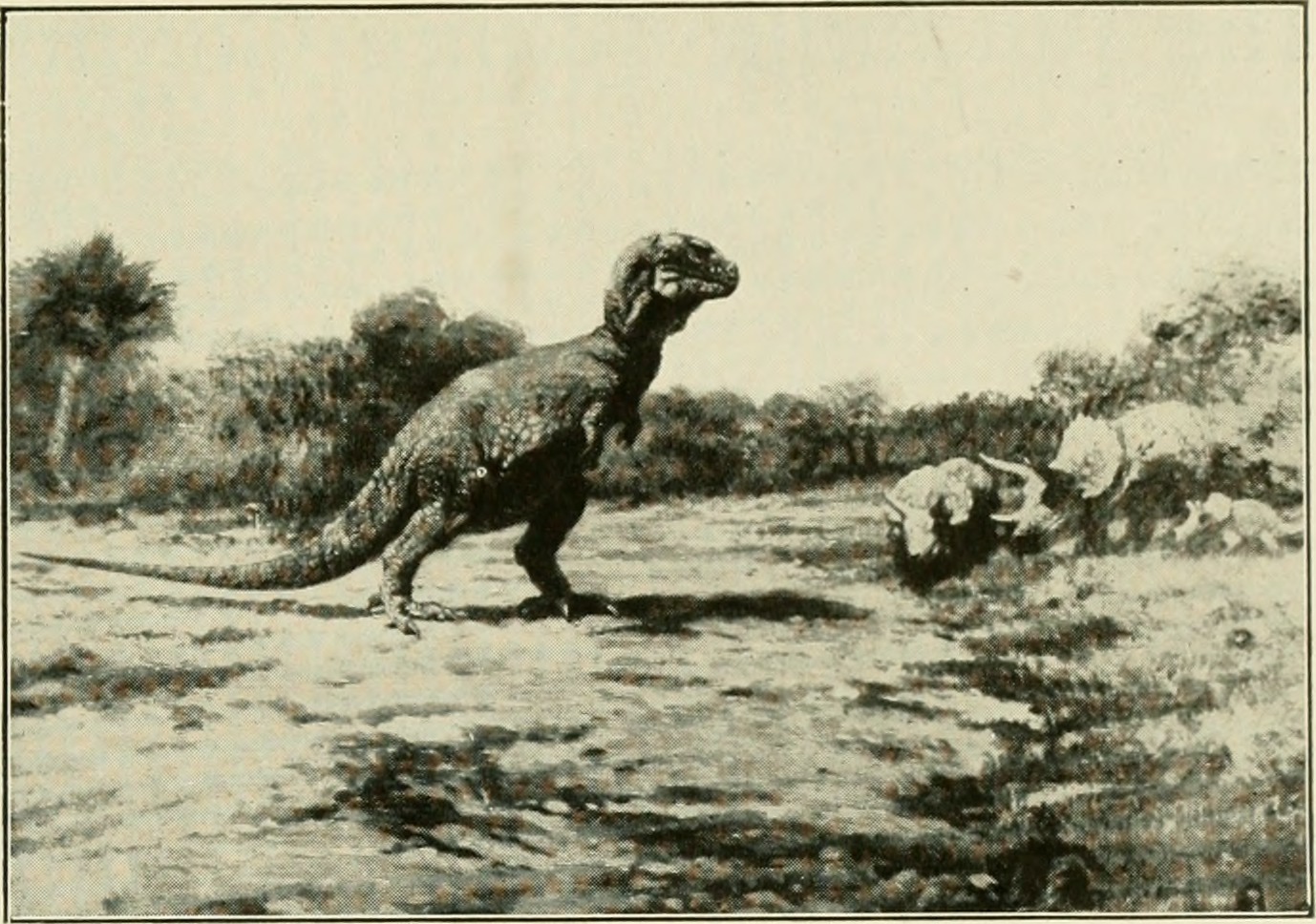
The extinction of non-avian dinosaurs wasn’t just an ending – it was a beginning that fundamentally reshaped life on Earth. This massive ecological disruption created opportunities for mammals to evolve in ways that would have been impossible in a dinosaur-dominated world. The absence of large dinosaur predators and competitors allowed mammals to explore new ecological niches and develop characteristics that define modern animal diversity.
Without dinosaurs occupying the large herbivore and carnivore niches, mammals rapidly evolved to fill these gaps. This adaptive radiation led to the development of everything from massive herbivores like elephants to apex predators like big cats. The speed of this evolutionary response was unprecedented, creating the mammalian diversity we see today in just a few million years.
The extinction event also influenced how modern animals respond to environmental changes. The survival strategies that worked during the dinosaur extinction – small size, dietary flexibility, and rapid reproduction – continue to influence which species thrive during modern environmental challenges. In essence, the dinosaur extinction created an evolutionary blueprint for surviving catastrophic change.
Dinosaur Bone Structure Influences Modern Animal Strength
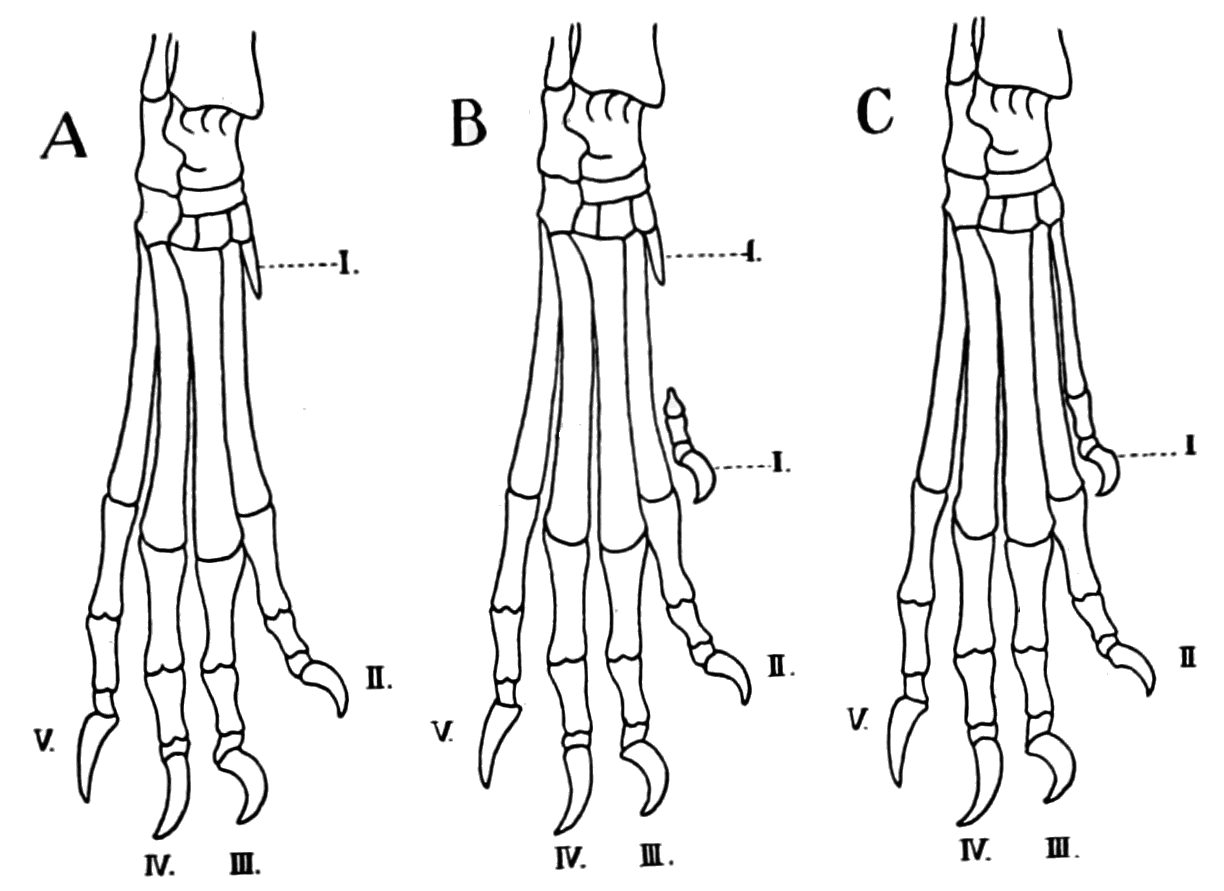
The engineering marvels found in dinosaur bones didn’t disappear with their extinction – they evolved into the structural innovations we see in modern animals. Dinosaur bones were incredibly sophisticated, with internal structures that maximized strength while minimizing weight. These design principles continue to influence how modern animals build their skeletal systems.
The trabecular bone structure found in large dinosaurs, with its intricate network of internal supports, directly influenced the bone architecture of modern mammals. Elephants, giraffes, and other large mammals use similar structural principles to support their massive bodies. Even smaller animals have inherited aspects of dinosaur bone design, creating skeletons that are both strong and efficient.
Perhaps most remarkably, dinosaur bone structure has influenced more than just animals – it’s inspired human engineering and architecture. The way dinosaur bones distributed stress and handled complex loads has been studied and applied to everything from building design to aerospace engineering. These ancient creatures were solving structural problems that we’re still learning from today.
Dinosaur Sensory Systems Enhanced Modern Animal Perception

The sensory capabilities of dinosaurs were absolutely extraordinary, and their influence on modern animal perception is still being discovered. These ancient creatures developed sensory systems that were perfectly adapted to their environments, from the incredible eyesight of aerial hunters to the sensitive hearing of long-distance communicators. The innovations they developed continue to influence how modern animals perceive and interact with their world.
Recent research has revealed that some dinosaurs had color vision that exceeded even modern birds, with the ability to see ultraviolet light and detect polarized light patterns. This advanced visual system influenced the evolution of both predator detection and prey capture strategies. The same principles that allowed dinosaurs to spot camouflaged prey or detect approaching threats are still used by modern animals.
The influence extends beyond vision to include hearing, smell, and even magnetic field detection. Some dinosaurs appear to have had magnetic navigation capabilities that influenced the migration patterns of modern animals. The sensory innovations of dinosaurs created a foundation for animal perception that continues to evolve and adapt to new environments.
Conclusion: The Endless Legacy of Ancient Giants

The story of how dinosaurs shaped modern animals is far from over. Every new fossil discovery, every genetic analysis, and every behavioral study reveals new connections between these ancient giants and the creatures that share our world today. From the smallest songbird to the largest mammal, the influence of dinosaurs runs deeper than most people could ever imagine.
The evolutionary innovations that dinosaurs developed – from flight and feathers to complex social structures and sophisticated communication systems – didn’t just influence a few species. They fundamentally changed the trajectory of life on Earth, creating possibilities and patterns that continue to unfold millions of years later. Modern animals are living testimony to the incredible creativity and adaptability of these ancient creatures.
Perhaps most remarkably, we’re still discovering new ways that dinosaurs influence modern life. As technology advances and our understanding of evolution deepens, we continue to find dinosaur fingerprints in places we never expected. The next time you watch a bird take flight or observe animals interacting in the wild, remember that you’re witnessing the continuation of a story that began over 200 million years ago.