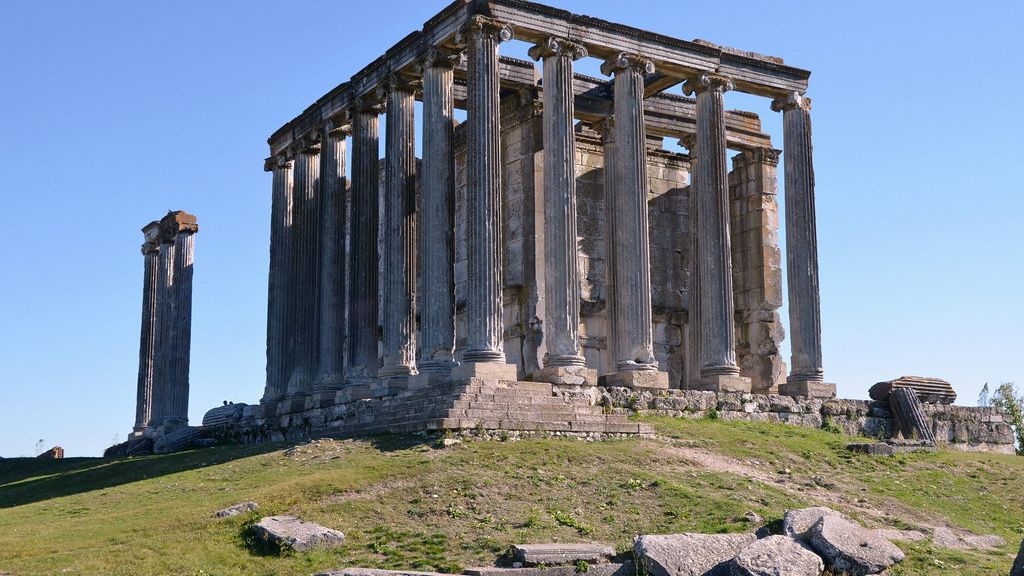
You’ve probably looked at pictures of ancient monuments and thought, “There’s no way they did that without modern equipment.” I get it. When you stand in front of massive stone walls that fit together with surgical precision, or gaze up at domes that have lasted for millennia, it’s hard to wrap your mind around the idea that people thousands of years ago pulled this off without computers, cranes, or even metal tools in some cases.
Let’s be real. The ancients weren’t primitive cave dwellers waiting around for us to invent the wheel. Far from it, actually. They were solving engineering problems we still struggle with today, and in some cases, their solutions were better than ours.
Precision Stone Cutting That Rivals Modern Machinery
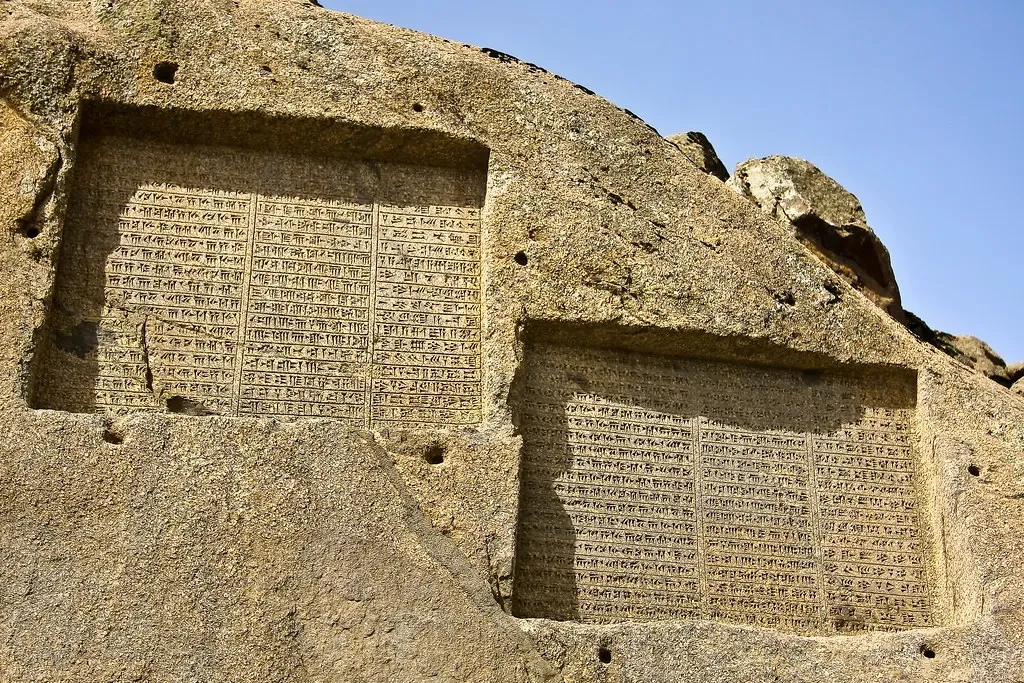
Ancient Egyptians employed advanced rotary drilling methods using copper tubes combined with abrasive materials like quartz sand, achieving cylindrical holes in granite. Think about that for a second. You’re dealing with one of the hardest stones on Earth.
In Cairo Museum’s Old Kingdom rooms are dozens of vases, bowls, and large lidded boxes carved from schist, diorite, granite and obsidian, with modern stonecraft experts saying that even with today’s power tools and diamond lathes, the same pottery stonecraft cannot be replicated. This isn’t ancient alien theory nonsense. This is documented evidence that challenges what we think we know about technological progression. The precision found in some artifacts suggests they understood material science at a level that took us centuries to rediscover.
The Self-Healing Concrete of Ancient Rome
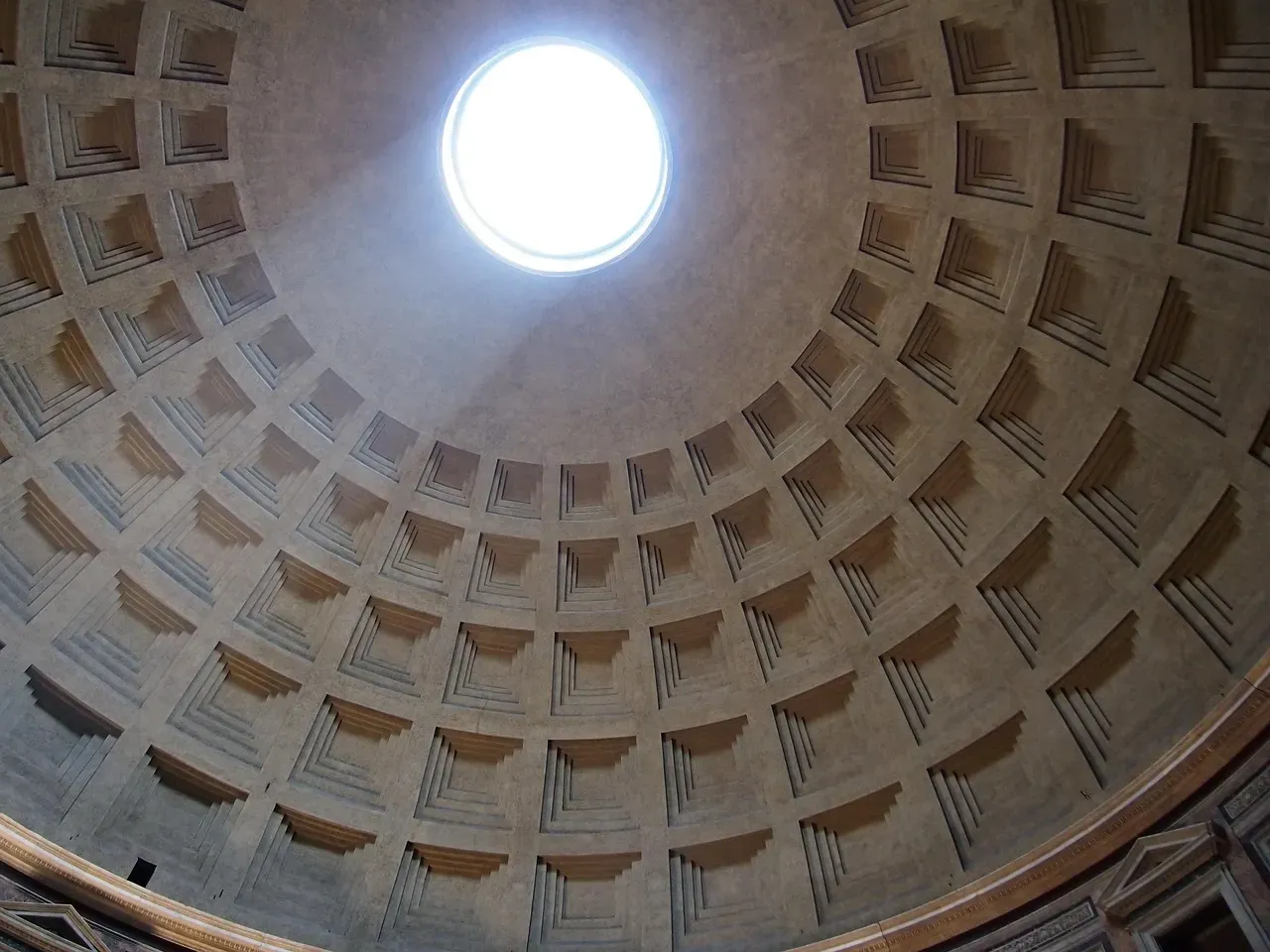
The Pantheon still holds the record for the world’s largest unreinforced concrete dome, and it’s been standing there for nearly two thousand years. Meanwhile, some modern concrete structures crumble after a few decades. What gives?
Roman concrete was likely made by mixing quicklime directly with pozzolana and water at extremely high temperatures, a process dubbed ‘hot mixing’ that results in lime clasts with self-healing properties. When cracks formed, these lime clasts would react with water to seal the damage. Researchers produced samples of hot-mixed concrete, deliberately cracked them, and ran water through the cracks; within two weeks, the cracks had completely healed and the water could no longer flow. It’s basically concrete that fixes itself. We’re only now starting to figure out how to replicate this.
Earthquake-Resistant Masonry Without Modern Physics
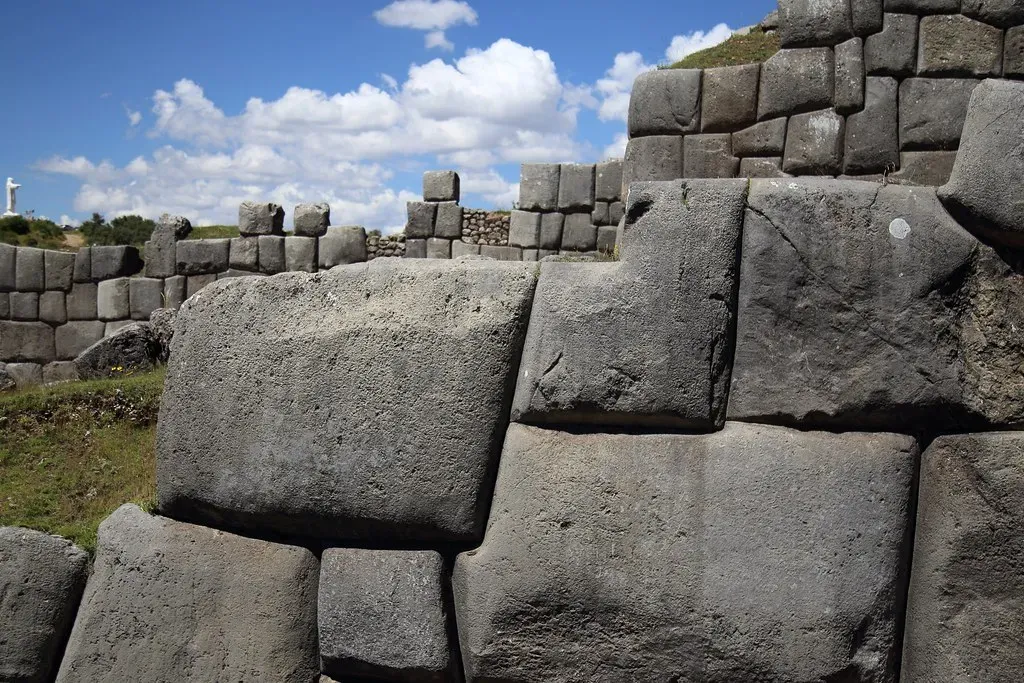
The stone boulders at Sacsayhuaman are so precisely interconnected that it is virtually impossible to push even something as thin as a piece of paper between them. This wasn’t just for show. The Incas lived in one of the most seismically active regions on the planet.
This masonry, in combination with thoroughness, led Incan buildings to have peerless seismic resistance thanks to high static and dynamic steadiness, absence of resonant frequencies, and stress concentration points. When earthquakes hit, the stones could shift slightly and then settle back into place. Engineering analyses confirm that Sacsayhuaman’s polygonal construction absorbs seismic energy far better than straight-edged masonry, a technique modern architects are now studying for earthquake-resistant design. Honestly, it’s humbling.
Sophisticated Urban Water Management Systems
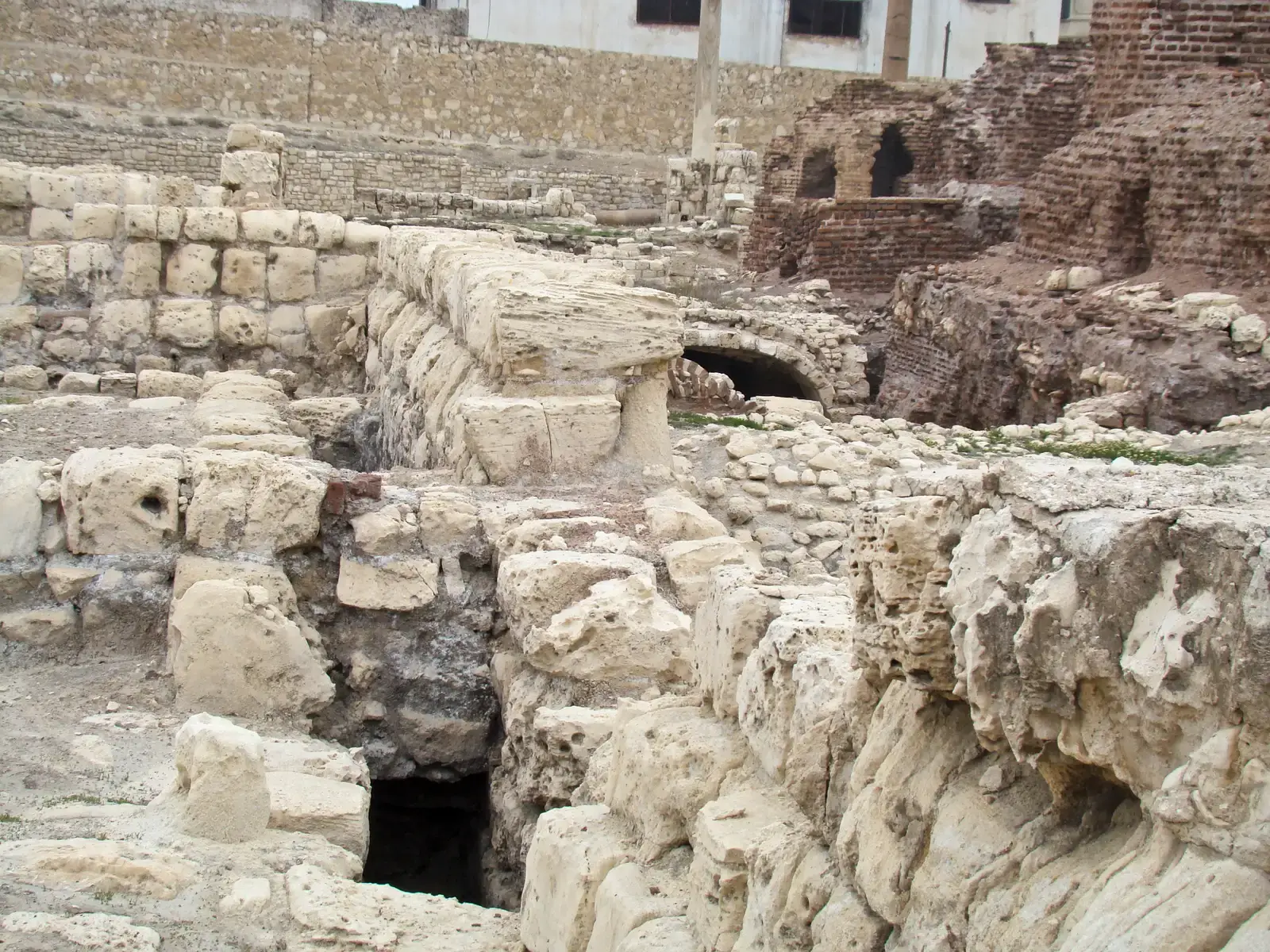
At Mohenjo Daro’s peak, the city had 35,000 inhabitants with access to advanced water and sewerage systems, with almost every house having a bathing area and drainage system supported by water wells dug throughout the city. We’re talking roughly 2500 BCE here.
Individual homes in Harappan cities had bathrooms that often included toilets that drained into a city sewer system, an impressive feat of city planning that predated Roman engineering by two thousand years. Most medieval European cities didn’t have sanitation like this. The level of urban planning required to coordinate such infrastructure across an entire city demonstrates organizational capacity and engineering knowledge that was staggering for the Bronze Age. They understood hygiene, public health, and hydraulics long before those became formal disciplines.
Massive Stone Transportation Across Impossible Terrain
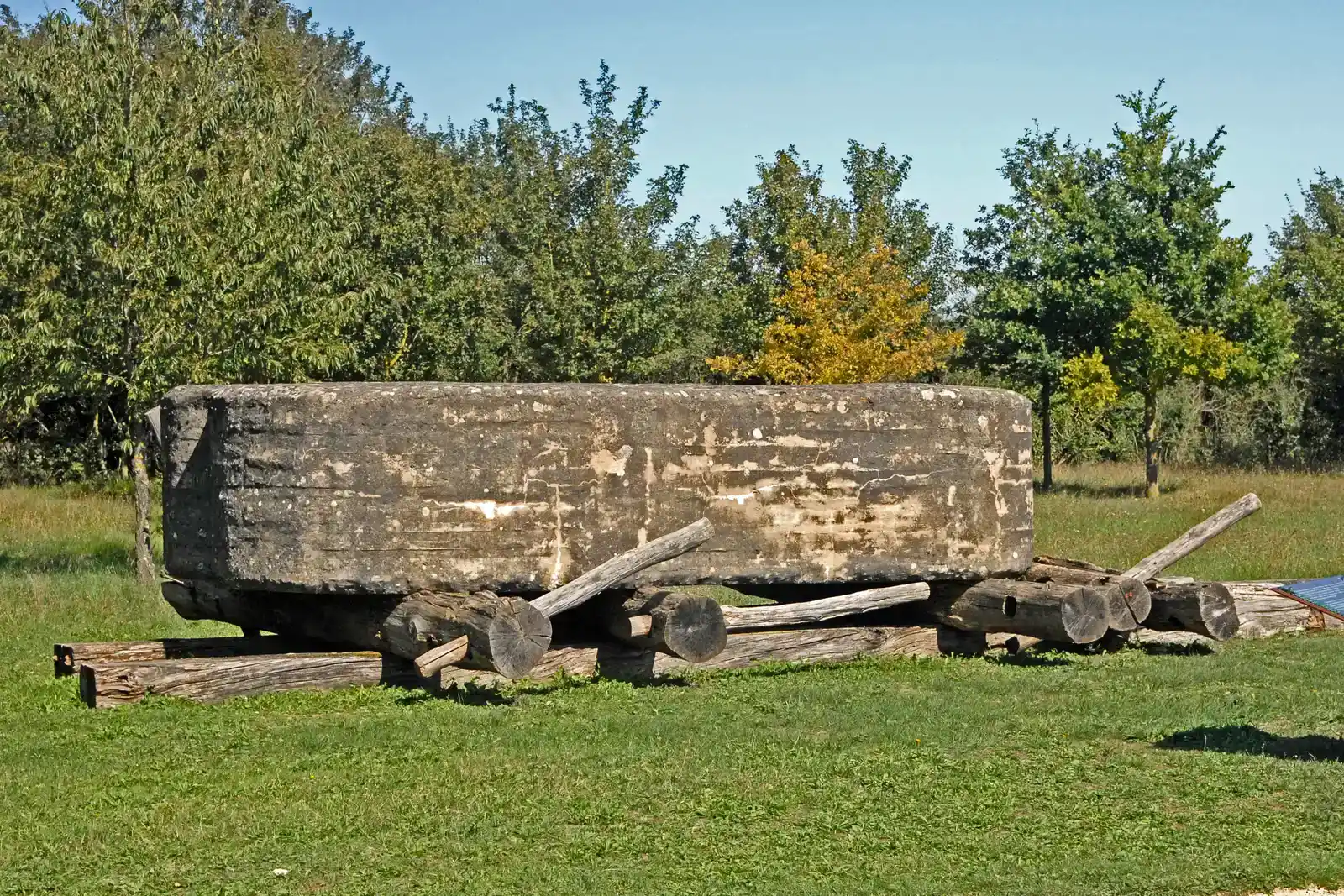
The stone boulders used at Sacsayhuaman were excavated from a quarry located three kilometers away and moved to their current location using an unknown transportation system, with the largest tipping the scales at about 120 tons. No wheels. No cranes. No metal tools to speak of.
Recent experimental archaeology suggests they used log rollers, ropes, and enormous amounts of coordinated human labor. The Incas employed various methods including log rollers and levers to transport enormous blocks, making use of inclined planes and ramps to ease the movement of stones up steep slopes. The logistics alone boggle the mind. You need hundreds or thousands of people working in perfect coordination, adequate food and water supplies, and detailed planning. It’s project management on a civilization-wide scale.
Advanced Astronomical Computing Devices
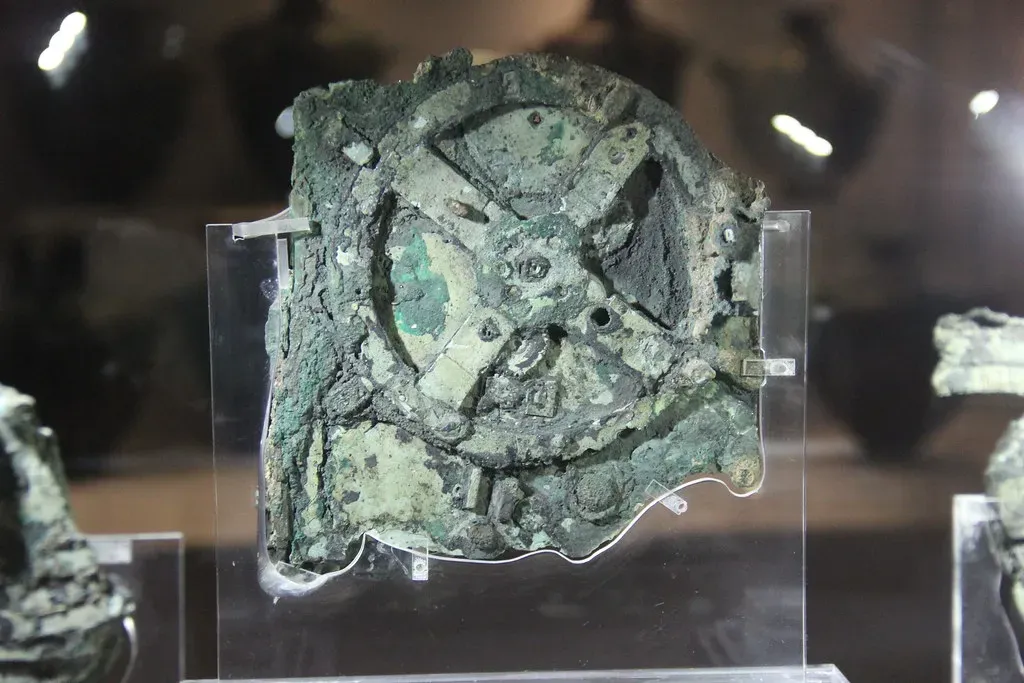
The Antikythera Mechanism was discovered in a shipwreck off the coast of Greece in 1901. When scientists x-rayed the artifact, they found it was composed of approximately 30 gears, and it was used to calculate astronomical positions.
Scientists have determined that the ancient device was built around 87 B.C. Here’s the thing that gets me: nothing even close to this level of mechanical complexity shows up again in the historical record for over a thousand years. It proves that ancient people knew that the Earth orbited around the Sun. This single artifact rewrites what we thought ancient Greeks were capable of. It’s not just a calendar or a simple gear system; it’s an analog computer that predicted eclipses and planetary positions.
Monumental Construction Without Modern Measuring Tools
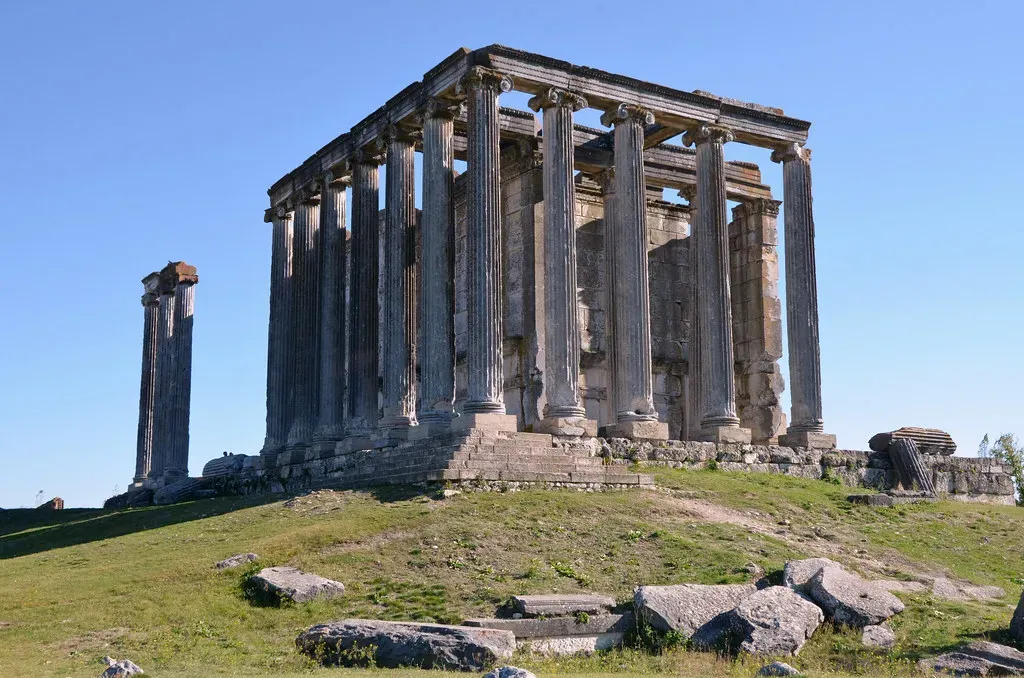
The pyramids are remarkably accurate with their alignment to true north, with the Great Pyramid of Cheops only a few arcminutes off, a precision of about 1 millimeter per meter. You try aligning something that massive without a compass or laser level.
The Pantheon dome was engineered without the use of mathematical aids such as computers, calculators, or slide rules. The height to the oculus and the diameter of the interior circle are the same, 43.3 metres, so the whole interior would fit exactly within a cube. Perfect geometric harmony achieved through what? String, stakes, and brilliant minds. The mathematical precision required for these feats suggests they had sophisticated understanding of geometry, astronomy, and surveying techniques that we’ve only recently begun to appreciate fully.
Underground Engineering and Aquifer Detection
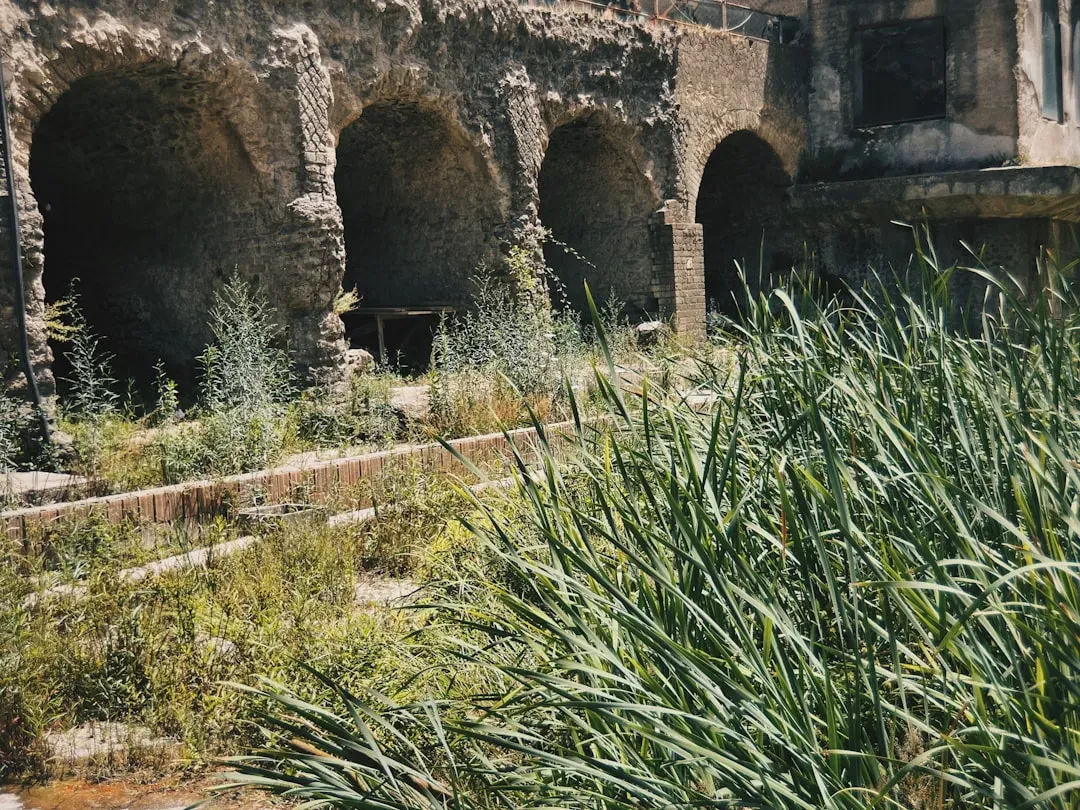
All 11 underground churches at Lalibela were carved from a single rock to accommodate Ethiopian Orthodox Church worshippers, and amazingly, the people who carved these rock churches also tapped natural aquifers located deep underground without modern drilling and underground water detection tools. Carving churches out of solid rock is one thing. Finding water sources deep underground without any technology is another level entirely.
Water engineer Ken Wright estimates that 60 percent of the Inca construction effort was underground. They built drainage systems, foundations, and infrastructure that remain largely invisible but were critical to the longevity of their structures. The understanding of hydrology, geology, and subsurface engineering required for this work was phenomenal. They knew where water would flow, how to direct it, and how to prevent erosion damage centuries before groundwater became a formal science.
Enigmatic Potential Early Electrical Devices
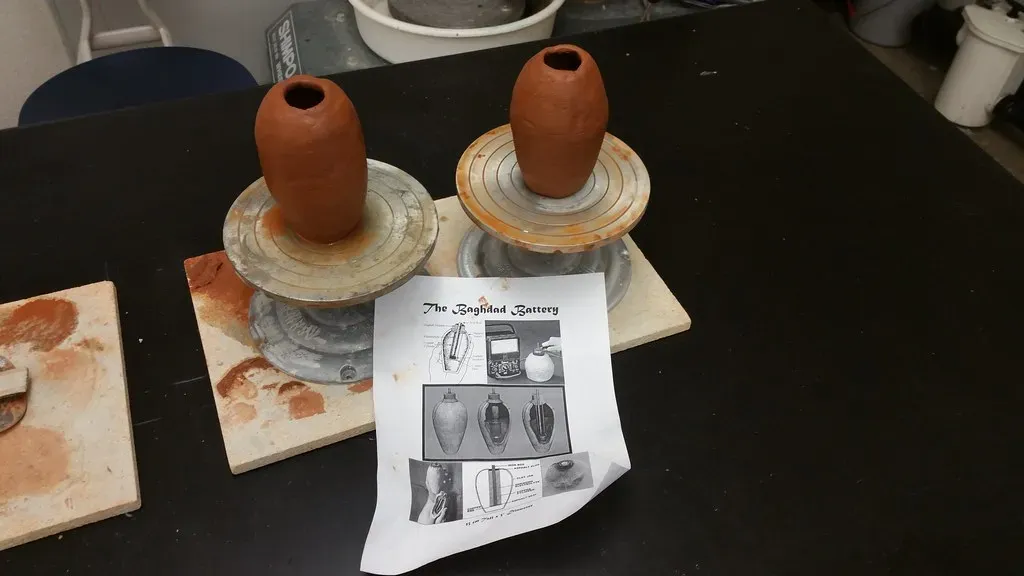
The Baghdad Battery consists of a ceramic pot, a tube of copper, and a rod of iron fixed together with bitumen, discovered near Ctesiphon and believed to date from either the Parthian or Sasanian periods. Now, the purpose remains debated.
Reconstructions of the Baghdad Battery have proven the concept; when built using comparable materials and filled with acidic liquids, the device produces between 0.5 and 1.5 volts. Whether the Parthians actually used this for electroplating or some other purpose, we still don’t know for certain. Claims about electroplating are universally rejected by archaeologists, and alternative theories include ritual use or storage containers. Still, the fact that such a device could theoretically function as a battery shows that ancient peoples were experimenting with materials and chemical reactions in ways that might surprise us. Even if it wasn’t intentionally a battery, the knowledge gap between accidentally creating one and understanding electricity isn’t as wide as we might think.
Final Thoughts
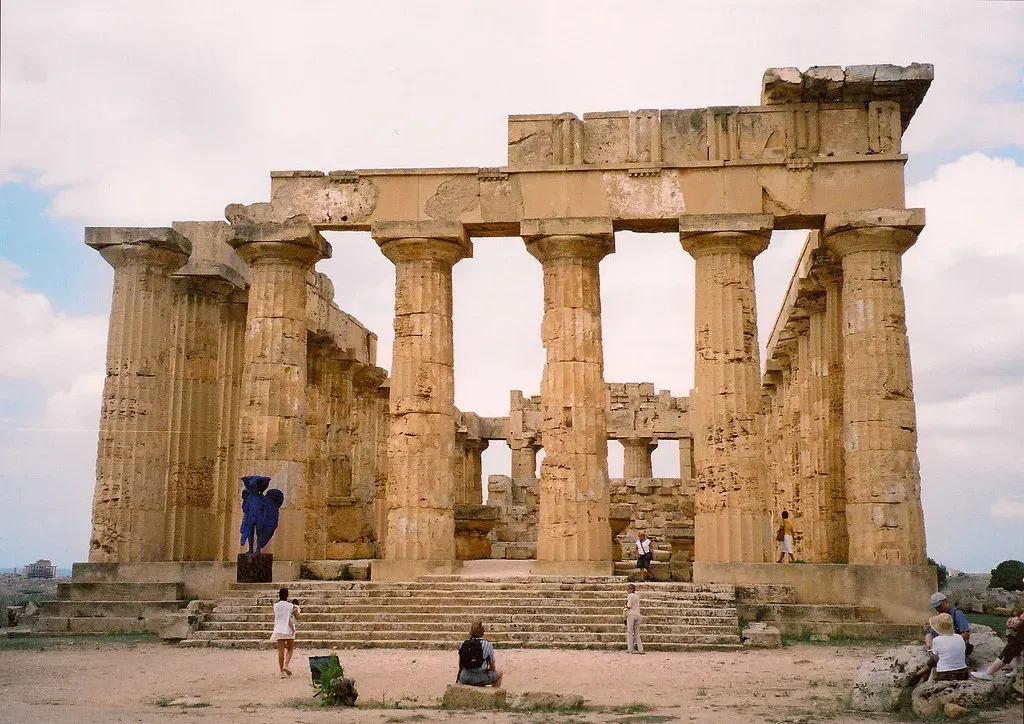
Looking at these nine examples, you start to realize something important. The narrative that human progress moves in a straight line from primitive to advanced doesn’t hold up under scrutiny. Ancient civilizations achieved engineering marvels that we’re still trying to understand and, in some cases, replicate. They didn’t have our tools, but they had observation, ingenuity, time, and massive coordinated effort.
Were they aliens? Of course not. Were they far more capable than we often give them credit for? Absolutely. The evidence carved into stone, cast in concrete, and buried in archaeological sites speaks for itself. These weren’t flukes or lucky accidents. They were the result of sophisticated knowledge passed down through generations, refined through trial and error, and applied with precision and purpose.
What do you think about these ancient achievements? Does it change how you view our ancestors’ capabilities?