In a prehistoric landscape dominated by titans like Brachiosaurus and Tyrannosaurus rex, it’s easy to overlook the remarkable success of diminutive dinosaurs. These pint-sized prehistoric creatures not only existed alongside their massive counterparts but thrived for millions of years, developing sophisticated survival strategies that allowed them to carve out ecological niches in a world of giants. From the chicken-sized Compsognathus to the crow-sized Microraptor, these miniature marvels demonstrate nature’s incredible adaptability. Their story reveals important evolutionary lessons about survival that extend beyond size advantages, showcasing how different adaptations, specialized diets, and behavioral traits enabled the smallest dinosaurs to flourish in the shadow of giants.
Defining “Small” in the Dinosaur World
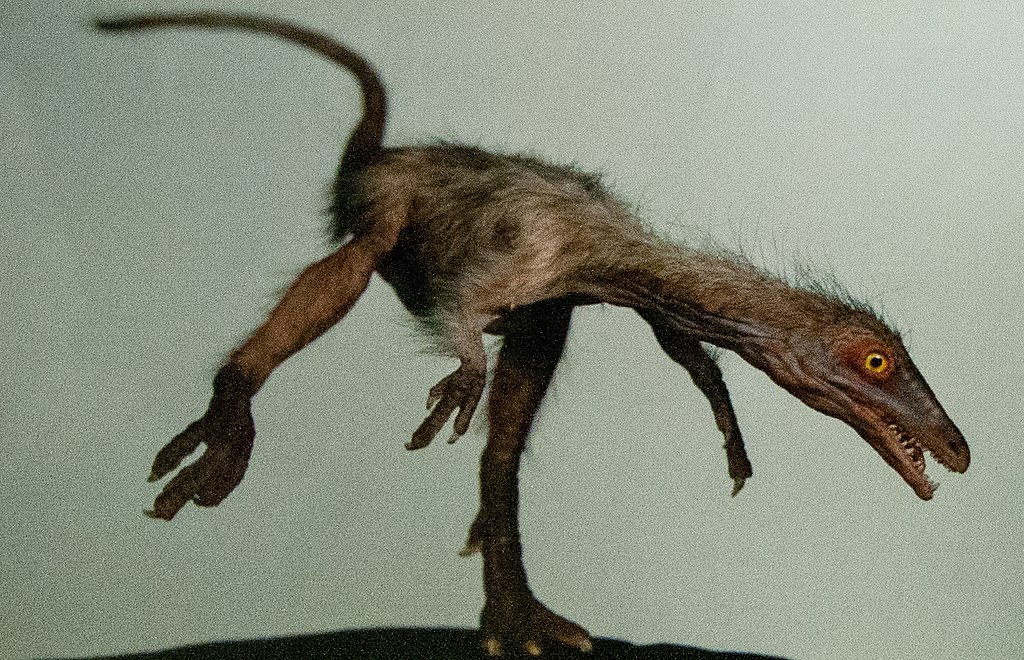
When paleontologists discuss “small” dinosaurs, they’re typically referring to species weighing less than 100 pounds (45 kg) and measuring under 6 feet (1.8 meters) in length. These dimensions might sound substantial by modern standards, but in the Mesozoic Era, they represented the lower end of the size spectrum. Microraptor, for instance, weighed only about 2.2 pounds (1 kg) and measured roughly 2.6 feet (80 cm) from nose to tail, making it among the smallest non-avian dinosaurs discovered to date. Compsognathus, once considered the smallest dinosaur, was approximately the size of a modern turkey. These diminutive dimensions stand in stark contrast to the 80-ton Argentinosaurus or the 40-foot-tall Brachiosaurus, highlighting the remarkable size diversity that existed among dinosaur species throughout their 165-million-year reign.
Evolutionary Advantages of Small Size
Being small offered numerous evolutionary advantages that helped miniature dinosaurs thrive in their ecosystems. Smaller bodies required less food intake, allowing these dinosaurs to survive on limited resources during times of scarcity when larger dinosaurs might have struggled. Their reduced size also meant faster reproductive cycles and shorter maturation periods, enabling more rapid population recovery after environmental disruptions. From a thermodynamic perspective, smaller dinosaurs could regulate their body temperature more efficiently, particularly important for potentially warm-blooded species like the small theropods. Additionally, diminutive dinosaurs could access microhabitats unavailable to larger species, such as dense underbrush, small burrows, or even trees, as seen in the gliding Microraptor. This ability to exploit specialized ecological niches reduced direct competition with larger predators and herbivores, creating survival opportunities that giants simply couldn’t access.
Speed and Agility as Survival Tactics
For small dinosaurs, superior speed and agility represented critical survival adaptations in a world of towering predators. Biomechanical studies of fossils like Compsognathus and Heterodontosaurus reveal lightweight skeletons and proportionally longer limbs optimized for rapid movement and quick directional changes. Some species, like the chicken-sized Ornithomimus, could likely reach speeds of up to 25 miles per hour (40 km/h), outpacing many larger predators over short distances. Computational models suggest these agile dinosaurs could execute tight turns and quick accelerations that would have been physically impossible for multi-ton hunters. Paleontological evidence also indicates many small dinosaurs possessed enhanced vision and hearing, allowing them to detect predators early and maximize their escape advantage. This combination of speed, agility, and heightened senses created an effective defense strategy that compensated for their lack of size-based intimidation or physical protection.
Specialized Diets of Miniature Dinosaurs
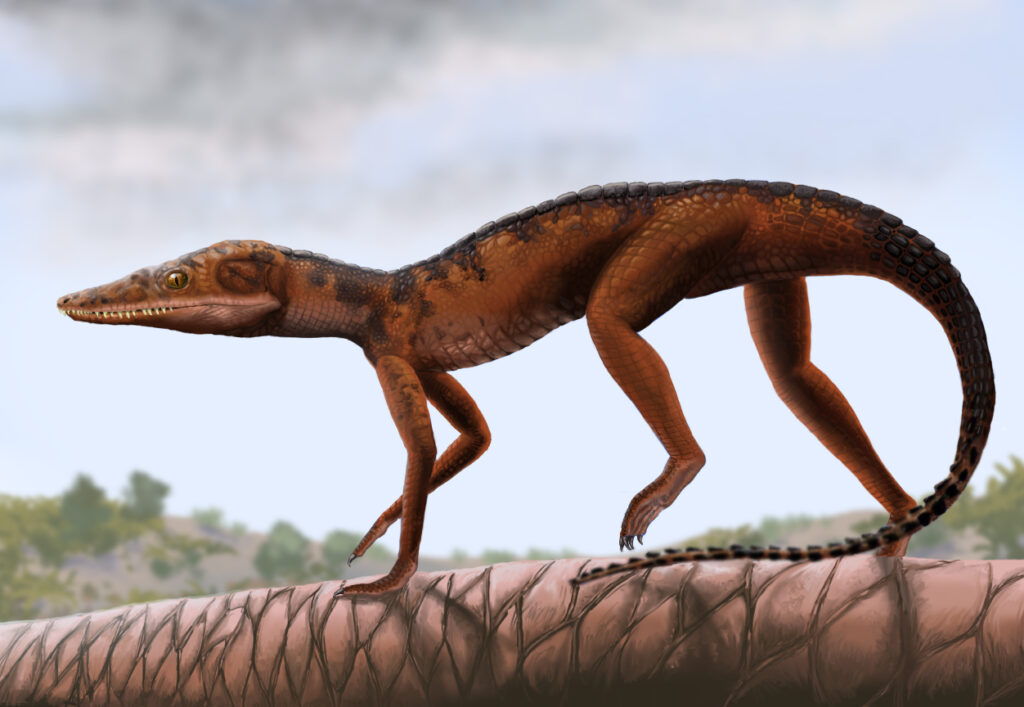
Small dinosaurs often thrived by exploiting food sources that larger species couldn’t efficiently utilize. Many diminutive species had specialized jaw structures and dentition that allowed them to consume small insects, seeds, fruits, and other concentrated nutrient sources that would have been energetically impractical for larger dinosaurs to pursue. Microceratops, a dog-sized ceratopsian, possessed a specialized beak perfect for selecting nutrient-rich plant parts rather than consuming bulk vegetation. Fossil evidence from specimens like Sinosauropteryx reveals preserved stomach contents containing small mammals, lizards, and insects, demonstrating their ability to capitalize on abundant small prey. Some miniature dinosaurs likely engaged in opportunistic omnivory, switching between plant matter and small animal prey depending on availability. This dietary flexibility would have been particularly advantageous during seasonal changes or periods of ecological stress when specialized feeders might struggle to find sufficient food.
The Rise of Feathered Insulation
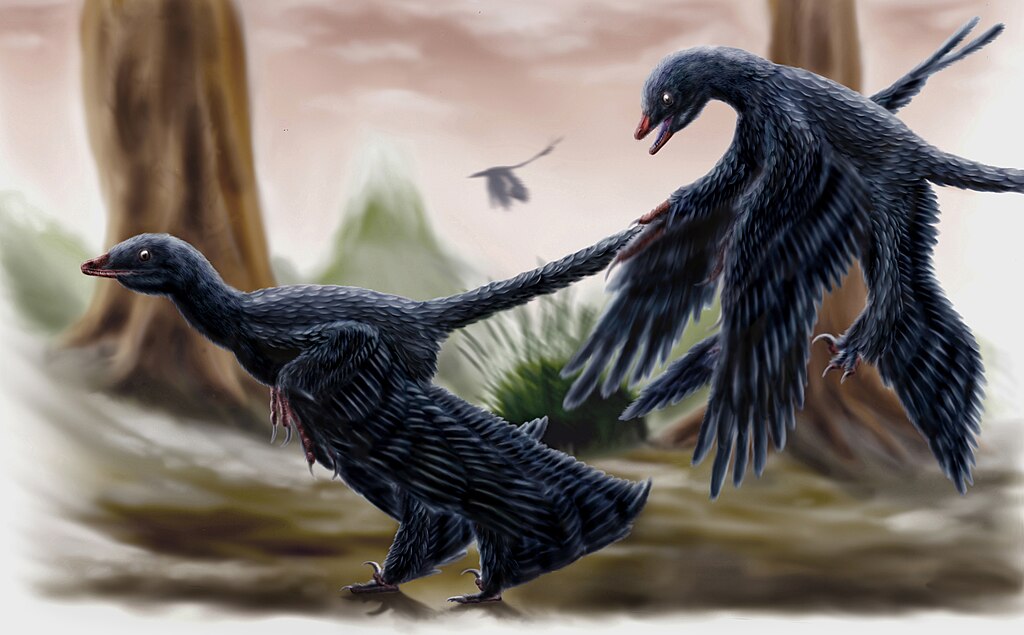
Feathers played a crucial role in the survival of many small dinosaurs, particularly during the cooler periods of the Mesozoic Era. Paleontological discoveries in China’s Liaoning Province have revealed exquisitely preserved specimens of dinosaurs like Sinosauropteryx and Anchiornis with clear evidence of primitive feather structures. For small-bodied dinosaurs, these feathers provided critical thermal insulation, helping maintain body temperature despite their higher surface-area-to-volume ratio that would otherwise lead to rapid heat loss. Beyond temperature regulation, feathers likely served multiple functions that enhanced survival: camouflage patterns that helped avoid detection, display structures for mate attraction, and eventually, in some lineages, aerodynamic surfaces that enabled limited gliding or flight. The evolutionary innovation of feathers thus gave small dinosaurs multiple survival advantages, ultimately contributing to the successful radiation of birds, the only dinosaur lineage to survive the end-Cretaceous extinction event.
Group Living and Social Structures
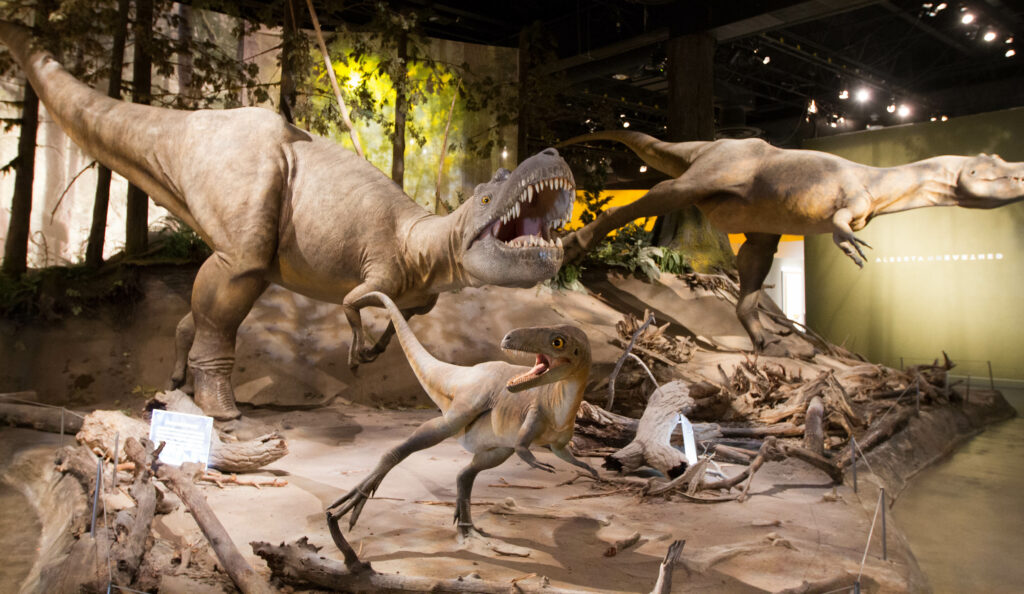
Fossil evidence increasingly suggests that many small dinosaur species adopted group living as a survival strategy against larger predators. Multiple specimens of Coelophysis discovered together at Ghost Ranch, New Mexico, indicate they likely lived and hunted in packs, allowing these relatively small predators to potentially take down larger prey through coordinated attacks. For herbivorous small dinosaurs like Protoceratops, fossil trackways and bone beds suggest herd behavior that would have provided safety in numbers against predators. Social living likely extended beyond simple protection, potentially including coordinated care of young, resource defense, and information sharing about food locations. The discovery of nesting colonies of small dinosaurs like Orodromeus indicates complex social behaviors that may have included division of responsibilities among group members. This social complexity represented a significant survival adaptation, allowing small species to effectively compete for resources and reduce predation risk through collective vigilance.
Nocturnal Adaptations
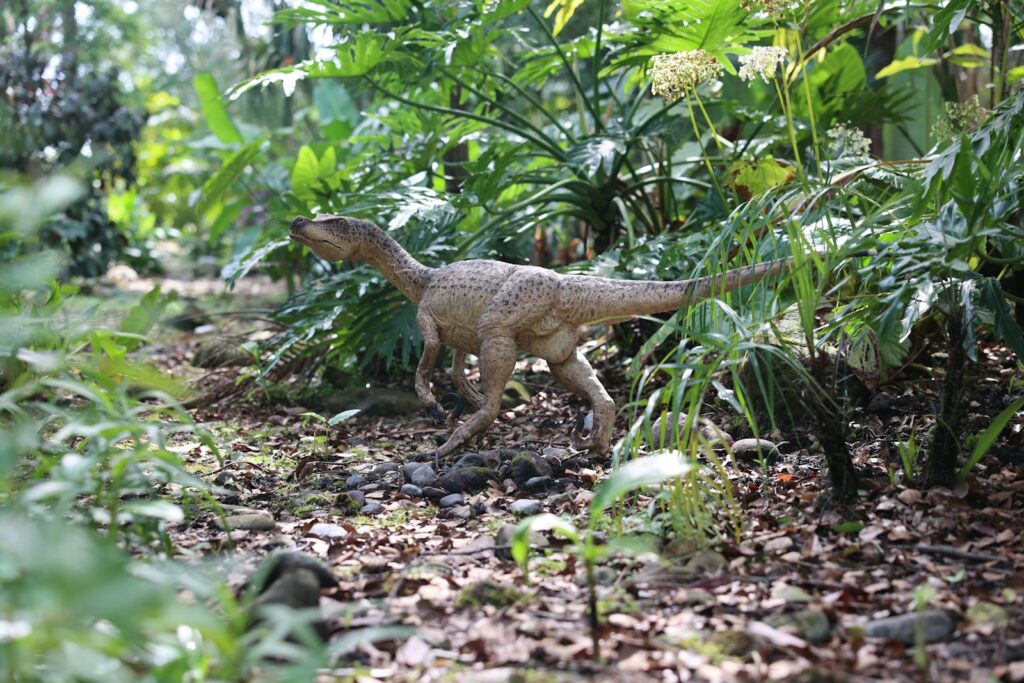
Several lines of evidence suggest that many small dinosaurs may have evolved nocturnal habits to avoid daytime predators and reduce competition. Scleral ring studies—examinations of the bony structures that once supported dinosaur eyes—reveal that some small species like Shuvuuia had proportionally enormous eye sockets and optical adaptations consistent with excellent night vision. These adaptations would have allowed them to exploit the darkness when many larger predators were likely less active. Complementing their visual adaptations, small dinosaurs like Troodon possessed relatively large brains with enlarged olfactory bulbs, suggesting enhanced sense of smell that would have been valuable for nocturnal foraging. Some researchers hypothesize that the earliest truly warm-blooded dinosaurs may have been small, nocturnal species that needed to maintain body temperature during cool nights. By shifting their active periods to nighttime hours, these diminutive dinosaurs effectively created a temporal niche separation from larger competitors and predators, exemplifying yet another ingenious survival strategy.
Intelligence as a Survival Tool
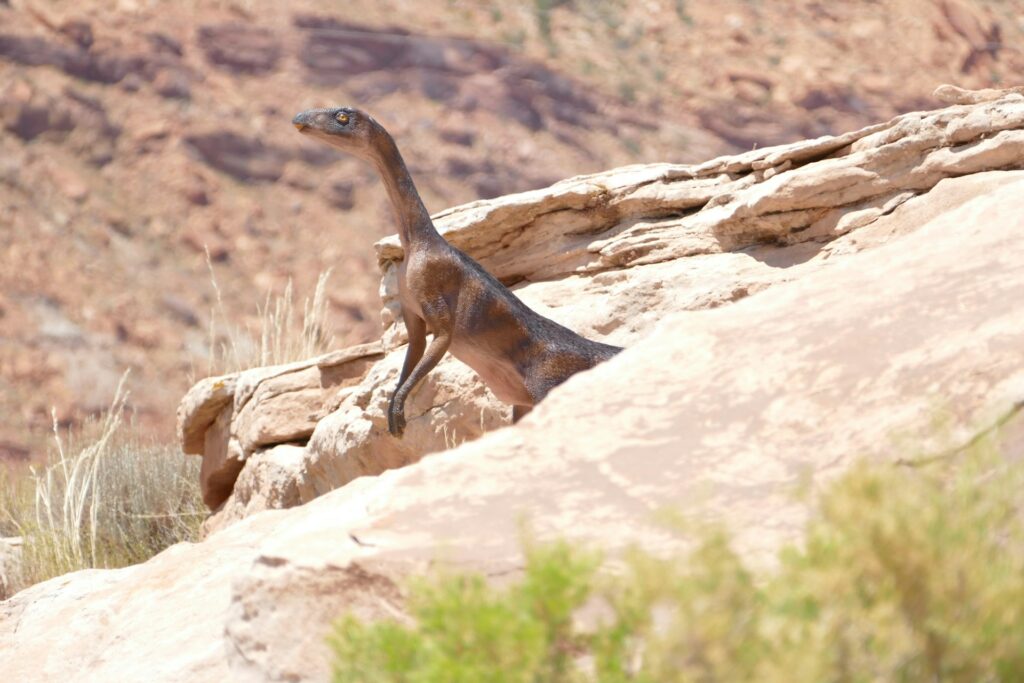
Relative brain size among dinosaurs reveals that many smaller species possessed proportionally larger brains than their gigantic counterparts, suggesting higher cognitive capabilities that aided their survival. Troodon, a turkey-sized theropod, had one of the highest brain-to-body mass ratios of any dinosaur, approaching that of modern birds. Endocasts (models of brain cavities) from small dinosaur skulls show enlarged cerebral hemispheres and well-developed optic lobes, indicating enhanced sensory processing and possibly complex decision-making abilities. These cognitive advantages likely translated into superior problem-solving skills when facing environmental challenges or predatory threats. Small, intelligent dinosaurs could potentially learn from experiences, remember dangerous locations, recognize individual predators, and develop innovative foraging techniques. Some paleontologists theorize that the metabolic demands of larger brains were more sustainable in smaller bodies, creating an evolutionary pathway where diminutive dinosaurs could afford the energetic cost of greater intelligence, ultimately contributing to the remarkable brainpower seen in their avian descendants today.
The Advantage of Ecological Flexibility

Small dinosaurs typically demonstrated greater ecological flexibility than their larger relatives, allowing them to adapt to changing conditions more readily. While massive sauropods were restricted to environments that could support their enormous dietary needs, diminutive species could thrive across diverse habitats from forests to coastal plains. Fossil distribution patterns show that small dinosaurs like Hypsilophodon occupied multiple continents and environmental niches, suggesting remarkable adaptability. This ecological plasticity proved especially valuable during periods of environmental stress or rapid climate change, when specialized giants might face extinction. The ability to exploit varied food sources—from insects to seeds to small vertebrates—meant that ecological disruptions affecting one food source wouldn’t necessarily prove catastrophic. Some small dinosaurs, particularly those in the maniraptoran lineage that eventually gave rise to birds, developed increasingly generalized limbs capable of multiple functions, further enhancing their adaptability. This evolutionary flexibility likely contributed to the success of small dinosaur lineages throughout the Mesozoic and helps explain why birds, the smallest dinosaur descendants, were ultimately the only dinosaur lineage to survive the end-Cretaceous extinction event.
Reproductive Advantages
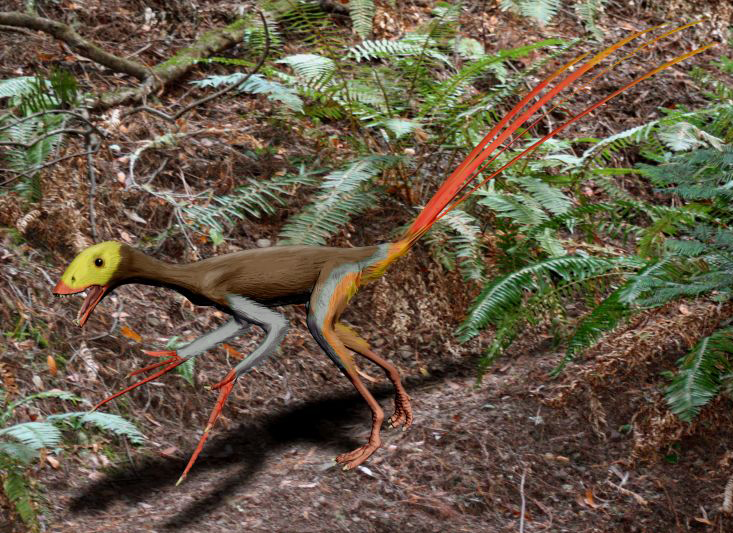
Smaller dinosaur species possessed significant reproductive advantages over their larger counterparts, contributing substantially to their evolutionary success. While massive sauropods might take decades to reach sexual maturity, fossil evidence suggests many small dinosaurs became reproductively active within just a few years of hatching. This accelerated life history allowed populations of small dinosaurs to recover more quickly from environmental catastrophes or predation events. Additionally, smaller species typically produced more numerous, though individually smaller, eggs per clutch, increasing the statistical chances of offspring survival. Nesting sites of small dinosaurs like Oviraptor reveal sophisticated brooding behaviors, with adults directly incubating their eggs using body heat, a practice impossible for multi-ton giants. The combination of earlier maturation, higher reproductive rates, and more intensive parental care created a powerful evolutionary advantage for small dinosaurs, allowing their populations to remain resilient even during challenging environmental periods that might decimate populations of larger, slower-reproducing species.
Burrowing and Shelter-Seeking Behaviors
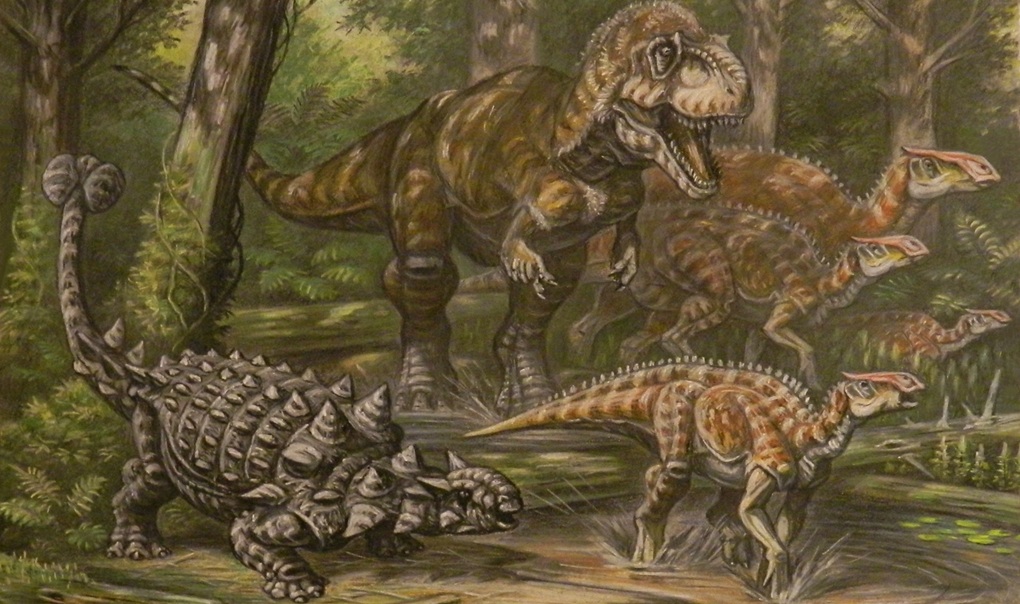
Fossil evidence increasingly suggests that some small dinosaurs utilized burrowing or shelter-seeking behaviors as effective survival strategies. The discovery of dinosaurs like Oryctodromeus, a relatively small ornithopod found preserved within a fossilized burrow alongside juveniles, demonstrates that some species actively created underground shelters. These subterranean retreats would have provided protection from predators, extreme weather conditions, and even regional disasters like forest fires or floods. Other small dinosaurs may have utilized natural shelters like hollow logs, rock crevices, or dense vegetation that would have been inaccessible to larger species. Anatomical features in some small dinosaurs, including robust forelimbs with enlarged claws in species like Heterodontosaurus, suggest adaptations consistent with digging behaviors. These shelter-seeking strategies would have been particularly valuable during extreme climate events or seasonal changes, potentially allowing small dinosaurs to survive conditions that proved fatal to surface-dwelling giants without such options for environmental buffering.
The Advantage of Flying and Gliding

Perhaps the most revolutionary adaptation developed by some small dinosaurs was the ability to take to the air, either through powered flight or gliding. Microraptor, with its four wings and aerodynamic feather arrangements, represents clear evidence that some small dinosaurs could at minimum glide effectively between trees, opening up entirely new habitats and escape options unavailable to larger species. Archaeological evidence from slightly later periods reveals Early Cretaceous birds like Confuciusornis that had developed true powered flight while retaining many dinosaurian characteristics, demonstrating how this adaptation evolved from earlier gliding capabilities. The ability to become airborne, even temporarily, provided extraordinary advantages: escape from ground predators, access to previously unreachable food sources, expansion into new territories, and the ability to traverse geographic barriers. This innovation, accessible only to small-bodied dinosaurs due to the square-cube law’s constraints on flight capabilities, ultimately proved so successful that it led to the birds—technically still dinosaurs themselves—becoming one of the most diverse vertebrate groups on the planet today, with over 10,000 living species.
Legacy of the Small: Birds as Living Dinosaurs

The ultimate testament to the success of small dinosaur survival strategies lies in their modern descendants: birds. The only dinosaurs to survive the catastrophic Cretaceous-Paleogene extinction event 66 million years ago were relatively small, feathered theropods that eventually evolved into modern avians. While their massive relatives perished, these diminutive dinosaurs possessed the combination of adaptations—including small body size, efficient metabolism, flight capabilities, and behavioral flexibility—that allowed them to endure conditions that eliminated 75% of all species on Earth. Today’s 10,000+ bird species represent living proof that the evolutionary innovations developed by small dinosaurs were remarkably successful. Modern paleontological understanding recognizes birds not merely as descendants of dinosaurs but as actual living dinosaurs themselves, specifically avian theropods. This evolutionary continuum demonstrates that while we often associate dinosaurs with enormous size, it was actually the smallest members of the dinosaur family tree whose adaptations proved most enduring, allowing their lineage to persist and thrive for an additional 66 million years and counting.
Conclusion
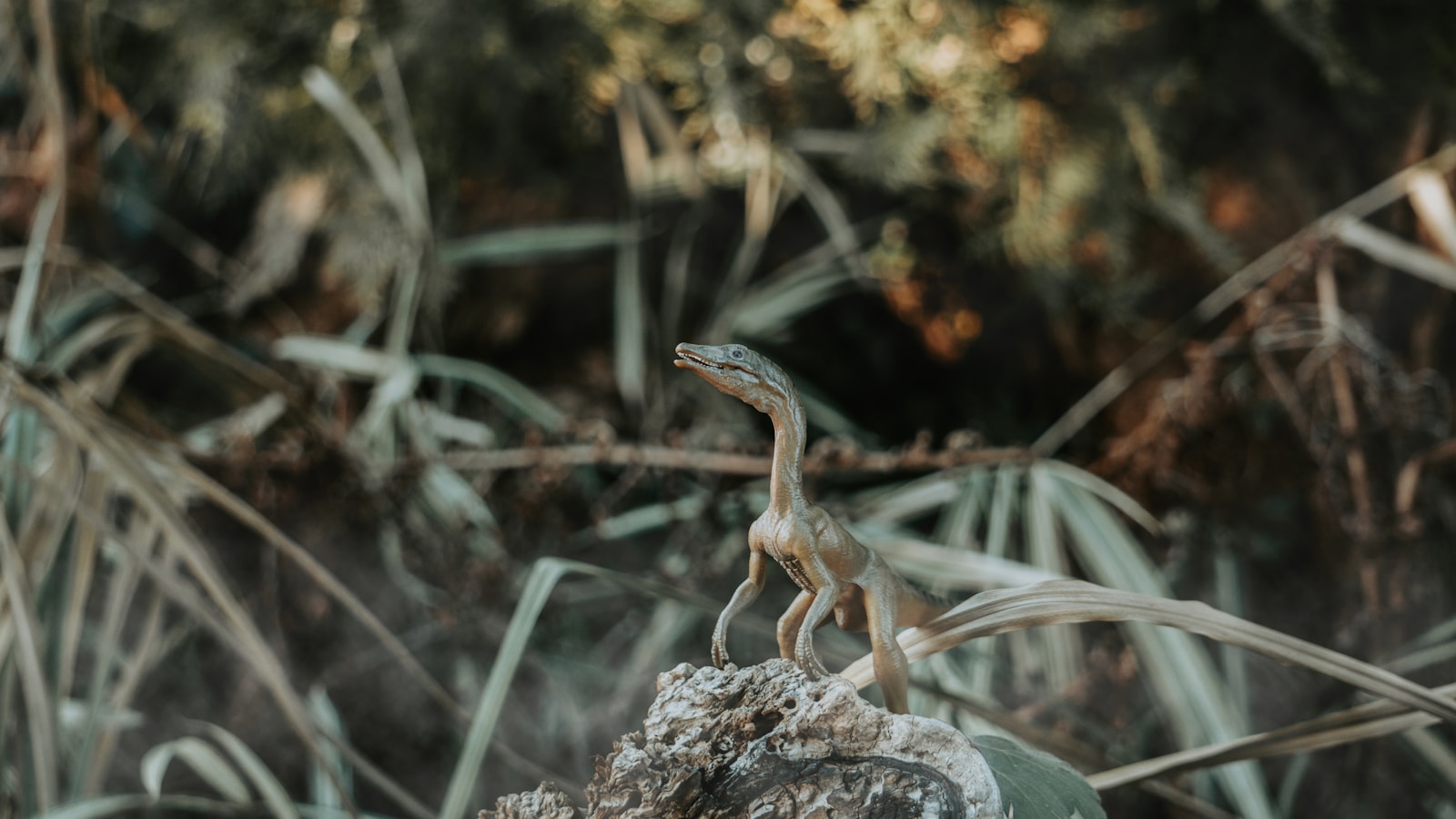
The remarkable success of miniature dinosaurs in ecosystems dominated by giants offers a compelling counternarrative to the popular perception of dinosaurs as uniformly massive creatures. Through specialized diets, superior agility, advanced thermoregulation, heightened intelligence, and innovative adaptations like feathers and flight, the smallest dinosaurs found evolutionary pathways to not merely survive but thrive alongside their gigantic relatives. Their story demonstrates nature’s fundamental principle that size alone doesn’t determine evolutionary success—adaptability does. Perhaps most significantly, while the mighty titans of the Mesozoic Era captured our imagination with their impressive scale, it was ultimately the smallest dinosaurs whose legacy persisted. Birds, the living descendants of these diminutive dinosaurs, continue to exemplify the remarkable adaptability of their ancestors, proving that sometimes in evolution, it’s the small that inherit the Earth.