The mystery of dinosaur blood has fascinated scientists and the public alike for generations. These magnificent creatures that once dominated our planet left behind bones and occasional soft tissue impressions, but their living physiology remains largely theoretical. Recent scientific advances, however, have begun to paint a more vivid picture of what might have coursed through the veins of these prehistoric giants. Through paleontological discoveries, comparative anatomy with modern relatives, and cutting-edge molecular analysis, researchers are assembling clues about dinosaur blood—its composition, color, temperature, and function. This exploration into dinosaur circulatory systems offers fascinating insights into how these animals lived, moved, and thrived across millions of years of evolution.
The Paleontological Evidence for Dinosaur Blood

The direct evidence for dinosaur blood comes from exceptionally rare fossil specimens where soft tissue preservation has occurred. In 2005, paleontologist Mary Schweitzer made headlines when she discovered flexible blood vessels and what appeared to be red blood cells in a Tyrannosaurus rex fossil estimated to be 68 million years old. This groundbreaking find challenged the conventional wisdom that soft tissues could not survive fossilization over such vast timescales. Additional discoveries have since been made in other specimens, including a duck-billed hadrosaur with preserved blood vessels. These rare instances where the fossilization process has preserved traces of original biological material provide scientists with direct, albeit limited, evidence of dinosaur circulatory systems. Though controversial at first, these findings have withstood scientific scrutiny and opened new avenues for exploring prehistoric biology.
Comparing Dinosaur Blood with Modern Relatives
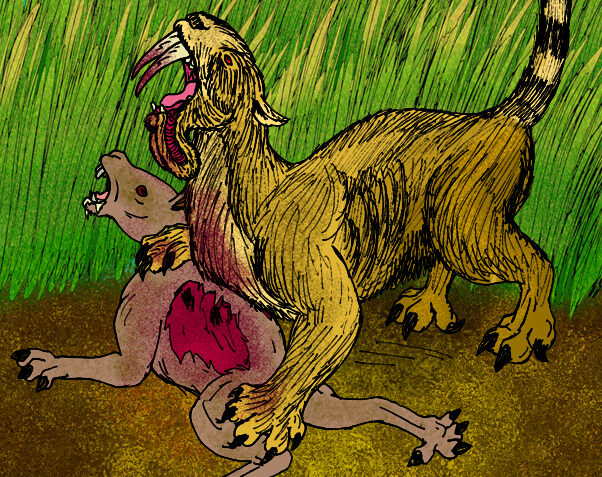
The evolutionary relationship between dinosaurs and modern birds offers crucial insights into dinosaur blood composition. Birds, as the living descendants of theropod dinosaurs, provide our closest living analogues for understanding dinosaur physiology. Modern birds possess nucleated red blood cells—unlike mammals whose red blood cells lack nuclei—suggesting dinosaurs likely had nucleated erythrocytes as well. Crocodilians, the other surviving archosaurian lineage related to dinosaurs, also possess nucleated red blood cells, strengthening this hypothesis. The size and shape of these cells can be estimated by examining the vascular channels in fossil bones, which suggest dinosaur blood cells may have been similar in structure to those of modern birds but potentially larger in some species. These comparative studies between dinosaurs and their evolutionary relatives create a framework for understanding aspects of dinosaur blood that have not been directly preserved in the fossil record.
The Color of Dinosaur Blood: Red or Something Else?
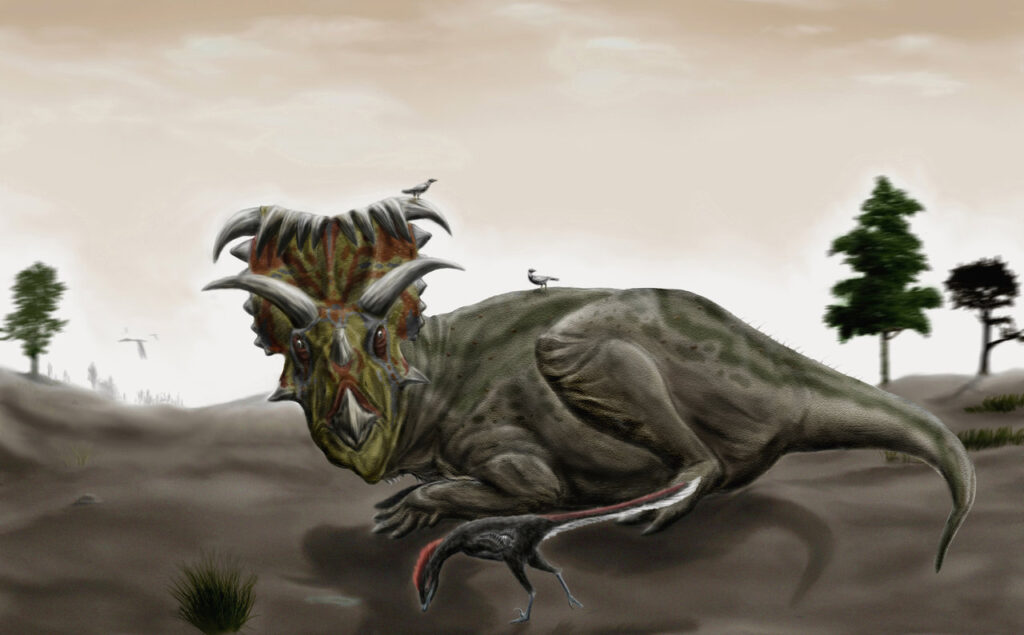
The distinctive red color of vertebrate blood comes from hemoglobin, an iron-containing protein that transports oxygen throughout the body. All modern vertebrates use hemoglobin for oxygen transport, suggesting dinosaurs almost certainly had red blood as well. The traces of iron found in preserved blood vessels from dinosaur fossils further support this conclusion. While some invertebrates use alternative oxygen-carrying pigments that produce different blood colors (such as the blue, copper-based hemocyanin in some mollusks and arthropods), there is no evidence suggesting dinosaurs deviated from the hemoglobin-based system. The evolutionary continuity from dinosaurs to birds, which have bright red blood, provides additional confirmation that dinosaur blood was almost certainly red, though perhaps with slight variations in hue depending on oxygen saturation and specific adaptations. The common misconception that prehistoric animals might have had exotic blood colors is not supported by biological evidence.
Blood Cell Structure and Function in Dinosaurs

Dinosaur blood cells likely shared key structural features with those of modern reptiles and birds. The red blood cells (erythrocytes) would have been nucleated and oval-shaped, unlike the anucleate, biconcave disc-shaped cells found in mammals. This cellular structure affects how efficiently oxygen can be transported and released to tissues. Studies of fossilized bone microstructure suggest dinosaurs had extensive vascularization, indicating high metabolic demands and potentially specialized blood cells. The white blood cells (leukocytes) would have performed immune functions similar to those in modern animals, protecting against pathogens and infections. Platelets, essential for blood clotting, would have helped dinosaurs recover from injuries. The preserved blood vessels found in some specimens indicate dinosaurs had complex circulatory systems capable of supporting their often massive bodies and potentially high metabolic rates, suggesting their blood cells were highly efficient at oxygen transport and delivery.
Warm-Blooded or Cold-Blooded: Blood Temperature Debate

One of the most contentious debates in dinosaur physiology concerns their thermoregulation—whether they were ectothermic (cold-blooded) like most modern reptiles or endothermic (warm-blooded) like birds and mammals. This question directly impacts our understanding of dinosaur blood function. Evidence increasingly suggests many dinosaur groups, particularly theropods and some ornithischians, maintained elevated body temperatures and were at least partially endothermic. Bone histology showing rapid growth rates and dense vascularization supports this view, as does the presence of insulating structures like feathers in many theropods. The blood of endothermic dinosaurs would have required adaptations for efficient oxygen transport at higher temperatures, potentially including specialized hemoglobin variants and higher concentrations of red blood cells. Some larger dinosaurs may have exhibited gigantothermy—maintaining stable body temperatures due to their massive size rather than through internal metabolic processes—which would have affected their blood’s thermal properties and circulation patterns.
Molecular Insights from Preserved Proteins
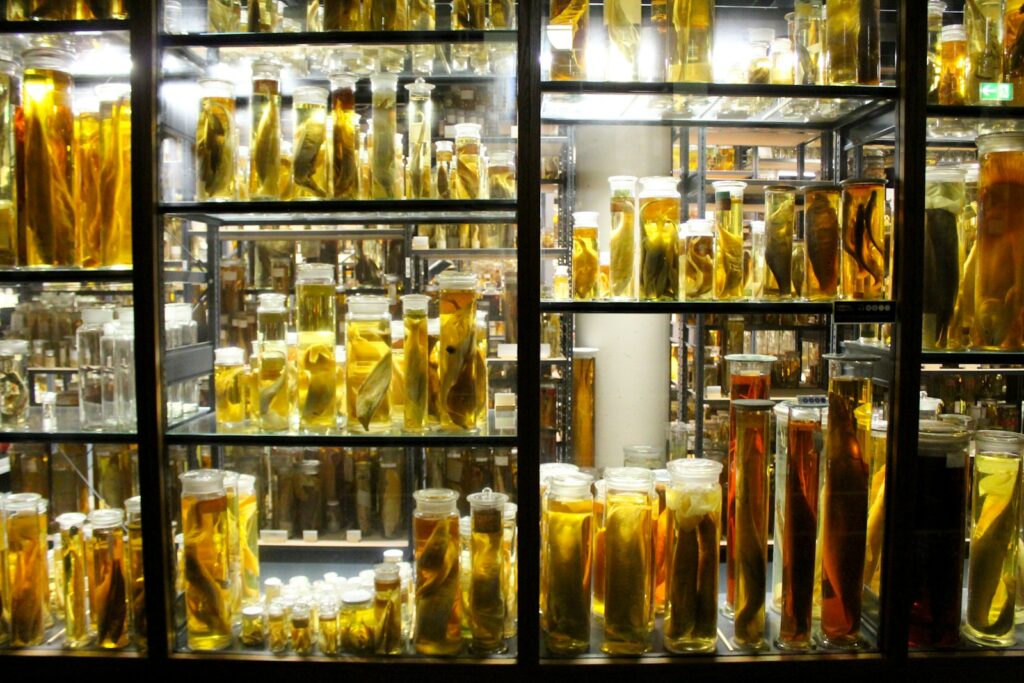
The remarkable preservation of protein fragments in some dinosaur fossils has provided unprecedented molecular insights into dinosaur blood composition. Using advanced mass spectrometry techniques, researchers have identified collagen protein sequences from several dinosaur species, including Tyrannosaurus rex and Brachylophosaurus canadensis. These findings suggest the potential for preserving other blood-related proteins. In some cases, scientists have detected what appear to be degraded hemoglobin remnants, though these findings remain preliminary and controversial. If confirmed, such discoveries could potentially allow comparison of dinosaur hemoglobin structure with that of modern animals, revealing adaptations for oxygen transport under Mesozoic atmospheric conditions. The emerging field of molecular paleontology continues to develop techniques to extract and analyze ancient biomolecules, pushing back the boundaries of what we can learn about extinct animals’ biochemistry and potentially offering direct evidence about dinosaur blood proteins and their functions.
Oxygen Transport in the Mesozoic Era

The atmospheric composition during the Mesozoic Era differed from today’s, with oxygen levels fluctuating between approximately 10% and 30% (compared to our current 21%). These variations would have influenced how dinosaur blood transported oxygen. During periods of higher atmospheric oxygen, dinosaur hemoglobin might have been less specialized for oxygen binding efficiency compared to modern animals. Conversely, during times of lower oxygen, dinosaur blood may have featured adaptations to maximize oxygen uptake and transport. The massive size of many dinosaur species would have presented unique challenges for oxygen delivery to distant tissues, potentially requiring more efficient blood circulation and specialized hemoglobin. Some researchers speculate that certain dinosaurs may have evolved respiratory adaptations similar to the highly efficient air sac system seen in modern birds, which would have worked in concert with their blood to maximize oxygen utilization. These adaptations would have been crucial for supporting the high energy demands of active lifestyles, especially for predatory theropods and massive sauropods.
Blood Circulation in Dinosaurs with Long Necks

Sauropod dinosaurs like Brachiosaurus and Diplodocus, with their extraordinarily long necks, presented a unique cardiovascular challenge—pumping blood vertically against gravity to heights of up to 30 feet. This would have required tremendous blood pressure, potentially necessitating specialized adaptations in their circulatory systems. Some paleophysiologists suggest these dinosaurs may have had compartmentalized cardiovascular systems with multiple heart-like structures or specialized valves to manage blood pressure differentials. The blood vessels in these long-necked giants would have needed to be exceptionally strong to withstand the hydrostatic pressure. Evidence from vertebral anatomy suggests these dinosaurs may have had specialized blood pressure regulation mechanisms similar to those found in modern giraffes but more extreme. Their blood composition might have included adaptations to prevent fluid leakage under high pressure, such as different plasma protein compositions or specialized capillary structures in the brain to prevent cerebral edema when the head was lowered to drink.
Clotting Mechanisms and Wound Healing
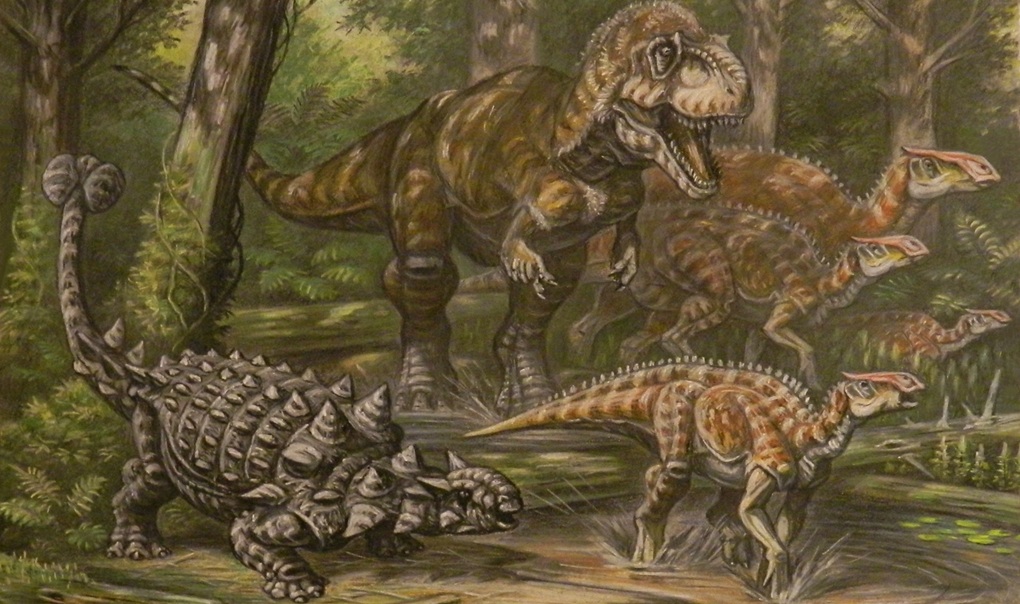
Blood’s ability to clot is essential for survival, and dinosaurs undoubtedly possessed effective clotting mechanisms to recover from injuries. Evidence for healed wounds, including bite marks and broken bones, in dinosaur fossils demonstrates their capacity for wound recovery and implies functional clotting systems. The platelets in dinosaur blood likely functioned similarly to those in modern reptiles and birds, aggregating at wound sites to form plugs and initiate the clotting cascade. The fibrinogen and other clotting factors in dinosaur blood probably resembled those of their modern relatives. Predatory dinosaurs, frequently engaged in dangerous hunting activities, may have evolved particularly efficient clotting mechanisms to survive frequent injuries. Some fossil evidence shows dinosaurs survived significant trauma, including massive infections that would have triggered extensive immune responses in their blood, suggesting sophisticated wound healing capacities beyond basic clotting.
Blood Adaptations for Different Dinosaur Lifestyles
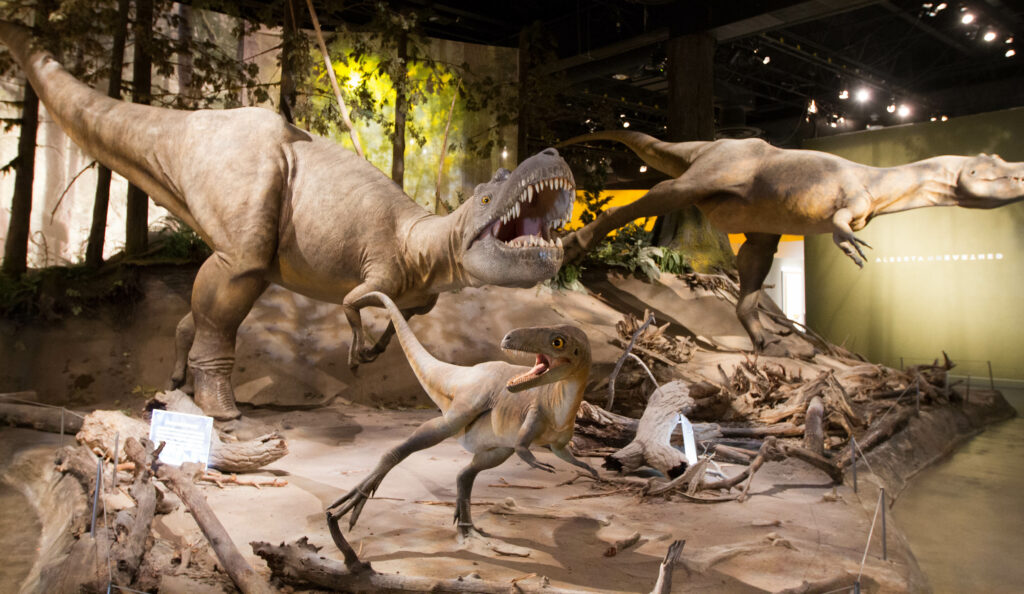
Different dinosaur groups likely evolved specialized blood adaptations suited to their particular ecological niches and activity levels. Fast-moving predatory theropods like Velociraptor probably had blood rich in red blood cells to support their high-energy hunting lifestyle, similar to modern predatory birds. In contrast, more sedentary herbivores might have had less oxygen-carrying capacity but potentially greater adaptations for sustained activity. Aquatic and semi-aquatic dinosaurs like Spinosaurus may have possessed blood adaptations for extended breath-holding, possibly including higher myoglobin concentrations or specialized hemoglobin with greater oxygen affinity. High-altitude dwelling species would have needed blood adaptations similar to those found in modern mountain-dwelling animals, potentially including hemoglobin variants with increased oxygen affinity. Dinosaurs that lived in extreme environments, such as polar regions with seasonal darkness and cold, may have developed blood adaptations to accommodate seasonal metabolic changes or hibernation-like states, possibly including mechanisms to adjust circulation and blood composition seasonally.
Visualizing Dinosaur Blood Vessels

The cardiovascular architecture of dinosaurs can be partially reconstructed by studying the channels and impressions left in fossilized bones. These neurovascular impressions provide information about blood vessel patterns, particularly in skulls where impressions of major arteries and veins are sometimes preserved. Advanced imaging techniques like micro-CT scanning have revealed the three-dimensional structure of these vascular pathways in exceptional detail. Comparative studies with living archosaurs (birds and crocodilians) help fill gaps in our understanding, suggesting dinosaurs had complex vascular networks similar to modern animals but scaled up dramatically in larger species. The brain vasculature of dinosaurs appears particularly sophisticated in some species, with evidence of specialized blood cooling systems similar to those in modern birds to prevent overheating of neural tissues. Some fossils preserve impressions of fine capillary networks, especially around sensory organs, indicating dinosaurs had precisely regulated blood flow to support sensory function.
Future Research Directions in Dinosaur Hematology

The field of dinosaur blood research stands at an exciting frontier, with multiple promising avenues for future discovery. Advances in molecular paleontology may eventually allow scientists to recover and sequence more blood-related proteins from exceptionally preserved fossils, potentially including degraded hemoglobin fragments. New microscopy techniques continue to push the boundaries of what can be observed in fossilized tissues, potentially revealing cellular structures previously invisible to researchers. Computational approaches, including fluid dynamics simulations based on reconstructed blood vessel architecture, could help scientists understand how blood circulated through dinosaur bodies, especially in unusually shaped species. Comparative genomics between birds, crocodilians, and other reptiles may help reconstruct the genetic basis for blood characteristics in their dinosaur ancestors through phylogenetic bracketing. The integration of multiple disciplines—from traditional paleontology to molecular biology, physiology, and computational modeling—promises to create increasingly detailed reconstructions of dinosaur circulatory systems and blood properties in coming years.
Dinosaur Blood in Popular Culture vs. Scientific Reality
Popular depictions of dinosaur blood, perhaps most famously in the film “Jurassic Park” with its mosquito preserved in amber, often diverge significantly from scientific understanding. While the film’s premise of extracting dinosaur DNA from blood consumed by insects is theoretically possible, the reality of DNA degradation over millions of years makes this scenario highly implausible with current technology. Many artistic representations show dinosaur blood as bright red and identical to mammal blood, overlooking the likely nucleated nature of dinosaur red blood cells. Documentary recreations sometimes exaggerate the amount of direct evidence we have about dinosaur blood, when in reality our knowledge comes largely from comparative anatomy and rare instances of exceptional preservation. The scientific reality of dinosaur blood research involves painstaking analysis of subtle clues and careful comparison with living relatives, rather than the dramatic discoveries often portrayed in fiction. Nevertheless, popular culture has played an important role in stimulating public interest in dinosaur physiology and supporting the scientific research that continues to unveil the true nature of these ancient creatures’ blood.
Conclusion

The study of dinosaur blood represents one of paleontology’s most challenging and fascinating frontiers. While we may never have a complete picture of what flowed through the veins of a living Tyrannosaurus or Triceratops, scientific advances continue to narrow the gap between speculation and evidence-based reconstruction. What emerges is a portrait of dinosaur blood as a sophisticated fluid, likely red in color, carried in complex vascular systems, and adapted to support the diverse lifestyles of these remarkable animals. The blood of dinosaurs tells us not just about their physiology but about their evolutionary relationships, metabolic capabilities, and ecological adaptations. As technology advances and more fossils with preserved soft tissues are discovered, our understanding of dinosaur blood will continue to evolve—bringing us ever closer to visualizing one of nature’s most remarkable life-supporting fluids as it existed in creatures that vanished from Earth 66 million years ago.