While Tyrannosaurus rex and other massive predatory dinosaurs often dominate our imagination of prehistoric life, the Cretaceous period was also home to a fascinating group of smaller predators that ruled the undergrowth of ancient forests. These diminutive yet deadly hunters—sometimes weighing no more than a modern turkey—were equipped with impressive intelligence, speed, and hunting adaptations that made them formidable predators in their ecosystems. From the well-known Velociraptor to lesser-known species like Microraptor, these mini-raptors represent some of the most successful predatory dinosaur lineages. Their fossils tell stories of complex behaviors, possible pack hunting strategies, and sophisticated anatomical features that continue to captivate paleontologists today.
The Definition of a “Mini-Raptor”
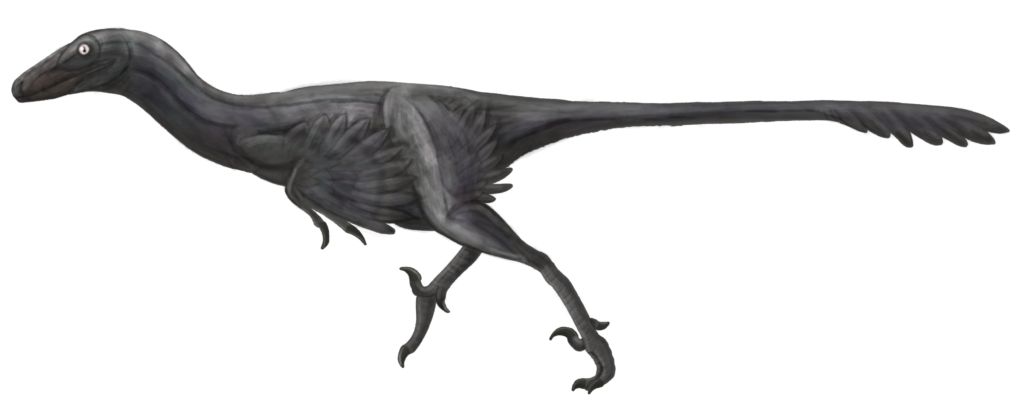
When paleontologists discuss mini-raptors, they’re referring to small dromaeosaurid and troodontid dinosaurs that typically weighed between 2 and 33 pounds (1-15 kg). These animals were characterized by their small size, lightweight frames, and distinct predatory features, including sharp teeth, grasping hands with curved claws, and the iconic enlarged “killing claw” on their second toe. Despite their small stature, these animals were perfectly evolved predators that occupied crucial ecological niches in Cretaceous ecosystems. The term “raptor” itself comes from the Latin word “rapto,r,” meaning “thief” or “plunderer,” which aptly describes their presumed hunting style and quick movements. These animals represent the smaller end of the size spectrum for dromaeosaurids, with the largest members of the family reaching sizes comparable to modern wolves or small bears.
The Evolutionary Origins of Small Raptors
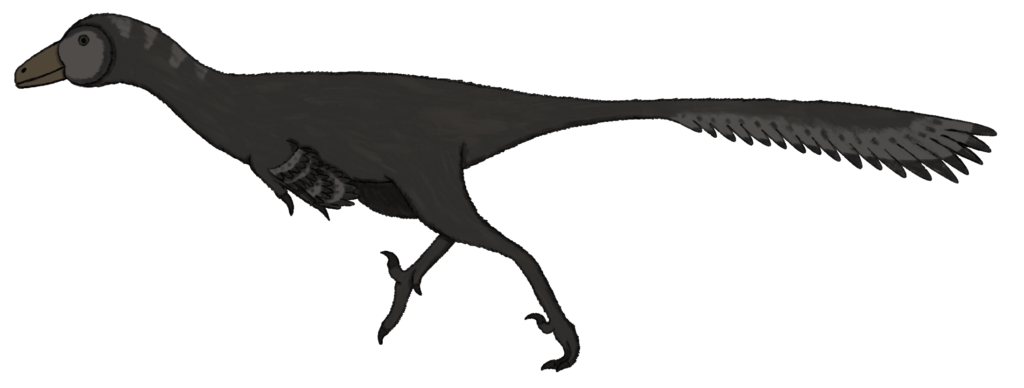
The mini-raptors evolved from theropod ancestors during the Jurassic period, with the dromaeosaurid and troodontid families diversifying significantly during the Early Cretaceous around 125 million years ago. Their evolutionary history is closely intertwined with the origins of birds, as both groups share a common ancestor and belong to the group Paraves. This close relationship explains many of the bird-like features observed in mini-raptors, including hollow bones, feathers, and in some cases, wing-like structures. The small size of these dinosaurs likely evolved as an adaptation to forest environments, where maneuverability and the ability to hunt in confined spaces provided significant advantages. Their evolution represents a fascinating example of niche specialization, as these animals exploited ecological opportunities unavailable to their larger relatives, allowing them to thrive in diverse habitats across Asia, North America, and Europe for millions of years.
Velociraptor: The Most Famous Mini-Raptor

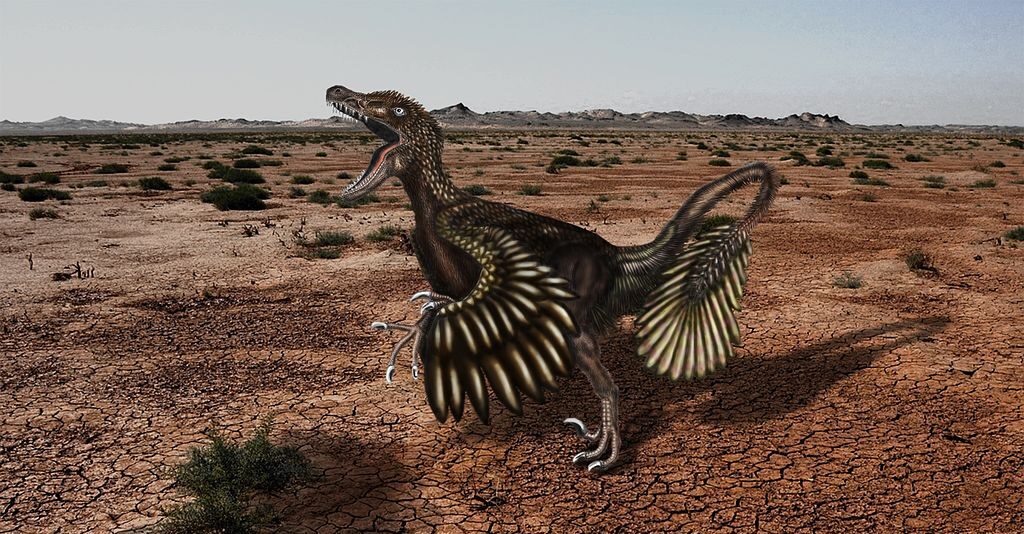
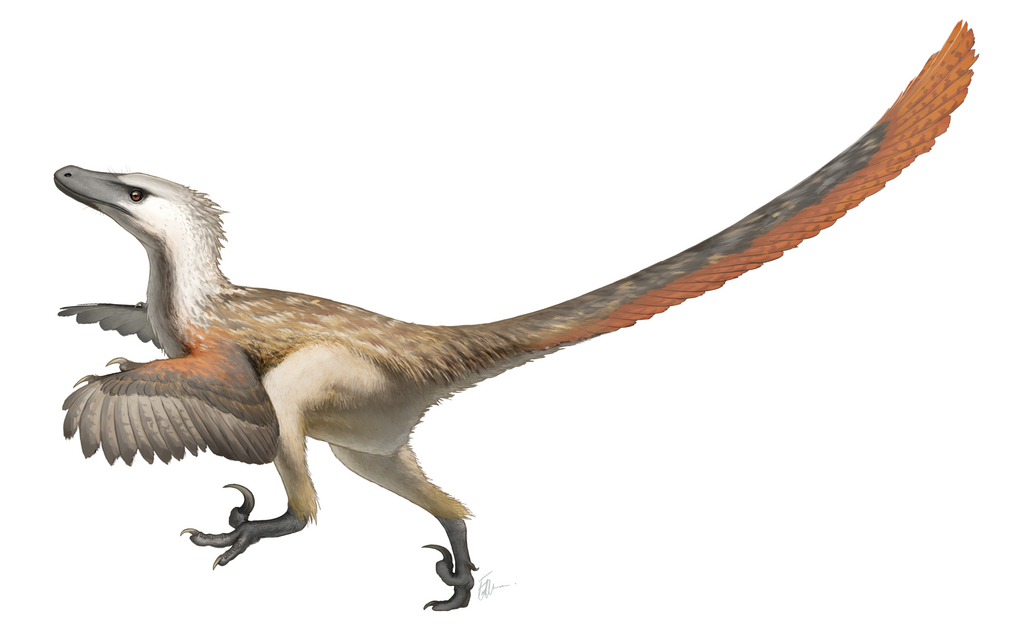
Despite its portrayal in popular media as a man-sized monster, the real Velociraptor way a relatively small predator, standing about 1.6 feet (0.5 meters) tall at the hip and measuring around 6.8 feet (2.07 meters) in length. Weighing approximately 33 pounds (15 kg)—about the size of a turkey—this Mongolian predator was considerably smaller than its Hollywood counterpart. Velociraptor mongoliensis lived during the Late Cretaceous period, approximately 75-71 million years ago, and hunted in the arid environments of what is now Mongolia’s Gobi Desert. The dinosaur’s claim to fame comes partly from the famous “fighting dinosaurs” fossil, which preserves a Velociraptor locked in combat with a Protoceratops, providing rare evidence of predator-prey interaction in the fossil record. This dramatic fossil shows the Velociraptor with its killing claw embedded in the herbivore’s neck, while the Protoceratops appears to have caught the predator’s arm in its beak—a prehistoric snapshot of a deadly struggle frozen in time.
Microraptor: The Four-Winged Wonder

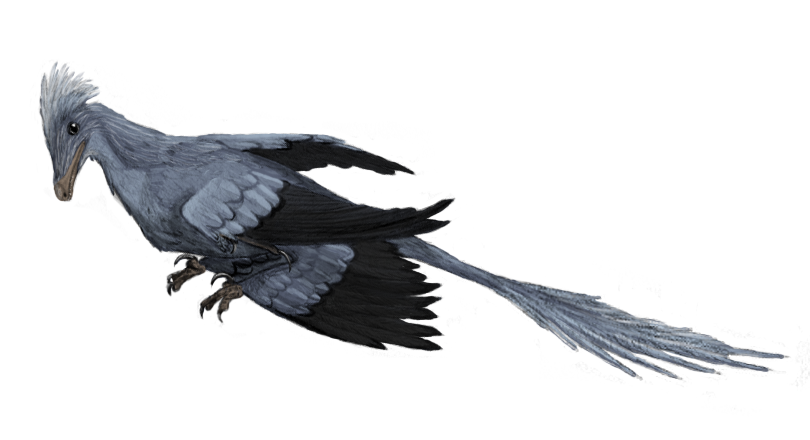
Perhaps the most unusual of all mini-raptors, Microraptor gui represents one of the smallest known dromaeosaurids, weighing just 2.2 pounds (1 kg) and measuring about 2.6 feet (77 cm) in length. This crow-sized predator from Early Cretaceous China (approximately 120 million years ago) possessed a remarkable adaptation: four wings. Long flight feathers extended not just from its arms but also from its legs, creating a four-winged configuration unlike any living bird. Microscopic studies of well-preserved specimens have revealed that Microraptor’s feathers contained melanosomes that would have given the animal an iridescent black coloration, similar to the shimmering feathers of modern crows or ravens. Scientists believe Microraptor was capable of gliding between trees in dense forests, possibly even engaging in limited powered flight, making it one of the earliest known dinosaurs to take to the air. Its diet was surprisingly diverse, with fossil evidence showing it consumed birds, fish, and small mammals.
Bambiraptor: The Deer-Sized Predator

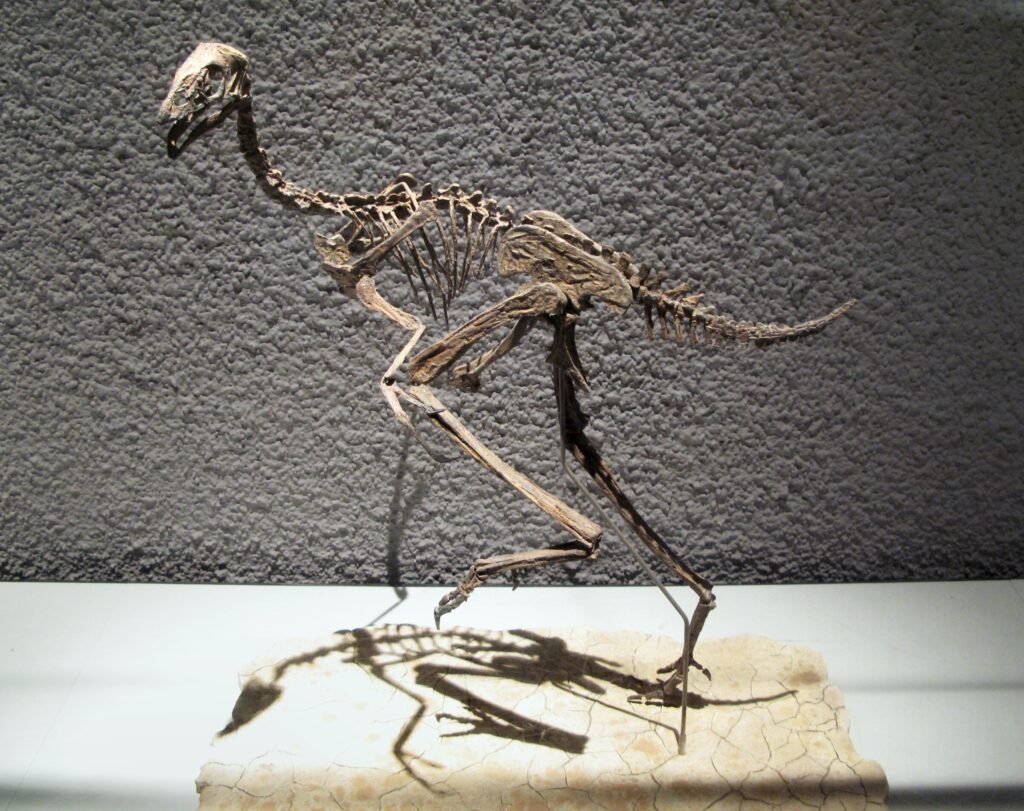
Discovered in 1995 by a 14-year-old fossil hunter in Montana, Bambiraptor feinbergi is named for its relatively small size, standing about 1.3 feet (0.4 meters) tall and measuring approximately 3 feet (0.9 meters) long. This Late Cretaceous predator, dating to about 75 million years ago, is particularly significant to paleontologists because of the completeness of its remains—nearly 95% of its skeleton was recovered, making it one of the most complete dromaeosaurid specimens ever found. Brain casts of Bambiraptor suggest it had an unusually large brain for its body size, with a brain-to-body mass ratio similar to that of modern birds, suggesting high intelligence. The dinosaur’s arms were proportionally longer than those of many other dromaeosaurids, indicating it was likely an effective grasper and possibly a capable climber. This combination of intelligence and physical dexterity would have made Bambiraptor a formidable predator despite its small size, capable of outthinking and outmaneuvering prey in the complex forest environments of Late Cretaceous North America.
Rahonavis: The Controversial Raptor-Bird
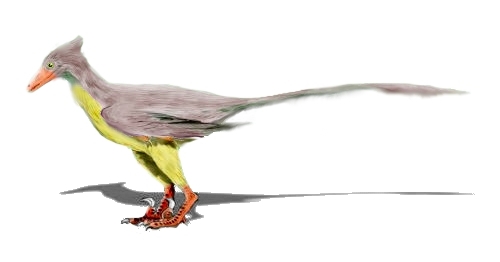
Discovered in Madagascar and dating to the Late Cretaceous period, approximately 70 million years ago, Rahonavis ostromi represents an intriguing case in the study of mini-raptors. This crow-sized predator, measuring around 2.3 feet (70 cm) in length, sits at the controversial boundary between birds and non-avian dinosaurs, with some paleontologists classifying it as a bird and others considering it a non-avian dromaeosaurid. The animal possessed both bird-like features, including a reversed hallux (first toe) adapted for perching, and typical raptor characteristics such as a retractable second toe with an enlarged claw. Perhaps most significantly, Rahonavis had quill knobs on its ulna (forearm bone), providing direct evidence that it possessed large, well-developed feathers capable of supporting flight. This anatomical combination has made Rahonavis a crucial specimen for understanding the evolutionary transition between dinosaurs and birds, representing either a flying dromaeosaurid or one of the earliest true birds that retained numerous raptor-like features.
Hesperonychus: North America’s Smallest Raptor
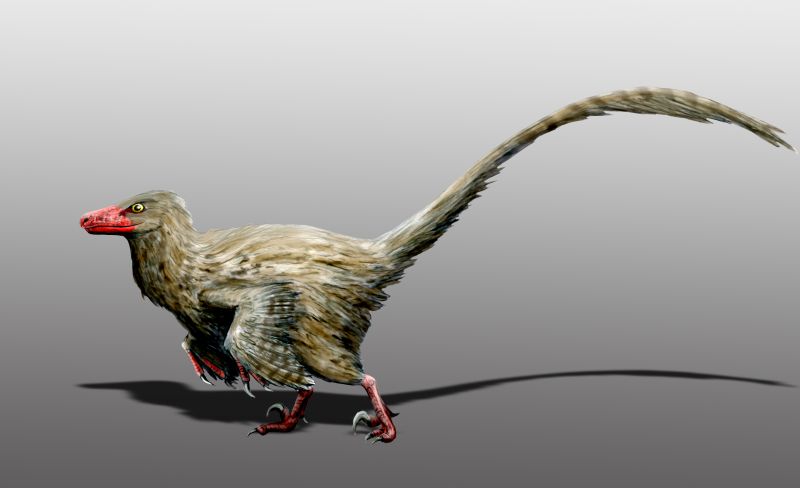
Discovered in Alberta, Canada, Hesperonychus elizabethae holds the distinction of being the smallest known raptor dinosaur from North America, weighing just 4-5 pounds (1.8-2.2 kg) and standing about 1.6 feet (0.5 meters) tall. This mini-predator lived during the Late Cretaceous period, approximately 75 million years ago, sharing its ecosystem with much larger predatory dinosaurs, including Albertosaurus and Daspletosaurus. Despite its diminutive size, Hesperonychus possessed the characteristic enlarged sickle claw on its second toe, which it likely used for dispatching prey much as its larger relatives did. Interestingly, the discovery of Hesperonychus helped fill a significant gap in North American dinosaur ecology, as small predatory niches were previously thought to be occupied primarily by primitive mammals and lizards rather than dinosaurs. The fact that this tiny raptor existed in North America approximately 45 million years later than similar-sized raptors in Asia suggests that small dromaeosaurids were more widespread and persistent throughout the Cretaceous than previously recognized.
The Hunting Strategies of Mini-Raptors
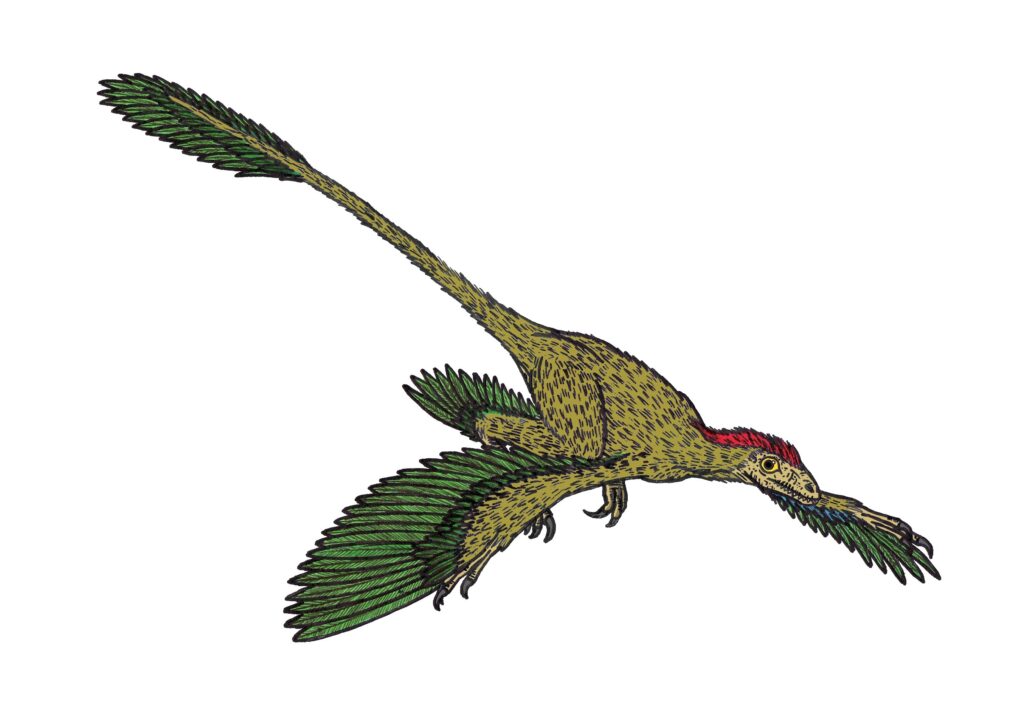
The hunting behavior of mini-raptors has been the subject of intense scientific study and debate, with multiple lines of evidence suggesting these dinosaurs were sophisticated predators despite their small size. Their brain cases indicate relatively large brains for their body size, suggesting intelligence levels potentially comparable to modern birds of prey. Many paleontologists theorize that smaller dromaeosaurids may have hunted in coordinated packs to bring down prey larger than themselves, though direct fossil evidence for this behavior remains limited. The distinctive enlarged “killing claw” on the second toe likely served as their primary weapon, used to deliver deep, slashing wounds to prey while the raptor maintained its grip using its teeth and hand claws. Some species, particularly those with evidence of climbing or gliding abilities like Microraptor, may have employed ambush tactics, dropping from trees onto unsuspecting prey below. Stomach contents preserved in exceptional fossils reveal that mini-raptors consumed a diverse diet including small mammals, birds, lizards, and even fish, demonstrating their adaptability as predators.
Feathers and Flight Adaptations
One of the most revolutionary discoveries in paleontology over the past few decades has been the confirmation that virtually all dromaeosaurids, including mini-raptors, possessed feathers. Exceptional fossils from China’s Liaoning Province have preserved delicate feather impressions showing that these dinosaurs were covered in complex feathering similar to modern birds. The smallest mini-raptors, such as Microraptor and Sinornithosaurus, possessed true pennaceous feathers—with a central shaft and barbs—on their arms, legs, and tails, forming functional aerodynamic surfaces. These structures were not simple insulation but complex flight feathers with asymmetrical vanes, indicating they played a role in aerial locomotion. While larger dromaeosaurids like Velociraptor were likely too heavy for flight, evidence suggests they retained feathers for display, insulation, or brooding behaviors. The evolution of these feather types in mini-raptors represents a crucial transition in the development of powered flight, with some species capable of gliding or limited flapping flight, occupying an evolutionary middle ground between ground-dwelling predators and fully flight-capable birds.
Social Behavior and Communication

Although behavior rarely fossilizes, paleontologists have gathered compelling evidence suggesting mini-raptors may have exhibited complex social interactions similar to modern birds. The relatively large brain size in these dinosaurs, particularly the expanded cerebrum regions associated with complex behaviors in modern animals, suggests they possessed advanced cognitive abilities that could support social living. Some fossil sites have yielded multiple individuals of the same species preserved together, potentially indicating gregarious behavior or family groups. The elaborate feathering in many species, particularly those with evidence of iridescent coloration like Microraptor, suggests visual displays may have played important roles in communication, mate selection, or establishing dominance hierarchies within social groups. The bone structure of some species indicates they possessed a specialized wrist bone called the semilunate carpal, which would have allowed them to fold their arms against their bodies bird-style when not in use, e—potentially enabling gestures or visual signals using their feathered forelimbs as communication tools within their social groups.
Mini-Raptors as Ecosystem Engineers
The ecological roles played by mini-raptors were surprisingly significant given their small size, as these predators likely exerted considerable influence on Cretaceous food webs. As mid-level predators, they would have helped regulate populations of small vertebrates, including mammals, lizards, and smaller dinosaurs, preventing overgrazing and maintaining ecosystem balance. Their presence likely drove evolutionary adaptations in prey species, including improved camouflage, defensive structures, and escape behaviors—a classic example of predator-prey coevolution. Some mini-raptors may have served as seed dispersers, particularly if they consumed fruit-eating animals and subsequently distributed undigested seeds through their droppings across their territory. Recent research has even suggested that the smallest feathered raptors may have filled ecological niches similar to modern forest-dwelling hawks and eagles, acting as aerial predators that could access prey unavailable to ground-dwelling carnivores. This diversification of predatory strategies would have contributed to the overall biodiversity and ecological complexity of Cretaceous forests.
Extinction and Legacy

The extinction of mini-raptors coincided with the broader Cretaceous-Paleogene mass extinction event approximately 66 million years ago, when an asteroid impact and volcanic activity dramatically altered Earth’s climate and ecosystems. Despite their adaptability and success throughout the Cretaceous period, these small predators appear to have been unable to survive the catastrophic environmental changes that eliminated approximately 75% of all species on Earth. However, their evolutionary legacy lives on in modern birds, which share numerous anatomical and behavioral traits with their dromaeosaurid relatives. Features including hollow bones, complex feathering, nesting behaviors, and possibly even intelligence represent evolutionary innovations that first appeared in the theropod lineage that included mini-raptors. The study of these diminutive predators continues to provide crucial insights into the dinosaur-bird transition, representing one of paleontology’s most compelling evolutionary narratives. Through modern birds, the ecological adaptations that made mini-raptors such successful predators continue to thrive in contemporary ecosystems around the world.
Recent Discoveries Changing Our Understanding
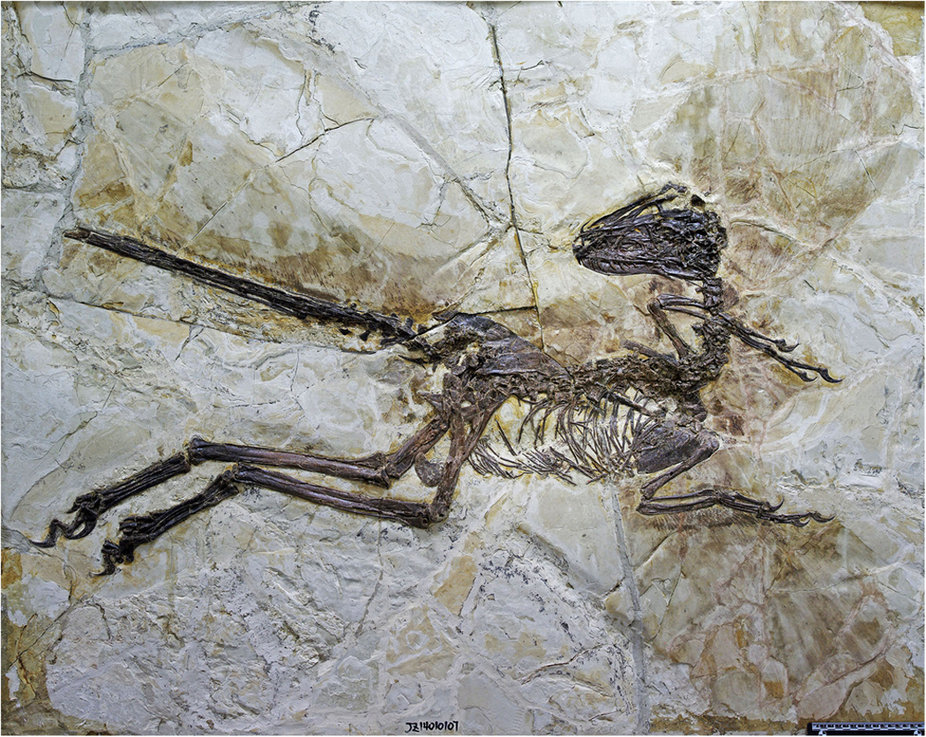
The field of mini-raptor research continues to evolve rapidly, with new fossil discoveries and analytical techniques regularly refining our understanding of these fascinating predators. The discovery of Zhenyuanlong suni in 2015, a larger dromaeosaurid with unmistakable feather impressions, ions including large pennaceous feathers on its arms, conclusively demonstrated that even relatively large dromaeosaurids possessed bird-like plumage despite being too heavy for flight. Advanced scanning technologies have revealed previously invisible details in fossils, including the discovery of preserved melanosomes (pigment-bearing organelles) that allow paleontologists to determine the actual colors of some feathered dinosaurs—Microraptor, for instance, is now known to have been iridescent black. Biomechanical studies using computer modeling have provided new insights into how mini-raptors moved and hunted, suggesting some species were capable of a limited form of powered flight rather than just gliding. The continued discovery of transitional fossils in China’s Liaoning Province and elsewhere continues to blur the once-clear distinction between birds and non-avian dinosaurs, cementing the evolutionary connection between the mighty dinosaurs of the past and the birds that fill our skies today.
Conclusion
The mini-raptors of the Cretaceous period represent one of evolution’s most successful experiments in predatory adaptation. These small but formidable hunters combined intelligence, speed, and specialized adaptations to thrive in complex forest ecosystems alongside much larger dinosaurs. Their study has revolutionized our understanding of dinosaur biology, behavior, and appearance, transforming our perception of these animals from scaly reptiles to feathered, active, and potentially social creatures. The evolutionary innovations that first appeared in mini-raptors—from feathers and hollow bones to complex behaviors—continue to thrive in modern birds, their closest living relatives. As paleontological techniques continue to advance, these tiny tyrants of the Cretaceous forests will undoubtedly continue to provide fascinating insights into the development of avian characteristics and the complex ecology of prehistoric ecosystems.